
Horse Breeds, Colors, and Conformation: Your Guide to Speaking “Equine”
Published on: December 21, 2025 | Last Updated: December 21, 2025
Written By: Henry Wellington
Hello fellow equestrians. Have you ever found yourself pointing at a horse and saying, “the big brown one with the white sock,” while the person next to you calls it a “bay with a coronet”? Navigating the specific language of horse breeds, colors, and physical traits can feel like learning a second language.
This confusion is more than just semantics. Knowing these terms is your practical key to better communication with your vet, farrier, and trainer, and it deepens your connection to the animal in your care. In this guide, we’ll translate the equine lexicon into plain English you can use at the barn.
We will cover the core purpose and personality behind major breed profiles, the simple genetics behind common coat colors and how to identify them, the correct terminology for facial and leg markings, and what to look for in basic conformation for soundness and comfort.
I’ve based this on years of matching riders to horses and recording every detail from a vet check to a sales ad, all from the vantage point of a dusty barn office.
How Horse Breed Shapes Every Stable Routine
Forget one-size-fits-all care. The moment a new horse arrives, their breed isn’t just trivia-it’s the blueprint for their daily life. My morning with Luna the Thoroughbred looks nothing like my evening with Rusty the Quarter Horse, and recognizing that difference is the foundation of good management.
Reading the Breed: Temperament and Energy
Think of breed as your horse’s default operating system. It sets the baseline for their energy output and how they process the world. A high-strung horse isn’t being difficult; they’re running the software they were bred with.
My sensitive Luna needs a slow, quiet approach to everything. Her stall door must be latched silently, or she’ll jump. Her grain is given after a long, hand-grazing cool-down, not before, to let that Thoroughbred engine idle. For high-energy breeds, routine is about predictable calmness to help them manage their own wiring.
Contrast that with steady Rusty. His Quarter Horse mind is built for patience. I can shake a feed bucket near his stall and he’ll just nicker, not dance. His routine includes more standing calmly for grooming and farrier work, reinforcing that innate steadiness. The cheeky Shetland pony, Pipin? His intelligence means his routine is built on outsmarting his escapism-double-latched gates and puzzle feeders.
- Hot-Blooded Breeds (Thoroughbreds, Arabs): Prioritize consistent, quiet handling. Long, slow warm-ups and cool-downs are non-negotiable. They often benefit from more turnout space to move freely.
- Cold-Blooded Breeds (Drafts, Cobs): Focus on clear, confident cues. Their routines can include more structured work, but watch for boredom. They are often easy keepers, so diet management is key.
- Stock Breeds (Quarter Horses, Paints): Leverage their willingness. Routines can be versatile, but they thrive on a job, even if it’s just following you around the barnyard.
Breed-Specific Health Watch
Breed tells you where to shine your flashlight during health checks. It’s your preventative care cheat sheet. I check Luna’s legs for heat every single night because her breed is prone to subtle strains. I monitor Pipin’s grass intake like a hawk because his pony metabolism is a laminitis risk waiting to happen.
Your feeding program is the first place breed dictates change. That easy-keeper draft cross might only need a flake of hay when the lush spring grass comes in, while the hard-keeping off-track Thoroughbred may need a calibrated mix of fats and fibers to maintain weight.
- Metabolic Monitoring: Ponies, drafts, and some stock breeds are often easy keepers. Watch for cresty necks, fat pads, and use a weight tape weekly.
- Leg and Hoof Vigilance: Light-legged breeds need daily checks for filling or heat. Heavy breeds need consistent farrier work to manage their greater weight.
- Digestive Tendencies: Some breeds are more susceptible to colic or ulcers. Knowing this influences feeding frequency, stress reduction, and turnout choices.
A Caretaker’s Guide to Horse Colors and Markings
A horse’s color is more than a pretty picture. It’s a layer of their identity that whispers clues about their care needs, from sun protection to unique identification. The smell of sunscreen is a permanent part of my summer barn routine because of pink noses, especially for those photosensitive areas.
The Basic Color Palette
Let’s move beyond “brown.” The base colors-bay, chestnut, black-are determined by genetics. A bay horse has a black mane, tail, and lower legs with a reddish-brown body. A chestnut is some shade of red, from pale sorrel like Rusty to dark liver, with a mane and tail the same color or lighter. A true black is black all over, though sun bleaching can lighten the coat.
Skin color is your real guide for care, not just hair. A horse with pink skin under their white hair (like a bald face or socks) is far more susceptible to sunburn and photosensitivity. I keep fly masks with UV protection on my pink-skinned horses all summer long.
- Bay: Look for the black “points.” Generally hardy, but white markings on their legs may mean pink skin.
- Chestnut/Sorrel: All red, no black. Often have delicate skin that’s prone to scratches or summer sores.
- Black: Can fade in the sun. Requires diligent grooming to keep that deep color shining, and pink skin is less common.
- Grey: Like my Luna, they are born dark and lighten with age. They require meticulous grooming to manage dirt and are at high risk for melanomas, especially under the tail and around the muzzle.
Markings: Your Horse’s Fingerprint
Markings are nature’s way of giving your horse a unique ID card. That snip, star, or partial sock is as individual as a human fingerprint. I can identify Pipin in a dark field by the sound of his trot and the tiny white speck on his left hind coronet.
When documenting markings for vet records or ownership papers, be painstakingly precise. Note not just the shape of a face marking, but its exact edges and any surrounding hairs. Is that sock a clean line, or does it have “ermine” spots at the top? These details matter.
- Face Markings: Start from the top down. Record the shape (star, stripe, blaze, snip) and its precise reach. Does the blaze go all the way to the nostrils? Is it crooked?
- Leg Markings: Measure from the coronary band up. A “sock” is generally to the mid-cannon, a “stocking” reaches the knee or hock. Note which hoof is light or striped.
- Body Markings: These are rare and valuable for ID. Look for belly spots, “prophet’s thumbprints” on the neck, or patches of white (not from old scars).
Care Profiles for Common Barn Residents
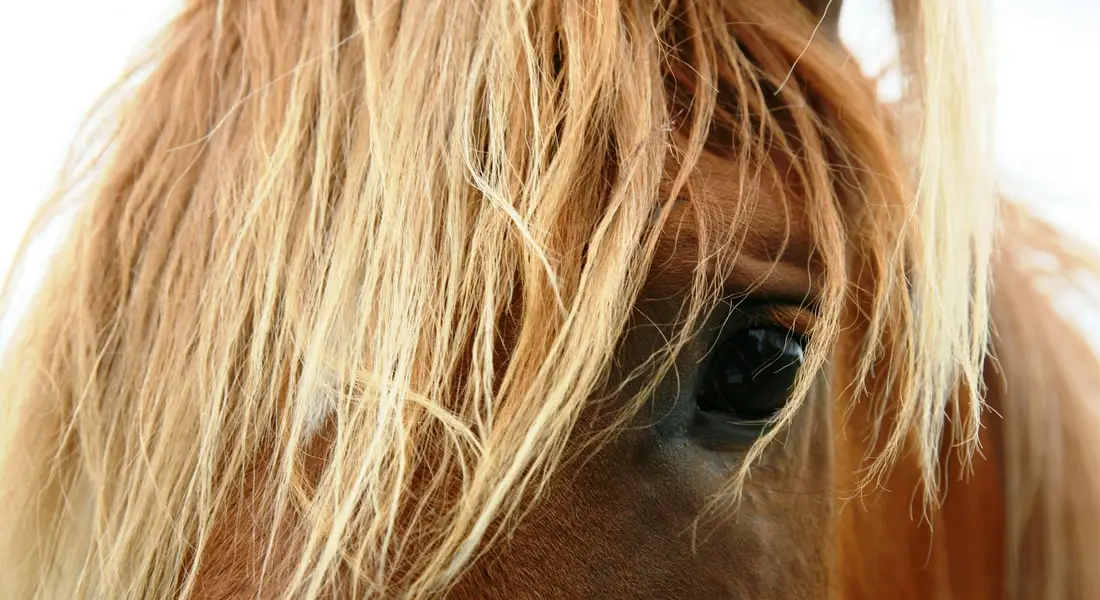
Every horse in the barn has a manual written in their genes. Knowing how to read it makes all the difference in their care. I’ve spent years listening to what each breed tells me, from the pricked ears of a Thoroughbred to the steady sigh of a Quarter Horse after a long ride.
The Sensitive Athletes: Arabian and Thoroughbred
Working with breeds built for speed and stamina is a lesson in reading subtle cues. Their metabolism is a high-performance engine, and their minds are equally sharp. I remember cooling out Luna, my Thoroughbred, after a light ride; even the snap of a flag in the distance could make her whole body tense. For these horses, consistent daily turnout is non-negotiable—it’s their safety valve for mental steam and physical energy, much like other exercise-intensive breeds.
Their care often requires a softer touch and a sharper eye. Here’s what I’ve learned keeps them thriving:
- Feed for fuel, not fat: They often need more calories from quality sources, but rich feeds can easily overheat their system. I prefer soaked beet pulp or rice bran over heavy grain meals.
- Routine is refuge: Feed, turnout, and work at the same times each day. Unexpected changes can trigger anxiety or ulcers.
- Blanket with brains: Their finer coats offer less insulation. Feel behind the withers to check for chill, don’t just assume they need a rug because you’re cold.
- Hoof care is health care: Thin-soled and prone to issues, their feet need regular, expert attention. The thud of a clean, well-trimmed hoof on solid ground is a sound of good health.
Turn them out in a safe, spacious paddock where they can move freely. A stressed athlete in a stall is a problem waiting to happen.
The Steady Companions: Quarter Horse and Morgan
These are the reliable friends of the horse world, like my old gelding Rusty. Their solid build and steady temperament make them popular, but “easy-keeper” doesn’t mean “no-keeper.” Their durability can mask budding health issues if you’re not attentive. The biggest mistake I see is overfeeding these good-doers, leading to a founder risk that breaks my heart.
Their care is straightforward but must be consistent. Focus on these areas:
- Manage the buffet: Limit lush pasture access, use a grazing muzzle if needed, and provide low-sugar hay. Their waistline is a top health indicator.
- Keep them moving: Even a steady companion needs regular exercise to prevent stiffness. A daily hand-walk or light ride does wonders.
- Dental checks are key: Their willingness to eat anything can hide tooth problems. Schedule yearly floats to ensure they can chew that tough hay properly.
- Check for soundness: Their “cow sense” and willingness can mean they work through minor aches. Learn to recognize a slightly short stride or head bob early.
They thrive on gentle, predictable handling and deserve the same thoughtful preventive care as any high-strung performance horse.
The Gentle Giants: Draft Breeds like Clydesdale and Shire
The first time you groom a Draft horse, you understand the term “gentle giant.” The sheer power is humbling, but their calm demeanor is a gift. Caring for them isn’t just about scaling everything up; it’s about understanding the unique demands of their magnificent frames. Their size makes every aspect of care-from hoof picking to deworming-a calculated operation for your safety and their comfort.
Special considerations are paramount for their welfare. Here’s my draft-care shortlist:
- Feet first: Their massive hooves grow quickly and are prone to cracks and white line disease. A strict, professional farrier schedule every 6-8 weeks is a must.
- Watch the weight: They can appear ribby even at a healthy weight due to their ribcage shape. Use a weight tape and body condition score, don’t just eyeball it.
- Space to be: Stall size, trailer height, and paddock fencing must be heavy-duty and spacious. A cramped giant is an unhappy, accident-prone one.
- Cooling out is critical: Their thick bodies retain heat. After work, walk them until their breathing is normal and their coat is cool to the touch, especially in summer.
Advocate for wide, comfortable tack that doesn’t pinch their broad backs. The smell of clean leather on a well-fitted collar is the smell of a job done right.
The Hardy Icons: Mustang and Icelandic
Breeds forged by rugged landscapes bring a special kind of toughness to the barn. The Mustang’s desert ancestry and the Icelandic’s volcanic homeland mean they are built to thrive with less. This doesn’t mean neglect-it means respecting their efficient design. Over-managing a hardy horse with rich feed and limited movement is a fast track to metabolic disaster.
Their care philosophy leans toward simplicity and observation. Key points include:
- Embrace the roughage: They are designed to live on sparse forage. Provide free-choice, low-quality hay to mimic constant grazing without the sugar spike.
- Respect the extra gears: Icelandic horses have tölt and flying pace. Ensure their training builds the muscle for these gaits gradually to avoid strain.
- Hoof resilience is real: Many can go barefoot with proper trimming, but regular picking is still essential to prevent thrush from packed mud or snow.
- Let them be horses: They often have strong herd instincts and need social turnout. Watching a Mustang herd interact is a masterclass in equine communication.
Their hardiness is a gift, but it requires you to step back and let their natural instincts work. Provide clean water, mineral access, and ample space, and they often do the rest.
When Color Signals Something More Than Hue
The flash of a white sock or the shimmer of a dapple grey coat is a beautiful thing. But sometimes, a horse’s color or pattern is more than a pretty wrapper; it’s a note from nature about their care needs. Paying attention to these genetic cues is one of the most proactive things an owner can do for lifelong equine health.
Gray Horses and Melanoma Awareness
I’ve spent countless hours brushing Luna’s dapple grey coat, watching it lighten year by year. With that beauty comes a responsibility every grey horse owner needs to know. The gene that causes the grey color is also linked to a high incidence of melanomas. These are often benign, slow-growing tumors, but they demand vigilance.
You’ll typically find these small, black lumps in areas with less hair:
- Under the tail
- Around the anus and sheath or udder
- On the lips and parotid gland (near the jaw)
- On the eyelids
My routine with Luna involves a thorough feel-and-look check during every grooming session. Note the size, texture, and location of any lump, and report new or changing ones to your vet immediately. Early monitoring is everything. Many horses live comfortably with melanomas for years, but veterinary guidance is non-negotiable.
Patterns and Potential Health Links
Certain coat patterns are tied to specific genetic conditions. The most well-known link is between the frame overo pattern in Paint horses and a condition called Lethal White Syndrome (OLWS). A foal born with two copies of the frame gene appears all white and has an underdeveloped intestinal tract, which is fatal.
Responsible breeding practices use genetic testing to avoid producing affected foals. If you’re looking at a loudly colored Paint or Pinto, it’s fair to ask about the parentage and testing. Knowing a horse’s color genetics isn’t just for breeders; it’s a cornerstone of informed ownership and welfare advocacy. Understanding the broader genetic considerations is equally important.
Another link exists in some Appaloosas. The complex pattern genes can sometimes be associated with a predisposition to Equine Recurrent Uveitis (moon blindness) and a condition called Congenital Stationary Night Blindness. If you own an Appy, familiarizing yourself with the early signs of eye discomfort is wise.
Sun Sensitivity and Pigmentation
Here’s a simple rule: pink skin burns, black skin tans. Horses with large areas of non-pigmented (pink) skin and light hair are incredibly prone to sunburn and photosensitization. This isn’t just about a red nose; it’s painful, can cause blistering, and increases the risk of certain skin cancers. Especially when it comes to skin issues in horses, prevention and early identification are key.
Our cheeky Shetland, Pipin, has a wide pink muzzle that would be a crisp, peeling mess without protection. Our management includes:
- Physical barriers: A well-fitting UV-protective fly mask with a nose cover is a barn staple for summer.
- Timing: We adjust turnout. Pipin is often in during the peak sun hours of 10 a.m. to 4 p.m. and out enjoying the cooler morning and evening light.
- Topicals: Equine-safe, zinc-oxide-based sunscreen on his nose and any other pink areas. I apply it like a ritual after morning feed.
For horses with white legs, be mindful of “scratches” or pastern dermatitis, as sun-damaged skin is more vulnerable to bacterial invasion. Think of sun protection not as a cosmetic extra, but as critical as applying fly spray in July. Your pink-nosed pony will thank you.
Matching Your Management to Their Makeup
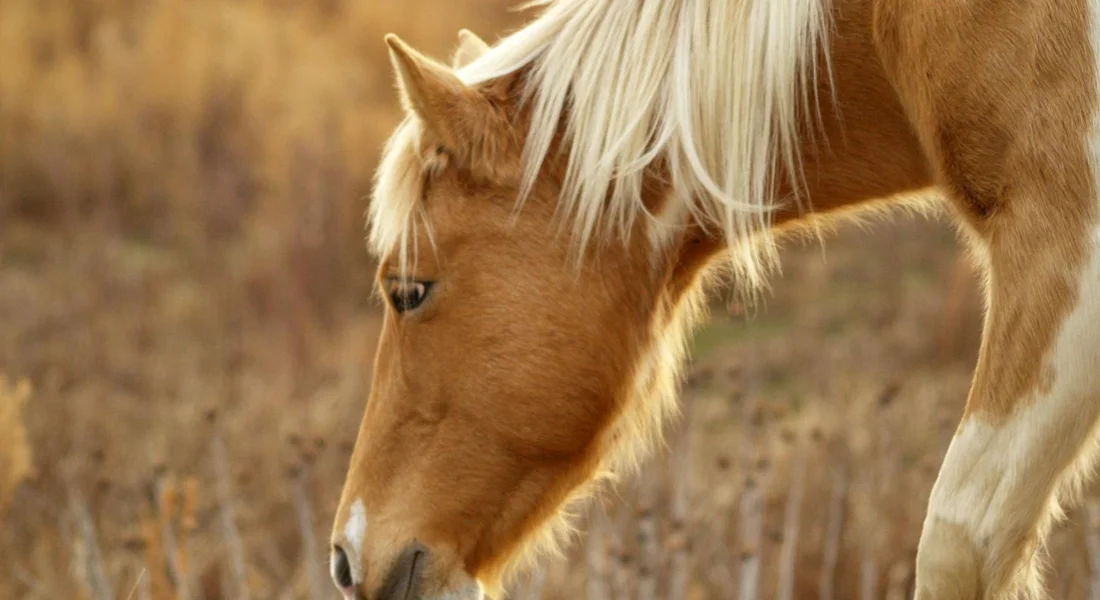
That registration paper is more than a pedigree; it’s a blueprint for care. A horse’s breed isn’t just about looks-it’s centuries of selective breeding whispering in their metabolism and molding their mind. Your job as a manager is to listen to that history and build your routine around it, not force their square-peg genetics into your round-hole schedule.
Ask Yourself These Questions Before Choosing
I’ve seen too many heartbreaks from a simple mismatch. Before falling for a pair of soft eyes, hold this checklist against your own life.
- What does your weekly calendar truly look like? Be brutally honest. A high-energy breed like a Thoroughbred or Arabian will physicallly and mentally deteriorate on a “three days a week if work is quiet” plan.
- What is your footing and turnout like? A heavy draft or a horse with feathered legs can be a nightmare in deep, muddy paddocks, battling skin issues. A fine-boned horse needs flat, firm ground.
- Who is your support network? If you travel for work, who handles the daily checks? Some breeds are stoic and forgiving of minor inconsistencies; others, like many sensitive Warmbloods, need clockwork routine.
- What is your own confidence level? There’s zero shame in wanting a steady partner. Choosing a breed known for its calm demeanor, like a dependable Quarter Horse or a steady Morgan, is wise horsemanship, not a compromise.
The right horse makes you a better rider and caretaker; the wrong one burns you out and risks their welfare. I learned this the hard way early in my career, trying to fit a nervous, hot-blooded horse into a quiet lesson program-it was unfair to everyone.
Turnout, Tack, and Training Considerations
Once they’re home, your management must adapt. Here’s how breed directly impacts the big three: movement, equipment, and education.
Turnout is Non-Negotiable, But Its Form Can Change
All horses need to move, but their build dictates how. My draft-cross needs a massive, slow hay net to stretch his neck down comfortably, while my fine-boned mare gets hers higher to keep her delicate legs out of the dust. Think of turnout as prescribed movement: some need room to run off steam, others need careful footing to prevent strain.
Tack Fit is Breed-Specific Science
You cannot saddle a wide, round-barreled Haflinger with a narrow, Thoroughbred-tree saddle and expect comfort. Their skeletal structure is different.
- Broad-Backed Breeds (Drafts, Cob-types): Need trees with ample shoulder room and wide gullets. Girths must be shaped to avoid rubbing at the elbow.
- High-Withered, Narrow Breeds (Thoroughbreds, some Arabians): Require saddles with sufficient clearance at the withers to prevent pressure and painful bridging.
- Mutton-Withered Breeds (Many Quarter Horses): Saddles must be secured carefully to prevent sliding forward, often requiring a breastplate.
The creak of leather should be a sound of partnership, not a signal of pinching or pressure-getting this right starts with respecting their blueprint. I keep a notes app on my phone for each horse’s specific tack measurements; it’s a game-changer.
Training Paces Must Match Mental Wiring
You don’t train a clever, food-motivated pony like Pipin the same way you train a sensitive, flighty Thoroughbred like Luna. One learns via clever puzzles and positive reinforcement, the other through consistent, quiet repetition that builds trust. For the hot-blooded horse, a long, slow warm-up is a mental decompression chamber; for the cold-blooded, it’s about awakening the body without drilling into boredom. Their breed gives you the first clue to their learning language.
| Breed Type | Key Management Focus | A Quick Tack Tip |
|---|---|---|
| Hot-Blooded (Thoroughbred, Arabian) | Consistent daily exercise & mental engagement. Ample turnout to manage energy. | Ensure saddle tree has enough wither clearance. Use soft, flexible girths. |
| Cold-Blooded (Draft, Cob) | Monitor weight closely. Provide low-sugar forage. Encourage steady movement. | Wide-tree saddles are a must. Look for girths designed for rounder barrels. |
| Pony Breeds (Shetland, Welsh) | Strict diet management. Provide intelligent enrichment to prevent boredom. | Properly fitted pony-sized tack. Avoid heavy, bulky items that overwhelm them. |
Practical Barn Hacks for Grooming by Breed and Color

Your grooming routine should be as unique as your horse. I’ve learned that a one-size-fits-all curry comb doesn’t work across the barn. What makes Luna’s coat gleam will leave Pipin’s dense fur looking ruffled, and Rusty’s workout sweat needs a different approach than a pony’s pasture grime. Understanding equine coat types—do horses have hair or fur?—can guide your grooming choices. Different coats call for different care.
Tailoring Your Grooming Kit
Think of your grooming tote as a first-aid kit for appearances. Stocking it with breed and color-specific tools saves time and frustration. For my sturdy Quarter Horse Rusty, a rubber curry with deep nubs is perfect for digging through his thick coat and muscle to lift dirt. For Luna’s fine Thoroughbred skin, I use a gentler, silicone grooming mitt to increase circulation without causing irritation. Understanding grooming needs by breed and coat type helps you choose the right tools for every horse. Matching your tool to your horse’s coat type and sensitivity is the first step to an effective groom.
Color matters too. My kit has separate cloths for dark and light coats to avoid dye transfer. For Pipin’s jet-black coat and Luna’s white socks, I keep a small container of cornstarch. A dusting on wet, muddy stains lets the muck dry so it brushes right out, preventing stains. A simple pantry staple like cornstarch is a lifesaver for keeping white markings bright without harsh chemicals.
Here’s a quick breakdown of my kit essentials for different types:
- For Dense Coats (Quarter Horses, Cobs): Stiff dandy brush, deep-cleaning rubber curry, shedding blade in season.
- For Fine Coats (Thoroughbreds, Arabs): Soft body brush, grooming mitt, fine-toothed mane and tail comb.
- For Light Colors & Greys: Color-enhancing shampoo (blue or purple), dedicated whitening microfibre cloth, stain-removing spray.
- For Dark Colors: Glossing shampoo, coconut oil for hoof dressing and mane tips, clean damp cloth for final wipe-down.
Keeping Coats Bright and Healthy
That show-ring shine starts from the inside. I always see the difference in Rusty’s coat when he’s on good pasture versus winter hay. Omega-3 fatty acids are your secret weapon. I add a cup of ground flaxseed to my crew’s evening feed; it makes coats slick and manes tails feel like silk within weeks. Nutritional support from the inside out creates a bloom that no topical product can match.
Regular grooming is more than beauty care-it’s a health check. The rhythm of currying lets your hands find every new bump, scratch, or tick bite. For horses like Luna, who can be touchy, I make my grooming sessions about connection. I use slow, predictable strokes and always watch her ears for feedback. Turning grooming into a mutual massage session builds trust and makes spotting physical changes second nature.
Never underestimate the power of turnout. Sunshine, rolling, and movement are nature’s own coat conditioners. The sweat from a good run cleans pores, and a proper roll helps distribute natural oils. I’d choose a muddy, happy horse with a healthy coat over a stalled, spotless one with a dull coat any day. Daily freedom is the most important ingredient for a vibrant, healthy coat, regardless of breed or color.
For specific challenges, get creative. A damp tea bag (black tea) rubbed on a grey horse’s stained facial markings can help neutralize yellowing. A dab of diaper rash ointment on pink-skinned areas under the tail prevents summer sores from flies. The best barn hacks come from observing what your individual horse actually needs, not from a generic bottle on a shelf.
FAQ: Horse Breeds, Colors, and Appearance
What is the difference between a Colorado Ranger and a Pony Appaloosa?
The Colorado Ranger is a distinct horse breed developed in the United States, known for its stock horse build and often exhibiting Appaloosa-like coat patterns due to shared ancestry. A Pony Appaloosa is not a breed but a pony (typically under 14.2 hands) displaying the Appaloosa color pattern, which can occur in various pony breeds. For care, Colorado Rangers generally require management similar to other versatile stock breeds, while Pony Appaloosas need pony-specific attention to diet and metabolic health to prevent issues like laminitis.
How can a horse breeds and colors chart assist in daily care?
A reliable chart helps you quickly identify breed and color terminology, improving communication with your vet or farrier about specific traits. It aids in recognizing breed-specific care needs, such as dietary requirements for easy keepers or exercise routines for high-energy breeds. Additionally, understanding color genetics from a chart can alert you to potential health considerations, like sunburn risk in pink-skinned areas or melanoma vigilance in grey horses.
Why is knowing horse breeds and colors important for identification and health monitoring?
Accurate identification using breed and color terms ensures precise records for ownership, veterinary care, and emergency situations. Recognizing breed tendencies helps tailor preventive care, such as monitoring draft breeds for hoof stress or hot-blooded breeds for ulcer risks. Furthermore, specific colors and patterns, like Appaloosa markings, can signal genetic health predispositions, allowing for proactive management of conditions such as equine recurrent uveitis.
Key Reminders from the Barn
A horse’s breed offers vital clues for predicting energy levels and common health considerations, but coat color is simply a pretty wrapper. Base your care decisions—from diet to dental checks—on the individual needs and responses of your actual horse, not a generic breed profile. Even when it comes to specific breed-related characteristics.
Cultivate patience and prioritize safety by watching your horse’s reactions to everything from tack to turnout. The deepest horsemanship is rooted in listening to what your horse tells you, every single day. That daily conversation helps you talk to your horse in a way they understand. It builds better communication and trust for safer, more confident handling.
Further Reading & Sources
- Equine conformation – Wikipedia
- Judging Horses – Conformation Classes | Extension Horses
- Evaluating Horse Conformation | CAES Field Report
- Evaluating Horse Conformation | UGA Cooperative Extension
At Horse and Hay, we are passionate about providing expert guidance on all aspects of horse care, from nutrition to wellness. Our team of equine specialists and veterinarians offer trusted advice on the best foods, supplements, and practices to keep your horse healthy and thriving. Whether you're a seasoned rider or new to equine care, we provide valuable insights into feeding, grooming, and overall well-being to ensure your horse lives its happiest, healthiest life.
Choosing the Right Breed