
Monthly Horse Ownership Costs: Your Guide to Feeding, Insurance, and Boarding
Published on: January 9, 2026 | Last Updated: January 9, 2026
Written By: Henry Wellington
Hello from the barn aisle. If you’ve ever felt a cold sweat at the feed store checkout or nervously opened a vet invoice, you’re in good company. The monthly tally of horse care can be a genuine source of stress, making you wonder if you’re budgeting wisely or missing something crucial.
Let’s tack this together. I’ll break down the three biggest line items you’ll face: strategic feeding for health and budget, navigating insurance to sleep soundly, and choosing boarding that values turnout and welfare.
I’ve penciled these costs into ledgers for over a decade as a barn manager, balancing quality care for horses like my steady Rusty and sensitive Luna with real-world financial sense.
The True Price of Partnership: Understanding Monthly Expenses
I remember the first time I tallied up a month’s bills for the barn. Luna, my sensitive Thoroughbred, needed a new joint supplement. Pipin, the crafty pony, had figured out how to open the grain bin, leading to a costly cleanup and a new lock. The hay delivery was higher than expected that month. Budgeting for a horse often feels like planning for a toddler with hooves-full of sweet surprises and sudden, expensive lessons.
Your monthly costs generally fall into four core buckets:
- Feeding: Hay, grain, supplements, and water.
- Boarding: Stall rent, pasture access, and facility fees.
- Insurance: Mortality, major medical, or liability coverage.
- Routine Care: Farrier visits, deworming, and basic vet check-ups.
These numbers dance wildly based on your zip code, your horse’s size, and their job. Keeping a 1,200 lb sport horse in coastal California costs a world more than pasturing a sturdy pony in rural Ohio. Before anything else, please stash cash for surprises-a robust emergency fund is non-negotiable for responsible ownership.
Feeding Costs: Hay, Grain, and Everything in Between
This is where your partnership truly fuels up. The smell of fresh hay and the quiet crunch of chewing are the sounds of a content horse. Costs here depend entirely on your horse’s size, metabolism, and access to pasture.
Let’s compare monthly feed estimates for two different frames:
| Horse Profile | Hay (Avg. 2% body weight) | Grain/Concentrates | Estimated Monthly Feed Cost* |
|---|---|---|---|
| 1,000 lb Horse (e.g., Rusty) | 20 lbs/day | None to 2 lbs/day | $120 – $200 |
| 1,200 lb Horse (e.g., Luna) | 24 lbs/day | 4-6 lbs/day | $180 – $300+ |
*Costs are highly regional. These assume mixed grass hay at $6-$8 per bale and a mid-range grain.
Well-maintained pasture is a glorious cost-cutter, replacing a significant portion of hay. It’s not free, though-you pay for it through fertilizing, mowing, and rotational grazing labor. Don’t forget water. In drought areas, filling a 100-gallon trough daily can noticeably bump your utility bill.
Here’s my step-by-step for keeping feed costs smart:
- Weigh your hay flakes. Don’t guess-use a scale to know exactly how much you’re feeding.
- Buy in bulk with a barn group if you have proper, dry storage. It slashes the per-bale price.
- Feed from a slow-feeder net. It mimics grazing, reduces waste by over 30%, and keeps them busy.
The Hay Bill: Your Horse’s Foundation
Hay is your biggest feed expense and your horse’s dietary bedrock. Grass hay like timothy or orchard grass is common and often costs $5-$10 per bale. Alfalfa, richer in protein and calcium, runs $8-$15 per bale and is great for hard keepers or lactating mares. I mix grass and alfalfa for Luna to keep her energy without the fizz. What types of hay are best for horses can depend on their specific needs and activity levels.
How you store hay directly hits your wallet. A damp barn loft or a tarp left off can ruin half a ton of hay in a week. Invest in a rodent-proof, ventilated storage area to protect every dollar you spend on forage.
Grain and Concentrates: Not Every Horse Needs Them
Rusty, our reliable trail horse, lives on good hay and a vitamin mineral block. Many pleasure horses do. Grain is fuel for extra demand. Add it only if:
- Your horse is a “hard keeper” who drops weight easily.
- They are in heavy work or competition.
- Your vet recommends it for a specific deficiency.
A 50 lb bag of a common textured grain costs $15-$25. For a horse getting 5 lbs daily, that’s one bag per week, adding $60-$100 to your monthly tally. Always feed by weight, not volume.
The Supplement Shelf: Navigating the Extras
The supplement aisle is overwhelming. I group them into three categories with typical monthly costs:
- Joint Support (e.g., glucosamine): $30-$60
- Hoof Supplements (biotin, amino acids): $25-$50
- Digestive Aids (probiotics, yeast): $20-$40
I tried a fancy coat supplement for Pipin once; the only change was his urine turned bright yellow. Always, always consult your vet before adding a supplement-you might be paying for expensive pee instead of actual benefit. Start with a solid foundation of quality forage, then build from there based on professional advice.
Boarding Bills: From Full Service to Field Board
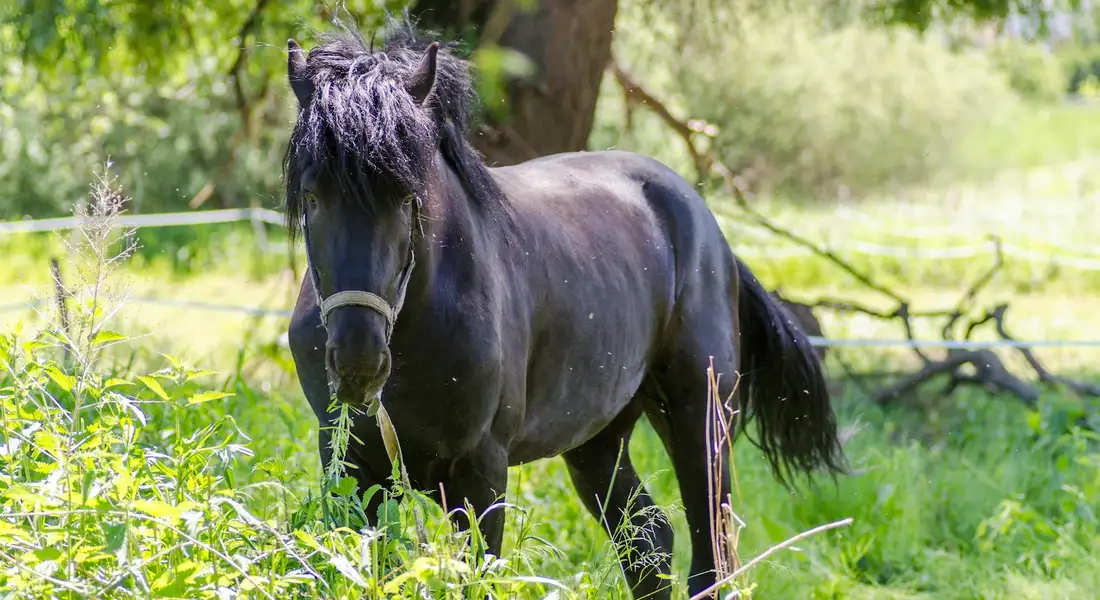
Walking the barn aisles, I’ve seen how boarding choices shape both your budget and your horse’s world. You essentially have three options: full board, partial (often called field) board, and self-care. Your monthly cost here is a direct trade between your time, your wallet, and your horse’s daily quality of life.
Let’s break them down. Full board offers the most hands-off care, field board centers on pasture life, and self-care puts you in the driver’s seat for every chore. The availability of daily turnout is a huge factor. More pasture time generally means a lower bill and a physically and mentally healthier horse, something I advocate for every single day. Watching a horse like Luna stretch out and roll in the sunshine after being in a stall is proof enough. There’s just no substitute for that kind of freedom.
| Boarding Type | Services Typically Included | Average Monthly Fee Range |
|---|---|---|
| Full Board | Daily grain & hay feeding, stall cleaning (mucking), turnout/bring-in, basic bedding, often use of amenities | $500 – $900+ |
| Partial / Field Board | 24/7 pasture access with run-in shelter, sometimes hay provision in field, basic herd supervision | $200 – $500 |
| Self-Care | Secure stall or paddock space only; owner provides all feed, hay, bedding, and labor | $100 – $350 |
Those numbers are a guide, but geography changes everything. Always ask about hidden costs that aren’t in the glossy brochure. Manure disposal fees, charges for shared bedding deliveries, or costs for holding your horse for the farrier can sneak onto your bill. I got a lesson in that with a surprise “facility fee” at my first barn manager job.
Full Board: The Convenience Factor
Think of full board as a luxury hotel stay for your equine partner. This option is for owners who need the barn staff to handle the core daily responsibilities. It lets you focus on riding and bonding, not the pitchfork. For a reliable trail horse like Rusty, it can mean consistent care even when your work week gets chaotic.
Your monthly check typically covers these basics:
- Twice-daily feeding of grain and hay according to a set schedule
- Daily stall mucking and refreshing of bedding
- Morning turnout and evening bring-in from the pasture
- Provision of a basic stall bedding like pine shavings
But convenience has its price tag, and sometimes extra lines on the invoice. Services like blanketing in bad weather or administering daily supplements often come with additional fees, usually $15 to $50 per month. Read the barn contract thoroughly so you know what “full service” really includes.
Field and Self-Care: Budget-Friendly Options
If your schedule allows, field or self-care board can slice your biggest monthly expense in half. You are swapping money for manual labor, which means committing to daily visits for feeding, water checks, and mucking. My cheeky pony Pipin was on self-care for years, and those pre-dawn feedings taught me more about responsibility than anything else.
With field board, your horse lives out with a herd. This natural lifestyle promotes movement and mental calm, but you must verify the quality of the pasture and the herd dynamics. Self-care is the most hands-on, where you rent the space but supply all the labor and materials. You become your own barn manager.
Before you commit, inspect the property with a critical eye. Non-negotiable items include a reliable, clean water source that won’t freeze solid and safe, visible fencing without gaps or loose wires. I always test gates and walk fence lines myself-the thud of a hoof testing a weak spot is a sound you never want to hear.
Insurance and Routine Health Care: Vet Visits and Hoof Trims
Think of this category as your horse’s subscription service for peace of mind. It’s not a glamorous cost, but it’s what keeps the wheels on the bus. Separating the true monthly premiums from the periodic care is your first step to a sane budget.
Navigating Insurance Premiums
Insurance is a monthly line item, like your streaming services but for potential heartache. The premium hinges on your horse’s agreed-upon value, age, breed, and what you do with them. A seasoned trail horse like my guy Rusty costs less to insure than a high-performance prospect. You can learn more about what factors influence the cost of horse insurance premiums here.
Mortality insurance is the base layer, covering the unthinkable. Major medical is what you hope you never use but will thank yourself for if a colic surgery bill arrives. Liability coverage is non-negotiable if anyone else handles your horse; it protects you if your animal causes property damage or injury. For a horse valued around $10,000, expect a combined monthly premium in the ballpark of $50 to $100.
The Farrier and Vet Schedule: Non-Negotiable Expenses
These are the rhythms of responsible ownership. The farrier’s regular visit and the vet’s annual check-up are as predictable as the seasons. You can either budget for them monthly or face a daunting bill quarterly.
Your farrier is a cornerstone of soundness. A simple trim for my mare Luna, who has good feet, runs about $50. If your horse needs shoes all around, you’re looking at $150 or more per visit. Most horses need this every 6 to 8 weeks. Set aside $75 to $100 a month, and you’ll never scramble when you see the farrier’s truck rumble down the driveway. Farrier services can be expensive, but they’re essential for your horse’s health.
Vet care is similar. Spread the annual costs over twelve months. Your core package includes spring and fall vaccines, an annual dental float, and a strategic deworming plan based on fecal counts.
| Service | Estimated Annual Cost |
|---|---|
| Core Vaccinations (Spring/Fall) | $150 – $300 |
| Annual Dental Float | $150 – $250 |
| Deworming/Fecal Exams | $50 – $100 |
| Coggins Test (Required for travel) | $40 – $80 |
This puts basic annual wellness in the $400 to $700 range. Broken down monthly, that’s another $35 to $60 to tuck away. This routine cost prevention is exponentially cheaper than the emergency treatment for a foot abscess from neglected trims or a case of strangles from lapsed vaccines. I budget a flat $200 monthly that covers both farrier and vet reserves for my two; it turns unpredictable expenses into a calm, automatic transfer.
Beyond the Basics: Tack, Training, and Unexpected Expenses
Guiding Notes
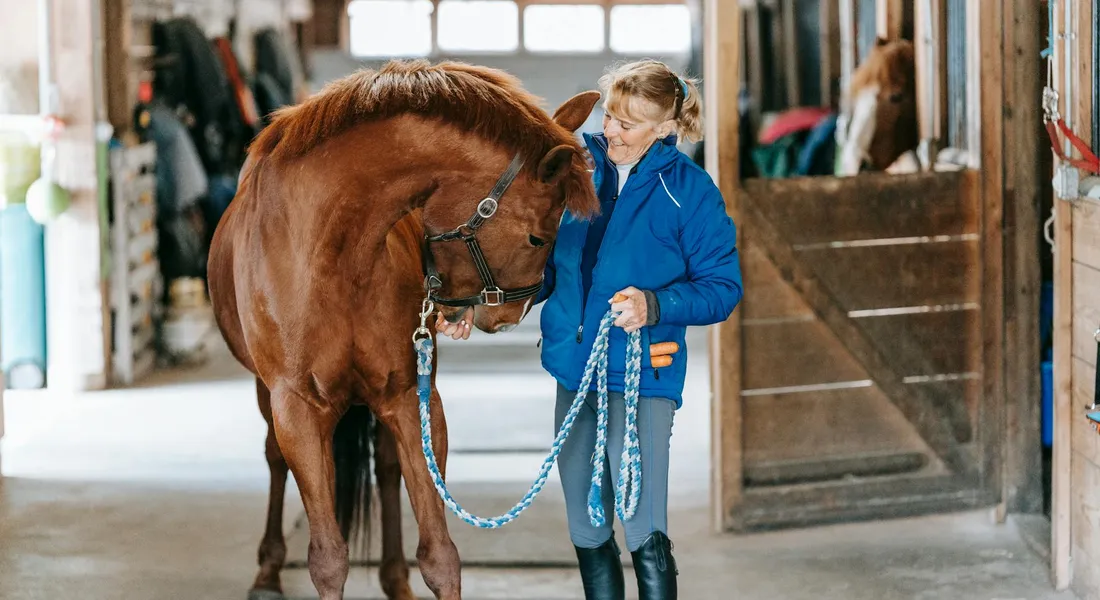
Your fixed costs are just the entry fee. The real financial journey involves the constant, quieter expenses that keep your horse happy and you in the saddle. I think of them as the background costs of a life well-lived with horses. They’re the hidden costs of horse ownership that often catch new owners by surprise.
Common hidden costs form a familiar list for any barn regular. They include regular tack replacement, replenishing grooming supplies, and investing in ongoing training for both you and your horse. These are not frivolities; they are the investments that maintain safety, comfort, and progress in your partnership.
- Tack Replacement: Leather cracks, stitching wears, and billet straps lose their strength. It’s a cycle, not a one-time purchase.
- Grooming Supplies: Shampoo, conditioner, detangler, and that perfect curry comb you keep losing to the barn cat all add up.
- Training Lessons: Even on a steady horse like Rusty, a quarterly tune-up lesson can solve budding issues before they become dangerous habits.
For stall-kept horses, bedding is a major recurring cost. Whether you use shavings, straw, or pellets, keeping a deep, dry bed is non-negotiable for hoof and respiratory health. Skimping on bedding is a fast track to thrush, hock sores, and a dusty environment that no one’s lungs will thank you for.
Then come the occasional but vital health expenses. Annual dental floats ensure proper chewing and nutrient absorption. Bodywork or chiropractic care can be revelatory for a stiff horse. My sensitive Luna moves with much more relaxation after her sessions. Planning for these preventative costs separately from your emergency fund is a hallmark of proactive, gentle horsemanship.
The Tack Room Tax: Gear Maintenance and Replacement
Guiding Notes
Gear wears out from use, weather, and simple age. The creak of dry leather is a warning, not a charming barn sound. I budget for what I call the “tack room tax”-a monthly sum set aside just for maintenance and replacement.
Let’s talk real numbers. A good saddle pad loses its shock absorption after a year or two of steady riding. A girth’s elastic fibers fatigue. Nylon halters become brittle in the sun. Replacing gear *before* it fails is a critical safety practice, not a wasteful one.
- Saddle Pads: Plan for a new core pad every 12-18 months ($150-$300).
- Girths: Elastic or leather, budget for replacement every 2-3 years ($100-$250).
- Halters & Lead Ropes: Sun-rotted nylon is a hazard. Replace annually ($40-$80).
- Bits & Bridles: Inspect leather for wear at points of stress. A broken cheekpiece is a scary moment.
Setting aside even $25 a month builds a fund for these inevitable costs. It beats the panic of a broken stirrup leather right before a show. A well-maintained tack room is a sign of a mindful horseman who values their mount’s comfort as much as their own.
Preparing for the Unplanned: Emergency Fund Essentials
Guiding Notes
This is the most important part of your budget. An emergency fund is what lets you sleep at night. Colic, a pasture injury, a sudden lameness-these are not “if” scenarios, but “when.”
Start by calculating a baseline goal. Aim for a fund that covers a major colic episode or a significant wound treatment. For most areas, $3,000 to $5,000 is a solid starting point. Treat this fund as a mandatory monthly bill, even if it’s just $50. Automate the transfer so you never forget.
I learned this lesson with Pipin, our food-motivated Shetland. He once concocted a digestive issue from a mysterious snack, resulting in a $2,800 vet bill over a weekend. Our fund meant we could focus on his care, not the invoice. That savings account was the difference between frantic guilt and calm, decisive action for my pony.
Build your fund in stages. First, save for a minor emergency ($1,000). Then, build towards a surgical colic quote from your local clinic. Break that total into a monthly savings goal. For example, saving $5,000 in two years is about $208 per month. This fund is the ultimate act of responsible ownership, ensuring you can always choose what’s best for your horse, not just what’s affordable at that moment.
Crafting Your Monthly Budget: A Step-by-Step Plan
Guiding Notes
Building a horse budget feels like saddling up for a long trail ride: you need a good map and a honest look at the terrain. I keep a simple spreadsheet for my three-Rusty, Luna, and Pipin-because what works for a steady Quarter Horse often misses the mark for a sensitive Thoroughbred. Let’s break it down so you can see the full picture without the panic.
Here is a sample monthly cost breakdown using national averages to give you a ballpark. Remember, your local prices will sing their own tune.
| Category | Average Monthly Cost | What It Covers |
|---|---|---|
| Full Board | $400 – $800 | Stall, turnout, basic hay/feed |
| Insurance | $60 – $200 | Mortality, major medical, liability |
| Feed & Supplements | $120 – $250 | Hay, grain, balancers, joint support |
| Farrier Care | $40 – $100 | Trim or shoes, averaged monthly |
| Routine Vet Care | $75 – $150 | Deworming, shots, dental float |
| Tack & Grooming | $50 – $100 | Replacements, shampoos, saddle soap |
To save without cutting corners, think like a barn manager. Buy hay in bulk with a neighbor, opt for preventive vet care to avoid big bills, and mend tack before replacing it. Never skimp on turnout time or hoof care-a happy, moving horse is a healthier, cheaper horse in the long run.
Step 1: Tally Your Fixed Monthly Costs
These are the bills that hit your account like clockwork every month. Grab your last three bank statements. Fixed costs are your foundation; if these wobble, your entire budget will collapse. I log mine on the first of the month with a strong cup of coffee.
- Boarding: This is usually your largest line. Whether it’s full-care or DIY, know exactly what’s included. Does that fee cover unlimited hay, or will you pay extra when the snow flies?
- Insurance: A straight monthly premium for mortality or medical coverage. It’s not glamorous, but when Luna needed colic surgery, it was the only thing that kept me solvent.
- Feed Subscriptions: Auto-shipments for grain or specialized supplements. They’re convenient, but check the per-bag cost against your local feed store.
Step 2: Average Your Periodic Care Costs
Farriers and vets don’t bill monthly, but your budget must. This is where folks get tripped up. Take your annual spend for routine care, divide by twelve, and treat that number as a monthly bill. I set up a separate savings account and auto-transfer this amount each payday.
For example, if your farrier visits every 8 weeks at $150 a visit, that’s about $75 a month. Annual vaccines and a dental float costing $600? That’s another $50 monthly. Averaging turns unpredictable expenses into a predictable plan, so you’re never scrambling when you hear the farrier’s truck crunch up the gravel drive.
Step 3: Account for Variables and Savings
Here’s the wisdom part. Costs for hay, grain, and shavings dance with the weather and fuel prices. Always add a 10-15% buffer to your feed budget line to absorb price hikes-the drought two summers ago taught me that lesson the hard way.
The emergency fund is non-negotiable. Aim to save one month of total horse costs, then build to three. This fund is for the midnight vet call, the torn blanket, the sudden need for a new saddle pad. It’s not for a fancy new bridle; it’s for peace of mind, which is the most valuable thing in your tack trunk. Planning and saving for emergency vet costs is a crucial part of managing your fund.
Frequently Asked Questions: Monthly Horse Ownership Costs
How can I estimate my total monthly horse ownership cost?
Start by tallying the four core fixed expenses outlined in the article: boarding, feed, insurance, and routine care. Then, average your periodic farrier and vet costs into a monthly amount. Finally, add a variable buffer for unexpected expenses and dedicated savings for your emergency fund, which is absolutely essential for responsible management.
Is there a reliable horse ownership cost calculator I can use?
There is no universal calculator because costs vary drastically by location, horse, and chosen care standard. The most accurate method is to create a personalized budget using the step-by-step plan in the article. Use local prices for boarding, hay, and services to build your own realistic monthly estimate, as national averages can be misleading.
Why do monthly costs differ so much between places like California, Ontario, or Alberta?
Geography is a primary cost driver due to local hay availability, land values, and climate. Boarding in coastal California is typically far higher than in rural Alberta, while Ontario may have mid-range averages. Always research current local prices for hay, boarding facilities, and service providers to build an accurate budget for your specific region.
A Final, Grounded Reality Check
Budget with clear numbers for board, feed, and insurance, but always keep a separate fund for the unexpected vet visit or farrier emergency. Your financial plan isn’t complete until it includes a buffer for surprises, because with horses, they aren’t a matter of if, but when. It’s especially crucial to budget for unexpected veterinary emergencies.
Approaching costs with a clear-eyed plan is one of the kindest things you can do for your horse, as it removes stress and ensures you can always say “yes” to their care. True horsemanship means listening to your budget with the same respect you listen to your horse’s breathing on a quiet trail ride.
Further Reading & Sources
- r/Horses on Reddit: How much does it cost you a year to own a horse or two? How does it breakdown?
- How Much Does It Cost To Own a Horse? – Farm House Tack
- Special Feature: How Much Does It Cost to Own a Horse?
- The true cost of horse ownership.
At Horse and Hay, we are passionate about providing expert guidance on all aspects of horse care, from nutrition to wellness. Our team of equine specialists and veterinarians offer trusted advice on the best foods, supplements, and practices to keep your horse healthy and thriving. Whether you're a seasoned rider or new to equine care, we provide valuable insights into feeding, grooming, and overall well-being to ensure your horse lives its happiest, healthiest life.
Uncategorized