How Do a Horse’s Senses Compare to Humans? A Guide to Safer Handling and Deeper Bonds
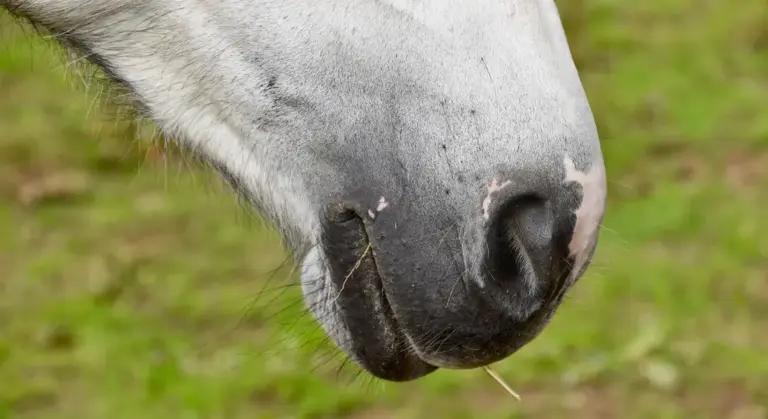
Horse vs human senses: vision, hearing, smell, taste, touch; field of view, color/night vision; safety, care, and handling tips.

Nourishing Horses, Enriching Lives.
Nourishing Horses, Enriching Lives.
Insights into horse behavior, covering body language, training cues, and daily care practices to promote safe handling and welfare.
Horse vs human senses: vision, hearing, smell, taste, touch; field of view, color/night vision; safety, care, and handling tips.

Beginners in horse care get core facts, capabilities, and a glossary of terms for safe handling, riding, and care.

Step-by-step plan to build a confident trail horse: groundwork, desensitization, cues, conditioning, safety, trail obstacles.

Step-by-step desensitization and habituation for horses: safety, gear, drills, progress checks, common fears, troubleshooting.
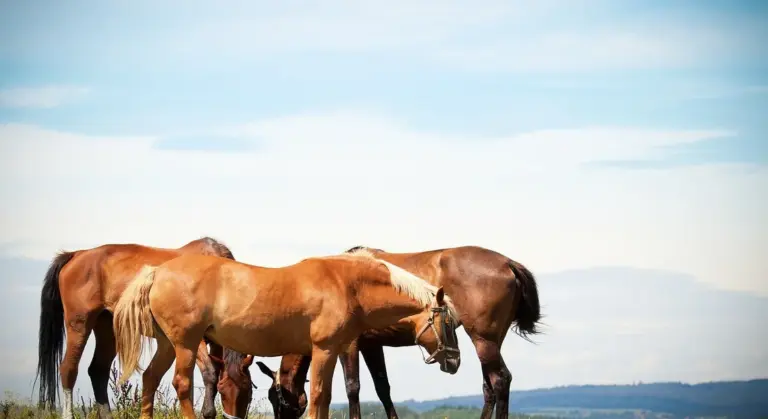
Your 90-day plan to safely integrate a new horse into the herd: housing, feeding, safety, health checks, and weekly steps.
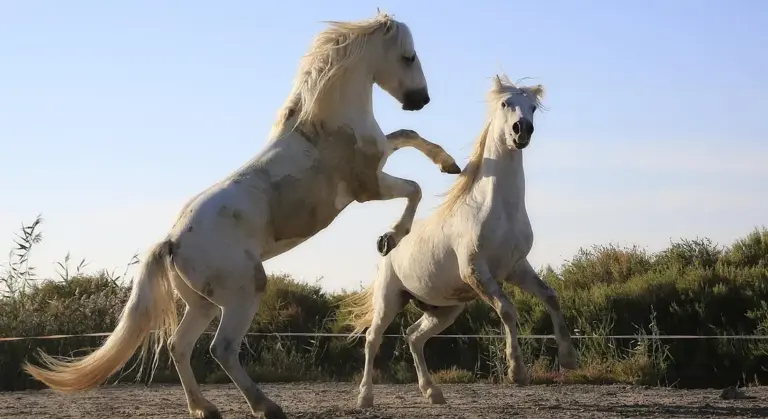
Navigate horse behavior cues, body language, psychology, training signals, stress signs, safety, behavior issues, welfare.
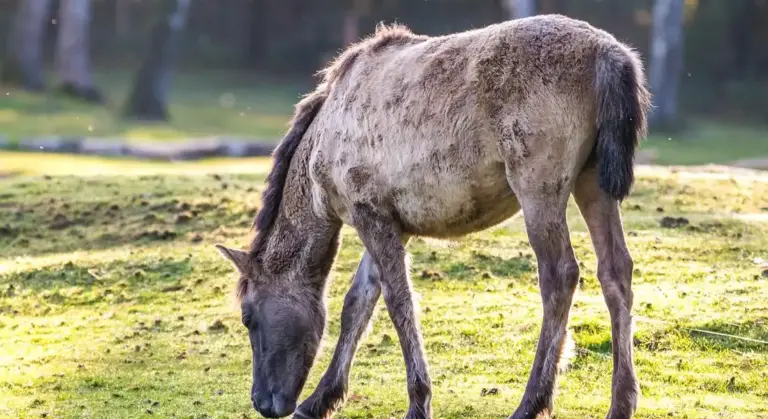
For horse owners: why herd dynamics matter, signs of loneliness, selecting companions, introductions, turnout tips, and welfare.
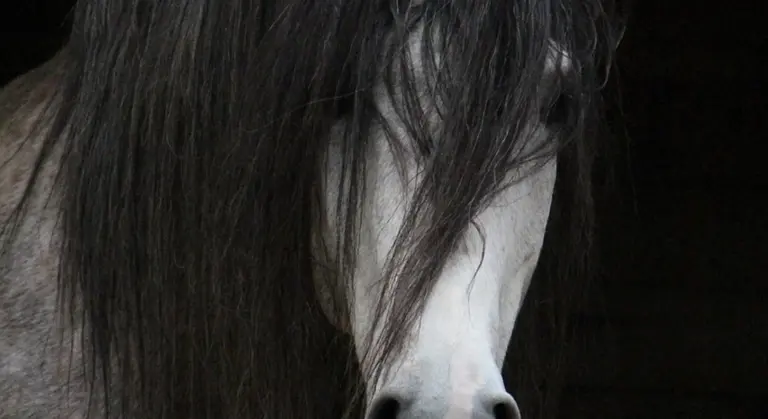
Trace horse origins, domestication timeline, breed traits, behavior, care practices, and modern husbandry tips for owners.
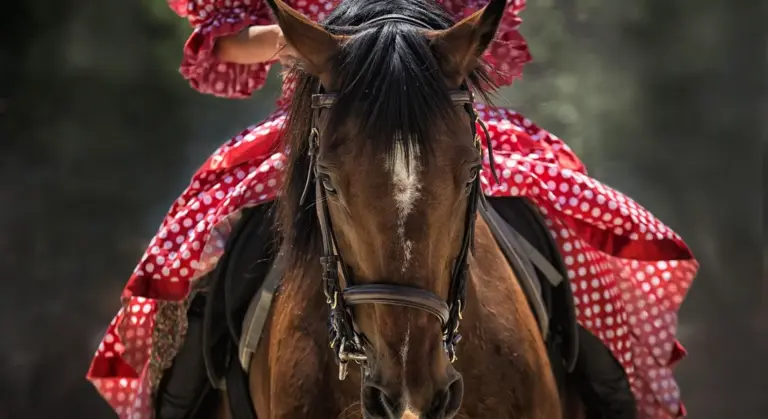
Spot happiness cues: ears, eyes, tail, posture; read mood signals and adjust care, training, and handling.
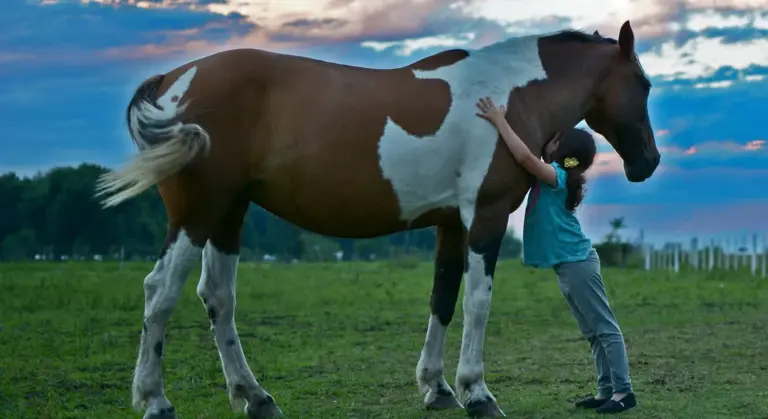
Strengthen your bond and trust with your horse through consistent routines, clear signals, safe handling, and patient bonding.