How to Spot Early Signs of Illness or Injury in Your Horse
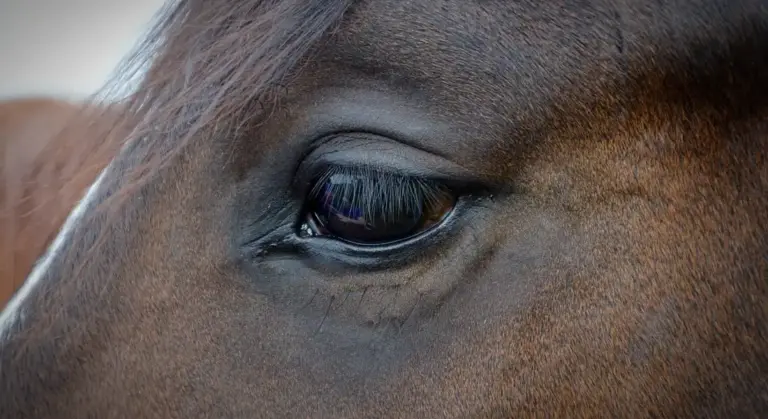
Spot early illness or injury signs in your horse: monitor behavior, vitals, lameness, checks; first aid, when to call a vet.

Nourishing Horses, Enriching Lives.
Nourishing Horses, Enriching Lives.
Promotes horse health through veterinary care, nutrition, fitness, dental and hoof care, and preventative wellness tips for dedicated horse owners.
Spot early illness or injury signs in your horse: monitor behavior, vitals, lameness, checks; first aid, when to call a vet.
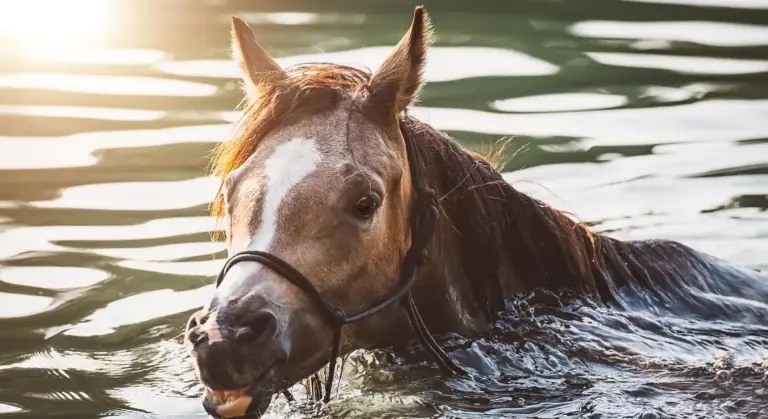
Keep your horse hydrated: monitor intake, spot dehydration, ensure clean water, adjust temp and flavor, electrolytes, habits.
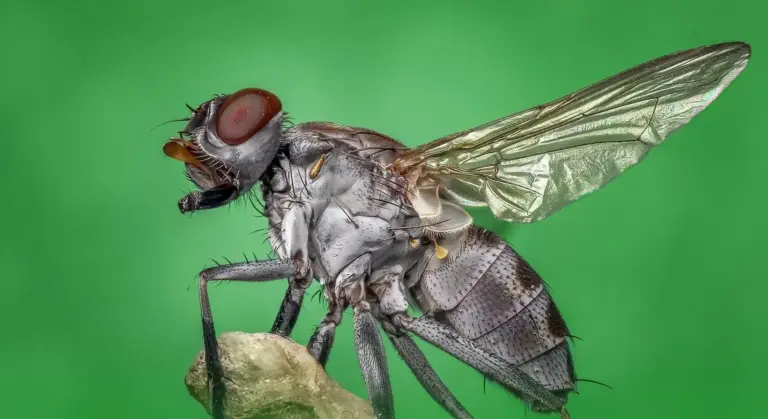
Practical steps to prevent and treat flies and pests on your horse: repellents, masks, safe product use, pasture tips.
Spot colic signs in horses, decide when to call a vet, first aid, emergency steps, treatments, recovery cues, and prevention tips.
Identify signs of respiratory issues in horses, assess severity, diagnose, treat, manage at home, and know when to call a vet.
Plan your horse vet budget: set emergency funds, estimate costs, insurance, payment options, prioritizing care, expense log.

Plan your horse's end-of-life care and costs: care options, budgeting, vet fees, insurance, burial or cremation, legal documents.
Post-injury or post-surgery horse care: rest, vet plan, meds, nutrition, stall setup, rehab steps, monitoring, red flags.
Buying a horse with PSSM or Shivers? Health risks, vet checks, testing, prognosis, care needs, costs, and rider-fit guidance.
A practical guide to daily care, meds, nutrition, vet visits, safety, and monitoring for aging horse with chronic conditions.