
Horse Hoof Anatomy and Structure: Your Practical Guide to a Sound Foundation
Published on: December 30, 2025 | Last Updated: December 30, 2025
Written By: Henry Wellington
Hello fellow barn folks! That moment of dread when your horse takes an off step or you spot a new chip in their hoof is all too real. I’ve been there, listening to that worrisome change in rhythm on the gravel, knowing it could mean anything from a simple stone to a complex lameness.
Understanding what’s happening inside that keratin shell is your first defense against big vet bills and long layups. This guide will walk you through the critical parts, so you can see the hoof for the incredible structure it is. We’ll cover:
- The function of every external part, from the wall to the frog.
- How the hidden internal bones and sensitive laminae bear your horse’s weight.
- Recognizing the early warning signs of common hoof ailments.
- Building a simple, effective care routine based on anatomy.
My years of barn management and training, from treating stubborn thrush on rainy days to supporting rehab cases, have shown me that a little knowledge goes a long way for hoof health.
Why Hoof Anatomy Matters for Every Horse Owner
Think of the hoof as the foundation of your house. You don’t need to be a farrier to spot early warning signs of trouble, and a basic grasp of what’s normal is your first line of defense. I’ve seen a minor crack at the coronet turn into a six-month rehab project because it was missed, and I’ve felt the sickening softness of a neglected, thrushy frog. Knowing the parts lets you communicate clearly with your farrier and vet, turning a panicked “His foot looks weird!” into a specific “There’s significant separation along the white line on his left fore.” This knowledge transforms you from a bystander into an active partner in your horse’s health.
Your daily hoof pick is the most important health check you can do. Running your hand down the leg and lifting the hoof isn’t just a chore; it’s a bonding ritual and a critical inspection. You’re looking for loose shoes, rocks lodged in the frog, unusual heat, or a foul smell. You’re feeling for the consistent texture of a healthy hoof wall and the firm, rubbery resilience of a good frog. This hands-on time builds trust and gives you a baseline so subtle changes scream for attention.
Breaking Down the Hoof: External Parts You Can See and Feel
Let’s get our hands dirty. The external hoof, or hoof capsule, is a masterpiece of biological engineering. It’s weight-bearing, shock-absorbing, and self-renewing all at once. Every curve, groove, and surface has a purpose, and feeling these structures yourself is the best way to learn. Next time you pick a hoof, follow along with this guide. Notice how Pipin’s stout, dense hooves differ from Luna’s more refined, thin-walled ones-their anatomy is the same, but their build reflects their breeding and job.
The Hoof Wall and Coronet Band: The Growth Engine
The hoof wall is that hard, outer shell you see, much like our fingernail but far stronger. It’s primary job is to bear weight and protect the inner, sensitive structures. It grows downward from the coronet band at a rate of about 1/4 to 3/8 of an inch per month, which is why regular trims are non-negotiable. A healthy wall is smooth and consistent, without cracks, rings, or flares.
Now, run your thumb along the very top of the hoof, right where hair meets hoof. That soft, flexible groove is the coronet band (or coronary band). This is the growth factory. Any injury to the coronet band, like a kick or a deep cut, can distort hoof growth for a year or more, creating a permanent weak spot. I always check Luna’s coronet bands after a spirited turnout; her thin skin scars easily. This area should be cool, dry, and free of swelling.
Sole, Frog, and Heels: The Shock Absorption Team
Flip the hoof over. The ground surface is a trio of genius shock absorbers. The sole is the concave, slightly flaky area inside the hoof wall. A healthy sole is concave for a reason-it creates a vaulted arch that adds strength and prevents painful pressure from flat ground. It should be firm, not soft or mushy. A flat sole or a sole that bruises easily often means the horse needs a different trim or protective shoes.
The frog is that distinctive V-shaped, rubbery wedge in the middle. Press on it-it should feel springy. The frog acts as a built-in gel pad, absorbing concussion, aiding circulation, and providing traction with every step. A deep, central cleft is normal, but if it’s black, oozy, and smells like rotten cheese, you’ve found thrush. Rusty’s love for standing in damp spots means his frogs get my extra scrutiny.
Heels, Bars, and the White Line
At the back of the hoof, the hoof wall turns inward at the heels. Those ridges that angle forward from the heels are the bars. The bars are crucial for structural integrity, helping to prevent the heels from contracting and collapsing inward. They should be prominent and well-formed, not overgrown or folded over.
Finally, look at the junction where the sole meets the inner edge of the hoof wall. See that faint, lighter-colored line? That’s the white line (it’s actually yellowish). This is the Velcro-like seam that bonds the sole to the hoof wall; separation here is a major entry point for bacteria and can lead to serious infection. Keeping this seam tight and clean is a cornerstone of soundness. A farrier’s careful trim seals and protects this critical junction every time.
Inside the Hoof: Bones, Cushions, and Critical Structures
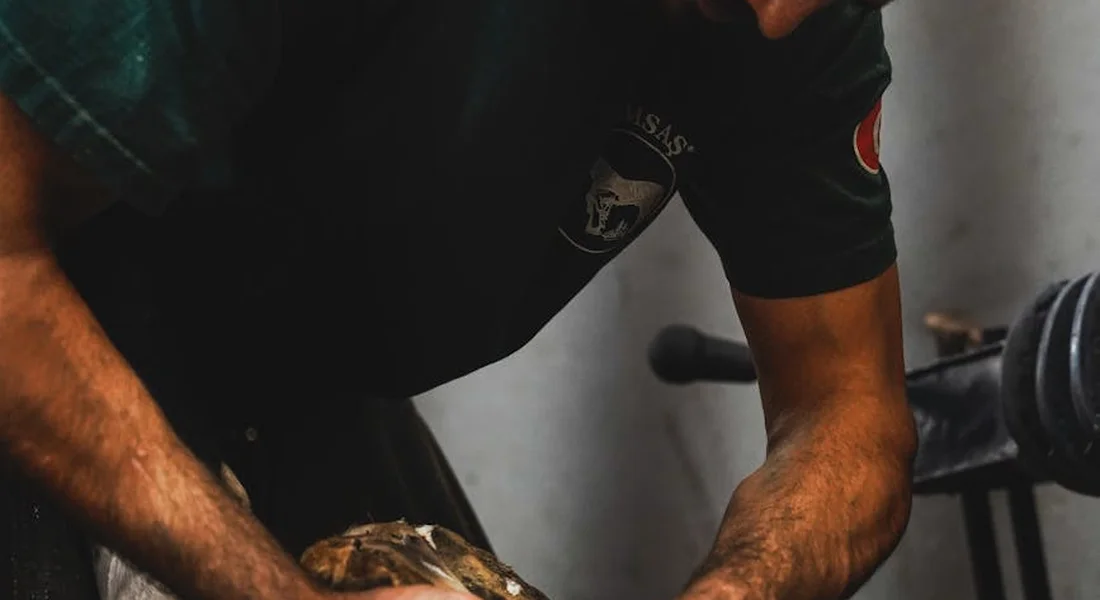
Pick up a hoof and it feels like a solid block. The reality inside is a marvel of biological engineering, a delicate balance of suspension and support. Getting familiar with this inner world turns you from a mere cleaner into a knowledgeable caregiver.
The Coffin Bone and Laminae: The Inner Framework
At the very center of it all lies the coffin bone. This is the pedal bone, the final toe bone, completely encased within the hoof wall. It’s the architectural blueprint for the hoof’s shape. A healthy, correctly positioned coffin bone means a healthy hoof capsule.
But how does it stay suspended? Velcro. Biological, living Velcro. This is the laminae. The sensitive laminae are velvety, blood-rich tissues fused to the coffin bone. They interlock perfectly with the insensitive laminae lining the inside of the hoof wall.
This lamellar connection is the single most critical bond in the hoof; if it fails, the coffin bone can separate from the wall, leading to a devastating condition like laminitis. I think of Luna’s fine bones and remember that a sudden grain overload or systemic shock doesn’t just cause soreness-it attacks this vital Velcro system.
Underneath the coffin bone is the sole, and between them lies a network of blood vessels. This is why a stone bruise feels so familiar to our own bruised heel. You’re protecting this entire suspended structure every time you check for heat or a hesitant step on hard ground.
Support Cast: Digital Cushion, Navicular Apparatus, and Pastern Bones
The coffin bone doesn’t work alone. It has a dedicated support team absorbing the literal tons of concussive force a horse generates.
- The Digital Cushion: This is the hoof’s natural gel pad. A wedge-shaped mass of fibro-fatty, cartilaginous tissue at the back of the hoof. It compresses on impact, dissipating shock upwards and outwards. A well-developed digital cushion is plump and firm. Nothing builds this cushion better than consistent movement and turnout on varied terrain-the horse’s own hoof gym.
- The Navicular Apparatus: This includes the small navicular bone and its supporting tendons and bursa. Think of it as a pulley system for the deep digital flexor tendon, which runs under it and attaches to the coffin bone. It allows that tendon to glide smoothly. Problems here often stem from poor conformation or excessive strain on that pulley.
- The Pastern Bones: The long and short pastern bones sit directly above the coffin bone, forming the pastern joint. They are the first shock absorbers in the chain, flexing with every single step your horse takes. The angle and length of these bones significantly influence the horse’s way of moving and the stresses placed on the hoof below.
This entire system-from the pastron down-is a single kinetic unit. Watching Rusty trot out on a rocky trail, I see this unit in action: the pastern flexing, the digital cushion compressing, the laminae holding firm. It’s a silent, elegant dance of anatomy that we are entirely responsible for protecting.
How a Healthy Hoof Works: Function Follows Form
Think of the hoof as a living, high-performance machine, not just a hard shell. Every groove, layer, and angle has a job. When all parts are in good shape, they work in a beautiful, synchronized dance that supports the entire horse.
The Engine: Blood Flow and Shock Absorption
This is where the magic happens. The hoof isn’t a static block; it’s a dynamic pump. With every step, the hoof expands slightly upon impact, then contracts as it lifts. This flexion creates a powerful pumping action that pushes blood back up the leg. A healthy hoof literally helps power its own circulation, which is vital for delivering nutrients and removing waste from the entire lower limb.
I’ve watched Luna’s hooves after a good gallop in the field-they’re warm and pulsating with life, a clear sign that pump is working overtime. A cold, static hoof is a warning bell.
Key Players in the System:
- The Frog: This rubbery V-shaped wedge is the heart of the operation. It makes ground contact, spreads the heels, and directly stimulates the digital cushion above it. A robust, well-developed frog is non-negotiable for soundness.
- The Digital Cushion: Located above the frog, this is a fatty, fibrous shock absorber. A horse with ample turnout on varied terrain builds a strong digital cushion. A soft, underused one offers little protection.
- The Lateral Cartilages: These flexible plates flank the coffin bone. The hoof’s natural flexion makes them “float,” aiding in that all-important blood return.
The Foundation: Weight Distribution and Support
The hoof wall bears most of the weight, but it’s designed to share the load. The sole provides a concavous platform for internal support, while the frog and buttresses of the heel offer secondary contact points. Proper trimming and shoeing aim to keep this weight distribution even, preventing excessive strain on any one structure. A chronically long toe, for instance, ruins the biomechanical lever of the foot, forcing tendons and ligaments to work overtime.
I think of Pipin, our Shetland, who has impeccable, self-maintained hooves from constantly roaming his paddock. His weight is perfectly centered over a textbook, supportive base. He’s a tiny masterclass in function.
The Connection: Sensory Feedback and Traction
The sole and frog are packed with nerves that give the horse critical information about the ground. This proprioception tells him whether he’s on rock, sand, or mud, allowing for micro-adjustments in stride. The hoof wall’s mild “give” and the frog’s texture also provide essential traction. Depriving a horse of this sensation through overly thick pads or perpetual confinement dulls their most critical connection to the world. The quiet thud of a healthy hoof on good earth is a sound of confident movement.
How to Promote Healthy Hoof Function
- Maximize Turnout: Movement on varied, firm ground is the best physiotherapy. It stimulates the frog, builds the digital cushion, and works the blood pump.
- Ensure Proper Hydration: A well-hydrated horse grows pliable, resilient hoof horn. Think of a soaked beet pulp pellet versus a dry one-that’s the difference in hoof quality.
- Commit to Regular, Balanced Trims: A skilled farrier or trimmer maintains the anatomical angles that allow the hoof mechanism to work. This is not a cosmetic procedure.
- Observe the Foot in Action: Watch your horse walk on a hard, level surface. The heels should touch the ground first, with a smooth, rolling motion. Listen for a solid, two-beat “clip-clop,” not a shuffling or slapping sound.
Spotting Trouble: Common Hoof Problems and What They Mean
Your horse’s hooves are a daily report card on their health and care. Learning to read the signs early can save you both from pain and costly vet bills. Trust me, after years in the barn, the difference between a minor fix and a major crisis often comes down to noticing a subtle change in smell, sound, or stance. Spotting early signs of illness or injury in your horse is a natural next step in responsible care. Quick daily checks can alert you before issues escalate.
Laminitis and Navicular Disease: Internal Crises
These conditions start deep inside the hoof, where you can’t see the damage until it’s severe. Laminitis is a inflammation of the sensitive laminae that bond the coffin bone to the hoof wall. Navicular disease involves degeneration of the navicular bone and surrounding structures.
I’ll never forget the spring Luna found a particularly lush patch of clover. Within hours, she was standing like a toy rocking horse, shifting her weight off her front feet. That classic “founder” stance is a red-alarm sign of laminitis, often triggered by too much sugar from grass or grain.
Navicular is sneakier. It often begins as a slight shortening of stride or a reluctance to work on hard ground. Rusty, my steady eddy, once started tripping more on trails, which was wildly out of character-it turned out to be early navicular discomfort.
- Laminitis Signals: Hot hooves, pounding digital pulse, painful reaction to hoof testers, and that pronounced leaning back stance.
- Navicular Clues: Intermittent lameness that improves with rest, pointing a toe at rest, and soreness in the heel area.
- Your Immediate Action: Call your vet and farrier. For laminitis, remove the dietary cause, provide deep, soft bedding, and follow a strict anti-inflammatory plan. For navicular, corrective shoeing and managed exercise are key.
Prevention hinges on diet control and consistent, gentle movement. Ample turnout on a track system, rather than rich pasture, helps keep metabolic horses like Luna moving safely without overloading on sugars.
Thrush, White Line Disease, and Abscesses: External Invaders
These problems march in from the outside, taking advantage of dampness, debris, or tiny breaches in the hoof’s defenses. The common thread? They all thrive in neglect.
Pipin, our escape artist, was a thrush factory every muddy season. The tell-tale black, gooey gunk in his frogs and that sour, rotten smell were constant battles. A clean, dry environment is your first and best weapon against these fungal and bacterial invaders.
White line disease eats away at the inner hoof wall, while an abscess is a painful pocket of infection trapped inside the hoof capsule. I’ve seen a horse with an abscess go from sound to three-legged lame in the time it takes to muck a stall.
- Thrush: Look for a black, tar-like discharge and a punky, crumbling frog. Daily picking and a thrush treatment like a diluted iodine solution usually clears it up.
- White Line Disease: Your farrier will spot a chalky, crumbly line when trimming. It requires meticulous debridement and keeping the hoof exceptionally dry.
- Abscess: Signs include sudden, severe lameness, a hot hoof, and pain when you tap the sole. It often needs to be located, drained, and poulticed to draw out the infection.
Nothing prevents these issues like daily hoof picking and ensuring your horse has a clean, dry place to stand and rest. That means proper drainage in paddocks and regular stall cleaning. For a hands-on walkthrough, a step-by-step guide to proper horse hoof cleaning can help. It walks you through each essential move.
Cracks and Imbalance: Structural Warnings
These are the slow-and-steady warnings from the hoof itself, telling you something is off with its shape or the forces acting on it. They are direct feedback from your farrier’s work and your horse’s conformation.
A vertical crack running down from the coronary band might stem from an old injury, while multiple small cracks at the toe often signal a hoof that’s too dry. I’ve seen imbalances from irregular trimming make a sure-footed horse like Rusty stumble on flat ground. A balanced hoof lands flat; an imbalanced hoof twists or strikes unevenly, sending shockwaves up the leg.
- Toe Cracks vs. Quarter Cracks: Toe cracks are often dietary or moisture-related. Quarter cracks, along the sides, are usually mechanical, from uneven weight distribution.
- Signs of Imbalance: Asymmetric hoof wear, dished or long toes, underrun heels, and rings on the hoof wall that are wider at the heel or toe.
- The Fix: Consistent, correct trimming and shoeing by a skilled farrier is the only solution. This can’t be rushed. For dry hooves, a quality hoof conditioner applied to the coronary band and hoof wall helps, but internal health through good nutrition is paramount.
Your best defense is to run your hand down each leg every day, feeling for heat or swelling, and to watch your horse move on a hard, level surface-the truth is in the track they leave behind. Gentle, consistent care and partnership with your farrier will keep those warnings minor and manageable.
Your Hoof Care Toolkit: Daily Routines and Farrier Partnerships
The Daily Hoof Pick: Your First Line of Defense
That simple thud of a hoof being placed in your hand is the start of everything. A daily pick isn’t just about removing pebbles; it’s your tactile check-up, a quiet moment to catch thrush, cracks, or tenderness before they become crises. I’ve found more issues during a casual Tuesday pick than in any scheduled exam. Making this a calm, consistent ritual builds trust and gives you a baseline for what’s normal for each horse.
Here’s how I do it, a routine honed over years with everything from sensitive Thoroughbreds to clever ponies:
- Approach calmly, speaking to your horse. For my high-strung Luna, I always start on her left side and let her sniff the pick.
- Run your hand down the leg, applying gentle pressure until the horse lifts the hoof. With Pipin, the escape artist, a firm but patient cue works best.
- Hold the hoof securely between your knees. Use the pick from heel to toe, following the grooves of the frog. Listen for that satisfying scrape of packed dirt loosening.
- Check the sole, the frog, and the white line area for any puncture wounds, black discharge, or unusual smell. A foul odor often means thrush is starting.
- Brush the hoof clean with a stiff brush before gently placing it back down. Praise your horse-Rusty gets a tiny carrot piece for standing still.
Never rush this process; a hurried pick can miss a deep-seated stone or teach your horse to resist handling. The goal is a clean, inspected hoof, a stronger bond, and the peace of mind that comes from knowing what’s happening at ground level.
Working With Your Farrier: Building the Right Team
Your farrier is your co-pilot in hoof health, not just a technician who shows up every six weeks. Finding one who listens to you and observes your horse’s movement is worth its weight in gold. I look for a farrier who talks about balance and conformation, not just schedule slots. A great farrier will watch your horse walk on hard ground before ever lifting a hoof, assessing wear patterns and flight path.
Building this partnership takes active effort from you, the owner. Come prepared to each appointment. Here’s what that looks like:
- Have your horse caught, dry, and reasonably clean. A muddy, fidgety horse wastes your farrier’s valuable time and focus.
- Communicate clearly. Note any changes in gait, new lumps on the leg, or concerns from your daily picks. I once mentioned Rusty’s slight stumble on gravel, which led my farrier to adjust his toe angle.
- Ask questions. Why a certain shoe? What is that groove in the hoof wall telling us? Understanding the “why” makes you a better caretaker.
- Maintain a consistent schedule. Hooves grow predictably, and rescheduling often leads to long toes or broken walls.
Trust is built when your farrier sees you prioritizing turnout and good nutrition, because they know the trim can only work with what you’re growing from the inside out. It’s a team sport where the horse’s comfort is the only trophy that matters—just like when you build a strong bond and trust with your horse.
Nutrition and Environment: Support from the Ground Up
You can pick and trim perfectly, but if the building materials are poor, the hoof will be too. Think of the hoof wall as a slow-growing keratin newsletter, reporting on the last six months of diet and lifestyle. Consistent, high-quality forage is the non-negotiable foundation; it fuels the microbial fermentation in the gut that produces the biotin and amino acids for strong horn.
Beyond good hay or pasture, specific nutrients play direct roles. A balanced trace mineral salt block is a must. For horses with chronic hoof issues, I’ve seen dramatic improvements from adding additional supplements.
- Methionine and Lysine: These amino acids are the protein building blocks for keratin.
- Zinc and Copper: They work together to form the bonds that make hoof tissue resilient. Grass can be deficient in these.
- Omega-3 Fatty Acids: Found in flaxseed or quality oils, they support pliable, hydrated hoof capsules instead of brittle ones.
Yet, the most crucial “supplement” is often free: movement. Twenty-four-hour turnout, or as close as you can get, promotes incredible hoof health through constant circulation and natural wear. Standing in a damp stall is a recipe for weak structure and thrush. I design paddocks with varied footing-some firm ground, some softer grass-to naturally condition the hoof and tendon. Pasture and paddock benefits are distinct, each offering unique advantages for hoof health. Pasture provides continuous forage and natural movement across varied ground, while a purpose-built paddock allows controlled footing to tailor wear and conditioning. Your horse’s feet are a direct reflection of their life. Build that life on a foundation of forage, freedom, and mindful care.
Hoof Health Myths vs. Facts: Setting the Record Straight
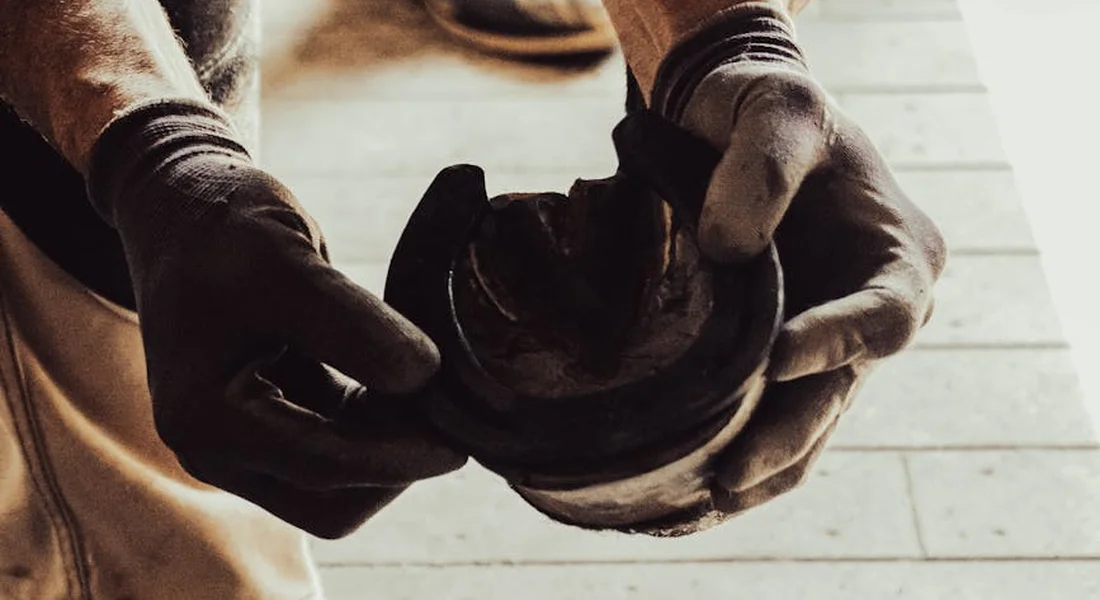
I’ve spent more mornings than I can count with a hoof pick in one hand and a coffee in the other, listening to barn lore about feet. Let’s cut through the noise with some hard-won, practical truth to keep your horse stepping sound.
Myth: White Hooves Are Inherently Weaker
I hear this one every time Luna’s dapple grey legs flash with her white feet. Hoof strength is determined by genetics, nutrition, and care, not by the pigment in the wall. A well-fed horse with balanced trims will have solid hooves, regardless of color. I’ve seen black hooves crumble and white hooves hold rock-solid on tough trails-it’s all about the overall program.
Myth: Shoes Are a Necessary Evil for Every Horse
This belief keeps many horses unnecessarily shod. The decision to shoe should be a thoughtful response to a horse’s specific workload, terrain, and individual hoof integrity. My old trail partner Rusty works beautifully barefoot on most of our soft woodland paths, saving his shoes for rocky, abrasive terrain. For many pleasure horses, a good barefoot trim and plenty of movement is the healthiest choice.
Myth: Thrush Only Happens in Dirty Stalls
Tell that to Pipin, who perfected thrush by standing in the one muddy corner of his otherwise pristine pasture. Thrush thrives in any damp, anaerobic environment, from a wet pasture to a packed mud hole. That distinct, rotten smell is a dead giveaway, but the real key is consistent cleaning and ensuring dry standing areas. Daily hoof picking, rain or shine, is your best defense.
Myth: Hoof Oil and Dressings Are “Health Food” for the Hoof
Slathering on products feels proactive, but it can backfire. Overusing oils and sealants can prevent the hoof from absorbing natural environmental moisture and releasing heat, essentially suffocating it. Think of it like applying heavy lotion to your skin every day without ever washing it off. I use topical products sparingly, for specific cosmetic or protective reasons, not as a daily cure-all.
Myth: Hard Ground Naturally Wears Down and “Trims” Hooves
While movement on varied surfaces is fantastic for circulation and hoof mechanism, it’s not a substitute for a skilled farrier. Uneven wear on hard ground can lead to serious imbalances and strain on tendons and ligaments. The thud of a hoof landing incorrectly due to a long toe is a sound that still makes me wince. Regular professional trimming maintains the proper angle and breakover for your horse’s unique conformation. Essential horse hoof care and proper trimming techniques matter between visits. Knowing what to look for helps you time trims and support healthy conformation.
Myth: A Dry, Hard Hoof is the Ultimate Goal
This pursuit of extreme dryness leads to brittle, cracked feet. A healthy hoof has a balance of moisture and flexibility, able to absorb shock and “flex” with each step. It’s about hydration from the inside out through good forage and clean water, not from keeping the hoof sealed off from the world. Gentle horsemanship means understanding that the hoof is a living, dynamic structure.
FAQ: Horse Hoof Anatomy and Structure
How can a horse hoof anatomy model help me as an owner?
A detailed model is an invaluable tool for visualizing the complex 3D relationships between internal structures. It allows you to safely explore how the coffin bone, laminae, and digital cushion fit together inside the rigid hoof capsule. This hands-on understanding makes you far more effective at communicating concerns and understanding your farrier’s or vet’s explanations.
What should I look for in a good horse hoof anatomy diagram?
A high-quality diagram will clearly label both external landmarks and internal structures like the coffin bone and navicular apparatus. Look for cross-sectional views that reveal how the sensitive and insensitive laminae interlock, which is crucial for understanding laminitis. The best diagrams also show the spatial relationship between the bones, tendons, and the bottom of the hoof to illustrate weight-bearing and shock absorption pathways.
What role do muscles and ligaments play in hoof anatomy and health?
While no muscles exist within the hoof capsule itself, the tendons of major leg muscles attach to bones within or just above the hoof, controlling movement and stability. A network of ligaments firmly anchors the coffin, navicular, and pastern bones together, maintaining proper alignment under immense force. The health and balance of these supporting structures directly impact hoof landing, wear patterns, and susceptibility to strain or injury.
From the Stable: Hoof Care That Lasts
Let the anatomy guide your eye during daily picks, feeling for heat, odor, or tenderness. Your farrier is your greatest ally-prioritize those regular appointments and share even the smallest observations from the stall.
This process is a partnership built on patience and attention to detail. Your horse’s willingness to offer a hoof and their smooth stride are the best rewards for your care. Maintaining your horse’s hoof health between farrier visits is crucial to keeping them sound.
Further Reading & Sources
- Hoof Anatomy – A Beginner’s Guide – The Equine Podiatry Association
- Functional Anatomy of the Horse Foot | MU Extension
- Horse hoof – Wikipedia
- Hoof anatomy | The British Horse Society
At Horse and Hay, we are passionate about providing expert guidance on all aspects of horse care, from nutrition to wellness. Our team of equine specialists and veterinarians offer trusted advice on the best foods, supplements, and practices to keep your horse healthy and thriving. Whether you're a seasoned rider or new to equine care, we provide valuable insights into feeding, grooming, and overall well-being to ensure your horse lives its happiest, healthiest life.
Hoof Care