
From Foal to Yearling: A Month-by-Month Developmental and Care Guide
Hello fellow equestrians! That wobbly-legged foal in your pasture is a bundle of joy, but their rapid first year can feel overwhelming with concerns about proper growth, socialization gaps, and costly developmental missteps.
This guide lays out a clear, month-by-month plan to steady your nerves and support your youngster. I will cover the key phases of care, including tracking critical physical and behavioral milestones, adjusting nutrition to fuel growth without causing problems, staying ahead of routine health and hoof care, and introducing gentle handling that builds trust for a lifetime.
My years as a barn manager and trainer, spent watching horses like Luna and Pipin grow up, have given me a practical, hands-on perspective for this journey.
The First Critical Hours and Days: Getting Off to a Strong Start
Immediate Post-Birth Priorities
The moment a foal arrives is all held breath and quiet wonder. Your job shifts from waiting to doing, with a clear checklist for those first 24 hours. Your immediate goals are simple: see the foal stand, nurse, and make its first manure. I remember waiting with a mare much like Luna-all nervous energy-and the sheer relief when her foal wobbled upright on those spider-leg legs.
Here’s your essential action list:
- Standing: A healthy foal will attempt to stand within 30 minutes and usually succeeds within 1-2 hours. A slippery floor or a tired dam can delay this. Provide clean, dry bedding and a calm environment.
- Nursing Colostrum: This first milk is non-negotiable. The foal must ingest high-quality colostrum within the first 2-3 hours to absorb antibodies. Watch for a strong, rhythmic suck and audible swallows.
- Passing Meconium: This first, dark manure should pass within 12-24 hours. If the foal is straining, tail flagged, or showing signs of colic, a vet may need to administer an enema.
Warning signs demand a vet call: failure to stand by 3 hours, no nursing interest, excessive weakness, or swollen joints. Trust your gut; if the quiet seems off, it probably is.
Nutritional Foundation: The Role of Colostrum
Think of colostrum as the foal’s first vaccine and superfood rolled into one. This thick, golden milk is packed with antibodies that provide passive immunity, since foals are born with virtually none. A foal’s gut can only absorb these large antibody molecules for the first 12-24 hours of life, making timing critical.
You can check for adequate intake by ensuring the mare’s udder is softer after nursing and the foal appears settled. For peace of mind, a vet can test the foal’s blood IgG levels at 12-24 hours old. Always have a backup plan, like frozen colostrum from a tested mare or a commercial product.
Around days 6-14, many foals develop foal heat diarrhea. This is typically a normal, messy sign of the mare’s first post-birth estrus and the foal’s gut flora maturing. The key is to distinguish this from pathological scours; normal foal heat diarrhea doesn’t cause fever, lethargy, or a dehydrated appearance.
Months 1 to 3: Building the Foundation for Growth
Physical Development and Milestones
Watching a foal transform is like observing a miracle in fast-forward. They’ll gain roughly 2-3 pounds per day, doubling their birth weight by 60 days. Focus on body condition over sheer scale; you want to see ribs covered but not hidden, with a shiny coat and bright eyes.
Key milestones unfold quickly:
- Week 1-2: Exploratory nibbles of the dam’s grain and hay begin.
- Month 1: Solid food intake increases significantly. This is when I introduce a creep feeder-a safe space only the foal can enter-to provide a balanced growth formula without the mare outcompeting them.
- Months 2-3: The foal’s nutrition shifts to about 50% milk and 50% high-quality forage and concentrate. Proper creep feeding supports steady growth without putting excessive strain on the dam.
A well-designed creep feeder in their turnout space encourages natural foraging behavior and supports skeletal development. I learned with Pipin that a clever pony will teach all the babies how to break into the feed room, so secure latches are non-negotiable!
Early Health Management
Proactive care now sets the stage for a resilient yearling. Your vet is your best partner. Stick to a schedule for deworming and vaccinations based on fecal egg counts and regional disease risks, not just the calendar.
A typical early schedule includes:
- Deworming for roundworms at 2-3 months of age.
- Initial vaccinations for tetanus and respiratory diseases around 3-4 months.
- Regular hoof checks and gentle trimming starting as early as 4-6 weeks.
Signs of a thriving foal are a playful spark, consistent growth, and solid manure. Be alert for common concerns like persistent diarrhea, respiratory rattles, or a pot-bellied appearance which can signal a parasite burden.
Initial Handling and Bonding
This is where gentle horsemanship writes its first chapter. Your touch should build trust, not fear. Start with brief, positive sessions that pair your presence with comfort, like scratching the withers, not restraint.
Follow these steps for a confident foal:
- Work with the dam present in a small, safe space like a stall.
- Use a soft, welcoming voice and let the foal investigate you.
- Gently run your hands over its neck, back, and legs, praising calm behavior.
- Introduce a soft foal halter for short periods, always with a quick-release clip.
- Practice leading beside the dam, making it a game, not a fight.
Turnout with the dam is irreplaceable; it builds muscle, coordination, and social skills through play. I’ve seen foals in a herd learn manners from elders like Rusty, who patiently corrects their bumps with a gentle nudge. Ensure pastures are free of hazards like loose wire or toxic plants, and provide shelter from sun and wind. This early freedom is the cornerstone of both physical health and a sound mind.
Months 4 to 6: Weaning and Growing Independence

The Weaning Process: Timing and Methods
Around four to six months old, a foal’s nutritional needs outpace what the mare’s milk can provide, signaling it’s time for weaning. Choosing the right weaning method is less about calendar dates and more about watching your foal confidently nibble hay and grain. I’ve found that a foal handling its own meals with gusto is the green light we all wait for in the barn.
The two main approaches are abrupt and gradual separation. Abrupt weaning means instantly removing the dam, which can be stressful but is sometimes necessary for mare health. Gradual weaning, where you slowly increase the time apart over days, mimics a more natural drift and keeps those frantic whinnies to a minimum. I used a gradual plan with a clever foal years ago, and the quiet contentment in the barn after was worth the extra patience.
To minimize the panic for both, ensure the foal is in a familiar, safe space with a calm buddy. Always wean into a small group or with a steady babysitter horse, as isolation compounds stress exponentially. Here’s a simple gradual weaning checklist I follow:
- Week 1: Separate mare and foal for one hour daily, in adjacent paddocks where they can see each other.
- Week 2: Increase separation to several hours, ensuring the foal eats well during the apart time.
- Week 3: Allow overnight separation but with auditory contact; a stable wall between them often works.
- Week 4: Fully separate, keeping the foal with its chosen equine companion for comfort.
Post-Weaning Nutrition and Care
Once weaned, your youngster is now a ‘weanling’ and its diet becomes your sole responsibility. The cornerstone of a weanling’s diet is premium, soft-stemmed hay fed at roughly 1.5% to 2% of its body weight daily. Think of it as building a nutritional foundation as sturdy as a well-laid fence line.
Transition to a concentrated feed designed for growth, but do it over two weeks to avoid digestive upset. Start by mixing just a handful of new pellets into its existing ration, increasing slowly until you reach the recommended amount. I keep a close eye on Luna’s sensitive nature when introducing anything new; young horses are just as particular.
Monitor body condition every week using your hands and eyes, not just a scale. Run your hands over the ribs-you should feel them with light pressure, not see them. Adjust rations immediately if you notice a dip over the withers or a belly that looks too round without muscling on the neck and hindquarters. Here are key signs to track:
- Ideal: Smooth coverage over ribs, a defined but not sharp wither, and a neck that blends smoothly into the shoulder.
- Underweight: Prominent ribs, a sunken back, and a hip bone that juts out.
- Overweight: A cresty neck, spongy fat over the ribs, and a gutter along the back.
Provide free-choice, clean water and a plain salt block. Remember, a weanling’s belly is small, so offering four smaller meals a day is far better than two large grain dinners. This mimics natural grazing and keeps energy levels steady.
Social Development with Peers
Turnout with other youngsters isn’t just fun-it’s critical education. Through play fights, mutual grooming, and herd hierarchy, your weanling learns the language of equine body language and respect. The thud of galloping hooves in the paddock is the sound of healthy development, both social and physical.
Safety is paramount when introducing a weanling to a peer group. Always introduce horses over a fence first, allowing sniffing and squealing without the risk of kicks. I learned this the hard way with Pipin, our Shetland, who taught a new foal about personal space with a well-timed nip that could have been avoided.
Choose turnout buddies carefully. A gentle, older gelding or a calm mare can be a perfect nanny. Avoid turning out a single weanling with much larger, more dominant adults until the youngster has found its confidence. Follow these steps for a smooth introduction:
- Select a large, open paddock with no tight corners where a horse could be trapped.
- Introduce the weanling to one calm companion first, not the entire herd.
- Supervise the entire first session, watching for excessive aggression versus normal play.
- Ensure there are multiple piles of hay and water sources to prevent resource guarding.
This early socialization builds a confident, well-adjusted horse. Regular turnout with pals is non-negotiable for mental health; a bored weanling is a creative one, often inventing troublesome stall habits. Let them be horses together.
Months 7 to 12: Navigating the Yearling Phase
The gangly baby is gone, replaced by a curious, energetic adolescent with opinions. This phase is about managing explosive growth and building respectful routines. I often watch our yearlings in the pasture, all angles and awkward grace, and remember this is when lifelong habits-good or bad-are cemented.
Continued Growth and Development
Your foal won’t simply get bigger; they will transform. Growth is rarely even, leading to the classic “leggy” yearling silhouette where they seem all knees, ankles, and neck. You’ll notice sudden spurts where they seem to grow an inch overnight, followed by periods where they finally “fill in” that new frame. This uneven growth phase is a natural part of their development before they stop growing and reach their full size.
Expect a yearling to reach roughly 90% of its mature height, but only about 65-70% of its mature weight, which explains that slender, racehorse-like build. A typical light-breed yearling might stand between 14.2 and 15.2 hands and weigh 700-900 pounds, but genetics are the ultimate guide.
These growth spurts demand nutritional vigilance. They need quality protein for building muscle and balanced minerals for bone development, but excess calories can harm their developing joints. It’s a balancing act best managed with consistent forage and a properly formulated ration balancer.
Typical Yearling Development Milestones
- Height: Most dramatic increase in leg length; withers become more defined.
- Weight: Gains are more about lean tissue and bone density than fat.
- Proportion: The head often reaches near-adult size, making the body look temporarily disproportionate.
- Coat: The baby coat is fully shed; the adult coat comes in thicker and often changes shade.
Advancing Daily Care Routines
Daily handling evolves from basic safety to structured education. This is when you teach the manners that will keep them-and everyone around them-safe for a lifetime. The goal is to make all care experiences predictable and positive.
Foundations for Hoof and Dental Health
By seven months, a foal’s hooves need regular attention. Introduce the hoof pick and light tapping on the sole and walls daily. I start by just running my hand down the leg, rewarding patience, and work up to holding the foot for a few seconds. The farrier should be on a regular 4-6 week schedule to balance growth and prevent long-term issues.
A consistent, patient approach to hoof handling prevents a terrified 800-pound yearling from wrestling with the farrier, a scenario that benefits no one, especially the horse.
Dental eruptions are in full swing. Caps (baby teeth) will be shed, and permanent teeth erupt, which can cause gum tenderness. Your vet should do a first dental check around 12 months to monitor for retained caps or malocclusions.
| Age (Months) | Primary Action |
|---|---|
| 7-9 | Incisor caps begin to shed; permanent central incisors erupt. |
| 10-12 | Intermediate incisors erupt; first cheek teeth (premolars) are fully in. |
| 12+ | Vet check for retained caps. Wolf teeth (if present) may appear. |
Teaching a Yearling to Stand for Professionals
This isn’t about restraint; it’s about teaching calm participation. Use the time before the professional arrives to practice.
- Desensitize the Space: Let them explore the cross-ties or grooming area regularly, not just for work.
- Simulate the Sensations: Gently hold and press on their ear like a vet will for injections. Run a rasp lightly down the hoof wall.
- Reward the Pause: The moment they stand quietly, even for two seconds, release pressure and offer a scratch, not always a treat.
- Partner with Your Pros: Inform your farrier and vet you are training. A good one will work with you, moving slowly and praising calm behavior.
Your patience now pays dividends for decades, transforming necessary care from a battle into a simple, quiet partnership. I think of clever Pipin, who learned to lift his feet on command for a carrot piece, turning a chore into a game he chose to participate in.
Essential Health Routines: Vaccinations and Parasite Control
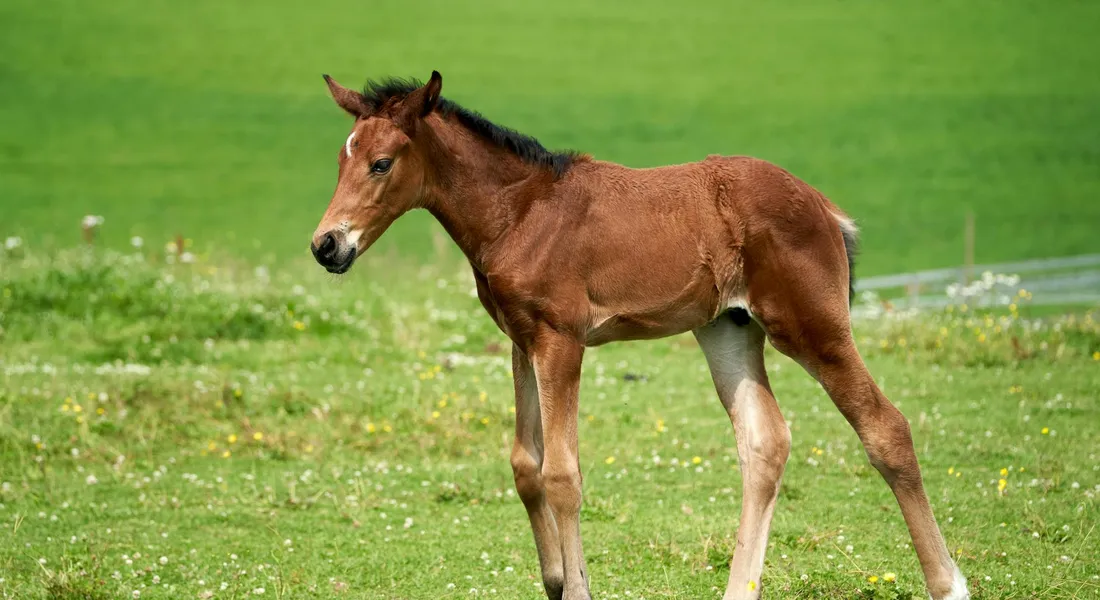
Watching a foal grow is a joy, but their developing immune system needs a solid defense plan. My own barn logs are filled with notes on shot dates and fecal egg counts, a ritual as regular as feeding time, because proactive care is the bedrock of a thriving yearling. This isn’t about fear; it’s about building a fortress of wellness from the ground up.
Core Vaccination and Immunization Schedule
Think of vaccinations as a training program for the immune system. We introduce a threat in a safe way so the body learns to recognize and fight it off later. Always, always design this program with your veterinarian, as regional risks and your foal’s specific health history will shape the final plan. For foal health care, establishing a vaccination treatment schedule for young horses helps ensure timely protection. Your veterinarian can tailor this plan to regional risks and your foal’s health history. Here is a typical framework.
Initial vaccinations often start between 4 to 6 months of age. This timing leverages the natural antibodies from the dam’s colostrum, which are waning, allowing the foal’s own system to respond effectively.
- Core Vaccines (often in a combination shot): Eastern & Western Equine Encephalomyelitis (EEE/WEE), Tetanus, and West Nile Virus (WNV).
- Risk-Based Vaccines: Your vet may recommend others like Rabies, Influenza, or Rhinopneumonitis (EHV-4/EHV-1) based on local outbreak data and breeding farm protocols.
The first shot is just the beginning. Immunity needs a reminder to stick.
- A booster is required 3 to 4 weeks after the initial vaccination.
- A second booster is typically given at 10 to 12 months of age.
- For diseases like Rhinopneumonitis, which can cause abortion in mares, a third booster might be advised around weaning time.
I like to schedule vaccinations for the morning, after the foal has had a little turnout and is relaxed. Have a helper, go slow, and follow up with a generous scratch on the withers-it turns a potentially stressful moment into one of gentle handling and trust.
Strategic Deworming and Parasite Control
The old “paste every two months” calendar is obsolete. Modern parasite control is a smart, targeted campaign. Blanket deworming breeds resistance, making our medications useless, so we must fight smarter, not just more often. The cornerstone of this strategy is the Fecal Egg Count (FEC).
Schedule your first FEC around the time of initial vaccinations. This test tells you two critical things: if your foal has a parasite burden and how high it is. Your vet uses this number to decide if deworming is needed and which class of dewormer to use.
- Perform a Fecal Egg Count at 4-6 months old.
- Deworm only if the count indicates a need, using the drug class your vet prescribes.
- Repeat the FEC test 10-14 days after deworming to check its efficacy.
- Continue with FEC-guided treatments every 3-6 months, or as your vet directs.
Medication is only half the battle. Pasture management is your daily frontline defense.
- Pick manure from pastures at least twice a week to break the parasite life cycle.
- Rotate pastures if possible, and consider cross-grazing with sheep or cattle to interrupt host-specific parasites.
- Avoid overstocking pastures; too many animals in one space guarantees higher parasite loads.
I treat parasite control like stable housekeeping. Keeping paddocks clean and using FECs is like knowing exactly where the dust bunnies hide instead of just sweeping the whole barn blindly-it’s more effective and saves your resources for where they’re truly needed. Remember, some dewormers aren’t suitable for very young foals, so vet guidance here is non-negotiable for safety.
Hoof, Dental, and Body Condition Care
Foundations of Lifelong Hoof Health
I start handling hooves from day one, literally. With a foal like Pipin, I’d run my hands down his legs while he was still wobbling beside his dam, getting him used to the feel. That early touch is priceless. By two weeks old, I’m picking up feet for a two-second hold, offering praise and a gentle scratch. The goal isn’t a perfect clean-out yet, but building a memory that human hands near the feet mean good things.
The first farrier visit should be a calm, positive social call, scheduled for when the foal is about a month old and reasonably confident on its legs. I always have the dam nearby, and we let the foal sniff the tools. That first trim isn’t about major correction; it’s about balancing the tiny hoof capsule to ensure even weight distribution as they grow. You’re preventing conditions like contracted heels or angular limb deformities before they even think about starting.
Make hoof picking a daily ritual. I keep a tiny, soft-bristled brush for their feet. The sound of the hoof pick, the soft *click* of the hoof being set down-these become normal barn noises. A foal that stands politely for the farrier at six months old is the direct result of quiet, consistent handling that began in its first week of life.
Monitoring Dental Eruption and Care
A foal’s mouth is a busy construction site that first year. You’ll see the central incisors (front teeth) erupt within the first week. The intermediate incisors come in around 4-6 weeks, and the corner incisors make their appearance between 6-9 months. Those sharp little “baby” teeth, or caps, will eventually be pushed out by the permanent ones underneath.
Watch for these warning signs of trouble: dropping grain, packing hay in the cheeks, foul breath, or resisting the bit when you start groundwork. You might also see undigested hay in their manure-a sure sign they aren’t chewing properly. Any facial swelling or unusual head tilting during eating warrants an immediate call to your vet.
Schedule the first official dental check with an equine veterinarian or certified equine dentist when your foal is around six months old. They aren’t just looking for sharp points yet, which are rare in a young mouth. They are assessing the alignment of the jaws, checking for retained caps that might hinder permanent teeth, and ensuring the dental arcade is developing without hooks or abnormalities. This early exam sets a crucial baseline. Knowing the tooth development stages in foals helps you interpret the examination findings at this age. A quick grasp of when caps shed and permanent teeth begin to erupt frames the expectations for future dental care.
Assessing and Maintaining Ideal Body Condition
For a growing horse, the traditional Body Condition Score (BCS) chart needs a mental adjustment. You’re not judging fat cover over ribs; you’re assessing growth and muscle development. I run my hands over them weekly. You should feel a light fat covering over the ribs, but still easily be able to distinguish each rib with your fingers. The spine should not be prominent, and the hip bones shouldn’t jut out sharply. Consider this part of equine body condition scoring—it’s a practical way to assess your horse’s overall condition.
A common mistake is pouring on the grain to “fatten up” a leggy yearling. This pushes rapid, unnatural growth and can stress developing joints. Steady growth, not rapid weight gain, is the gold standard for a sound future athlete. Their primary fuel should be high-quality forage-either excellent pasture or a soft, leafy hay. If they need more calories, I opt for a balanced, protein-rich juvenile feed designed for growth, but I measure it by the cup, not the scoop.
Use a weight tape monthly and keep a simple log. Pair this with a photo from the same angle. Looking at Luna as a leggy yearling, her notes showed a slow, steady gain. Some months she seemed all knees and elbows, then she’d “fill in.” This is normal. Your job is to support that marathon of growth with consistent nutrition and regular checks, not to win a sprint. A lean, growing frame is far healthier than a pudgy one.
Socialization and Early Training for a Well-Adjusted Horse
This first year is less about formal lessons and more about building a vocabulary of trust with your foal. The experiences they have now-the smells, sounds, and sensations-directly shape the adult horse they will become. For a newly rescued horse, trust-building begins with small, predictable routines and gentle handling. Each positive interaction strengthens the bond and paves the way for future training.
Building Confidence Through Handling
I think of early handling as a conversation, not a command. It starts with the simple act of presence. I spend quiet time in the stall or pasture with my foals, letting them decide to approach and sniff my boots. With a sensitive soul like Luna, this patience was everything; moving too fast would send her spinning away.
Your goal is to make every human interaction predictable and positive, building a foal who looks to you for security instead of fear.
Guidance: List foundational training steps: leading, tying, picking up feet, and accepting grooming. Keep sessions short and positive.
Introduce these skills in short, sweet bursts. For a young foal, five minutes is a long lesson. Always quit while you’re ahead.
- Leading: Use a properly fitted foal halter. Apply light pressure on the lead, release immediately when they lean forward, and praise. We practice this walking to and from the pasture every day. Rusty mastered it quickly, though he’d try to drag me toward the treat bucket!
- Tying: This is a lesson in patience. Only attempt after leading is solid. Use a thick, sturdy rope and a safe quick-release knot on a solid post. Stand with them, grooming or just talking, for one minute, then two. Never, ever leave a young horse tied and unattended.
- Picking Up Feet: Run your hand down the back of their leg, squeeze the fetlock, and say “up.” Hold for only a second or two, then gently place it down. This daily practice makes the farrier’s job safe and easy later on.
- Accepting Grooming: Let them investigate the soft brush first. Start on the shoulder, an easy area, using slow, firm strokes. The rhythm of currying can be deeply soothing. Pipin now dozes off when I get his favorite itch spot.
The Role of Turnout and Play
Confinement stunts more than just legs; it stunts social brains. Ample turnout is non-negotiable for proper development. It’s where they learn equine language, burn off steam, and strengthen those growing bones.
Turnout time is not downtime; it is active, critical learning time you cannot replicate in a stall.
Guidance: Advocate for ample, safe turnout time for physical development and social learning. Describe normal play behaviors.
A safe paddock has secure fencing, clean water, shelter, and no junk or loose wire. I let my foals out with a calm, vaccinated babysitter mare or other foals whenever possible. It’s also worth considering what the most common horse stable paddock hazards are. Knowing these can help guide daily checks and safer turnout decisions.
Watch them and you’ll see their education in action. Normal play includes:
- The “Zoomies”: Sudden, explosive laps around the field with joyful bucks and kicks. This builds cardio and coordination.
- Mock Fighting: Playful nipping, rearing, and wrestling with peers. This is how they learn bite inhibition and social hierarchy.
- Object Investigation: Nosing, pawing, and nibbling at logs, balls, or hanging toys. Curiosity drives mental stimulation.
- Follow-the-Leader: Trotting single-file over a small hill or around a tree. This builds herd cohesion and balance.
The thud of galloping hooves and the squeal of a play fight are the sounds of healthy development. This unstructured play builds the athletic, socially savvy horse you want to partner with in the years to come.
Keeping Track: Records and Monitoring for Long-Term Health
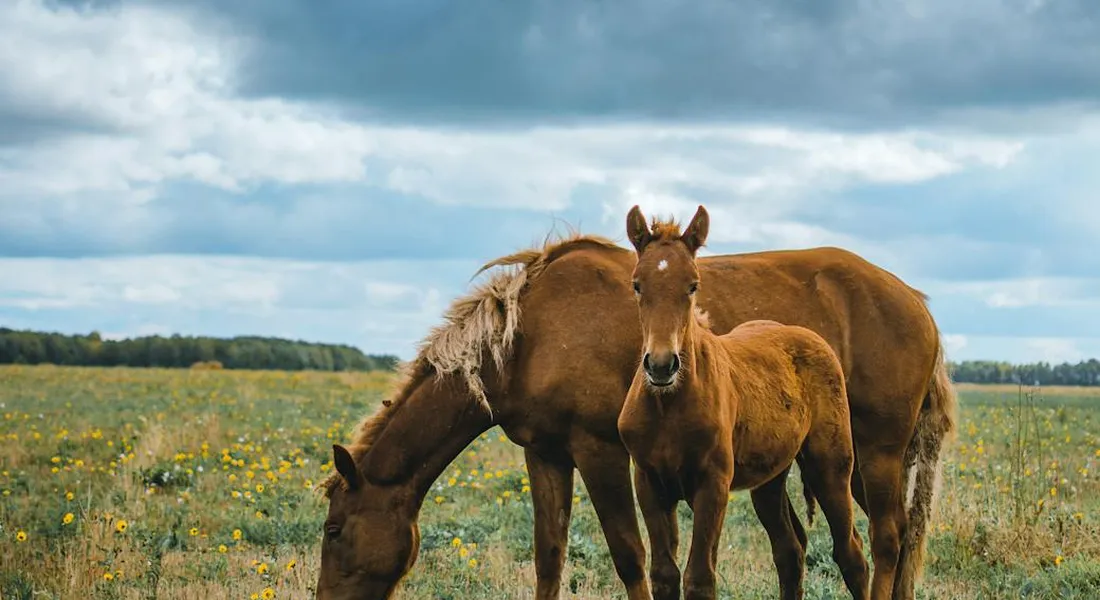
That first year flies by in a blur of growth spurts and baby antics. Keeping a detailed log turns your fuzzy memories into a powerful tool for your foal’s lifelong health. I use a simple binder for my crew; the smell of fresh paper and barn dust on those pages tells our story. Good records mean you’re not guessing-you’re knowing.
Essential Records for the First Year
Think of your record book as your foal’s biography. Consistent notes help you spot subtle changes a busy eye might miss. Here is what to document every month:
- Vaccination Dates: Jot down the vaccine, brand, and injection site. I note how Luna reacted to her first shots-a little extra sleepy-so we were prepared next time.
- Deworming Schedule: Record the product name, dosage, and date. Your vet’s fecal egg count recommendations should guide this, not just the calendar.
- Farrier Visits: Log each trim date. Include notes on hoof balance, any cracks, or sensitivity. Pipin’s early trims were quick affairs full of treats, and noting his patience levels helped our farrier.
- Height & Weight Measurements: Use a weight tape monthly. Track height at the withers. That steady growth curve is your best proof that your feeding program is working.
- Behavioral Notes: This is the golden detail. Document curiosity, herd interactions, or new fears. When young Rusty hated puddles, we knew to introduce water play gently and log his progress.
Planning for the Future: Pre-Yearling Veterinary Check
Schedule a thorough exam for your foal around the 11-month mark. This proactive visit sets a solid health baseline before the ‘yearling’ title is official. It’s more than a quick look-over; it’s a deep dive. Here is what a comprehensive check should include:
- A full physical examination: listening to heart and lungs, checking eyes, and assessing joint conformation.
- Dental evaluation for the emergence of permanent teeth and to check for any sharp edges or wolf teeth.
- Vaccination review and administration of any necessary boosters.
- Discussion of nutrition plans for the upcoming year, based on those recorded growth measurements.
- Hoof and limb assessment, often with the farrier consulted, to plan for any corrective work. Catching a slight deviation early can save years of corrective shoeing later.
I remember Rusty’s pre-yearling check like it was yesterday. Our vet compared his notes to my binder, praised our turnout schedule, and gave us the all-clear. That peace of mind was worth every scribbled note.
FAQ: From Foal to Yearling: A Month-by-Month Developmental and Care Guide
What is the average weight of a newborn foal?
The average weight of a newborn foal varies by breed but typically falls between 100 and 150 pounds. For instance, light horse breeds like Thoroughbreds often weigh around 100-120 pounds, while larger draft breeds can reach 150 pounds or more. Tracking this initial weight helps establish a baseline for monitoring healthy growth and development.
What are the key components of a foal’s diet in the first month?
During the first month, a foal’s diet is centered on the dam’s milk, which supplies vital calories, protein, and antibodies for immunity. Colostrum consumption within the first hours is crucial for passive antibody transfer. By week three or four, foals increasingly supplement milk with nibbles of high-quality forage and a balanced creep feed to support rapid growth.
What are the signs of a healthy, developing foal?
A healthy foal displays alertness, curiosity, and a strong bond with its dam, often seen nursing vigorously and exploring its surroundings. It should exhibit consistent weight gain, pass normal manure, and have a shiny coat with bright, clear eyes. Additionally, playful interactions during turnout and steady progress in milestones like standing and walking are positive indicators.
The Foundation for a Lifetime
Guide your foal’s first year with a planned schedule for feeding, veterinary care, and handling that adapts to each monthly growth spurt. Unrestricted turnout with compatible buddies remains the cornerstone of raising a physically robust and mentally balanced young horse. Gradual, supervised social time with other calm horses helps a rescue foal develop herd skills and confidence.
Your patience and willingness to read your foal’s subtle cues are what transform routine care into true partnership. The goal is a trusting yearling, built through a thousand quiet days of good, simple horsemanship.
Further Reading & Sources
- Foal – Wikipedia
- Development Phases of Foals and Young Horses
- Year One Foal Feeding | Purina Animal Nutrition
- 40 – Young Horse Development Young Horse Development
At Horse and Hay, we are passionate about providing expert guidance on all aspects of horse care, from nutrition to wellness. Our team of equine specialists and veterinarians offer trusted advice on the best foods, supplements, and practices to keep your horse healthy and thriving. Whether you're a seasoned rider or new to equine care, we provide valuable insights into feeding, grooming, and overall well-being to ensure your horse lives its happiest, healthiest life.
Health