
How to Care for a Clydesdale Horse: A Complete Guide
Published on: January 9, 2026 | Last Updated: January 9, 2026
Written By: Henry Wellington
Hello from the barn aisle! So, you’ve got a Clydesdale in your care, and the sheer scale of everything-from feed bills to hoof picks-feels a bit overwhelming. That’s a perfectly normal worry when you’re responsible for a gentle giant.
This guide breaks down their unique needs into manageable steps. We’ll cover the core pillars of keeping your draft horse thriving:
- Crafting a cost-effective diet that supports a slower metabolism
- Mastering feather and hoof care to prevent mud fever and thrush
- Adapting your grooming routine for that thick coat and sensitive skin
- Designing low-impact exercise to protect heavy bones and joints
My years of barn management and training, from clever ponies to sensitive off-track Thoroughbreds, have given me a deep toolkit for practical, kind horsemanship.
Understanding Your Clydesdale: Breed Basics and Temperament
Standing next to a Clydesdale for the first time is a humbling experience. You are not just looking at a horse; you are in the presence of a living, breathing piece of agricultural history, built for power and steadiness. These draft horses are the gentle giants of the equine world, with a physique and mindset distinct from the light horses you might be used to riding.
| Trait | Clydesdale (Draft Breed) | Thoroughbred (Light Breed) |
|---|---|---|
| Average Height | 16 – 18 hands | 15 – 17 hands |
| Average Weight | 1,800 – 2,200 pounds | 1,000 – 1,300 pounds |
| Build | Heavy, muscular, substantial bone | Lean, athletic, refined |
| Common Colors | Bay, brown, black, often with white face and leg markings | Bay, chestnut, brown, gray, black |
Their temperament is their crown jewel. A well-bred Clydesdale is typically calm, willing, and possesses a deep-seated patience. This is a horse that thinks before it reacts, a trait I’ve come to deeply appreciate during noisy barn days when my sensitive Thoroughbred, Luna, is dancing in her cross-ties. I remember helping a friend’s young Clydesdale learn to stand for the farrier; while a pony might fidget, this colt simply sighed and leaned into the scratching, his trust outweighing any uncertainty. They have a strong work ethic, but it’s coupled with a gentle nature that makes them wonderful partners for confident beginners and experienced handlers alike.
Those iconic fluffy “feathers” on their lower legs are more than just pretty decoration. This long hair traps moisture and dirt, creating a perfect environment for skin issues like scratches or mud fever if not managed properly. Daily care must include checking and cleaning those feathers, which means your grooming routine is non-negotiable. It’s a small price to pay for such majestic looks, but skipping it is an invitation for trouble.
Feeding Your Gentle Giant: Nutrition and Diet for Clydesdales
Feeding a Clydesdale isn’t about piling on the grain; it’s about smart, steady fueling. Their massive size starts with a foundation of forage. You must calculate their hay intake based on body weight, aiming for 1.5% to 2% of their weight daily-that’s 27 to 40 pounds of hay for a 1,800-pound horse. Good pasture can supplement this, but draft types can be easy keepers and prone to weight gain, so I’m a firm advocate for using a grazing muzzle or a dry lot if your grass is too rich. More turnout time with managed forage is always better than strict stalling.
Grain or concentrates are not a default. Add them only if hay alone isn’t maintaining a healthy body condition. Use this simple guide to check:
- Run your hands over the ribs. You should feel them easily with light pressure, but not see them.
- Look from the side and above. There should be a slight waist behind the ribs, not a barrel shape.
- Check the neck and withers. They should be smooth, not sharp or heavily crested.
If you need to add calories, choose a low-sugar, high-fiber feed formulated for equine metabolic health. For supplements, focus on supporting their heavy frame:
- Joint Support: Look for glucosamine, chondroitin, or MSM to cushion those large joints.
- Hoof Health: Biotin is key, but ensure overall mineral balance with a quality hoof supplement.
- Digestive Aid: A probiotic can help maintain gut balance during dietary changes.
Never compromise on the basics. Constant access to fresh, clean water is the most critical part of preventing colic, especially for a horse this size. Use a giant rubber tub or an automatic waterer, and check it twice daily for debris. Provide a plain white salt block free-choice, and consider loose salt in their feed. Place water and salt at a height that doesn’t require your horse to crane its neck down awkwardly-their comfort while eating and drinking matters just as much as yours does.
The Art of Grooming: Managing Coat, Mane, and Feathering
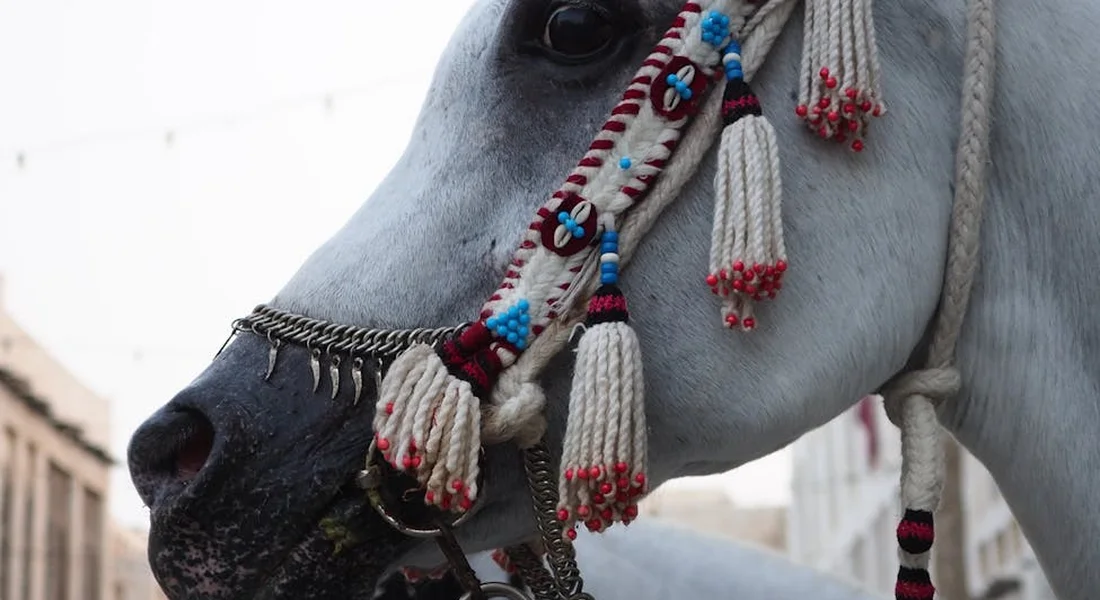
Grooming a Clydesdale is not a chore; it’s a bonding ritual and a full-body health inspection rolled into one. That immense frame and glorious hair requires a methodical approach. I learned this the hard way with my first draft cross – if you don’t have a system, you’ll miss something.
Daily Grooming for Health and Bonding
Your daily once-over is your first line of defense. It’s about removing dirt, stimulating the skin, and checking every inch for heat, swelling, or cuts hidden beneath all that hair. Start on the left side, near the shoulder, and work your way back and around.
- Break Up the Mud: Use a rubber curry comb in firm, circular motions over the large muscle groups. This loosens dried mud, dirt, and dead hair. Listen for the satisfying crunch-it means you’re getting down to the skin. Avoid bony areas like the spine and legs.
- Sweep It Away: Follow immediately with a stiff-bristled dandy brush. Flick the dirt away with short, sharp strokes. This is where you see the dust fly and the coat’s true color emerge.
- Bring Out the Shine: Go over the entire body with a soft body brush or a grooming mitt. This lays the hair flat, distributes natural oils, and leaves a polished finish.
- The Delicate Areas: Use a separate, softer face brush for the head, ears, and poll. Be gentle around the eyes and muzzle. This is where trust is built.
- Foundation Check: Finish each leg by picking out the hooves. Clean out the sole and check the frog for thrush, stones, or cracks. A thorough hoof pick is a non-negotiable safety check for both horse and rider.
Caring for the Feathering: Preventing Skin Issues
The magnificent feathering on a Clydesdale’s legs is a hallmark of the breed, but it’s a double-edged sword. It traps moisture and dirt against the skin, creating a perfect incubator for bacterial infections like mud fever. A weekly deep-clean ritual is your best preventative medicine.
You’ll need a bucket of warm water, a gentle, equine-specific shampoo (I prefer a mild, moisturizing one), a large sponge, and a sweat scraper. Start by thoroughly wetting the feathering, then work the shampoo into a rich lather from the knee/hock down to the coronary band, massaging it right down to the skin. Rinse until the water runs completely clear – any leftover soap residue will cause irritation.
Here’s the critical part: drying. You cannot let that hair stay wet. Squeeze out excess water with your hands, then use a sweat scraper over the back of the leg to channel water away. I follow up with clean, dry towels, blotting and fluffing the hair. In a pinch, a cool setting on a livestock blow dryer works wonders. Perfectly clean, completely dry feathering is the single most effective thing you can do to prevent debilitating skin infections.
In perpetually wet seasons, some owners choose to carefully clip the inside of the feathers to improve airflow, but never clip the outside, as it protects the tendons and provides breed character.
Mane and Tail Maintenance
Tangles are the enemy of thickness. Yanking a brush through a knot will rip out more hair than it detangles. For both the luxurious mane and the tail, start with your fingers. Gently work apart the biggest snarls from the bottom up. Only then should you use a wide-toothed comb or a specialized detangling brush.
I use a leave-in conditioner spray on my mare Luna’s tail and Pipin’s thick mane. A light spritz on damp or dry hair makes combing effortless and adds shine without greasiness. For a deep treatment, a handful of pure aloe vera gel or a rinse-out conditioner every few weeks keeps the hair pliable and strong. Brushing from the top down guarantees a knot you’ll have to cut out; always, always start at the very ends.
Hoof and Health: Proactive Care for a Draft Horse
Hoof Care: Farrier Visits and Trimming
Think of your Clydesdale’s hooves as the cornerstone of his entire well-being. I keep every draft horse on a rigid 6 to 8-week farrier cycle, no excuses. A week’s delay can upset their delicate balance, leading to strained tendons and soreness in those powerful limbs. Draft hooves are dinner-plate wide and require a farrier who understands how to trim for support, not just shape.
Your daily hoof pick is a powerful tool. Dig out the clefts and feel for any unusual softness. A rotten smell and black, tar-like gunk are the calling cards of thrush, a common issue in damp bedding or muddy paddocks. I once missed a small crack on a gentle giant similar to Rusty, and it taught me to be meticulous. For your Clydesdale, consistent picking removes packed-in debris and lets you spot vertical cracks or hot nails fast.
- Book your farrier every 6-8 weeks; mark it on the barn calendar.
- Draft hooves often need a wider web and special frog support.
- Spot thrush by its foul odor and black discharge in the frog.
- Identify cracks early; they often start at the white line or coronary band.
- Prevention is simple: a thorough pick after every ride or turnout.
Dental Care and Parasite Control
A Clydesdale processes enormous amounts of forage, so comfortable teeth are mandatory. I arrange an annual dental exam and float for all my horses. Sharp hooks and points on molars create painful ulcers, preventing proper chewing and nutrient absorption. Watch for subtle signs like grain spillage from the mouth, head tilting, or unexplained weight loss. Pipin’s dental issue was a loud reminder that even the smallest eater needs a smooth grind.
Modern parasite control has moved beyond the calendar. I partner with my vet for a program based on fecal egg counts. This strategy dewormes only when necessary, preserving medication efficacy and your horse’s digestive flora. It’s a win for your wallet and your Clydesdale’s gut health.
Use this table as a starting point for your conversation with your veterinarian. Always tailor plans to your horse’s age, environment, and test results.
| Vaccination / Deworming | Frequency | Notes |
|---|---|---|
| Core Vaccines (Tetanus, Eastern/Western Encephalomyelitis, West Nile Virus) | Annual | Non-negotiable for basic disease protection. |
| Strangles & Influenza | Every 6-12 months | Crucial for horses traveling or at boarding barns. |
| Dewormer (Ivermectin, Moxidectin, etc.) | As directed by fecal egg count results | Rotate drug classes only under veterinary guidance. |
| Fecal Egg Count Test | At least twice yearly (Spring & Fall) | The gold standard for targeted, responsible parasite management. |
Combine this medical care with ample turnout on well-managed land. Regular movement on clean pasture disrupts parasite lifecycles and supports mental and physical health in one fell swoop. The thud of healthy hooves on ground is a sound I never tire of.
Movement and Mind: Exercise, Turnout, and Training
Exercise Needs for a Large Frame
Moving a Clydesdale is less about cardio and more about consistent, gentle mobilization. Think of it as maintaining a magnificent, well-oiled machine rather than pushing an athlete to its limits.
Their ideal work is regular, low-impact movement that keeps joints fluid and muscles engaged without excessive concussion. Long, purposeful walks on good footing, light driving work, or steady trail riding at a walk and a cautious trot are perfect.
I learned this watching our big school horse, who was built like a tank. A sudden, frantic gallop across the field would leave him stiff and off for days, but a solid hour of walking hills made him bright-eyed and loose. Their size means force equals mass times acceleration; high-intensity workouts put tremendous strain on their legs.
- Focus on duration and consistency over speed or excitement.
- Avoid lunging in small, tight circles or asking for rapid direction changes.
- Always include a long, thorough warm-up and cool-down period.
Beyond the saddle or harness, nothing replaces free movement. Daily turnout in a safe, spacious paddock is non-negotiable for both mind and body. A Clydesdale cooped up in a stall becomes a stiff, unhappy, and often inventive giant looking for trouble. Turnout lets them choose their gait, roll, and simply be a horse. That daily freedom is the cheapest and most effective therapy you can provide for prevention of stiffness and stable vices. The mental decompression is just as vital as the physical.
Training Principles for a Willing Partner
Training a Clydesdale is an exercise in quiet leadership. Their power means you cannot and should not try to muscle them into anything. You must become a diplomat who earns willing cooperation.
Ground manners are your foundation. I start every interaction with clear, consistent cues and buckets of patience. A pushy pony is a nuisance; a pushy Clydesdale is a hazard. Teach them to respect your space, move their feet on light pressure, and stand tied solidly. Positive reinforcement works wonders with these intelligent horses-a timely release of pressure or a quiet “good boy” is more powerful than any fight. They remember kindness and fairness just as keenly as they remember rough handling.
When introducing any new task, break it down into the smallest possible steps. A short, successful session builds confidence far faster than a long, frustrating one.
- Introduce the new object or concept in a calm environment. Let them sniff the blue tarp or listen to the harness chains without any pressure.
- Ask for one small, understandable action. This could be taking one step toward the tarp or lowering their head for the bridle.
- Reward the slightest try immediately. The reward is stopping the ask. Release all pressure, give a scratch, or offer a moment of quiet praise.
- Repeat until that step is easy, then add the next tiny piece. This might mean stepping onto the tarp, or accepting the bit.
- End the session on a good note, before either of you gets tired or frustrated. A five-minute win is better than a twenty-minute struggle.
Their learning style is often thoughtful and deliberate. They may pause to process a cue, which is not defiance but consideration. Rushing or punishing that quiet thinking time will shut them down and create a resistant horse. Work with that thoughtful nature, not against it, and you will build a partner who trusts you implicitly.
Home Sweet Home: Housing, Bedding, and Stall Management
Managing space for a draft horse feels different. You notice it the first time you watch one turn around in a standard 12×12 stall. There’s a lot of horse to navigate. My big lesson came from Rusty, my Quarter Horse, who fits just fine in his stall. When I started caring for a Clydesdale boarder, we had to think bigger.
Stall and Shelter Requirements
A 12×12 foot stall is the absolute minimum for a light horse breed. For a Clydesdale, think bigger. I strongly recommend a 14×14 foot stall as a starting point; it gives them safe room to lie down, get up, and turn around without feeling cramped or risking injury. That extra square footage is not a luxury-it’s a necessity for their physical and mental comfort.
Flooring and airflow are your next priorities. Concrete is common but hard on large joints; a textured, non-slip surface is key. Many barns use packed clay or dirt bases topped with thick bedding. Rubber mats on top provide cushion and make bedding last longer. Ventilation is non-negotiable. A draft horse’s large lungs need clean, dry air to avoid respiratory issues. Good windows, a rear vent, or a stall fan can make a world of difference.
Choosing Bedding for the Big Stall
Mucking a Clydesdale-sized stall is a commitment. Your bedding choice can make that chore easier or harder.
- Straw: Traditional and can be cozy, but less absorbent. It requires diligent picking to keep it dry and can be prone to molding if not managed perfectly. For a food-motivated escape artist like Pipin the pony, straw can be a snack temptation.
- Wood Shavings (Pine): My personal go-to for big horses. Deep, fluffy beds of kiln-dried pine shavings are highly absorbent, control ammonia odor well, and provide excellent cushion. A thick layer of quality shavings supports those heavy frames and soaks up moisture efficiently, meaning you might use less over time compared to constantly replacing damp straw.
- Wood Pellets: A fantastic low-dust option that expands when wet. They are super absorbent and create less bulk to haul away. The initial cost is higher, but they often last longer. They do require a specific wetting-down process when first setting up the stall.
Pasture and Paddock Safety
Turnout is not optional therapy for a Clydesdale; it’s a core part of keeping them sound and sane. Their size demands that their space be built like a fortress.
Fencing must be sturdy, visible, and forgiving. Wood plank fencing (at least 1.5 inches thick) or heavy-duty vinyl are top choices. Woven wire must be gauge-heavy and tightly secured to the posts. Always avoid barbed wire; an accidental lean from a 1,800-pound horse can cause catastrophic injuries. All posts should be set deep in the ground, and gates must have heavy-duty hardware. Check fences weekly for loose boards or protruding nails.
A run-in shelter in every turnout area is mandatory. It needs to be tall, wide, and deeply bedded. A three-sided shelter, positioned to block prevailing winds and rain, gives them a place to escape flies, sun, and weather. That shelter gives them a choice, which is the heart of good welfare-they can socialize or find quiet, stand in sun or shade.
Pasture management is a game of rotation. These horses are living lawnmowers. To prevent them from turning your field into a dust bowl or a mud pit, practice rotational grazing. Split your acreage into smaller paddocks and rotate the herd every few weeks. This allows grass to recover, breaks parasite cycles, and gives you a dry lot to use during wet seasons. Harrow manure piles regularly and test your soil to know what it needs.
When to Call the Vet: Recognizing Signs of Illness
Living with giants means their subtle whispers of discomfort can be easy to miss. I learned this watching Rusty one winter; a slight shift in how he stood in his stall was my only clue to a brewing issue. Knowing your Clydesdale’s unique “normal” is your most powerful diagnostic tool, and any deviation from it warrants attention.
Common Clydesdale Health Alerts
Their magnificent build and feathering come with specific susceptibilities. Proactive care is non-negotiable.
- Laminitis: This painful hoof condition is a top concern. Their heavy stature strains the laminae, and a metabolic diet is a direct ticket to trouble. Prevention is rooted in strict dietary management: limit lush spring grass, avoid high-sugar grains, and provide a consistent, forage-based diet with controlled turnout. I keep Pipin, my Shetland and a fellow easy-keeper, on the same program.
- Skin Conditions Under Feathering: The glorious feathers trap moisture, mud, and bacteria. Without diligent care, you get scratches (pastern dermatitis) or mites. Make weekly cleaning and thorough, blow-dry-level drying of the lower legs a non-negotiable part of your routine, especially in wet seasons. I use a gentle, antibacterial wash on Luna’s legs as a preventative.
- Joint and Limb Stress: Carrying substantial weight can lead to early-onset arthritis or ligament strain. Consistent, moderate exercise on good footing is far better than sporadic, intense work for maintaining soundness. Watch for any shortening of stride or stiffness after rising.
Monitoring Vital Signs and Behavior
Your daily interactions are your early warning system. Trust your gut if something feels “off.”
These are your daily check-in points. Catching a change here can stop a crisis.
- Appetite: A picked-over hay net or untouched grain is a glaring red flag. A Clydesdale missing a meal is a major concern.
- Manure Consistency: Know their normal output. Dry, hard balls or cow-pie-like piles can signal dietary or digestive trouble.
- Gait and Stance: A head-bob, reluctance to move, or standing camped-out or rocked back are pleas for help. Listen to them.
- Attitude and Demeanor: A usually cheerful horse like Rusty becoming dull, or a sensitive soul like Luna becoming unexpectedly agitated, tells a story. Withdrawal or unusual aggression are signals.
Seek immediate veterinary care if you observe signs of colic: frequent lying down and rising, looking at the flank, pawing, or absence of gut sounds. Likewise, non-weight-bearing lameness, heavy breathing at rest, traumatic injury, or high fever (over 102°F) are emergencies. Do not wait. Your vet would rather be called for a false alarm than arrive too late. I have made that call, and the peace of mind was worth every penny.
Frequently Asked Questions About Clydesdale Horse Care
What are common health issues in Clydesdale horses?
Clydesdales are particularly susceptible to laminitis due to their large frame and potential for metabolic issues, requiring strict dietary management. Skin conditions like scratches or mud fever are a constant risk under their dense feathering if the legs are not kept meticulously clean and dry. Their substantial weight also predisposes them to joint stress and early-onset arthritis, making consistent, low-impact exercise crucial.
What is the ideal living environment for a Clydesdale?
A spacious stall, ideally 14×14 feet or larger, is essential for their comfort and safe movement. They require daily turnout in a securely fenced pasture with a sturdy, three-sided run-in shelter for protection from the elements. Pasture management through rotation is key to preventing overgrazing, managing parasites, and providing a dry area during wet conditions.
What are the grooming essentials for a Clydesdale’s feathering?
Weekly, thorough washing with a gentle shampoo is necessary to remove deep-seated dirt and mud from the feathering. Complete, meticulous drying down to the skin is the most critical step to prevent bacterial infections like mud fever. Regular inspection and careful detangling without breaking the hair are vital for maintaining both the health and majestic appearance of the feathers.
A Gentle Giant’s Guide to Thriving
Caring for a Clydesdale hinges on proactive hoof maintenance, a tailored diet to prevent bulk without excess sugars, and sourcing tack built for their unique, feathered frame. Your most important job is to partner with a farrier who understands the support a draft hoof needs and to commit to a consistent cleaning routine to prevent issues like scratches.
Their size demands respect, but their temperament rewards gentle, confident leadership. The deepest bond is built by watching for their quiet cues in the stable and listening to their steady, ponderous walk out on the trail.
Further Reading & Sources
- Caring for a Clydesdale Horse: What to Know
- Clydesdale Horse Breed Guide: Characteristics, Health & Nutrition | Mad Barn
- Meet the Mighty Clydesdale Horse Breed
- Clydesdale Horse
At Horse and Hay, we are passionate about providing expert guidance on all aspects of horse care, from nutrition to wellness. Our team of equine specialists and veterinarians offer trusted advice on the best foods, supplements, and practices to keep your horse healthy and thriving. Whether you're a seasoned rider or new to equine care, we provide valuable insights into feeding, grooming, and overall well-being to ensure your horse lives its happiest, healthiest life.
Uncategorized