
Retired Racehorse to Perfect Pet: The First 6 Months with Your OTTB
Published on: December 10, 2025 | Last Updated: December 10, 2025
Written By: Henry Wellington
Hello fellow equestrians. That off-the-track Thoroughbred you just unloaded is now standing in your barn, all sinew and nervous energy, and you’re wondering if you can really turn this athlete into a calm companion. The worry about vet bills, their quirky behaviors, and your own safety is absolutely valid-I’ve felt that same knot in my stomach more than once.
Let’s tackle this together. Over the next few months, we’ll focus on the key pillars that guide a racehorse toward a happier, healthier life. You’ll learn how to evaluate their post-track health, create a rhythm of calm with ample pasture time, build unshakeable trust through patience, and lay down simple training foundations without reigniting their track stress.
I’ve spent years in the barn managing this exact transition, with horses like my own sensitive OTTB, Luna, teaching me the value of soft hands and quiet routines.
Understanding Your OTTB’s World
Setting the Stage for Transition
OTTB stands for Off-Track Thoroughbred, a horse retired from the racing industry. Your new partner is leaving a world of intense schedules and controlled environments for the slower rhythm of farm life. This shift from track intensity to pastoral peace is the single biggest change your horse will face, and patience here pays off in trust. Understanding what makes OTTBs unique is crucial for providing them the right care.
Racehorses live by the clock: timed feedings, regimented workouts, and limited turnout. Farm life offers freedom, but that sudden quiet can be jarring. Expect behavioral legacies from their old life. High energy is common; they’re athletes used to daily exertion. Stall habits like weaving or cribbing might appear, born from hours of confinement. Gentle horsemanship means seeing these not as faults, but as signs of a mind adjusting to a new normal; understanding these behaviors is crucial for effective training and rehabilitation.
I saw this with Luna, my own dapple grey Thoroughbred. Her first week off the track, the silence itself seemed to startle her. A rustling leaf was a crisis. We started with short, supervised turnout in a small paddock, letting her just be a horse. The key was consistent, quiet companionship, proving the world wasn’t out to get her. Within a month, she was dozing in the sun, a sign she finally felt safe.
Common Track Legacies and Your Response
- High Energy: Channel it with long, slow hacks or groundwork instead of intense schooling.
- Stall Walking or Weaving: Maximize turnout time; it’s the best cure for boredom-based stress.
- Hard Keeper: Metabolic systems are revved; work with your vet on a forage-first diet plan.
- Soft Hands Required: They are often sensitive to pressure, having known mostly rider cues. Be light.
Immediate Health and Hoof Priorities
The Essential First Checks
Before you dream of trails, two professionals need to meet your horse: your vet and your farrier. These visits set the foundation for all future health. Schedule these exams within the first week; they give you a baseline and catch hidden issues early—especially for your first farrier visit.
The Initial Veterinary Exam
This is more than a quick look-over. Ask for a thorough physical, a hands-on check of legs and back for old injuries, and a weight tape assessment. A dental check is non-negotiable. Watch for signs your horse may need dental care—like dropping feed or difficulty chewing. These cues can prompt a timely dental check. Racehorses often have sharp points from stress-related grinding. Floating those teeth can transform a picky eater into a happy one, improving nutrition absorption. Discuss gastric ulcers. High-grain diets and track stress make them prevalent. Your vet might recommend a scope or a preventive treatment plan.
Steps for that first vet visit:
- Request a full physical exam, including heart and lungs.
- Insist on a detailed dental inspection and float if needed.
- Talk openly about ulcer prevention and management strategies.
- Draw blood for a baseline wellness panel.
- Discuss a vaccination and deworming schedule tailored to your area.
The First Farrier Visit
The goal here is assessment and comfort. Racing plates are lightweight and designed for speed, not longevity. Your farrier will assess hoof balance, remove those shoes, and trim for soundness. This trim prioritizes healthy hoof angles over immediate performance, so expect a transition period as the foot adapts. Make this visit positive. Use a clean, well-lit area. Have your horse calmly haltered and offer a hay net. I always stay nearby, talking softly, so my horse knows the farrier isn’t a solitary event. The thud of a hammer shouldn’t spark panic. Safety for all means a calm horse, and comfort comes from predictable, gentle handling.
Building a Calm Daily Routine
Crafting a Schedule for Turnout and Feeding
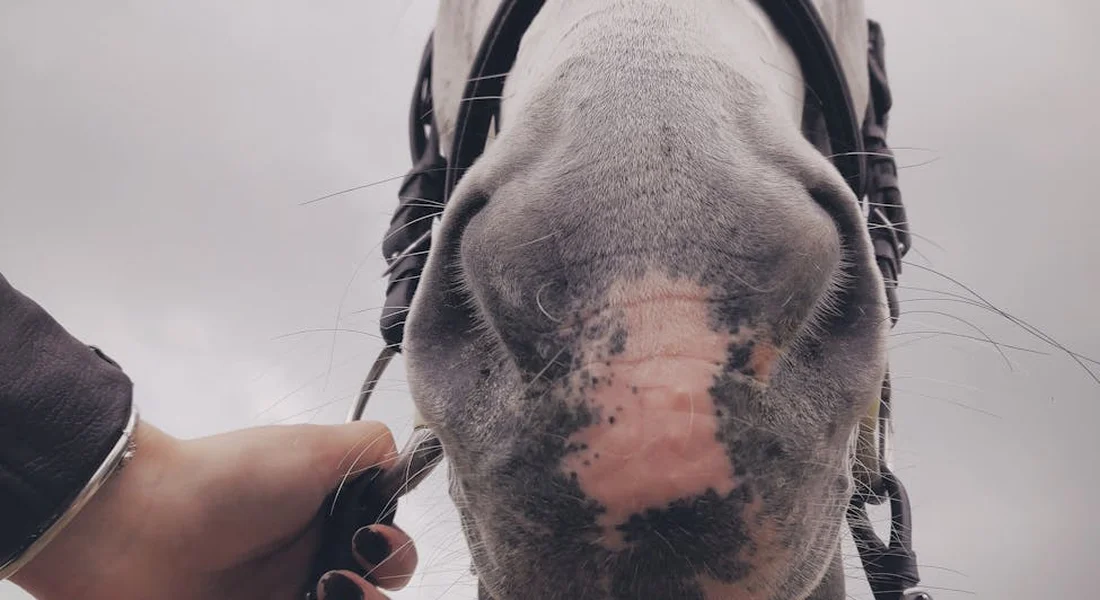
Imagine the thud of hooves on soft dirt, not a hard track. Your OTTB’s first job is to remember how to be a horse. Maximum turnout time is the single most effective tool for dissolving track-induced anxiety and preventing stable vices. My Thoroughbred, Luna, stopped her stall-walking within a week of moving to 24/7 pasture with a run-in shed. Their minds unwind when their legs can move freely.
Racehorses eat for fuel, but pets eat for maintenance. We must shift from high-starch grains to forage-based fueling. Begin by swapping one racing meal per day for a flake of grassy hay, then gradually increase hay over two to three weeks. Monitor his ribs and belly; a slight drop in energy is normal and desired. The goal is a steady horse, not a hot one.
Building a Maintenance Menu
- Base: Free-choice grass hay or a quality pasture.
- Core: A vitamin and mineral balancer to plug nutritional gaps.
- Extras: Grain only if hay isn’t meeting weight needs, used sparingly as a carrier.
- Always: Clean, fresh water and a plain white salt block.
Stalls are sometimes necessary, but they must be interesting. A bored horse is a creative horse, often in destructive ways. Stall enrichment is about mimicking grazing behavior with slow-feed hay nets and providing safe, investigative toys. I hang root vegetables from ropes for Pipin the pony to bob for, and the crinkle of a empty treat ball is a common sound in my barn. It keeps their brains peacefully occupied.
Predictability builds trust. Feed at the same times, turn out at the same hour, bring in at the same signal. Your OTTB will start to anticipate the creak of the gate at dusk instead of tensing for the next unknown. I keep a clipboard by the tack room door-it’s not fancy, but it ensures Luna gets her hay at 5 PM, every day, no surprises. This routine whispers safety to a horse who only knew noise.
Foundations of Trust and Groundwork
Bonding Through Gentle Handling
Your off-track Thoroughbred’s world just changed from roaring crowds to quiet paddocks. I remember Luna’s first week; every bird was a potential dragon. This shift demands a new language built on quiet consistency, not commands. Your primary job for the first six months is not to ride, but to become a safe harbor through patient, predictable handling.
Your First 30-Day Groundwork Blueprint
This plan rebuilds your horse’s understanding of pressure. We move from “go fast” to “listen and yield.” Keep sessions short-15 minutes is plenty for a brain buzzing with new rules.
- Week 1: The Art of Standing Still
Start in a safe, quiet space like a stall or small pen. Simply stand with your horse, letting him wear a halter and lead. Breathe deeply, relax your shoulders, and ignore any fidgeting. Reward a moment of quiet stillness with a soft scratch on the withers or a single, boring oat pellet-this teaches patience begins with you. This is a foundational step toward teaching your horse basic ground manners. In the next steps, you’ll learn practical cues to reinforce calm, cooperative behavior on the ground. My old track pony, Pipin, taught me that food motivation can be channeled into calm focus.
- Week 2-3: Leading with Partnership
Begin leading in a straight line. Hold the lead rope with a gentle, open loop-no tightness. If he pulls ahead, apply light, steady pressure until he hesitates, then immediately release. The goal is walk-with-me, not drag-me. A horse that leads well sees you as a guide, not an anchor. This is the groundwork for lead steering your horse with calm confidence. Practice stops and turns, always releasing pressure the second he tries to comply. With practice, you’ll be able to lead, then steer, your horse smoothly along a path.
- Week 4-5: The Yielding Dance
Teach your horse to move his body away from gentle pressure. Start by touching his side near the girth; the goal is for him to shift his hindquarters over. Use the lightest press of your fingers. Next, ask him to back up by wiggling the lead rope, not pulling. Yielding to light pressure is the foundation for every future cue and a major confidence booster for a confused horse. Luna learned this best at the end of a session when she was mentally tired and more receptive.
The Quiet Magic of Grooming and Hand-Grazing
Groundwork isn’t just exercises. Bonding happens in the slow, quiet moments that let your horse see you provide comfort, such as during grooming and gentle touch.
Turn grooming into a therapy session. Use a soft rubber curry in circular motions, following the muscle, not against the hair. Listen to his breathing. The rhythmic sound of the brush and the smell of clean coat become a shared, calming ritual that lowers both your heart rates. Avoid sudden moves around sensitive areas like the belly and legs until trust is built.
Hand-grazing is your secret weapon. Find a patch of safe grass, let the lead rope drape loosely, and just stand. Let him munch. This pairs your presence with the primal joy of eating. There is no faster way to build a positive association than through the simple, sweet smell of fresh grass and shared quiet time. Rusty, my quarter horse, still thinks hand-grazing is the highest form of praise, and it works just as well for a nervous OTTB.
Progress is measured in deep sighs and soft eyes, not completed tasks. If you have a day where all you did was stand together in the sun, you built more trust than any training manual could outline.
Introducing Tack and Light Riding
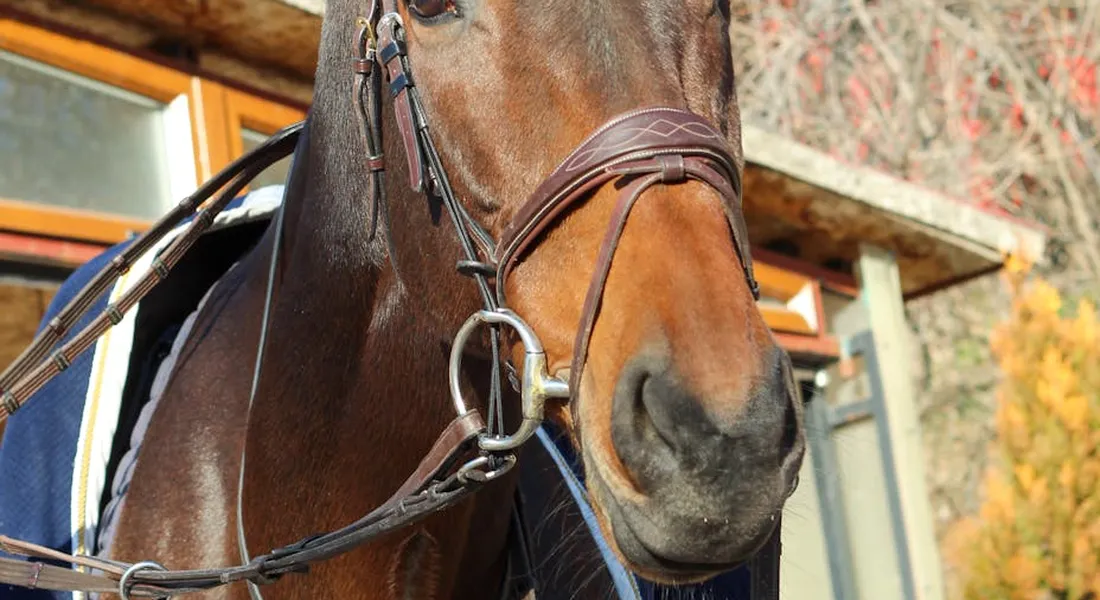
The first time you place a general-purpose saddle on your OTTB’s back, it may feel as foreign to them as a spacesuit. Their entire world has been a specific type of saddle, bridle, and routine. Our job is to make this new chapter feel like a comfortable pair of jeans, not a constraint.
Patient Acclimation to New Gear
Forget speed. This process is about building positive associations. Start with all new gear in a safe, familiar space like their stall or a quiet corner of the paddock. Let them sniff everything-the leather, the synthetic panels, the fluffy girth sleeve. I lay new saddles on a saddle rack in Luna’s stall for days before even thinking about putting it on her back.
Your first saddle fit is a non-negotiable investment; a poorly fitting saddle can create a sore, sour horse before you even get started. OTTBs often have prominent withers and a narrower build than many quarter horses. A qualified saddle fitter is worth their weight in gold, but you can do a basic check: the saddle should clear the withers by about two to three fingers, sit evenly without bridging (gapping in the middle), and not pinch at the shoulder blades.
Slow and Steady Wins the Race (Pun Intended)
Desensitization is just fancy talk for “getting used to it.” Here’s how I break it down:
- The Pad and Girth: Start with just the saddle pad. Rub it all over their body. Then, introduce the girth separately. Buckle it loosely around their barrel while they eat, so the sound and pressure connect with something good.
- The Saddle: Place the saddle gently, without the girth. Let them stand with it for a few minutes. I often do this while I pick their stall. The goal is boredom, not tension.
- The Tightening: When you do girth up, do it incrementally. Tighten just enough to hold the saddle, then walk them around. Come back and tighten one more hole. Always move the skin under the girth forward to avoid pinching. That sudden brace you might feel? That’s a racehorse remembering a very different, very tight girth procedure.
- The Bridle: Ditch the flash noseband and skinny bits. Start with a simple, fat snaffle and a cavesson or figure-eight noseband if needed for control. Let them play with the bit in their mouth, rewarding them for a soft chew.
First Rides: Think Minutes, Not Miles
Your first dozen rides are not about steering. They are about confidence. I use a three-phase approach in a secure arena:
- Phase One: The Walking Tour. Just get on, sit quietly, and have a helper lead you both around for five minutes. Let your horse absorb the new weight balance and the fact that no one is yelling for speed.
- Phase Two: Solo Exploration. Ask for a walk on a loose rein. Let them look at the scary corner, the flapping banner. Use gentle direct rein, not neck-reining. Keep these sessions to 15-20 minutes max, and end the moment they offer a stretch or a soft sigh.
- Phase Three: Introducing Cues. Now you can begin to ask for gentle transitions-walk to halt, halt to walk. Use clear, light pressure. An OTTB is an athlete; they will try to give you what they think you want. Be crystal clear that you want calm.
A positive session ends with the horse calmer than when it started; if you feel frustration rising in either of you, get off, do some groundwork, and try again tomorrow.
Beyond the Arena: New Horizons
Trail riding or switching disciplines should be an adventure, not an ordeal. For trails, go with a steady buddy like my old Rusty. Let your OTTB follow at first. Allow them to stop and stare at the mysterious rock or creek. The pressure is off. For new disciplines, keep the basic principles the same: short, positive introductions. A trail course is just walking over poles on the ground. A jump is just trotting over a pole on the ground until it isn’t.
The goal for these first six months is not perfection, but partnership-building a vocabulary of trust where the only thing you’re racing against is your own impatience. The creak of your new saddle and the sound of their relaxed chewing on the bit will become the best rewards.
Ensuring Long-Term Well-being
Enrichment and Ongoing Care
Feed Their Curiosity, Not Just Their Belly
A bored OTTB is a recipe for nervous habits and frustration. Their brains are built for problem-solving. Mental enrichment tools like puzzle feeders or a simple slow-feed hay net transform eating into a engaging activity that mimics natural foraging. I stuff a treat ball for Luna, and the focused nosing and rolling keeps her occupied for hours.
Never underestimate the power of a good friend. Companion animals, from a steady goat to a wise old pony like Pipin, provide social enrichment that turnout alone cannot match. Watching Luna learn to mutually groom with Rusty in the pasture showed me how companionship teaches calmness.
Make Novelty Normal
Habituation to new experiences must continue long after the first scary trash can is conquered. Plan a weekly “new thing” session, introducing items like traffic cones, balloons, or unfamiliar sounds at a non-threatening pace. This builds a horse that trusts you when the unexpected happens.
I take five minutes during evening chores to walk Luna past something new. Always end the exposure while your horse is still calm, even if you only moved two steps closer to the object. This positive reinforcement makes them a willing partner, not a scared spectator. That steady approach aligns with being a calm, assertive leader for your anxious horse. Consistency helps them feel secure and cooperative.
The Unbreakable Health Routine
Consistent care prevents big issues. Mark these appointments in permanent ink.
- Veterinary Care: Schedule annual check-ups, spring and fall vaccines, and immediate calls for any cough or off-step. Ex-racers often need extra attention on their legs and respiratory health.
- Farrier Visits: Every 6-8 weeks for a trim or reset. Racehorse feet can be brittle; regular attention is the best path to strong, healthy hooves.
- Dental Care: A yearly float by a qualified equine dentist ensures proper chewing and prevents painful mouth ulcers or weight loss.
I tie Luna’s farrier date to my own monthly rent payment, so the association is automatic and never skipped. This simple hack safeguards her soundness and comfort.
FAQ: Retired Racehorse to Perfect Pet: The First 6 Months with Your OTTB
What common mistakes do new owners make, according to the book?
New owners often hurry into riding without first establishing trust through groundwork and patience. They may skip comprehensive health evaluations, such as dental checks or ulcer management, leading to underlying issues. Another error is maintaining a high-energy diet, which can prevent the horse from adapting to a calmer lifestyle.
What resources or support does the author suggest for new owners?
The author advises forming a professional team, including a veterinarian and farrier, for ongoing care. Connecting with local or online communities focused on OTTBs can provide peer support and practical tips. Additionally, investing in educational materials on equine behavior and nutrition helps owners make informed decisions.
Does the book discuss the psychological adjustment for the horse?
Yes, it highlights the psychological shift from a regimented track environment to a quieter home life. The book emphasizes allowing ample turnout time to reduce anxiety and prevent stable vices. It also recommends consistent routines and gentle handling to help the horse feel secure and build confidence, especially when dealing with anxiety and skittish behavior.
Your Partner, Not a Project
Focus those first months on routine, turnout, and letting the track mentality fade through consistent, gentle handling. Your single most important task is to schedule a comprehensive veterinary evaluation to identify and manage any lingering injuries or stresses from racing life before asking for new work.
This journey asks for your patience more than your ambition. True horsemanship means listening to the horse in front of you, not the one you imagined, and building from there.
Further Reading & Sources
- Home – Retired Racehorse Project
- Equine Aftercare: The Lavish Life of Retired Racehorses – The Pennsylvania Horse Racing Association
- Thoroughbred Retirement Foundation – Thoroughbred Aftercare Alliance
- What Happens To Horses When They Retire from Racing? – Light Up Racing
At Horse and Hay, we are passionate about providing expert guidance on all aspects of horse care, from nutrition to wellness. Our team of equine specialists and veterinarians offer trusted advice on the best foods, supplements, and practices to keep your horse healthy and thriving. Whether you're a seasoned rider or new to equine care, we provide valuable insights into feeding, grooming, and overall well-being to ensure your horse lives its happiest, healthiest life.
Breed-Specific Care