
Buying a Horse with PSSM or Shivers: Your Guide to Health and Practical Management
Hello fellow equestrians. That online ad or barn visit has you seriously considering a horse with PSSM or Shivers, but a knot of worry about vet bills, riding safety, and complex care is tightening in your gut. You’re right to pause and scrutinize-these conditions demand a specific, committed approach.
Let’s walk through this decision with clear eyes. In this article, I’ll provide a frank look at what life really looks like, covering the key points every buyer must evaluate.
- Decoding the diagnosis: what PSSM and Shivers actually mean for a horse’s daily comfort and capability.
- Building a sustainable management plan focused on diet, turnout, and gentle exercise.
- Calculating the true long-term investment of time, finances, and emotional energy.
My advice comes from over a decade in the barn aisle, managing the care for everything from stoic Quarter Horses to sensitive Thoroughbreds with their own unique needs.
Decoding the Conditions: PSSM vs. Shivers
Let’s break down these two distinct health issues in plain terms. Polysaccharide Storage Myopathy (PSSM) is a metabolic glitch where a horse’s muscles store sugar abnormally, leading to pain and stiffness. Shivers is a neuromuscular problem that causes involuntary trembling and lifting of the hind limbs, especially when the horse is asked to back up or pick up its feet.
Seeing the difference in symptoms is your first clue to identifying which condition you might be dealing with.
- PSSM Signs: Muscle stiffness or a “tying-up” episode after light work, sweat patches over the loins, obvious reluctance to move, and a tucked-up abdomen from pain.
- Shivers Signs: Hindlimb trembling and hyperflexion (a jerky, high lift) when backing or picking up a foot, gradual muscle wasting along the topline, and a progressive difficulty with coordination.
Here’s a quick comparison to keep in your mental tack room:
| Aspect | PSSM | Shivers |
| Onset | Often seen in younger horses starting work. | Typically appears in young adults, slowly worsens. |
| Progression | Managed with diet and exercise; episodes can be acute. | Generally progressive over years, though rate varies. |
| Common Breeds | Quarter Horses, Draft breeds, Warmbloods. | Draft breeds, Draft crosses, some Warmbloods. |
What is PSSM (Polysaccharide Storage Myopathy)?
Think of PSSM as a fuel system problem. The horse’s muscles hoard sugar (glycogen) but can’t use it properly for energy, leading to a painful traffic jam. It’s often an inherited condition, with a strong genetic link in Quarter Horses and many Draft breeds. (It’s just one of those horse problems that really taxes your patience.)
I remember a sweet Quarter Horse gelding at our barn who would develop strange, isolated sweat patches on his hindquarters after just twenty minutes of walking-a classic, telltale sign of PSSM muscle stress.
Specific symptoms go beyond stiffness. You might see a horse standing like it’s on eggshells, with a worried expression and hard, painful muscles over the back and rump. There are two main types: PSSM1, caused by a known genetic mutation, and PSSM2, which is diagnosed by muscle biopsy and is a bit more of a mystery. A simple cheek swab genetic test is available for PSSM1, which is a powerful tool for informed management.
What is Shivers?
Shivers is less about metabolism and more about faulty wiring between the nerves and muscles in the hind end. It causes uncontrolled spasms and difficulty controlling the back legs. The horse isn’t being stubborn; it’s a physical struggle.
The image of a horse’s hind leg trembling violently as it tries to take a simple step backward is one that sticks with any caregiver, highlighting the condition’s core challenge with controlled movement.
Key symptoms include that characteristic hyperflexion when backing up, where the leg jerks up and out, often with trembling. Over time, you might notice muscle atrophy along the croup and spine. While its exact cause isn’t fully pinned down, it’s believed to have a heritable component. The prognosis is for slow progression, and unlike PSSM, there’s no genetic test yet, making management based on observation and comfort paramount.
How PSSM and Shivers Affect a Horse’s Ability to Work
These conditions directly tap into a horse’s engine and suspension system, which changes what you can reasonably ask of them. Exercise intolerance from PSSM means a horse that might be eager at the start of a trail ride could become painfully stiff halfway through, making long rides or demanding disciplines like jumping or upper-level dressage unsafe and unfair.
For a horse with Shivers, hindlimb weakness and poor coordination undermine balance, making slippery footing, tight turns, or anything requiring precise hindleg engagement a significant safety risk for both of you.
Let’s be practical. A horse with well-managed PSSM might thrive on a consistent routine of daily turnout and light trail riding. I’ve seen it work. But the dream of intense competition? That’s often off the table. For the Shivers horse, even basic tasks like standing for the farrier or backing out of a stall can become ordeals. The key is managing for quality of life first, and viewing any ridden work as a bonus that must be constantly re-evaluated.
With dedicated management-think low-sugar diets, ample turnout to move freely, and very gentle conditioning-many of these horses can still be enjoyable partners for quiet hacking or ground work. You just trade ambition for a deeper kind of horsemanship, built on patience and observation.
Getting a Clear Diagnosis: Veterinary Steps and Tests
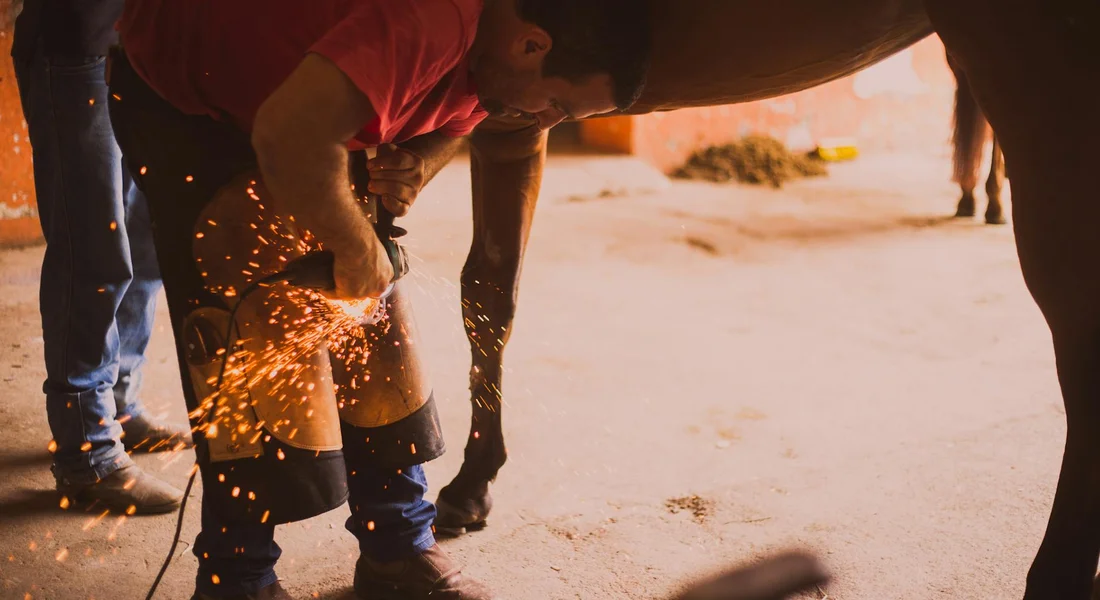
Suspecting PSSM or Shivers is one thing; getting a definitive answer is another. The diagnostic path moves from observation to confirmation, and it starts with your phone call to the vet.
Veterinary Evaluation and Severity Assessment
Your vet will begin with a thorough hands-on exam, feeling for muscle tension, atrophy, or pain. They will watch the horse move in straight lines and circles, looking for that signature hindlimb hike of Shivers or a short, stiff stride indicative of PSSM. They also watch for subtle pain cues that may not be obvious at first glance, such as weight shifting, ear position changes, or facial tension. Recognizing these subtle signs of equine pain helps guide diagnosis and future care. They’ll check flexibility and ask you detailed questions about the frequency, duration, and triggers of episodes. Based on this, they categorize severity-mild cases might only show signs under specific stress, while severe cases impact daily comfort and function.
Diagnostic Tests: Muscle Biopsy and Genetic Testing
For PSSM, the gold standard is a muscle biopsy. The vet takes a small sample, usually from the rump or back, under local sedation. It’s quick, but the real story is in the lab report showing abnormal polysaccharide accumulation. Genetic testing, a simple hair or blood pull, can confirm the heritable PSSM Type 1, with results typically back in a few weeks. For Shivers, it’s trickier; diagnosis rests primarily on observing the classic symptoms, as no single definitive test exists yet. Ruling out other neurological issues is a key part of the process.
Daily Management Strategies for PSSM and Shivers
A diagnosis isn’t an end-it’s the beginning of a tailored care plan. Success is measured in consistent, comfortable days.
Nutritional Management: Diet is Key
Think of diet as your primary medicine. The goal is low-starch, high-fat, and high-fiber. I’ve had great luck swapping out sweet feed for soaked beet pulp, a spoon of rice bran oil, and a good quality grass hay. Specialized complete feeds designed for metabolic issues are a fantastic, no-guesswork option, but always read the tag-sugar (NSC) should be under 10%. Feed at the same times every day, and banish high-sugar treats; a carrot stub is better than a molasses cookie.
- Soaked beet pulp (adds safe calories and fiber)
- Rice bran or flax oil (clean fat sources for energy)
- Low-NSC commercial feeds (look for “metabolic” or “respiration” lines)
- Free-choice grass hay (promotes constant foraging)
Exercise and Turnout: Keeping Muscles Moving
Stalled horses stiffen up. Daily turnout is non-negotiable for mental peace and physical flow. I remember a gelding with PSSM who would stand frozen in his stall but would loosen up and even trot gently after 30 minutes in the paddock. Structure exercise like steady drizzle, not a thunderstorm: short, frequent rides are far better than exhausting weekend marathons. A consistent routine of walking, gentle stretching, and trail wandering keeps the metabolic engine burning cleanly and prevents painful cramping.
Pain Management and Ongoing Veterinary Care
Your vet is your partner. They may recommend a daily NSAID for inflammation or strategic use during flare-ups. Supplements like high-dose vitamin E and organic selenium support muscle cell health-think of them as daily armor. Regular therapies like massage or PEMF can make a visible difference in a horse’s demeanor and muscle pliability. Schedule vet check-ups every 6-12 months to monitor weight, muscle tone, and overall condition. This is gentle horsemanship at its core: minimizing stress and proactively managing comfort.
Assessing the Financial and Time Commitment
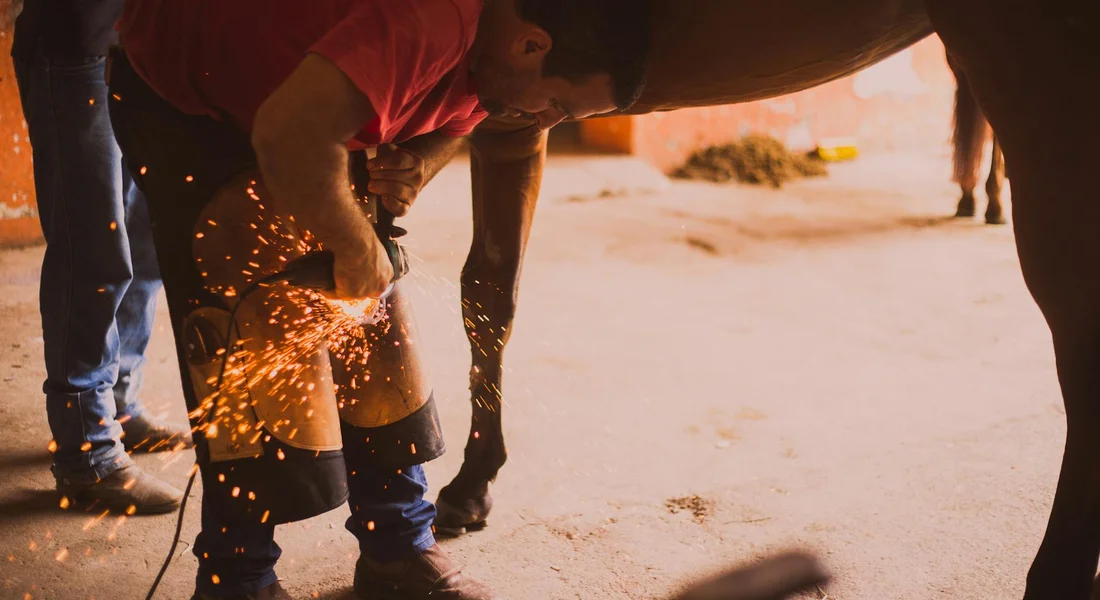
Let’s talk frankly about your wallet and your weekly planner. Managing PSSM or Shivers turns routine care into a detailed, often costly, science. Your monthly expenses will lean less on standard hay and more on targeted nutrition and vigilant health checks.
Break down those ongoing costs:
- Premium feeds are a must. We’re talking low-starch, high-fat options like rice bran or specialized complete feeds. I switched Luna to one, and the price per bag made me blink.
- Frequent vet visits become normal. You’ll need regular blood work to monitor muscle enzymes like CK, and potential therapies such as chiropractic or laser therapy.
- Supplements stack up. Vitamin E and selenium are common additions, and I’ve kept Rusty on a consistent regimen for years, which quietly drains the tack room fund.
Navigating insurance feels like walking a tightrope. Expect to pay higher premiums, and pray over the fine print regarding exclusions for pre-existing conditions. I’ve heard too many stories of claims denied for a “known” Shivers episode.
Your daily hours get reshuffled too. Tailored exercise isn’t optional; it’s medicine, requiring strict routines to prevent stiffness or tying-up. This means dedicated hand-walking or riding time, rain or shine. Then add meticulous feeding schedules and watching for the slightest tremor or hitch in their step. With Pipin, even his clever escapes demand immediate retrieval to avoid a dangerous muscle cramp.
The Buyer’s Checklist: Key Questions to Ask
Before your heart overrules your head, work through this list. Purchasing a horse with these conditions is a major decision that deserves cold, hard facts and self-reflection.
Evaluate the Horse’s Current Condition
You need to see the full picture, not just the sunny-day version. Always observe the horse in person over multiple visits, especially in the morning or after rest, when symptoms often peak. This vigilance helps you spot early signs of illness or injury in your horse, so you can act quickly. It also gives you a baseline to recognize subtle changes over time.
- Watch for subtle signs: stiffness when first moving out, trembling in the hindquarters, or reluctance to pick up feet. I once evaluated a gelding who was fine at noon but stiff as a board at dawn.
- Demand the complete medical history. Get copies of any genetic tests for PSSM or muscle biopsy reports. No vague answers allowed.
- Ask the seller for a detailed rundown of the current management plan. What feed, exact turnout schedule, and exercise routine keeps this horse sound? How does the horse respond?
- Inquire directly about recent episodes. When was the last time they saw stiffness or trembling? Honesty here is everything.
Match the Horse to Your Intended Uses
This is where you must be brutally honest with yourself. A horse’s manageable limitation might be your dream’s deal-breaker.
- What is your primary riding goal? Is it quiet trail rides like I do with Rusty, or are you aiming for dressage or jumping?
- Compare the horse’s known capabilities with your expectations. A PSSM horse might be a perfect pleasure partner but could never tolerate the glycogen demands of high-level eventing.
- Consider the horse’s personality alongside the disorder. A sensitive Thoroughbred with Shivers, like Luna, needs a patient, experienced handler, not a first-time owner.
Assess Your Preparedness for Long-Term Care
Look at your life, your barn, and your bank account with clear eyes. This commitment tests your resources and your resolve every single day.
- Reflect deeply. Can your budget absorb surprise vet calls? Do you have time for daily tailored exercise? Does your facility offer ample turnout, which is non-negotiable for muscle health?
- Please, never breed a horse with a heritable condition like PSSM. Passing on these struggles is unethical and harms equine welfare.
- Never skip the pre-purchase exam. Insist on a veterinarian who actually understands neuromuscular disorders, not just a general farm call. This vet can give you the real prognosis and future cost outlook.
Putting Welfare First: Making a Thoughtful Decision
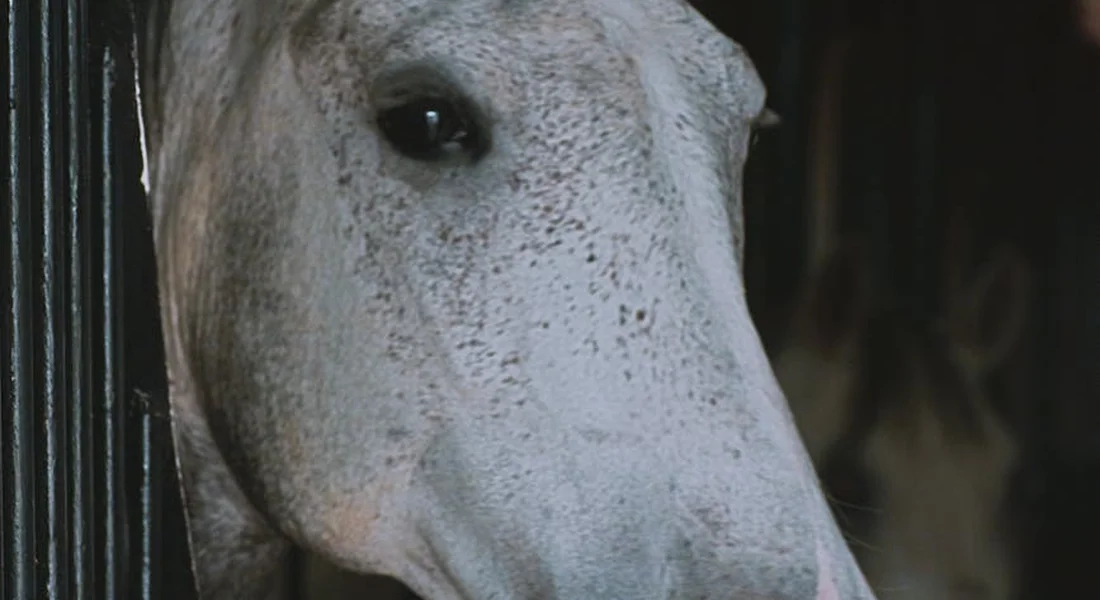
Deciding to welcome a horse with PSSM or Shivers into your barn means the horse’s quality of life becomes your compass for every single choice. This isn’t a partnership defined by ribbons or miles; it’s defined by your commitment to daily, compassionate management that prioritizes comfort over competition.
For these horses, their environment is their primary therapy. Ample turnout is non-negotiable-it allows for natural movement that keeps muscles from seizing and minds from worrying. A low-stress stall with a view, consistent routines, and calm herdmates prevents the anxiety that can worsen symptoms. Gentle handling, with soft voices and predictable motions, builds the trust needed for safe care. You are not just providing space; you are actively crafting a haven that reduces physical discomfort and promotes mental peace, especially for horses dealing with separation anxiety.
My own lesson in this came from an older Quarter Horse mix named Ben with PSSM. On strict stall rest, he was a knot of tension. The day we moved him to a 24/7 turnout situation with a shelter, his whole world changed. I’ll never forget the sight of him, months later, rolling in the spring mud with a gusto that made his old stiffness seem a distant memory. The profound joy in caring for him was rooted in those simple victories: a smooth coat, a relaxed sigh, and the steady thud of his hooves on soft ground during our easy walks.
FAQ: Buying a Horse with PSSM or Shivers
What is the long-term prognosis for a horse with PSSM or Shivers?
PSSM can often be managed well with diet and exercise, leading to a stable quality of life, but it requires lifelong diligence. Shivers tends to be progressive, meaning symptoms may slowly worsen over years, though management can help maintain comfort. With dedicated care, many horses can remain comfortable companions, but they are typically unsuited for high-intensity activities. Proper management is especially important for aging horses with chronic conditions.
What are the ongoing management and treatment costs?
Expect ongoing expenses for premium low-starch feeds, regular vet visits for monitoring, and supplements like vitamin E. Insurance costs may be higher with potential exclusions for pre-existing conditions, so review policies carefully. Additionally, budget time for daily tailored exercise and possible therapies, which add to the overall commitment.
Are you prepared for the potential limitations and extra care required?
Honestly evaluate your resources, including time for daily management routines and finances for unexpected vet bills. Ensure your facilities provide ample turnout, as restricted movement can exacerbate symptoms. Align your riding goals with the horse’s capabilities, prioritizing their welfare over competitive ambitions.
A Barn Manager’s Perspective
Buying a horse with PSSM or shivers requires a clear plan for tailored nutrition, consistent turnout, and a structured exercise regimen. Understanding PSSM diet and exercise essentials can guide those plans, helping you make informed choices. This knowledge supports practical daily management. Your yes must be based on a realistic audit of your resources and time, because their well-being depends on flawless daily stewardship.
Practice patience, put safety first, and let the horse’s responses shape your approach. The most important skill in your tack box is always listening to the quiet truth your horse tells you.
Further Reading & Sources
- Polysaccharide Storage Myopathy (PSSM) | School of Veterinary Medicine
- Polysaccharide storage myopathy (PSSM) in horses
- Neuromuscular Diseases – Burlington Equine Veterinary Services
- Shivers
At Horse and Hay, we are passionate about providing expert guidance on all aspects of horse care, from nutrition to wellness. Our team of equine specialists and veterinarians offer trusted advice on the best foods, supplements, and practices to keep your horse healthy and thriving. Whether you're a seasoned rider or new to equine care, we provide valuable insights into feeding, grooming, and overall well-being to ensure your horse lives its happiest, healthiest life.
Health