
What Are the Best Types of Fencing for Horses? (Pros and Cons)
Published on: January 5, 2026 | Last Updated: January 5, 2026
Written By: Henry Wellington
Hello fellow equestrians. That sudden chill when you spot a broken rail or hear the panicked thud of hooves against a fence line is a call to action. Choosing containment isn’t just about property lines; it’s about preventing injury, ensuring peace of mind, and safeguarding your horse’s well-being during essential turnout time.
Let’s walk the fence line together. I’ll cut through the confusion and compare the most common options, giving you the practical details you need. We’ll evaluate:
- Traditional wood board fencing for its classic look and predictable maintenance.
- Vinyl rail systems offering a slick, low-upkeep alternative.
- Electric tape and rope as a flexible, psychological barrier.
- High-tensile wire mesh for its durable, no-nonsense security.
My perspective is forged from years of barn management, where I’ve configured pastures for every personality, from my puddle-averse Quarter Horse Rusty to my clever escape-artist pony Pipin.
Why Your Horse’s Fence Matters More Than You Think
I was mucking stalls when I heard the frantic thud of hooves. Rusty, usually so steady, had spooked at a trash bag and run straight through a weathered section of board fence. A long, ugly splinter was buried in his shoulder. That moment taught me a fence isn’t just a border; it’s a daily peace treaty between your horse’s instincts and their safety.
This directly ties to equine welfare and the sacredness of safe turnout. Horses need to move and be horses, and a reliable fence is what makes that possible without holding your breath. A proper horse fence has three non-negotiable jobs.
- Preventing Injury: It must be visible and yield slightly on impact, designed to deter a running horse without causing lacerations or fractures.
- Containing Safely: It should hold even a spirited Thoroughbred like Luna without having gaps or features that can trap a leg or head.
- Reducing Stress: A predictable, solid boundary lets a horse relax completely, lowering their heart rate and encouraging natural grazing behavior.
Breaking Down the Basics: Common Horse Fencing Types
Choosing fencing is like matchmaking for your pasture. You need to find the right fit for your horse’s personality and your management style. Here are the primary materials you’ll be considering, from the old reliable to the modern marvel.
- Wooden Board Fencing: The classic look of post-and-rail or solid planks.
- Vinyl/PVC Fencing: Synthetic rails that mimic wood without the upkeep.
- Electric Fencing: A psychological barrier using tape, polywire, or hot wire.
- High-Tensile Wire: Tight, smooth wire strands, often electrified.
- Woven Wire Mesh: A grid of small squares, usually vinyl-coated.
- Pipe Rail: Heavy-duty metal tubing, common in arenas.
Wooden Fencing: The Barn Classic
Nothing beats the sound of a horse rubbing against a sturdy oak rail or the comforting creak of cedar in the wind. You’ll see it as tight board, rustic split rail, or elegant post-and-rail. Its high visibility and solid feel communicate a clear “do not cross” line to even the most impulsive horse.
But wood asks for your time. The pros are that traditional beauty and great visibility. The cons are a maintenance ledger: wood splinters, rots, and needs regular painting or staining. You will become intimately familiar with a hammer, a pry bar, and a constant eye for weathered spots.
Vinyl and PVC Fencing: The Modern Contender
This fencing is molded plastic formed into hollow rails and posts. It offers a crisp, uniform line that stays white or gray without fading. The main appeal is swapping annual maintenance for an occasional hose-down, and it’s impervious to chewers like Pippin the pony.
You pay more at the start for that convenience. The upfront cost is significant, and in deep cold, some types can become brittle and crack if struck with force. For a tidy, low-fuss property where you’d rather ride than scrape paint, vinyl is a compelling long-term partner.
Electric Fencing: The Flexible Enforcer
This system uses a mild shock to create a psychological boundary, not a physical one. It comes as wide tape, braided polywire, or single steel wires. Its superpower is creating cheap, adjustable paddocks for rotating pastures or managing a high-energy horse’s space.
Its effectiveness lives and dies by your diligence. Pros include low cost for large areas and easy reconfiguration. Cons are its dependency: it needs constant power, and the thin lines are invisible to horses unless flagged. A single stray branch or a dead charger can teach your horse that the barrier is gone, undoing weeks of careful training.
Wire and Mesh Fencing: The Secure but Tricky Option
Woven wire, vinyl-coated mesh, and wire panels create a near-solid wall. The small squares are excellent for containing foals or minis whose hooves could slip through wider spaces. For a notorious escape artist, this fencing can feel like a fortress.
That security is a double-edged sword. The major con is a high injury risk; a kicking leg can catch in the grid, leading to devastating entanglement. If you choose mesh, every post must be solid, every wire perfectly taut, and you must walk the line daily looking for any budding weak spot. I use it only in specific, supervised situations.
The Good, the Bad, and the Ugly: Pros and Cons Compared

Guidance: Provide a direct, easy-to-scan comparison. Use a table or parallel bulleted lists for each fencing type from the previous section. Focus columns on: Safety, Durability, Maintenance Level, Visibility, and Escape Prevention.
After years of listening to the creak of wooden rails and the snap of electric tape in the wind, I trust this comparison to cut through the clutter. Your best fence is the one you can maintain consistently, because a poorly kept ‘safe’ fence becomes a hazard fast.
| Fencing Type | Safety | Durability | Maintenance Level | Visibility | Escape Prevention |
|---|---|---|---|---|---|
| Wooden Post & Rail | Classic and solid, but broken rails create sharp spears. Keep edges rounded. | Decades in dry climates, but rot shortens life in wet areas. | Demanding. Expect annual painting and splinter checks. | Superb. The solid block of color is easy for horses to recognize. | Good for calm herds. Determined chewers like Pipin can weaken it. |
| Vinyl/PVC | Top marks. It flexes on impact and lacks splinters, making it kind to thin-skinned Thoroughbreds like Luna. | Long-lasting. Resists sun, moisture, and chewing for 20+ years. | Simple. Mainly involves washing off dirt and checking for rare cracks. | Excellent. The bright white stands out in dawn light and dusk shadows. | Excellent. Its slick surface deters chewing and its rigidity stops pushers. |
| Electric Tape/Rope | A mental barrier more than physical. Safe when taut; a sagging line risks dangerous entanglement. | Moderate. UV rays degrade the tape, requiring replacement every few seasons. | Constant. You must check voltage, tighten reels, and clear vegetation weekly. | Fades fast. A dirty brown tape becomes invisible, inviting a spook or a breach. | Requires training. Once respected, it’s brilliant. If ignored, it’s just expensive string. |
| Wire Mesh (No-Climb) | Risky if poorly tensioned. The small squares prevent hoof traps, but bent wires can gash. | Very high. Galvanized steel stands up to years of abuse and weather. | Low. Walk the line yearly to find rust spots or loose fasteners. | Terrible. Horses often do not see it, so pair it with a visible top rail. | Superior. The design lives up to its name, foiling even clever escape attempts. |
| Pipe or Steel | Unforgiving. It contains perfectly but offers no give in a collision, which can mean serious injury. | Maximum. Short of a major impact, it is the closest thing to permanent. | Negligible. A fresh coat of paint every five years fights rust. | Poor. Gray metal blends into overcast skies. Paint it white for better sight lines. | Absolute. It is the ultimate physical barrier for horses that test boundaries. |
I spend my mornings checking fences, feeling for loose posts and listening for the buzz of a working charger. That routine tactile inspection is your first and best defense against a preventable injury. For a steady eddie like Rusty, highly visible vinyl works wonders, while for a curious pony, even steel pipe needs regular checks for dug-out holes underneath.
Building a Safe Paddock: Essential Fencing Features
Forget aesthetics for a moment. The true measure of a good fence is the confident way your horse moves in his paddock, head low and relaxed. Building with safety first isn’t just prudent; it’s a direct act of care that grants your horse the freedom and turnout they inherently need. I learned this after Pipin, our cheeky Shetland, turned a loose board into a personal challenge course.
The Three Pillars of Bulletproof Fence Design
Any fence can contain a horse until it doesn’t. These features are your non-negotiable foundation, drawn from years of managing everything from sensitive thoroughbreds to determined ponies.
- Height Matters: 4.5 Feet is Your Starting Point. For most horses, this prevents casual leaning or hopping over. For athletes or escape artists, go taller. I keep Luna’s paddock at a full 5 feet to match her spring-loaded energy.
- Visibility is a Safety Signal. A horse must see the barrier to respect it. Use contrasting colors or wide boards. A dapple grey like Luna against a shadowy vinyl fence is an accident waiting to happen; white rails or tape provide a clear visual cue.
- Absolutely No Sharp Edges. This means checking every inch for protruding nails, cracked rails with splinters, or tightly stretched wires. Your fence should feel smooth to a sliding hand, because a horse’s skin will be far less forgiving.
The Monthly “Barn Manager’s Stroll” Inspection
I pair this walk with my morning feed check. It becomes a mindful habit, not a chore. This proactive ritual has saved my herd from countless hidden hazards.
- Gate Mechanics First. Test the latch and swing. A gate is the most manipulated point and the most common failure spot. Rusty’s great escape traced back to a worn latch spring I’d missed.
- Walk the Entire Perimeter. Look for structural issues: posts leaning from frost heave, rails loosened by bored horses rubbing, or sections sagging under tension.
- The Touch Test. Run your hands along all surfaces. Feel for new roughness, popped screws, or splits in wood that weren’t there last month. Your hands are your best detectors.
- Mind the Ground. Check where the fence meets the earth. Look for washouts, rodent holes, or accumulated debris that could trap a hoof or encourage crawling.
- Assess Sight Lines. View the fence from your horse’s perspective at different times of day. Does morning sun glare obscure it? A simple strip of reflective tape can solve this.
This monthly five-minute investment is cheaper than any emergency vet call and lets you sleep soundly knowing your pasture is a sanctuary, not a hazard.
Keeping It Standing: Practical Fence Maintenance

A fence is only as good as your care for it. I’ve watched a clever pony like Pipin find the one loose board in a half-mile run, teaching me that consistent, preventive maintenance is cheaper and safer than any emergency vet call. Let’s break down a seasonal routine to keep your barriers horse-tight.
Your Seasonal Fence Check-Up
Think of fence care like a pre-ride check for your pasture. I do a full perimeter walk with a checklist in spring and fall, with quick visual scans weekly.
- Spring/Summer: Focus on growth and grounding. This is when fast-growing grass and weeds short out electric lines, and wet ground can loosen posts.
- Fall/Winter: Prepare for weather and weak spots. Falling branches, freezing temps, and bored horses in the stall all pose unique threats to fence integrity.
Maintaining Wooden Fences
The classic look requires classic upkeep. That comforting *thunk* of a solid rail depends on it.
Every spring, tap every wooden post with a hammer or the heel of your hand; a hollow sound or soft, crumbly wood means rot has set in below ground level.
- Check for loose nails, screws, or brackets. Tighten or replace them immediately-a protruding nail is an accident waiting to happen.
- Look for chew marks, especially at horse-height. Applying a non-toxic bitter spray can deter this.
- Inspect rails for cracks or splits that could snap under pressure. A rail that gives too much when leaned on needs replacing.
Testing Electric Fencing
An electric fence is a psychological barrier, and its power is its promise. A weak fence is a dangerous one, as horses like my sensitive Luna will test it.
Invest in a quality fence voltmeter and test the line weekly, especially after a rainstorm or if you notice the horses respecting it less. Voltage should be a minimum of 3,000 volts for perimeter fences.
- Spring/Summer Task: Mow or trim vegetation under the fence line. Grass touching the wire will drain the charge.
- Check insulators for cracks where current can leak to the post.
- Ensure the ground rod system is intact and the connections are tight and free of corrosion.
- Look for broken wires or polytape, often caused by fallen branches or wildlife.
Caring for Vinyl Rails
Vinyl’s low-maintenance claim is mostly true, but neglect leads to brittleness and staining.
A simple annual wash with soapy water and a soft brush prevents dirt from becoming permanently etched into the material and lets you spot small cracks before they become big breaks.
- Mix mild dish soap with water in a bucket.
- Scrub each rail to remove grime, algae, and manure stains.
- Rinse thoroughly with a hose.
- While cleaning, inspect each post cap and rail connector. Ensure they are secure.
- Look for any impact cracks or deep scratches, particularly around gates and corners.
Matching Fence to Horse: Considerations for Your Herd
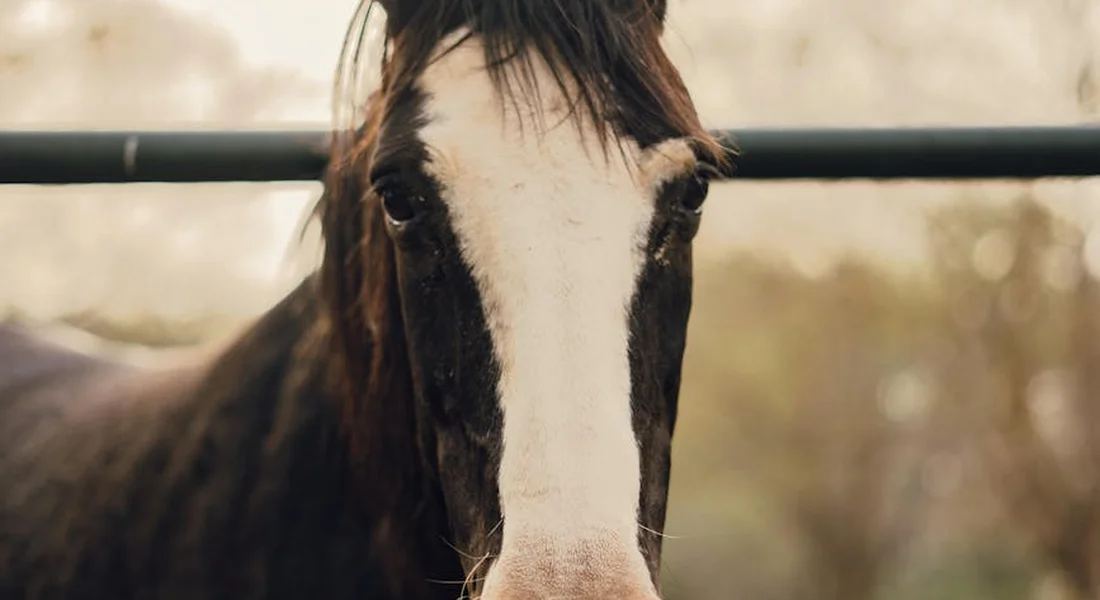
Your horse’s personality isn’t just about which treats they prefer; it’s the single most important factor in choosing a safe fence. A fence that contains a placid pasture ornament could be a ticking time bomb for a high-strung athlete or a clever pony.
Think of your herd as a cast of characters. I manage Rusty, Luna, and Pipin, and their quirks directly inform my fencing choices for each paddock. Your fencing must account for the most mischievous or anxious horse in the group, not just the easiest one.
The Fence Chewer
Some horses treat a wooden rail like a giant, salty pretzel. This isn’t just expensive; splinters can cause serious mouth injuries and lead to colic from ingested wood. For these equine termites, non-edible materials are non-negotiable.
Vinyl or PVC rail fencing is a top choice here, as they have no nutritional value and are too smooth to comfortably gnaw. A single strand of electric tape or wire on the inside of a wooden fence is a classic, effective deterrent that teaches respect for boundaries without harm.
The Escape Artist
This horse views fencing as a puzzle to be solved. They’ll test for weak spots, lean on gates, and slip through gaps you didn’t know existed. My Shetland, Pipin, could find a fault in Fort Knox. For these Houdinis, visibility and solidity are key.
Highly visible, solid fencing like PVC boards or closely woven mesh (like no-climb horse wire) eliminates the guesswork. They can see the barrier clearly, and it provides a physical “wall” they can’t squeeze through. Pair any fence with a charged, visible electric strand on the inside to provide a memorable psychological barrier that keeps even the cleverest pony honest.
The Nervous or Flighty Horse
A skittish horse like my Thoroughbred, Luna, can injure herself panicking at a fence she barely saw or didn’t understand. They need fences that are both highly visible and designed to minimize injury on impact.
Flexible, forgiving options are best. Electric tape or rope is excellent, as it gives on contact and makes a noise. High-tensile smooth wire is dangerous for them, as it can cut like a knife. For a nervous horse, a wide, visible rail of PVC or a properly installed polymer mesh fence provides a clear visual block that won’t cause severe lacerations if they spook into it. Always check with your vet about a horse’s history of leg injuries when choosing fencing, as some old wounds may require extra protection from abrasive surfaces.
Budget: The Practical Pasture Reality
Your bank account is a legitimate part of this equation. View fencing not as a simple cost, but as a long-term investment in safety and your own peace of mind. The cheapest fence upfront often becomes the most expensive over ten years due to constant repairs and potential vet bills.
Break down costs into three parts: materials, installation, and maintenance. A wooden fence may have moderate material costs but high annual maintenance. Vinyl has a high initial cost but almost no maintenance. Electric systems are cheap to install but require constant monitoring of the charger and vegetation. Calculate the true cost over a decade, including your own labor for repairs, to see which material is actually the most economical for your situation. Start small if you must-prioritize a single, impeccably safe paddock over miles of questionable fencing.
FAQ: What Are the Best Types of Fencing for Horses? (Pros and Cons)
What are the main types of horse fencing materials to consider?
The primary materials for horse fencing are wood, vinyl (PVC), and various electric components like tape or rope. Each material offers different benefits in terms of safety, visibility, and long-term maintenance requirements. Your choice should balance your horse’s behavior with your budget and available time for upkeep.
What is the difference between fencing panels and complete fencing systems?
Panels are typically pre-assembled, rigid sections, often made of wood, vinyl, or mesh, that are attached to posts for quick installation. Complete systems are integrated solutions that include all components, like the posts, rails, and fasteners, designed to work together for consistent strength and appearance. Choosing a system often ensures better overall durability, while panels can offer flexibility for repairs or small enclosures.
What is horse fencing tape, and how does it compare to other electric options?
Electric fencing tape is a wide, flat polyethylene ribbon often woven with conductive wires, providing high visibility and a psychological barrier. It is generally more visible to horses than thin polywire or single hot wires, which can reduce accidental impacts. However, all electric options require diligent maintenance of the charger and tape tension to remain safe and effective.
Building Your Peace of Mind
Your ideal fence isn’t the one with the fanciest name, but the one that your particular horse consistently respects and stays safe behind. The very best fence is the one you trust enough to turn your back and walk to the barn, knowing your horse is secure.
Watch how your horse interacts with your choice, and be willing to make a change if you see signs of anxiety or cribbing. Good horsemanship is about providing a secure, low-stress environment where your horse can just be a horse.
Further Reading & Sources
- Choose the right fencing
- 5 Best Types of Fencing for Horse Farms
- Born to Ride? Your Guide to Choosing the Best Horse Pasture Fencing – Rio Grande Fence
- North Carolina Wood Corral Horse Fencing | General Timber
At Horse and Hay, we are passionate about providing expert guidance on all aspects of horse care, from nutrition to wellness. Our team of equine specialists and veterinarians offer trusted advice on the best foods, supplements, and practices to keep your horse healthy and thriving. Whether you're a seasoned rider or new to equine care, we provide valuable insights into feeding, grooming, and overall well-being to ensure your horse lives its happiest, healthiest life.
Uncategorized