
What Human Foods Are Safe for Horses? Complete Guide
Published on: November 29, 2025 | Last Updated: November 29, 2025
Written By: Henry Wellington
Hello fellow equestrians! You’re probably here because you’ve been tempted to share your snack with those soft, whiskery lips. That moment of doubt-wondering if a harmless bite could lead to a colic scare or a hefty vet bill-is something every responsible owner feels.
This guide will replace that worry with confident knowledge. We’ll cover the specifics you need:
- Which everyday fruits and vegetables are perfect, safe treats
- The common human foods that are toxic and must stay in your kitchen
- How to introduce any new food slowly to keep your horse’s digestion steady
I’ve managed barns and trained horses for years, balancing treats for clever ponies like Pipin and sensitive souls like Luna. My advice comes from the daily reality of keeping a herd healthy.
Why Human Food Isn’t Horse Food: Digestive Basics
I still chuckle remembering the time Pipin, our clever Shetland, deftly unzipped my tack bag to nab a muffin. The resulting belly ache was no laughing matter, and it taught me a visceral lesson. A horse’s gut is a finely-tuned fermentation vat, not a garbage disposal for our leftovers. Their digestive tract is long and complex, designed for a near-constant, slow trickle of fibrous grasses and hays.
Human foods are often too rich, too sugary, or too starchy for this system. Feeding them can shut down the delicate microbial balance in the cecum and colon. This disruption is a fast track to colic, laminitis, or painful gas buildup. It’s the difference between fueling a diesel engine with premium oil versus pouring in soda pop; one works with the machine, the other gums it up catastrophically.
Think of your horse’s stomach: it’s relatively small and produces acid continuously, even when empty. That’s why turnout with steady grazing isn’t just nice, it’s non-negotiable for digestive health. Our snacks interrupt this natural rhythm. After years of managing barns, I’ve seen more than one sensitive soul like Luna need a vet visit because a well-meaning visitor offered a handful of crackers.
The Safe Snack List: Fruits and Vegetables Horses Love
Now, don’t think I’m the treat police! There’s a whole world of fresh, whole foods that can be wonderful, enriching snacks. The golden rule is to feed treats like a garnish, not a meal-a handful is plenty. Always introduce anything new slowly, and wash everything thoroughly to remove pesticides. I keep a dedicated treat bowl in the feed room, so I’m never tempted to share my lunch.
Crunchy Vegetables: From Carrots to Cucumbers
These are my go-to for satisfying that crunch craving without the sugar spike. I often chop them into chunks to slow down eager eaters like Rusty, who would inhole a whole carrot in one gulp.
- Carrots: The classic for a reason. They’re rich in beta-carotene. I feed them raw, but for older horses, a quick steam can soften them up.
- Cucumbers: Incredibly hydrating and low in sugar. Most horses love the cool, mild flavor. Slice them into rounds to prevent a choking hazard.
- Celery: Chop it into small pieces to avoid the stringy bits getting caught in teeth. It’s mostly water, making it a great summer snack.
- Bell Peppers: All colors are safe, seeds and all. They offer a nice vitamin C boost and a different flavor profile.
Always cut vegetables into bite-sized pieces, never feed them whole, as a horse can choke just as easily as a person. I’ve made it a barn rule to prep treats while I’m cleaning tack-it becomes part of the rhythm of the day.
Sweet Fruits: Apples, Berries, and Melons
Fruits are the dessert course. Because of their higher sugar content, I’m even more sparing with these, especially for easy keepers or metabolic horses.
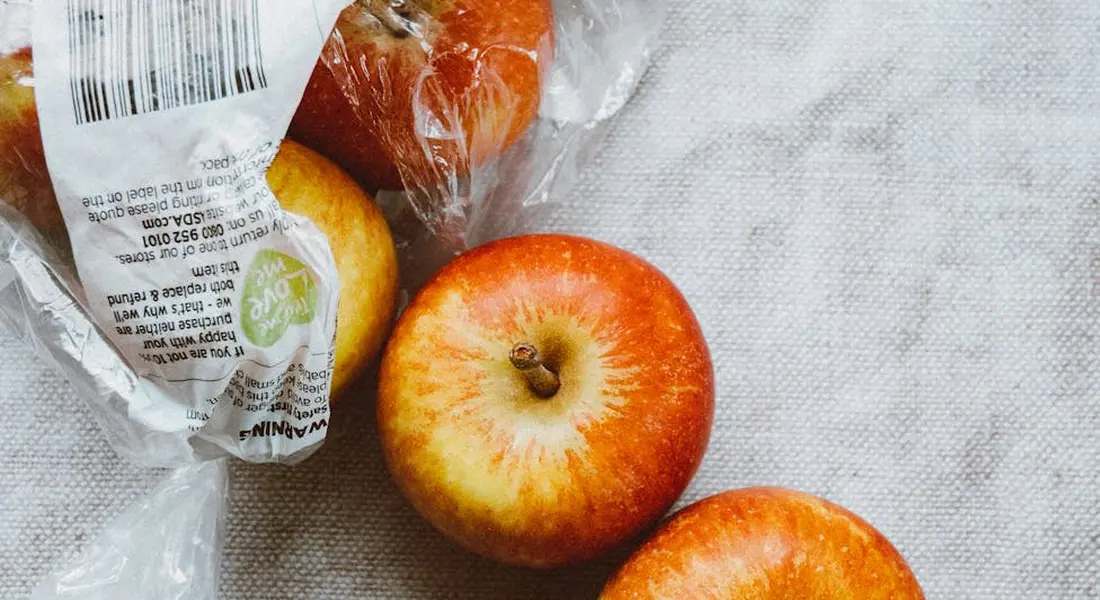
- Apples: Core them and slice them into wedges. Those seeds contain trace amounts of cyanide, and while a few won’t hurt, why risk it? Rusty prefers his apples slightly bruised, straight from the tree.
- Berries (Strawberries, Blueberries, Raspberries): A few berries are a fantastic, antioxidant-rich treat. They’re small, so portion control is easy. Luna adores the tart pop of a raspberry.
- Melons (Watermelon, Cantaloupe, Honeydew): The rind and seeds are perfectly safe! Horses relish the sweetness and hydration. I’ll often toss a chunk of watermelon rind into Pipin’s paddock on a hot day for him to nudge around.
- Bananas: Yes, even the peel! Many horses enjoy the whole package. It’s a great source of potassium, perfect after a light workout.
Never feed pits or large seeds from fruits like peaches, plums, or avocados, as they can be toxic or cause blockages. The sticky, sweet smell of a shared apple core is a barnyard joy, but moderation is the key to keeping it a happy memory.
Grains and Other Kitchen Staples
Common Grains: Oats, Barley, and Rice
Your kitchen pantry holds a few surprises that can supplement your horse’s diet. I keep a careful eye on grain intake in my barn, as too much too fast is a recipe for colic. The golden rule with any new feed is to start with a handful and wait a day, watching for loose manure or a change in energy. That slow introduction has saved me more than once, especially with a sensitive soul like Luna. Avoiding common oversights is key—many feeding mistakes quietly raise colic risk. The top 7 feeding mistakes that greatly increase your horse’s colic risk are worth reviewing to keep Luna healthy on the next change.
Whole oats are a classic for a reason. They are a solid source of fiber and energy, and that satisfying crunch is a sound I associate with happy horses. Rusty gets a scoop of rolled oats in his evening feed during heavy trail season. Rolled or crimped oats digest more easily than whole ones, which can pass through partially undigested if your horse is a quick eater. Avoid dusty, old oats; your horse’s lungs will thank you.
Barley is denser and higher in starch than oats. I rarely feed it raw. You will typically find it steamed, rolled, or flaked to break down the hard hull and make it digestible. Think of processed barley like a hearty stew-it provides sustained energy, making it a common choice for horses in hard work. It’s not a casual snack; treat it as a calculated part of their ration.
Plain, cooked white rice is the oddball here. It’s not a typical feed, but a cup of cooled, unseasoned rice can be a bland treat for a convalescing horse or a carrier for supplements. Never feed uncooked rice, as it can swell in the gut and cause a serious blockage. Rice bran is a more common supplement, loved for its fat content, but always choose a stabilized product to prevent rancidity.
- Oats: Best rolled or crimped. Feed clean and dust-free. A good all-around choice.
- Barley: Must be processed (steamed, rolled). Higher energy, so factor it into the total diet.
- Rice: Only cooked and plain. Rice bran is a fat supplement, not a main course.
Occasional Oddities: Peanuts and Popcorn
Now for the fun stuff. These are pure treats, not nutrition. I keep a jar of unsalted, in-shell peanuts for special rewards. Pipin, the Shetland escape artist, will perform entire cirques for one. Always feed peanuts in the shell to slow down eating and reduce choking risk; the shell itself is fibrous and safe. The familiar thud of a shell hitting the stall floor is a sound of contentment in my barn.
Skip the salted, flavored, or honey-roasted varieties. A horse’s system doesn’t need that extra sodium or sugar. Mold is a silent danger with any nut, so inspect each one before you offer it. I once found a questionable batch in the back of the feed room and tossed the whole bag-better safe than treating a case of mycotoxin poisoning.
Plain, air-popped popcorn is a light, voluminous snack. It’s mostly fiber and air, so it fills the treat bucket without adding many calories. Ensure every kernel is fully popped to avoid hard, sharp pieces that could hurt gums or cause choke. No butter, no salt, no caramel. I’ll sometimes scatter a few handfuls in Luna’s stall enrichment toy to keep her busy on a stall-rest day.
These kitchen treats are about bonding, not sustenance. The key is moderation-a small handful once or twice a week is plenty to maintain the magic without upsetting their delicate digestive balance. Their main diet of hay and pasture should always come first, a principle I advocate for every horse’s welfare and turnout time.
The Absolute No-Go List: Toxic Foods for Horses
Let’s be perfectly clear: a horse’s digestive system is a finely-tuned fermentation vat, not a garbage disposal. What seems like a harmless snack to us can send them into a metabolic tailspin. My barn rule is simple: if you didn’t buy it from the feed store, don’t feed it, unless you are 1000% certain it’s safe. I’ve seen the panic in an owner’s eyes when their horse snags something they shouldn’t, and it’s a fear I never want you to experience. People often forget that even tiny chips or processed snacks can upset a horse’s delicate stomach—the salt, fat, and additives don’t belong in their diet. Those snacks can trigger colic or metabolic issues, turning a casual treat into a veterinary emergency.
Common Kitchen Toxins: Chocolate, Onions, Garlic
We often think of these as flavor enhancers, but for your horse, they’re poison. Chocolate contains theobromine, a stimulant horses cannot metabolize effectively. Even a small amount can cause severe colic, internal bleeding, or a heart attack. I treat chocolate in the barn with the same seriousness I treat rat poison-it has no business being near a stall. Understanding which foods horses should not eat, including chocolate, helps keep every horse safe. Chocolate is one example of many items that can cause serious harm if ingested.
Onions and garlic, including powders and cooked forms, are equally dangerous. They contain N-propyl disulfide, which breaks down red blood cells, leading to a life-threatening condition called Heinz body anemia. The damage is cumulative, meaning small amounts over time can be as dangerous as one big binge. I once had a well-meaning boarder try to add garlic powder to an older horse’s grain for “immune support”; we caught it in time, but the conversation about natural equine nutrition was a long one.
Surprising Dangers: Dairy, Bread, Raisins
This is where many horse owners get tripped up. We think, “It’s just a bit of my sandwich,” but the consequences can be swift and painful. Adult horses are lactose intolerant-they lack the enzyme to digest milk sugars. Offering dairy products like cheese, yogurt, or milk almost guarantees a bout of explosive diarrhea, dehydrating your horse and stripping their gut of vital microbes.
Bread, muffins, and other baked goods pose a dual threat. First, they are pure “hot” carbohydrates that can trigger a sugar spike and potentially founder a horse. Second, and more critically, doughy bread can become a dense, sticky mass in the esophagus, causing choke. I’ve spent a cold midnight at the barn with Rusty after he cleverly unzipped a backpack for a roll; the sound of him trying to swallow that gluey lump still haunts me.
Finally, raisins and their parent fruit, grapes. The exact toxin is unknown, but ingestion can cause sudden kidney failure in horses. The reaction is unpredictable-some horses might eat a few with no issue, while others become critically ill from a handful. If you’re wondering whether horses can safely eat grapes or grape products, the guidance is to avoid grapes and grape products. There are safer, proven treats to offer instead. Why roll those dice? The potential reward of a sweet treat is infinitely outweighed by the catastrophic risk. Keep your trail mix to yourself and your horse’s treats to proven options like carrots and apples.
How to Feed Treats Safely: A Step-by-Step Barn Protocol
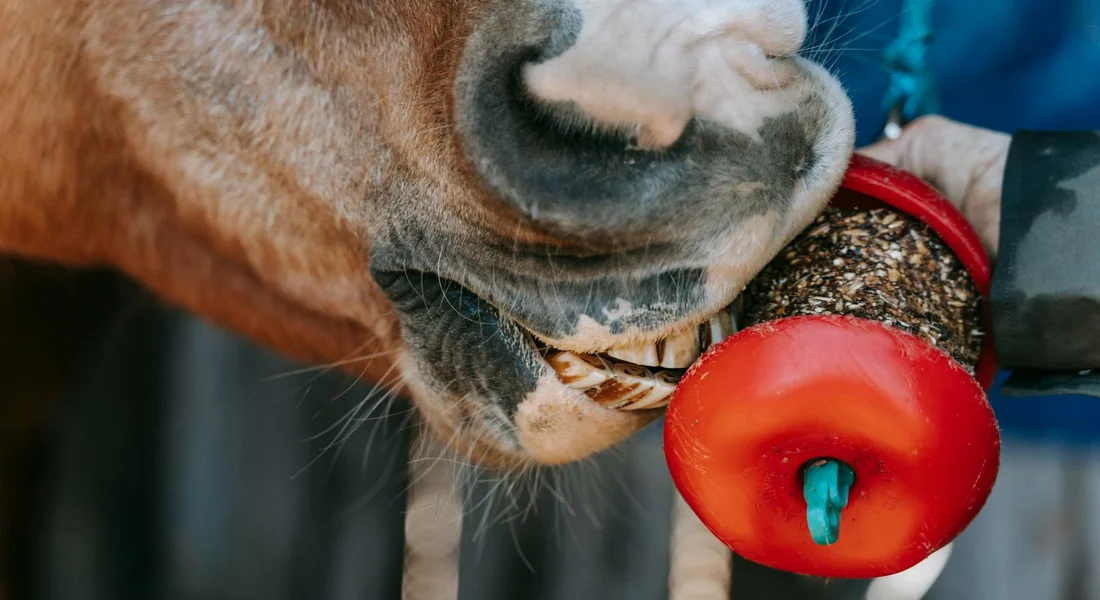
Handing out snacks is one of the great joys of barn life, but doing it wrong can lead to pushy behavior, digestive trouble, or even a trip to the vet. I treat every treat session like a mini-training opportunity, reinforcing calmness and respect between horse and human. This protocol, honed over years of managing everything from sensitive thoroughbreds to cheeky ponies, will keep your horse safe and your fingers intact.
Step 1: Select and Prepare the Food
Not all human food is created equal, and preparation is your first line of defense. Always choose fresh, unspoiled items. Wash all fruits and vegetables thoroughly to remove pesticides or dirt your horse shouldn’t ingest. I keep a dedicated vegetable brush and a basin of water right by the feed room sink for this very purpose.
Size matters immensely. A whole apple or carrot can become a choking hazard. For any horse, slice items into chunks roughly the size of a sugar cube-this forces them to chew properly. I learned this the hard way with Pipin, who once tried to swallow a baby carrot whole and gave us all a scare. For Rusty, I’ll cut apples into wedges, and for Luna, I make thinner slices to slow her enthusiastic nibbling.
- Remove all pits, seeds, and cores. Apple seeds contain trace cyanide, and peach pits are a choking risk.
- Avoid any processed human foods with added salt, sugar, or spices. A plain rice cake is fine; a flavored one is not.
- When in doubt, stick to the classics: carrot pieces, apple slices, or a handful of safe cereal like plain cheerios.
Step 2: Introduce Slowly and Monitor
A horse’s digestive system is a delicate ecosystem. Throwing a new food into the mix can disrupt it. Always introduce any new treat in a tiny “test” portion, and do it when you have time to watch your horse closely for the next few hours. Think of it like introducing a new feed, not just a snack.
Offer the first piece from your flat, open palm to avoid accidental nips. Watch their reaction. Do they chew thoughtfully or gulp? Monitor for subtle signs of distress like pawing, looking at their flank, or a change in manure consistency. With Luna, I introduced watermelon rind one sliver at a time over a week, watching for any sign of loose stool from the extra moisture.
This step isn’t just about their gut. Observe their behavior. Does this treat make them overly excited or anxious? A treat should be a positive, calming experience. If a new food triggers pushiness or nervous energy, it’s not the right treat for that horse, no matter how safe the ingredient list is.
Step 3: Enforce Strict Portion Control
Treats are not feed. They are a garnish, a reward, or a token of affection. My golden rule is that treats should never constitute more than 10% of your horse’s daily caloric intake, and that’s being generous. For most horses, a few pieces per day is plenty.
I keep a small measuring cup in my treat bin. For Pipin, that’s literally a tablespoon of chopped carrot. For Rusty, maybe a quarter-cup of apple pieces after a long trail ride. Over-treating is a fast track to obesity, laminitis, and a horse who mugges you every time you enter the stall.
Incorportion control into your routine. Use treats as a clear reward for a task well done, like standing quietly for the farrier or loading onto the trailer. This reinforces good manners and prevents your horse from viewing you as a walking vending machine. The thud of hooves calmly waiting is a better sound than the aggressive nudging of a horse spoiled by too many handouts.
Special Considerations for Different Horses
Just like people, every horse has a unique metabolism and health history. What’s a harmless snack for one can be a real problem for another. In my barn, managing three different metabolisms keeps me on my toes every single day.
The Senior Citizen
Older horses like my reliable Rusty often have dental issues that make chewing difficult. A whole, hard carrot becomes a choking hazard, not a treat. You must adapt their treats to their physical capabilities by grating, slicing thinly, or soaking hard vegetables until they are soft. Mashed pumpkin or banana (without the peel) are fantastic, easy-to-eat options that also provide moisture.
Their digestive efficiency can also wane. I keep Rusty’s sugar intake very low, opting for chopped beet pulp or a handful of soaked senior feed pellets as a “cookie” instead of molasses-heavy commercial treats. It keeps his weight steady and his tummy quiet.
The Easy Keeper & The Metabolic Horse
This category includes many ponies, like my clever Pipin, and breeds like Quarter Horses, Morgans, and draft crosses. They seem to gain weight just looking at grass. For these horses, the typical “safe” fruit list is a minefield.
- Strictly Limit or Avoid: Apples, carrots, bananas, watermelon, bread, and any commercial treats. The sugar and starch content is simply too high.
- Safe & Satisfying Alternatives: Get creative with low-sugar vegetables. They often love the crunch of celery sticks, cucumber slices, or zucchini. A handful of mint leaves or a sprig of basil can be a novel, aromatic treat.
The thud of hooves on the stall floor from a bored, starchy-pony tantrum is a sound I know too well. For the insulin-resistant or laminitis-prone horse, even a single carrot can trigger a painful inflammatory cascade, so vigilance with treats is non-negotiable. Their “treat” is often just a longer hand-grazing session on sparse, dry grass. A best horse treats guide is a concise resource to help tailor treat choices to each horse’s tastes and needs.
Recognizing Trouble: When to Call Your Vet
Even the safest human treat can cause a problem if given in the wrong amount or to the wrong horse. Your most important job after sharing a snack is to watch your horse like a hawk for the next several hours. I learned this the hard way when Pipin, our clever Shetland, once undid a latch and helped himself to a whole bucket of grain-mixed carrots; the resulting belly ache was a loud, expensive lesson in vigilance. Part of staying vigilant is actively stopping your horse from eating inappropriate items—keep trash and non-feed items out of reach. Simple safeguards like securing latches and removing temptations can help stop horses from munching on things they shouldn’t.
Horses digest food very differently than we do, and their systems can revolt quickly. As herbivores, horses rely on a delicate gut microbiome to digest forage. Understanding horse digestion helps explain why small changes in feed or timing can cause big reactions. Trust your gut feeling-if something seems “off” with your horse after eating, it probably is. Early intervention is always cheaper and safer than waiting for a full-blown crisis.
The Red Flags: Symptoms That Demand Action
These signs mean you should stop feeding anything else and pick up the phone. Time is often the critical factor.
- Colic Signs: Look for pawing, repeatedly looking at the flank, lying down and getting up frequently, rolling (especially violent rolling), or a complete lack of manure production.
- Digestive Distress: Profuse diarrhea, signs of choking (stretching neck, coughing, food and saliva dripping from nostrils), or audible gut sounds that are either excessively loud or ominously silent.
- Laminitis Onset: Shifting weight, a sawhorse stance, heat in the hooves, and a pounding digital pulse at the back of the pastern.
- Allergic or Toxic Reaction: Hives, swollen eyes or muzzle, difficulty breathing, staggering, or sudden muscle tremors.
What to Do While You Wait for the Vet
Staying calm and taking smart steps can prevent a bad situation from worsening. Your first move is to remove all food and water until you’ve spoken with a professional. Here’s a quick action plan I follow at our barn.
- Securely move the horse to a safe, well-bedded stall or small paddock where they can’t injure themselves but you can observe them.
- Check vital signs if you can do so safely: heart rate (normal is 28-44 beats per minute), gum color (should be pink, not red or purple), and capillary refill time (press on gums; color should return in under 2 seconds).
- Do not walk the horse relentlessly if they are showing mild colic signs; sometimes walking can exhaust them. Only walk if your vet instructs you to.
- Have your horse’s medical history and a list of what they ate (and how much) ready for the vet.
A Personal Barn Tale: Luna’s Sensitive System
My thoroughbred, Luna, taught me about individual tolerance. One seemingly harmless apple slice on a hot day led to a mild bout of colic because her system was already stressed. Her sensitive nature meant her digestion was the first place to show trouble. Now, I never offer any new food, even a “safe” one, when the weather is extreme or she seems mentally on edge. It’s a reminder that context matters just as much as the food itself.
Monitoring your horse’s baseline behavior is key. You are the best early-warning system your horse has, because you know their normal “look” and attitude better than anyone. That moment you notice Rusty isn’t nickering for his treat or Pipin is unusually quiet is the moment to start investigating.
FAQ: What Human Foods Are Safe for Horses?
What general guidelines should I follow when feeding human foods to my horse?
Always prioritize moderation, limiting treats to small handfuls to avoid digestive upset and weight gain. Introduce any new food slowly over several days to monitor for individual reactions like loose stool or behavioral changes. Ensure all items are fresh, thoroughly washed, and cut into bite-sized pieces to prevent choking hazards.
What type of wood sealer is safe for use in horse stables and fencing?
Choose water-based, non-toxic sealers that are explicitly labeled as safe for animal contact and low in volatile organic compounds (VOCs). Avoid oil-based or solvent-heavy products that can emit harmful fumes and be ingested if horses chew on treated surfaces. Regularly check sealed wood for deterioration and reapply with the same safe product to maintain a healthy environment.
How can I preserve wood in horse areas without using toxic chemicals?
Opt for borate-based wood preservatives, which are effective against fungi and insects while being generally safe for horses if used as directed. Avoid toxic options like creosote or copper arsenate, which can leach harmful substances and pose risks if chewed or inhaled. Consider using naturally durable wood species or physical barriers to minimize direct contact and chewing.
From My Feed Room to Yours
Focus on simple, safe classics like chopped carrots or apple slices, and always remember that human food should be a rare treat, not a meal. Your horse’s unique metabolism is the boss—always introduce a new snack in a tiny, taste-test amount and monitor for a full day before offering more, especially when trying out different vegetables for horses.
True horsemanship is built on this daily patience and attention to detail, turning even snack time into a moment of connection. Your horse’s clear feedback, from a contented chew to a disinterested sniff, is the most valuable guide you have for their lifelong well-being.
Further Reading & Sources
- 10 Safe Treats for Horses-and 10 Foods To Avoid | Chewy
- Foods in Your Kitchen That Your Horse Can Eat Too – A Guide – American Stalls
- Can My Horse Eat That Treat? Ultimate Guide to Safe & Healthy Horse Treats – [Guide] | Mad Barn
- Human Foods You Should (And Shouldn’t) Feed Your Horse – The Tried Equestrian
At Horse and Hay, we are passionate about providing expert guidance on all aspects of horse care, from nutrition to wellness. Our team of equine specialists and veterinarians offer trusted advice on the best foods, supplements, and practices to keep your horse healthy and thriving. Whether you're a seasoned rider or new to equine care, we provide valuable insights into feeding, grooming, and overall well-being to ensure your horse lives its happiest, healthiest life.
Nutrition