
What Is the KWPN and Kodiak Horse Breed? A Straight-Talk Guide for Riders
Published on: January 29, 2026 | Last Updated: January 29, 2026
Written By: Henry Wellington
Hello fellow equestrians! Staring at a sales ad or breed registry and wondering what a “KWPN” or “Kodiak” actually means for your riding life? Choosing a horse based on name alone can lead to a frustrating mismatch in energy, care needs, and your own safety. I’ve watched too many well-meaning owners face this confusion at the grooming rack.
Let’s saddle up and get clarity. In this guide, I’ll walk you through the sport-bred precision and Dutch origins of the KWPN, the sturdy build and calm demeanor of the Kodiak breed, and how their personalities dictate everything from tack choice to turnout time.
My years of barn management and training, from grooming sensitive thoroughbreds like Luna to outsmarting clever ponies like Pipin, are built on prioritizing equine welfare and practical partnership.
Understanding the KWPN: The Dutch Warmblood
History and Purpose of the Dutch Horse Breed
Picture a country shaped by water, where strong, calm horses once pulled plows and carts on rich farmland. That’s the root of the KWPN—the Koninklijk Warmbloed Paardenstamboek Nederland, or Royal Dutch Sport Horse. After World War II, as machinery replaced horse power, Dutch breeders made a conscious pivot. They began infusing their durable native mares with the athletic blood of breeds like the Thoroughbred, Hanoverian, and Holsteiner to create modern sport horses. The goal was clear: to create a modern sport horse with power, scope, and a sensible mind. I’ve seen this legacy firsthand; the best ones carry that workmanlike steadiness in their bones, even when performing a precise dressage test or soaring over a grand prix oxer.
KWPN Breed Characteristics and Temperament
You can often spot a KWPN by its powerful, uphill build and expressive, correct movement. They typically stand between 16 and 17 hands, built with a strong topline and hindquarters that generate incredible impulsion. But the true gold is in their temperament. While they are athletic powerhouses, the breeding standards heavily favor a willing, trainable character. A well-bred KWPN should have a “can-do” attitude and a brain that wants to work with you, not against you. They are known for being intelligent and sensitive, which means they respond brilliantly to correct, gentle training but can become rightfully confused by heavy-handed aids. Think of them as the honor student of the sport horse world: capable of top marks, but they need clear, consistent instruction.
Daily Care and Management for a Sport Horse
Caring for an equine athlete like a KWPN is less about special tricks and more about disciplined consistency. Their management mirrors what I’ve learned keeping sensitive horses like Luna performant and happy. A deeper understanding of horse behavior psychology informs how I read Luna’s signals and tailor training. This is the focus of the understanding horse behavior psychology complete guide.
- Controlled Energy Input: Their diet must fuel performance without creating explosive excitability. High-quality forage is the bedrock, with concentrates added only as needed for workload. I always recommend a slow feeder net to mimic grazing and keep their ulcer-prone minds and stomachs settled.
- Non-Negotiable Turnout: A locked-up sport horse is a ticking time bomb for both physical and mental strain. Daily turnout, even if just for a few hours of rolling and wandering, is critical for joint health, circulation, and mood. A muddy, playful KWPN is often a sound, happy one.
- Meticulous Maintenance: Their workload demands vigilance. This means daily leg checks for heat or swelling, a thorough grooming session to monitor muscle tone and skin health, and a farrier schedule set in stone. Listen to the subtle sounds of your routine: the rhythm of their chew, the evenness of their footfall on hard ground, the soft snort as they relax into a massage.
Meeting the Kodiak Horse Breed
Origins and Development on Kodiak Island
Now, let’s travel from the manicured arenas of Europe to the raw, rugged wilderness of Alaska’s Kodiak Island. The Kodiak horse breed was forged by necessity. Descended from horses brought by Russian settlers and later ranchers, these animals were shaped not by a studbook, but by sheer survival of the fittest. They had to be. The isolated environment, with its challenging terrain, harsh winters, and sparse feed, acted as the ultimate breeding selector. Only the hardiest, most resourceful, and sure-footed individuals thrived and passed on their genes. This created a landrace breed-a type genetically adapted to its specific environment over generations. This adaptation is a fascinating example of how horses have adapted to survive in different environments.
Kodiak Horse Size, Build, and Personality
Don’t expect a towering warmblood. Kodiak horses are compact, dense, and incredibly strong for their size, typically standing between 13.2 and 15 hands. They possess a thick double coat that sheds out in summer, feathered legs, and hooves so tough they often require less frequent shoeing. Their personality is one of pragmatic intelligence and profound resilience. Bred for utility and independence, the Kodiak horse is the ultimate problem-solver, often displaying a calm, watchful demeanor that can remind you of an old, wise ranch dog. They are inherently sensible, which makes them reliable, but that same intelligence means they have little patience for foolishness—a trait I deeply appreciate, having dealt with a clever escape artist like Pipin. But even compared to warmblood breeds, they are uniquely grounded in practicality rather than showmanship.
Practical Care for a Hardy Native Alaska Horse
Caring for a Kodiak, especially outside its native climate, means understanding what it *doesn’t* need as much as what it does. Their evolution did much of the work.
- Forage is King: These are easy keepers designed to thrive on sparse, fibrous forage. Rich pasture or high-calorie grains can quickly lead to obesity and metabolic issues. Their diet should be primarily low-sugar hay, with mineral supplementation tailored to your local soil.
- Embrace the Elements: They are built for turnout. Provide a run-in shelter for wind and rain, but trust that their coat is their best blanket. Constant stabling in a heated barn can compromise their legendary immune system and cause undue stress.
- Hoof and Health Vigilance: While their hooves are tough, regular trimming remains essential to maintain balance. Their hardy nature is a gift, but it also means they will often hide signs of discomfort until a issue is advanced, making your daily hands-on check even more critical. Run your hands over every inch, not just for dirt, but for information.
Side-by-Side: KWPN vs. Kodiak Horse Comparison
Breed Purpose and Ideal Riding Disciplines
Think of this as a tool versus a treasure. The KWPN is a precision instrument, bred and tuned for competitive performance. The Kodiak is a cherished heirloom tool, versatile, reliable, and built for enduring partnership.
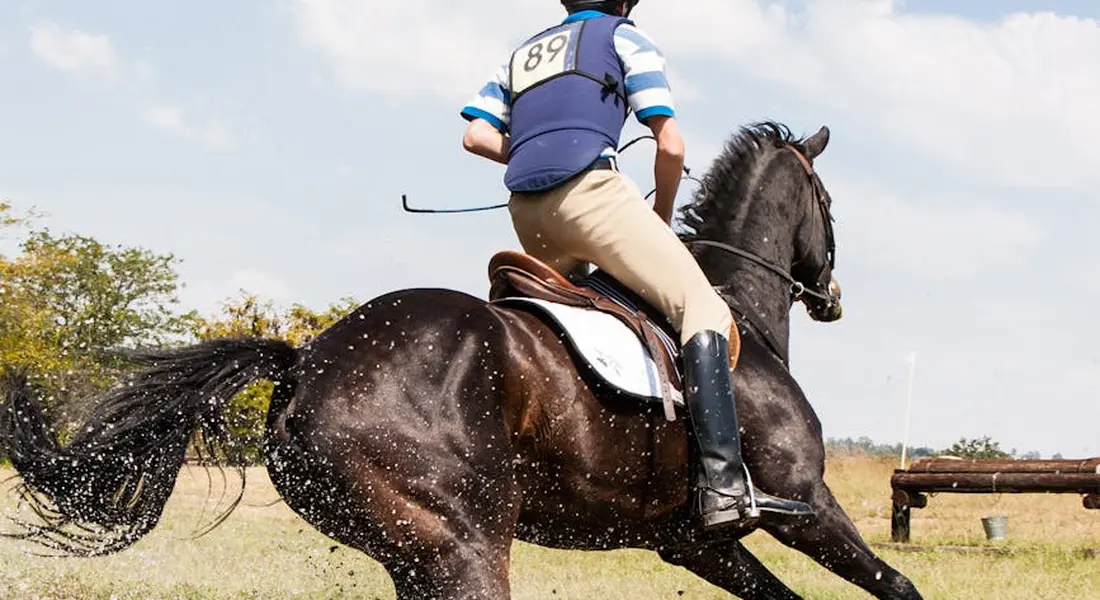
A KWPN’s purpose is athletic excellence. You’ll find them at the top levels of dressage, show jumping, and eventing. Their movement is engineered for power and scope. Choosing a KWPN means you are investing in a horse with the physical capability to perform complex, demanding tasks at a high level. Their discipline is often their career.
A Kodiak’s purpose is dependable companionship for work and leisure. They are the ultimate “use” horse. Ideal disciplines include:
- Trail and endurance riding, where their stamina shines.
- Ranch work and cattle driving, leveraging their cow sense.
- Recreational riding and lessons, thanks to their steady nature.
- Driving and farm work, utilizing their strength and calm demeanor.
The Kodiak won’t necessarily piaffe, but it will confidently carry you through a rocky creek or a long day moving cattle. Their discipline is part of a lifestyle.
Contrasting Temperaments and Training Approaches
This is where your daily reality in the barn is decided. I’ve stood in the cross-ties with horses like the sensitive Luna, who mirrors the KWPN mindset, and reliable Rusty, who shares the Kodiak’s soul.
KWPN horses are often intelligent, sensitive, and energetic. They can be “hotter,” reacting quickly to aids and environmental stimuli. This sensitivity makes them brilliant but demands a rider with soft, consistent hands and deep patience.
Training a KWPN is a dance of clear communication and positive reinforcement, where inconsistency is noticed and remembered. Understanding equine training and conditioning is essential.
They thrive on mental engagement and can become sour or develop vices if bored or misunderstood.
Kodiak horses are typically even-tempered, willing, and pragmatic. They possess a notable “try” and are less likely to spook at trivial things. This makes them forgiving for less-experienced handlers. Training a Kodiak is about building trust through fairness; they respond to calm, confident leadership without the need for micromanagement. Their training approach is often straightforward and steady, focusing on building a reliable foundation over flashy speed.
You must match your own energy. A high-strung person can unsettle a KWPN, while a passive person may not engage a Kodiak’s full intelligence. Your success hinges not on forcing a temperament to change, but on selecting one that harmonizes with your own.
Is a KWPN or Kodiak Horse Your Right Match?
Evaluating Your Goals, Experience, and Facilities
Be brutally honest with yourself here. Dreaming of Grand Prix is not the same as having the time, budget, and coaching to get there. Loving the *idea* of a sturdy trail horse isn’t the same as having access to open land.
Ask these questions:
FAQ: What Is the KWPN and Kodiak Horse Breed?
What is the primary difference in care needs between a KWPN and a Kodiak?
Their care differs fundamentally due to their breeding purposes. A KWPN, as an athletic sport horse, requires carefully measured nutrition to fuel performance without excitability and meticulous maintenance to support intense work. A Kodiak, being a hardy easy keeper, thrives on a sparse, forage-based diet and requires less intervention, though vigilant observation is key as they often hide discomfort.
Which breed is generally more suitable for a novice horse owner or rider?
The Kodiak breed is typically more suitable for a novice due to its calm, forgiving, and pragmatic temperament. Their steady demeanor and lower energy level make them more tolerant of inconsistent handling. The sensitive and energetic nature of a KWPN often requires an experienced, tactful rider to correctly channel its athletic potential.
Are KWPN and Kodiak horses good choices for competitive trail or endurance riding?
While both can participate, the Kodiak is a natural-born choice for endurance and competitive trail due to its inherent stamina, sure-footedness, and metabolic efficiency. A KWPN can excel in these disciplines with targeted conditioning, but its heavier sport-horse build and higher-strung nature may require more management over long, rugged distances compared to the hardier Kodiak.
Choosing Your Partner
Whether drawn to the athletic KWPN or the steady Kodiak, prioritize finding an individual whose temperament and needs match your lifestyle. The most important step is always a hands-on visit to see the horse in its own environment, observing its manners and trying it out yourself. Also, consider how your experience level and daily routine align with the horse’s energy and training needs. This insight will guide you to choose the right horse for you.
Take your time with this decision, as the right partnership is built on trust and mutual understanding. Your horse’s comfort and willingness are the truest measures of a good fit. Focus on building a strong bond and earning your horse’s trust. That foundation supports every step of the journey.
Further Reading & Sources
- Dutch Warmblood – Wikipedia
- KWPN horse | Horse breed – Portrait & Profile
- What is the breed of horse known as KWPN? – Quora
- Breeding
At Horse and Hay, we are passionate about providing expert guidance on all aspects of horse care, from nutrition to wellness. Our team of equine specialists and veterinarians offer trusted advice on the best foods, supplements, and practices to keep your horse healthy and thriving. Whether you're a seasoned rider or new to equine care, we provide valuable insights into feeding, grooming, and overall well-being to ensure your horse lives its happiest, healthiest life.
Popular Breeds