
Managing Horse Heaves (RAO): A Practical Guide to Clean Air and Smart Feed
Hello fellow barn folks. Seeing your horse cough, wheeze, or work too hard for a simple breath is a special kind of worry that tightens your chest right along with theirs. It turns simple care into a puzzle of vet visits and constant concern for their comfort.
Take a deep breath yourself. Managing heaves is less about miracle cures and more about smart, consistent control of what your horse breathes and eats. This guide will walk you through three core areas: crafting a dust-minimized living environment, selecting and preparing low-dust feeds, and implementing daily management hacks for easier breathing.
I’ve balanced this dance of air quality and feed for sensitive souls like my own dapple grey, Luna, and through years of barn management, I can tell you that steady, gentle changes build the path to relief.
What Is Equine Heaves and Why Does It Happen?
Defining Recurrent Airway Obstruction
Picture your horse’s lungs as a clean, dusty trail after a gallop. Heaves, or Recurrent Airway Obstruction (RAO), is when that path gets chronically clogged with inflammation and mucus. The airways narrow, making each breath a effort. I’ve watched old reliable Rusty stand in his stall, his flanks pumping like bellows after breathing dusty air all day. This isn’t a simple cough; it’s a persistent allergic reaction inside the lung itself, often worsened by the very environment we provide. That makes early identification and careful management essential. The next steps will guide you on how to identify and manage respiratory issues in horses.
The telltale signs are a persistent cough, nasal discharge, and that increased abdominal effort to exhale. It sounds awful, like a low, grating rumble. Early intervention with environmental changes can prevent a manageable sensitivity from becoming a debilitating condition.
The Main Environmental Culprits
The villains are usually floating in the air your horse breathes. They are silent irritants that build up over time. From my years in the barn, I’ve pinpointed the usual suspects:
- Microscopic Mold Spores: They thrive in damp hay, old bedding, and feed bins. Your nose might not detect them, but your horse’s lungs do.
- Fine Particulate Dust: This comes from dry hay, grooming, swept aisles, and even grain. It’s the hazy cloud you see in a sunbeam.
- Ammonia Fumes: That sharp sting in a poorly cleaned stall? It directly damages the delicate airway linings.
- Poor Ventilation: Stagnant air traps all these irritants around your horse’s head, creating a toxic brew.
- Airborne Pollens: Just like people, horses can react to seasonal pollens from grasses and trees.
I remember when Luna, our sensitive Thoroughbred, would start coughing the moment we opened a new, dusty bale of hay. Identifying and eliminating these culprits is the cornerstone of managing heaves, far more than any medication alone.
Transforming Your Horse’s Living Space for Better Air
Maximizing Stable Ventilation and Turnout
Think of your barn as a lung. It needs to inhale fresh air and exhale stale air. I always check for a steady breeze inside; if a cobweb doesn’t stir, the air isn’t moving. Use open windows, doors, and roof vents to create a cross-draft. A simple box fan pointed safely outward can work wonders. But the single most effective change you can make is maximizing pasture turnout.
Turnout allows irritants to disperse and lets your horse breathe deeply. Grazing with its head down also helps drain airways. I structured Rusty’s schedule so he’s out 24/7 during mild weather. His comfort improved dramatically. A healthy exercise and turnout schedule supports lung function and overall fitness. Regular, well-planned turnout helps keep energy steady and joints mobile. If full turnout isn’t possible, even a few extra hours in a well-ventilated paddock can significantly reduce lung irritation.
Choosing and Managing Low-Dust Bedding
Your bedding choice is a direct air quality decision. Skip traditional straw. Instead, focus on these low-dust champions:
- Kiln-Dried Pine Shavings: The kiln-drying process bakes out molds and reduces dust. Feel a handful-it should be soft, not powdery.
- Pelleted Wood or Paper Bedding: These pellets expand when wet, locking in moisture and ammonia with almost no airborne dust.
- Cardboard Shreds or Hemp: Excellent, absorbent alternatives that are naturally low in dust and mold.
I use rubber mats topped with a thin layer of pelleted bedding for easy, daily clean-out. Soaking or steaming your hay before feeding is non-negotiable; it traps dust and mold spores so they go into the gut, not the lungs. For Pipin, our food-motivated pony, we feed his soaked hay from a ground-level net outside to keep dust away from his face.
Daily Dust-Busting Stable Hacks
Your daily chores need a dust-conscious makeover. Here is my step-by-step routine to keep the air clean:
- Dampen Before You Disturb: Lightly spray the aisle with water before sweeping. This weighs down dust so it doesn’t become airborne.
- Muck Out During Turnout: Never clean the stall with the horse inside. Let dust settle for at least 30 minutes before they return.
- Use a Damp Cloth for Surfaces: Wipe down walls, feeders, and windowsills instead of dry-dusting. It’s a simple but effective habit.
- Store Hay and Feed Wisely: Keep hay in a separate, ventilated shed, not over the stall. Use sealed containers for grain.
- Groom Outdoors: Brush your horse outside or in a well-ventilated area, and use a damp towel for a final wipe-down.
I keep a spray bottle handy at all times. The faint smell of damp earth in the barn aisle is now my sign of a job well done. Consistency in these small, daily actions builds a healthier atmosphere where your horse can breathe easier, day after day. This steady routine is part of creating a safe, enriching environment for your horse. In the next steps, I’ll share practical tips and links to help you build that space.
The Hay and Forage Question: Your Biggest Lever for Control
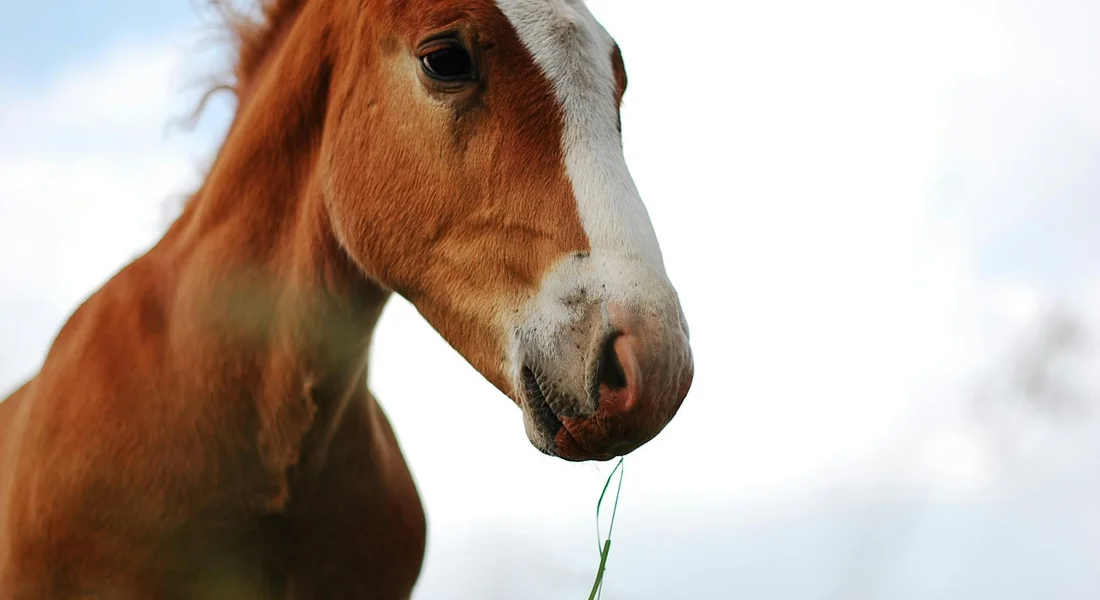
When you manage a horse with heaves, what you put in the feeder is your most powerful tool for calm breathing. I learned this the hard way with Luna, my sensitive Thoroughbred; a dusty bale could set off a coughing fit that lasted hours. That balance matters because a horse’s respiratory system underpins its performance. Understanding how lungs and airways respond to work helps explain why feed quality and air quality matter. Your goal is to provide the roughage they need without the airborne irritants their lungs hate.
Why Dry Hay is a Problem and Your Soaking/Steaming Options
That sweet smell of dry hay? For a heaves horse, it’s full of microscopic mold spores, dust, and particulates that trigger inflammation. Inhaling these is like us breathing in a cloud of powdered pollen. Soaking or steaming your hay isn’t just a nice idea-it’s a daily non-negotiable for respiratory health. Horses eat wet hay, and safety considerations matter. Feed promptly and discard any spoiled-looking hay to prevent digestive issues.
Soaking is the budget-friendly classic. You submerge a haynet in a clean trash can or tub for 30 minutes to an hour. It weighs the dust down. The downside? It’s messy in winter, and it leaches some sugars and nutrients. Steaming is my personal favorite for consistency; a dedicated steamer kills mold spores and binds dust without nutrient loss. I use one for Rusty and Luna year-round.
Choose your method based on your routine:
- Soaking: Best for warmer climates. Use fresh water every time and drain fully to avoid bacterial growth.
- Steaming: Ideal for cold barns. It provides warm, palatable hay that even picky eaters love.
- No half-measures: A quick rinse does almost nothing. Commit to a thorough soak or a proper steam cycle.
Alternative Forage Feeds: Cubes, Pellets, and Bagged Forage
When hay quality is poor or soaking feels impossible, alternative forages are a lifesaver. These products are processed to be virtually dust-free. Switching to bagged forage can feel like giving your horse a clean air filter for their lungs.
I’ve tried them all with my crew. Here’s how they stack up:
| Option | Best For | Consideration |
| Hay Cubes (Alfalfa or Grass) | Horses who eat slowly. They can be soaked into a mash. | Ensure they are fully soaked to prevent choke. |
| Forage Pellets | Easy mixing with supplements. Very low dust. | They don’t require long chewing, so use a slow feeder. |
| Complete Bagged Forage | Simplified feeding. Often includes balanced vitamins. | More expensive per pound than traditional hay. |
Pipin, our clever pony, gets soaked alfalfa cubes in a tub to keep him busy and his breathing clear. The key is to transition slowly to any new forage to avoid digestive upset.
Building a Supportive Diet Beyond Forage
Forage is the foundation, but the rest of the diet must also support respiratory function. Think of it as building a house on stable ground. Every scoop of grain or supplement should be evaluated for its dust potential and anti-inflammatory benefits.
Selecting Dust-Free Concentrates and Feeds
Open a bag of sweet feed and give it a sniff-if you cough, your horse will too. Dust from grains and pellets can be a major irritant. Opt for pelleted or extruded feeds labeled “low-dust” or “dust-controlled.” I pour my feeds slowly into a bin outside the stall to let any residual dust settle before serving. Even then, be cautious and educate yourself on common feeding myths to ensure your horse’s health.
Your checklist for choosing a concentrate:
- Pelleted form over loose mixes.
- Stored in a sealed container away from moisture.
- Simple ingredient lists; avoid excess molasses fines.
- Feed in a dampened mash if your horse is super sensitive.
The Role of Supplements for Respiratory Support
Supplements aren’t magic, but the right ones can help soothe irritated airways from the inside out. Always talk to your vet first. Target supplements that reduce inflammation and support the immune system, rather than just masking symptoms.
From my feed room, here are categories that have shown real benefit:
Omega-3 Fatty Acids: Found in flaxseed or fish oil, these are natural inflammation fighters. I add a cup of ground flax to Luna’s meal daily.
Antioxidants: Vitamin E and selenium help combat oxidative stress in the lungs. A good quality ration balancer often covers this.
Herbal Blends: Some with ingredients like thyme or licorice root may offer soothing properties. Research brands with proven track records.
Remember, the most effective supplement is a clean environment. No pill or powder can outweigh the benefit of dust-free hay and maximum turnout in fresh air.
Reading Your Horse: Signs of Trouble and When to Call the Vet
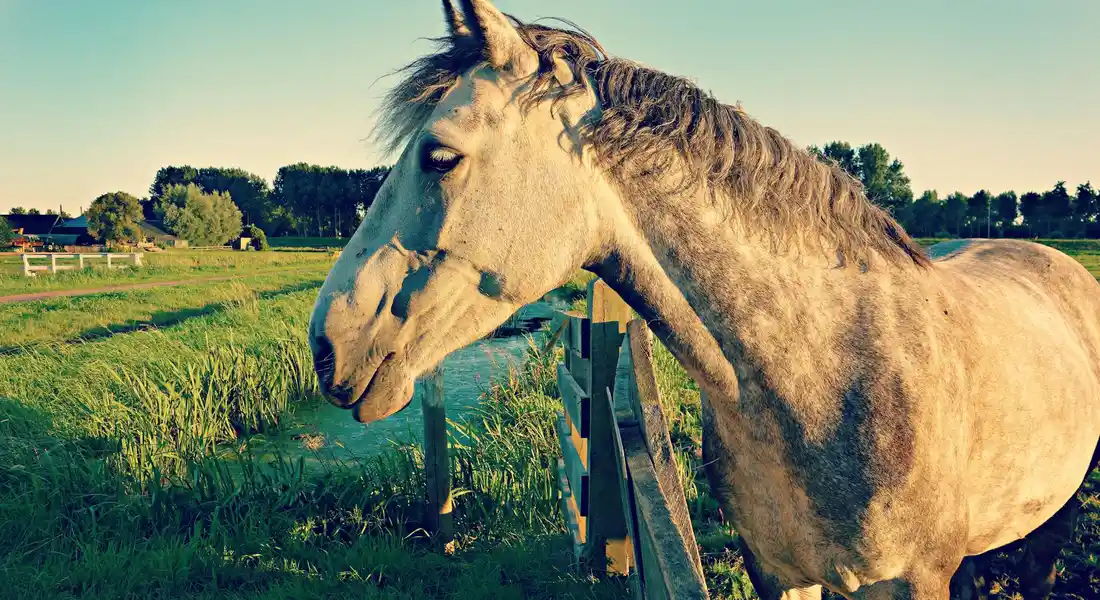
Spotting the Subtle and Obvious Warning Signs
Your horse talks with their body, not words. A head hanging lower than usual at the hay net or a faint cough masked by the crunch of grain can be the first whispers of heaves. I learned this with Luna; her sensitive nature meant respiratory distress often showed as a dull coat and lagging energy on our trails long before a full cough set in. Catching heaves early hinges on your daily, quiet observation in the stable.
Subtle signs are easy to miss in the busy barn rhythm. Watch for a soft, intermittent cough when they first dip into dry hay or when the arena is freshly dragged. Notice if their resting respiratory rate is above 16 breaths per minute-count the flank rise and fall for 15 seconds and multiply by four. A slight flaring of the nostrils at rest or a hesitant takeoff into a canter are your horse pleading for cleaner air. These are some early signs of distress that you should pay attention to.
Obvious signs mean the airways are in crisis. You’ll hear a persistent, deep cough that might produce thick mucus. The classic “heave line” of overdeveloped abdominal muscles from forced exhalation becomes visible. Their breaths become labored, with a double exhale effort you can see from across the paddock. Any time you see nostrils flaring widely at rest or hear a consistent cough, your management plan needs immediate reinforcement and a vet call is likely overdue.
- Subtle Red Flags: Occasional cough after eating, increased respiratory rate at rest, slight nasal discharge (clear or white), reduced enthusiasm for work.
- Blatant Alarms: Persistent, forceful coughing, flared nostrils at rest, audible wheezing or whistling, pronounced heave line, exercise intolerance, thick yellow nasal discharge.
Partnering with Your Veterinarian for Effective Treatment
Think of your vet not as a fixer, but as your co-pilot in environmental detective work. When Luna had her first bad episode, my vet didn’t just prescribe medication; she asked about my hay storage and bedding type. A true partnership means you provide the daily clues and they provide the medical framework for healing.
Call your veterinarian at the first cluster of subtle signs, not when the obvious distress hits. They can listen for lung sounds with a stethoscope-a telltale crackle or wheeze you can’t hear-and may recommend a bronchodilator trial to confirm RAO. Your detailed notes on when coughing happens are gold to them. Was it after turnout on a windy day? During stall cleaning?
Effective treatment blends their prescriptions with your environmental control. They might prescribe corticosteroids to reduce inflammation or bronchodilators for acute flare-ups. Your job is to execute the dust-busting plan and report back in vivid detail. Always complete the full course of any medication and use a spacer for inhalers if prescribed, as directing aerosol directly into a nostril is wasteful and less effective.
- Document symptoms for 3 days: note cough frequency, timing, and environmental triggers.
- Call your vet with your notes in hand. Request a thorough respiratory exam.
- Follow the diagnostic and treatment plan precisely. Ask questions if you don’t understand a step.
- Schedule a follow-up evaluation, even if symptoms improve. Heaves management is a marathon.
Crafting Your Long-Term Management Routine
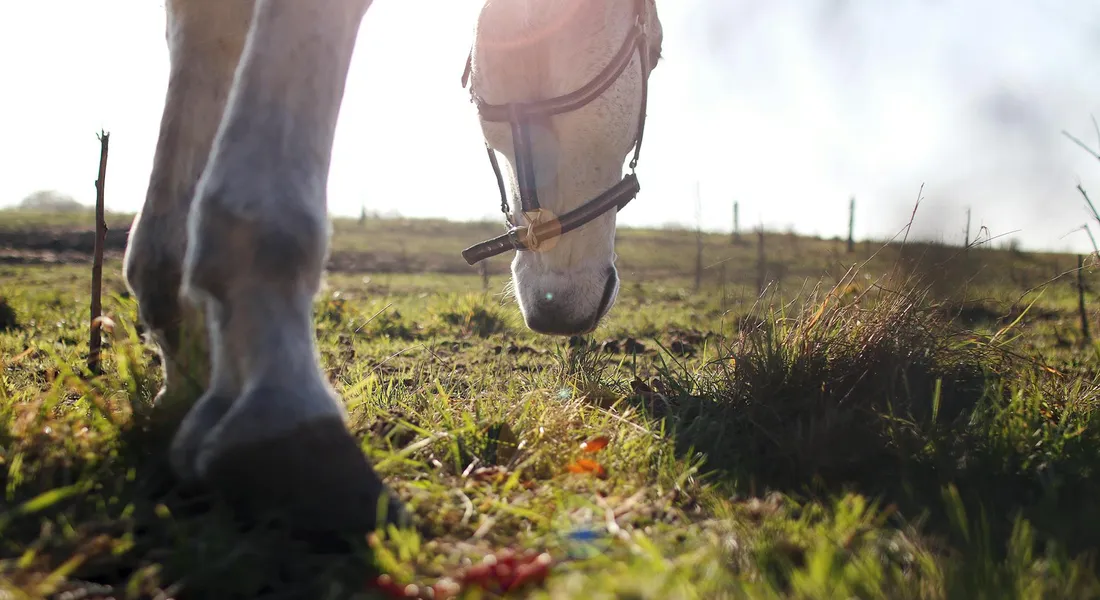
Pulling It All Together: A Sample Daily Protocol
Consistency is your best medicine. This routine is built from managing Rusty’s heaves for years; it’s about rhythm, not rigidity. The goal is to minimize airborne irritants from dawn to dusk. A predictable, low-dust day reduces your horse’s stress and airway reactivity more than any single supplement.
| Time | Action | Pro Tip |
|---|---|---|
| 6:00 AM | Feed soaked hay (soaked for 30 mins, drained). Mist stall with water to settle dust. | Use a hay steamer if soaking isn’t practical in cold climates. |
| 7:00 AM | Turn out on low-pasture or a sand paddock. Wet down any dry areas if windy. | All-day turnout is ideal. If stalled, ensure maximum ventilation. |
| 12:00 PM | Check water troughs. Offer another flake of soaked hay if needed. | Deep clean automatic waterers weekly to prevent mold. |
| 3:00 PM | Bring in. Groom outside stall with a damp cloth or rubber curry. | Never dry-brush; you’re just launching allergens into their airspace. |
| 5:00 PM | Evening feed: soaked hay and any supplements. Clean stall on wet bedding. | Use low-dust bedding like peat moss or rinsed wood pellets. Skip straw. |
| 8:00 PM | Final check. Listen for quiet breathing. Ensure hay net is full of soaked forage. | This night check is when you’ll often hear the first soft cough if something is off. |
Staying Adaptable and Observant for Lifelong Health
Heaves management isn’t a set-it-and-forget-it program. It’s a living dialogue with your horse. Seasons change, hay batches vary, and even a new bale of shavings can stir up trouble. Your most crucial tool is a simple barn log where you jot down one line about your horse’s breathing each day alongside weather and feed notes.
I adjust Pipin’s pony-club schedule based on the air quality index; on high pollen days, he gets more turnout and less arena time. Be ready to switch from soaked hay to a complete soaked forage pellet if a dusty hay season hits. Notice if your horse does better with turnout at night versus day during high mold spore counts. Gentle horsemanship means responding to these needs without frustration, seeing each adjustment as part of the stewardship bond.
- Monitor the weather: High winds kick up dust, high humidity encourages mold. Plan turnout accordingly.
- Audit your feed: Each new hay load should be checked for dustiness. When in doubt, soak it.
- Trust your eyes and ears: A change in the sound of a cough or the energy level during grooming is data.
- Prioritize turnout: Even with heaves, fresh air is vital. Work with your vet to ensure pasture time is part of the therapy, not a risk.
FAQ: Managing a Horse with Heaves (RAO): An Environmental and Dietary Guide
What are the primary environmental triggers for heaves in horses?
The main triggers are microscopic mold spores from damp feed and bedding, fine dust from hay and grain, and ammonia fumes from urine. Poor stable ventilation traps these irritants around your horse, and seasonal airborne pollens can also provoke reactions. Identifying and minimizing exposure to these is the foundation of management, especially for common horse allergies.
How should I manage hay for a horse with heaves?
You must never feed dry, dusty hay. The core practice is to thoroughly soak or steam all hay before feeding to weigh down dust and mold spores. For horses with severe sensitivities, consider switching to fully soaked hay cubes, pellets, or a complete bagged forage that is guaranteed low-dust. It’s especially important to be cautious when using hay that might be moldy as it can pose health risks even if soaked.
What are the signs that my horse’s heaves are worsening?
Watch for a persistent, deep cough and increased effort to breathe, often visible as a pronounced “heave line” along the abdomen. More subtle signs include a consistently elevated resting respiratory rate, flared nostrils at rest, and new exercise intolerance. Any of these signs indicate your current management plan needs immediate reassessment.
Stable Wisdom for Healthy Lungs
Manage heaves by attacking dust at its source-soak hay, use low-dust bedding, and maximize turnout in clean air. Committing to a strict routine of feeding thoroughly soaked, dripping-wet hay is the most direct action you can take to reduce coughing and ease your horse’s breathing. Understanding the common causes of coughing—dust, mold, irritants, and infections—helps you target effective solutions. By addressing these factors alongside soaked hay and clean-air practices, you support your horse’s breathing more comprehensively.
Progress comes in subtle signs, like a quieter breath at rest or more vigor in the field, so let your horse’s response guide your adjustments. Just as with my sensitive thoroughbred Luna, patience and consistent, gentle management foster both physical relief and deeper trust.
Further Reading & Sources
- The coughing horse: evaluating and treating recurrent airway obstruction (Proceedings) | dvm360
- Heaves (Recurrent Airway Obstruction) in Horses – Causes, Treatment and Associated Conditions – Vetster
- How to Manage Equine Asthma (RAO or Heaves) – Foundation Equine Clinic
- Management of chronic airway inflammation in the horse: A systematic review – Ivester – 2014 – Equine Veterinary Education – Wiley Online Library
At Horse and Hay, we are passionate about providing expert guidance on all aspects of horse care, from nutrition to wellness. Our team of equine specialists and veterinarians offer trusted advice on the best foods, supplements, and practices to keep your horse healthy and thriving. Whether you're a seasoned rider or new to equine care, we provide valuable insights into feeding, grooming, and overall well-being to ensure your horse lives its happiest, healthiest life.
Health