
Build a Safe and Stimulating Home for Your Horse: A Barn Manager’s Blueprint
Published on: January 21, 2026 | Last Updated: January 21, 2026
Written By: Henry Wellington
Hello fellow equestrians, does the sight of your horse weaving at the stall door or chewing on the fence line make your heart sink? Those subtle signs of stress or unnoticed hazards in your barn can quickly turn into costly vet bills and frustrating behavioral problems.
Today, we’ll tackle that worry head-on. You will learn how to audit your current setup for hidden dangers, design a daily routine that prioritizes freedom and forage, and weave in simple enrichment that keeps your horse’s mind happily occupied.
I’ve built this guide on years of barn management and training, having solved the escape artistry of ponies like Pipin and soothed the sensitivities of thoroughbreds like Luna with these very principles.
Start with a Safety Scout: Assessing Your Current Setup
Every good manager knows the barn walk. It’s that slow, deliberate stroll you take, coffee in hand, not to check tasks but to *see* the space. I do mine at dawn, listening to the first swallows and the steady crunch of hay. This is your foundation. You can’t build enrichment on a shaky base of hidden dangers.
Conducting a Thorough Hazard Hunt
Get down on your knees. See the world from your horse’s eye level. What looks like a harmless bucket from above can be a sharp-edged trap from below. My pony Pipin once taught me that a loose fence board isn’t just loose-it’s a perfect scratching post that can suddenly give way.
Your safety scout checklist should be ruthless and physical: touch, tug, and test everything.
- Inspect every inch of fencing, gate latch, and hinge. A wobbly post or a latch that doesn’t fully seat is an invitation.
- Check for protruding nails, splintered wood, or ragged metal edges on buckets, walls, and feeders.
- Examine all electrical cords, outlets, and fixtures. Are they shielded and out of reach of curious lips?
- Scan the ground for debris, old wire, or sharp rocks that could become embedded during a roll.
- Audit your storage. Are pitchforks tines-up? Are medications and cleaners locked away? A bored horse is a master escapologist.
Evaluating Basic Living Conditions
Safety isn’t just about sharp objects. It’s about providing a foundation of health. A damp, stuffy stall or a barren, muddy paddock creates stress that leads to illness and vice. I’ve watched Luna’s sensitive nature turn anxious in a space with poor airflow.
A horse’s primary needs are simple: clean air, dry footing, and room to move their body freely.
- Space: Is there enough room to lie down flat and get up safely without rubbing on walls? A 12×12 stall is a minimum for a horse, not a luxury.
- Ventilation: Can you smell ammonia? Your horse’s lungs are far more sensitive. Good airflow is non-negotiable for respiratory health.
- Dryness: Is the bedding consistently damp? Are there perpetually soggy areas in the turnout? Thrush and skin issues start here.
- Light: Is the space dim and cave-like or bright and inviting? Natural light regulates mood and health cycles.
Pasture Perfect: Essentials for a Secure Outdoor Space
Turnout isn’t a perk; it’s a requirement for a horse’s mind and gut. A secure pasture (right fencing and layout) is the ultimate enrichment tool. Watching Rusty do his slow, deliberate circuit of the field, grazing as he goes, is a masterclass in contentment.
Choosing and Maintaining Safe Fencing
The best fence is one your horse respects and never tests. There’s no one perfect type, only the right choice for your horse’s personality. My high-strung Thoroughbred needs the visible barrier of wooden boards, while my stocky Quarter Horse does fine with sturdy, tight no-climb wire. Sometimes it really comes down to choosing fencing based on horse breed and temperament.
- Wooden Plank or PVC: Highly visible and physically strong. Check for rot, loose boards, and nails that work their way out over time.
- Vinyl-Coated Mesh Wire (No-Climb): Excellent for small hooves and ponies. Ensure it’s taut and secured to very sturdy posts to prevent sagging.
- Electric Tape or Rope: A great psychological barrier and budget-friendly for large areas. It must be kept taut, clean, and carry a consistent, strong charge.
- Regular Maintenance: Walk your fence line weekly. After a storm is mandatory. Look for fallen branches, tension loss, and any signs of digging or leaning from the other side.
Managing Forage and Footing
A pasture is a living system. You’re not just managing grass; you’re managing a salad bar and a playground. Overgrazed, muddy corners and lush, uncontrolled spring grass are both recipes for trouble.
Use a rotational grazing system if possible, even with a small field, to prevent overgrazing and parasite buildup.
- Identify and remove toxic plants like ragwort, milkweed, and certain maple leaves. When in doubt, yank it out.
- Manage mud with strategic footing like gravel in high-traffic areas (gateways, water troughs) and ensuring proper drainage away from the field.
- Mow regularly to encourage healthy, leafy grass growth and discourage stemmy, seed-headed plants that are less palatable.
- Consider a “dry lot” or sacrifice area for times when the pasture needs rest, during extreme mud, or for horses on restricted grazing.
Water Access and Pasture Enrichment
Clean, plentiful water is the first ingredient for health. A bored horse is an inventive one, often turning to destructive behaviors. We can provide better options.
Place water troughs on solid, well-drained ground and scrub them out at least twice a week to prevent slime and mosquito larvae.
Enrichment makes the pasture a place to *live*, not just stand. It mimics natural foraging behaviors.
- Use a slow-feed hay net placed under a tree or in a protected spot to encourage movement and extend foraging time.
- Scatter hay piles in different areas to promote walking and gentle competition.
- Install a sturdy salt lick in a location separate from the water source.
- Provide a safe, large object for curiosity-a traffic cone, a sturdy rubber ball, or even a log they can roll and play with.
- Create a simple scratching post from a broom head mounted on a post. You’ll see them line up for turns.
Stable Foundations: Designing a Low-Risk Indoor Environment
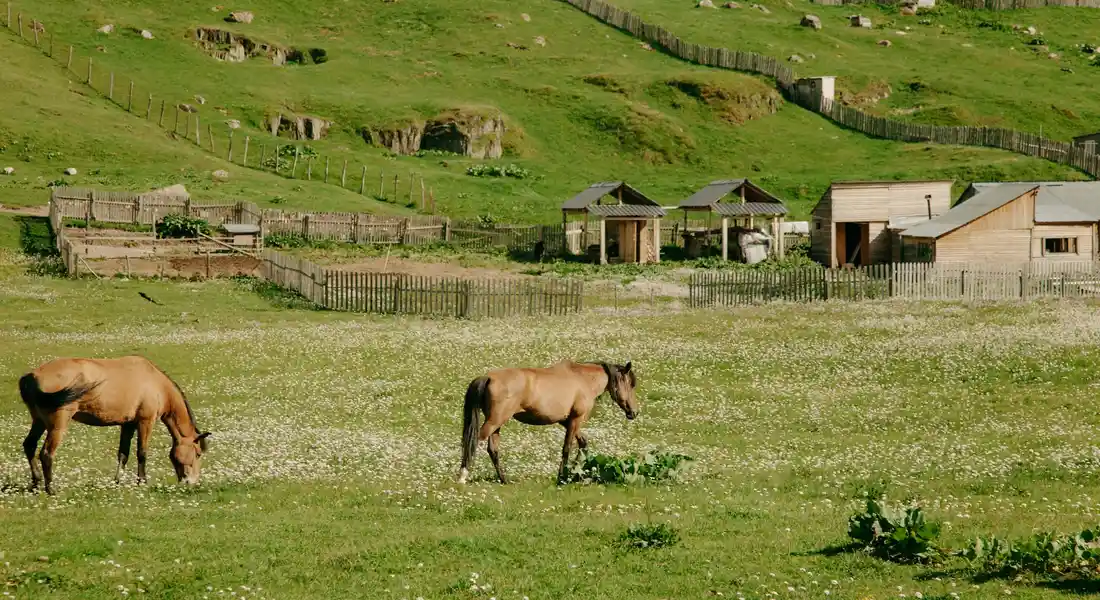
Walking into a well-designed barn should feel like a deep breath of fresh air, not a dusty retreat. I’ve spent years in stalls, mucking out and observing what keeps a horse calm and physically sound. The difference between a stressful box and a peaceful haven comes down to thoughtful, physical details.
Stall Size, Bedding, and Padding
Think of a stall not as a cage, but as your horse’s bedroom. The absolute minimum for a 1,000-pound horse is a 12×12 foot space, but I always advocate for bigger. My thoroughbred, Luna, does much better in a 12×16; the extra room lets her turn and lie down without feeling trapped. It’s important to use proper dimensions not only for the stall but also for the arena.
Walls should be solid and high enough to discourage casual nibbling but allow air flow. I’ve seen too many wood stalls chewed into splinters by bored ponies like Pipin. Kick boards or solid rubber padding on the lower walls are a smart investment for both safety and your wallet.
Your bedding choice is a daily comfort decision. I prefer dust-free pine shavings over straw for most of my crew, as straw can be eaten and may hide moisture. Deep, fluffy bedding encourages resting and rising, which is critical for joint health. A dry, well-bedded stall is your first line of defense against hoof issues like thrush and skin problems like scratches.
Mucking isn’t just a chore; it’s a health inspection. Pick out manure and wet spots at least twice daily. A completely stripped and disinfected stall weekly breaks parasite and bacteria cycles. Your nose will tell you if you’re behind-ammonia smell from urine is harsh on equine lungs.
Ventilation, Lighting, and Temperature Control
This is where many barns fail. A horse’s respiratory system is delicate. Stagnant, dusty air is a recipe for heaves or chronic coughing. Good ventilation means a constant, gentle air exchange without a direct draft on the horse. Ridge vents, open eaves, and rear Dutch doors are your allies. Proper ventilation is crucial for maintaining optimal health in horse stables.
I keep my barn’s main doors open whenever possible, creating a cross-breeze that carries away moisture and dust. You should feel the air move, but not hear a constant whistle. Your horse is wearing a permanent wool coat; they are far more susceptible to overheating and poor air quality than they are to a clean, cool breeze.
Lighting follows the sun. Ample windows provide natural daylight, regulating their internal clock. For artificial light, use soft, evenly distributed fixtures. Avoid a single, glaring bulb that creates harsh shadows and spooky corners. Motion-sensor lights in aisles are a safety hack I adore for those late-night check-ups.
Forget heating the barn. A healthy horse with a good winter coat and proper nutrition can handle temperatures well below freezing. The real danger is humidity and dampness. Focus on moisture control with dry bedding and airflow. Understanding how horses handle cold weather is essential. In summer, use fans to keep air moving, but ensure all cords and switches are completely out of reach of curious noses and teeth.
Fueling the Herd: Stress-Free Feeding and Watering Systems
A horse’s digestive tract is a steady conveyor belt that works best when it’s kept moving with the right fuel and plenty of water. Getting this system wrong is a fast track to colic; getting it right is your daily act of preventative medicine. My years in the barn have taught me that a predictable routine with quality inputs is the bedrock of a calm, healthy horse.
Setting Up for Consistent Clean Water
Water isn’t just a detail; it’s the single most important nutrient. A horse can lose all its body fat and half its protein and survive, but losing just 10% of its body water is fatal. I check water sources first thing every morning, without fail, through blistering heat and frozen winters.
A rubber tub in the corner of the paddock is my gold standard-it’s durable, doesn’t chip, and the dark color discourages algae growth better than a white bucket. For automatic waterers, you must check them daily. A float can stick, a heater can fail, and a horse can be quietly dehydrating. Run your hand under the valve to feel the flow and cup some water to taste it. Stale water tastes flat, and a horse will drink less of it.
In winter, heated buckets or tank de-icers are non-negotiable. I’ve broken ice on a -20°F morning and watched a horse gulp down the frigid water-they were that thirsty. Never assume they’ll eat enough snow to meet their needs; they won’t. For a herd, ensure you have multiple water points so a lower-ranking horse like sweet old Rusty can always get a drink without being chased off by a bossier mate.
Forage First: Hay Quality and Feeding Logistics
If your horse isn’t on good pasture, then hay is his entire world. The smell of a fresh bale should be sweet and grassy, like a sun-warmed meadow. Musty or dusty hay isn’t just unpalatable; it’s a respiratory hazard for both of you. Pull a few flakes apart and look. You want clean, leafy stems with minimal seed heads or weeds.
I feed hay on the ground whenever possible. It mimics their natural grazing posture, allowing for proper drainage of the nasal passages. Using a slow-feeder net over a ground pile is my favorite stable hack-it stretches their eating time, reduces waste, and keeps their brains occupied for hours. For a horse like Luna, the sensitive Thoroughbred, this constant trickle of forage is a powerful anti-ulcer and anti-anxiety regimen.
Logistics matter. A herd needs space to eat without conflict. I space piles far apart, use multiple nets, or even use a temporary fence line to create a “hay buffet” so everyone gets their share. Watch the dynamics. Is Pippin the pony mugging everyone else? He might need his own private dining area. The goal is zero drama at dinner time. A peaceful feed is a safe feed, and a horse who isn’t stressed eats more efficiently and stays healthier.
Engaging the Mind: Daily Mental Stimulation and Enrichment
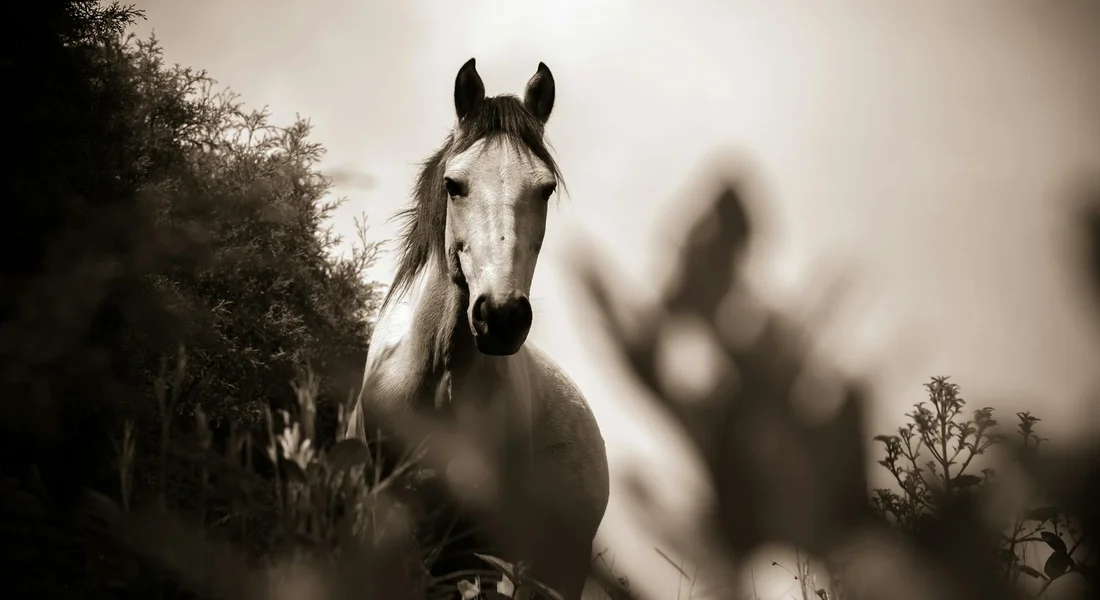
Think of your horse’s brain like a muscle that needs regular exercise. A bored horse is often a stressed horse, and that’s when we see stall weaving, wood chewing, or other anxious habits. Providing daily mental enrichment is as critical for welfare as a clean stall and fresh water, and it turns routine into a partnership. I’ve watched clever ponies like Pipin invent their own games out of sheer boredom, which usually involved unlatched gates. A little planned stimulation saves a lot of repair bills.
Toys, Puzzles, and Groundwork Games
Not every horse wants the same toy. My sensitive Thoroughbred, Luna, was suspicious of anything new, while Rusty the Quarter Horse would investigate anything that might hide a carrot. Start simple and observe what captures your horse’s curiosity without causing frustration. The goal is engagement, not aggravation.
Here are a few barn-tested options that work for different personalities:
- Food Puzzles: Use a slow-feed net stuffed with hay and a few apple chunks, or a sturdy rubber ball they must roll to dispense treats. Pipin masters these in minutes, keeping his clever mind busy.
- Jolly Balls or Traffic Cones: These are for playful pushing and chasing. They encourage movement and play, especially for horses on limited turnout.
- Scent Exploration: Hang different safe herbs like peppermint or lavender in mesh bags around the stall or paddock. It engages a sense we rarely think about.
Groundwork games build connection and make them think on their feet. Try this simple sequence with your horse:
- Ask for three steps of backup, using gentle body pressure, not the lead rope.
- Then, ask them to step their hindquarters over a few steps to the left.
- Finish with a long, relaxed exhale together and a scratch on the withers.
This tiny, focused session teaches them to listen to your subtle cues and rewards them with release. I do this with high-energy Luna before grooming; it helps her settle her mind and focus on me.
Integrating Training into Care
Turn every interaction into a gentle training moment. This builds predictability and trust, especially for horses who find routine care stressful. The key is to break tasks into small, understandable pieces and reward the try, not just the perfect outcome. Your daily chores are the best training arena you have.
Consider your grooming routine. Instead of just scrubbing away, use it to teach body awareness and patience.
- When picking hooves, ask for the lift, hold for a count of three, then release. Gradually increase the time.
- While brushing, practice dropping your energy and softening your touch when they stand quietly. If they fidget, just wait patiently until they settle.
- Teach them to target your hand with their nose before you put on the halter. This turns a potential confrontation into a cooperative game.
I integrated “standing still at the wash rack” into Rusty’s care after his initial puddle-related panic. We started with just one minute of calm, rewarded with a carrot, and built from there. Now, bathing is no big deal. Feeding time is another golden opportunity. Ask for a step back or a polite wait before you set down the feed bucket. This reinforces manners and prevents rushing. These small, consistent asks weave respect and calm into the fabric of your day, making everything from vet visits to trailering less stressful for you both.
The Social Stable: Herd Dynamics and Predictable Routines
Facilitating Safe Turnout and Social Interaction
Watch horses in a field for five minutes, and you’ll see their entire social world-grooming, playing, and just standing together. Denying this interaction is like cutting off a basic need, and I’ve seen the dullness that sets in when a horse is isolated. My old Quarter Horse, Rusty, would park himself at the gate and sigh if left alone for too long.
Safe turnout starts with the right introduction. I never toss a new horse straight into the herd. Luna, our dapple grey Thoroughbred, spent three days in a side paddock getting to know everyone over a safe fence line. This “neighbor phase” lets them establish pecking order without the risk of a serious kick or bite. The initial squeals and pinned ears are normal, but watch for relentless chasing.
Your paddock setup must prevent bullying, especially around resources. I learned this after catching our bossy mare guarding the only water trough. Always provide multiple hay piles, water sources, and clear escape routes to a run-in shed. The smell of fresh hay in several spots diffuses tension instantly.
- Inspect fences daily for loose boards, wire, or broken posts. Run your hand along the top rail.
- Use rounded corner posts to prevent horses from getting trapped and injured in a squabble.
- Keep group sizes small and compatible; mixing high-energy youngsters with serene seniors often fails.
- Ensure the footing is consistent and free of hidden holes that could cause a tendon blow.
Remember that cheeky Shetland, Pipin? His food motivation makes him a paddock Houdini. Double-latch every gate and check for weak spots a clever pony might nudge open with his nose. The silent panic of an empty field is a feeling no barn manager wants to experience twice.
Crafting a Calming Daily Rhythm
Horses are creatures of habit. A predictable routine signals safety to their nervous systems. Chaos creates anxious behaviors like weaving or stall-walking, which I’ve spent years patiently untraining. The thud of hooves at the same time each morning is their comfort music.
Build your daily rhythm around feeding, turnout, and work. Feed at the same times, and always offer hay before grain. This simple sequence mimics natural grazing, keeps the gut moving, and prevents boredom-related vices. Rusty will start softly nickering exactly ten minutes before his expected dinner.
Structure the day into clear blocks. This isn’t about rigidity, but about providing a reliable framework. A horse who knows what comes next is a horse who can relax and learn. For sensitive souls like Luna, this predictability is the difference between a focused workout and a tense battle.
- Morning: Feed hay, muck stalls, then release to pasture. Movement on an empty stomach aids digestion.
- Midday: Check all water sources. Refill, scrub algae, and ensure automatic waterers are functioning.
- Afternoon: Bring in, groom thoroughly, and undertake any training or gentle exercise.
- Evening: Serve the main grain meal, provide a full-night hay net, and do a final visual check of each horse.
Incorporate small, consistent cues. My specific whistle when I enter the barn aisle makes every head pop over a stall door. These tiny rituals build trust faster than any treat, telling your horse “all is well” in a language they understand. Even Pipin gets his grain in a puzzle feeder at the same window each night, keeping his busy brain happily occupied.
Ongoing Vigilance: Health Maintenance and Emergency Prep
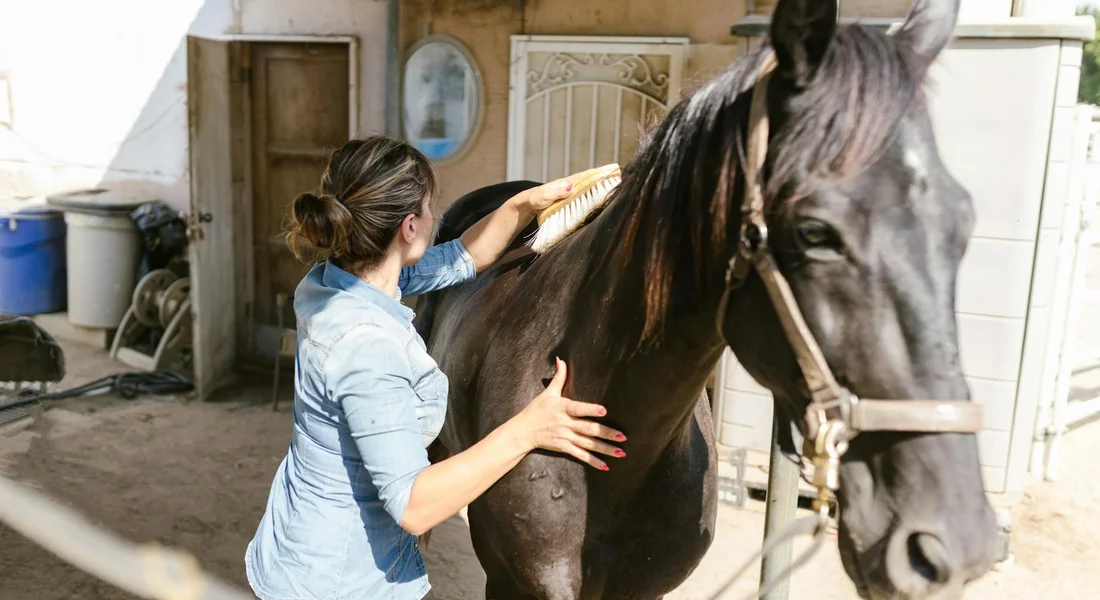
The quietest day at the barn is the best day to prepare for the loudest one. A safe environment isn’t just about sturdy fences and clean water; it’s about your readiness. My philosophy is simple: your daily routine is your first line of defense, and a well-stocked kit is your backup cavalry.
Essential First-Aid Kit and Equipment Inspection
Your first-aid kit should be a grab-and-go lifesaver, not a jumbled box of expired ointments. I keep mine in a durable, waterproof toolbox with a bright red handle. Let Rusty’s adventurous side be your guide-the time he found the only loose nail in a ten-acre field taught me to be thorough.
A complete kit isn’t just for wounds; it’s for stabilizing a situation until the vet arrives, which means thinking beyond bandages.
- Wound Care & Disinfectants: Sterile gauze pads and rolls, self-adhesive vet wrap (cohesive bandage), a clean roll of cotton, and antiseptic scrub like chlorhexidine. I avoid spraying anything directly on a wound; I squirt the solution onto gauze first to avoid startling a sensitive horse like Luna.
- Tools & Instruments: Blunt-tipped bandage scissors, digital thermometer with a string attached, a stethoscope, and a flashlight with extra batteries. A hoof pick and a pair of sharp pliers for removing foreign objects are non-negotiable.
- Medications & Support: Veterinarian-prescribed phenylbutazone (bute) or flunixin meglumine (Banamine), sterile saline eye flush, and a tube of triple-antibiotic ophthalmic ointment. A human antihistamine like diphenhydramine can be a vet-approved stopgap for mild allergic reactions.
- Emergency Contact Info: A laminated card with your vet’s number, the nearest equine hospital’s address and phone, and your own location details. In a panic, you won’t remember the gate code.
Equipment inspection is a weekly ritual. Run your hands over every inch of leather, listening for dry cracks and feeling for weak spots. Check stitching on bridles and girths. Test bucket clips and stall latches for strength. The goal is to find and fix the problem while your tools are hanging in the tack room, not when you’re halfway down a trail.
Routine Care as Environmental Safety
Think of daily grooming and health checks as a patrol of your horse’s personal environment-their own body. Catching a subtle change early is the ultimate prevention. The actual daily check itself involves a quiet moment of observation, watching for rhythm in breathing and a calm demeanor.
Your hands and eyes are the most sensitive diagnostic tools you own, and daily use builds a crucial baseline for what is normal for *your* horse. By keeping that baseline in mind, you can spot early signs of illness or injury and seek timely care. This proactive awareness helps you act quickly and protect your horse’s health.
- The Daily Once-Over: Before you even pick up a brush, look for fresh scrapes, swollen joints, or signs of asymmetric sweating. Feel your horse’s legs for unusual heat or filling, especially after a day of vigorous turnout. Notice if Pipin is resting a hind foot more than usual-it’s his tell.
- Hoof Pick as a Detective Tool: Picking feet isn’t just about removing rocks. Examine the sole for punctures, smell for the sour odor of thrush, and check for loose shoes or cracked walls. The thud of a healthy hoof on hardpack tells you everything is solid.
- Dental and Parasite Control: A horse with a toothache can’t chew properly, leading to undigested hay and weight loss-a direct health hazard. Annual dental floats are non-negotiable. Similarly, a strategic deworming program based on fecal egg counts keeps your pasture from becoming a parasite incubator.
- Vital Sign Knowledge: Know your horse’s normal temperature, pulse, and respiration (TPR). For a resting adult horse, that’s roughly 99-101°F, 28-44 beats per minute, and 8-16 breaths per minute. Practice taking these when your horse is healthy so you’re not fumbling in an emergency.
This vigilance creates a feedback loop. A small rub from a slightly twisted saddle pad leads you to check your saddle fit. A hint of thrush prompts a review of your paddock’s drainage. Your consistent care directly shapes the safety and quality of the entire environment you’ve worked so hard to build.
Frequently Asked Questions: How to Create a Safe and Enriching Environment for Your Horse
How do I assess my horse’s current living conditions for safety hazards?
Conduct a thorough physical inspection by getting down to your horse’s eye level to spot sharp edges, loose hardware, or electrical dangers. Perform this safety scout routinely, especially after severe weather, to find new risks like fallen branches or weakened fence posts. This proactive habit helps you catch minor issues before they become serious injuries.
What are the essential components of a safe horse pasture?
A secure pasture requires visible, sturdy fencing that is regularly maintained and free of protrusions. It needs safe footing managed to prevent mud and toxic plants, alongside a consistent rotational grazing plan. Essential access to clean, multiple water sources and simple enrichments like scattered hay piles also promote mental and physical well-being. This aligns with creating an enriching pasture environment for horses, offering varied foraging and safe exploration. Such enrichment supports natural behaviors while protecting safety and health.
How can I design a stable that minimizes injury risk?
Ensure stalls are sized appropriately, at minimum 12’x12′, to allow safe lying down and rising. Install smooth, solid walls with kick boards and choose deep, absorbent bedding to prevent hoof and skin issues. Prioritize excellent ventilation and natural lighting to support respiratory health and create a calm, low-stress atmosphere.
Putting It All Together at the Barn
From ensuring sturdy fencing to offering varied enrichment, your daily efforts build a foundation where your horse can thrive physically and mentally. Consistent, generous turnout with a compatible friend is the single most important factor for a content and healthy horse.
Move forward with patience and a keen eye for safety, trusting that good horsemanship is a journey, not a destination. The quiet feedback your horse gives-a soft nicker, a relaxed doze in the sun-is the true measure of a successful environment.
Further Reading & Sources
- Horse Barn Designs and Plans: 27 Tips and Ideas
- Horse Barn Plans – Design Floor Plan Buy Barn Blueprints for Sale
- HORSE BARN PLANS
- 330 Best Horse Barn Layout ideas
At Horse and Hay, we are passionate about providing expert guidance on all aspects of horse care, from nutrition to wellness. Our team of equine specialists and veterinarians offer trusted advice on the best foods, supplements, and practices to keep your horse healthy and thriving. Whether you're a seasoned rider or new to equine care, we provide valuable insights into feeding, grooming, and overall well-being to ensure your horse lives its happiest, healthiest life.
Stable Management