
Creating the Perfect Horse Feeding Schedule: Your Daily Routine for a Healthier Horse
Hello fellow equestrians! Is your horse’s energy all over the map, or does the mere thought of weight management and vet bills give you a knot in your stomach? You’re right to worry-inconsistent feeding can lead to colic, laminitis, and frustrating behavioral quirks that compromise safety and your wallet.
This guide will help you build a rock-solid daily routine. We will cover:
- How to balance forage and concentrates to mirror a horse’s natural grazing rhythm.
- The non-negotiable timing of meals to keep the gut moving and prevent dangerous stalls.
- Customizing portions for the individual, from seasoned veterans like my Quarter Horse Rusty to fiery athletes like Luna the Thoroughbred.
- Simple, real-world strategies to make this schedule stick, even on your busiest barn days.
My years in the saddle and as a barn manager have taught me that the right routine is the foundation of equine health and partnership.
Why a Consistent Feeding Schedule Matters for Your Horse’s Health
The Digestive Clock: Preventing Ulcers and Colic
A horse’s stomach is a non-stop acid factory, producing gallons each day regardless of whether there’s food in there to soak it up. Think of forage like hay or grass as the essential buffer-a slow, steady conveyor belt of fiber that mops up that acid and keeps things moving smoothly. To understand why this is so crucial, one must understand how a horse’s digestive system works.
When meals are erratic, that conveyor belt stops, leaving stomach lining exposed. This is the direct path to gastric ulcers and digestive colic, two of the most common and preventable issues we see in stabled horses. I’ve seen too many good horses become nervous eaters or colic risks because their internal clock was constantly guessing.
Their gut is designed for near-constant trickle feeding, not two big meals a day. The rhythmic sound of chewing and the smell of fresh hay should be a near-constant background noise in your barn.
Behavior and Peace of Mind
Predictability is a powerful calming agent. A horse who knows when to expect his next meal is a horse who spends less energy on stall-walking, weaving, or gate-banging. That anxious pawing you hear? Often, it’s a question about “when,” not “if.”
A solid routine lowers cortisol for everyone-your horse relaxes, and you avoid the guilt and worry of a frantic animal. I remember when Luna, my sensitive Thoroughbred, first arrived. Her energy was a live wire, and she’d pace her stall relentlessly. Setting a rock-solid feeding and turnout schedule didn’t just calm her body; it gave her mind a job-to wait patiently. The change in her eye, from worried to soft, was everything.
Your daily ritual of feed tubs and hay nets becomes a language of trust. They learn your patterns and settle into them, making handling safer and quieter for all.
Understanding Your Horse’s Basic Feeding Needs
Forage First: Hay, Grass, and the 1-2% Rule
Roughage-hay, grass, haylage-isn’t just filler; it’s the physiological foundation of every horse’s diet. It’s what their miles of hindgut are built to ferment. Even straw counts as roughage in a pinch, though it’s far less nutritious than hay or haylage. In a well-balanced equine diet, straw shouldn’t replace high-quality forage. Skip this, and the whole system grinds to a halt.
Common types include:
- Timothy or Orchard Grass: Excellent, balanced choices for most pleasure and performance horses.
- Alfalfa: Protein-rich and calorie-dense, perfect for hard keepers or lactating mares, but use it like a supplement, not a staple.
The math is simple but non-negotiable. Your horse needs to eat 1-2% of its body weight in forage daily. For a 1,000-pound horse, that’s 15 to 20 pounds of hay minimum. Always err on the side of more hay; a bored horse with an empty gut is a recipe for trouble. I keep a scale in my feed room because eyeballing it is a fast track to underfeeding. (Complete feeding guide).
Concentrates: Does Your Horse Need Grain or Pellets?
Grain or pellets are a tool, not a requirement. Many horses, like my steady trail horse Rusty, maintain perfect condition on quality hay alone. Adding concentrates should be a deliberate decision based on a gap in nutrition or calories, especially when considering the debunked myth about horses needing grain for a balanced diet.
Consider concentrates for:
- Hard keepers who drop weight on a forage-only diet.
- Horses in heavy work or competition.
- Seniors with poor tooth function who need a soaked, complete feed.
- Pregnant or nursing mares with higher demands.
Overfeeding grain is a fast way to trigger laminitis, excitable behavior, or digestive imbalance. If you do feed it, split it into multiple small meals-never more than 5 pounds in a single serving. Your horse’s waistline and temperament will thank you.
The Vital Role of Water and Hydration
Water is the most overlooked nutrient. A horse can lose nearly all its fat and muscle and survive, but a 10% loss of body water is a critical emergency. They must have constant access to clean, palatable water — especially when quality may be compromised.
In winter, water consumption prevents deadly impaction colic. Check tank heaters daily; a frozen bucket is a silent hazard. In summer, they need extra to replace sweat loss-a working horse can drink over 20 gallons a day.
Make cleaning water buckets and troughs part of your daily feed routine. The taste of stale water or algae can drastically reduce intake. Listen for that steady gulping sound-it’s the sound of a healthy, hydrated system at work.
Building Your Daily Feeding Routine: A Step-by-Step Guide
Step 1: Map Out Your Core Meal Times
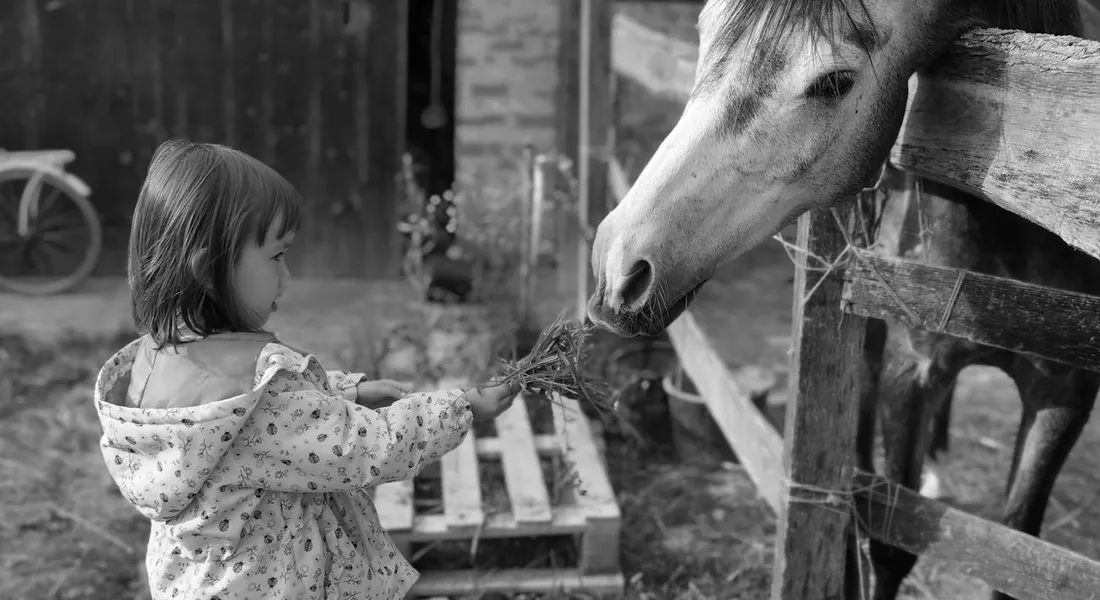
Start with your own calendar. Your horse’s meals must align with the times you can reliably be at the barn. I built my schedule around my teaching jobs, so Rusty gets his breakfast at 6 AM sharp. His internal clock is better than any alarm.
Shoot for a minimum of two meals, but three is the gold standard for keeping that digestive tract ticking along smoothly. It mimics their natural, slow grazing rhythm far better than one big dinner.
Space these feedings as evenly as you can. An example that works for many barns is 7 AM, 1 PM, and 7 PM. My sensitive Thoroughbred, Luna, does best with this consistent, predictable spacing to manage her energy.
Step 2: Weave in Forage and Turnout
Turnout and feeding are a dance. I always turn out after the morning hay has been consumed. This gives them a happy belly before playtime and prevents rushing back in for food.
For horses who spend time stalled, a slow-feed hay net is your best friend for mental and physical health. It turns a ten-minute hay gobble into hours of engaged chewing. I use them for Luna on farrier days, and the difference in her stall demeanor is night and day.
Your primary goal is to maximize hours with forage in front of them. Whether on pasture or from a net, constant access to roughage is what keeps their gut healthy and their minds calm. Pipin the pony gets a tightly woven net to slow his enthusiastic munching down to a safe pace.
Step 3: Prepare and Portion Each Ration
Gather your tools: a digital kitchen scale for precision, dedicated feed buckets, and a set of small containers for supplements. Eyeballing portions is a fast track to weight issues.
Here is my mixing routine, honed over years of pre-dawn feed room sessions:
- Weigh and place the hay portion in the stall or feeder first.
- Weigh grains and concentrates into a bucket.
- Dampen this mix lightly with water to settle dust and boost hydration.
- Stir in any powdered supplements until evenly distributed.
Feeding hay before grain is non-negotiable; it acts as a fibrous plug, slowing the passage of concentrates and helping to prevent colic. I never forget the lesson from a greedy gelding who taught me why this order matters.
Step 4: Execute the Morning, Afternoon, and Evening Routines
Break the day into blocks. Each has specific tasks that become second nature.
The morning routine sets the tone: check and scrub all water sources, feed the first hay ration, and then turn out. After about an hour, I’ll offer any grain. This is also my moment for a manure pile check-consistency and volume tell you a lot about last night’s digestion.
Afternoon is about maintenance. I top up hay nets, do a visual check of all horses in the field for limps or odd behavior, and bring them in if weather turns. It’s a good time for a quick hoof pick or a peppermint for Rusty.
Evening brings them home. I feed the final hay portion as they settle, then give the grain meal. While they eat peacefully, I do my visual health assessment, walking down the aisle noting each horse’s demeanor, the brightness of their eyes, and the feel of their coat.
Sample Horse Feeding Schedule Templates
Let’s translate theory into practice with some real-world templates. I’ve based these on the crew I manage daily-horses like Rusty, Luna, and Pipin teach me more than any textbook ever could. Remember, these are starting points; your horse’s appetite and energy are the final editors.
Template for the Lightly Ridden Pleasure Horse
Take my guy Rusty: a solid Quarter Horse who enjoys a few trail rides a week. His metabolism is steady, and his job is relaxation. The goal here is to mimic natural, slow grazing with minimal grain fuss. He lives out on good pasture as much as possible, which does most of the work for us.
| Time | Forage | Concentrate | Notes |
|---|---|---|---|
| 7:00 AM | Turnout on pasture. If stalled, free-choice grass hay. | None, or 1/2 lb of balancer pellets if hay is poor. | He starts his day moving and munching. |
| 12:00 PM | Check pasture or hay net. Top up if low. | None. | A visual check for me, more uninterrupted eating for him. |
| 4:00 PM | Continue pasture access. If coming in, offer hay. | Small flake of alfalfa for variety (optional). | The alfalfa is a tasty treat that adds protein. |
| 9:00 PM | Nighttime hay net filled for slow consumption. | None. | This keeps his gut working through the quiet hours. |
Rusty might get a single scoop of feed after a longer ride, but usually, his ribs are perfectly hidden under a sleek coat with this plan. I listen to the sound of constant, gentle chewing-that’s the music of a content gut.
Template for the Performance or Hard-Keeper Horse
Now, enter Luna, my sensitive Thoroughbred. She burns calories just thinking about it. This schedule is built on more frequent, smaller meals to fuel work without overwhelming her digestion. We split grain to avoid sugar spikes and always feed hay before concentrate.
| Time | Forage | Concentrate | Notes |
|---|---|---|---|
| 6:00 AM | 2 flakes of high-quality alfalfa/grass mix hay. | 1/3 of daily grain ration (fat-added feed). | Hay first, always. She needs this base layer. |
| 10:00 AM | Access to pasture or a hay net. | None. | Forage-only period for steady energy. |
| 1:00 PM (Post-Workout) | 1 flake of hay offered. | 1/3 of daily grain ration, fed at least 30 minutes after cooling down. | Never grain a hot horse; we wait until her breathing is normal. |
| 5:00 PM | 2 flakes of hay. | Final 1/3 of daily grain. | Evening meal to carry her through the night. |
| 10:00 PM | Small-hole hay net topped up. | None. | This midnight snack prevents empty stomachs. |
For Luna, the rhythm is key. I watch for calmness at feeding time and a consistent energy level under saddle-both signs her fuel is right.
Template for the Senior or Special Needs Horse
Senior horses or those with dental issues need us to be chefs, not just feeders. Soaked meals are kinder, and more frequent servings aid digestion. Regular dental floatings are a crucial part of this care, helping horses chew comfortably and maintain weight. A routine float can prevent discomfort and support long-term health. Your equine dentist is your best partner here; a float can change everything. Think of a wise old gelding needing gentle care.
| Time | Forage | Concentrate | Notes |
|---|---|---|---|
| 7:00 AM | Soft, leafy hay offered. Soaked hay cubes if chewing is hard. | Soaked senior pellet mash, warm. | Warm mash is enticing and easier to eat. |
| 11:00 AM | Hay net refilled. | Small handful of soaked beet pulp. | Adds calories and hydration without bulk. |
| 3:00 PM | Continue hay access. | Another warm senior mash. | Frequent small meals support aging metabolism. |
| 7:00 PM | Evening hay provision. | Final soaked meal with supplements. | Consistency helps them anticipate and relax. |
| Overnight | Slow-feed hay net available. | None. | Prevents long gaps without forage. |
The proof is in the pudding-or in this case, the mash. Seeing a senior horse hold weight and move to the feeder with purpose tells me the schedule is working.
Adjusting the Schedule for Special Circumstances
Seasonal Shifts: Summer Heat and Winter Cold
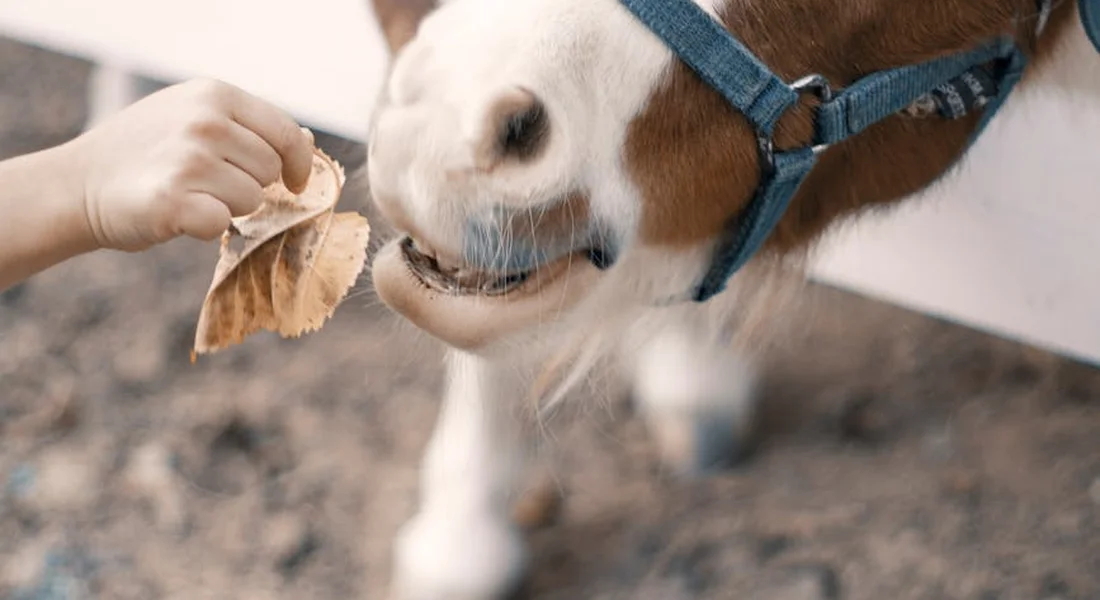
Horses handle weather changes, but their menus need tweaks. In summer, I focus on hydration and cooling feeds. Always offer grain after work when they are fully cooled, not when still sweaty; make sure to adjust your horse’s diet for peak summer performance.
- Summer: Increase salt and electrolytes in feed. Soak hay to add water intake. Feed during cooler parts of the day.
- Winter: Boost hay by 15-25% for internal heat generation. Ensure water is warm and ice-free. Grain can provide extra calories, but hay is the best furnace fuel.
I remember one July day seeing Luna pick at her grain; I switched to a later, cooler evening feed and she cleaned her bucket. Their behavior gives you the clues-you just have to look.
Life Stage and Activity Changes
Broodmares, growing youngsters, and horses coming back from layup have unique needs. The golden rule? Change any feed amount or type gradually over 7-10 days to avoid colic.
- Broodmare: Increase quality protein and calories in last trimester. Split into more meals as her belly gets crowded.
- Growing Youngster: Use specialized growth feed. Monitor body condition monthly-too fast is as bad as too slow.
- Injury Comeback: Start with maintenance forage, then slowly reintroduce grain as workload increases. Patience prevents metabolic shock.
When bringing a horse back, I add grain in half-cup increments, watching manure consistency like a hawk. A sudden change in stool is your first warning sign to slow down.
Managing the Bored or Anxious Eater
Some horses, like my clever pony Pipin, finish meals too fast or stress when alone. This calls for creativity. Slow feeders aren’t just tools; they’re behavioral therapy.
- Use a small-hole hay net to stretch foraging time.
- Scatter hay in a clean paddock to mimic natural grazing.
- For grain, try a rubber mat with grooves or a slow-feed ball.
- For the anxious horse, feed in a calm, quiet space away from herd drama.
For Pipin, I hide carrot pieces in his hay net. The rustling and searching keep his busy mind occupied for hours. Turning mealtime into a puzzle prevents vices and promotes mental peace.
Monitoring Your Horse’s Health on the New Schedule
Body Condition Scoring: Your Eye Doesn’t Lie
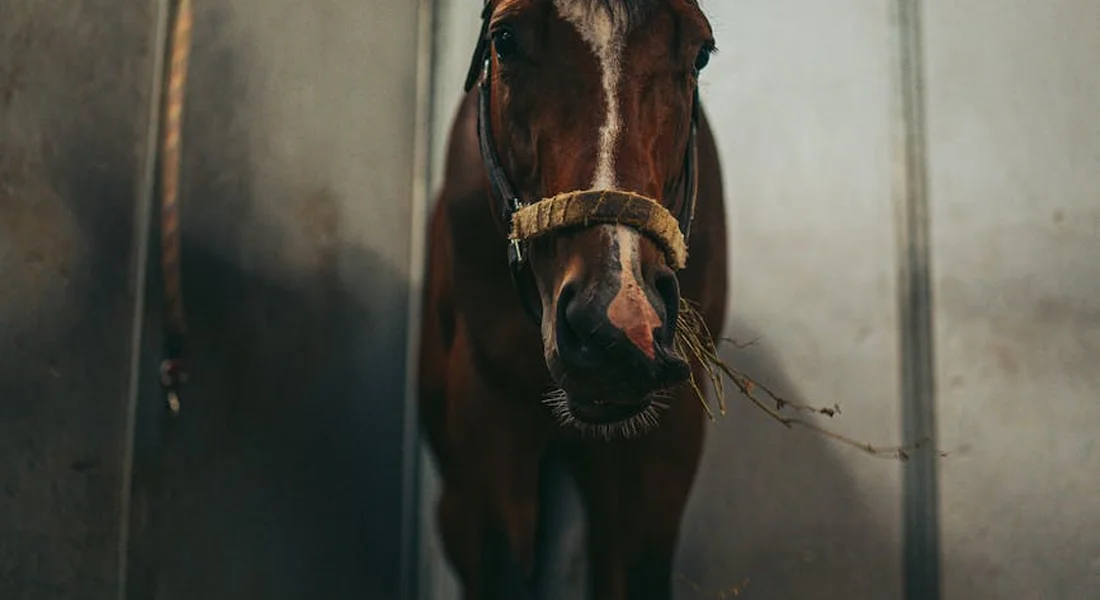
Your hands and eyes are better than any scale. Run your hands over the ribs; they should be easy to feel but not see. A monthly check with a weight tape gives you hard numbers to track trends.
- Ideal score is 5 on a 1-9 scale.
- Feel for fat covering the withers, behind the shoulders, and over the tailhead.
- Look from above for a slight hourglass shape, not a bulging barrel.
I do this during grooming, feeling for those subtle changes under the coat. Catching a slow weight loss early is simpler than fixing a skinny horse later.
Signs Your Schedule is Working
A good feeding routine shows in daily life. Watch for these quiet victories.
- Consistent manure piles: 8-12 per day, formed but not dry.
- Calm demeanor at feeding time, no frantic pawing or yelling.
- Steady hoof growth from the coronary band.
- A coat that shines in the sun, not from grooming but from within.
When I see Rusty dozing by his hay net, belly full, I know the timing and amount are right. Contentment is the ultimate report card for your feeding plan.
Red Flags That Demand a Schedule Tweak
Some issues mean adjust the feed; others mean call the vet. Learn the difference.
- Tweak the schedule: Slow weight loss, loose stools, new girthiness, or boredom behaviors like cribbing. Try changing hay type or feeding frequency first.
- Call the vet: Rapid weight loss, no manure for 12 hours, signs of choke (neck stretching, drooling), or sudden loss of appetite.
I once noticed Luna leaving grain. A dental check revealed a sharp point, fixed with a float. Always rule out pain before blaming the feed bag. Your vigilance is their safety net.
Adjusting the Schedule for Special Circumstances
A rigid feeding chart can’t account for everything. Your horse’s needs shift with weather, age, and even their personality, so your schedule must be a living, breathing plan. I’ve reset routines for soaking summer days and for Pipin’s winter boredom, learning that flexibility prevents problems.
Seasonal Shifts: Summer Heat and Winter Cold
Temperature extremes change how your horse uses energy. In summer, hydration isn’t just about water access; it’s about encouraging them to drink enough to offset heavy sweating. I always add a splash of apple cider vinegar to Rusty’s water in July to tempt him, especially when dealing with extreme weather conditions.
- Summer Demands: Provide unlimited cool, clean water. Supplement with electrolytes in feed or water after work. Feed grain meals only after your horse is fully cooled down to avoid digestive upset.
- Winter Strategy: Increase forage by 15-25%. The microbial digestion of hay produces internal heat. More hay means a warmer horse without needing extra grain.
I feed Luna her grain in the evening after the sun dips and her coat is dry. This small timing change keeps her comfortable and ensures she utilizes all her nutrients efficiently.
Life Stage and Activity Changes
A growing foal, a pregnant mare, and a senior horse walk into a barn-they all need different menus. Broodmares in late pregnancy require a steady increase in calories and specific minerals like calcium, while weanlings need precise protein for bone and muscle. A horse returning from layup, like Luna after a tendon strain, needs controlled energy to heal without excess weight.
Make any feed change a slow journey, not a sudden jump. Follow this timeline to avoid colic:
- Days 1-3: Mix 25% new feed with 75% old.
- Days 4-6: Shift to a 50/50 blend.
- Days 7-10: Move to 75% new, 25% old before a full switch.
Spreading the transition over 7-10 days allows the delicate gut microbiome to adjust without rebellion. I use this method even when switching hay batches, watching manure consistency like a hawk.
Managing the Bored or Anxious Eater
A horse staring at a hay pile isn’t always eating. Boredom or anxiety can shut down appetite, leading to wasted feed and unwanted stall behaviors. The goal is to turn mealtime into a natural, engaging activity. Knowing why your horse isn’t eating helps you find practical solutions.
Practical tricks I use for my clever pony Pipin and sensitive Luna:
- Employ a small-hole slow-feed hay net. It turns a ten-minute meal into a two-hour foraging session.
- Scatter flakes of hay over a clean rubber mat or in a paddock. This mimics grazing and keeps them moving.
- Use a sturdy treat ball or a hanging lick with low-sugar molasses for mental stimulation.
For Pipin, I pack his hay net with timothy and hide a few peppermints inside. The rustling and searching keep his mischievous mind occupied, and the steady trickle of forage keeps his gut in rhythm. It’s a simple hack that turns a potential problem into peaceful barn sounds.
Monitoring Your Horse’s Health on the New Schedule
You can write the most elegant feeding schedule on the planet, but your horse’s body will give you the final grade. I treat a new schedule like a two-month experiment, watching my herd closer than a hawk watches a field mouse.
Body Condition Scoring: Your Eye Doesn’t Lie
This is your most honest tool, far better than just staring from over the fence rail. It’s a hands-on exam. You need to look *and* feel.
Run your hand over your horse’s ribcage. You should be able to feel each rib with light pressure, like feeling corduroy pants under a light sweater, but they shouldn’t visually stick out. Check the fat cover over the withers, behind the shoulders, and around the tailhead.
A body condition score of 5 on the 9-point scale is our golden target: a smooth, well-covered horse with no cresty neck, no ribs showing, and just a hint of fat over the spine.
I pair this eyeball test with a monthly weight tape session. It’s not perfectly precise, but tracking the trend is what matters. A sudden drop or spike tells me more than any single number ever could.
Signs Your Schedule is Working
When you get it right, the whole animal tells you. It’s not just about weight. Watch for these quiet victories.
- Consistent Manure Piles: You’ll see a steady, predictable output of well-formed balls. The stall or paddock tells the story of a happy gut.
- Calm Anticipation: Your horse looks forward to meals but isn’t frantic or anxious. My mare Luna used to pace; now she nickers softly and waits. It’s a sign of metabolic peace.
- Steady Hoof Growth: Your farrier’s comments are gold. Consistent, strong hoof wall growth is a billboard for good nutrition.
- That Bloom: A coat that shines from the inside out, not from extra grooming sprays. It’s the deep, slick gloss of health.
These subtle signs of equilibrium are the true rewards of a thoughtful routine, proving your horse is thriving, not just surviving.
Red Flags That Demand a Schedule Tweak
Horses communicate problems through their body and behavior. When you see these flags, it’s time for a detective, not just a feeder.
- Unplanned Weight Changes: Ribs becoming prominent or a cresty neck developing means the calorie equation is off.
- Digestive Upset: Loose stool or unusually dry manure can signal a grain imbalance, poor hay quality, or a need for more frequent, smaller meals.
- Newfound Girthiness or Back Soreness: This can be a direct sign of ulcers, often linked to long periods with an empty stomach between large grain meals.
- Emerging Stereotypies: The onset of cribbing, weaving, or stall-walking is a major behavioral red flag. It often screams, “I’m bored, stressed, and my gut hurts!”
If you see drastic weight loss, colic signs, or lethargy, skip the feed room and call your vet immediately.
For other issues, play with timing first. I once fixed Pipin’s paddock pacing by splitting his concentrate into three tiny meals and adding a slow-feed hay net. The tweak, not a total overhaul, made all the difference. Your schedule is a living document; let your horse be the editor.
Frequently Asked Questions: Creating the Perfect Horse Feeding Schedule
How do I adjust the sample feeding schedule templates for my specific horse?
Use the provided templates as a foundational blueprint, but always customize them based on your horse’s individual response. Monitor their body condition score and energy levels closely for the first few weeks, making small adjustments to portions or timing as needed. Remember, the perfect schedule is the one that keeps your horse healthy, calm, and at an ideal weight.
What should I do if I can’t strictly follow my feeding schedule every single day?
Consistency is ideal, but occasional variations are manageable if you prioritize the core principles. Always ensure your horse has access to ample forage, like a hay net, to keep their gut moving even if a grain meal is slightly delayed. When your routine returns to normal, revert to your standard times calmly, as sudden large changes pose a greater risk than minor timing shifts. As seasons change, you may wonder what a seasonal horse care schedule looks like. That perspective can help you align daily care with seasonal needs.
Are these feeding schedules too complex for a single horse owner to maintain?
The routines are designed to be efficient and become automatic with practice, actually saving you time by preventing health issues. Start by implementing just one or two key changes, like adding a late-night hay net or splitting grain into more meals, rather than overhauling everything at once. The structure provides clarity and reduces daily guesswork, making care simpler and more effective in the long run.
Your Horse’s Dinner Bell: Making It Ring Right
Anchor your day to reliable feeding times and measure portions by weight, not volume, to maintain steady digestion. The most critical step is building every meal on a foundation of good-quality forage, mimicking the slow, constant grazing their gut is designed for.
Adjustments take weeks, not days, so pair patience with vigilant observation of manure and body condition. The final judge of your schedule is always the horse-a bright eye and calm demeanor mean you’re on the right track.
Further Reading & Sources
- Horse Feeding: Everything You Need to Know
- How Often to Feed a Horse | Equine Care Guide
- Ideal Feed Frequency for Horses – The Horse
- Feeding Schedule for Horses | Extension Horses
At Horse and Hay, we are passionate about providing expert guidance on all aspects of horse care, from nutrition to wellness. Our team of equine specialists and veterinarians offer trusted advice on the best foods, supplements, and practices to keep your horse healthy and thriving. Whether you're a seasoned rider or new to equine care, we provide valuable insights into feeding, grooming, and overall well-being to ensure your horse lives its happiest, healthiest life.
Nutrition