
How Your Horse’s Digestive System Works: Your Guide to Preventing Colic and Mastering Feed Time
Published on: February 24, 2026 | Last Updated: February 24, 2026
Written By: Henry Wellington
Hello from the barn aisle. If you’re lying awake worrying about colic or watching your horse pick at his grain with a knot in your stomach, I get it. Digestive troubles are the silent saboteurs of horse health, leading to scary vet calls and frustrating behavioral puzzles.
Today, we’re going to follow a mouthful of hay on its journey. I’ll show you the brilliant and brittle design of your horse’s inner workings, so you can feed with confidence. We’ll cover:
- why the horse’s stomach is a tiny time bomb without constant forage,
- how the hindgut acts as a essential fermentation factory,
- the red flags of digestive distress every owner must recognize, and
- simple, daily routines to promote gut health and peace of mind.
My years of barn management and training-from steady Rusty to sensitive Luna-have taught me that everything starts with a happy gut.
The Equine Digestive System: A Quick Overview
Think of your horse’s gut not as a simple tube, but as a specialized, two-stage processing plant. The front end, or foregut, handles the initial breakdown of feeds using enzymes, much like a quick-prep kitchen for starches and proteins. This includes the stomach and small intestine. Everything that isn’t digested here gets shipped to the massive hindgut-the cecum and colon-which acts as a fermentation vat where billions of microbes break down fibrous hay and grass.
I’ve spent countless quiet mornings watching Rusty methodically work his way across a paddock, and that image is the key. Horses are designed for near-constant, slow intake of fibrous material, a fact that should dictate everything from feeding schedules to stall time. Their gut motility and health depend on this steady flow of roughage to keep the microbial population happy and prevent issues like colic or ulcers. Even straw can contribute to roughage intake in some feeding scenarios, illustrating how horses can nibble on straw as part of a roughage-based diet. Understanding how horses eat straw helps illuminate understanding roughage in equine diets.
When we talk about fiber digestion and gut motility, we’re really talking about honoring this innate design. Forcing long gaps between meals is like asking that fermentation vat to run empty-it spells trouble for the delicate balance inside.
From Mouth to Manure: The Step-by-Step Journey
Let’s walk a bite of grass through the entire system. It’s a journey with very specific stops, and knowing them helps you make smarter choices at feeding time.
1. Mouth & Esophagus
The process starts with the rhythmic, grinding sound of mastication. Thorough chewing isn’t just about size reduction; it mixes feed with saliva, which contains buffers that help neutralize stomach acid later on. That’s why encouraging slow eating, maybe with a nibble net for an eager horse like Luna, is so vital. The chewed bolus then travels down the esophagus-a one-way street thanks to strong muscular waves that prevent vomiting.
2. Stomach
Here’s a critical fact: the horse’s stomach is surprisingly small, holding only about 2-4 gallons. It’s meant for frequent, small meals, not one or two large grain dinners that can overwhelm its capacity and lead to acid splash. Gastric acid is produced continuously, even when the stomach is empty, which is why I’m a fan of always having forage available. Slow feeder nets or thoughtful ground-feeding setups can extend that forage time. This helps promote steadier digestion and calmer behavior. I’ve seen the difference in Pipin’s demeanor when he has a steady trickle of hay to pick at-he’s less inclined to test the stall locks!
3. Small Intestine
This is the primary site for nutrient absorption. Enzymes break down proteins, fats, and non-structural carbohydrates like sugars and starches. Anything that isn’t absorbed here, primarily the fibrous cell walls, moves on to the hindgut for a completely different type of processing. This is why sudden grain overloads are dangerous; excess starch can spill into the hindgut and disrupt the microbial ecosystem.
4. Cecum & Large Colon
Welcome to the fermentation chamber, a massive series of sacs that can hold up to 30 gallons. Billions of bacteria and protozoa here ferment fiber, producing volatile fatty acids that are a major energy source for your horse. This microbial population is sensitive; sudden feed changes can cause a die-off or gas production, leading to colic. The steady thud of hooves on pasture during turnout is the soundtrack to a healthy hindgut, as movement aids this complex digestion.
5. Small Colon & Rectum
In the final stages, water is efficiently absorbed from the digestate, forming the familiar fecal balls. Proper hydration is non-negotiable here, as it keeps this waste material soft and moving to prevent impactions. The end result? Well-formed manure is a daily report card on your horse’s digestive health, something I check without fail during morning rounds.
Parts and Functions: Your Horse’s Internal Workshop
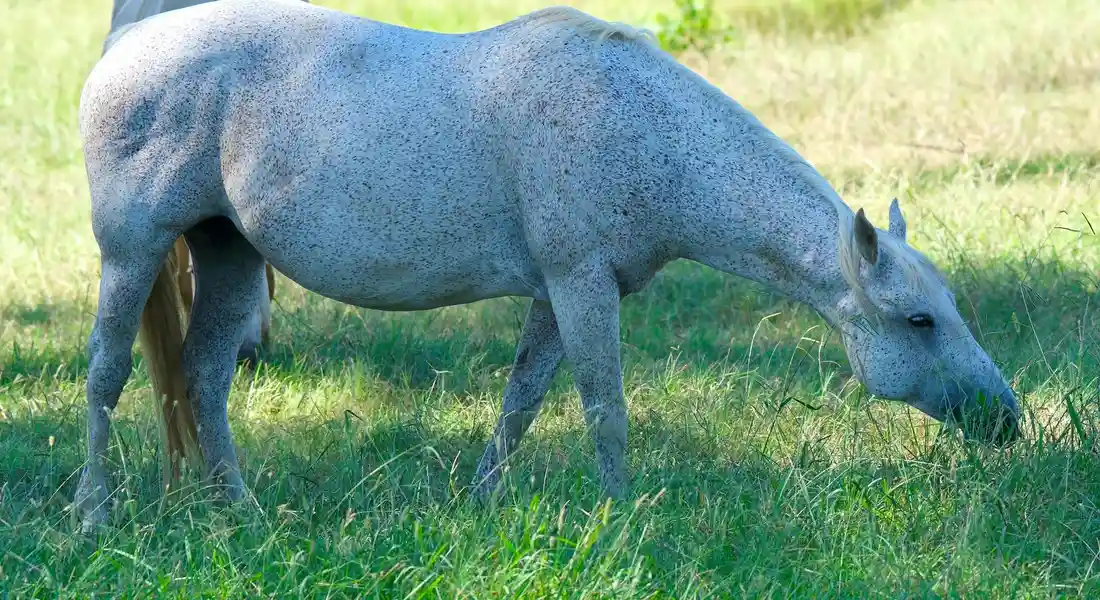
Think of your horse’s gut as a carefully organized factory. Each section has a specific job, and if one part slows down, the whole system backs up. I’ve spent years watching how feed changes affect a horse’s demeanor and health, and it all starts here: Understanding horse digestion is crucial for proper care.
Mouth
This is where the journey begins. Teeth grind forage into smaller pieces, while saliva adds moisture and enzymes to start breaking down starch. Proper dental care is non-negotiable; I’ve seen horses like Pippin waste hay because of sharp points, leading to weight loss and frustration. That steady crunching sound is the first note in the symphony of digestion.
Esophagus
This muscular tube is a one-way street, using waves of contraction (peristalsis) to push the food bolus toward the stomach. Its design is a key reason horses can’t vomit, which we’ll get to shortly.
Stomach
Relatively small for the animal’s size, the stomach is a protein-processing center. Gastric acid breaks down proteins, and the pyloric sphincter acts as a strict gatekeeper, releasing small, liquefied amounts into the small intestine. Because it’s small, large meals can overwhelm it, which is why I’m a zealot for multiple small feedings over one big grain dump.
Small Intestine
This is the nutrient absorption powerhouse. The duodenum receives enzymes from the pancreas and bile from the liver. The jejunum and ileum are where most sugars, starches, proteins, and fats are absorbed into the bloodstream. Efficiency here is why sudden grain overloads are so dangerous-there’s only so much this section can handle at once.
Cecum
Welcome to the fermentation vat! This large, sac-like structure is where billions of microbes set up shop to break down tough cellulose from hay and grass. This symbiotic relationship is why abrupt feed changes are a disaster; you’re essentially evicting the microbial workforce your horse depends on for energy. The cecum produces volatile fatty acids, a primary energy source.
Large Colon
A massive, folded tube where fermentation continues and water is pulled back into the body. Its complex shape is a common site for impactions, especially if a horse isn’t drinking enough or moving regularly. This anatomy is a prime reason I advocate for maximum turnout-movement keeps this pipeline churning.
Small Colon
Here, the remaining water is absorbed, and digestive waste is formed into the familiar fecal balls. The consistency of those balls is your daily report card on hydration and gut health.
Rectum
The final holding chamber before waste is expelled. Simple in function, but a lack of output from here is one of the first signs I look for when checking a horse for colic.
Why Horses Can’t Vomit and Other Critical Quirks
Your digestive system and your horse’s are built on completely different blueprints. Understanding these differences is the foundation of preventative care.
Humans can vomit. Horses physically cannot, thanks to an extremely strong muscular valve called the cardiac sphincter where the esophagus meets the stomach. This means anything toxic or irritating that goes in must pass all the way through; there’s no emergency exit. I learned this the hard way years ago with a boarder who got into the grain room—the ensuing colic was a brutal, expensive lesson in secure storage. It’s one of those anatomical facts with serious health implications.
While you run on glucose, your horse gets most of its energy from volatile fatty acids produced by hindgut fermentation. Those cecal microbes are essentially your horse’s internal power plant. Disrupt them with high-starch meals, and you risk laminitis or systemic inflammation.
Your horse’s stomach secretes acid continuously, whether there’s food in it or not. In the wild, they graze for 16-18 hours a day, which buffers that acid. An empty stomach is a painful, ulcer-prone stomach, which is why constant access to forage is my number one rule for every horse in my care, from sensitive Luna to steady Rusty. It keeps the gut content moving and the acid neutralized.
Think of gut motility like a conveyor belt that never stops. Small, frequent forage meals keep that belt moving at a healthy pace. Large grain meals or long periods without forage can cause the belt to stall or speed up erratically, leading to colic. It’s that simple, and that critical.
Red Flags: Navigating Colic and Digestive Upsets
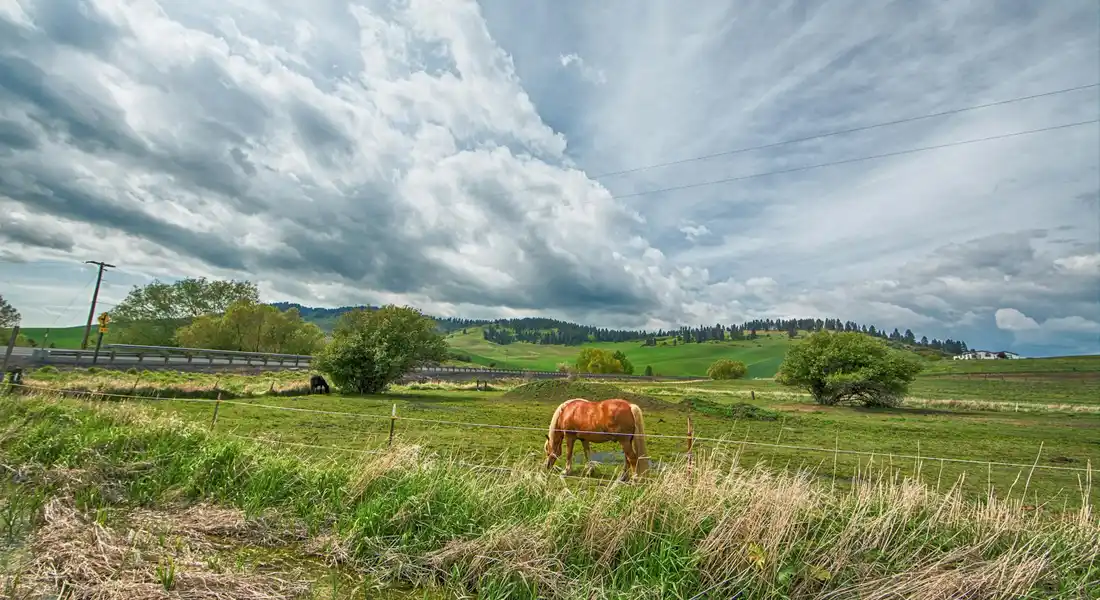
Colic is a broad term for abdominal pain in horses, a symptom rather than a single disease.
It often signals a disruption in gut motility-the natural, wave-like contractions that move food through-and catching it early is everything.
Common Signs of Digestive Distress
Watch for these behavioral and physical red flags; some are obvious, others whisper.
- Repeatedly looking at, biting, or kicking at the flank or belly.
- A noticeable decrease in manure production or passing dry, hard fecal balls.
- Restlessness, pawing, or repeatedly lying down and getting back up.
- Turning away from feed, even a bucket of grain or a favorite apple.
- Unusual sweating, a tucked-up appearance, or an elevated pulse.
Gastric Ulcers: The Foregut Culprit
Gastric ulcers occur when stomach acid erodes the lining, often from stress or long gaps between meals.
Look for subtle signs like a horse who becomes grouchy during grooming, resists cinching, or performs poorly under saddle without a clear reason.
Immediate Action for Suspected Colic
If you see a cluster of warning signs, stay calm and act methodically.
- Remove all food, including hay, from the stall or paddock immediately.
- Walk the horse gently if they are calm and it is safe; this can sometimes encourage gut movement.
- Call your veterinarian right away. Describe the symptoms, duration, and the horse’s vital signs if you can take them.
- Do not give any pain medication or home remedies unless your vet instructs you to.
- Keep the horse in a safe, quiet space and monitor them closely until help arrives.
Trust your gut. If something feels off, make the call. I’ve paced the aisle with a colicky horse more than once, and time is always the critical factor.
Feeding for a Happy Gut: Practical Barn Wisdom
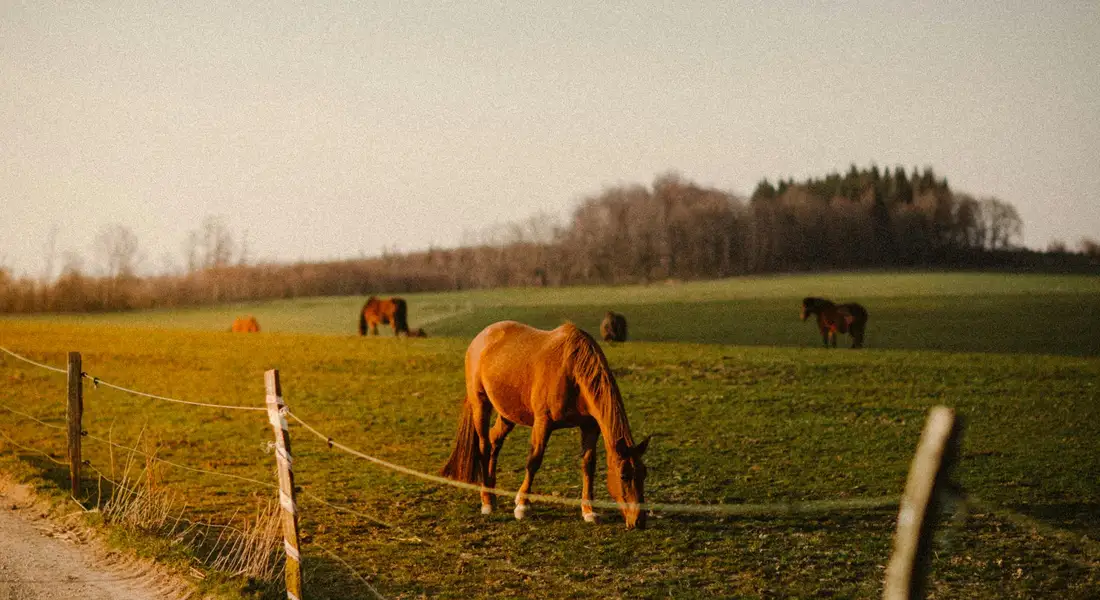
Everything in equine digestion starts with forage. Hay or pasture isn’t just food; it’s the engine’s fuel.
A horse needs to eat 1-2% of their body weight in roughage every single day to maintain a healthy, moving digestive tract.
Their system is built for near-constant grazing. Infrequent, large meals overwhelm it.
Frequent, small feedings mimic natural patterns, keep stomach acid buffered, and support steady hindgut fermentation.
Concentrates: Supplements, Not Staples
Grains and rich pellets are powerful calorie sources, but they should never be the main event.
Overloading on concentrates can cause hindgut acidosis, a dangerous pH crash that disrupts the microbial ecosystem and can lead to serious issues like laminitis.
Barn-Tested Hacks for Digestive Harmony
Small changes in management make a world of difference. Here’s what works in my barn.
- Use a slow-feed hay net. It turns a quick meal into hours of chewing, reducing boredom and ulcer risk.
- Ensure water is always clean, unfrozen, and accessible. Dehydration is a primary cause of impaction colic.
- Keep a rigid feeding schedule. Horses are creatures of habit and stress less with routine.
- Introduce any diet changes-new hay, different grain-over at least a week to allow gut microbes to adjust.
I saw this firsthand with Luna, my dapple grey Thoroughbred.
Her high-strung nature and sporadic feeding times led to poor condition and a sour attitude; switching her to free-choice grass hay in a slow net and tiny, split grain meals transformed her into a more relaxed partner.
For Pipin, the Shetland pony, unlimited access is a danger. His diet is strictly measured forage to prevent him from eating himself into a digestive bind, a constant game of witty negotiation against his clever, food-focused mind.
Frequently Asked Questions About How a Horse’s Digestive System Works
How does a horse’s digestive system compare to a human’s?
Horses are hindgut fermenters, relying on microbial digestion in the cecum and colon for fiber breakdown, while humans are foregut digesters with enzyme-based processing mainly in the stomach and small intestine. The horse’s stomach is proportionally much smaller and secretes acid continuously, requiring near-constant forage intake, unlike the human stomach which produces acid primarily in response to food. Additionally, horses cannot vomit due to a strong cardiac sphincter, making them more susceptible to complications from toxins or blockages that must pass entirely through the system. This often prompts the question, “Do horses have many stomachs?” In reality, horses have a single stomach, though its regions are specialized to support their continuous grazing and hindgut fermentation.
What is a key anatomical feature of the horse’s digestive system often highlighted in diagrams?
Diagrams frequently emphasize the massive hindgut, particularly the cecum-a large sac-like structure that serves as the primary fermentation vat for breaking down fibrous hay and grass. The large colon’s complex, folded anatomy is also highlighted due to its role in water absorption and its susceptibility to impactions, which are common digestive issues. These visual aids help illustrate why steady forage flow and hydration are critical to maintaining the health of these intricate organs.
What is a common digestive problem in horses related to hindgut function?
Hindgut acidosis is a frequent issue caused by excessive starch from grains spilling into the cecum and colon, leading to a harmful drop in pH that disrupts the microbial balance. This condition can result in gas colic, laminitis, or chronic inflammation, often stemming from sudden diet changes or overfeeding concentrates. Preventative measures include gradual feed transitions and ensuring the majority of the diet is forage-based to support stable microbial activity.
Parting Thoughts on Pasture and Pellets
Your horse’s gut is engineered for trickle-feeding, so prioritize forage over grain in their daily routine. Some readers wonder, do horses need grain at all? The great equine diet myth debunked explains why forage can be enough. Mimic natural grazing with free-choice hay or ample turnout to prevent digestive stalls and colic.
I’ve learned from countless feed room mornings that patience with diet changes is your best colic prevention. Always listen to your horse-their energy and manure are the truest reports on gut health. Proper feed transitions take time and careful observation.
Further Reading & Sources
- Overview of Colic in Horses – Digestive System – Merck Veterinary Manual
- REACT Now to Beat Colic | The British Horse Society
- Horse Digestion | Pre- & Probiotics | Gut Health & Colic Prevention – DocHorse
- Understanding Colic: A Comprehensive Guide for Horse Owners
At Horse and Hay, we are passionate about providing expert guidance on all aspects of horse care, from nutrition to wellness. Our team of equine specialists and veterinarians offer trusted advice on the best foods, supplements, and practices to keep your horse healthy and thriving. Whether you're a seasoned rider or new to equine care, we provide valuable insights into feeding, grooming, and overall well-being to ensure your horse lives its happiest, healthiest life.
Nutrition