
Do Horses Need Companions? Building a Healthy Herd for a Happy Horse
Published on: December 29, 2025 | Last Updated: December 29, 2025
Written By: Henry Wellington
Hello from the barn aisle. Have you ever heard the frantic, lonely whinny of a horse separated from the herd, or noticed your own horse weaving by the gate or losing condition for no clear reason? These are often the first signs of a deeper need going unmet, and they can spiral into veterinary bills and safety risks faster than a loose horse in a tack room.
Your worry is valid. Isolation chips away at a horse’s mental and physical health, leading to behaviors that are dangerous for them and frustrating for you.
In this article, I’ll break down exactly why companionship isn’t a luxury but a requirement, covering:
- The hardwired science of herd instinct and what happens when we ignore it
- Practical, observable signs of loneliness versus simple boredom
- Smart options for companions, from pastured pals to stablemates like goats or donkeys
- A slow, safe introduction process to build positive herd dynamics from day one
My years of barn management and training, from calming anxious thoroughbreds to managing mischievous ponies, are built on respecting these fundamental social needs.
The Social Imperative: Why Horses Crave Company
Horses are hardwired for group living
Think of a horse’s brain as an ancient, sophisticated survival computer. Its core programming, written over millennia on the open plains, has one central command: the herd is safety, and isolation is a death sentence. This isn’t a preference; it’s a biological imperative. In a group, multiple pairs of eyes watch for predators, multiple bodies share warmth, and social grooming tackles itchy spots one horse can’t reach. When Luna spooks at a blowing plastic bag, she doesn’t just jump-she immediately looks to Rusty. His calm demeanor is her reset button, telling her the world isn’t ending. That shared language of ear flicks, nickers, and mutual grooming is as vital to their well-being as clean water.
I see this programming in action every single day at turnout. A horse turned out alone will often stand by the gate, calling and stressed. Turn out two or more, and within minutes you’ll see them perform a quiet, ancient ritual: they walk the fence line together, sniffing the ground and air, establishing their shared territory. This simple act of partnered exploration fulfills a deep-seated need for cooperative security that no amount of human companionship can fully replace. It’s the sound of steady chewing side-by-side that lowers heart rates, not the chew toy hanging alone in a stall.
The real risks of isolation: from boredom to illness
Leaving a horse truly alone isn’t just sad; it’s a tangible health risk. The stress of chronic isolation wears on their system like a constant, low-grade alarm bell. Horses are herd animals and require social interaction to stay healthy. This can manifest in ways that are costly and dangerous:
- Stereotypic Behaviors: Weaving, cribbing, or stall-walking are often a horse’s desperate attempt to self-soothe in an environment that violates their social nature. I’ve seen clever horses like Pipin turn their intelligence inward, devising elaborate escape plans not for adventure, but for the desperate hope of finding a friend.
- Digestive Issues: Stress hormones can directly impact gut motility. A lonely, anxious horse is a prime candidate for ulcers or colic, as their system is perpetually on “high alert” instead of in a relaxed “rest and digest” state.
- Weakened Immune Response: Just like in humans, prolonged stress can suppress the immune system, making an isolated horse more susceptible to everything from pesky skin fungi to respiratory bugs.
- Mental Atrophy: A horse with no social interaction has nothing to learn from, no communication to practice. Their world becomes terribly small. Boredom in a horse doesn’t just lead to mischief; it leads to a kind of quiet despair that erodes their spirit and their physical health from the inside out.
Herd Dynamics 101: Leadership, Bonds, and Pecking Order
Understanding the natural herd structure
Forget the idea of a single, tyrannical “boss mare” ruling with an iron hoof. Natural herd structure is more nuanced, a fluid network of relationships. There’s usually a confident leader-often an older mare-who makes decisions about movement to water or safer grazing. Her authority isn’t based on bullying, but on consistent, proven judgment. Then you have the complex web of the “pecking order,” which determines who gets the prime spot at the hay pile.
This order isn’t fixed. It changes with introductions, age, and health. Watch Rusty and Luna: Rusty, the steady Quarter Horse, will often move Luna, the sensitive Thoroughbred, away from a fence line if he senses her anxiety is spiking. He’s not picking on her; he’s providing a calm, physical boundary. True leadership in a herd is less about who bites first and more about which horse provides the most reliable sense of security for the others. Understanding this lets you manage your herd wisely, pairing the nervous newcomer with a steady Eddy, not the pasture bully.
How social bonds reduce stress and provide enrichment
The magic happens in the bonds. Horses form deep friendships, often seen in “buddy pairs” that graze nose-to-tail for mutual fly protection or doze together back-to-back. This pair-bonding is powerful medicine. When horses engage in mutual grooming, they aren’t just scratching itches. They are reinforcing social bonds, releasing endorphins, and lowering cortisol levels. It’s their version of a relaxing chat with a best friend.
I use this knowledge as a management tool. When I need to bring a horse in from the field alone for a vet visit, I make sure their closest buddy is in the adjacent stall or paddock. Just seeing and smelling their friend takes the edge off. Understanding horse herd dynamics informs these decisions. Social enrichment then becomes a central welfare strategy. Providing a horse with appropriate companionship is the single greatest environmental enrichment you can offer, bar none. It gives them a job (maintaining social relationships), provides mental stimulation (reading the herd’s mood), and offers physical comfort. It transforms a paddock from a holding pen into a living, learning social space. You can see the literal weight lift off their shoulders when they’re with their herd, a lesson in the profound peace of belonging.
Signs Your Horse is Lonely or Stressed
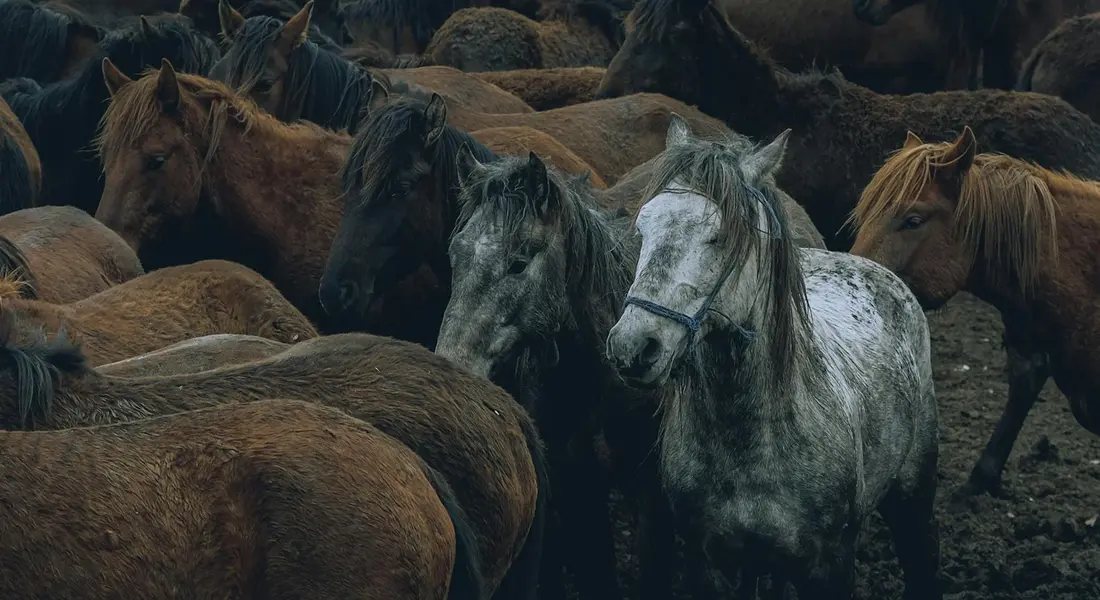
A horse without proper companionship isn’t just bored; their entire world becomes unstable. I’ve seen rock-solid geldings turn into nervous wrecks when a pasturemate leaves. Learning to read the subtle-and not-so-subtle-signals is your first step in advocating for their mental well-being.
Behavioral red flags to watch for in the stall and field
These actions are your horse shouting for connection. They often start small and escalate if the isolation continues.
- Excessive Vocalization: Constant whinnying or screaming toward other horses, especially when being led away from the group. This isn’t casual chat; it’s distress.
- Pacing or Fence-Walking: A repetitive, path-worn track along a fence line demonstrates a futile attempt to reach others.
- Destructive Stall Habits: Wood chewing, door kicking, and wall pawing are classic signs of pent-up anxiety and boredom with no outlet.
- Stereotypic Behaviors: Weaving, cribbing, or head-bobbing can develop as coping mechanisms for chronic stress and lack of social stimulation.
- Escape Artist Tendencies: Like my pony Pippin, a lonely horse becomes hyper-focused on breaking through barriers to find a friend, ignoring their own safety.
- Separation Anxiety: Even a brief departure from the herd for a ride causes sweating, trembling, and an inability to focus.
- Lethargy or Depression: The opposite of nervous energy. The horse stands with a lowered head, ears slack, showing zero interest in their surroundings-a heartbreaking sight.
These behaviors are never “just a bad habit”; they are symptoms of an unmet psychological need for herd security.
Physical manifestations of social deprivation
The mind and body are linked. Chronic loneliness doesn’t just hurt their spirit; it wears down their physical health in measurable ways.
- Unexplained Weight Loss: A stressed, vigilant horse burns more calories. More critically, they may spend so much time pacing or calling that they neglect to eat and drink sufficiently.
- Poor Hoof Condition: Constant pacing on hard ground or standing in one stressed position can affect hoof growth and wear patterns. Neglect of basic self-care can also stem from depression.
- Dull, Rough Coat: A well-groomed coat is a sign of a content horse who spends time relaxing and grooming with friends. A perpetually stressed horse often has a lackluster coat, no matter how much you brush.
- Increased Injury Risk: Panic leads to poor judgement. I’ve seen a normally sensible mare like Rusty try to jump a gate when spooked alone, a move she’d never attempt with her herd nearby for confidence.
- Digestive Issues: Stress is a known trigger for ulcers and colic. The digestive system functions best when the horse is in a relaxed, “rest and digest” state, not a perpetual state of alert.
- Compromised Immune Function: Just like in people, long-term stress can weaken a horse’s immune response, making them more susceptible to every cough and sniffle that goes around the barn.
When you see these physical signs, a veterinary check is essential, but always consider if a lonely, stressful environment is the root cause.
How to Introduce a New Herd Member Safely
Watching a new horse roll into the yard is exciting, but slamming the pasture gate shut behind them is a rookie mistake. I plan every introduction like a careful dance, because a bad first meeting can sour herd dynamics for months. The goal is a calm transition, not a dramatic showdown.
Step-by-step pasture introduction protocol
Forget the “toss ’em in and see” method. This slow burn protocol protects legs and tempers. I used this exact process when bringing Luna home to meet Rusty and Pipin.
- Begin with a proper quarantine. House the new horse in a separate, adjacent paddock for a minimum of 14 days. This safeguards herd health and lets them conduct noisy, sniffy introductions over a safe fence.
- Facilitate a shared fence line. Use a solid, visible barrier like a woven wire fence where they can groom or squeal without contact. You’ll learn a lot from the rhythm of their whinnies and pinned ears.
- Initiate a hand-led meeting. On neutral ground like an arena, have two handlers walk the horses parallel, then allow a brief nose-to-nose greeting. Keep the first session under ten minutes.
- Progress to a small, supervised turnout. Choose a empty space, remove hind shoes if applicable, and turn them out together for 30 minutes. Stay at the gate with a bucket to distract them if needed.
- Graduate to the main herd environment. After several successful short sessions, introduce the new member to the whole group during a calm time, like late morning when everyone is lazily grazing.
The creak of the gate hinge should be the loudest sound during this entire process. Rushing creates panic, and patience builds lasting bonds.
Assessing compatibility: temperament, age, and play style
Horses choose friends based on personality, not breed. Think of it as setting up a successful playdate for a thousand-pound toddler.
- Match energy levels, not just size. A fiery six-year-old Thoroughbred like Luna can overwhelm a senior citizen, but she might find a perfect outlet in a steady, confident schoolmaster like Rusty who ignores her dramatics.
- Consider age-driven play styles. Youngsters rear and sprint; older horses prefer slow wander-grazing. Our pony Pipin is a mischievous instigator who loves to duck under bellies and nip-this is hilarious to some and incredibly rude to others.
- Respect the introverts and the extroverts. Some horses are herd satellites, happy to graze nearby. Others need a constant, touching buddy. Forcing a loner into a clingy pair causes stress.
The best partnerships often look unbalanced from the outside but create a peaceful equilibrium in the field. Watch for relaxed body language, not just a lack of fighting.
Managing the first week together
This week requires your eyes more than your hands. Your job is to manage the environment, not the horses’ every interaction.
- Double all resources on day one. Use multiple hay piles, two water troughs, and several salt licks. I scatter flakes in a wide circle to keep everyone busy and prevent guarding behavior.
- Conduct morning and evening injury checks. Run your hands down legs and over ribs, feeling for heat or new hairless patches. The smell of fresh hay masks the scent of worry, so your touch tells the truth.
- Feed grain and supplements separately. No exceptions. Bring horses in to their own stalls or use spaced-out tubs in the field. Food motivation turns polite acquaintances into rivals.
- Allow established hierarchies to form. There will be pinned ears, tail swishing, and brief chases. Intervene only if one animal is cornered, kicked repeatedly, or denied access to water.
- Maintain the usual routine of work and care. Stick to your normal riding and grooming schedule. This familiarity tells every horse, old and new, that the world is still predictable and safe.
By the end of the week, the most rewarding sound is the synchronized thud of two horses lying down to nap in the same patch of sun. That’s when you know you’ve done it right.
Alternative Companions: Goats, Donkeys, and More
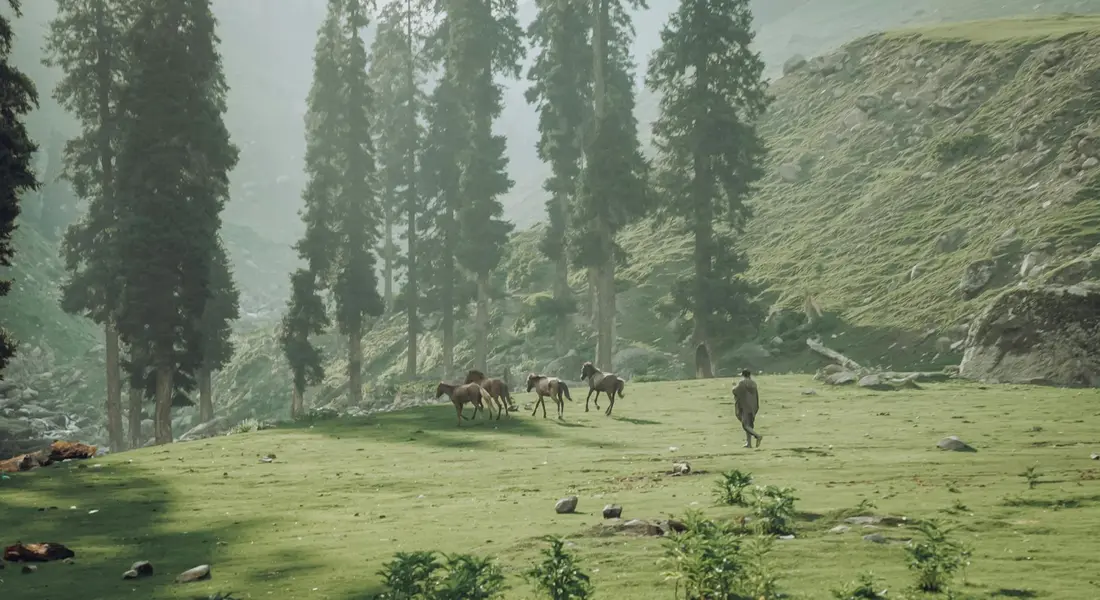
Sometimes, another horse isn’t an option. Budget, space, or management constraints lead us to consider other species. A quiet barn can feel lonely, and that’s when a goat’s bleat or a donkey’s bray becomes a welcome sound. I’ve overseen several successful interspecies friendships, from a Shetland pony who adored his goat sidekick to a nervous Thoroughbred who found calm with a steady mini donkey.
The right non-equine friend can absolutely provide the social fulfillment and stress relief a solitary horse needs. The key is matching the companion’s nature to your horse’s personality and your farm’s setup. Choosing the right companion animal is crucial for ensuring a harmonious relationship.
Choosing a non-equine stable mate
This isn’t a one-size-fits-all decision. You must consider your horse’s temperament and the companion animal’s inherent traits. A high-strung horse might not appreciate a playful goat bouncing around, while a bored horse might love the entertainment.
Common companions and their best matches:
- Goats: Cheeky, agile, and highly social. Perfect for a confident, playful horse who needs a distraction. Be warned: goats are escape artists and will test fences and stall doors with impressive ingenuity. I learned this after Pipin the Shetland taught his goat friend how to slide stall bolts.
- Donkeys & Mules: Grounded, thoughtful, and naturally protective. An excellent choice for a nervous horse, as donkeys provide a solid, calming presence. They can also help guard against small predators like dogs or coyotes.
- Sheep: Gentle and flock-oriented. They are low-conflict companions but may not interact as directly with the horse. Best for a mellow horse in a pasture setting.
- Miniature Horses: Technically equine, but often used as companions. They understand herd dynamics perfectly. Be mindful of diet differences to prevent obesity in the mini.
Always prioritize a companion animal that is already accustomed to horses; introducing two nervous unknowns is a recipe for a frantic barn.
Introducing a different species: key precautions
The first meeting sets the tone. Never just toss a new animal into your horse’s space. Their curiosity can quickly turn to kicks. I use a strict, gradual introduction process that has never failed me.
Follow these steps for a safe introduction:
- Quarantine the new arrival: Keep them in a separate, distant paddock or stall for at least 2-3 weeks. This protects your horse’s health and lets the animals see and smell each other safely.
- Neutral territory meeting: After quarantine, introduce them over a secure, sturdy fence line. A pipe fence or strongly woven wire is best. Watch their body language closely. Curiosity (stretched necks, soft sniffs) is good. Ears pinned, striking, or frantic charging is not.
- Shared space, with an escape route: When both seem relaxed by the fence, put them in a large, open space together-like a big paddock. Ensure there are no tight corners where one could be trapped. Always have a halter and lead rope on your horse initially for control.
- Feed separately, far apart: Food competition sparks instant drama. Provide multiple piles of hay at opposite ends of the space to prevent resource guarding during those first critical days.
- Monitor continuously: Don’t leave them alone together until you are absolutely confident in their bond. This can take days or weeks of supervised time.
Remember, the goal is a peaceful coexistence, not necessarily playmates. A companion standing quietly nearby, sharing the same sunbeam, is often exactly what your horse ordered. That quiet togetherness is the whole point.
Making It Work: Caring for a Single Horse
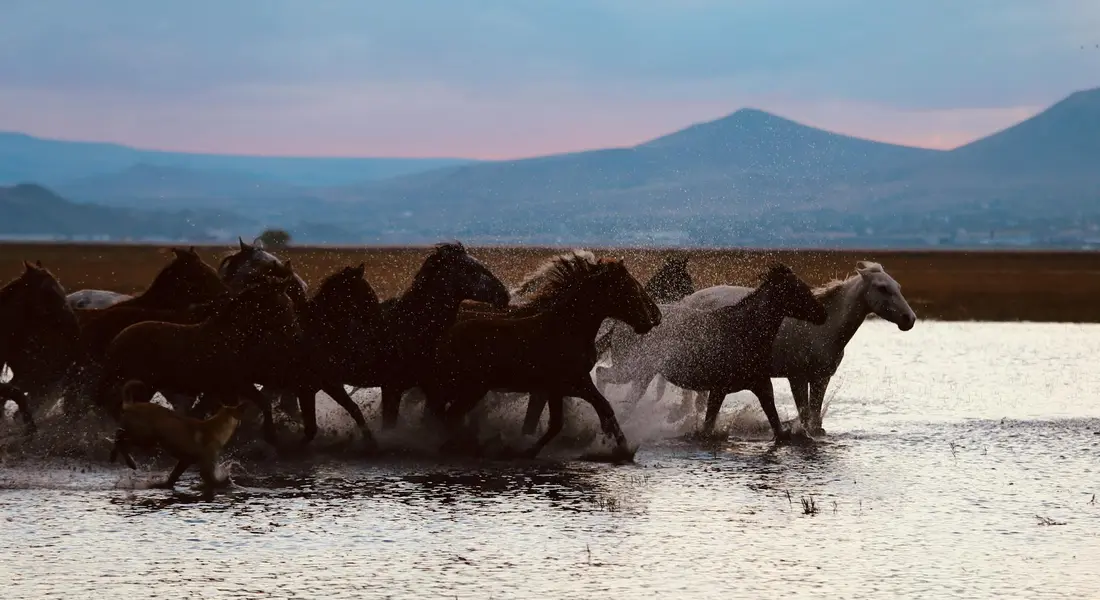
Life sometimes hands us a single horse, whether due to farm size, budget, or circumstance. I’ve managed several solos over the years, from a nervous Luna to a stoic Rusty. A lone horse needs your active partnership to replace the mental stimulation a herd provides. It’s not ideal, but with deliberate effort, you can build a fulfilling routine that keeps their mind and body healthy.
Daily enrichment strategies for the solitary horse
Enrichment is about fighting boredom, which is a real health risk. A bored horse can develop stable vices like weaving or cribbing. Your goal is to mimic the constant, low-level activity of herd life with creative, daily changes. I rotate Pipin’s toys weekly to keep his clever mind guessing. Keep expanding that approach with targeted brain-stimulating ideas. There are 15 enrichment ideas to keep your horse mentally stimulated.
Start with food. Scatter hay in multiple piles around the stall or paddock instead of using one net. This encourages natural foraging movement. Use a slow-feeder ball for a handful of pellets-it turns dinner into a puzzle. Simple changes in feeding strategy can add hours of constructive mental work to their day.
Introduce safe toys. A sturdy Jolly Ball they can push around satisfies that need to interact. Hang a lick from a rope; the sound and taste engage their senses. I’ve seen even Rusty, my trail-savvy Quarter Horse, become fascinated with a traffic cone filled with hay.
Vary their routine. Hand-walk them on a new path around the property. Spend five minutes practicing gentle groundwork instead of just riding. Short, positive training sessions build trust and give their brain a job to do. For a sensitive soul like Luna, this daily connection is as crucial as turnout.
- Food Puzzles: Slow-feeder nets, scatter feeding, treat balls.
- Physical Toys: Jolly Balls, hanging licks, rubber mats for rooting.
- Sensory Changes: Move their water bucket, introduce new smells like herbs.
- Training Variety: Five minutes of liberty work, targeting, or stretching.
Maximizing turnout and neighborly interaction
Turnout is non-negotiable. It’s not just about exercise; it’s about sunlight, fresh air, and the chance to be a horse. Prioritize long, uninterrupted turnout over a perfectly clean stall every time. Even if they’re alone in the field, the space to move freely is a cornerstone of welfare. Whether you choose group or individual turnout will depend on your horse’s personality and needs.
Get creative with fencing. Use safe, woven wire or closely spaced boards that allow your horse to see and touch noses with the horse next door. This “fence-line fellowship” is powerful. I set up Luna’s paddock so she could groom Rusty over the fence; her whole demeanor softened. Physical contact over a fence can fulfill a significant portion of their social grooming needs.
Coordinate turnout schedules. If you board, talk to the barn manager about rotating your horse in a paddock beside a compatible, calm neighbor. Timing is everything-letting them out when other horses are also heading to pasture simulates that herd movement. Listen for the cheerful nickers; it’s a good sign.
Consider a non-equine friend. A goat, sheep, or even a calm donkey can provide company. Always introduce any new pasture mate slowly and under supervision, as personalities must click. Pipin, for all his cheekiness, formed a steadfast bond with an old goat named Gus, and their squabbles were just for show.
- Advocate for maximum daily turnout, aiming for at least 12 hours if possible.
- Install or modify fencing to enable safe head-to-head contact with neighboring horses.
- Sync your horse’s turnout schedule with a calm, friendly neighbor in an adjacent paddock.
- Explore the option of a steady, small ruminant as a companion animal.
FAQ: Do Horses Need Companions? The Importance of Herd Dynamics
Can a horse ever be truly happy living alone without any other animal companions?
While extensive daily management and enrichment can mitigate the risks, a solitary life goes against a horse’s fundamental biological wiring for safety and well-being. A single horse requires a significant and creative investment of time to simulate the mental stimulation and security a herd provides naturally. True contentment is often elusive, and the caretaker must constantly compensate for the absence of a fundamental social outlet.
Is my own daily interaction and training enough to fulfill my horse’s social needs?
Your relationship is vital, but it cannot replace the complex, 24/7 social language shared between horses. Humans cannot participate in mutual grooming, establish a quiet grazing hierarchy, or provide the same kind of constant, passive reassurance that a herd mate does. Even with excellent care, a horse without equine or appropriate animal companionship is missing a core component of its mental environment.
Do alternative companion animals like goats provide the same benefits as another horse?
They provide excellent companionship and can alleviate stress and loneliness, but they do not fully replicate the intricate social dynamics of an equine partner. A goat or donkey cannot engage in the same nuanced herd behaviors, such as shared vigilance or complex social grooming rituals. They are a wonderful solution for fulfilling the basic need for a living presence, but the gold standard for equine mental health remains another compatible horse.
Herd Health and Happiness
Horses are wired for connection and their well-being hinges on fulfilling this social need. Prioritize providing your horse with a trustworthy companion and ample turnout time-it’s the cornerstone of preventing stress and fostering a calm, contented mind. For a young rescue, socializing with other horses helps build confidence and stability. Start with gradual, supervised exposure to a compatible herd to support long-term well-being.
Watch your horse’s herd dynamics with a curious eye; their interactions are a direct window into their emotional world. True horsemanship means listening to what your horse tells you through their behavior and responding with patience and respect for their nature.
Further Reading & Sources
- The Perfect Paddock Pal: Companion Animals for Horses – My New Horse
- How ESSENTIAL is companionship for a horse?
- Companionship and Socialising | The British Horse Society
- 4 Animals That Make Great Companions for Your Horse – Deer Creek Structures
At Horse and Hay, we are passionate about providing expert guidance on all aspects of horse care, from nutrition to wellness. Our team of equine specialists and veterinarians offer trusted advice on the best foods, supplements, and practices to keep your horse healthy and thriving. Whether you're a seasoned rider or new to equine care, we provide valuable insights into feeding, grooming, and overall well-being to ensure your horse lives its happiest, healthiest life.
Behavior