
Seasonal Health Concerns for Horses: Your Proactive Year-Round Guide
Hello fellow equestrians. That sinking feeling when the seasons change and you’re worried about your horse’s health is all too familiar. Whether it’s the fear of laminitis with the first green grass or the dread of a colic call on a frozen winter night, your concern for their comfort and safety is the mark of a good owner.
This guide is your roadmap to turning worry into action. I’ll share my barn-tested strategies for the four biggest seasonal shifts, covering spring pasture management to prevent founder, summer cooling and insect control tactics, autumn weight monitoring and blanket readiness, and winter hydration and colic prevention essentials.
I’ve navigated these exact concerns for over a decade as a barn manager and trainer, ensuring my own horses enjoy maximal turnout and gentle care, no matter what the weather brings.
Spring Health Concerns: Thaw, Grass, and Germs
Spring on the farm is a symphony of birdsong and melting snow. It’s also a season of rapid change that demands a sharp eye from every horse owner. The sudden shift from hay to emerald-green pasture, combined with thawing ground and a barn full of stirred-up dust, creates a perfect storm of seasonal challenges. Your management now sets the tone for your horse’s entire year.
Primary Health Concerns for Horses in Spring
The three big watch-outs every spring are founder, mud, and allergies. Each is linked to the season’s thaw and growth. I’ve spent many an April morning pacing the fence line, watching my good-doer Rusty like a hawk as the grass comes in.
The single most critical spring task is managing your horse’s access to lush pasture to prevent laminitis, a painful and damaging inflammation of the hoof structures. Start with just 15-30 minutes of grazing for susceptible horses, increasing gradually over weeks.
- Founder (Laminitis): Caused by a sugar overload from rapidly growing grass. Insulin-resistant horses, ponies like Pipin, and easy keepers are most at risk. Use a grazing muzzle, limit turnout during early morning and evening when sugar content is highest, and provide a dry lot for controlled access.
- Mud Fever (Pastern Dermatitis): That lovely thaw creates a soup of bacteria-harboring mud. It scabs the heels and pasterns, especially on white legs. Check legs daily, keep them clean and dry, and consider a barrier cream like zinc oxide for horses prone to this itchy, painful condition.
- Seasonal Allergies & Respiratory Flare-ups: Spring cleaning kicks up dust, mold, and ammonia in the barn, while pollen fills the air outside. For a sensitive soul like Luna, this can mean coughing, nasal discharge, or heaves. Wet hay, good ventilation, and turnout during low-pollen times (like after rain) make a world of difference.
Essential Spring Vaccinations for Your Horse
Spring is the traditional time for annual shots because it precedes peak insect season, which spreads many diseases. Your vet is your best resource for a tailored plan, but this core schedule is a standard starting point.
| Vaccine | Protects Against | Spring Timing Note |
|---|---|---|
| Eastern/Western Equine Encephalomyelitis (EEE/WEE) | Mosquito-borne viruses affecting the brain. | Administer before mosquito season peaks. |
| Tetanus Toxoid | Bacterial infection from soil entering wounds. | Often given as a combination with Encephalomyelitis. |
| Rabies | Fatal viral disease. | A core vaccine for all horses due to human safety risk. |
| West Nile Virus | Another serious mosquito-borne illness. | Time with other mosquito-borne disease vaccines. |
| Rhino/Flu (EHV-1/EIV) | Respiratory viruses; crucial for barns with traffic. | Often given every 6 months for competition horses. |
Always keep a written record of vaccination dates and products used in your barn binder; it’s invaluable for your vet and for travel.
Spring Dental Check-ups: Why Timing Matters
Think of that first bite of tough, fibrous spring grass as your horse’s dental exam. New grass requires more vigorous, lateral chewing to grind it down. If there’s a sharp hook or a painful point on a molar, you might see quidding (dropping half-chewed wads of grass) or subtle weight loss despite good feed. Booking a dental float in late winter or early spring ensures your horse can efficiently harvest every bit of nutrition from that expensive pasture. I notice my seniors chew more comfortably after their pre-spring float, wasting far less hay.
Summer Health Concerns: Beat the Heat and Bugs
Summer is for long rides and sun-bleached manes, but it’s also a battle against thermodynamics and insect armies. Your horse’s systems work overtime to stay cool. A shaded paddock and a fresh water tank are no longer just amenities-they are critical medical supplies.
Summer Diet Adjustments for Hydration and Energy
Swap thinking about calories for thinking about water. Hydration drives everything in the summer. Sweat loses not just water, but essential salts like sodium and potassium.
Forage choices shift in summer: rich alfalfa can generate more metabolic heat during digestion, so a good grass hay is often a cooler option for idle horses. Soaking hay for 10-15 minutes before feeding increases water intake and reduces dust. Alfalfa hay can offer extra protein and calcium for growing or hard-keeping horses when used according to feeding recommendations. Used appropriately, it’s a good option to include in a balanced ration, with grass hay helping to moderate energy and heat load.
- Provide a plain white salt block and a mineral block free-choice. Most horses won’t lick enough to meet needs.
- Add a daily electrolyte supplement to grain or a wet mash for horses in regular work. Use products designed for horses, not humans.
- Create a “summer mash” by adding water to your horse’s regular grain or pelleted feed. It encourages drinking and is a welcome, cool treat.
- Clean water tanks daily. Algae and warm water are unpalatable. I drop a few goldfish in our troughs-they eat mosquito larvae and keep things cleaner.
Recognizing and Preventing Equine Heat Stress
Heat stress can escalate to deadly heat stroke frighteningly fast. Know the signs and have a cooling plan before you need it. Luna, being a lean Thoroughbred, needs watching on humid days.
Early signs include profuse sweating that may later stop, lethargy, elevated heart and respiration rates that don’t recover, and skin that stays tented when pinched.
- Stop All Activity: Get the horse into shade immediately.
- Call the Vet: This is an emergency. Start cooling while you wait.
- Cool with Water: Soak the entire body with a hose. Use cool water, not ice-cold. Scrape it off and reapply continuously. The scraping is key-it removes the warmed water layer.
- Focus on Big Vessels: Pay special attention to soaking the neck, between the hind legs, and the chest where large blood vessels are close to the skin.
- Offer Small Sips: Of cool, not cold, water once the horse is somewhat settled.
Prevention is straightforward: ride in the cool of early morning or evening, provide constant shade, and always have fresh water available.
Effective Fly and Insect Control for Warmer Months
A good fly control plan has three layers: on the horse, in the environment, and on the schedule. One spray bottle won’t cut it. To truly manage flies and pests for your horse, you’ll need an integrated approach beyond a single application. Keep the three layers in mind as you build a consistent prevention routine.
- Physical Barriers: Fly masks protect eyes from gnats and flies. Fly sheets and leg wraps shield the body. Ensure they are breathable and fit well to prevent rubs.
- Environmental Management: This is 80% of the battle. Remove manure from paddocks and stalls every single day. Keep trash bins covered. Use stall fans to create airflow flies hate.
- Topical Repellents: Rotate products (e.g., permethrin, pyrethrin) to prevent pest resistance. Apply according to label directions. For sensitive faces, use a soft wipe-on product or a mask.
- Strategic Feeding: Consider a feed-through fly control supplement. It passes through the horse and prevents fly larvae from developing in the manure.
A simple fly trap made from a plastic bag with water and a shiny lure, hung away from the barn, can catch hundreds of biting pests without chemicals. It’s a staple in our aisleway all season long.
Fall Health Concerns: Preparation and Transition
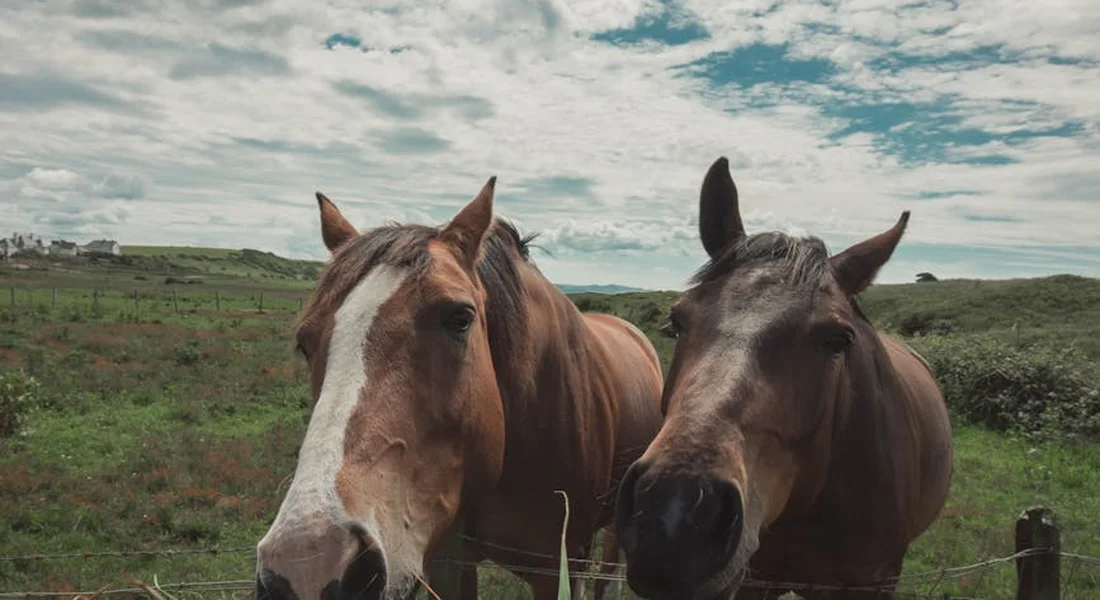
The air turns crisp, leaves crunch underfoot, and the barn smells of woodsmoke and damp earth. Fall is a beautiful time, but it asks for a shift in our care routines. Shorter days and wetter ground bring specific challenges. I remember one October, Rusty started favoring a front foot after days of tromping through soggy paddocks; it was a stark reminder that autumn comfort requires proactive steps.
Wet leaves and persistent mud create a perfect storm for hoof troubles like thrush. This bacterial infection thrives in anaerobic, mucky environments and can sneak up quickly. At the same time, pastures dry up and lose nutritional value, meaning we must thoughtfully transition our horses from fresh grass to stored hay. This seasonal shift isn’t just about comfort-it’s a critical window to prevent issues that can linger all winter.
A key part of autumn preparation is executing a strategic fall deworming, based on a fecal egg count test. This targets internal parasites like strongyles before they become a bigger burden in the cooler months. Pair this with your hoof and diet work for a solid seasonal foundation.
Common Hoof Care Issues in Wet Autumn Conditions
Thrush and white line disease are the two main adversaries in the fall muck. Thrush announces itself with a distinctive black, tar-like discharge and a foul, rotten smell from the sulci of the frog. White line disease is sneakier; it’s a separation within the hoof wall, often starting at the sole, that can be packed with a powdery, crumbly substance. Catching these early during your daily pick is the difference between a simple cleanup and a vet call.
Your daily hoof-picking routine needs to become a meticulous inspection. Here’s my method:
- Secure your horse safely on level ground. I always talk to Luna as I work to keep her calm.
- Use a sturdy hoof pick to clean from heel to toe, digging deeply into the collateral grooves and the central sulcus.
- Look, smell, and feel. Check for any unusual softness, odor, or debris packed into the white line area.
- If clean, you’re done. If thrush is present, apply a recommended antiseptic like dilute iodine or a commercial thrush treatment.
- Finish by ensuring the hoof is thoroughly dry before turnout.
Bedding choice helps massively. Opt for moisture-wicking options like pine shavings or peat moss over straw in muddy seasons. A deep, dry bed gives the hoof a chance to dry out and recover overnight, especially for horses like Pipin who seem to find every puddle.
Safely Transitioning Your Horse’s Diet for Winter
Switching from pasture to hay is a digestive event, not just a menu change. Doing it too fast can lead to colic or laminitis. The goal is to mimic the gradual change nature would provide. I start this process over 10 days, watching each horse like a hawk, especially when transitioning between feeds.
Follow this step-by-step guide to keep your horse’s gut happy:
- Days 1-3: Replace 25% of your horse’s pasture time or grass intake with good-quality grass hay.
- Days 4-6: Increase to 50% hay, 50% pasture/grass.
- Days 7-9: Shift to 75% hay, allowing only limited pasture access.
- Day 10: Provide 100% hay, with pasture access removed or very minimal.
During this transition, adding a prebiotic supplement can be a game-changer. Prebiotics feed the good bacteria in the cecum, helping them adjust to the new fibrous diet. Think of prebiotics as fertilizer for your horse’s internal garden, helping it thrive on the new hay.
Your best daily metric is manure. Monitor its consistency closely; it should remain formed, moist, and break apart upon hitting the ground. Dry, hard balls or cow-pie consistency are red flags that the transition is moving too fast or the hay quality is off. Adjust your schedule accordingly and always ensure fresh water is available to aid the new fiber moving through their system.
Winter Health Concerns: Cold, Colic, and Comfort
Winter transforms the barnyard into a quiet, frosty world where our management makes all the difference between a healthy horse and a veterinary emergency. The cold air itself is seldom the problem for a healthy equine; their adapted metabolism is a marvel. The real winter villains are dehydration and impaction colic, which creep in when water sources freeze and routines get disrupted. Your focus shifts from riding miles to providing meticulous care that supports their basic needs, especially understanding how horses manage cold weather and winter conditions.
Preventing Winter Colic: Water and Warmth
Winter colic often starts not in the gut, but at the water trough. A horse is less likely to drink icy water, and decreased consumption is the fast track to an impaction. Their need for roughage also increases as they burn more calories to stay warm, which requires even more water to move that fiber through. I learned this lesson years ago watching a steady gelding show subtle signs of discomfort after a deep freeze; he was drinking, but not nearly enough. Now, my morning check always ends with a hand dipped in each bucket.
Your strategy is two-fold: encourage drinking and support digestion. Always offer the warmest water possible, even if it’s just by adding a hot bucket to a cold one twice a day. I often add a splash of warm water to evening grain mashes, which Luna slurps up eagerly. Ensure unlimited access to quality hay-this fermentation in their gut generates vital internal heat. Consistent, ample roughage is your horse’s primary furnace, so never let the hay run out on a bitter night.
Managing Your Horse’s Water Intake in Freezing Weather
This isn’t about fancy equipment, but relentless vigilance. You must outsmart the freeze. Here is your daily battle plan:
- Invest in a reliable, safe heated water bucket or trough for any horse on stall rest or in a small paddock. Check the cords daily for chew marks.
- For fields, use a trough heater or a rubber tub you can break ice from and refill with fresh, slightly warm water. Dump and refresh completely at least twice daily.
- Offer a warm bran or soaked beet pulp mash (with no added salt!) in the evening. This sneaks in extra hydration.
- Skip the salt block; instead, add a tablespoon of plain loose salt to their daily grain. This directly stimulates thirst.
- Make it a ritual: check water temperature with your hand morning and night. If it’s painfully cold to you, it’s unappealing to them.
Your goal is to see steam rising from their back and hear the satisfying gulp of a horse drinking deeply, not just sipping.
Preparing Your Horse’s Coat and Shelter for Winter
To blanket or not to blanket? Start with what your horse grows naturally. A healthy, unclipped horse with a fluffy winter coat, like trusty Rusty, often needs only a waterproof turnout sheet in driving rain or sleet. Over-blanketing a fuzzy horse can cause sweating and chilling, defeating the entire purpose. For a clipped or thin-coated horse like Luna, a structured blanketing system is non-negotiable. Proper care and timing are crucial.
Shelter is about breaking the wind, not creating an airtight cave. A three-sided run-in shed facing away from prevailing winds is ideal. For stalled horses, focus on dryness and air quality. Providing shade and a well-built shelter reduces heat stress and protects your horse year-round. This is the kind of safe shelter you can learn to build.
- Windbreak: Ensure all shelter openings are shielded from the direct blast.
- Dry Bedding: Deep, absorbent bedding is a must. A wet, matted stall steals body heat.
- Ventilation: Fresh air above prevents a buildup of respiratory-irritating ammonia fumes from urine. Crack that top door.
A winter-ready stall is a dry, deeply bedded, draft-free space where you can hear your horse munching hay in comfort. If you walk in and smell strong ammonia or feel damp chill rising from the floor, your bedding protocol has failed the season’s first test.
Year-Round Parasite Control: A Strategic Program
I used to mark my calendar every eight weeks for deworming, a ritual as regular as farrier visits. That changed the year my reliable gelding, Rusty, dropped weight mid-summer despite a perfect feed schedule. A fecal egg count revealed a stubborn cyathostomin burden that my rotating chemical blitz was missing. Modern parasite control isn’t a calendar event; it’s a strategic management program focused on the herd’s health, not just the bottle in your hand. The goal is to manage parasite levels, not pursue an impossible-and unhealthy-goal of total eradication.
Key Elements of an Effective Parasite Control Program
Forget what you heard about rotating dewormers every season. That outdated practice is a fast track to creating superbugs in your pasture. An effective program rests on three pillars.
- Regular Fecal Egg Counts (FECs): This is your data. Think of it as a parasite census. By testing manure, you identify which horses are high shedders (the 20% of the herd that shed 80% of the eggs) and track the effectiveness of your dewormers. I test my herd-Rusty, Luna, and Pipin-every spring and fall, without fail.
- Strategic, Targeted Deworming: You treat based on the FEC results, not the date. Only high shedders get a full dose with the appropriate drug class. Low shedders might get a different drug or none at all that season. This selective approach preserves dewormer efficacy.
- Relentless Pasture and Manure Management: This is your first and most crucial line of defense. Chemicals are a backup. Parasites live in the manure on the ground, not in the horse in the sky; breaking that life cycle is your most powerful tool.
A Practical Yearly Schedule
Here’s how this looks in practice at my barn. Adjust timing for your specific climate, but the principles hold.
| Season | Action | Reason & Barn Note |
|---|---|---|
| Early Spring | Perform FEC on all horses. Deworm high shedders with an appropriate larvicidal product (like Fenbendazole for 5 days). | Target encysted small strongyles emerging from the gut wall. This is a treatment, not a routine. I do this after consulting my vet on FEC results. |
| Late Spring / Early Summer | Implement daily pasture picking. Harrow pastures only in hot, dry weather. | Breaking the parasite cycle is critical. Harrowing in dry heat kills larvae; harrowing in damp weather just spreads them. I skip harrowing if it’s been rainy. |
| Mid-Summer | Perform a second round of FECs if needed, especially for young or new horses. | Monitor the success of your spring strategy. Luna, my sensitive Thoroughbred, always gets a summer check. |
| Fall | Perform FEC on all horses. Administer a broad-spectrum dewormer (like Ivermectin) to all, targeting bots and preparing for winter. | This is often the only blanket treatment I give. It clears bots from the stomach and reduces egg shedding before winter pasture rest. |
| Winter | Continue manure removal from paddocks. Rotate pastures if possible. | Cold temperatures suppress but don’t eliminate parasites. Keeping paddocks clean prevents a massive spring surge. Pipin’s paddock gets cleaned twice as often-his manure piles are like tiny fortresses. |
This program requires more thought than just buying a tube every few months, but it works. You are treating your pasture and your herd’s unique needs, not following a generic pharmaceutical schedule. The quiet munching of a healthy horse on clean pasture is the sound of a parasite program working.
Managing Seasonal Allergies and Respiratory Health
Horse coughs in the spring breeze or winter barn silence often trace back to seasonal allergens. I remember one crisp fall morning when Luna’s usually steady breath turned into a rattling cough-dust from freshly stacked hay was the culprit. Spotting the early signs, like a dry cough or flared nostrils, lets you act fast before minor irritation becomes a full-blown heaves episode. Your horse’s respiratory health hinges on clean air, year-round.
Spring unleashes tree and grass pollen, summer heat breeds mold spores in damp corners, and winter locks in dust from stored hay. Each season brings a unique challenge, but the core solution remains consistent: maximize fresh air and minimize inhaled irritants. I advocate for ample turnout time so horses can escape barn dust, and I always check Pipin’s paddock for moldy wet spots after rain.
Simple management shifts make a huge difference. Soaking hay until it drips cuts dust instantly. Improving barn ventilation might mean installing a fan or simply leaving a stall door open to create a cross-breeze, a hack that saved Rusty from many a dusty evening. For persistent cases, your vet can discuss treatments like bronchodilators to ease breathing.
What Seasonal Allergies Affect Horses and How to Treat Them
This table breaks down the common offenders by season. Use it to quickly match symptoms to potential causes in your own barn.
| Season | Common Allergens | Typical Symptoms |
|---|---|---|
| Spring | Tree pollen (oak, birch), grass pollen, blooming weeds | Watery eyes, mild coughing, head shaking, itchy skin |
| Summer | Mold spores from humid hay or bedding, insect saliva | Hives, skin welts, respiratory noise, increased coughing |
| Fall | Ragweed pollen, decaying leaf mold, harvest dust | Nasal discharge, labored breathing, lethargy on turnout |
| Winter | Dust from dry hay, indoor mold, ammonia from urine | Chronic dry cough, nasal inflammation, heaves (recurring airway obstruction) |
Once you suspect an allergen, these steps can help manage and treat your horse’s discomfort. Always start with environmental control before moving to medical options, as removing the source is the kindest cure.
- Soak hay for at least 10 minutes or use steamed hay to eliminate dust and mold spores.
- Maintain barn airflow with roof vents, open doors, or safe, shielded fans pointed away from stalls.
- Turn out during low-pollen times, like early morning or after rain, and avoid mowing pastures when a sensitive horse is nearby.
- Use low-dust bedding such as peat moss or shredded paper, and dampen aisleways before sweeping.
- Wash feed buckets and water troughs weekly to prevent mold buildup in crevices.
- Consult your veterinarian for a precise diagnosis; they may prescribe antihistamines, corticosteroids, or nebulizer treatments for severe cases.
- Consider adding a veterinarian-approved omega-3 supplement to support the body’s natural inflammatory response.
I keep a spray bottle handy to mist dusty hay flakes for Rusty, who’s prone to winter coughs. Monitoring your horse’s breathing rate at rest-normally 8 to 16 breaths per minute-gives you a baseline to spot trouble early. Gentle horsemanship means listening to those subtle signs and clearing the air they breathe.
Adjusting Nutrition and Exercise Through the Seasons
That first crisp morning of fall always reminds me to check the feed room. Your horse’s diet and workout plan must dance together as the thermometer swings. Calorie needs pivot on temperature: a horse burns extra energy just staying warm in winter, often requiring more hay, while summer heat can suppress appetite and increase hydration demands.
I learned with Luna that her sleek Thoroughbred frame lost weight fast in the cold, but pushing grain in summer made her hot and irritable. Time your rides with the sun-early mornings are golden in summer, and a patient, longer warm-up is key when frost is on the fence.
This isn’t just about schedules; it’s about reading your horse’s energy. Rusty’s steady demeanor in winter meant we could keep trail riding, but his water intake needed watching. Always pair exercise changes with nutritional tweaks, thinking of forage as the steady base and grain as the adjustable dial.
How to Adjust Exercise Routines in Extreme Heat or Cold
Summer turns the arena into a furnace. I recall one July day with Luna where the air was so thick, we cut our session short and just walked in the shade. Heat safety starts with respecting humidity, as it shuts down a horse’s ability to cool itself through sweat.
Follow these summer rules to keep workouts safe:
- Ride before 10 AM or after 6 PM to avoid the sun’s peak intensity.
- Monitor the heat index; above 150 (temperature plus humidity) is a danger zone.
- Shorten intense work like jumping or fast circles.
- Provide frequent sips of cool water during and after exercise.
- End with a thorough cool-down, walking until breathing is normal and the skin under the saddle is cool.
Winter exercise asks for a different kind of vigilance. Pipin taught me that ponies can be too clever on icy ground. A cold muscle is a prone muscle, so a slow, deliberate warm-up is your best defense against strains.
Keep these winter practices in mind:
- Begin with at least 15 minutes of walking on a loose rein to circulate blood.
- Inspect your riding area for hidden ice patches or uneven frozen ground.
- Use a quarter sheet during the warm-up phase if your horse is clipped.
- Maintain a consistent schedule to keep fitness, but opt for longer, slower work over speed.
- Always dry off wet legs and coats post-ride to prevent rain rot or chilling.
Seasonal Weight Management and Condition Scoring
I make it a habit to run my hands down every horse’s ribcage with each new season. Body condition scoring is that simple, tactile check that tells no lies. Using the standard 1-to-9 scale, where a 5 is ideal, gives you an objective number to track through the year. It’s also a quick way to assess your horse’s condition and plan care. A concise guide to body condition scoring may appear in the next steps.
Feel for fat over the ribs, behind the shoulder, and around the tailhead. Rusty, for instance, tends to hold a solid 5 in summer but dips to a 4 in late winter without extra calories. Seasonal shifts in coat and pasture quality can hide weight loss, so your hands are your best tool.
Adding calories for winter or cutting back for spring must be done with a gentle hand. Never change your horse’s feed amount by more than 10% in a single week to avoid colic or metabolic upset.
Here is how to manage weight safely each season:
- For winter weight support: increase high-quality hay first. Then, consider adding a fat supplement like vegetable oil.
- For spring slimming: reduce concentrated grain before limiting forage, and maximize turnout time to encourage movement.
- Score every 4-6 weeks: note changes and adjust feed before a number shifts drastically.
- Remember that older horses like Pipin may need more calories in cold weather just to maintain, not gain.
Smart Blanketing and Turnout Management Through the Seasons

Fall and spring test a barn manager’s patience. One day it’s 70 and sunny, the next it’s 35 with a driving rain. The temptation is to constantly swap blankets, but that creates more stress than it prevents. The biggest myth? That blanketing is always helpful. A healthy coat is a marvel of natural insulation, and constantly covering it can interrupt its development and function.
My rule in the shed row is to blanket the horse, not the weather; a shivering horse needs a blanket, but a dry, fluffy one is probably just fine. The most common mistake I see is over-blanketing a horse with a good winter coat, which can cause sweating and then dangerous chills. This is just one of many horse blanket myths that can be harmful to your horse.
Best Practices for Blanketing in Variable Fall and Spring Weather
Forget complicated systems. Follow these stable-tested rules to keep your horse comfortable and avoid rug-related disasters.
- Always start with a dry horse. Putting a blanket on a damp back traps moisture and chills the skin.
- Make physical contact a daily ritual. Run your hands under every strap and seam to check for rubs, lumps, or dampness you can’t see.
- Match weight to actual need. A lightweight sheet repents wind and light rain. A medium weight adds warmth. Reserve heavy weights for wet, frigid conditions or clipped horses.
- Remember that a grazing, moving horse generates its own heat. A stalled horse standing still often needs more help.
Here’s a simple decision framework I use for my herd, from sensitive Luna to hardy Rusty:
Consider temperature, coat condition, and wind/rain together. A calm 30°F day is different from a windy, wet 40°F day for blanketing purposes.
- 50°F+: No blanket needed for most horses with a coat. Let them enjoy the sun.
- 30-50°F: Watch the individual. A senior or thin horse might want a light sheet. A fuzzy, fit horse like Pipin is likely perfect.
- Below 30°F / Wet & Windy: Time for a medium or heavy blanket, especially for clipped, older, or thinner animals.
Year-Round Turnout Philosophy for Equine Welfare
I have managed horses in fancy stall-only facilities and on sprawling pastures. The difference in their bodies and minds is not subtle. A horse is designed to walk, graze, and interact for 16-18 hours a day. Confinement is the root of so many physical and mental issues we later try to solve with supplements and training.
Daily free movement is non-negotiable for joint health, digestion, and mental peace; it’s the best preventative medicine in your toolkit. I’ve seen Luna, my Thoroughbred, get tight and anxious after 24 hours in a stall, while after a night out she’s loose and focused. Rusty’s reliable demeanor is, I believe, forged on the trail and solidified by his constant herd life.
Turnout prevents the chain reaction of boredom. Boredom leads to weaving, cribbing, or stall walking. Those behaviors create stiffness and uneven hoof wear. We then ride a stiff, tense horse. Providing space and companionship addresses the cause, not the symptom, saving you time and your horse stress. Even if it’s just a muddy paddock for a few hours, the chance to roll, sniff the air, and see a friend makes a better partner. The thud of hooves as they play is a sound of health.
Frequently Asked Questions: Seasonal Health Concerns for Horses
Are there any specific dental care considerations that vary by season?
Seasonal dietary changes, such as switching from hay to lush spring grass or coarse winter forage, can expose dental issues like sharp points or hooks. Scheduling a dental float in late winter or early spring helps horses chew efficiently as pasture quality shifts, while fall check-ups prepare them for fibrous hay. Regular exams prevent problems like quidding or weight loss, ensuring optimal nutrition absorption year-round.
How should exercise routines be adjusted for horses in extreme heat or cold?
In extreme heat, limit workouts to early mornings or evenings, reduce intense activity, and prioritize hydration and post-exercise cooling. For cold weather, extend warm-ups to loosen muscles, avoid icy or uneven footing, and consider using quarter sheets for clipped horses. Always monitor recovery times and adjust based on your horse’s fitness and environmental conditions to prevent stress or injury. Caring for your horse in extreme weather conditions is a continuous priority. For more detailed guidance, refer to our care resources on extreme weather.
What are the best practices for blanketing a horse in variable fall and spring weather?
Assess the horse’s natural coat, weather factors like wind and rain, and activity level before blanketing-healthy, fuzzy horses often need less protection. Use lightweight sheets for damp or breezy days and reserve heavier weights for persistent cold or clipped horses. Daily checks for dryness, proper fit, and rubs ensure comfort and prevent overheating or chilling.
Steady Through the Seasons
Adapt your routine for each season-prioritize hydration in summer, hoof care in mud, and blanketing based on need, not just calendar dates. Your consistent, proactive adjustments are what shield your horse from the stresses of changing weather and prevent most common seasonal ailments.
True care is a daily practice of patience and observation, not a frantic response. Your horse’s behavior and body are the most honest gauge of your management; learn their language, and you’ll ride through every season with confidence.
Further Reading & Sources
- Horse Health by the Season
- Horse Health by the Season – USRider Equestrian Motor Plan
- Seasonal Horse Hoof Health Challenges – The Horse
- Your Seasonal Horse Care Checklist Hub | Grand Meadows
At Horse and Hay, we are passionate about providing expert guidance on all aspects of horse care, from nutrition to wellness. Our team of equine specialists and veterinarians offer trusted advice on the best foods, supplements, and practices to keep your horse healthy and thriving. Whether you're a seasoned rider or new to equine care, we provide valuable insights into feeding, grooming, and overall well-being to ensure your horse lives its happiest, healthiest life.
Health