
Effective and Gentle Fly & Pest Control for Your Horse Farm
Hello fellow equestrians. That relentless buzz around your horse’s ears and the frantic tail-swishing are more than just summer nuisances. Left unchecked, flies and pests can cause serious skin conditions, spread disease, and create dangerous behavioral issues during handling or riding.
I’ve spent too many afternoons treating preventable sores and calming a horse spooked by a cloud of gnats, watching both comfort and training progress vanish. Managing pests isn’t just about convenience; it’s a core part of safeguarding your horse’s health and your safety.
Here, I’ll share the barn-smart, horse-first system I’ve developed over years of management. We’ll focus on practical solutions you can start today:
- Barn and pasture hygiene to eliminate breeding grounds at the source.
- Selecting and properly fitting protective gear like fly masks and sheets.
- Mixing your own effective, skin-friendly repellents with simple ingredients.
- Integrating natural predators and physical barriers for long-term control.
My advice comes from daily life in the stable, managing the health of everything from sensitive thoroughbreds to hardy quarter horses, always with their welfare as the priority, including finding ways to save money on horse care without compromising their health.
Why Fly Management is Non-Negotiable for Equine Health
Let’s be blunt: flies are more than a buzzing nuisance. Every pest that lands on your horse is a potential vector for pain, infection, or serious disease, making effective management a non-negotiable part of daily care. The constant irritation stresses them, especially when dealing with horse fly bites, and the health consequences are real.
- Horn Flies: These small, blood-sucking pests cluster on the belly and back. Their bites cause painful skin welts and can lead to anemia from blood loss in severe infestations.
- Face Flies: They feed on eye and nasal secretions, not blood. This makes them notorious for spreading pink eye and other bacterial infections from horse to horse.
- Mosquitoes: The dreaded whine means trouble. Beyond itchy bumps, mosquitoes transmit life-threatening viruses like West Nile and Eastern Equine Encephalitis.
- Botflies: Their yellow eggs glued to your horse’s legs are the scary start. Horses lick them off, the larvae hatch internally, and can cause stomach ulcers and colic.
I have a vivid memory of my quarter horse, Rusty, teaching me this lesson. A tiny cut on his coronet band, which I’d barely noticed, became a hot, puffy problem after a swarm of face flies found it. The smell of pus mixed with the scent of hay when I finally treated it. What was a minor scratch turned into a week of twice-daily flushes and poultices. That experience, listening to his irritated stomps in the cross-ties, cemented my routine.
Start at the Source: Stable and Pasture Management
You can’t just spray your way out of a fly problem. True control begins by making your barn and pastures as inhospitable as possible, attacking the pest life cycle where it starts. This approach is kinder to your horse and more effective long-term. For horse flies, identify the species and life stage to target your control efforts more precisely.
Your manure management routine is the absolute foundation. Flies can breed in fresh droppings in less than a week, so timely removal breaks their reproductive chain. Dispose of waste in a designated compost pile well away from living areas. Proper, hot composting generates enough heat to kill larvae and eggs, turning a problem into useful fertilizer.
Scrupulous cleanliness extends everywhere. Immediately sweep up spilled grain and remove wet, soiled hay from stalls-these are gourmet buffets for pests. Maintain deep, dry bedding to soak up moisture and discourage breeding. Keep water troughs scrubbed and filled with fresh water to eliminate mosquito nurseries.
Never underestimate the power of turnout. Horses spread out in a pasture have space to avoid dense fly clouds, reducing bite concentration and stress. Confined stalls amplify pest issues, so prioritize that daily freedom. My sensitive thoroughbred, Luna, is always visibly calmer grazing in the breeze than swatting in her stall. An honest comparison of stall boarding vs pasture boarding centers on your horses’ well-being—movement, social contact, and comfort. When you weigh options, prioritize what keeps them calmer and healthier.
Manure Management: Your First Line of Defense
Consistency transforms this chore from overwhelming to effortless. Stick to this simple, actionable schedule to stay ahead of the hatch.
- Daily Stall Pick: Remove manure at least twice a day-once in the morning and once in the evening. The thud of forkfuls into the cart is the sound of prevention.
- Paddock Patrol: Pick manure from small turnout areas every single day. In peak summer heat, a quick midday check can make a huge difference.
- Pasture Maintenance: Harrow or drag larger pastures weekly. This breaks up manure piles, drying them out and exposing larvae to sun and birds.
Not all compost is created equal. Hot composting, where the pile’s core temperature reaches 130-150°F, is your gold standard for annihilating fly larvae. Turn the pile every few days to maintain heat and aeration. Cold, passive piles decompose slowly and may still harbor pests, so aim for active management.
Barn Hygiene Hacks
Small, smart habits stack up to create a fortress. These practical steps require minimal effort but yield maximum frustration for flies.
- Install sturdy fans in aisles and stall doorways. Flies hate consistent airflow, and your horses will appreciate the breeze.
- Remove soiled hay and wet bedding immediately. Don’t let it sit-dampness is an invitation.
- Store all grain and pellets in sealed, airtight containers. This keeps feed fresh and denies access to rodents and insects.
- Keep trash bins tightly lidded and emptied regularly. Decaying organic matter is a fly magnet.
- Consider introducing fly predators. These beneficial, tiny wasps are shipped monthly and naturally target fly larvae in your manure pile.
Physical Barriers: Fly Masks, Sheets, and Boots
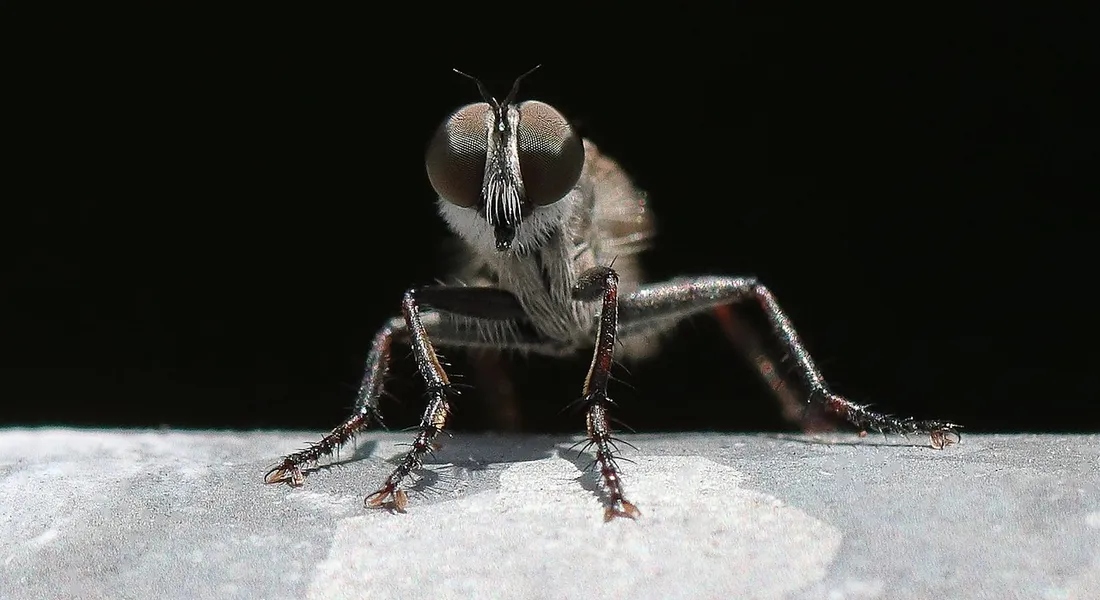
A good physical barrier is like a knight’s armor for your horse, stopping pests before they can land and bite. Proper fit is non-negotiable-gear that slips, gaps, or rubs can cause more trouble than the flies themselves. A fly mask should let your horse blink freely without the mesh poking their eyes, while a sheet must lay smoothly over the withers and shoulders without pulling. For legs, boots should stay put without trapping dirt or moisture against the skin.
I’ve seen every kind of reaction in my barn, from Pipin the pony treating his new fly mask as a chew toy to Rusty standing like a statue for his sheet. The goal is comfort without restriction, allowing your horse to move, graze, and roll naturally while staying protected. This is especially important for dispelling common horse blanket misconceptions.
| Type | Best For | Key Features |
|---|---|---|
| Fly Mask with Ears | Horses bothered by gnats and flies in ears; offers sun protection. | Fine mesh over eyes and ears; often includes UV protection. |
| Fly Mask without Ears | Horses who dislike ear covers or in low-gnat areas. | Simpler design; easier to put on for some horses. |
| UV Protection Mask | Light-colored or sensitive-eyed horses in bright sun. | Dense weave blocks more sunlight; crucial for preventing sunburn. |
| Lightweight Mesh Sheet | Hot weather, low-to-moderate pest pressure. | Breathable, covers body; prevents bites without causing overheating. |
| Water-Resistant Sheet | Horses on overnight turnout or in damp climates. | Sheds light rain; check for breathability to avoid sweat buildup. |
| Leg Protection Boots | Horses with sensitive pasterns or prone to stomping. | Shields lower legs from flies and dirt; must be cleaned regularly. |
Introducing a fly sheet to a sensitive soul like Luna, my Thoroughbred, requires a gentle, patient approach. Her initial reaction to the rustling fabric was a wide-eyed snort. Always make new gear a positive experience by associating it with calm moments and rewards.
- Let her sniff the sheet while it’s folded in your hands, maybe with a treat on top.
- Drape it loosely over her back and withers without fastening anything. Let her feel the weight.
- Fasten the front chest buckle first, keeping it loose. Talk to her in a low, steady voice.
- Secure the belly surcingles, ensuring you can fit a flat hand sideways underneath for breathing room.
- Walk her around the aisle for a few minutes. Watch for tension or attempted rubbing.
- If she stays calm, turn her out for a short session, building time gradually over days.
After any use, run your hands under all edges of masks and sheets. Daily checks for rubs, especially at the shoulders and withers, prevent minor irritation from turning into a sore. I find that a quick palpation during evening grooming catches hot spots early.
Chemical Defenses: Sprays, Wipes, and Repellents
When barriers aren’t enough, a targeted chemical defense can keep the swarm at bay. Knowing your active ingredients helps you choose the right tool for the job and use it safely. Permethrin is a synthetic version of pyrethrin, offering longer-lasting protection but requiring careful handling-it’s toxic to cats when wet. Natural pyrethrin, from chrysanthemum flowers, breaks down faster in sunlight but is often gentler.
These products come in several forms, each with its own trade-off between coverage and horse tolerance.
- Sprays: Cover large areas quickly. The mist can startle a nervous horse, and wind can waste product. Best applied in a calm, enclosed space.
- Roll-ons: Great for precise application on faces, ears, and leg wounds. They offer control but take more time for full-body coverage.
- Wipes: Convenient for quick touch-ups on the trail or for the head. They generate less airborne spray but can be less economical for daily herd use.
Safety is paramount with any repellent. Always perform a patch test on a small area of your horse’s neck and wait 24 hours to check for skin reaction. Here’s how to apply any product without stress, especially when you clean sensitive areas like the face and ears.
- Work in a well-ventilated area, like a cross-tie aisle with doors open.
- Spray or apply onto a soft cloth first for the face, wiping carefully around the eyes and muzzle.
- For body sprays, point the nozzle downstream of the hair coat, moving from neck to rump.
- Avoid direct contact with eyes, nostrils, and any open cuts or sores.
- Store all chemicals in a cool, locked cabinet, away from feed and bedding.
Choosing and Using Fly Sprays Effectively
Not all sprays are created equal. Your choice should match your horse’s lifestyle and the local bug battalion. Use this checklist before you buy to ensure you get effective, lasting protection. Whether you opt for a commercial product or decide to make your own DIY horse fly spray, it’s crucial to select the right ingredients.
- For active horses: Look for “sweat-resistant” or “long-lasting” labels to prevent wash-off.
- For high pest pressure: Choose a formula with dual active ingredients (e.g., permethrin and a synergist).
- For sensitive skin: Seek out botanical-based sprays with essential oils like citronella or lemongrass.
- For application ease: Consider a ready-to-use spray bottle over concentrates if you’re short on time.
Application has its own rhythm and sensory details. The sharp hiss of the pump bottle, the fresh smell of lemongrass or the sharper tang of permethrin filling the air-these become the sounds and scents of summer barn life. I apply spray in the cross-ties after grooming, feeling the fine mist settle on the coat. Watch for the subtle shake of your horse’s skin as the spray touches it; that’s normal. If you see a head toss or a step back, pause, offer a reassuring pat, and continue slowly. The goal is a light, even coat, not a soaking.
Environmental Controls: Traps, Fans, and Feed-Throughs
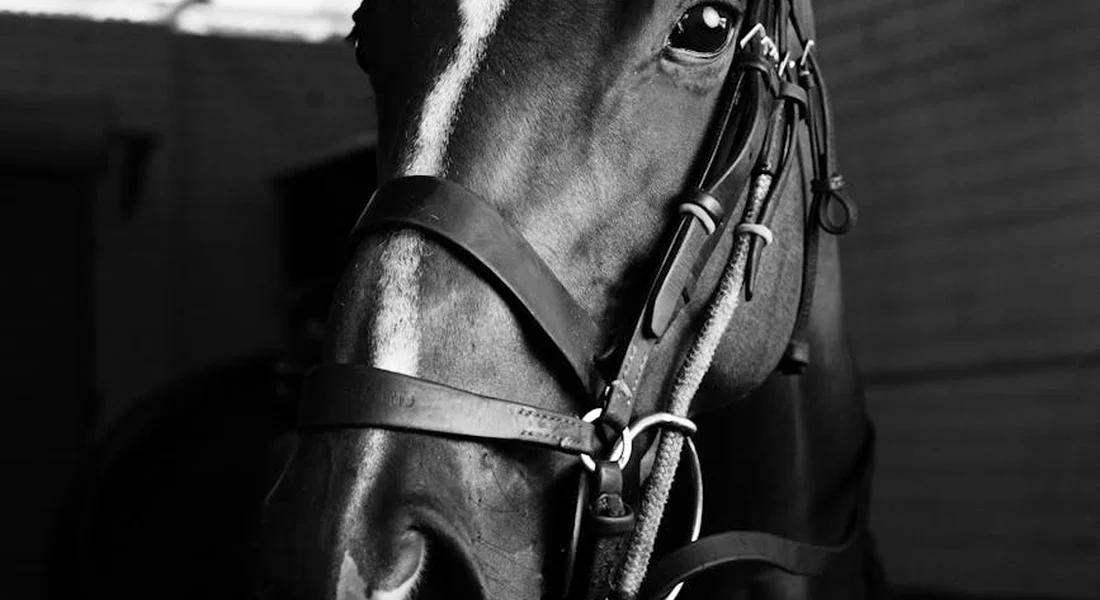
Fly traps are your first line of defense in the barn, and choosing the right style matters. Sticky tapes work wonders in enclosed spaces like tack rooms or feed aisles, where their silent capture prevents that incessant buzzing. Hang these tapes at human height in high-traffic fly zones, but never directly over stalls or buckets where a curious horse like Pipin might get tangled. For outdoor areas, baited traps that use attractants are brilliant. I place mine near the manure pile and far from stall doors, luring flies away from the horses.
Insect growth regulators, or larvicides, break the fly life cycle by preventing larvae from maturing. Feed-through supplements contain these IGRs and are mixed into your horse’s grain. As the IGR passes through the digestive system and into the manure, it targets fly eggs and larvae right at the source, making your muck pile a dead zone for new generations. Consider these for barns with persistent fly issues, especially during peak summer months.
Never underestimate the power of airflow. A simple box fan mounted safely in a stall corner creates a constant breeze that small flying insects simply cannot navigate. This cheap hack makes a stall like Luna’s far less inviting for pests, and the white noise seems to soothe the horses, too. Just ensure all cords are securely out of reach from curious mouths.
Tailoring Your Approach to Specific Pests
Different pests demand different strategies. Mosquitoes are most active at dawn and dusk, so if possible, adjust turnout schedules to avoid these peak times. For humid areas where tiny midges (or gnats) swarm, increasing airflow with fans and eliminating any standing water is critical. I’ve found that a gentle, spray-on repellent applied before evening turnout keeps Rusty comfortable on our trail rides near the woods.
Here’s a quick guide to match the pest with your plan:
| Pest | Worst Season | Best Management Tactic |
|---|---|---|
| House & Stable Flies | Late Spring to Fall | Baited traps, stall fans, frequent manure removal |
| Mosquitoes | Summer, Early Fall | Dawn/dusk turnout adjustment, environmental spraying for standing water |
| Midges (Gnats) | Hot, Humid Summers | High-power fans, fine-mesh fly sheets, repellent oils |
| Botflies | Late Summer to Fall | Daily egg removal from legs & coat, feed-through IGRs |
Botflies: The Itchy Intruders
Botflies lay tiny, yellow eggs that cling to your horse’s leg hairs and belly, causing intense itching when they hatch. Regular removal is a cornerstone of gentle grooming and prevents the larvae from migrating into your horse’s mouth and digestive tract. I keep a bot egg knife or a rough pumice stone in my apron for this very job.
Follow these steps for safe removal:
- Run your hand down the horse’s legs, shoulders, and belly to feel for the small, sand-like eggs.
- Position your bot knife or stone firmly against the hair shaft, below the egg.
- Apply quick, short pressure in a downward motion to shave the egg off without pulling the hair.
- Check between front legs especially, a favorite spot for these pests. Pipin, our Shetland, gets a thorough check every grooming session because his low stature makes him a prime target.
Building Your Seasonal Fly Management Plan
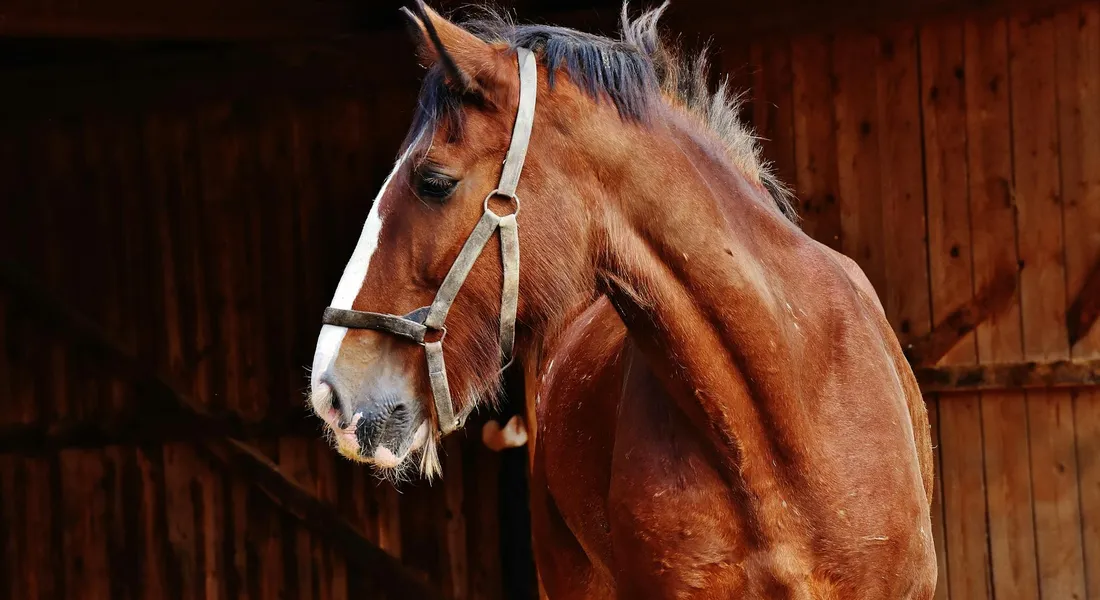
Let’s weave those individual tactics into a seamless, daily rhythm that actually sticks. Think of it like setting the tempo for your barn-predictable, calm, and effective. A random cloud of spray on a hot afternoon is a temporary fix, but a structured routine builds a lasting defense.
A Sample Schedule for Three Horses
Here is the core daily and weekly plan I use for Rusty, Luna, and Pipin. Tweak it to fit your own barn’s flow.
| Time of Day | Key Task | Notes for Our Crew |
|---|---|---|
| Morning (First Turnout) | Manure pick in paddocks; apply fly repellent. | Rusty gets a standard spray. Luna gets a wipe-on lotion on her neck to avoid spooking. Pipin gets his mask secured with a distract-treat. |
| Midday Check | Inspect water troughs; verify fly gear is on and comfortable. | I look for rub marks on Luna’s shoulders. I usually find Pipin’s mask half-off, so I reset it. Rusty is often dozing, fully protected. |
| Evening (Bring-in) | Second manure pick; refill or set fly traps; wipe legs if needed. | This breaks the fly breeding cycle overnight. I check Luna’s legs for scratches and give Pipin a quick groom to remove any pests. |
| Weekly Chore Day | Deep clean stalls; scrub all water containers; rotate grazing areas. | Moving the herd to a fresh paddock disrupts larvae. Emptying and scrubbing troughs removes mosquito eggs. |
This schedule turns isolated actions into a habit. The simple, daily act of removing manure is your most powerful weapon, far more than any chemical.
Observe and Adapt for Each Personality
Your plan must live and breathe with your horses. What works for one may fail for another. Luna’s thin skin and nervous disposition mean heavy sprays and stiff sheets cause stress. I use a light, linen fly sheet and reapply a calm-smelling repellent more often.
Pipin, the pony, sees fly gear as a puzzle to solve. For him, a well-fitted, breakaway mask with a tricky clip works best, and I check it constantly. Rusty is my easy-going guy, but even he hates face flies, so his mask is non-negotiable.
Watch for stomping, tail swishing, or hiding in the shed. These are clues. Your horse will tell you what they need if you pay attention to their behavior and skin. Learn to tell if your horse is happy by understanding their body language. This awareness will help you respond to their needs more effectively.
Never underestimate the basics. Consistency in manure management and properly fitted protective gear will always outperform sporadic use of the strongest spray. I’ve managed barns where the fancy systems failed because the daily pickup was skipped. A clean environment and comfortable horse are the true foundations of pest control.
FAQ: Managing Flies and Pests on Your Horse
What is an integrated horse fly control system?
An integrated system combines multiple strategies for comprehensive, long-term management. It layers source reduction, physical barriers, and targeted repellents to break the pest life cycle. This approach is more effective and sustainable than relying on any single method alone.
How can I control flies near my horse’s swimming or water area?
Eliminate any standing water aside from the main pool or trough, as this is a prime mosquito breeding site. Install fine mesh screens or use safe, agricultural-grade fans to create a breezy barrier that deters flying insects. Consider applying a perimeter treatment with a natural, non-toxic larvicide approved for use near animal water sources.
Are there effective home remedies for house fly control in the barn?
Yes, simple homemade traps using apple cider vinegar or sugar water with dish soap can capture many flies. Essential oil sprays with citronella, eucalyptus, or lavender can act as deterrents on non-porous surfaces away from horses. Maintaining impeccable cleanliness is the most powerful and free “remedy” to remove the attractants that draw flies indoors.
A Peaceful Pasture Awaits
Keep pests in check by blending environmental cleanup with daily repellents and protective tack like fly masks. Your most powerful tool is breaking the breeding cycle through consistent manure removal and eliminating soggy, stagnant spots around the barn.
This process requires steady patience and a watchful eye for your horse’s comfort cues. Your horse’s own reactions are the best guide for tweaking your approach and ensuring their well-being. For a deeper understanding of why these cues arise, the understanding horse behavior psychology complete guide offers helpful context. It complements your hands-on approach with practical insights.
Further Reading & Sources
- Fly Control Options for Horse and Barn
- Best Fly Control for Horses & Barns: Sprays, Gears & Other Measures | Mad Barn
- Filth Fly Control on Horse Farms
- Fly Control Strategies for Horse Barns | Tractor Supply Co.
At Horse and Hay, we are passionate about providing expert guidance on all aspects of horse care, from nutrition to wellness. Our team of equine specialists and veterinarians offer trusted advice on the best foods, supplements, and practices to keep your horse healthy and thriving. Whether you're a seasoned rider or new to equine care, we provide valuable insights into feeding, grooming, and overall well-being to ensure your horse lives its happiest, healthiest life.
Health