
Strongest and Most Powerful Horse Breeds: A Practical Guide for Riders and Owners
Published on: February 20, 2026 | Last Updated: February 20, 2026
Written By: Henry Wellington
Hello fellow equestrians. You’re likely drawn to the idea of incredible equine power for demanding work or sport, but that dream can come with real worries about control, safety, and the cost of keeping such a substantial animal sound. I’ve felt that same tension in the reins, watching a 2,000-pound horse hesitate at a new obstacle.
This article will help you navigate that power with confidence. We will break down the breeds that define brute strength and how to partner with them effectively.
You will find clear, stable-tested advice on:
- Identifying the powerhouse breeds built for draft, driving, and sport, beyond just their size
- Matching a breed’s legendary strength with its real-world temperament and care needs
- Practical handling and training techniques that ensure safety for both horse and human
- Why equine welfare, especially ample turnout, is non-negotiable for these athletes
My years as a barn manager and trainer, working with everything from sensitive thoroughbreds to steady drafts, have taught me that true power is best managed with knowledge and a soft hand.
Defining Equine Strength: More Than Just Muscle
Ask any rider about a strong horse, and they’ll picture a massive draft animal. But real equine power is a layered concept. Sheer pulling force is different from the enduring stamina that carries a rider over miles of rugged trail. One is a sprint, the other a marathon, and a breed’s build tells you which is which.
For raw, explosive power, look to bone. Density and circumference matter more than you think. A leg with 9 inches of bone below the knee acts like a sturdy column, able to absorb tremendous force. This is paired with fast-twitch muscle fibers for quick, powerful bursts. A Quarter Horse like my guy Rusty has this, perfect for launching out of a roping box.
Endurance strength lives in the heart and lungs. A large chest cavity houses a mighty engine and massive oxygen intake. Slow-twitch muscle fibers fuel steady, long-distance work. This is the strength of an Arabian, built not to pull a plow but to carry weight across deserts without quitting. These same traits carry riders on long journeys, where horses meet miles of trails with steadiness. The most powerful horse for you isn’t the biggest, but the one whose strength aligns with the work you ask it to do.
Several physical and mental factors combine to create a truly powerful equine:
- Broad chest and well-sprung ribs: Allows for maximum lung and heart capacity.
- Short, strong back: A bridge that efficiently transfers power from the hindquarters.
- Substantial bone density: Measured as the circumference of the cannon bone.
- Powerful, well-angulated hindquarters: The engine room where propulsion originates.
- A calm, willing temperament: A distracted or nervous mind cannot focus its physical strength safely.
The Draft Horse Dynasty: Breeds Built for Burden
This is the realm of the true giants, breeds forged by centuries of farm and freight work. Their strength is monumental, patient, and often wrapped in a shockingly gentle package. Handling them is a lesson in scale and respect. I learned this the first time I picked a Belgian Draft’s hoof. The sheer weight of his leg in my hands was humbling, his dinner-plate-sized hoof needing both my knees to rest on. The smell of clean bedding, the soft snort above me, and the absolute trust this giant placed in my care is a memory etched in my bones.
| Breed | Avg. Height (hands) | Avg. Weight (lbs) | Traditional Use | Defining Trait |
|---|---|---|---|---|
| Shire | 17 – 18.2 | 1,800 – 2,400 | Heavy farm work, carting ale | Feathered feet, immense height, serene nature |
| Clydesdale | 16.2 – 18 | 1,800 – 2,200 | Agriculture, famous hitch horses | Flashy white markings, abundant feather, energetic stride |
| Belgian Draft | 16 – 17 | 1,800 – 2,200 | Farm and logging work | Muscular, compact body; holds world pulling records |
| Percheron | 16 – 17 | 1,900 – 2,100 | Farm work, cavalry, carriage | Elegant head, agile movement, often gray or black |
| Suffolk Punch | 16.1 – 17.2 | 1,800 – 2,200 | Heavy farm labor | Chestnut color only, stocky, no feathering |
The Gentle Giants: Shire and Clydesdale
These are the iconic feather-footed breeds. Shires are the steady, serene philosophers of the draft world. Their history is tied to English soil and pulling brewery wagons. A Shire’s walk is a ground-covering, deliberate event that speaks of absolute confidence. Working with a Shire feels less like commanding a horse and more like partnering with a peaceful, living force of nature. (Of course, the question often arises—can you ride a Shire?)
Clydesdales share the majestic feathering but often carry a touch more spark. Bred in Scotland, they are known for their high-stepping, flashy action and beautiful white leg markings. This can translate to a slightly more energetic temperament. While still profoundly gentle, a Clydesdale might need a handler with a bit more presence than a Shire, a reminder that size and spirit can coexist. For a detailed comparison, check out the Clydesdale horse vs Shire horse.
The Powerhouses: Belgian and Percheron
If you want pure, measurable pulling power, the Belgian Draft is your champion. More compact and densely muscled than other drafts, they are the powerlifters. They hold world records in pulling competitions, moving staggering weights. Their look is one of pure, unadorned muscle from neck to rump.
Percherons offer a different kind of power: agile strength. Originating in France, they have more refined heads and a legendary ability to move with grace. They were used as cavalry horses. This agility makes them a popular choice for modern hitches and farm work requiring tighter turns. A Percheron proves that immense power does not have to mean clumsiness; it can be elegant and directed.
The Rare Gems: Suffolk Punch and American Cream Draft
The Suffolk Punch is one of the oldest and most endangered draft breeds. They are always a solid chestnut, with a stocky, muscular build and notably clean legs without feathering. Their survival is a conservation priority. The American Cream Draft is the only draft breed originating in the United States, known for its distinctive cream color, pink skin, and amber eyes.
Supporting these rare breeds is about preserving genetic diversity and history. Each breed carries unique traits-disease resistance, specific metabolisms, or temperaments-that could be vital for the future of equine health. Choosing a rare breed is a commitment to stewardship, ensuring these powerful living legends continue to shape our world.
Strong and Stylish: Powerful Breeds Beyond the Draft
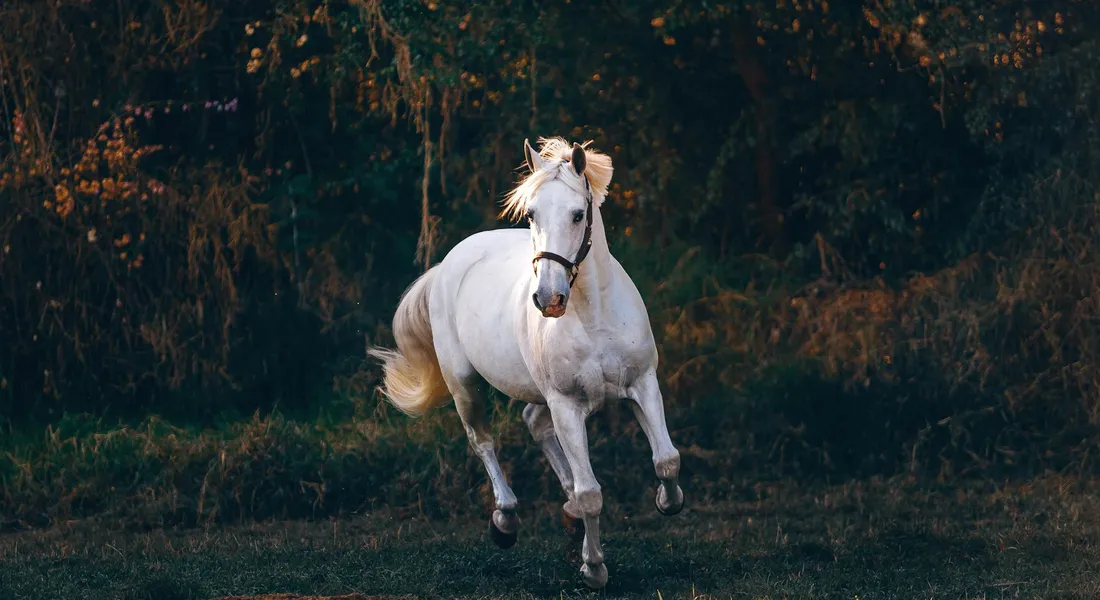
Power isn’t only found in brewery wagons. Many strong breeds are known for their elegance under saddle or in harness, blending sheer muscle with a surprising grace. They are the athletes and artists of the heavy horse world. From my time driving a Friesian cross in lessons, I learned their power requires a rider who listens with their seat-every cue is amplified.
- Friesian: Prized for dressage, carriage driving, and cinema-worthy flash. Their high-stepping gait and flowing mane are pure spectacle.
- Canadian Horse: A national treasure of Canada. Historically used for farm work and cavalry, today they excel in driving, jumping, and as sturdy trail companions.
- Ardennes: One of the oldest draft breeds. Used for forestry, farm work, and even meat production in Europe. They are known for remarkable calmness and endurance.
- Noriker: The agile alpine specialist. Used for forestry in steep mountain terrain and traditional continental driving. Their sure-footedness is legendary.
- Boulonnais: The “Draft Horse of the Sea” with a distinctive, refined head. Used for heavy farm work and, historically, hauling fresh fish to Paris markets at a trot.
The Baroque Power: Friesian and Kladruber
The Friesian’s dramatic feathering and silky coat demand a dedicated grooming routine. That beautiful hair traps moisture, making them prone to scratches and pastern dermatitis. You must keep those feathers meticulously clean and dry, especially in muddy paddocks, to prevent painful skin infections. The Kladruber, another Baroque breed, was bred to pull imperial carriages. Both share a need for meticulous hoof care, as their substantial build places constant stress on their feet. Their movement is powerful but often requires targeted conditioning to build topline strength for carrying a rider.
The Versatile Workers: Noriker and Boulonnais
Watching a Noriker navigate a rocky slope will change your definition of agility for a 1,800-pound animal. Bred in the Austrian Alps, they have a dense bone structure and hardy constitution built for volatile weather. Their adaptability means they often thrive on sensible rations, needing less grain than you’d guess for their size. The Boulonnais, with its luminous grey coat and elegant head, is sometimes called the “white marble horse.” Don’t let the beauty fool you-they were bred for hard, fast work. Their care involves balancing sufficient fuel for muscle maintenance with careful attention to prevent obesity, a common challenge in powerful, less-active breeds.
Feeding the Furnace: Nutrition for Massive Muscles
Feeding a powerhouse is an exercise in mindful abundance. It’s not about simply piling more feed in the bucket. You are managing a slow-burning furnace that needs constant, quality fuel to run efficiently. The thud of hooves and the creak of a stall door become the background rhythm to your feeding schedule.
The single most critical rule is this: roughage is everything. Hay or pasture must form the bedrock of every meal, every day. Grains and concentrates are merely supplements to this foundation, added only when the furnace needs more coal.
- Weigh your horse. A weight tape gives a good estimate.
- Calculate 1.5% to 2.5% of that weight. This is your target daily roughage intake. A 1,600 lb horse needs 24 to 40 lbs of hay daily.
- Use a scale. Do not guess. Weigh a few flakes from your bale to understand what you’re feeding.
- Split this total into multiple small feedings, or better yet, use a slow-feed net. This mimics natural grazing, keeps the gut moving, and prevents boredom.
Hay First: The Foundation of Every Diet
Good hay smells sweet, like summer grass, and is free of dust or mold. For many large breeds, a mixed grass hay or a grass-alfalfa blend provides perfect balance. The sound of contented, rhythmic chewing from a stall is the sound of a healthy digestive tract. I use slow-feed nets for every horse in my care, from sensitive Luna to cheeky Pipin-it turns a quick meal into hours of gentle foraging, reducing ulcer risk and stabilizing energy. Alfalfa alone can be too protein-rich for some, leading to hot behavior or excess weight, so know your hay type. Understanding hay varieties is crucial to make the best choice for your horse’s diet.
Training and Exercise: Channeling Power with Patience
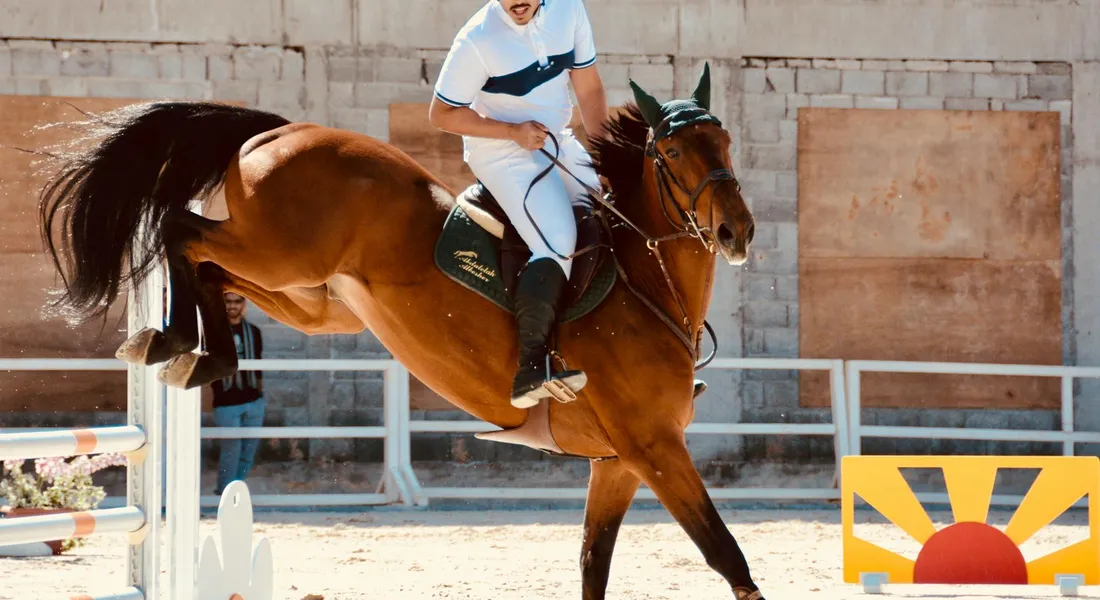
Working with a powerful horse is like partnering with a living engine. Your first job is not to steer, but to build a dialogue. Groundwork establishes that language, teaching your horse to listen to your subtle cues before you ever climb aboard. It transforms raw strength into a willing partnership. This foundation is everything with a large breed; without it, you are just a passenger on a tank.
- Desensitization: Start by gently touching your horse all over with your hands and a soft rope. Rub their legs, belly, and face until they stand relaxed. This builds confidence against sudden sights and sounds.
- Teach Yield from Pressure: Apply light pressure to the halter or their side, asking for a step back or sideways. Release the moment they try. This shows them how to respond to your cues without force.
- Master Polite Leading: Practice walking where your horse maintains a set distance from you. Change your own speed and direction, teaching them to match your energy. This establishes you as the leader.
- Introduce Tack Slowly: Let your horse see and smell the saddle pad, then the saddle. Place them gently on the back, and slowly do up the girth. Reward calm behavior with a quiet voice.
- Add Your Weight Carefully: Lean over the saddle, then slide on. Sit quietly and let your horse adjust to the new sensation. This final step may take several short sessions.
All that patience means little if the tack pinches. A poorly fitting saddle on a broad back is a recipe for sore muscles and a sour attitude. Draft crosses and heavy breeds need gear built for their shape, with wide trees and sturdy leather that distributes weight evenly.
Groundwork is Key: Building Trust Before Riding
Think of groundwork as teaching a giant to dance. The steps are simple, but clarity is everything. Yielding the hindquarters with a touch near the flank teaches them to move their weight, a foundational skill for later riding. Backing up from a light cue on the chest builds respect for your space. Standing tied calmly, perhaps while you groom, reinforces patience. I spent weeks with a young Percheron cross just on these three things, and the trust we built made all the difference when we finally rode. It is slow, rewarding work.
Tack Talk: Finding Gear That Fits a Giant
Common fit issues for draft crosses include pinched withers from trees that are too narrow, and tight girths that restrict breathing. Seek out saddles with wide or extra-wide trees, and girths designed for rounder barrels. The investment in draft-specific tack pays off in your horse’s comfort and willingness. A tack fit troubleshooting checklist can help you spot whether the saddle or bridle is contributing to bad behavior. Addressing fit issues early reduces pressure points and helps cooperation. Do not try to make standard tack fit; it will cause pressure points. There is no sound quite like the satisfying creak of well-oiled leather settling onto a broad, relaxed back.
Health Considerations for Heavyweight Champions
Powerful breeds carry their strength in a massive frame, which demands vigilant care to keep them sound. Preventive care is your best tool against the wear and tear that comes with size. It is about daily habits that support their well-being from the ground up. A reactive approach will not work with a horse that weighs over a ton.
- Daily Hoof Picks: Clean all four feet every day to prevent thrush and check for stones or cracks. This simple act catches small problems before they become lameness.
- Joint Support: Consider a quality supplement with glucosamine and chondroitin, especially for older horses or those in work. Their joints bear tremendous load.
- Weight Monitoring: Use a weight tape monthly and adjust feed accordingly. Keeping them at a healthy score avoids stress on joints and reduces laminitis risk.
Beyond the checklist, never underestimate the power of daily turnout. Movement is the best medicine for preventing stiffness and keeping a large horse mentally content. A stall-bound giant is an unhappy, and often unhealthy, giant.
Joint and Hoof Care: Supporting Massive Frames
Those impressive legs carry a lot of weight, making joints and hooves high-stress areas. Arthritis can creep in from constant pressure, while laminitis is a real threat if diet is not managed. Your hoof-picking routine is a first line of defense. Pick each foot clean, feeling for heat or tenderness, and listen for the solid thud of a healthy hoof on the ground. I schedule farrier visits every 6-8 weeks without fail; consistent trimming is non-negotiable for balance and support. Their hooves are their foundation.
The Turnout Imperative: Why Space Matters
Even the strongest horse is not a statue. They need space to be a horse. I have watched draft horses in a spacious pasture break into a clumsy trot, then drop for a full-body roll with a grunt of pure joy-it is therapy for them and for me. For pasture management, use a grazing muzzle if needed to control intake, and rotate pastures to prevent overgrazing. This keeps them moving and helps avoid obesity, which is a major health risk for these gentle giants. More room means a healthier mind and body.
Is a Powerful Breed Your Perfect Match?
Dreaming of a draft means doing some honest math with your lifestyle. You need ample space, a heftier wallet, and hands-on experience to match their strength. A sprawling pasture with robust fencing isn’t a luxury; it’s a requirement for their well-being and your sanity. Contrast the unflappable, plodding nature of a Suffolk Punch with the more refined and sensitive Friesian, who might startle at a plastic bag like my Thoroughbred, Luna. If you’re a confident rider who values a deep connection over speed, and you have the infrastructure, these gentle giants can be your most devoted partners.
Space and Budget: The Reality of Owning a Giant
Owning a powerhouse horse scales up everything, from your feed bill to your hardware store runs. Their basic needs are the same as Rusty’s, just multiplied by two. You’re not just buying more hay; you’re investing in a digestive system that requires constant, quality roughage to avoid issues like colic. Let’s break down the tangible costs:
- Feed: Plan for 25-30 pounds of hay daily per horse, plus any grain supplements. That’s multiple bales a week.
- Infrastructure: Fences must be substantial-think sturdy wooden posts and thick rails. A lightweight stall door is an accident waiting to happen.
- Transport: Your standard trailer likely won’t suffice. You need a model with a higher weight rating and wider stalls.
- Tack: Everything from halters to girths needs to be draft-sized, which often comes at a premium price.
And then there’s the byproduct. Their manure production is legendary, offering a humorous “economy of scale” that will have you eyeing a small tractor for daily chores.
Temperament and Training: What to Expect
Most draft breeds possess a inherent calmness, but that doesn’t mean they are push-button horses. Their size requires a handler who projects quiet confidence. I’ve seen a hesitant approach confuse a gentle Percheron more than a firm, clear ask. For a first-time draft owner, the smartest move is to seek out an older, well-started horse or commit to regular sessions with a trainer experienced with heavy breeds. Their intelligence is often underestimated. A bored or clever draft can exhibit the food-motivated mischief of Pipin the Shetland, but with the strength to open latches you thought were secure. Consistent, gentle training that respects their mind is the key to a safe and joyful partnership.
FAQ: Strongest and Most Powerful Horse Breeds
What is the strongest horse breed in the world?
The Belgian Draft is widely recognized as the strongest breed for pure pulling power, often winning weight-pulling competitions with record-breaking loads. However, strength can be categorized differently, such as through endurance or carrying capacity, where other breeds excel. It’s important to define strength based on your specific needs, whether for draft work, sport, or riding.
Are all strong horse breeds draft horses?
No, while draft breeds like Shires and Percherons are famed for brute force, many non-draft breeds possess significant power in forms like agility or speed. Breeds such as Friesians and Quarter Horses offer strength for riding disciplines, blending muscle with grace for activities like dressage or racing. These breeds provide power and versatility beyond traditional draft horses. The article explores various powerful breeds beyond drafts, highlighting their versatility for different equestrian pursuits.
How is strength measured in different horse breeds?
Strength is assessed through physical traits like bone density, muscle structure, and performance in tasks such as pulling weight or enduring long distances. For draft horses, pulling competitions provide a clear metric, while sport horses may be evaluated on power-to-weight ratio and stamina. Understanding these measurements helps owners select a breed whose natural capabilities align with their intended use, ensuring a safe and effective partnership.
Partnering with Power
The true strength of any horse is unlocked through dedicated care and respect for its fundamental needs. Your primary job with a powerful breed is to channel that innate ability through consistent, correct groundwork and a fitness regimen that builds a sound athlete. This approach safeguards health and paves the way to build and strengthen horse muscle effectively. Apply these principles in your conditioning plan.
Always remember that patience and clear communication forge a far stronger bond than force ever will. The most powerful tool in your tack room is the willingness to listen to what your horse is telling you.
Further Reading & Sources
- Top 6 Strongest Horse Breeds – Wild Jolie
- 10 Strongest Horse Breeds In The World | Strathorn Farm Stables
- top 06 powerful horses in the world | Earth
- Belgian Draught – Wikipedia
At Horse and Hay, we are passionate about providing expert guidance on all aspects of horse care, from nutrition to wellness. Our team of equine specialists and veterinarians offer trusted advice on the best foods, supplements, and practices to keep your horse healthy and thriving. Whether you're a seasoned rider or new to equine care, we provide valuable insights into feeding, grooming, and overall well-being to ensure your horse lives its happiest, healthiest life.
Choosing the Right Breed