
What Builds a Horse’s Endurance? Key Factors for Lasting Stamina
Published on: February 22, 2026 | Last Updated: February 22, 2026
Written By: Henry Wellington
Hello fellow equestrians. That sinking feeling when your horse runs out of gas too early on a ride isn’t just about a ruined outing-it taps into deeper worries about their health, your safety, and rising vet bills.
True stamina is woven from multiple threads. In this article, we’ll untangle them, focusing on these core areas to build a more resilient partner.
- A progressive conditioning plan builds the cardiovascular and muscular engine your horse relies on.
- Precision nutrition and constant hydration provide the clean-burning fuel for long efforts.
- Impeccable hoof and leg care is the non-negotiable foundation for any distance.
- Perfect tack fit eliminates pain and restriction, so energy goes into movement, not discomfort.
- Mental freshness keeps your horse willing and engaged, preventing stress from sapping their strength.
I’ve built this understanding over years in the barn, tailoring programs for everything from my puddle-avoiding trail horse Rusty to my high-energy Luna.
The Genetic Blueprint: Breed and Inherent Traits
A horse’s potential for stamina is written into their DNA before they ever set foot on a track or trail. Think of it as the hardware they were born with. Some models are built for sprints, others for marathons. That endurance comes from efficient hearts, lungs, and muscle fibers designed for sustained effort. It helps explain why horses are so well adapted for long-distance running.
My old reliable Rusty has a different kind of engine than my sensitive Luna, and it’s not just in their heads. Their inherent physical design dictates how efficiently they convert fuel and oxygen into miles.
Key Genetic Factors Affecting Stamina
It’s more than just a label like “Arabian” or “Draft.” Specific heritable traits create a stamina profile.
- Muscle Fiber Type: Horses inherit a ratio of fast-twitch (for power) to slow-twitch (for endurance) muscle fibers. Elite endurance athletes are packed with slow-twitch fibers that fatigue slowly.
- Metabolic Efficiency: Some horses genetically utilize fat as an energy source more efficiently than others, preserving crucial glycogen stores in their muscles for the long haul.
- Thermoregulation: The innate ability to sweat effectively and cool the body is a genetic gift. A horse that overheats quickly will always hit a wall.
How Breed Influences Endurance Capabilities
Breeds are the result of centuries of selection for these traits. You’re stacking the deck by choosing a breed developed for distance.
Arabs are the classic example, with large nostrils, efficient metabolism, and legendary durability. But don’t count other types out. Many stock horse breeds, like Quarter Horses, can possess tremendous stamina for ranch work. The breed gives you a probable range of performance, but it’s the individual horse within that breed that you’ll actually train and partner with. On trails, you’ll want to weigh endurance and sure-footedness as well as pace. For riders planning longer routes, focusing on best horse breeds for riding trail use can guide your selection and training.
Age, Sex, and Conformation Effects
These are the finishing details on the genetic blueprint. A horse’s stamina potential changes over time.
- Age: Peak cardiovascular fitness typically hits between 8 and 15. Our senior citizen Pipin still has spirit, but his recovery time is longer. Youth has energy, but often lacks the mental fortitude and physical maturity for true stamina.
- Sex: Generally, geldings and mares are favored for long-distance disciplines as they can be more focused. Stallions can have explosive power but may spend energy on distractions.
- Conformation: This is critical. A horse with long, sloping shoulders and a well-angled pelvis has a fluid, energy-efficient stride. A short-backed, well-sprung ribcage allows for greater lung expansion. I’ll take a good-moving grade horse over a poorly conformed purebred any day for a 50-mile ride.
Building the Engine: Cardiovascular and Respiratory Fitness
Genetics gives you the raw material, but training builds the engine. This is where we can make the most dramatic improvements, no matter the breed.
The goal is simple: create a super-efficient system for delivering oxygen to working muscles. You are training the heart and lungs as much as, if not more than, the legs.
Heart Size, Stroke Volume, and VO2 Max
Think of the heart as the pump. A bigger, stronger pump moves more blood with each beat (stroke volume).
- A larger heart, often measured by heart score, can pump more oxygen-rich blood per minute without working as hard.
- VO2 Max is the maximum rate a horse can consume oxygen. It’s the ceiling of their aerobic capacity. We raise it through consistent, long, slow distance work.
You can’t see this training, but you can hear it. Listen to how quickly your horse’s breathing returns to normal after a tough hill. That recovery rate is your report card on their cardiovascular fitness.
Capillary Density and Oxygen Delivery
What good is a big pump if the delivery roads are tiny? Capillaries are the microscopic blood vessels that feed muscle fibers.
Aerobic conditioning, like long trots and steady canters, signals the body to build more of these tiny roads into the muscles. Increased capillary density means more oxygen gets to the right place, faster, and waste products like lactic acid are cleared more effectively. This is the hidden magic that delays fatigue.
This isn’t built with speed work. It’s built with miles of rhythmic, steady work where you can hear the steady thud of hooves and the even breath. It’s the foundation every horse, from Luna to Rusty, needs for true staying power.
Muscle Power: Fiber Types and Aerobic Capacity

Type I vs. Type II Muscle Fibers
Think of muscle fibers as your horse’s internal workforce. Type I fibers are the endurance crew, working slowly and steadily using oxygen. Type II fibers are the sprint team, firing fast for power but tiring quickly. The ratio your horse is born with sets the stage, but smart training can coax those fast-twitch fibers to behave more like endurance experts.
I watch this play out between Rusty and Luna. Rusty’s Quarter Horse muscles give him that quick leap over a log, but after miles, it’s Luna’s higher proportion of slow-twitch fibers that keep her clocking along. For trail horses, consistent long, slow distance work is the best tool for promoting fatigue-resistant muscle adaptation.
- Slow-Twitch (Type I): Oxygen-efficient, fatigue-resistant. Ideal for endurance.
- Fast-Twitch (Type II): Powerful, quick to fatigue. Key for speed events.
- Training Shift: Aerobic conditioning improves the endurance capacity of all muscle fibers.
Mitochondrial Density and Fatigue Resistance
Mitochondria are the power plants inside muscle cells. The more your horse has, the better they turn fat and oxygen into sustained energy. High mitochondrial density is what separates a horse that finishes strong from one that hits the wall.
Aerobic building is the way. I start Luna with long, rhythmic trots where her breathing stays even. You’re building mitochondria with every stride where your horse isn’t gasping for air. Even Pipin gets his pony version: dragging a tire at a walk builds those tiny engines without stress.
Signs you’re in the aerobic zone include a steady heartbeat and relaxed nostrils. If you hear heavy breathing or see flared sides, slow down-you’ve switched to anaerobic work that breeds fatigue.
Fuel for the Long Haul: Nutrition and Hydration
Diet Essentials for Energy and Recovery
Stamina starts in the feed tub. Forget loading up on grain; that’s a quick burn. The cornerstone for any endurance candidate is high-quality forage, fed at 1.5-2% of their body weight daily. This constant roughage trickle fuels the hindgut and provides steady energy.
For work beyond an hour, I add fat. It’s a concentrated, slow-release energy source. Luna gets a cup of rice bran daily. Fats like rice bran or flaxseed oil give more bang for your buck without the digestive upset of high-starch feeds.
Post-exercise, a recovery meal within 30-60 minutes is non-negotiable. This critical window is when muscles are most receptive to repairing tissue and restocking energy stores. I mix damp alfalfa pellets with a pinch of salt for Rusty after a long ride.
Hydration and Electrolyte Balance During Exercise
Water is the most critical nutrient. A horse can lose gallons of sweat on a long ride, and dehydration cripples every system. Always offer plain water before offering electrolyte-laced water, as a salty taste can deter drinking when they need it most. Keep water readily available and encourage steady intake, especially during rides. Hydration should be a daily habit to keep your horse at their best.
Sweat isn’t just water; it’s packed with electrolytes-sodium, potassium, chloride. Losing these leads to muscle cramps and metabolic shutdown. For any sustained workout, I proactively supplement electrolytes via a paste or mixed in a very wet mash, never just in dry feed.
- Pre-Hydrate: Ensure free-choice water 24 hours before a big effort.
- During: Offer water at every chance. For rides over two hours, consider an electrolyte syringe.
- Post-Ride: Encourage drinking by offering slightly warmed water or adding a splash of apple juice.
Watch for tiny, dry manure balls or skin that tents when pinched. These are late signs of dehydration; your goal is to manage fluids so you never see them.
Training for Toughness: Conditioning and Workouts
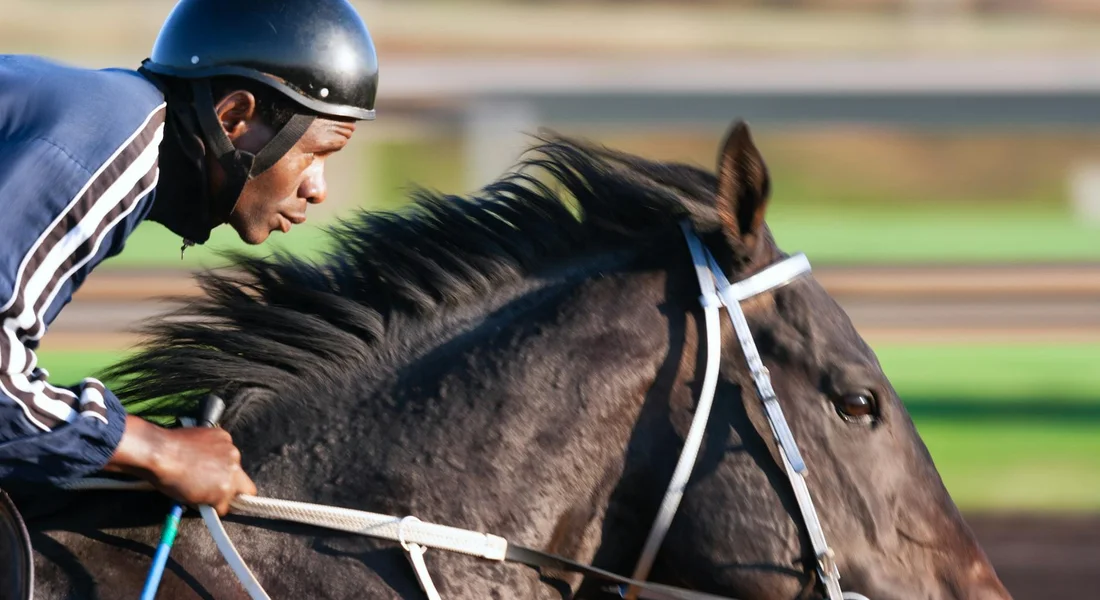
Progressive Training Plans for Stamina
Building stamina is a slow dance, not a sprint. I learned this with Luna, whose thoroughbred spirit needed channeling, not stifling. Start with a base of steady, long walks to build cardiovascular health without strain.
Increase distance or intensity by only about ten percent each week. This method prevents soft tissue injuries that come from doing too much too soon. A gradual ramp-up allows tendons and ligaments to adapt alongside heart and lungs.
Create a varied weekly schedule to work different muscle groups and prevent boredom. Rusty’s weekly plan might include a flat trail day, a hill session, and an interval day with walk-trot transitions.
- Foundation Phase (Weeks 1-4): Focus on 45-minute rides at a walk with brief trots.
- Development Phase (Weeks 5-8): Introduce 10-minute sustained trot sets and gentle slopes.
- Conditioning Phase (Weeks 9-12): Add canter work and longer duration rides on variable terrain.
Always listen to your horse’s feedback. A slight head toss or a reluctant step is your cue to reassess. Incorporate mandatory rest days and ample turnout time, as free movement in the pasture is nature’s best physiotherapy. Even when following a healthy exercise and turnout schedule, rest days are crucial.
Improving Gait Efficiency and Recovery
An efficient horse moves with purpose, wasting no energy. Watch for a flowing, rhythmic trot versus a jarring, short-strided one. Cavalletti poles helped Luna develop a more elastic and economical stride.
Incorporate hill work to build powerful hindquarters and improve overall propulsion. Walk uphill to engage the core, and carefully descend to teach balance. Understanding topline strength gives a clear definition of what we’re building. This connects the training to the topline strength definition and how hill work develops it. This kind of work strengthens the topline and teaches the horse to use its body as a cohesive unit.
Recovery is where fitness is cemented. Never just unsaddle and walk away. A proper cool-down walk until breathing normalizes is non-negotiable.
- Post-ride: Walk for 10-15 minutes on a loose rein.
- Checkover: Feel legs for heat, run hands over muscles for tension.
- Hydration: Offer fresh water; consider electrolytes after a sweaty workout.
- Turnout: Allow for voluntary walking and grazing to ease stiffness.
I often use standing wraps on Rusty after a particularly tough trail day, but nothing beats seeing him amble around his paddock, gently stretching. Active recovery through turnout promotes circulation and prevents the stiffness that can derail a training plan.
Beyond the Horse: Rider, Hoof Care, and Environment
Rider Skill and Weight Distribution Impact
You are your horse’s partner, not just a passenger. An unbalanced rider forces the horse to constantly compensate, draining precious energy. I felt this on Rusty when I’d get tired and slump, causing him to brace against my weight.
Develop an independent seat. Your core should be your anchor, allowing your hands and legs to be quiet and effective. A centered rider with soft, following hands removes a major source of resistance, letting the horse move freely forward.
Feel the rhythm of the gait and move with it. The creak of the saddle and the thud of hooves should be steady, not frantic. With sensitive Luna, my goal is to be so still she forgets I’m there, conserving all her energy for the trail ahead.
Proper Hoof Care and Shoeing for Long-Distance
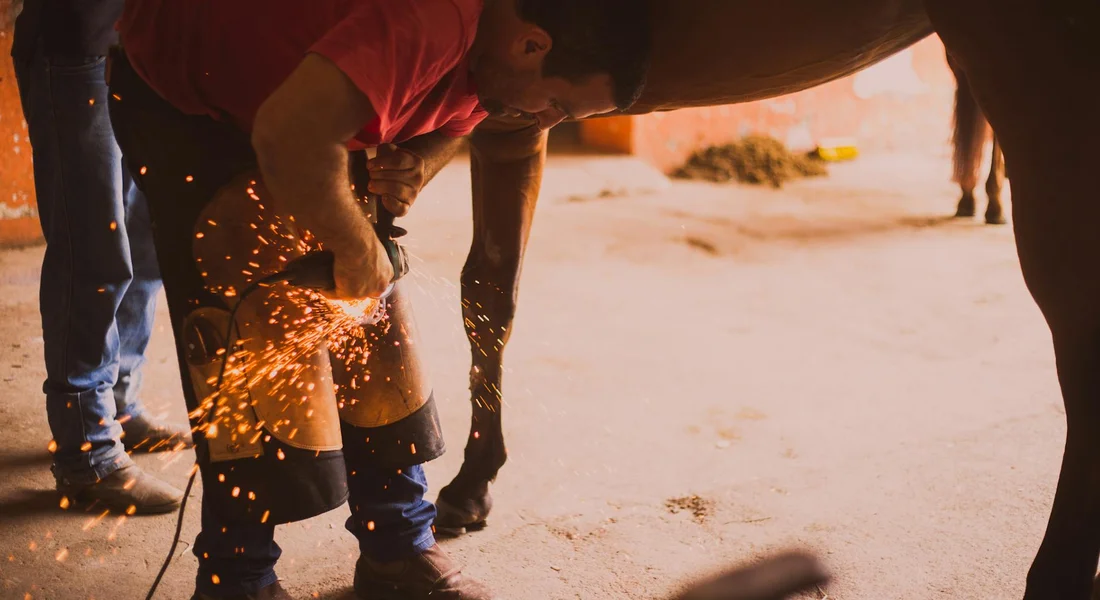
Think of hooves as the tires on your endurance vehicle. Poor condition guarantees a breakdown. A consistent farrier schedule every six to eight weeks is the bedrock of soundness.
Discuss shoeing options based on your primary terrain. For rocky paths, a shoe with a pad may be needed; for softer ground, a simple barefoot trim might suffice. The right hoof protection mitigates concussion, reducing fatigue and the risk of lameness over miles.
Make daily hoof picking a diagnostic ritual. Smell for the sharp odor of thrush, feel for unusual heat, and look for cracks or chips. Pipin’s clever escapes often lead him through mud, so his hooves get a extra thorough scrub and check.
- Barefoot: Encourages natural circulation and shock absorption; requires robust hoof horn and gradual adaptation.
- Traditional Steel Shoes: Durable protection for consistent work on abrasive surfaces.
- Lightweight Aluminum or Composite Shoes: Reduce weight at the end of the leg, which can significantly conserve energy over distance.
Environmental Factors like Terrain and Climate
Terrain is a silent trainer. Deep sand builds muscle but fatigues quickly, while hard-packed earth is faster but transfers more shock. I vary Rusty’s routes to include a mix, which prepares him for anything.
Heat and humidity are massive endurance thieves. They dramatically increase a horse’s cooling burden. Schedule intense work for cooler parts of the day and always have water available. Acclimatize your horse slowly to hot weather, and watch for rapid breathing or sweaty patches that won’t dry as signs of heat stress. Keeping horses cool and safe in hot weather relies on shade, airflow, and regular cooling routines. Monitor hydration and adjust activity as needed.
Adapt your management. In summer, Luna wears a light-colored fly sheet to reflect sun, and I soak her hay to increase water intake. In winter, be mindful of icy patches that can lead to slips and strains.
Recognizing Signs of Fatigue and Veterinary Care
Knowing when to stop is a critical skill. Early signs are subtle: a loss of impulsion, a slight stumble, or ears that stop flicking forward with interest.
Establish a relationship with a sport-savvy vet. Regular check-ups can catch issues like subtle lameness or metabolic changes before they become crises. Pre-purchase exams and annual wellness blood work provide baselines that are invaluable for monitoring an endurance athlete’s health.
Have a post-exercise monitoring routine. Learn to take a basic heart rate and respiration count. After a long ride with Luna, I listen to her gut sounds to ensure her digestive system is functioning properly.
- Early Fatigue: Shortened stride, decreased responsiveness, increased effort for same pace.
- Moderate Fatigue: Heavy, panting breaths, profuse sweating that may feel sticky, muscle quivering.
- Severe Fatigue: Stumbling, coordination loss, glazed eyes, elevated heart rate that won’t drop with rest.
If you see severe signs, stop immediately, seek shade, offer small sips of water, and call your veterinarian. Pushing a horse past this point risks collapse, colic, or long-term damage, which is the ultimate failure in horsemanship.
Frequently Asked Questions About Horse Endurance and Stamina
How does proper hoof care and shoeing affect long-distance performance?
The hoof is the primary shock absorber for the horse’s entire limb, so its condition directly impacts efficiency and injury risk. Regular, correct trimming maintains optimal biomechanics and prevents strain on tendons and ligaments higher up the leg. Appropriate shoeing or hoof protection for the terrain reduces excessive wear and concussion, allowing the horse to travel farther with less fatigue and discomfort.
What impact does the rider’s skill and weight distribution have on a horse’s endurance?
An unbalanced rider creates constant physical resistance, forcing the horse to expend extra energy to compensate and carry the load inefficiently. A skilled rider with an independent seat and soft hands moves in harmony with the horse’s motion, removing a major source of wasted effort. Proper weight distribution and rhythm allow the horse to use its biomechanics optimally, conserving vital stamina for the trail ahead.
What are common signs of fatigue or decreased stamina in a horse?
Early signs include a loss of forward impulsion, a shortened stride, and decreased responsiveness to cues. More pronounced fatigue presents as abnormally heavy or panting breaths, profuse sweating that may feel sticky, and muscle trembling, particularly in the hindquarters. Critical signs requiring immediate rest are stumbling, a glazed expression, and a heart rate that remains elevated despite stopping exercise.
Steady Miles and Happy Trails
Focus on consistent, progressive conditioning and never underestimate the power of quality forage and correct saddle fit. From my time with horses like Luna, I’ve seen that building real endurance starts not in the arena, but in the pasture with 24/7 movement and social time. No amount of arena work can substitute for this kind of conditioning. Whether in the pasture or the training ring, it’s important to understand the difference between exercises for building strength and those for building endurance.
Trust the process, go slow, and always put your partner’s comfort and safety above the schedule. The best gauge for your program is your horse’s own attitude and energy-they are your most honest coach.
Further Reading & Sources
- Endurance Exercise Ability in the Horse: A Trait with Complex Polygenic Determinism – PMC
- Endurance Horses | Equine Endurance Riding
- The Performance of Endurance Horses
- How to Choose an Endurance Horse | Riding Warehouse
At Horse and Hay, we are passionate about providing expert guidance on all aspects of horse care, from nutrition to wellness. Our team of equine specialists and veterinarians offer trusted advice on the best foods, supplements, and practices to keep your horse healthy and thriving. Whether you're a seasoned rider or new to equine care, we provide valuable insights into feeding, grooming, and overall well-being to ensure your horse lives its happiest, healthiest life.
Exercise