
The Ultimate Horse Health Troubleshooting Checklist: A Head-to-Tail Guide
Hello fellow equestrians. That slight limp in the arena or the half-finished hay net-it’s enough to make your heart sink. You know ignoring it could mean a bigger problem, but sorting through the possibilities feels overwhelming.
Trust your gut. Spotting changes early is the key to preventing pain, avoiding costly emergencies, and keeping your partner sound. This guide breaks down a full-body check into simple steps. We’ll cover:
- Reading the subtle signals in your horse’s eyes, ears, and muzzle for pain or discomfort.
- Running your hands down the neck, back, and legs to find heat, swelling, or tension.
- Performing a thorough hoof pick and leg check to catch the first signs of lameness.
- Monitoring vital signs and gut sounds to assess overall health from the inside out.
I’ve used this very routine for over a decade as a barn manager and trainer, turning morning feeds into quiet moments of connection and care.
1. The Vital Signs: Your Horse’s Immediate Health Dashboard
Taking the Triple Temperature: More Than Just a Number
Think of your horse’s vital signs like the dashboard in your truck: a quick glance tells you if everything’s running smoothly or if a warning light is on. Knowing the normal ranges-temperature (99-101°F), heart rate (28-44 beats per minute), and respiratory rate (8-16 breaths per minute)-gives you a baseline to spot trouble early. I keep a chart tacked to my barn wall for quick reference, right next to Pipin’s stall where he can’t chew it.
Taking a rectal temperature safely is a two-person job for skittish horses, but with a calm soul like Rusty, I can manage solo. Use a digital thermometer with a string and clip, lubricate it, and insert it gently against the tailhead, holding it steady for the beep. Here’s my step-by-step routine:
- Shake down a digital thermometer and apply a dab of petroleum jelly.
- Stand beside the hip, not directly behind, and lift the tail gently.
- Insert the thermometer slowly, angled slightly downward.
- Hold it in place until it signals, then clean it thoroughly.
Finding the pulse is easier than you think. Press your fingers gently under the jawbone or inside the forearm; you’re feeling for that steady drumbeat of life. Count the beats for 15 seconds and multiply by four to get the per-minute rate, ensuring your horse is fully at rest for an accurate reading. For breaths, watch the flank rise and fall-each in-and-out counts as one breath. On a quiet morning, Luna’s breaths are soft whispers, but after work, they should steady quickly.
The Head Check: Eyes, Ears, Nose, and Throat
Start at the top and work your way down. Your horse’s head holds a wealth of information if you know how to look. Clear, bright eyes with no discharge or cloudiness are a good sign; gunk or squinting can mean anything from an allergy to a more serious injury. I always check eyes in daylight, using a treat to get a good angle, much to Pipin’s delight.
Ears should be mobile and alert, not constantly drooped or pinned flat without cause. Nostrils deserve a close look, too. A small amount of clear discharge after a dusty roll is normal, but thick, yellow, or green mucus is a red flag for infection. Run your hand down the throatlatch to feel for any unusual swelling or heat.
Don’t forget the mouth. Lift the lip and check gum color: a healthy pink is ideal. Press your thumb on the gum for a capillary refill test; the color should snap back in under two seconds, a quick and reliable check for hydration. If it takes longer, your horse might need more water or a call to the vet. I use this trick on every horse after a long trail ride, especially on hot days.
2. Behavior and Appetite: The First Clues Something’s Off
Empty Buckets and Full Water Troughs: Tracking Intake
Horses are creatures of habit, especially around meal times. A sudden change in appetite is often the first whisper of a problem. A healthy horse approaches feed with eager interest, leaving a clean bucket or a neatly mown patch of grass. If Rusty leaves even a single mouthful of his evening grain, I know to pay attention. That dip in appetite can reflect dental problems, pain, stress, or illness. Understanding why your horse isn’t eating properly helps identify practical solutions.
Decreased water intake is a silent alarm. In winter, watch for frozen troughs; in summer, ensure water is clean and cool. Track consumption by noting how much you refill; a sudden drop can signal pain, fever, or digestive upset. Be extra vigilant for signs of choke, where food gets stuck in the esophagus: excessive saliva, coughing, and stretching the neck repeatedly as if trying to swallow.
- Normal: Eats all offered hay/feed, drinks 5-10 gallons daily.
- Concerning: Picks at food, leaves grain, water bucket remains full.
- Emergency: Difficulty swallowing, food dribbling from nose or mouth.
Mood and Movement: Reading Restlessness or Lethargy
A horse’s demeanor speaks volumes. Normal behavior varies-Luna is naturally antsy, while Rusty is a placid old soul-so you’re looking for changes from their personal baseline. Restlessness can manifest as constant pawing, circling the stall, or repeatedly looking at the flank, classic signs of colic pain. I’ve spent enough nights in the barn to know the specific, anxious pace of a bellyache.
On the flip side, lethargy is just as telling. A depressed horse stands with its head low, shows no interest in treats or neighbors, and seems “zoned out.” Unusual agitation, like sudden spooking at familiar objects, can also indicate discomfort or vision issues. Watch how they interact with the herd; a horse that suddenly isolates itself or gets bullied more than usual is often hiding an ailment.
Movement tells its own story. Reluctance to move, stiffness, or an unwillingness to lie down and roll comfortably can point to musculoskeletal pain. Observing your horse from a distance in the pasture often reveals subtle lameness or discomfort that isn’t apparent in the stall. Recognizing subtle signs of equine pain helps you respond quickly. Their friends usually know first, so trust the herd’s dynamics.
3. The Digestive Report Card: Manure and Urine
What the Pile Tells You: Manure Consistency and Frequency
The Gold Standard and the Warning Signs
Mucking stalls is more than a chore; it’s your daily peek into your horse’s digestive health. Healthy manure forms moist, well-defined balls that crumble apart with a soft thud on the stall floor. My old reliable, Rusty, produces these perfect piles like clockwork, a testament to his steady diet and ample turnout.
Frequency matters just as much as form. A content gut will pass manure 8 to 12 times a day, a direct reflection of constant forage consumption. Any shift from this baseline is your first alert. Use this checklist to troubleshoot what you find in the wheelbarrow.
- Watery Diarrhea: Runny or cow-pie consistency often follows sudden rich grass, stress, or parasite overload. I saw this with Luna after a frantic storm night; her system shouted its distress.
- Hard, Dry Fecal Balls: These little pellets mean your horse isn’t drinking enough or isn’t getting sufficient long-stem hay. It’s a classic sign of a dehydrated or bored stall-bound horse.
- Odd Colors: Extremely dark manure may signal too much alfalfa, while pale, chalky manure can hint at liver issues. Black, tarry manure is a dire emergency, indicating possible gastric bleeding.
- Mucus or Whole Grain: A shiny coating or visible, undigested oats points to poor mastication or a gut imbalance, often rooted in dental problems or rapid feeding.
Always cross-reference manure changes with three things: recent feed adjustments, water intake, and the horse’s stress level. Promoting gentle digestion starts with free-choice hay and maximizing pasture time, letting their system work as nature intended.
The Urination Check: Color, Flow, and Comfort
Clear Streams and Red Flags
Urine gives you a crystal-clear report on hydration and kidney function. Normal urine color is a pale, straw-like yellow, and the flow should be a steady, confident stream. The horse will stand squared and relaxed, often with a soft sigh when finished.
Making a habit of noticing urination during turnout is simple, vital monitoring. These signs mean it’s time to stop what you’re doing and call the vet.
- Dark Brown or Coffee-Colored Urine: This can be a symptom of tying-up or serious metabolic distress. It’s uncommon but unmistakable.
- Straining to Urinate: If your horse postures but produces only drops or cries out, suspect a bladder stone or painful infection.
- Bloody or Pink-Tinged Urine: Any hint of red is not normal and requires immediate professional investigation.
- Obvious Discomfort: Kicking at the belly, looking back at the flank, or repeatedly lying down and rising around urination time are clear behavioral red flags.
Encouraging healthy urination is all about providing constant access to fresh, clean water and ensuring electrolytes are replenished after heavy work. A horse that drinks well and pees freely is a horse whose basic systems are in harmony.
4. Skin, Coat, and Condition: The External Wellness Scan
Coat Gloss and Skin Integrity
A truly healthy coat has a deep, natural shine that ripples over muscle, feeling like cool silk under your fingertips.
You should not see flakes of dandruff or patches of dirt that refuse to brush out; a well-hydrated skin from within makes the hair lie flat and smooth.
I learned this with Rusty; his sorrel coat in summer sun looks like polished copper, a direct result of good forage and daily turnout.
During your grooming, be a detective for these common skin issues:
- Hair loss in odd circles or diffuse thinning, which can signal fungus or parasites.
- Unusual heat in one specific area, often the first clue to an abscess or injury.
- Patchy sweat patterns after work, like a dry spot under the saddle pad, hinting at pressure points.
- Small cuts, scratches, or raised lesions, especially where tack rubs or in the fetlock folds.
- Excessive itching, rubbing, or tail-swishing that points to allergies or insects.
My sensitive Thoroughbred, Luna, once developed a pattern of dry spots that traced the outline of my saddle pad, a quiet plea for a fit check.
Perform a weekly hands-on scan: start at the poll, move down the neck with flat palms, over the shoulders, across the ribs, and down each leg, feeling for any lumps, swellings, or areas that make your horse flinch.
This simple ritual, done with a calm demeanor, builds trust and catches problems before they bloom.
Weight and Weight Distribution: The Hands-On Assessment
Body condition is not about a number on a scale, but about the story your hands tell when they glide over your horse.
I rely on the Henneke Body Condition Score, a 1-to-9 system where a score of 5 represents perfect balance-ribs covered by a light layer of fat but easily felt.
Here is your step-by-step, hands-on assessment guide:
- Feel the ribs: Stand beside your horse. You should feel individual ribs with light pressure, like corduroy under a blanket, not a padded mattress or a washboard.
- Check the neck crest: Run your hand down the top of the neck. A soft, fatty ridge (a “cresty neck”) is a red flag for metabolic issues and uneven weight gain.
- Assess key fat deposits: Feel the withers, behind the elbows, over the loin, and around the tailhead. These spots should be smoothly padded, not sharp or lumpy with fat.
Observe your horse’s posture at rest in the stall or field.
A perpetually tucked-up abdomen, or “hollowed-out” belly, is not a sign of fitness; it often indicates pain, poor dentition, or inadequate nutrition.
With my pony Pipin, I feel for a firm crest and round belly almost weekly; his genius for finding extra food makes him a case study in preventative weight checks.
Remember, consistent turnout encourages natural movement, which is the best tool for maintaining healthy weight distribution and muscle tone.
5. The Foundation: A Meticulous Hoof and Leg Inspection
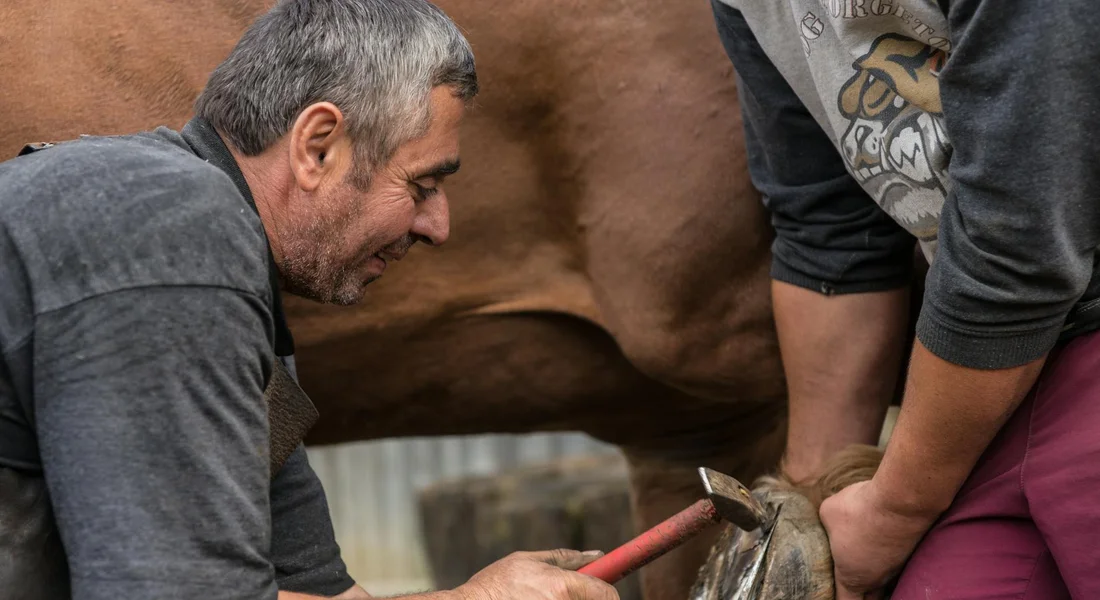
Think of your horse’s legs and hooves as the tires and suspension on your truck. You wouldn’t start a long journey without giving them a good once-over. This daily ritual is non-negotiable. I start every single barn day, rain or shine, with a hoof pick in my back pocket and my eyes on the ground.
The Daily Hoof Pick: More Than Just Dirt Removal
This is your primary diagnostic tool. Running your hand down the leg, feeling for any hesitation as you squeeze the tendon to ask for the hoof, you’re already gathering data. Is there tension? A flinch? The hoof pick itself is just an extension of your senses.
Follow this sequence every time to make it thorough and safe for both of you:
- Secure Your Position: Stand at the horse’s shoulder, facing their tail. Run your hand down the back of the leg, squeeze the fetlock, and say “up.” Hold the hoof securely between your knees.
- Clean from Heel to Toe: Use the pick’s tip to clean the triangular frog, starting at the heels and moving toward the toe. This follows the natural grooves (sulci) where thrush loves to hide.
- Inspect the Frog: It should be firm and rubbery, not mushy or peeling. A foul, rotten smell is thrush screaming for attention.
- Check the Sole and White Line: Look for punctures, unusual tenderness, or signs of separation where the sole meets the hoof wall.
- Examine the Hoof Wall: Scan for cracks, chips, or unusual rings (which can indicate past fever or dietary stress).
- For Shod Horses: Test each clinch (the part of the nail bent over the hoof wall). It should be flat and tight. Check for excessive wear, loose nails, or a shoe that has shifted.
The smell of a healthy hoof is just dirt and a bit of barn; the stench of thrush is unmistakable, like forgotten gym clothes. I’ve caught early cases in Pipin this way, whose dense, round hooves trap moisture if I’m not vigilant.
Legs and Soundness: From Standing Still to Moving Out
Beyond the hoof capsule, the entire leg assembly needs your attention. Swelling or heat is your horse’s way of posting a bright red flag.
Start with a quiet “standing exam.” With your horse on level ground, step back. Are they resting a hind limb comfortably, or are they pointing a toe to avoid bearing full weight? Know their normal stance. Rusty, my Quarter Horse, always rests a hind leg, but he shifts evenly. A horse that won’t settle is telling you something hurts.
Now, use your hands. Feel all four legs in this order:
- Run your hands down the front of the cannon bone, over the tendons at the back, and around the fetlock.
- Cup your hands around each joint-knee, fetlock, hock, stifle. Compare left to right. Heat is often the first sign of trouble, even before swelling.
- Pay special attention to the hocks and knees; these are high-stress areas.
Finally, watch them move. On a firm, flat surface, ask a helper to lead your horse away from you, toward you, and in a circle at the walk and trot. You’re looking for head bobs (a down on the sound leg), shortened stride, or stiffness. Luna’s Thoroughbred sensitivity means she often shows subtle stiffness before outright lameness.
Catching a slight filling in a tendon or a hint of warmth over a joint today can save you from a full-blown injury tomorrow. This hands-on time is the cornerstone of proactive care, not just problem-solving.
6. Breath and Bite: Respiratory and Dental Health
Listening to the Lungs: Coughs and Noisy Breathing
A quiet, regular breath is the sound of a happy horse. Any change is a note you need to hear. I listen for it every morning when I throw the first flakes of hay-that moment of peaceful munching is when issues often announce themselves.
A single cough as dust rises from the hay is usually nothing. A dry, hacking cough that repeats, especially at the start of work, can point to irritation or mild inflammation in the airways. A persistent moist, gurgly cough is a louder red flag, often suggesting mucus or infection deeper in the lungs. Frequency is your biggest clue. Two coughs are a note; ten are a full-blown alarm.
Noisy breathing at rest is never normal. A whistle, roar, or grunt on inhalation often means a physical obstruction in the upper airway. If you see flaring nostrils or a heaving abdomen when your horse is just standing in its stall, treat it as urgent. Labored breathing at rest is a veterinary emergency, full stop. Always connect this back to nasal discharge. Clear discharge with a cough might be allergies, but thick yellow or green discharge paired with a fever and cough screams respiratory infection. Understanding how to identify and manage respiratory issues in horses is essential for timely intervention. This knowledge helps you identify when to seek veterinary care and how to support your horse in the meantime.
The Dental Check-Up: Preventing Pain Before It Starts
Your horse’s teeth never stop growing. Without proper care, they develop sharp points and hooks that turn every meal into a painful ordeal. I’ve seen sweet horses turn sour from a simple dental issue no one caught.
Watch for these silent screams of dental pain:
- Quidding: Dropping half-chewed balls of hay or grass. This looks like little wads of cud on the ground.
- Dribbling grain or avoiding hard feed altogether.
- Head tilting or tossing while eating.
- Unexplained weight loss despite a good appetite.
- Resistance to the bit or headshaking under saddle.
An annual dental exam and float by an equine veterinarian or certified technician is as non-negotiable as hoof trims. They sedate your horse, use a speculum to safely open the mouth, and file down those sharp enamel points. Those points grate against the cheeks and tongue, creating ulcers that make eating painful. A horse with a mouthful of ulcers can’t tell you it hurts; it just stops eating well and loses condition. Regular dental floatings ensure your horse maintains good oral health.
My old gelding, Rusty, started quidding his hay one winter. His annual float was still two months away, but we called the vet early. Sure enough, he’d developed a wicked hook on his back molar. Waiting for the “schedule” often means waiting for a problem to become a crisis. Your horse’s comfort at the feed tub is the foundation of its entire health.
7. The Proactive Protocols: Preventive Care and Tack Fit
The difference between reacting to problems and preventing them often comes down to a calendar and a well-fitted saddle. This is where good management shines, turning potential disasters into mere footnotes in your horse’s logbook.
The Calendar of Care: Vaccines and Parasite Control
Think of your horse’s preventive health plan as a custom suit, not an off-the-rack solution. It should be tailored to their age, location, and lifestyle. I’ve seen too many horses run a fever after their shots because their program wasn’t balanced with their current stress level.
Core vaccinations are non-negotiable, forming the baseline of disease defense for every horse. Your vet is your ultimate guide, but typically, every horse’s protocol includes protection against:
- Tetanus (often combined with Eastern/Western Encephalomyelitis)
- Rabies
- West Nile Virus
- Rhino/Influenza (especially for horses who travel or encounter others)
For a complete schedule, refer to the essential horse vaccinations complete schedule guide. It provides timing, boosters, and age-specific considerations to optimize protection.
Strangles and Potomac Horse Fever are considered “risk-based” vaccines, crucial for some barns and unnecessary for others. A quiet pasture pet like Pipin has different needs than Luna, who goes to shows.
The old calendar-based deworming schedule is as outdated as a stiff leather bridle. Modern parasite control revolves around quantitative fecal egg counts, which tell you exactly what parasites your horse is shedding and how many. The importance of fecal egg counts in the modern deworming strategy cannot be overstated; they guide tailored therapies and help mitigate resistance. By using FECs, owners can target treatments and reduce chemical load, keeping pastures healthier and horses stronger. This targeted approach prevents needless chemical use and slows drug resistance. I run FECs on my three twice a year, and it’s saved me money and spared their systems.
Your best parasite fighter isn’t a tube of paste; it’s a manure fork. Pasture management is paramount. Picking paddocks regularly, rotating grazing if possible, and composting manure break the parasite life cycle at its source. A clean pasture is a healthy pasture.
Tack as Therapy: Ensuring Fit Prevents Problems
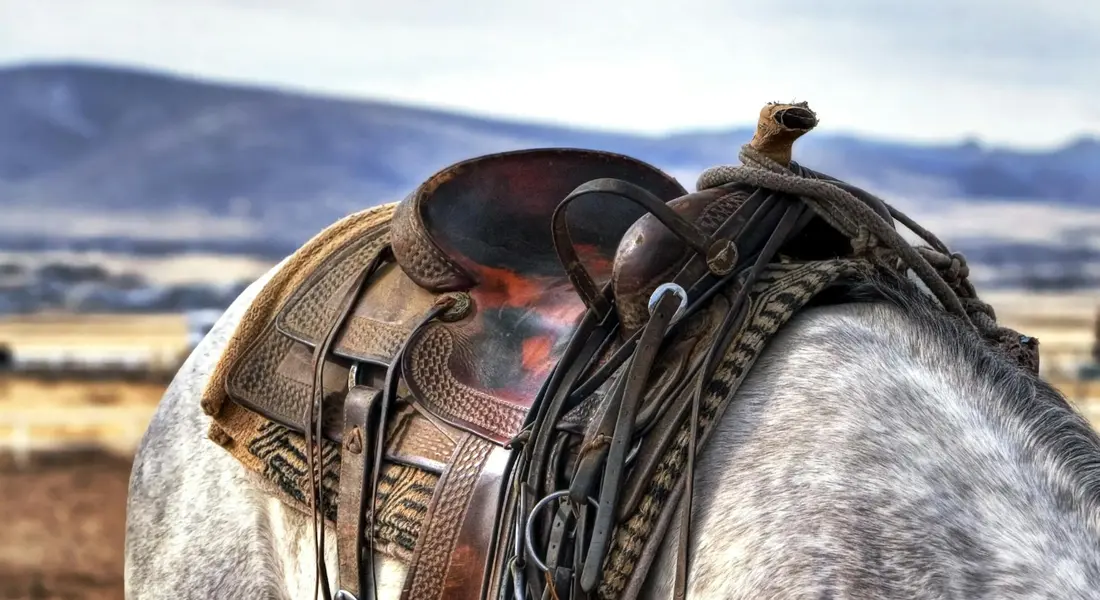
An ill-fitting saddle doesn’t just cause a sore back; it creates a resentful, guarded partner. I learned this the hard way with a young horse whose “cinchiness” turned out to be a pinched shoulder. Tack should distribute pressure evenly, like a comforting hug, not a vise grip.
Your saddle’s balance is the first thing to assess-place it on your horse’s back without a pad or girth. The pommel and cantle should create a level plane, not tipping forward or backward. Slide your hand under the front of the panels; you should feel consistent, even pressure.
Bridles harbor secret pressure points. Watch for white hairs or dry patches behind the ears or at the browband. The bit should sit quietly in the mouth without pinching the lips or banging the teeth. A simple checklist can save you weeks of troubleshooting:
- Saddle Balance: Level from pommel to cantle on the bare back.
- Channel Clearance: No pressure on the spine or withers.
- Girth Fit: Smooth behind the elbow, not causing rubs or restricted movement.
- Bridle Points: Check for chafing at poll, browband, and corners of the mouth.
- Behavioral Clues: Tail swishing, head tossing, or reluctance to move forward can be pain, not disobedience.
Fit changes with the season, with fitness, and with age. Checking your tack fit should be a routine as habitual as picking hooves, a direct investment in your horse’s comfort and willingness. That means the tack is properly fitted and adjusted to your horse’s shape. A well-fitted tack is the foundation of a comfortable, willing ride. When Rusty sighs and drops his head as the saddle goes on, I know we’re set for a good ride. That sigh is the ultimate review.
FAQ: The Ultimate Horse Health Troubleshooting Checklist
What is the capillary refill time (CRT)?
Capillary refill time (CRT) is a quick test to assess your horse’s hydration and circulatory health. You perform it by pressing your thumb firmly on your horse’s gum to blanch it, then releasing to see how quickly the pink color returns. A return to pink in under two seconds is normal, while a slower refill can indicate dehydration or shock.
Is there any odor from the hooves?
A foul, rotten odor from the hooves, especially from the grooves around the frog, is a classic sign of thrush, a bacterial infection. A healthy hoof should simply smell like dirt or your barn environment. Catching and treating this odor early during your daily hoof pick is crucial to prevent discomfort and more serious hoof problems.
Is there a noticeable crest or fat deposits?
A hard, fatty ridge along the top of the neck, known as a cresty neck, is a significant warning sign for potential metabolic issues like insulin dysregulation. This uneven fat distribution is different from overall weight gain and requires dietary management and veterinary consultation. Feeling for abnormal fat deposits behind the elbows, over the loin, and around the tailhead is also part of a complete weight assessment.
Steady Hands, Healthy Horses
Turn this guide into a daily habit, systematically checking from ears to hooves to notice the smallest changes in gait or spirit. Consistency in your routine is what transforms worry into proactive care, letting you catch a brewing issue long before it becomes a crisis.
True horsemanship means valuing patience over pace and seeing each check as a conversation. Your horse’s well-being is the ultimate reward for a rider who chooses to listen first.
Further Reading & Sources
- Checking Your Horse for Signs of Disease | MSD Animal Health HUB
- Horse health checklist: What is your horse’s normal? – Vetster
- Horse health essentials – World Horse Welfare
- YOUR HORSE HEALTH CHECKLIST
At Horse and Hay, we are passionate about providing expert guidance on all aspects of horse care, from nutrition to wellness. Our team of equine specialists and veterinarians offer trusted advice on the best foods, supplements, and practices to keep your horse healthy and thriving. Whether you're a seasoned rider or new to equine care, we provide valuable insights into feeding, grooming, and overall well-being to ensure your horse lives its happiest, healthiest life.
Health