
How to Properly Fit and Adjust Horse Tack for a Happy, Sound Horse
Published on: February 11, 2026 | Last Updated: February 11, 2026
Written By: Henry Wellington
Hello fellow equestrians. Is your horse tossing its head, resisting cues, or developing mysterious rubs? A poorly fitted saddle or pinchy bridle is often the silent culprit behind these frustrations, turning rides into battles and risking costly vet bills for back pain or lameness.
I’ve spent years in the barn aisles listening to the creak of leather and watching horses speak with their bodies, from Luna’s sensitive evasion to Pipin’s clever attempts to shrug his saddle off. Getting tack right isn’t about aesthetics; it’s foundational equine welfare.
In this guide, I’ll walk you through the key checks you can do today. We’ll cover finding the sweet spot for saddle tree width and balance, adjusting your bridle for clear communication without pressure points, and ensuring the bit rests comfortably without pinching or gaping. You’ll learn how a simple girth adjustment can change everything.
This is wisdom earned from fitting everything from Rusty’s broad back to thoroughbreds with sharper withers, all in the pursuit of a more comfortable partnership.
Why Tack Fit Matters: More Than Just Leather and Metal
Think of your tack as a second skin for your horse; a poor fit doesn’t just cause a bad ride, it can injure muscles and sour a willing attitude. Proper tack fit is the bedrock of gentle horsemanship, ensuring your cues are clear and your horse’s comfort is non-negotiable. I prioritize ample turnout for all our horses because a body that moves freely all day is less prone to the soreness that ill-fitting gear creates.
Your horse talks with his body, not his voice. Learning to spot the subtle early warnings can save you both from a world of hurt and frustration down the trail. Understanding their body language is key. With my Thoroughbred, Luna, her sensitivity meant a slight pressure point from a new girth resulted in pinned ears and a stiff trot-a costly lesson in attention to detail.
Watch for these quiet signs of discomfort:
- Dry, un-sweated patches under the saddle after work, signaling pressure points.
- Excessive tail swishing or head tossing when moving at a gait.
- Visible anxiety, hollowing, or resistance during the girthing process.
- A reluctance to stand square or a dipped back when the saddle is placed.
The Foundation: Getting Saddle Fit Right
Nailing saddle fit is like building a house on a solid foundation-everything else is unstable without it. A good saddle acts as a supportive platform, not a restrictive clamp, allowing for full shoulder rotation and a swinging back. Forget the pads and accessories for a moment; the saddle itself must pass these checks on the horse’s bare back.
Assessing Tree Width and Withers Clearance
The saddle tree is its rigid backbone, and its width is the first thing to get right. A tree that’s too narrow acts like a vise on the withers, while one that’s too wide will pound down with every stride. Knowing your horse’s measurement size is essential for a proper saddle fit, not just the tree width. This includes gullet width, back length, and wither contour. Follow these steps for a basic assessment, but remember a horse’s shape changes with fitness and season.
- Place the saddle directly on your horse’s clean, dry back, using no pad. This shows you the true contact.
- Run your hand along each panel; you should feel consistent, even pressure from front to back with no bridging or rocking.
- Check withers clearance with the classic three-finger rule. You should comfortably fit three fingers vertically between the top of the withers and the gullet channel. This space is not fixed-it shrinks as topline muscle develops.
Flocking and Gullet Width: The Inside Story
Flocking is the adjustable cushioning inside the saddle panels, typically wool or foam. Old or lumpy flocking is a common culprit for mysterious soreness, as it settles and creates hard spots over time. I once revived an old saddle for Rusty by having it completely reflocked; the difference in his willingness to move forward was night and day.
Gullet width is about spinal clearance, not just withers room. Peek through the channel from pommel to cantle; you must see a clear, unobstructed path over the entire spine to prevent damaging pressure. A thick saddle pad is a comfort layer, not a magic fixer for a poorly fitted tree or collapsed panels.
Western vs. English: Key Fit Differences
The core principles are identical, but the application varies due to design. Western saddles distribute weight over a larger area for long wear, while English saddles seek closer contact for precise communication. The key differences often lie in the rigging and how the saddle sits on the horse’s barrel.
| Feature | Western Saddle | English Saddle |
|---|---|---|
| Rigging Position | Determines saddle balance and girth angle. Full rigging sits the saddle farther back, affecting shoulder freedom. | Billets attach directly to the tree, creating a more vertical girth line and centralized rider weight. |
| Skirt Length & Placement | Longer skirts must clear the scapula entirely to avoid hindering the shoulder swing. | Shorter panels are shaped to follow the back muscles without impeding movement. |
| Stirrup Attachment | Fixed stirrup bars (fenders) require the saddle to be positioned correctly for ideal leg alignment. | Adjustable leathers on stirrup bars allow for fine-tuning your position relative to the horse’s center of balance. |
Always ensure the front of the Western skirt sits behind the shoulder blade, and that the English panel doesn’t extend past the last rib. The best fit, in any discipline, leaves your horse looking and moving like he’s wearing nothing at all.
Bridle and Bit Basics: Fitting for Clear Communication
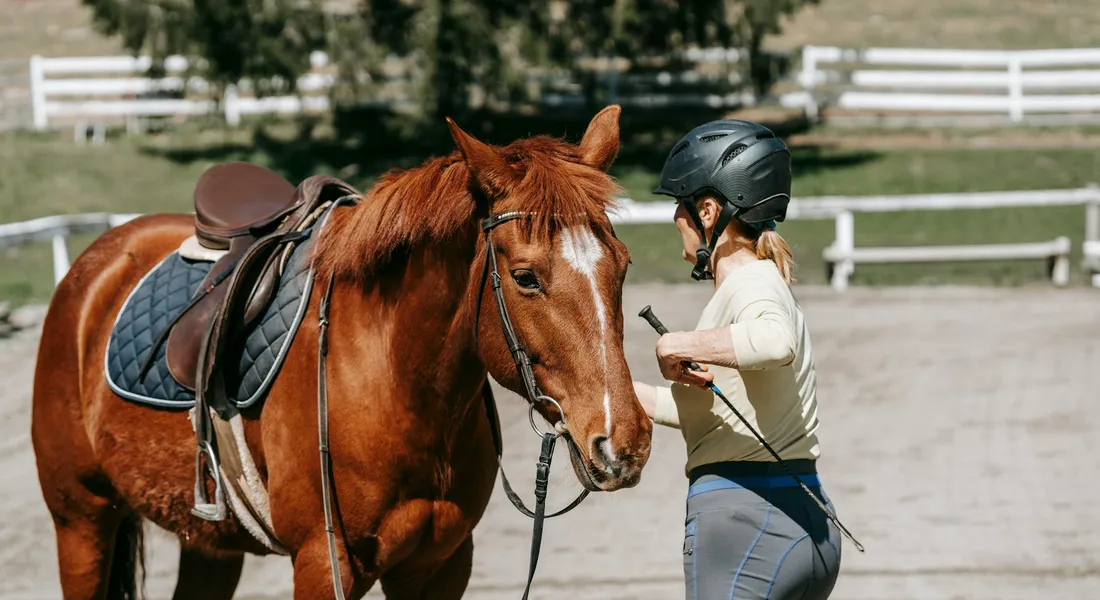
Think of your bridle not as a control device, but as your telephone line to your horse. A poorly fitted one creates static and miscommunication, while a clean connection allows for quiet whispers. Your goal is always clarity, not coercion; a comfortable horse is a listening horse. We’ll tackle the leather adjustment and the bit choice as one unified system, because they absolutely work together.
Bridle Adjustment: From Browband to Throatlatch
Take your time with this. I like to hang the bridle on a hook at eye level and work through each strap methodically. You’re checking for even pressure, smooth leather lies, and no hidden pinches.
- Headstall & Browband: The headstall (the crownpiece over the ears) should be adjusted so the browband sits flat, without pulling forward into the horse’s temples or dangling loosely. You should see no skin wrinkles under it.
- Cheekpieces: This is your bit’s anchor. Buckle them evenly so the bit hangs in the mouth without lifting the corners or hanging so low it clacks on teeth. This is your preliminary setting-you’ll fine-tune with the bit in.
- Noseband: A cavesson noseband isn’t for closing the mouth shut. Fit it so you can comfortably slide two stacked fingers underneath the front. It should lie about two finger-widths below the cheekbone. A tight noseband causes tension and resistance, the opposite of what you want.
- Throatlatch: This is a safety strap, not a choker. Buckle it so you can fit your flattened hand, palm sideways, between the strap and your horse’s jaw. Check daily for any rubbed hair or chafing behind the jaw.
Choosing and Fitting the Bit
The bit rests on sensitive bars of the mouth and tongue. Fit is everything. First, size: a too-narrow bit pinches, a too-wide one slides and bangs. With the bridle on, look for one to two soft wrinkles at the corner of the lips. No wrinkles means it’s hanging too low; deep creases mean it’s hoisting the lips up.
Run your fingers around the bit rings and cheekpieces where they meet the mouth. Feel for any place where skin could be caught or pinched, especially on wider-faced horses. Different bits serve different purposes, so consider how a bit’s design matches your horse’s training and temperament. Understanding their uses helps you choose the right one for your horse. Now for type. Match this to your horse’s education and mind:
- Loose-Ring Snaffle: My go-to for most horses, like my sensitive Luna. The rings move freely, allowing a quiet signal and preventing fixed pressure points. Great for training.
- D-Ring or Full-Cheek Snaffle: Offers more lateral stability. The full-cheek has long arms that can help with steering, but ensure they don’t poke the horse in the face when turned.
- Eggbutt Snaffle: The hinge is fixed at the ring, creating a steadier feel on the lips. A solid choice for a steady horse who might play with a loose-ring.
- French Link or Double-Jointed Snaffle: The central link relieves pressure on the tongue. I’d try this on a horse with a thick tongue or low palate.
- Ported Curb Bit: For finished Western horses. This is advanced communication with leverage. Never start here. A horse like Pipin, clever and testing, needs clear basics first, not more power in your hands.
Securing the Saddle: Girths, Cinches, and Tension
This is the critical link. A perfectly fitted saddle is useless if it’s secured poorly. The girth (English) or cinch (Western) is the anchor point. Its job is to hold the saddle safely stable while distributing pressure as gently as possible over a large, sensitive area. Get this wrong, and you’ll have a grouchy, cinchy horse in no time. Accurate girth measurement matters for the right fit. The next section will show how to measure your horse’s girth for a secure, comfortable saddle.
Finding the Right Girth Length and Position
Length matters. An English girth should buckle to the middle billet holes. If you’re using the very top or bottom holes, the girth is the wrong size. For Western, your latigo should have several holes of adjustment left after tightening. The position should sit in the girth groove, about a hand’s width behind the horse’s elbow. Watch for chafing on that inner-leg skin; a soft girth sleeve or a fleece cover can be a game-changer for thin-skinned horses. Materials range from traditional leather to neoprene and mohair-string cinches, which are excellent for dissipating sweat.
How Tight is Right? Mastering Girth Tension
Never cinch up tight in one go. I tighten in stages: snug enough to walk to the mounting block, then a check before I get on, and a final check after a few minutes of walking. The old “two-finger” rule is a good guide. You should be able to slide two fingers flat between the girth and your horse’s barrel comfortably at its snuggest point. You’re aiming for secure, not suffocating. Listen to your horse-if he tenses, pins his ears, or tries to bite when you tighten, you’re going too fast or it’s already too tight. That gradual approach gives his ribs a chance to expand and settle, preventing a dangerous loose girth ten minutes into your ride. It’s an essential step in properly saddling a horse.
Rider Setup: Stirrups and Leathers for Balance

A secure rider is a gentle rider. When you’re balanced and stable in the saddle, you don’t clutch with your knees or yank on the reins for support. Your horse feels this difference immediately as a release of pressure, allowing him to move freely without bracing against your insecurity. Properly adjusted tack for you is just as vital as a well-fitted saddle for your horse.
Adjusting Stirrup Length for Safety and Comfort
Getting your stirrups at the right length is non-negotiable for safety. Start with the classic arm-length method: stand next to your saddle and adjust the stirrup iron so its bottom touches your armpit when your fingertips are on the stirrup bar. For a more precise fit, mount up and have a helper adjust so the bottom of the iron sits at your ankle bone when your legs hang loose. Always run your fingers down the entire length of each stirrup leather before riding, feeling for dry rot, deep cracks, or any weak spots that could snap under pressure. I replace mine every few years, no matter what-the cost is nothing compared to a fall.
Saddle Rigging and Your Position
Where those saddle dee rings sit changes everything. Full or 7/8 rigging, where the dees are positioned farther forward, pulls the saddle tighter against the horse’s shoulder, which can stabilize a saddle on a very round barrel. This forward rigging can also subtly tip a rider’s center of balance forward, which you might unknowingly fight by leaning back. In-skirt or center-fire rigging places the dees directly under the seat, allowing the saddle to sit more neutrally and often putting the rider in a more centered, balanced position. If you constantly feel like you’re pitching forward or struggling to sit deep, your saddle’s rigging might be part of the puzzle.
The Daily Fit Check: Spotting Trouble Before It Starts
Make this your non-negotiable pre-ride ritual, like brushing your teeth. It takes sixty seconds and becomes a meditative connection with your horse. This quick check is your first line of defense against minor annoyances that, left unchecked, blossom into major soreness or behavioral issues. Your horse’s mood during tack-up is your first report card on yesterday’s ride.
Quick Pre-Ride Inspection
Run through this list every single time you saddle up:
- Billet Straps: Flex each one, looking for stiff cracks or white fibers showing.
- Girth: Check both sides for frayed stitching, stiff spots, or ingrained dirt that chafes.
- Saddle Position: Ensure it hasn’t crept forward onto the shoulders after you walked it to the grooming stall.
- Bridle Buckles: Listen for the solid *click* and check for loose keepers that could slip.
- Noseband & Throatlatch: Can you fit two fingers flat underneath easily?
The smell of clean leather and the sound of secure buckles are the sensory cues that everything is ready.
Reading Your Horse: Behavioral Signs of Discomfort
Your horse talks with his body long before he acts out. Watch for the subtle signs during tack-up and mounting. Does he hollow his back or swish his tail aggressively when you first place the saddle? Does he pin his ears or try to walk off when you reach for the girth? A sudden change in behavior, like my Thoroughbred Luna developing a dramatic “girthiness,” is almost always a red flag for physical pain, not stubbornness. That particular episode turned out to be a hidden muscle soreness from a poorly fitting pad, solved with bodywork and a different saddlecloth. Refusing to move forward, bucking after a fence, or a consistently stiff direction are all final pleas for you to check your equipment and make sure your horse isn’t lame.
Tack Care for Lasting Fit: Maintenance Matters

Think of your tack like a favorite saddle pad; it only stays comfortable and functional if you look after it. Clean, supple leather holds its shape, which means every hole on your billet straps or cheekpieces will adjust precisely when you need it to. I learned this watching Rusty’s old girth become so stiff and misshapen from neglect that it pinched his skin, a clear welfare issue. Proper tack care is a direct extension of gentle horsemanship, ensuring comfort and safety with every buckle and strap.
Cleaning and Conditioning Leather
The routine is simple, but the impact is huge. Regular cleaning removes sweat and grit that grind into fibers, while conditioning replaces natural oils. A quick wipe-down after each ride is the single best habit for preserving leather and your horse’s comfort. Follow these steps to keep tack in top shape.
- Wipe down after every use. Use a dry, soft cloth to remove sweat, mud, and hair from all leather surfaces before putting tack away.
- Deep clean weekly. Apply a mild saddle soap with a damp sponge, working in gentle circles to lift dirt without soaking the leather.
- Condition to prevent cracking. Every three to four weeks, massage a quality leather conditioner into clean, dry tack to restore flexibility.
Stick to these do’s and don’ts for best results.
- Do use products designed for equine leather; they handle sweat and friction better than generic options.
- Don’t drench leather in water; excess moisture weakens stitching and can lead to mildew.
- Do pay extra attention to high-friction areas like the billets and reins, where wear happens fastest.
- Don’t forget the underside of the saddle flap; sweat accumulates there against your horse’s side.
Storage Tips to Preserve Shape
Where tack lives between rides dictates how long it lasts. Poor storage warps trees and twists bridles, ruining a perfect fit. I once found Luna’s bridle slumped on a pipe after a clever escape by Pipin; the crownpiece had a permanent kink that irritated her ears. Investing in proper storage is investing in your tack’s longevity and your horse’s consistent comfort.
- Use a wide, padded saddle rack that supports the entire tree, not just the pommel, to prevent distortion.
- Hang bridles on contoured bridle hooks to maintain the shape of the crownpiece and browband.
- Never hang a saddle by its stirrup leathers; this stretches them and puts dangerous stress on the tree.
- Store tack in a dry, climate-controlled space; dampness leads to mold and brittle leather.
- Cover gear with a breathable cotton cover to shield it from dust and stable debris without trapping moisture.
FAQ: How to Properly Fit and Adjust Horse Tack
How often should I reassess my horse’s tack fit as they change shape?
You should perform a quick check before every ride and conduct a thorough assessment every three to six months, as horses gain or lose weight and muscle. Significant changes in fitness, age, or season can alter back shape and tack requirements. Regular reassessment helps prevent soreness and ensures your equipment continues to support your horse’s comfort and performance. It’s also essential to measure your horse’s fitness and recovery time to tailor your exercise and care routines effectively.
What is the correct way to adjust a bridle for a horse with a broad forehead?
Select a browband that is long enough to sit flat against the forehead without pulling forward or creating tension at the temples. Ensure the headstall is adjusted to allow the cheekpieces to hang straight down, so the bit rests evenly in the mouth without twisting. Always verify that the throatlatch is buckled loosely to avoid restricting jaw movement or causing rubs on sensitive skin.
Can a poorly fitted saddle pad affect saddle fit?
Yes, an ill-fitting pad can introduce pressure points, shift saddle position, and undermine a properly fitted saddle. It should lie smoothly without folds or bunching that could create discomfort or alter balance. Use a pad that matches the saddle’s shape and size to enhance protection without compromising the critical contact between saddle and horse.
Your Horse’s Silent Feedback
Always begin with a systematic check, ensuring the saddle tree matches your horse’s shape and the girth is snug without restricting breath. Proper fit is proven not by a static picture, but by freedom of movement—watch for smooth, unhindered strides once you’re in the saddle.
This process requires a patient eye and a willingness to make tiny tweaks. Your horse’s relaxed demeanor and soft eye are the final, most honest approvals you’ll get. That trust is the foundation for building a strong bond with your horse. Next, you’ll learn how to build that bond and trust even more.
Further Reading & Sources
- Fitting Tack– Horse.com
- The charity dedicated to helping sick, injured and homeless pets since 1897.
- 9 Safety Tips on How to Properly Tack Your Horse – TACKTRUNKS
- Correctly Fitting Tack and Why It’s Important | Naylors Blog | Naylors
At Horse and Hay, we are passionate about providing expert guidance on all aspects of horse care, from nutrition to wellness. Our team of equine specialists and veterinarians offer trusted advice on the best foods, supplements, and practices to keep your horse healthy and thriving. Whether you're a seasoned rider or new to equine care, we provide valuable insights into feeding, grooming, and overall well-being to ensure your horse lives its happiest, healthiest life.
Equipment