
Gaited Horse Breids: Your Guide to Smoother Rides and Happy Horses
Published on: March 2, 2026 | Last Updated: March 2, 2026
Written By: Henry Wellington
Hello from the barn aisle. If you’ve ever finished a trail ride feeling like you’ve been shaken loose by a jolting trot, or watched a horse move with a fluid, mesmerizing rhythm and wondered how, this is for you.
Seeking that legendary smooth gait isn’t just about comfort-it’s about finding a partnership that cares for your body and your horse’s natural way of going.
In this article, I’ll break down the world of gaited horses so you can understand their magic, covering these key points:
- What truly defines a gaited horse and how their movement differs from a standard walk, trot, and canter.
- The precise biomechanics that create those signature smooth gaits, from muscle use to footfall patterns.
- Profiles of common gaited breeds, helping you identify which might suit your riding life.
- Essential tips for riding and caring for these horses to promote their welfare and your confidence in the saddle.
I’ve spent years as a barn manager and trainer, working with everything from steady Quarter Horses to high-strung Thoroughbreds, which has given me a deep, practical respect for how a horse’s built-in movement affects everything from training to turnout. This awareness helps me distinguish a good, rested horse from a tired one. It underpins my approach to debunking five common exercise-turnout myths.
What Exactly is a Gaited Horse?
Defining Gaited Horses in Simple Terms
Think of a gaited horse as your living-room recliner on the trail. While most horses bounce you around at a trot, gaited breeds swap that jolt for a glide. They perform extra smooth, intermediate speeds beyond the standard walk, trot, and canter. I remember the first time I rode a Tennessee Walker; the lack of that familiar up-and-down motion was so startling I nearly checked if the saddle was loose. Gaited horses are born with a natural talent for moving in ways that prioritize rider comfort and efficient travel over rough ground. Understanding the Tennessee Walking Horse gaits helps you anticipate that signature smooth ride. A quick look at the walk, running walk, and rack can make upcoming trail notes easier to follow.
This isn’t about fancy training tricks. It’s about biomechanics. Where my Quarter Horse, Rusty, has a clear two-beat trot, a gaited horse might use a four-beat shuffle that keeps at least one hoof on the ground at all times. This constant contact absorbs shock. For riders with bad backs or long days in the saddle, that difference isn’t just nice-it’s a game-changer for enjoying time with your horse.
How Gaited Horses Differ from Your Average Ride
Your average horse, like my sensitive Thoroughbred Luna, has three natural gears: walk, trot, canter. Asking her for something in between often results in a hurried trot or a disjointed canter. A gaited horse, however, unlocks those “in-between” gears naturally. The ride feels fluid, like sliding across a polished floor instead of hopping on cobblestones. The biggest difference you’ll feel is in the absence of the suspended phase of the trot, where all four feet are off the ground and you catch air.
On a practical level, this means less wear and tear on both of you. I’ve seen gaited horses cover miles of rocky trail that would leave a trotting horse and rider feeling pounded by sundown. Advocating for the right horse for the job is part of gentle horsemanship, and a gaited horse’s smoothness directly supports equine joint welfare over a lifetime.
The Role of Genetics and Natural Ability
You can’t train a non-gaited horse to be gaited. This ability is written in their DNA, a heritable trait passed down through specific bloodlines. Breeds like the Icelandic Horse or the Paso Fino have been selectively bred for centuries to emphasize these smooth movements. It’s a natural, inborn coordination, much like how my Shetland Pony Pipin was born with a genius for unlatched gates.
While training polishes the gait, it doesn’t create it. A good trainer helps the horse find balance and rhythm without forcing an artificial pace. Forcing a horse into an uncomfortable gait is a welfare issue, which is why choosing a breed with the natural inclination is so key. Their unique neurology and conformation-often a slightly different slope to the shoulder or angle of the pastern-set them up for success from day one.
The Mechanics of a Gait: How They Move Differently
Understanding Footfall Patterns: Beats and Rhythm
Listen to the thud of hooves on hard ground. The rhythm tells you everything. A walk is a four-beat gait: left hind, left front, right hind, right front. A trot is a two-beat diagonal gait: left front and right hind together, then the other pair. Gaits play with these patterns. The beat count refers to the distinct hoof strikes you hear in one complete cycle of movement.
A smoother gait often has more beats, spreading the impact over more moments. It’s the difference between a drummer hitting the snare twice versus four times in a measure. Identifying the beat is your first clue to understanding why you’re sitting still instead of posting.
Four-Beat Gaits for a Smooth Ride
Four-beat gaits are the holy grail of smoothness. Each hoof hits the ground independently, creating a rapid, rolling sequence like a steady drumroll. The Tennessee Walking Horse’s running walk and the Peruvian Paso’s *sobreandando* are classic examples. This pattern eliminates the diagonal bounce of the trot because there’s never a moment where both legs on one side of the body are off the ground simultaneously.
I’ve clocked many miles on gaited horses, and the four-beat rhythm lets you carry a full cup of coffee without a spill. This efficiency also means the horse can cover ground with less vertical effort, conserving energy for the long haul-a major plus for trail welfare.
Lateral and Diagonal Movement Explained
Horse movement is described as lateral or diagonal based on which legs move together. Lateral gaits involve the legs on the same side moving in unison (left hind and left front). The pace is a two-beat lateral gait. Diagonal gaits, like the trot, pair the left front with the right hind. Many smooth gaits are four-beat but have a lateral *feel* or emphasis, meaning the legs on the same side move forward in sequence, but not quite together. These patterns also relate to how horses walk and navigate obstacles. They influence foot placement when stepping over logs or avoiding uneven terrain.
This lateral timing is what creates that distinctive swaying motion in some breeds. It’s not a flaw; it’s engineered smoothness. The horse’s anatomy—bone structure, limb proportions, and muscle balance—helps shape its speed and stride. Understanding this helps you avoid fighting the horse’s natural motion with your reins or seat, which is crucial for a harmonious ride.
Cadence and Stride: The Keys to Smoothness
Cadence is the rhythm’s tempo, and stride is the distance covered. A great gait has high, crisp cadence-think of a quick, snappy tap dance-with a long, reaching stride. The horse snaps its knees up with purpose and reaches forward powerfully. High cadence without a forward stride just creates a busy, choppy step, while a long stride without cadence feels flat and sluggish.
You develop an ear for it over time. The perfect running walk has a metallic, four-beat click that’s as regular as a metronome. This combination of quick steps and ground coverage is what turns a mere shuffle into that famous “glide” that saves your backside.
Comparing Gaits to the Trot: A Practical Table
Here’s a quick, practical look at how common gaited movements stack up against the standard trot. This table is based on my years of riding and observing everything from lesson ponies to show horses.
| Gait Name (Breed Example) | Beat Count | Lateral or Diagonal Emphasis | What It Feels Like vs. a Trot |
| Trot (Most Breeds) | Two-Beat | Diagonal | A bouncy, jarring motion. Requires posting or sitting the bounce. |
| Running Walk (Tennessee Walker) | Four-Beat | Lateral | A smooth, gliding roll. No bounce, just forward motion. You can sit still. |
| Fox Trot (Missouri Fox Trotter) | Four-Beat (broken) | Diagonal | A stable, shuffling walk in front with a sedate trot behind. Feels like a gentle rock. |
| Pace (Standardbred, some Icelandics) | Two-Beat | Lateral | A swaying, side-to-side motion. Can be rough to sit but very fast. |
| Tölt (Icelandic Horse) | Four-Beat | Lateral | Extremely smooth and explosive. From a slow prance to a racing speed without a bounce. |
This table shows why the trot’s two-beat bounce is the default benchmark for “rough,” while the four-beat options offer varying degrees of saddle comfort.
Choosing to ride a gaited horse means appreciating this intricate mechanics. Their movement is a testament to equine evolution and selective breeding for partnership, turning miles of trail into a pleasure cruise instead of a test of endurance.
A Catalog of Comfort: Types of Natural Gaits
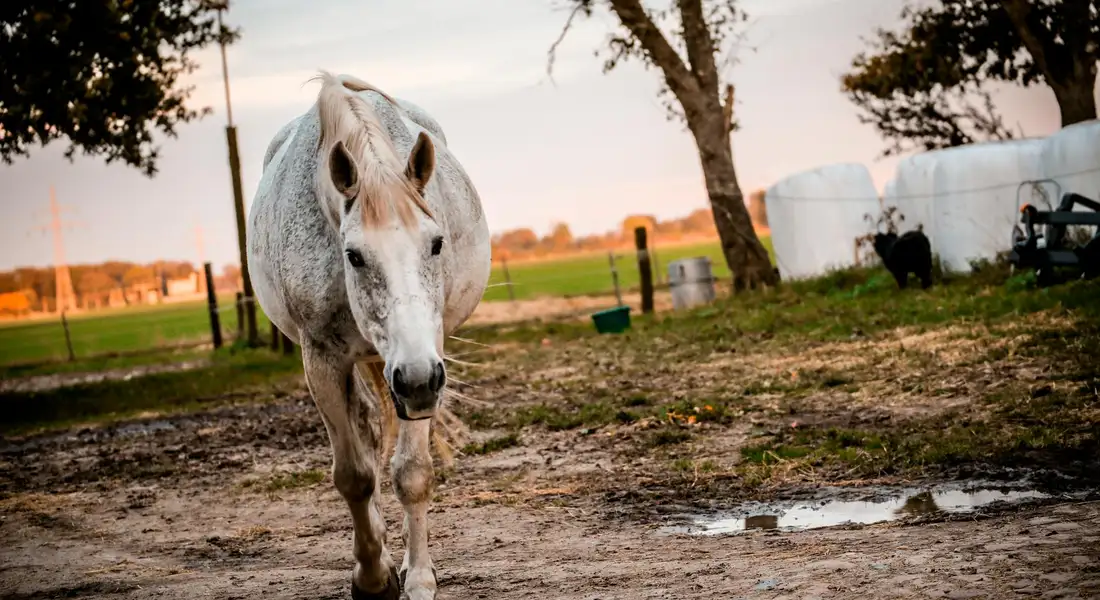
Think of these gaits as built-in shock absorbers, each with a unique rhythm that saves your back and your horse’s joints. I’ve clocked countless miles in the saddle feeling the difference, and knowing what to listen for in the footfalls changes how you ride. Understanding the different horse gaits is key to that.
The Running Walk: The Signature of Tennessee Walkers
This gait feels like gliding on a conveyor belt. The horse moves its legs in a four-beat pattern, but with an exaggerated reach and a distinctive head nod that syncs with the stride. You’ll hear a crisp, one-two-three-four cadence instead of a trot’s two-beat jolt. The true running walk is effortless for the horse, a testament to selective breeding for smooth travel over long distances. I remember the first time I rode a Walker named Gentleman; the smoothness was so profound I kept checking we were actually moving faster than a walk. Welfare note: this gait must come from relaxed conditioning, not from artificial aids or heavy shoes.
The Fox Trot: A Smooth and Easy Motion
Imagine the front feet walking while the back feet trot. That’s the fox trot in a nutshell-a broken diagonal gait that creates a little side-to-side rock instead of an up-and-down bounce. The sound is a syncopated beat, often described as “chuck-a-chuck.” This motion is incredibly stable on rough terrain, as the horse always has two or three feet on the ground for balance. On trail rides with fox-trotting mounts, I’ve noticed they rarely stumble, conserving energy that others spend on recovery from jarring steps.
The Rack and Tölt: High-Speed Comfort
Both are rapid, four-beat lateral gaits where each foot hits the ground independently. The rack is flashy and high-stepping, while the tölt is grounded and powerful. The key is the lack of suspension phase; the horse always has contact, which means you sit still without posting. Riding a good tölt feels like being whisked away on a fast, magic carpet-all speed, no bounce. I’ve töltted on Icelandic horses through rocky fields, and the secure, flat feeling lets you cover ground without fatiguing your horse’s back or your own knees.
- Rack: Common in American Saddlebreds. Animated and showy, requiring considerable impulsion and athleticism.
- Tölt: The heritage gait of the Icelandic Horse. Naturally smooth from the slowest walk to racing speeds.
The Paso Llano and Other Lateral Gaits
These are the synchronized swimmers of horse gaits. In the paso llano, the legs on the same side move forward almost together in a lateral four-beat rhythm, creating a distinct, rolling sensation. The horse’s body stays level while its feet move with breathtaking speed and precision, a movement bred for comfort over Peru’s rugged coasts. Other lateral gaits like the paso fino have even more collected, rapid steps. The first time I saw a Peruvian Paso perform, the sound was a rapid, even “tat-tat-tat-tat” on the hard ground, a mechanical marvel born of nature.
Meet the Breeds: Popular Gaited Horses for Riders
Choosing a gaited breed isn’t just about a smooth ride; it’s about matching a horse’s mind and body to your lifestyle. I’ve handled everything from cheeky ponies to sensitive thoroughbreds, and gaited horses often bring a unique, willing temperament to the barn.
Tennessee Walking Horse: The Gentleman’s Traveler
This breed is your laid-back trail companion with an innate sense of courtesy. They’re known for their calm demeanor and that iconic running walk. A well-bred Walker wants to please and will maintain that smooth gait for miles without urging, making them ideal for riders with back issues or long days in the saddle. I’ve found they thrive on consistent turnout and gentle, reward-based training; forcing the gait ruins their natural grace and spirit.
Icelandic Horse: The Viking Steed with Tölt
Don’t let their pony size fool you. These are tough, intelligent animals with two extra gears: the tölt and the flying pace. They are incredibly sure-footed and have a double coat for harsh weather. Riding an Icelandic is a partnership; they respond best to light cues and clear communication, much like my sensitive Luna, but with a sturdier confidence. They need regular movement and social herd time to stay mentally sharp-stall confinement is their kryptonite.
Missouri Fox Trotter: The Sure-Footed Trail Partner
Bred for the Ozarks, this horse is all about practical comfort. The fox trot is their hallmark, providing a secure seat on steep or uneven paths. They tend to have a quiet, sensible nature and incredible stamina. You’ll appreciate their “get-it-done” attitude on long rides, where their steady gait conserves energy for both horse and rider. In my experience, they are often less reactive to trail debris than other breeds, thinking their way through obstacles rather than spooking.
Peruvian Paso and Other Specialty Breeds
The Peruvian Paso is the luxury sedan of the horse world, bred for a smooth ride and dramatic presence. Their lateral gait, the paso llano, is innate and requires no special training to elicit. Their unique “termino”-a graceful, outward rolling motion of the front legs-is a natural biomechanical trait, not a trained trick. Other specialty breeds include the smooth-gaited Mangalarga Marchador and the versatile Rocky Mountain Horse. Each offers a unique feel, but all share the need for ethical breeding that prioritizes soundness over extreme movement.
| Breed | Signature Gait | Best For |
|---|---|---|
| Tennessee Walker | Running Walk | Long trail rides, relaxed pace |
| Icelandic Horse | Tölt | All-terrain adventure, smart partners |
| Missouri Fox Trotter | Fox Trot | Rugged trails, steady temperament |
| Peruvian Paso | Paso Llano | Show-ring presence, buttery smoothness |
Trot vs. Gait: Feeling the Difference in the Saddle
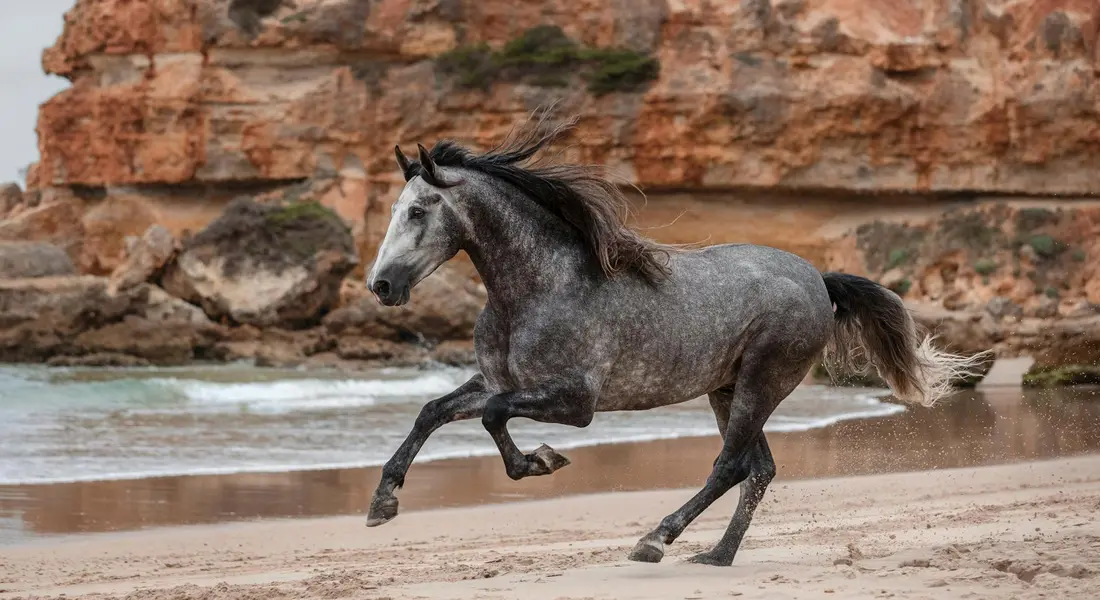
The Diagonal Two-Beat: Why Trots Bounce
Climb onto a horse like my Thoroughbred, Luna, and ask for a trot. You’ll feel a distinct, rhythmic bump with each stride. This happens because the trot is a diagonal two-beat gait: the left front and right hind legs move together, then the right front and left hind. That paired impact creates an upward thrust. Your seat leaves the saddle momentarily with each beat, which is why we post or sit deep to manage the bounce. It’s efficient for covering ground, but it can feel like riding a pogo stick on uneven terrain.
Think of a horse’s spine during a trot. It flexes and extends with each diagonal pair, transmitting that motion right to your pelvis. I’ve spent years tuning into these movements, and it’s why beginners often find trotting challenging. The key is to recognize that this bounce is natural for non-gaited breeds, but it demands more core engagement from you.
The Smooth Four-Beat: Gliding Instead of Bouncing
Now, swing a leg over a gaited horse. The sensation is utterly different-a smooth, rolling glide where you stay firmly in the saddle. Gaits like the running walk or foxtrot are four-beat: each hoof hits the ground independently. There’s no moment of suspension where all feet are off the ground like in a trot. Instead, you feel a continuous, wave-like motion that mimics sliding across a freshly groomed arena. It’s quiet, too; listen for a steady “1-2-3-4” cadence instead of a “1-2, 1-2” beat.
From a biomechanical standpoint, this sequence reduces vertical movement. The horse’s back stays relatively stable, so your seat bones don’t get jostled. I recall the first time I rode a gaited horse; after a mile, I realized I hadn’t clenched my knees or braced my back once. That’s the magic-it feels like the horse is doing the work to keep you comfortable.
Tips for Riders Transitioning to Gaited Horses
If you’re used to trotting horses, riding a gaited one requires a mindset shift. Your old habits might interfere with the horse’s natural rhythm. Here’s how I help riders at the barn make the switch smoothly:
- Relax Your Seat: Stop posting immediately. Sink your weight evenly into both seat bones and let your hips follow the horse’s motion, not fight it.
- Soft Hands: Gaited horses often have sensitive mouths like Luna. Keep a light, consistent contact to avoid confusing them with mixed signals.
- Trust the Gait: Don’t try to “create” bounce or urge them into a trot. Use gentle cues and allow the horse to find its smooth rhythm.
- Practice on a Lunge Line: Before hitting the trail, work in a controlled space to feel the gait without steering distractions.
- Check Your Tack: Ensure your saddle allows freedom of shoulder movement. A poorly fitting saddle can hinder a gaited horse’s stride.
Remember, forcing a gait can stress the horse and ruin the smoothness-patience and practice are your best tools. I’ve seen riders white-knuckle the reins; instead, take a deep breath and enjoy the glide. Whether you’re moving through a trot, a gallop, or a turn as you ride, harmony comes from steady breath and light hands. Respect the horse’s rhythm; that patience smooths transitions.
Why Choose a Gaited Horse? Benefits for Horse and Rider
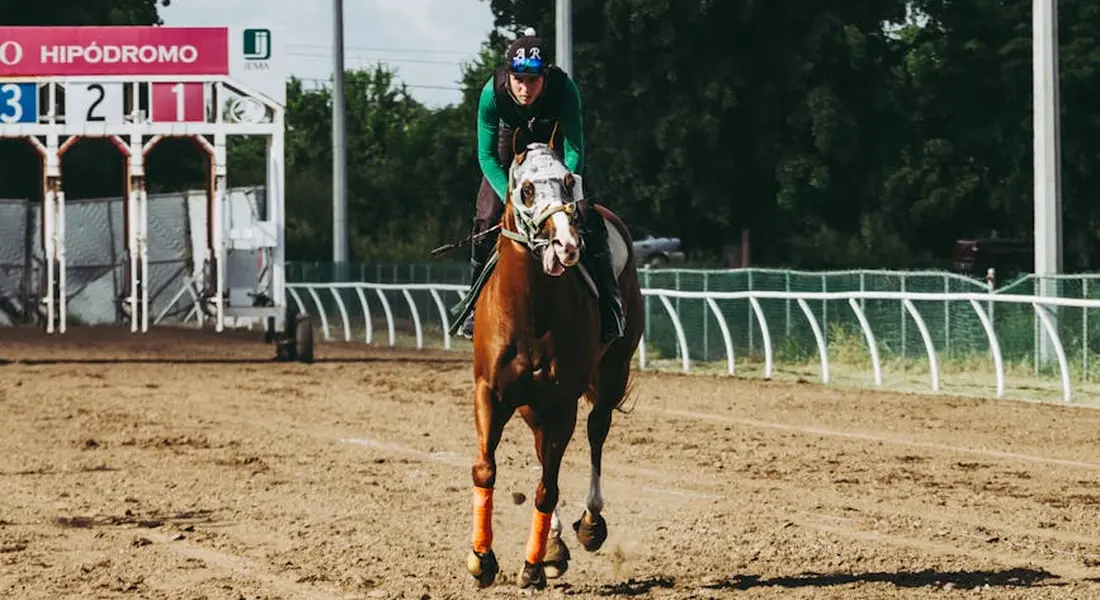
Unmatched Rider Comfort for Long Days on the Trail
Imagine spending eight hours in the saddle without that familiar ache in your lower back. That’s the reality with a gaited horse. Their smooth, four-beat movements eliminate the jarring impacts of a trot. For trail riders, endurance enthusiasts, or anyone with joint issues, this comfort is a game-changer. You can focus on the scenery, not on staying balanced.
I’ve guided trail rides on both my Quarter Horse, Rusty, and gaited companions. After a long day, riders on gaited horses dismount smiling and ready for more. The reduced fatigue means you can cover more miles with less effort, turning a good ride into a great adventure. It’s like swapping a rocky path for a paved road-you arrive fresher and happier.
Horse Welfare: Efficient Movement and Reduced Stress
Beyond rider comfort, gaited movement benefits the horse. Many natural gaits, like the Icelandic tölt, are highly energy-efficient. The horse conserves momentum with less up-and-down motion, which minimizes stress on joints and soft tissues. This efficient biomechanics can lead to fewer soundness issues over time, especially for horses in regular work. This invites the broader question: are these adaptations unique to horses, or part of a wider pattern of locomotor adaptation across mammals? I advocate for turnout time to let horses move freely, and gaited breeds often exhibit their smooth strides naturally in the pasture.
Consider the horse’s perspective: a comfortable gait reduces fatigue and injury risk. Gentle horsemanship means honoring how a horse is built to move, and for gaited breeds, that means encouraging their innate smoothness instead of forcing a trot. I’ve seen anxious horses settle when allowed to gait, as it feels more natural and less taxing to them.
Choosing the Right Gaited Horse for Your Lifestyle
Not all gaited horses are the same. Breeds vary in temperament, energy, and gait style. Matching one to your life ensures a happy partnership. A temperament guide can help you align a horse’s personality with your riding style. Here’s a quick guide based on my barn experiences:
- For Leisurely Trail Riding: Look for a Tennessee Walking Horse or a Kentucky Mountain Saddle Horse. They offer calm dispositions and a steady running walk ideal for relaxed outings.
- For All-Weather Resilience: Consider an Icelandic Horse. They’re sturdy, have a smooth tölt, and thrive in various climates with proper care.
- For the Experience Rider: A Missouri Foxtrotter might suit you. They’re intelligent and require consistent training, but their unique foxtrot is incredibly smooth.
- For Family-Friendly Fun: Some gaited ponies, like the Shetland-cross Pipin in spirit, can be trained for smoothness. Prioritize a horse with a patient personality.
Always spend time with a horse before committing, observing its gait in person and ensuring it matches your riding goals. Visit barns, talk to trainers, and trust your gut-the right partnership should feel as smooth as the horse’s movement. Building a strong bond and trust with your horse takes patience and consistent, respectful handling. When that bond is built, your next steps toward riding goals will feel natural and aligned.
FAQ: Gaited Horse Breeds and Movement
What are some examples of gaited horse breeds?
Popular gaited breeds include the Tennessee Walking Horse, known for its running walk, and the Icelandic Horse, famous for the tölt. The Missouri Fox Trotter is prized for its sure-footed fox trot, while the Peruvian Paso offers a uniquely smooth lateral gait. Each breed has been selectively developed to emphasize its specific, comfortable way of moving.
What is the difference between a trot and a gait?
A trot is a two-beat, diagonal gait that creates a distinct, bouncing motion due to a moment of suspension. In contrast, smooth gaits like the running walk or fox trot are typically four-beat, keeping at least one hoof on the ground at all times to eliminate the bounce. This fundamental difference in footfall patterns is what you feel as a jarring ride versus a gliding one.
Why are gaited horses popular?
Gaited horses are immensely popular for the unmatched rider comfort they provide, especially during long hours on the trail. Their efficient, smooth movement is also beneficial for the horse’s own joint welfare and stamina over a lifetime of work. This combination of a pleasant riding experience and sound equine biomechanics makes them a sought-after partner for many enthusiasts.
Ride Smooth, Ride Safe
To truly connect with a gaited horse, spend time observing its natural footfall pattern and choose tack that complements, rather than corrects, its build. Nothing matters more than a professionally fitted saddle that clears the withers and shoulders, letting those elegant, extra gears unfold without pain.
Give yourself and your horse grace to learn this dance together, always erring on the side of gentle guidance. Your ultimate gauge for success is a happy horse moving freely under you-so keep your eyes open and your feel tuned in.
Further Reading & Sources
- List of gaited horse breeds – Wikipedia
- Gaited Horse Breeds Guide – Characteristics, Health & Nutrition | Mad Barn
- The Best Gaited Horse Breeds for a Smooth Ride
- What Makes a Horse Gaited?
At Horse and Hay, we are passionate about providing expert guidance on all aspects of horse care, from nutrition to wellness. Our team of equine specialists and veterinarians offer trusted advice on the best foods, supplements, and practices to keep your horse healthy and thriving. Whether you're a seasoned rider or new to equine care, we provide valuable insights into feeding, grooming, and overall well-being to ensure your horse lives its happiest, healthiest life.
Choosing the Right Breed