
How Your Horse’s Anatomy Builds Speed and Guides Movement
Hello fellow equestrians! Have you ever leaned into a gallop, feeling the raw power surge beneath you, and wondered what biological machinery makes it all work? Or noticed a slight stumble on the trail and immediately worried about strain, lameness, and those vet bills?
You’re not just overthinking-you’re tuning into your partner’s wellbeing. Understanding the blueprint of their movement is the first step toward safer rides and a longer, healthier career.
In this article, we’ll trace the lines from bone to breath. Here’s what we’ll cover:
- How the length and angle of leg bones act as natural levers for speed.
- The difference between sprint muscles and endurance muscles in your horse’s engine.
- Why a huge heart and unique “one-way” lungs are their secret turbochargers.
- The way hooves and tendons store and release energy like biological springs.
I’ve applied this science daily for years in the barn, from managing the sensitive throttle of a Thoroughbred like Luna to keeping a steady partner like Rusty sound on the trails.
The Skeletal Blueprint: Bones Engineered for Velocity
Imagine a horse’s skeleton not as a static frame, but as a collection of living levers. Long, light bones are the secret to efficient speed, allowing a horse to swing its limbs far and fast with less effort. The key players here are the scapula (shoulder blade), the spine, and the pelvis. Their angles and how they connect dictate the length of a stride. A straighter shoulder or a flat pelvis simply can’t produce the same sweeping motion as a sloped one.
- Speed-Bred Skeleton (e.g., Luna): Long, sloped scapula; angled pelvis for thrust; flexible spine for reach.
- Draft Horse Skeleton: Short, upright scapula; broad, flat pelvis for power; stiffer spine for stability.
This is why conformation isn’t just about looks. Correct bone alignment distributes impact evenly, which is your first defense against career-ending soundness issues. I’ve seen horses with poorly aligned legs wear down joints prematurely, a stark reminder that nature’s design needs our respect and care through proper hoof balance and mindful conditioning.
Front End Assembly: The Shoulder and Withers
The shoulder is the front leg’s anchor point. A sloped scapula acts like a well-oiled hinge, letting the leg extend further forward with each step. That greater extension translates directly to a longer, smoother stride you can feel in the saddle. The withers, those prominent bones at the base of the neck, are crucial too. They serve as a stable anchor for the muscles that lift the leg and back. For saddle fit, high, defined withers help keep a saddle in place, while mutton-withered horses often need extra caution with girthing. Luna’s high withers require a perfectly fitted saddle tree to avoid pressure, a lesson learned through trial and gentle error.
Power from the Rear: The Pelvis and Hindquarters
All forward motion is born in the hindquarters. The pelvis is the powerhouse, and its angle determines the engine’s thrust. A more angled pelvis allows for powerful engagement, letting the hind leg step far underneath the body to propel the horse forward. You see this in action every day at the barn. My Shetland, Pipin, is a master of using his hind end; he’ll plant his feet and push with impressive force to nudge a gate open when he hears the feed cart. That same mechanics, scaled up, is what drives a horse into a gallop or powers a jump.
The Power Plants: Muscles That Drive Every Stride
Bones provide the levers, but muscles are the engines. The major groups to watch are the topline (back and neck), the massive hindquarters, and the shoulder muscles. Building a strong topline is the foundation for carrying a rider comfortably and moving in balance. Horses also have different muscle fibers: fast-twitch for explosive speed (think a barrel racer) and slow-twitch for stamina (like an endurance Arab). Most pleasure horses are a mix, which is why tailored conditioning matters.
Building muscle safely is a slow dance. You must start slow to build resilience, not just strength. These practices help build stronger horse muscles effectively. More on optimizing muscle development is covered in the next steps. Here is how I condition any horse, from old reliable Rusty to spirited Luna:
- Begin with long, steady walk work to build cardiovascular health and tendon strength.
- Incorporate gentle hills at the walk and later the trot to engage the hindquarters and topline.
- Add slow, collected trot work to encourage muscle development over speed.
- Always follow intense work with a proper cool-down and ample turnout for muscle recovery.
When conditioning Rusty for longer mountain trails, we spent weeks just walking on varied terrain. That steady foundation prevented soreness and built the slow-twitch endurance he needed, proving that patience is the best supplement in your tack room.
The Elastic Framework: Tendons and Ligaments as Energy Savers
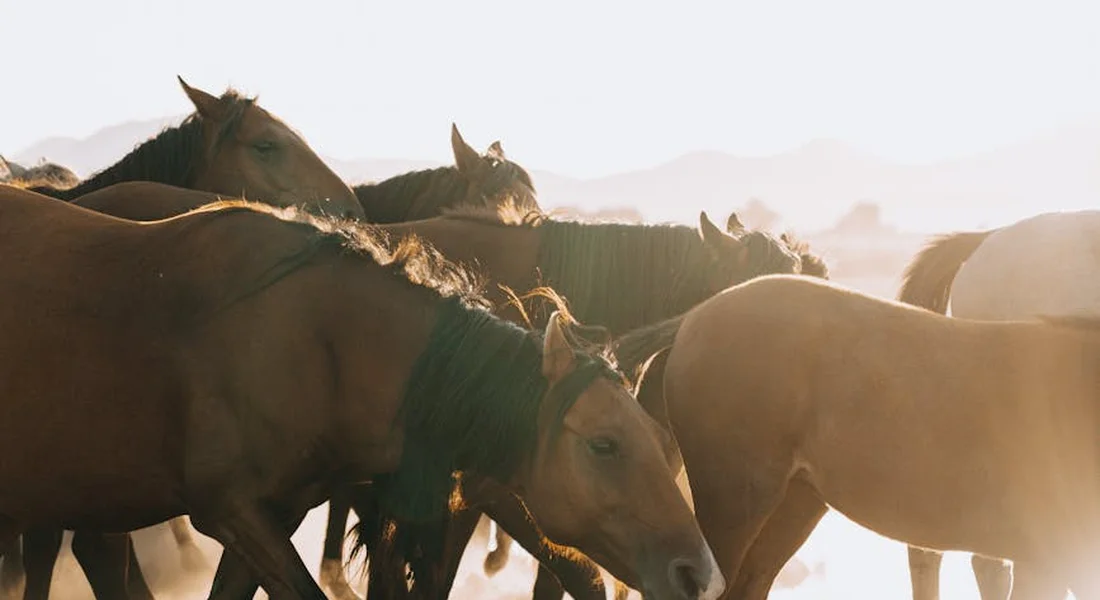
Think of your horse’s legs not just as solid pillars, but as a sophisticated system of springs. Tendons and ligaments are the elastic bands that make this possible. Tendons are tough, fibrous cords that connect muscle to bone, translating a muscle’s contraction into movement at the joint. Ligaments are similar but connect bone to bone, acting as the joint’s vital stabilizers and check-reins. These are key parts of the horse’s skeletal muscular system. Understanding them helps explain how the system translates muscle power into movement.
Their magic is in recoil. At a gallop, when the leg bears weight, these structures stretch and store elastic strain energy. As the leg pushes off, they snap back, recycling that energy forward. It’s a breathtakingly efficient system. Imagine stretching a thick rubber band and letting it fly-that’s similar to the energy-saving mechanism in your horse’s lower leg, which propels them with less muscular effort.
Common strain points are where the forces are greatest. The flexor tendons and the suspensory ligament in the lower leg are prime candidates for overreach injuries. I always run my hands down Rusty’s legs after a ride, feeling for even the faintest whisper of heat or swelling. A cold leg is a happy leg.
- Always warm up slowly. A minimum of 10-15 minutes of walking gets blood flowing to these tissues, making them more pliable.
- Cool down is non-negotiable. A proper walk until breathing recovers helps remove metabolic waste and prevents stiffness.
- Make daily leg checks part of your routine. Use the back of your hand to feel for temperature changes from knee to hoof, comparing one leg to the other.
- Support good hoof balance. A long toe or a low heel alters the angles and stresses these elastic structures disproportionately.
Internal Fuel Systems: Heart and Lungs for the Long Run
Power and spring mean nothing without a mighty engine. A horse’s athletic prowess is fueled by a cardiovascular system built for endurance. The average horse’s heart weighs about 10 pounds, pumping over 40 liters of blood per minute at a gallop. This massive pump delivers oxygen-rich blood to every straining muscle, while the lungs work like giant bellows to replenish it.
Fitness is measured by how efficiently this system works and, crucially, how quickly it recovers. To truly gauge fitness, track how long recovery takes after work. This recovery time is a key measure of your horse’s fitness. A fit horse’s heart rate and respiration will return to normal rapidly after work. A simple way to monitor baseline health is to know your horse’s resting respiration rate.
- Wait until your horse is truly resting, ideally undisturbed in their stall or field.
- Watch the flank rise and fall. One inhale and exhale counts as one breath.
- Count the breaths for 30 seconds and multiply by two. Normal is 8-16 breaths per minute.
Remember, this isn’t just physical. Anxiety directly impacts this system. I’ve watched Luna’s nostrils flare and her breaths come quick and shallow at the sight of a flapping tarp, a clear reminder that mental stress is a physical burden on her fuel systems. A calm, confident horse breathes easier and performs more efficiently. Conditioning builds not just muscle and wind, but also the capillary network to deliver fuel, turning a good engine into a great one.
The Mechanics of Motion: Limb Angles and Joint Action
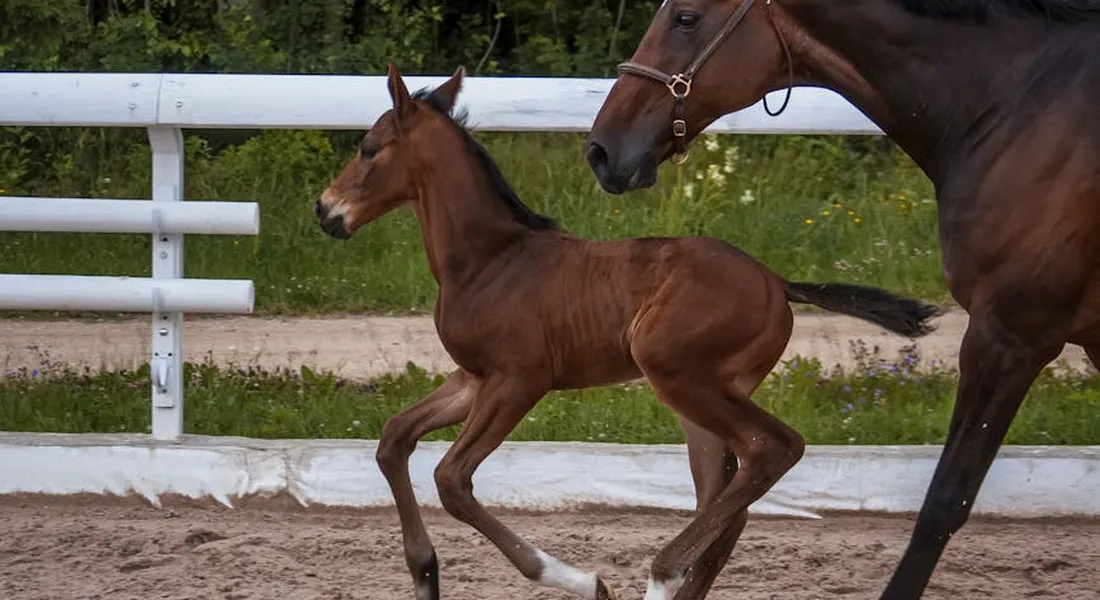
Think of a horse not as walking on its whole foot, but on its very tip-toes. This digitigrade stance is the foundation of their athleticism. Long, carefully angled limbs act like levers to maximize stride length, turning each step into a covering of ground rather than a simple plod. It’s the difference between a leisurely walk and the ground-eating pace of a horse like Luna, my Thoroughbred, whose every stride feels like she’s reaching for the horizon — something that becomes even more fascinating when you understand equine anatomy.
Those elegant legs aren’t just poles; they’re sophisticated shock absorption systems. The fetlock and pastern joints are engineered to sink and rebound with each impact. When you hear the soft thud of hooves on turf, you’re hearing these joints compressing to spare the bones and tendons higher up the leg. A steeper pastern offers less give, which can mean a bumpier ride but potentially more snap for a reiner’s spin.
The real magic for speed and scope, though, happens at the shoulder and hip. A long, sloping shoulder allows for a freer, floating stride, while a powerful, well-angulated hip is the engine for thrust. The range of motion here dictates whether a horse is built for collected dressage moves or the explosive power of a barrel race. Not every build suits every job, and that’s where conformation comes in.
- A steep shoulder and upright pastern: Often seen in some draft breeds, providing stability for pulling but less fluid movement.
- A long, sloping shoulder and a 45-degree pastern: The classic pleasure or hunter build, favoring smooth gaits and comfortable rides over rough ground.
- Moderate angles with substantial bone: The reliable, all-purpose build of a solid trail horse like Rusty, built for durability over miles.
- Extreme angles and very long limbs: The racehorse or jumper prototype, designed for maximum stride length and aerodynamic efficiency.
The Critical Interface: Hoof and Lower Limb Dynamics
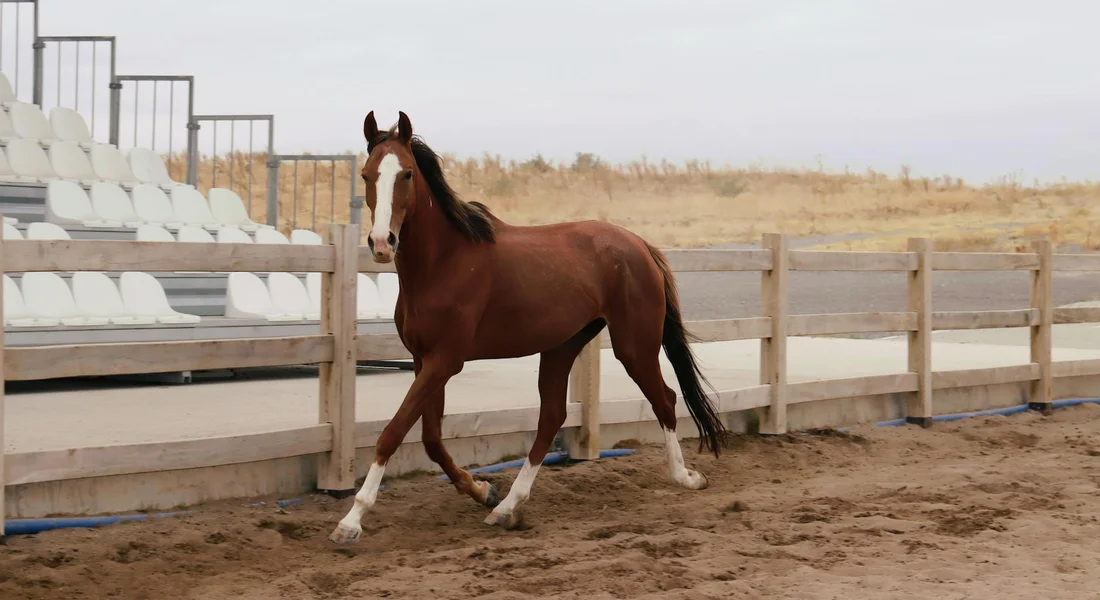
Everything above relies on what’s below. The hoof is not a static block of keratin; it’s a dynamic, living structure. The wall is the load-bearing sheath, the sole is the protective plate, the frog is the triangular shock pad, and the digital cushion is the fatty, hydraulic core that sits above it all. Together with the cannon bone, pastern, and fetlock, they form a single, integrated unit for launching the body forward and softening its landing.
Keeping this system healthy is non-negotiable. My daily ritual with every horse, from Pipin the pony to the big warmbloods, follows a simple checklist. A consistent hoof care routine catches small problems before they become lameness issues.
- Pick out all four feet thoroughly, clearing debris from the central sulcus of the frog where thrush loves to start.
- Run your eyes over the hoof wall for cracks, chips, or signs of separation.
- Press gently on the frog; it should be resilient, not mushy or painful.
- Check the sole for unusual tenderness or discoloration, and smell for the sour odor of infection.
- Observe the wear pattern on the hoof wall and shoe, if shod, to gauge how the horse is landing.
I learned the hard way with a clever pony who hated muddy feet. Neglecting the deep clefts of the frog for even a few days can lead to a raging case of thrush that makes every step painful. We got through it with diligent cleaning and treatment, but it was a stark reminder that the foundation must be sound.
The Hoof’s Role in Shock Absorption
When that hoof strikes the ground, the entire mechanism activates. The hoof wall flexes outward slightly, and the frog compresses, pushing blood from the digital cushion back up the leg. This hydraulic action dissipates concussive force with every single step, a natural technology far more advanced than any running shoe. It’s why a horse can trot briskly on a gravel road without shattering its limbs.
This system only works if the hoof is properly balanced. A trim that leaves the toes too long or the heels underrun cripples this natural shock absorption, forcing the joints above to take the pounding. I always watch the farrier work, ensuring the breakover is placed correctly to let the hoof roll forward as nature intended.
From Pastern to Fetlock: The Propulsion Engine
While the hoof absorbs, the pastern and fetlock propel. The angle of the pastern determines the leverage for push-off. A more upright pastern creates a quicker, snappier lever, useful for sudden bursts of speed, while a slanted one provides a longer, smoother roll into the next stride. Listen to a powerful trot on hard ground: that crisp, rhythmic thud is the sound of the fetlock joint hyperextending and then recoiling like a spring.
This hyperextension stores elastic energy, releasing it to help swing the leg forward. Supporting this incredible range of motion requires balanced shoeing that respects the horse’s natural conformation and movement. A shoe that’s too heavy or fitted incorrectly can dampen that spring, robbing the horse of efficiency and comfort with every mile.
How Does a Horse’s Anatomy Influence Its Speed and Movement?
How is a horse’s skeletal structure adapted for speed?
A horse’s skeleton features long, light bones that act as levers to maximize stride length and efficiency. Adaptations like a sloped shoulder blade and angled pelvis allow for greater extension and powerful thrust during movement. Proper bone alignment distributes impact evenly, supporting speed while minimizing injury risks. These adaptations are crucial for a horse’s performance.
How do the muscles of a horse contribute to its power and stride?
Muscles in the topline and hindquarters generate propulsion, with fast-twitch fibers for bursts of speed and slow-twitch fibers for stamina. They contract to drive the limbs, translating energy into stride length and force. Gradual conditioning builds these muscles, enhancing power and balance for efficient movement.
What role do the tendons and ligaments play in a horse’s movement and energy efficiency?
Tendons and ligaments serve as elastic springs, stretching to store energy during weight-bearing and recoiling to propel the horse forward. This mechanism reduces muscular effort, making gallops and jumps more energy-efficient. Their health is crucial, maintained through proper warm-ups, cool-downs, and regular monitoring for soundness.
Putting Knowledge to Work
Use your understanding of anatomy to inform everything from saddle fitting and conditioning plans to recognizing the earliest signs of a stiff back or a sore limb. The best tool for maintaining a horse’s natural athleticism is your own daily, observant care. A brief daily check becomes your first line of defense, catching subtle changes before they escalate. For a practical list of signs to monitor, refer to our ‘Are signs healthy horse daily check guide‘ for a clear, actionable reference.
True horsemanship means applying this knowledge with patience, letting your horse’s movement and comfort guide your decisions. Their body tells a clear story with every stride; our job is simply to listen.
Further Reading & Sources
- Horse – Anatomy, Adaptations, Gait | Britannica
- Anatomy in Action – A Biomechanical Illustration of Equine …
- How Fast Can Horses Run? | Speed, Anatomy, Thoroughbred, Quarter Horse, & Record | Britannica
- Horse anatomy – diagrams of horse body parts – EQUISHOP Equestrian Shop
At Horse and Hay, we are passionate about providing expert guidance on all aspects of horse care, from nutrition to wellness. Our team of equine specialists and veterinarians offer trusted advice on the best foods, supplements, and practices to keep your horse healthy and thriving. Whether you're a seasoned rider or new to equine care, we provide valuable insights into feeding, grooming, and overall well-being to ensure your horse lives its happiest, healthiest life.
Health