
What Foods Are Toxic to Horses? Your Complete Safety Guide
Published on: November 30, 2025 | Last Updated: November 30, 2025
Written By: Henry Wellington
Hello fellow equestrians. That heart-sinking feeling when your horse snatches a bite of something questionable-I’ve lived it, watching Pipin the pony cleverly unlatch a feed room door. The worry over their health and those staggering vet bills is a burden every responsible owner carries.
We’ll navigate this together. In this guide, I’ll break down the everyday human foods that are secretly poisonous to your horse, the common pasture plants and weeds that pose a silent threat, the critical symptoms of toxicity you must recognize in seconds, and my proven stable management tips to build a safer environment.
Over a decade of barn management and training horses like the sensitive Luna has shown me that gentle horsemanship starts with knowing what to keep out of the feed tub.
The Usual Suspects: Most Common Toxic Foods for Horses
Chocolate and Caffeine: More Than a Sweet Threat
That half-eaten candy bar in your pocket might seem harmless, but to a horse, it’s a cardiac stimulant in disguise. Chocolate contains theobromine and caffeine, which horses metabolize slowly, leading to a dangerous buildup. I once watched a boarder’s pony snatch a brownie from a grooming kit; within hours, the steady thud of hooves became a frantic pacing. Even small amounts can cause sweating, tremors, and an irregular heartbeat, so treat all human sweets like contraband in the barn. Remember, your coffee grounds or tea bags tossed in a manure pile are just as enticing and toxic. Understanding which foods are toxic to equines is essential—especially when it comes to chocolate. A quick grasp of what horses should not eat helps keep the barn safe.
I keep a strict “no snacks from home” policy for my clients, because a horse’s curiosity often outweighs their sense. The sweet smell of chocolate is irresistible to many, like my old gelding Rusty who’d search pockets for mints. Always store your energy bars and coffee securely away from curious muzzles, because prevention is far simpler than treating a toxicity case.
Moldy Forage: A Silent Stable Hazard
You learn to trust your nose in this job. The damp, musty scent of a spoiled hay bale is a warning bell. Moldy hay or grain can produce mycotoxins that attack a horse’s nervous and digestive systems. I’ve opened bales that looked fine on the outside but hid a grey, dusty core that made Luna cough. Feeding moldy forage can lead to colic, respiratory distress, or severe neurological issues like staggering and muscle tremors.
Make a habit of breaking open bales in good light before feeding, and run your hands through the hay to feel for heat or unusual moisture. When in doubt, throw it out-your trash bin is cheaper than an emergency vet call. Good barn management means storing hay off concrete floors on pallets to encourage air flow and prevent that silent, creeping mold.
Garden Dangers: Toxic Fruits, Vegetables, and Pasture Plants
The Allium Family: Onions, Garlic, and Their Kin
Those kitchen staples that flavor our stews can cause Heinz body anemia in horses, damaging their red blood cells and leading to weakness. I’ve seen well-meaning owners add garlic powder to feed as a fly repellent, but the line between supplement and toxin is thin. Consistent feeding of alliums, even in powdered form, can cause a cumulative poisoning that turns a horse’s gums pale and their urine dark.
While a single stray onion slice in the compost might not spell disaster, I fence off vegetable gardens completely. For a natural fly deterrent, I prefer daily turnout in a breezy pasture over adding anything questionable to their grain. Gentle horsemanship means knowing what goes into every mouthful, from the main meal to the occasional hand-fed treat.
Stone Fruit Pits and Apple Seeds: Hidden Cyanide
The juicy flesh of a peach or plum is a safe, sweet treat, but the hard pit inside is a different story. These pits, along with apple and pear seeds, contain amygdalin, which breaks down into cyanide when chewed. I collect all pits and cores in a bucket when we have orchard trimmings, because Pipin the pony would make a game of crunching them. A few seeds likely won’t hurt, but a concentrated pile of crushed pits can lead to rapid breathing, drooling, and collapse.
Teach everyone at the barn to properly dispose of fruit waste. I core apples for my horses as a rule, turning a potential hazard into a safe snack they can enjoy without risk. It’s a simple step that honors their trust in us to care for their well-being. Proper disposal is especially crucial for hedge apples which are unsafe for horses.
Deadly Greenery: Yew, Tomato, and Rhubarb Leaves
Some of the most violent reactions I’ve seen come from ornamental plants like yew, where a few mouthfuls can be fatal. The tomato vine’s fuzzy leaves contain solanine, and rhubarb leaves are packed with oxalic acid, both capable of causing kidney damage and severe digestive upset. Always walk your pastures after storms to check for broken branches or fallen clippings from neighboring yards.
I once spent a frantic afternoon pulling volunteer tomato plants from a corner of the paddock where a bird had dropped seeds. Advocate for your horse’s turnout space by auditing it seasonally, removing any unfamiliar weeds or garden escapees before they become a curiosity. Their safety depends on our vigilance, ensuring the only greenery they munch is the kind meant for them.
Human Food Hazards: What Never to Share from Your Plate
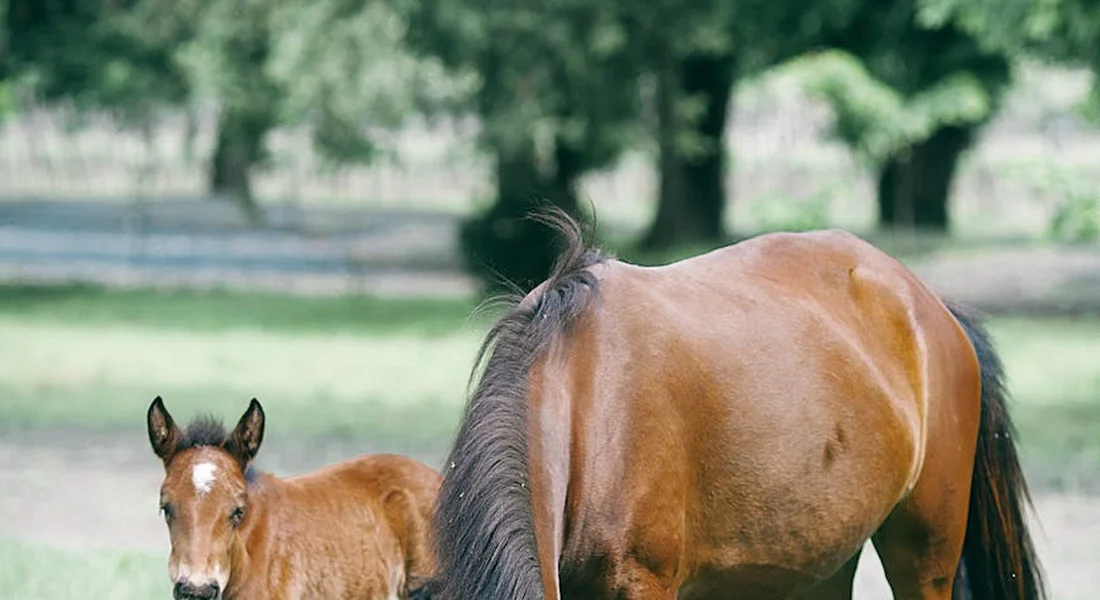
We’ve all been there, standing at the fence with a snack. Your horse gives you that soulful look, and it’s tempting to share. Resist it. Their digestive system is not ours. I’ve spent years gently prying everything from candy wrappers to burger buns from curious mouths. Your lunch is not their lunch, and sharing can swiftly turn a peaceful afternoon into a veterinary emergency.
Grapes and Raisins: A Kidney Risk
The exact toxin is unknown, but grapes and raisins can cause acute kidney failure in horses. It doesn’t take a large amount. A handful of raisins stolen from a trail mix or grapes dropped from a picnic table pose a real threat. Symptoms include lethargy, decreased urination, and colic. If you even suspect your horse has ingested grapes or raisins, consider it urgent and call your vet immediately.
Avocado: Every Part is Problematic
From the skin and pit to the leafy tree itself, avocado contains persin, a fungicidal toxin. For horses, it primarily damages the heart muscle and mammary tissue, and can cause colic. I once dealt with a pony who got into a compost pile with avocado scraps; the ensuing cardiac complications were a stark, frightening lesson. There is no safe amount of avocado for a horse, so keep guacamole far away from the barn.
Kitchen Scraps to Avoid: Dough, Spuds, and Spice
Our leftover plates are a minefield. Here’s a quick list of common offenders to keep out of the manure spreader or “treat” bucket.
- Raw Dough: Yeast fermentation continues in the warm, moist gut. This produces gas and alcohol, leading to painful gas colic and even ethanol poisoning.
- Potatoes & Tomatoes (Green Parts): These plants contain solanine, a glycoalkaloid poison. Green, sprouted, or rotting potatoes are especially high in it. While a ripe tomato fruit is sometimes debated, the stems and leaves are definitively toxic. It’s safest to avoid the entire plant family.
- Onions, Garlic, & Chives: In large enough quantities, these alliums can cause Heinz body anemia, destroying red blood cells. A tiny bit of garlic powder in a treat is one thing; a clove or onion peel is another.
- Chocolate: Contains theobromine, which horses metabolize very slowly. It can cause excitability, rapid heart rate, and seizures.
- Caffeinated Items: Coffee grounds, tea bags, or soda add unnecessary stimulants to a sensitive system, potentially causing cardiac distress.
- Anything Moldy or Spoiled: This seems obvious, but that moldy bread or fruit core you toss over the fence can contain multiple mycotoxins. If you wouldn’t eat it, don’t feed it.
The rule in my barn is simple. If it didn’t grow in a pasture or come from a formulated equine feed bag, it doesn’t go in the horse. Stick to approved treats like carrots, apples, or a handful of plain oats, and you’ll avoid that late-night, worry-filled walk to the stall.
Recognizing Trouble: Symptoms of Poisoning in Horses
Horses are stoic creatures, often hiding illness until it’s severe. Your most important job is knowing their normal, from the rhythm of their chewing to the spark in their eye, so you can spot the slightest deviation. I learned this early, watching Rusty’s usual eager nicker turn silent one afternoon after he browsed a suspect hedge. That vigilance also helps you spot early signs of illness or injury in your horse. Quick checks and timely action can prevent problems from escalating.
Gut Upset: Colic, Bloat, and Diarrhea
When a horse eats something toxic, the digestive system sounds the alarm first. Colic is a broad term for abdominal pain, not a specific disease. It can manifest as subtle as a horse standing like it’s urinating for too long, or as dramatic as violent rolling and sweating. Bloat is a visible swelling of the abdomen, often from gas buildup due to fermentation of unsuitable foods.
Diarrhea in a horse is always a cause for concern, signaling intestinal irritation or failure. I remember Pipin’s escapade with rotten apples; the ensuing messy stall and his hunched posture were a clear billboard for gut trouble.
- Colic clues: Pawing, repeatedly lying down and rising, lack of gut sounds, or turning the head toward the flank.
- Bloat signs: A taut, rounded belly, discomfort when walking, and reluctance to eat or drink.
- Diarrhea warnings: Loose, watery manure, increased frequency, and matted tails or hind legs.
Neurological Red Flags: Staggering, Tremors, and Lethargy
These symptoms indicate a toxin is affecting the brain or nerves, and they escalate quickly. Staggering makes a horse look uncoordinated, like it’s walking on marbles. Tremors often begin as fine muscle twitches you might feel under your hand before you see them. Lethargy is a profound dullness, where the horse seems disconnected from its environment.
With Luna’s finely-tuned nervous system, I once saw her stumble on a perfectly flat trail hours after exposure to mold-a neurological red flag that had me leading her straight home. Any sudden change in coordination or mental state is a veterinary emergency, no exceptions.
- Staggering: Watch for weaving, stumbling over stable doors, or a wide-based, uncertain stance.
- Tremors: Look for shaking in the lips, shoulders, or entire body, often worse during movement.
- Lethargy: Note a lack of response to your voice, ignored grain, or a head held lower than usual for extended periods.
Ample turnout in a safe pasture is a cornerstone of prevention, allowing natural movement and reducing the curiosity that leads to tasting harmful plants. Gentle horsemanship is built on this vigilant, daily observation-the quiet skill of seeing the story your horse is telling without words. Designing a safe, effective horse pasture makes turnout a preventive tool. Thoughtful pasture design supports this gentle approach from the ground up.
Emergency Action: What to Do If Your Horse Eats Something Toxic

The moment you suspect your horse has ingested something poisonous, your brain might scream. I’ve been there, watching Luna nose towards a wilted maple leaf pile with my heart in my throat. Your immediate, clear-headed actions in the next few minutes are the most critical factor for your horse’s outcome.
Step 1: Stay Calm and Identify the Threat
Take one deep breath. Panic helps no one, least of all your 1,200-pound friend who will mirror your anxiety. Your first job is detective work. What did they actually eat? How much? Get a clear look.
- If it’s a plant, try to identify it. Snap a clear photo with your phone of the leaves, berries, and bark.
- If it’s a moldy feed or a chemical, secure the container or bag to show the vet.
- Estimate how much is missing or consumed. A handful of acorns is different from a whole branch.
This isn’t the time for guesswork; physical evidence is your best tool for the vet. I keep a zip-top bag in my tack trunk for this grim but necessary purpose.
Step 2: Call Your Veterinarian Immediately
Do not wait to see if symptoms develop. Time is tissue. Have your vet’s number and a back-up clinic number saved in your phone. When you call, be ready to report like a field operative.
- The suspected toxin (show them your photo).
- The approximate amount ingested.
- The time elapsed since ingestion.
- Your horse’s current vital signs: gum color, capillary refill time, heart rate, and behavior.
Follow your vet’s instructions to the letter; they may tell you to administer activated charcoal or walk the horse, but never induce vomiting. A horse cannot vomit safely, and attempting it can cause fatal aspiration.
Step 3: Isolate the Horse and Secure the Area
Move your horse to a safe, clean stall or a small, bare paddock away from the source of the toxin. This does two things: it prevents them from eating more, and it makes them easier to monitor.
- Remove all other horses from the contaminated area.
- If possible, safely fence off or remove the remaining toxic material. Wear gloves if handling unknown plants or chemicals.
- Provide fresh, clean water unless directed otherwise by your vet.
- Stay with your horse. Watch for early signs like lethargy, colic, stumbling, or changes in breathing. Your presence is both observational and comforting.
Your calm vigilance in this holding pattern provides crucial data for the vet when they arrive and can prevent a one-horse mistake from becoming a herd-wide crisis. I learned this the hard way when Pipin taught a whole paddock his “apple branch breaking” trick.
Safe Snacking and Smart Prevention
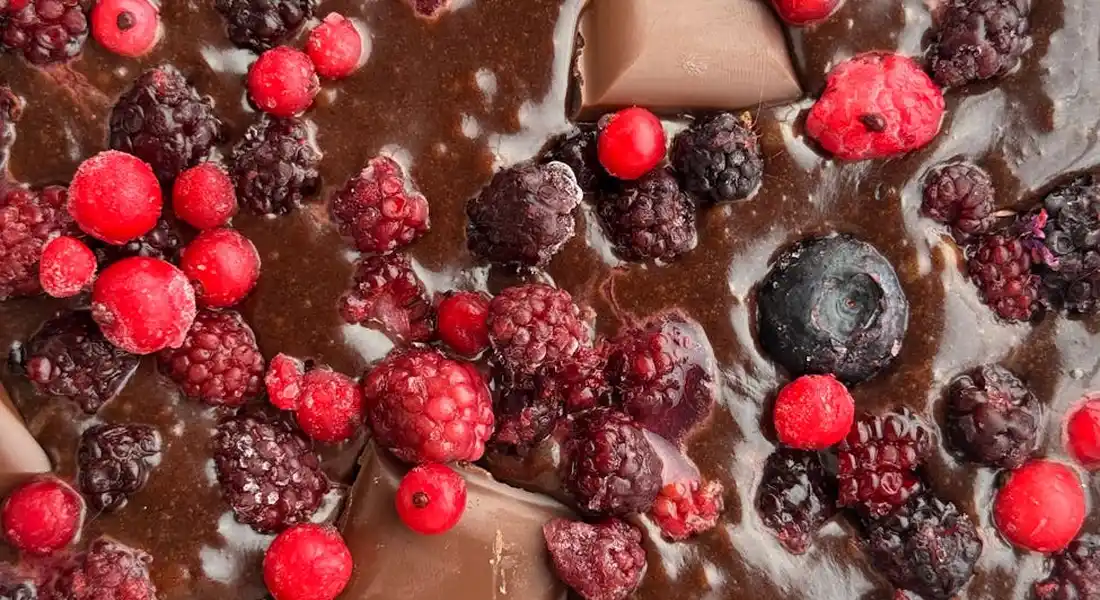
The list of toxic foods can feel scary, but don’t let it sour the simple joy of treating your horse. Focus on what you can do. A proactive routine built on safe snacks and smart management is your best shield against accidents.
Yes, You Can Treat: Safe and Simple Options
Good news: the safe list is long, affordable, and probably already in your kitchen. The golden rule is moderation. Even safe treats are extras, not meal replacements. I keep a “barn fridge” bin with washed, prepped options so I’m never tempted to grab something iffy.
Your go-to treats should be low in sugar and easy to chew. Here are my barn’s favorites:
- Carrots: Classic for a reason. Cut them lengthwise for older horses like Pipin to prevent choking.
- Apples: Core them and slice into pieces. My sensitive Luna gets just a slice or two to avoid a sugar rush.
- Commercial Horse Treats: Choose simple, low-molasses brands. Read the label like you would your own food.
- Watermelon Rind: A summer hit! The fleshy green part is safe (seeds are fine, but I scoop them out).
- Bananas: Peel and all. Rusty thinks they’re the height of luxury.
- Plain Rice Cakes: A great low-calorie option for the easy keeper.
- Peppermints: The hard, old-fashioned kind can be a rare delight. Let them dissolve in the mouth, don’t feed whole.
Always introduce any new treat in a tiny amount first, watching for any change in manure or behavior over the next day. I learned this after giving Pipin a whole banana; let’s just say the resulting enthusiasm was memorable, but messy.
Barn and Pasture Management: Your First Defense
The most effective toxin control happens before your horse ever gets a chance to taste something dangerous. Your management habits are the real backbone of prevention. Walk your pasture weekly, not just a glance from the gate.
Look for new sprouts, fallen branches from toxic trees like red maple or wild cherry, and any tossed-over-the-fence “treats” from well-meaning neighbors. A consistent, eyes-on-the-ground check is more valuable than any list you could memorize.
Your barn security matters just as much. Here is your stable hack checklist:
- Feed Room: A sturdy lock is non-negotiable. My clever Pipin has mastered simple latches.
- Grain Bins: Use sealed, horse-proof containers. A determined pony can and will tip a bag over.
- Yard Waste: Never dump lawn clippings in or near the pasture. They can ferment rapidly and contain toxic ornamental plants.
- Visitor Policy: Post clear signs about not feeding animals. Keep a bucket of approved snacks by the gate for supervised visits.
- Fencing: Maintain it. A horse leaning over a fence to reach a yew shrub is a common tragedy.
Finally, know your local weeds. Ragwort, deadly nightshade, and oleander don’t care about your geography. Pull unfamiliar plants with roots and dispose of them where horses cannot access the compost pile. This routine, paired with your knowledge of safe snacks, turns fear into confident control.
Frequently Asked Questions: What Foods Are Toxic to Horses?
What are the symptoms of poisoning in horses?
Symptoms can vary but often start with signs of gut upset like colic or diarrhea. Neurological signs such as staggering, muscle tremors, or sudden lethargy are serious red flags. You must contact your veterinarian immediately if you observe any unusual behavior or physical distress.
What should I do if my horse eats something toxic?
Stay calm and immediately remove your horse from the source of the toxin. Call your veterinarian right away, providing details about what and how much was ingested. Securely isolate the horse for monitoring until professional help arrives.
Are there any safe treats for horses?
Yes, many simple, natural foods are safe in moderation, such as carrots, apples (cored), and bananas. Commercial horse treats designed for equine digestion are also a reliable option. Always introduce any new treat slowly and in small quantities to ensure your horse tolerates it well. Fruits for horses should be given with care, as outlined in our detailed guide.
Feeding with Confidence and Care
Make a habit of checking every bucket, treat, and stray branch in your horse’s environment daily, and keep a printed list of toxic plants and foods posted in your feed room for a quick reference. The safest policy is to feed only approved treats and forages, and when in doubt, leave it out. For a comprehensive list, consult safe and toxic plants for horses: complete identification guide.
Good horsemanship is built on patient observation and a commitment to prevention. Your horse relies on you to be their first line of defense, so trust your instincts and always listen to what their behavior is telling you about their well-being. To deepen this practice, explore our understanding of horse behavior psychology. This complete guide translates observed cues into practical steps for safer, more harmonious riding and care.
Further Reading & Sources
- Safe and Toxic Household Foods for Horses
- Foods Horses Should Avoid and Why – River Ranch Educational Charities
- 10 Plants and Chemicals That Are Toxic to Horses – The Horse
- What Foods & Plants are Poisonous to Horses?
At Horse and Hay, we are passionate about providing expert guidance on all aspects of horse care, from nutrition to wellness. Our team of equine specialists and veterinarians offer trusted advice on the best foods, supplements, and practices to keep your horse healthy and thriving. Whether you're a seasoned rider or new to equine care, we provide valuable insights into feeding, grooming, and overall well-being to ensure your horse lives its happiest, healthiest life.
Nutrition