
Safe and Toxic Plants for Horses: Complete Identification Guide
Hello fellow equestrians. Spotting your horse with a mouthful of unknown weeds can send a chill down your spine. You’re right to worry about sudden illness, staggering vet bills, or the quiet heartbreak of a preventable loss.
This guide cuts through the confusion. I will give you the clear, practical knowledge to protect your horse. We will focus on:
- Recognizing the top toxic plants by sight, smell, and season
- Building a list of safe, horse-friendly pasture alternatives
- Simple barn hacks to audit your land and manage weeds effectively
My years as a barn manager, spent watching over clever ponies like Pippin and sensitive souls like Luna, have shown me that plant savvy is a cornerstone of gentle horsemanship.
Why Knowing Your Weeds Could Save Your Horse’s Life
I was mucking out stalls when I saw Luna, my sensitive Thoroughbred, mouthing a strange vine along the paddock fence. Her curiosity sent a cold jolt through me-I didn’t recognize those three-lobed leaves. That moment, more than any other, cemented why every horse owner needs to be a part-time botanist; your eye for detail is your horse’s first line of defense. Toxic plants don’t announce themselves with warning signs, and a single nibble can lead to a vet emergency.
Horses explore the world with their lips, and toxic plants often find them in predictable ways. Overgrazed pastures are a major culprit, as hungry horses will sample plants they’d normally ignore when grass is lush and plentiful. Contaminated hay is another silent threat, where dangerous weeds like ragwort or hoary alyssum get chopped and dried, hiding in plain sight. Never underestimate ornamental plantings either; many common garden shrubs, like yew or oleander, are lethally beautiful.
My rule is simple: if I don’t know it, the horse doesn’t eat it. Regular, slow walks around your property, seeing it from your horse’s height, are non-negotiable for preventive care. That quick check with Luna turned into a full afternoon pulling that creeping vine, but it was time well spent.
The Practical Guide to Plant Identification for Horse Owners
You don’t need a degree, just a methodical eye and a healthy dose of caution. Start by getting acquainted with every inch of your horse’s environment, from the back pasture to the trailhead. Make plant identification a routine part of your barn chores, like checking water troughs or inspecting fences.
Use all your senses when you encounter an unknown plant. Look closely, but also crush a leaf to smell it-some toxins have a distinct, acrid odor. Always wear gloves when handling unfamiliar plants, as some oils can irritate your skin, a clue the plant is likely no good for your horse either. Also, be aware that some common foods can be toxic to horses. A complete danger list of such foods is provided. Here is a quick checklist for safe field identification:
- Snap clear photos of the entire plant and close-ups of leaves, stems, and flowers.
- Note the growing location: Is it in sun or shade? Wet soil or dry?
- Use at least two trusted resources to cross-reference your find.
- If identification isn’t 100% certain, err on the side of caution and remove the plant.
- Monitor your horse for any changes in behavior or manure after a suspicious encounter.
Key Features to Look For: Leaves, Flowers, and Stems
Break the plant down into parts. Look at leaf shape: are they simple like a smooth oval, or compound like a fern or a ladder? Leaf arrangement matters too-opposite pairs, alternating singles, or whorls can instantly narrow down the species. Feel the texture; is it waxy, hairy, or prickly?
Flowers and seed pods are fantastic identifiers, but remember they may only be present seasonally. Stem structure offers year-round clues; a hollow stem, a square stem, or a milky sap can point you toward a plant family, for better or worse. Think of it like identifying a horse from a distance: you note the color, the build, the way it moves. A plant’s anatomy tells a similar story.
Tools and Resources for Accurate ID
Arm yourself with good tools. A physical field guide for your region is invaluable for its curated, local focus. Smartphone apps like PlantNet or iNaturalist are powerful, but treat them as a starting point, not a final verdict. Your local university’s agricultural extension service is a goldmine for free pamphlets and expert advice.
I keep a “weed library” on my phone-a folder of photos of every plant I’ve identified on my property, both good and bad. When a new weed pops up, I compare it to my library first, then cross-check with an app and my dusty field guide. If the sources disagree or you’re still unsure, call in an expert. Your local extension agent or a knowledgeable equine veterinarian can provide that final, confident identification—especially when it comes to common horse pasture weeds.
Common Toxic Plants You Must Recognize Immediately
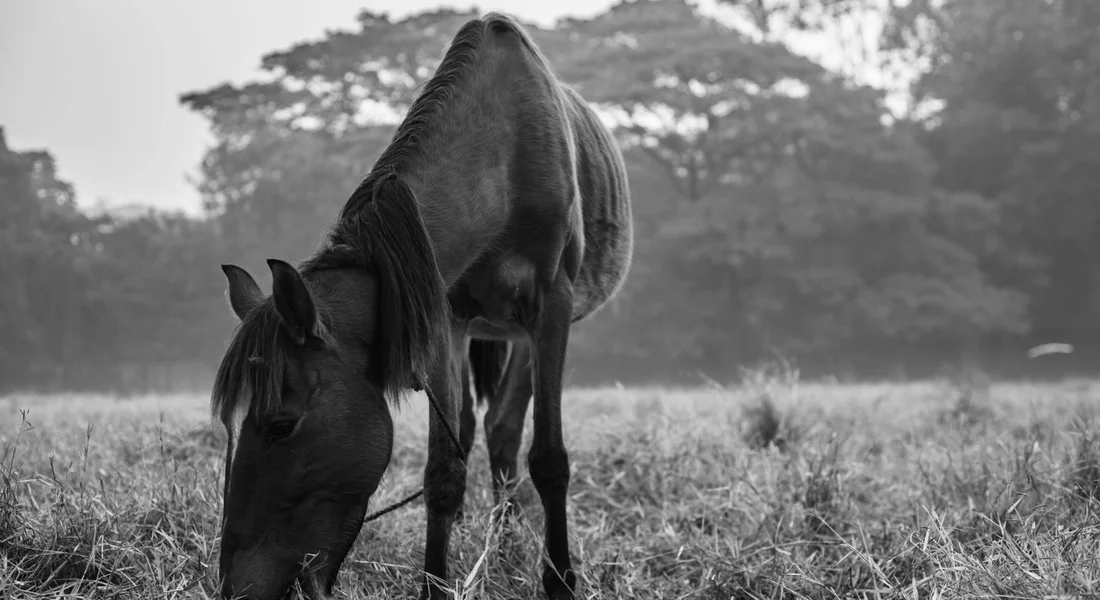
Spotting these dangers in your pasture isn’t just botany-it’s a core part of barn management. After countless hours mucking and walking fences, I’ve seen how a quiet patch of green can hide real trouble. Memorize these seven high-risk offenders; your horse’s safety depends on your ability to spot them at a glance.
| Plant Name | Key Features | Toxicity Level |
|---|---|---|
| Ragwort | Bright yellow, daisy-like clusters. Rosette of dark green, ragged leaves in year one. Contains liver-destroying pyrrolizidine alkaloids. Loves poor, overgrazed pasture and ditches. | High (Cumulative) |
| Foxglove | Tall spire of tubular, speckled purple, pink, or white bells. Contains cardiac glycosides that stop the heart. Prefers partial shade in woodlands or garden borders. | High |
| Oleander | Evergreen shrub with long, leathery leaves and showy white, pink, or red flowers. All parts contain oleandrin, a deadly cardiac toxin. Common in warm-climate landscaping. | Extreme |
| Yew | Dark green, needle-like leaves on reddish bark with bright red berries. Contains taxines causing immediate cardiac arrest. Often planted in hedges and ornamental gardens. | Extreme (Rapid Onset) |
| Red Maple | Tree with distinctive three-lobed leaves that turn scarlet in autumn. Wilted or dried leaves cause severe hemolytic anemia. Found in eastern North American woods and paddocks. | High (When Wilted) |
| Bracken Fern | Large, triangular green fronds uncurling from a fuzzy fiddlehead. Contains thiaminase, which depletes vitamin B1, leading to staggering and weight loss. Thrives in acidic, shady soils. | High (Chronic Ingestion) |
| Poison Hemlock | Tall plant with hollow, purple-spotted stems and lacy, fern-like leaves. Small white flowers form umbrella clusters. Contains coniine, a neurotoxin that paralyzes respiration. Grows in damp, disturbed soil. | Extreme |
Look for these every time you do a pasture check. When in doubt, pull it out-better to remove a harmless weed than miss a toxic one.

Deadly Ornamentals and Innocent-Looking Weeds
That attractive shrub by the barn or the cute weed in the corner could be a problem. Many toxic plants are brought in deliberately for landscaping.
- Lily of the Valley: Delicate, bell-shaped white flowers. Contains convallatoxin, a cardiac glycoside that slugs the heart.
- Rhododendron & Azalea: Glossy leaves and vibrant spring blooms. Harbor grayanotoxins that trigger colic, drooling, and weakness.
- Japanese Pieris: Ornamental evergreen with drooping white flowers. Its grayanotoxins are similar to rhododendron.
Some weeds masquerade as harmless ground cover.
- Buttercups: Glossy yellow flowers. Fresh plants contain protoanemonin, causing mouth sores and blisters.
- Field Horsetail: Scraggly, rush-like stems. Another thiaminase producer that starves the nervous system over time.
I learned this lesson with Pippin, our Shetland Houdini. He once busted through a fence gap and headed straight for a freshly trimmed oleander branch. I sprinted across the field, my boots slipping in the mud, and got to him just as he sniffed the leaves. That close call cost me a new fence and reinforced a lifetime rule: create a safe, plant-free barrier between turnout and any garden. Now, we keep a five-foot gravel moat around all paddocks.
Regional Toxic Plant Hotspots
Your local geography dictates your watch list. A plant that’s benign in one area can be deadly in another.
- Australia: Paterson’s curse (Echium plantagineum) paints fields purple but is packed with pyrrolizidine alkaloids harmful to the liver.
- Canada (Prairies): Tall larkspur (Delphinium) boasts blue spikes but contains diterpenoid alkaloids that cause muscle tremors and collapse.
- Midwestern USA: White snakeroot grows in shady areas; its toxin tremetol is still passed through milk, affecting nursing foals.
- Pacific Northwest: Tansy ragwort is an invasive nightmare in pastures and hay fields.
Connect with your county’s agricultural extension agent for a localized poisonous plant list-it’s the most proactive step you can take for pasture safety. Your vet will also know the common culprits in your area.
Spotting Trouble: Clinical Signs of Plant Poisoning
Knowing what to look for is your first line of defense. Symptoms can be subtle at first, mimicking a bad mood or an off day, which is why knowing your horse’s normal baseline is non-negotiable. I group signs by the body system they hit hardest, because a wobbly horse tells a different story than one with a bellyache. That vigilance helps you spot early signs of illness or injury in your horse, a skill we’ll build on in the next steps.
Digestive System Distress
This is the most common arena for trouble, as many toxins irritate the gut. The signs often appear first.
- Colic: Ranging from mild discomfort to violent rolling and sweating.
- Loss of Appetite: When a horse like Pipin turns his nose up at a carrot, sound the alarm.
- Excessive Drooling or Difficulty Swallowing: Often seen with plants that cause oral ulcers.
- Diarrhea or Unusually Soft Manure: Can be sudden and severe.
- Constipation: Straining with little or no production.
Nervous System Nightmares
These signs are particularly frightening and require immediate veterinary intervention.
- Staggering, Incoordination, or Weakness: The horse may look “drunk.”
- Muscle Tremors or Twitching: Can be fine or violent, often starting at the head and neck.
- Depression or Lethargy: A profound dullness, not just a lazy afternoon.
- Nervousness, Hyperexcitability, or Head-Pressing: The opposite extreme, where the horse seems unable to settle.
- Seizures or Collapse: The most critical, late-stage symptoms.
Other Key Warning Signs
- Rapid or Labored Breathing: Not related to recent exercise.
- Abnormal Heart Rate: Often too fast or too slow.
- Jaundice: Yellowing of the gums, eyes, or vulvar tissue.
- Photosensitivity: Skin inflammation, especially on white markings, after sun exposure.
- Sudden Weight Loss: Over days or weeks, despite normal feeding.
From Mild Discomfort to Emergency
Poisoning rarely starts with a horse dropping in the field. It creeps in with the small changes a casual observer might miss-the half-finished flake of hay, the extra minute spent lying down, the lack of interest in the gate’s creak signaling your arrival.
I remember a cool autumn evening with Rusty. He finished his grain but didn’t nicker for the customary mint, which was our first clue. An hour later, he was just standing in a corner of his stall, not dozing, but parked. No pawing, no looking at his side, just a quiet disconnect. His gut sounds were slow. That was our signal to call the vet, who confirmed a mild impaction colic, likely from a change in the pasture browse. That early call, based on a shift in personality rather than dramatic pain, saved us a much more serious and expensive crisis later that night.
Monitor the progression. A slightly elevated pulse that continues to climb is more telling than a single high reading. Soft manure that turns to a puddle of diarrhea means the situation is accelerating. A head tremor that progresses to full-body instability means the toxin is winning. Your job is not to diagnose the specific plant, but to recognize the accelerating pattern of “wrong” and act with speed. Time is the most critical treatment you can provide.
Building a Fortress: Prevention Through Grazing Management
I remember the year a late frost made the spring grass especially sweet and tempting. Luna, always the delicate one, spent a little too long on a lush patch that hid some early nettles. The resulting discomfort was a stark reminder: a safe pasture doesn’t happen by accident. Proactive grazing management is the cornerstone of equine welfare, turning turnout time from a potential risk into a guaranteed refuge.
Your first and best tool is your own two feet. Make walking your pastures a weekly habit, just like filling water troughs. Look beyond the obvious. Get familiar with every inch of your land in all seasons, so you can spot a single suspicious seedling before it becomes a colony. I find lost gloves, shed horseshoes, and peace of mind on these rounds.
- Commit to Regular Inspections: Walk the fence lines and the interior. Check after storms for debris or washed-in seeds. Bring a phone to photograph unknown plants for identification. Consistency is what foils clever ponies like Pipin.
- Maintain Healthy, Competitive Forage: Weak grass invites weeds. Test your soil every few years and fertilize accordingly. Overseed with recommended grasses to create a thick turf that crowds out invaders naturally, promoting a healthier diet from the ground up.
- Control Weeds with Strategy: Hand-pulling works for small areas. For larger issues, targeted, horse-safe herbicides applied at the right growth stage are effective. Always mow weeds before they go to seed. Remember, a stressed plant, like one choked by weeds, can sometimes produce more toxins.
- Respect Seasonal Risks: Spring brings tender, sometimes more toxic, new growth on plants like oak and wild cherry. Autumn means fallen leaves, such as from red maples, which are perilous when wilted. Your management calendar must shift with the sun.
Safe Pasture Rotation and Hay Inspection
Rotational grazing saved my sanity and my sod. By moving Rusty and his pals through smaller paddocks, I give the grass a fighting chance to recover. This practice doesn’t just improve forage quality; it dramatically reduces the risk of your horse selectively grazing the one toxic plant in a weary field. It’s gentle land stewardship that pays back in equine health.
Hay inspection is a hands-on job. Never trust the outer layer of a bale. You must open it up, break apart a flake, and rummage through like you’re looking for lost treasure-because in a way, you are. I’ve found mold, blister beetles, and unfamiliar, wiry stems that turned out to be horsetail. That five-minute check is cheaper than any vet bill.
- Master Hay Inspection: Work in good light. Spread a flake on a tarp or clean ground. Look for discoloration, odd seed heads, or coarse stems. Crush a handful and sniff; it should smell like dry summer, not dirt or fermentation. Feel for excessive heat, which signals microbial growth.
- Embrace Rotational Grazing Benefits: It prevents soil compaction, encourages root growth, and helps break parasite life cycles. Horses graze more uniformly, which means they’re less likely to overindulge on a patch of something dangerous simply because it’s the only green left.
- Implement Simple Rotation: Use electric tape to divide spaces. Move horses when grass height reaches about three inches. Allow grazed paddocks to rest and regrow to six or eight inches before returning. This rhythm mirrors natural herd movement and keeps pastures resilient.
First Aid Response to Suspected Plant Poisoning
The moment you suspect your horse has eaten something toxic, time is your most important resource. Your primary goals are to stop further ingestion and get professional help on the way immediately. I’ve had a few heart-in-throat moments over the years, like the time Pipin the Shetland Pony cleverly breached a fence line to sample some ornamental shrubs, and a calm, practiced response makes all the difference.
- Remove the Horse from the Source. Lead them to a clean stall, paddock, or area far away from the suspect plant. Do not turn them out into a large pasture where the plant might be hidden. If other horses are in the same space, remove them too.
- Call Your Veterinarian Immediately. Do not wait for symptoms to worsen. State clearly you have a case of suspected plant poisoning. Have your farm’s address and the horse’s details ready.
- Collect a Sample of the Plant. Using gloves, gather a large sample, including leaves, flowers, seeds, and berries if present. Place it in a plastic bag. Your vet or a specialist may need this for positive identification.
- Secure the Remaining Plant. If safe to do so, fence off or mark the area to prevent other animals from accessing it until it can be removed.
- Observe and Monitor. While waiting for the vet, note your horse’s vital signs and any developing symptoms. Do not attempt to make the horse vomit or administer any home remedies unless specifically instructed by your veterinarian.
What to Tell Your Veterinarian
A clear, accurate report to your vet is like giving them a head start. Good information allows them to bring the correct treatments and antidotes, saving precious minutes when they arrive. Panic is natural, but take one deep breath and gather these facts.
- The Plant: Describe it in detail: leaf shape, flower color, height, and where it was growing. If you have the sample bagged, tell them. Saying “a bush with red berries by the creek” is far better than “some green plant.”
- The Horse: Provide the horse’s name, age, breed, and any known pre-existing conditions. Mention their current demeanor-are they anxious, depressed, or colicky?
- The Exposure: Estimate how much of the plant you think was eaten and how long ago the ingestion likely occurred. Be honest, even if it’s a guess.
- The Symptoms: Report every symptom you see, no matter how minor. Is there excessive salivation, twitching, instability, or changes in manure? The sequence in which symptoms appeared is also valuable information.
- Other Animals: Tell the vet if other horses or livestock had access to the same plant, even if they aren’t showing signs yet.
I keep a notepad and a clean sample bag in my barn first-aid kit for exactly this scenario. Writing down details as you observe them can steady your nerves and ensure you don’t forget a critical clue when the vet answers your call. Your quick thinking and clear communication are your horse’s first line of defense. Make sure you have all the essentials in your first-aid kit for horses.
Creating a Safe Buffet: Plants Your Horse Can Enjoy

Walking the fence line with a mug of coffee, I love noting what the herd chooses to nibble. Observing your horse’s natural browsing habits is the first step to understanding safe, enjoyable forage beyond standard pasture grass. Many common plants are perfectly palatable and can add variety to their diet. That curiosity can guide you to create an enriching pasture environment for horses. It balances variety and safety while supporting natural browsing.
Common Safe Forage & Grazing Plants
These plants are often found in healthy pastures and are generally safe for consumption. Always ensure they are free from mold, pesticides, and are introduced gradually.
- Grasses: Timothy, Orchard, Bermuda, Brome, and Bluegrass. These are the backbone of most pastures and hay.
- Legumes: Alfalfa and clover (in moderation). These are protein-rich; too much can cause bloating, especially in rich, green stages.
- Broadleaf Weeds: Dandelion, plantain, and chickweed. My pony Pipin will meticulously hunt for dandelion leaves, roots and all.
Occasional Treats & Browse
These make for wonderful, natural snacks when offered sparingly and sourced from areas free of road pollution or chemical drift.
- Fruit Tree Leaves & Branches: Apple, pear, and willow branches (the bark is a natural source of salicylic acid). Ensure no wild cherry branches are mixed in.
- Garden Herbs: Mint, basil, and rosemary. Luna, my Thoroughbred, finds the smell of mint incredibly intriguing.
- Vegetable Tops: Carrot tops and beet greens. These are a hit in the treat ball for a slow, engaging snack.
Critical Look-Alikes: Don’t Get Fooled
This is where attention to detail saves the day. Mistaking a toxic plant for a safe one is a common, dangerous error.
- Safe Plantain vs. Deadly Foxglove: Broadleaf plantain has oval leaves with parallel veins in a low rosette. Foxglove leaves are more oblong, fuzzy, and grow on a tall, central stalk that eventually produces bell-shaped flowers. When in doubt, if it’s tall and hairy, make your horse wary.
- Queen Anne’s Lace vs. Poison Hemlock: Both have lacy white flowers. Queen Anne’s Lace has a single, purple-red floret in the center of its bloom and a hairy stem. Poison Hemlock has smooth, purple-spotted stems and a musty, unpleasant odor. Never forage for these without an expert.
Incorporating Safe Plants into Diet and Enrichment
Gentle horsemanship isn’t just about riding; it’s about fostering a life that allows for natural behaviors. Strategic planting and creative feeding turn basic care into mental and physical enrichment. I’ve seen bored horses develop stable vices, while those with “food for thought” are calmer and more content. This also means learning how to create a safe, enriching environment for your horse.
Consider dedicating a corner of a paddock or creating a large, secure planter box for a “horse herb garden.” Plant hardy perennials like mint, lavender, and thyme. The act of seeking out different smells and tastes mimics natural grazing behavior and provides sensory stimulation. Rusty, my Quarter Horse, will spend a good twenty minutes delicately lipping at lavender stalks, especially when combined with other natural foraging enrichment activities.
For stalled horses or those on limited turnout, use safe plants to make boredom breakers. Stuff a hay net with a mix of timothy hay and dried chamomile flowers. Weave apple branches through the bars of a stall guard. This simple act of providing browse can reduce stress-related behaviors like weaving or cribbing by giving their mouth and mind a job to do. These ideas tie into a complete edible plant guide for horses, covering safe flowers and herbs. Always supervise the first introductions to any new plant or enrichment item to ensure safe interaction.
FAQ: Safe and Toxic Plants for Horses
What toxic plants should Michigan horse owners be particularly vigilant about?
Michigan horse owners should prioritize identifying white snakeroot, common in shady areas, as its toxin tremetol can poison horses through contaminated forage. Wild cherry trees, especially when wilted leaves or branches are accessible, pose a risk of cyanide poisoning. Additionally, poison hemlock thrives in damp, disturbed soils across the state and requires immediate removal due to its rapid neurotoxic effects.
How can photographs aid in identifying toxic plants for horses?
Photographs serve as a reliable reference by capturing distinct plant features like leaf arrangements or flower structures that might be missed during quick pasture inspections. They enable horse owners to compare images with regional field guides or digital apps for accurate identification without handling potentially harmful plants. Maintaining a photo library of both toxic and safe species on your property helps track changes and educate barn staff or family members.
Which toxic plants are commonly found in Colorado and pose a risk to horses?
In Colorado, locoweed is a persistent threat in rangelands, causing neurological damage and compulsive behavior when ingested chronically. Death camas, often mistaken for wild onions, contains steroidal alkaloids that can lead to sudden collapse and death if consumed. Horse owners in mountainous areas should also monitor for tall larkspur, which blooms in summer and can cause respiratory paralysis if grazed in large quantities.
A Final Word on Pasture Safety
Make walking your pastures a non-negotiable part of your weekly routine, scrutinizing fence lines and overgrown corners for new growth. The single most effective action you can take is to promptly and permanently remove any identified toxic plant, roots and all, from your horse’s environment. This habit also lays the groundwork for designing a safe, effective horse pasture. Pair this vigilance with thoughtful pasture design to create a resilient grazing space.
Good horsemanship is built on this kind of vigilant, patient care for their world. Your horse’s health and demeanor are your best gauge-if something seems off, trust that instinct and check their forage from the ground up. Look for signs of a healthy horse to ensure you’re catching issues early.
Further Reading & Sources
- Plants Toxic to Horses
- Toxic and Non-Toxic Plant List – Horses | ASPCA
- Dangerous Plants to Horses in Paddocks and Small Pastures
- Twelve Plants Poisonous to Horses
At Horse and Hay, we are passionate about providing expert guidance on all aspects of horse care, from nutrition to wellness. Our team of equine specialists and veterinarians offer trusted advice on the best foods, supplements, and practices to keep your horse healthy and thriving. Whether you're a seasoned rider or new to equine care, we provide valuable insights into feeding, grooming, and overall well-being to ensure your horse lives its happiest, healthiest life.
Health