
Horse Owner Insurance Explained: Your Guide to Liability and Key Coverage
Hello fellow equestrians. That heart-stopping moment when the vet announces an emergency colic surgery or the quiet fear after a guest takes a fall in your arena-these financial and legal worries are part of the stable life.
Let’s tack up the complex world of equine insurance together. In this article, I’ll walk you through the specific policies that create a crucial safety net for your passion and your pocketbook.
We will cover:
- Liability insurance is your first line of defense against lawsuits if a person or another animal is injured because of your horse.
- Mortality coverage acts as a life insurance policy for your equine partner, providing financial stability after a tragic loss.
- Major medical and surgical plans help you say “yes” to lifesaving care without facing bankruptcy from vet bills.
- How to assess your real risk level based on your horse’s use, from trail riding to competitive showing.
I’ve sorted claims and paid premiums from the barn office for over a decade, making these decisions for school ponies like Pippin and performance horses like Luna.
Why Every Horse Owner Needs a Policy: It’s Not Just for Pros
Think you’re safe because you just trail ride on weekends? I once thought that too, until Rusty decided a plastic bag was a mountain lion. His spin sent a novice rider tumbling, and suddenly I was facing a liability claim from a bruised ego and a bruised shoulder. Accidents with horses aren’t reserved for professionals; they happen in quiet pastures and during simple grooming sessions. Your homeowner’s insurance often slams the stall door shut on equine-related incidents, leaving you financially exposed.
Liability isn’t just about a rider fall. It covers if your horse kicks a fence onto a neighbor’s car, breaks free and causes a traffic scare, or even bites a well-meaning visitor. Consider insurance as fundamental as a good halter-it’s a non-negotiable tool for responsible ownership that protects your financial stability. This safety net ensures that if the worst happens, you can focus on care, not bankruptcy. If you’re concerned about being sued if your horse injures someone, a liability guide can explain potential exposure and steps to take. These resources often pair with your insurance to help you navigate the legal side of responsible ownership.
From a welfare standpoint, proper coverage means you can always say “yes” to necessary veterinary care without devastating cost concerns. Luna’s delicate thoroughbred legs taught me that diagnostics and treatments for a single injury can easily reach five figures. Medical payments coverage, often part of a liability package, can handle those initial human injury costs swiftly, keeping relationships with boarding buddies or lesson kids from turning sour.
The Lifeline: Understanding Equine Liability Insurance
This is your primary defense. Equine liability insurance specifically covers bodily injury or property damage caused by you or your horse to other people. Picture it as your financial safety helmet, designed for the unique risks of equine activities. Policies typically cover legal defense costs, which can be staggering even if you’re found not liable. Beyond insurance, understanding your equine liability legal responsibilities as a horse owner is essential. It helps you anticipate obligations and navigate risks more confidently.
Coverage amounts vary, but a $1 million per occurrence limit is a common and sensible starting point for most owners. You’re not paying for the everyday nick or scrape; you’re shielding yourself from the life-altering lawsuit that could stem from one unpredictable moment. Review the exclusions closely-some policies may not cover racing, breeding, or professional training without endorsements.
Care, Custody, and Control: For Those Who Handle Other Horses
If you ever take money to train, board, or transport someone else’s horse, you need this. Liability insurance covers people; Care, Custody, and Control (CCC) covers the horses in your charge. As a barn manager, this policy saved me when a boarder’s horse colicked under my watch and required emergency surgery. Standard liability wouldn’t have touched that vet bill. Horse insurance generally does not cover horses under CCC policies.
CCC covers injury, illness, or death of the animal while in your care. It recognizes that even with perfect management, horses like Pipin can find trouble, or a latent condition can surface. When selecting CCC, understand the valuation method-actual cash value (depreciated) or agreed value-as it directly impacts a potential payout.
- For Trainers: Covers a horse you’re schooling that pulls a ligament.
- For Boarding Barns: Covers a gelding that gets a deep laceration in the paddock.
- For Transporters: Covers injury during loading or transit.
The Umbrella Policy: Extra Protection for Peace of Mind
An umbrella policy is a secondary layer that kicks in once your primary equine liability (or even your auto/home) limits are exhausted. Think of it as a heavy winter blanket over your existing coverage, adding an extra million dollars or more in protection. It’s surprisingly affordable for the massive security boost.
This is crucial if you have significant personal assets to protect or host frequent events. If a severe injury led to a judgment above your primary policy limit, the umbrella stops that financial storm from reaching your home, savings, or future earnings. It’s the ultimate step in responsible risk management, letting you sleep soundly after a long day at the barn.
I advise my clients to consider an umbrella once they have more than one horse, offer lessons, or own their property. The creak of the barn door at night should only be about checking on your herd, not worrying about catastrophic “what-ifs.” A combined strategy of primary equine liability and an umbrella policy creates a fortress of sensible protection.
Protecting Your Equine Partner: Mortality and Medical Coverage

Think of this as your horse’s primary health and life insurance policy. It’s the foundation. While we plan for feed, farrier, and training, this coverage is for the storms we pray never come. I’ve stood in the stall with a vet at 2 AM enough times to know you don’t want to be making financial decisions in a crisis.
Equine Mortality Insurance: The Hardest Conversation
This is essentially a life insurance policy for your horse, based on its agreed-upon value. If your horse dies from a covered cause (like illness, accident, or sometimes humane destruction on veterinary advice), the policy pays that value. Determining that number requires a recent appraisal or sales documentation for purchased horses. Setting an accurate, defensible value is your first and most critical step-sentiment cannot be your sole guide here.
Policies have exclusions. Read every word. Common ones include neglect, certain pre-existing conditions, and sometimes deaths related to specific activities like racing. I always advise owners to ask: “If my 20-year-old retired pasture pet passes from natural causes, is that covered?” Know the answer before you sign.
Major Medical and Surgical Coverage: For When the Unexpected Happens
This is the coverage that saves both your horse and your bank account. Mortality insurance might cover the “if,” but major medical insurance for horses covers the “how do we fix it?” It’s for catastrophic illness or injury requiring surgery or extensive treatment, like colic surgery, fracture repair, or a severe case of laminitis.
Think of it this way: a pasture accident requiring a $15,000 surgery shouldn’t have to be a financial death sentence. This coverage turns an impossible decision into a manageable recovery plan, focusing your energy on your horse’s care, not the invoice.
Key details to scrutinize:
- Deductible: Typically a set dollar amount you pay per incident.
- Annual Limit: The maximum the policy will pay out per year ($5,000, $7,500, $10,000 are common).
- Exclusions: Often includes routine care, dental, and certain chronic conditions.
From my barn management days, I saw a mare named Luna recover from a freak paddock injury because her owner had a robust major medical policy. The peace of mind was palpable. For every Luna, I’ve also seen a tough choice made because this safety net wasn’t in place.
Where Homeowners Insurance Leaves You Exposed
This is the most common and dangerous misconception: “My homeowners policy has me covered.” In most cases, it provides a thin veneer of protection at best. Standard policies are not designed for 1,200-pound animals with minds of their own.
Most homeowners policies have severe limitations or outright exclusions for “equine liability.” The liability portion might offer a tiny amount of coverage if your horse causes property damage or injury to a third party—but only under very specific conditions, often requiring the horse to be on your property. The moment your horse steps off your land, your standard policy likely abandons you at the trailhead. This reality raises questions about insurance requirements for horse owners and breeders. Are insurance requirements the same for horse owners and breeders, and what coverage should you secure if you operate beyond the property?
Consider these glaring gaps:
- “Business Pursuits” Exclusion: Give a single paid lesson? Board a friend’s horse for money? You’ve likely voided coverage. Homeowners insurance hates commercial activity.
- Inadequate Liability Limits: A kicked guest or a trail-riding accident causing injury could result in a lawsuit seeking millions. Your homeowner’s $300,000 limit is a drop in the bucket.
- No Care, Custody, or Control (CCC): This is huge. If a horse you are boarding, training, or transporting gets injured or dies while in your care, you are liable. Homeowners insurance does not cover this.
- Property Damage Off-Premises: Your horse kicks a neighbor’s car trailer or tramples a prized garden during a walk down the road. Not covered.
This raises the question: do I choose the right horse insurance policy? We’ll help you evaluate options in the next steps.
I learned this lesson the hard way early on with Pipin, the Shetland pony. His great escape led to a neighbor’s trampled flower beds. My homeowners policy offered zero help for the damages. It was a cheap lesson in a valuable truth: you need a dedicated, separate equine liability policy. Protecting your home from a lawsuit caused by your horse is as important as protecting your horse itself.
Coverage for the Barn and Business: Boarding Facility & Stable Liability
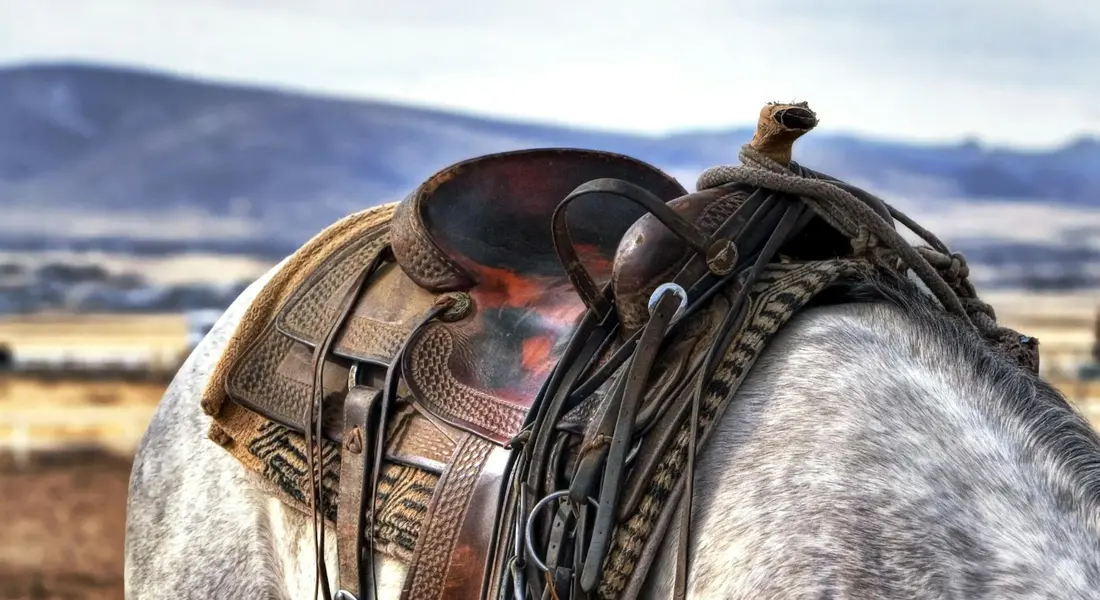
If you run a boarding operation or give lessons, your personal horse liability policy will likely slam the door shut on a claim. Commercial equine liability is a different beast entirely. I learned this the hard way years ago when helping a friend with her small lesson program; my own insurer politely informed me I was operating on a wing and a prayer—something that is far from ideal when it comes to managing horse-related risks.
Commercial stable liability protects your business assets if a client, visitor, or even a vendor’s employee gets injured on your property or by a horse in your care. This covers scenarios from a student taking a tumble to a farrier dropping a tool on their own foot. Think of this policy as the sturdy fencing around your financial security-it won’t stop every potential mishap, but it prevents a single incident from causing a total breach.
Personal Horse Owner Policy vs. Commercial Stable Policy
The core difference is business activity. Let’s break it down.
- Personal Policy: Covers you and your family for incidents involving your horses during personal activities like trail riding. It typically excludes any activity where you charge a fee.
- Commercial Policy: Specifically designed for operations that generate income through boarding, training, lessons, or hosting events. It covers your legal liability to third parties arising from your business.
Key Coverages for Your Barn Business
Don’t just ask for “liability.” Be specific. A robust policy should address these areas.
- Care, Custody, and Control (CCC): This is non-negotiable. If a boarder’s horse gets injured or dies due to your alleged negligence (e.g., a stall door failure, a hay barn fire), this covers your legal liability for the value of that horse. Without it, you could be paying out of pocket for a $20,000 animal.
- Property Coverage: This protects your barns, arenas, tractors, and equipment against perils like fire, wind, or theft. Make sure your coverage limit reflects current rebuilding costs.
- Commercial General Liability: The broad base layer covering bodily injury and property damage to others. Ensure it includes “premises medical payments” for minor injuries, which can prevent a small accident from becoming a big lawsuit.
You can often add endorsements for specific needs, like coverage for a summer camp program or a liability waiver for off-site clinics. Always disclose every activity you run to your agent-withholding information is a surefire way to have a claim denied later. The creak of the barn door at midnight is a peaceful sound, but the ring of a lawyer’s phone is not.
Putting It All Together: How to Choose Your Coverage
Navigating insurance options feels less like a pleasant trail ride and more like a tricky jump course. Take it one fence at a time.
Evaluate Your Real Risk
Start with a brutally honest assessment. Are you a sole owner with one retired gelding on your own property? Or do you train young horses, board for the public, and host 4-H meetings? List every activity. Your risk level isn’t about paranoia; it’s about accurately mapping the terrain you’re traveling so you don’t get caught in a storm without a slicker.
The Policy Fine Print is Your Friend
Yes, it’s tedious. Read it anyway. Pay close attention to exclusions. Some policies exclude certain breeds or activities like rodeo events. Look for definitions of “negligence” and see what the policy requires of you regarding facility maintenance. Are you required to have a certain type of fencing? Documenting your safety protocols can sometimes lead to better premiums.
Work with a Specialist, Not a Generalist
A farm-and-ranch or equine-specific insurance agent understands the nuances of colic surgery costs, the value of a well-bred dressage horse, and why liability waivers have specific language. They ask the right questions. My agent once asked about the diameter of my arena’s gate posts-a detail a generic agent would never consider, but one that speaks to stable construction and safety.
Questions to Ask Any Agent
- Is mortality coverage “actual cash value” or “agreed value”? (Agreed value is preferable).
- Does the medical/surgical coverage have a per-incident limit or an annual aggregate?
- What is the deductible for major medical, and does it apply to colic surgery?
- Exactly what business activities are excluded under this commercial policy?
- How are liability claims handled? Do you have a network of equine-experienced adjusters?
Choosing coverage is an act of responsible horsemanship. It protects the animals we love, the property we’ve built, and the financial stability of our families. Invest the time on the front end to browse through policy details with a critical eye; the peace of mind you’ll gain is worth far more than the premium you pay. Now, if you’ll excuse me, I need to go check that Pipin hasn’t figured out how to unlatch the feed room door again-some risks require a physical, not just a paper, solution.
Reading the Fine Print: Common Exclusions and Pitfalls to Avoid
That stack of policy documents can feel as daunting as a fresh bale of hay to move on a hot day. I’ve sat at my kitchen table, the smell of leather conditioner still on my hands, squinting at the tiny print after a long afternoon with the horses. Your insurance is only as good as the details you understand, and the devil loves to hide in the exclusions.
The Standard “We Don’t Cover That” List
Most policies have a core set of exclusions. Think of these as the basic rules of the barn-everyone needs to know them.
- Pre-existing Conditions: That chronic cough or old ligament strain your vet noted last year? It’s like Rusty’s known aversion to puddles-already part of his profile and not a new, insurable event.
- Routine Maintenance: Farrier visits, vaccines, and annual teeth floating are considered your responsible ownership, not an insurance claim. This is the daily cost of love.
- Intentional Injury or Gross Negligence: If you knowingly put your horse in danger, coverage vanishes. Practicing gentle, patient horsemanship isn’t just ethical; it’s a financial safeguard for you both.
- Certain High-Risk Activities: Breeding, racing, or professional competitions often require a special add-on. Be utterly honest about your horse’s job.
- Wear and Tear: Issues from aging, like arthritis in an older pony like Pipin, are typically excluded. It underscores that proactive care is your best investment.
Sneaky Pitfalls That Can Leave You Uncovered
These are the clauses that can quietly void your policy. I check for them as meticulously as I check gate latches.
- Inaccurate or Incomplete Disclosure: Failing to mention Luna’s past sensitive episodes or a minor lameness is a fast track to a denied claim. Transparency is non-negotiable.
- “Approved Veterinarian” Networks: Some policies require you to use a vet from their list or get pre-approval for major procedures. Not knowing this can mean paying out-of-pocket.
- Care, Custody, and Control Limits: If you’re training or boarding someone else’s horse, your liability might be capped or excluded. Get a separate agreement.
- Specific Turnout Exclusions: I once reviewed a policy that excluded injuries from “normal pasture activity.” Advocating for a policy that respects turnout as a welfare necessity, not a liability, is a direct stand for your horse’s well-being.
I remember the sinking feeling when a claim for a paddock injury was questioned because the agent argued it was “preventable.” The smell of fresh hay and the sound of contented chewing in the field should be a sign of health, not a coverage risk. Your goal is a policy that protects your horse’s right to be a horse, not one that keeps him in bubble wrap.
Your Action Plan for Smart Scrutiny
Don’t just file the paperwork. Engage with it. Here’s how I break it down.
- Ask the “What If” Questions Aloud: “What if he colics at midnight?” “What if a visitor’s kid gets kicked?” “What if he hurts himself playing in the field?” Get answers in writing.
- Define “Mortality” Clearly: Understand if it’s for accident-only or includes illness. Know the required steps for euthanasia-this is tough but vital.
- Review Annually at Renewal: Your situation evolves. That quiet gelding might start jumping, or you might take on a boarder. Update your policy to match.
FAQ: Horse Owner Insurance, Liability, and Coverage
Why is my standard homeowners insurance insufficient for my horse?
Most standard homeowners policies have exclusions for equine-related liability, especially if an incident occurs off your property. They typically do not cover injuries or damage caused during any business activity, like giving lessons. Furthermore, they offer no protection for the injury or loss of a horse in your care, known as Care, Custody, and Control. Even if you have homeowners insurance, it’s important to understand how equine liability insurance works and what it covers.
My homeowners insurance premium increased recently; should I just rely on it for my horse?
No, a premium increase is unrelated to equine risk coverage. Relying on it is dangerous, as its limitations remain. You need a separate equine liability policy to properly cover the unique risks of horse ownership, which is a specialized form of protection your homeowners policy is not designed to provide.
How do I find a good insurance agent for my horses near me?
Seek a farm-and-ranch or equine-specific insurance specialist, not a general agent. A specialist understands key details like mortality valuations and Care, Custody, and Control coverage. They can properly assess the risks of your specific activities to build a suitable policy, ensuring you aren’t left exposed by generic advice.
Ride Safe
Review your farm and club memberships for liability coverage, and always carry an equine liability policy as your primary shield. For your horse, a mortality policy is the definitive financial safeguard, allowing you to make medical decisions based on care, not cost. Mortality insurance can be a necessary layer of protection, helping you keep care decisions aligned with welfare, not price. It ensures access to appropriate care even when costs are uncertain.
Good insurance lets you ride with peace of mind, but it’s no replacement for good judgment. The best policy you have is still the one written by listening to your horse and putting their well-being first.
Further Reading & Sources
- Private Horse Owner Insurance| Markel
- Personal Equine General Liability Insurance | Equisure
- Individual Horse Owner Liability – AgriBusiness® – Great American Insurance Group
- Equine Liability Insurance | Protect Your Equestrian Business
At Horse and Hay, we are passionate about providing expert guidance on all aspects of horse care, from nutrition to wellness. Our team of equine specialists and veterinarians offer trusted advice on the best foods, supplements, and practices to keep your horse healthy and thriving. Whether you're a seasoned rider or new to equine care, we provide valuable insights into feeding, grooming, and overall well-being to ensure your horse lives its happiest, healthiest life.
Health