Can Horses Eat Sunflower Seeds and Plants? Your Guide to Nutritional Benefits
Published on: September 1, 2026 | Last Updated: September 1, 2026
Written By: Henry Wellington
Hello fellow equestrians! You’re probably standing in the feed room, a bag of sunflower seeds in hand, wondering if this popular human snack is a safe choice for your horse. That caution is spot-on-introducing new foods can upset sensitive equine stomachs, leading to costly vet visits and worry.
In this article, I’ll clarify the safety of every part of the sunflower plant for your horse, detail the specific vitamins and fats that make seeds a potential superfood, and share my barn-tested methods for introducing them without risk.
My years of barn management and horse training have taught me that the right treat can strengthen bonds and boost health, while the wrong one can cause real trouble.
The Straight Scoop: Are Sunflower Seeds Safe for Horses?
Safety First: The Core Answer
Yes, your horse can eat sunflower seeds, but think of them as a special occasion treat, not a feed bucket staple. I treat sunflower seeds like I do peppermints-a tiny reward for good behavior, given only a few times a week. They are not toxic, but their high fat content means a horse’s digestive system needs to adjust slowly.
I learned about tolerance the hard way with my quarter horse, Rusty. He loves any snack, so I once gave him a generous cup of seeds. The next day, his manure was looser, a clear sign his gut wasn’t ready for that much rich fat. Now, I start any new treat with just a tablespoon mixed into feed, watching closely for any changes. That’s why much sweet feed should be given with proper portion control. I’ve learned to start small and adjust as needed.
Always choose plain, unsalted, and shelled sunflower seeds for safety. The shells can be a choking hazard and are tough to digest. Introducing any new food slowly is the golden rule for preventing colic and understanding your own horse’s unique digestibility. Additionally, if you’re considering fruit as a treat, the fruits horses eat safely complete guide covers safe options and how to introduce them. It’s a quick reference to keep treats safe.
What About the Whole Sunflower Plant?
Spotting a few sunflowers in your pasture isn’t a crisis. The mature plant itself is generally considered non-toxic to horses. The real issue isn’t poison; it’s that the tough, fibrous stalks are terrible forage and can lead to impaction. A horse might nibble the flower head, but they’re unlikely to gorge on the woody stems. Even so, staying informed about safe and toxic plants for horses matters. A complete identification guide to safe toxic plants for horses can help you spot risks in the pasture before they become a problem.
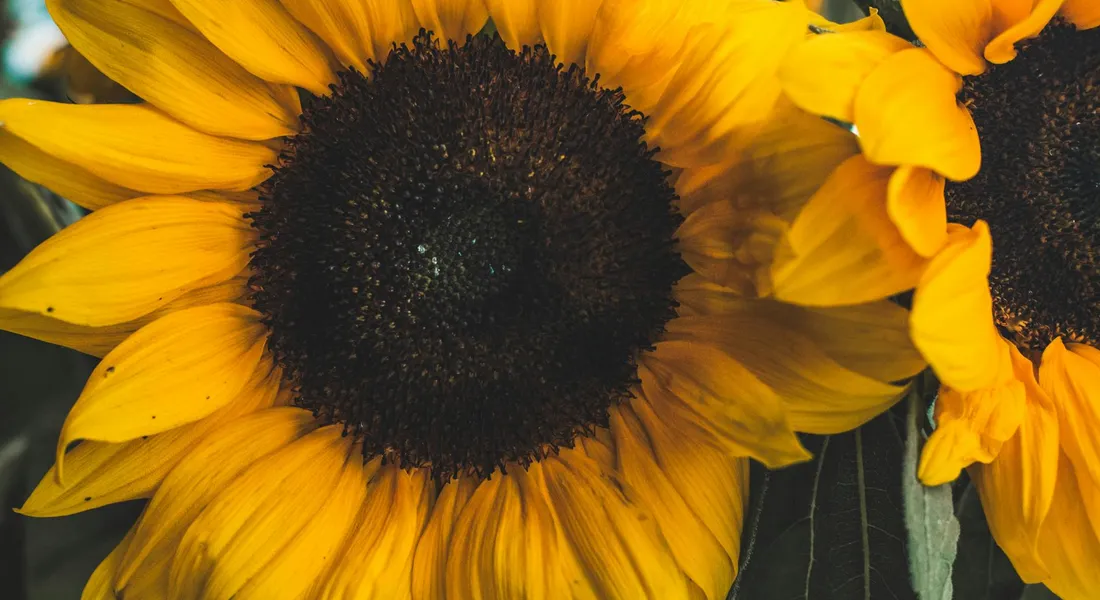
From a barn manager’s view, I don’t want sunflowers taking over good grazing land. They’re poor nutrition and crowd out the nutritious grasses my herd needs. If you have a patch, it’s best to fence it off or mow it down before the plants become tall and stemmy. You’ll know them by their rough, heart-shaped leaves and that classic large, yellow flower head full of seeds.
Unpacking the Nutritional Payoff of Sunflower Seeds
Key Nutrients and What They Do
Don’t let their size fool you; these little seeds are nutrient powerhouses. Here’s what they bring to your horse’s diet.
| Nutrient | Role in Equine Health |
|---|---|
| Protein | Builds and repairs muscle tissue, crucial for athletes like Luna after a strenuous ride. |
| Fat (Linoleic Acid, an Omega-6) | Provides dense calories for energy and is a building block for a sleek, shiny coat. |
| Vitamin E | A vital antioxidant that supports nerve and muscle function and bolsters the immune system. |
| Selenium | Works hand-in-hand with Vitamin E to protect cells and maintain healthy muscle metabolism. |
| Calcium | Fundamental for strong bones and teeth, and proper muscle function throughout the body. |
| Phosphorus | Works with calcium for skeletal health and is key for converting food into usable energy. |
This combination makes sunflower seeds a clever, multifaceted supplement when used wisely. The calcium-to-phosphorus ratio is decent, which is a bonus for bone health.
Real-World Benefits for Your Horse
So, what does this table of nutrients actually do in the paddock? It translates to tangible perks you can see and feel. The high fat content is perfect for putting a gleam on a dull coat or adding quiet calories to a hard keeper’s diet without the fizz of grain.
Think of energy density like this: a cup of sunflower seeds has vastly more fat and calories than a cup of oats. This means a small handful can significantly boost calorie intake, which is a game-changer for older horses or thin ones like Pipin in the deep winter. It’s a gentler, more natural option than many processed fat supplements.
The vitamin E and selenium are your hidden allies. For a sensitive thoroughbred like Luna, that antioxidant boost can mean smoother muscle recovery and a more resilient constitution during stress. It’s nutritional support that works from the inside out, promoting overall vigor.
How to Feed Sunflower Seeds: A Barn Manager’s Protocol
After years in the saddle and even more at the feed cart, I’ve learned that every new treat needs a plan. Sunflower seeds are a powerful supplement, not a casual snack, and they demand a respectful, measured approach to keep your horse safe and happy. Let’s walk through the barn-tested method I use with my own herd.
Step-by-Step Feeding Guidelines
Throwing a handful into the bucket is a recipe for trouble. Follow this slow-and-steady routine instead.
-
Start with a clean slate and a vet check. Before anything else, have a quick chat with your veterinarian. That discussion also sets the stage for a targeted weight management diet. It helps you balance calories and nutrients to keep your horse at a healthy weight. This is non-negotiable for horses with metabolic issues like PPID or insulin resistance. The high fat can skew their delicate balance. I always do this; it saved Luna from a potential issue when her energy needs changed.
-
Begin with a ridiculously tiny amount. Think one tablespoon, once a day. This lets you watch for any odd reactions without overloading their system. For Pipin, my Shetland, we started with half a teaspoon mixed into his pelleted feed.
-
Choose the right form from the start. Only use raw, unsalted sunflower seeds. The black oilseed variety is ideal for horses. I strongly prefer shelled or, even better, freshly ground seeds to sidestep any choke risk right out of the gate. In addition to seeds, it’s useful to know which vegetables are safe for horses. For a quick reference, see our vegetables horses eat safe options guide.
-
Incorporate them slowly into regular feed. Never offer them by hand. Always mix those first few tablespoons thoroughly into their normal grain or mash. This prevents gorging and lets you ensure they’re actually eating the seeds, not just picking around them. Rusty would vacuum up anything offered palm-up, but mixing forces a slower, safer pace.
Preparation and Sourcing for Safety
Where you get your seeds and how you prepare them matters just as much as the dose.
You must buy fresh, human-grade seeds from a reputable source. Old or poorly stored seeds can develop invisible toxins called aflatoxins and mycotoxins, which are produced by molds and can cause serious liver damage. I buy mine from the same bulk food aisle I shop for my own kitchen.
Give every batch a sensory check before it goes near a feed tub. Look for a clean, uniform color and smell them-they should have a mild, nutty aroma, not a dank or musty odor.
For any easy keeper, senior horse, or pony, take the extra minute to grind or crush the seeds. This simple step dramatically improves digestibility and neutralizes the primary risk of choking. I keep a cheap coffee grinder in the tack room just for this purpose; Pipin gets his seeds pre-pulverized every time.
Avoid birdseed mixes at all costs. Those bags are often dusty, contaminated with debris, and not meant for equine digestion.
Navigating the Risks: What Can Go Wrong?
Sunflower seeds aren’t candy. Respect their potency, and you’ll avoid these common barnyard pitfalls.
The Choking and Digestive Hazard
Whole, dry seeds are small, hard, and slick. They can easily be swallowed before saliva properly softens them, creating a perfect choke hazard in the esophagus. This risk is unique compared to softer treats like carrots.
Even if swallowed safely, that burst of fat can overwhelm the hindgut if introduced too fast. I learned this lesson with Rusty after he managed to sneak a whole cup from an unsecured bag; the resulting digestive upset and loose manure meant a week of bland meals and regret. Their systems need time to adjust to the lipid load.
Contamination and Quality Control
Your eyes and nose are your first line of defense. Mold doesn’t always show up as fuzzy spots; sometimes it’s just a slight discoloration or a stale, off smell. Any doubt about the freshness means the entire bag goes in the trash, not the feed bin. Aflatoxins are no joke, and they’re invisible to the naked eye.
That bargain bag of wild bird seed is a false economy. These mixes are notorious for pesticide residues, dirt, and fungal spores, presenting a real risk of mycotoxin exposure that simply isn’t worth it. Stick to seeds fit for human consumption, and store them in a cool, dry place to keep them pristine.
Sunflower Seeds vs. Other Popular Treats
Comparing Nutritional Value and Use
Let’s stack up your treat options like bales in the feed room. Not all horse snacks are created equal. Choosing the right treat depends on what your horse actually needs, not just what makes him nicker—check out this guide for some favorites. I keep a mental checklist for my crew—Rusty, Luna, and Pipin—because what works for one can be trouble for another.
Here’s a quick breakdown of common favorites:
- Sunflower Seeds: High in fat and protein, making them energy-dense. They’re little calorie bombs. Perfect for adding gloss to a coat or helping a lean horse pack on pounds.
- Carrots: Low-calorie but high in sugar. They offer a satisfying crunch and vitamins, but that sugar can add up fast for a pony like Pipin.
- Apples: Similar sugar levels to carrots. They’re juicy and appealing, but I slice them thin to slow down my thoroughbred Luna, who’d otherwise bolt them whole.
- Commercial Treats: Often high in molasses and processed grains. Convenient, but many are just equine candy. Read the ingredient list like you’re checking your own food labels.
Sunflower seeds shine for adding calories and healthy fats. I use them as a top-dressing for my easy-keeper, Rusty, when he’s logging extra trail miles and needs sustained energy without a sugar rush. For a pasture puff or an insulin-resistant horse, they’re a poor choice-the fat content is overkill. Stick to a single carrot stick instead. Remember, treats are for bonding and training, not nutrition.
Making the Smart Choice for Your Horse
Think of treat selection like picking a saddle pad-it must fit the individual job. Don’t just grab the bag. Follow this simple flow to decide.
- Check his weight. Run your hands over his ribs. Can you feel them easily? A hard keeper might benefit from a handful of seeds. An obese horse does not.
- Gauge his activity. Is he in light work or heavy training? Luna in peak condition gets a few seeds for recovery. Pipin the pony, in his semi-retirement, gets a carrot fragment.
- Audit his full diet. What’s in his grain, his hay, his supplements? Those sunflower seeds are adding fat and protein to an existing menu. Avoid doubling up on nutrients.
Treats should never replace forage; they are a tiny supplement to a diet built on hay and grass. I’ve seen too many barn buddies confuse love with calories. A mug of sunflower seeds might seem harmless, but for a quiet horse, it’s like pouring oil on a fire he doesn’t have. Moderation is the cornerstone of sane equine nutrition. Always prioritize forage first in any equine diet.
FAQ: Can Horses Eat Sunflower Seeds and Plants?
What are the key benefits of feeding sunflower seeds to horses?
Sunflower seeds provide a concentrated source of healthy fats that enhance coat shine and offer sustained energy for performance or hard-keeping horses. They are rich in antioxidants like Vitamin E and selenium, which support muscle recovery and immune function. Due to their high calorie density, they should be fed as a occasional supplement rather than a regular treat.
Are black sunflower seeds better for horses than other types?
Black oil sunflower seeds are often recommended for horses because they typically have thinner shells and higher oil content, making them more digestible and nutrient-rich. They deliver the same essential fatty acids and vitamins as other varieties but with reduced risk when shelled. Always select raw, unsalted black sunflower seeds from a reputable source to ensure safety and freshness. For broader guidance, a complete edible plant guide on safe flowers and herbs for horses can be a valuable resource. It helps you assemble a balanced, horse-friendly forage plan.
What are the main pros and cons of including sunflower seeds in a horse’s diet?
The pros include promoting a sleek coat, adding calories for weight gain, and supplying valuable nutrients like Vitamin E for overall health. Cons involve potential choking hazards if fed whole, digestive upset from abrupt introduction, and risks from mold or toxins in poor-quality seeds. To mitigate these, introduce seeds slowly, choose shelled or ground forms, and prioritize moderation in feeding.
Feeding Sunflower Seeds Safely
For a safe treat, stick to a small handful of unsalted, shelled seeds and never feed sunflower plants from the yard. Always introduce any new treat, including sunflower seeds, slowly and in a tiny serving-think of them as a sprinkle, not a scoop.
Your horse’s reaction is the final guide, so watch them closely after the first taste. When in doubt about your horse’s unique dietary needs, a quick call to your vet is the wisest form of horsemanship.
Further Reading & Sources
- Sunflower Seeds for Horses: Yea or Nay? – Kentucky Equine Research
- Black Oil Sunflower Seeds and Inflammation – Getty Equine Nutrition, LLC
- The Nutritional Benefits of Seeds in the Equine Diet
- Sunflower Seed – 20% CP 40% EE – Equine Nutrition Analysis | Feed Bank
At Horse and Hay, we are passionate about providing expert guidance on all aspects of horse care, from nutrition to wellness. Our team of equine specialists and veterinarians offer trusted advice on the best foods, supplements, and practices to keep your horse healthy and thriving. Whether you're a seasoned rider or new to equine care, we provide valuable insights into feeding, grooming, and overall well-being to ensure your horse lives its happiest, healthiest life.
Nutrition