
What Is a Paint Horse? Defining the Colorful, Capable American Icon
Published on: March 4, 2026 | Last Updated: March 4, 2026
Written By: Henry Wellington
Hello fellow equestrians. If you’re staring at a flashy spotted horse and wondering if it’s a Paint, or puzzling over how they differ from a similar-looking Appaloosa, that’s a smart question to ask. Mixing up breeds can lead to surprises in temperament, care needs, and even registration paperwork, which is why getting it right matters from the start.
In this guide, I’ll clear up the confusion for good by covering the definitive history that separates Paints from other breeds, the exact color pattern genetics required for registration, their trademark steady mind and athletic build, and practical insights on their care and ideal riding disciplines.
My years in the barn managing everything from cheeky ponies to high-strung Thoroughbreds have given me a deep appreciation for how breed traits show up in the day-to-day, and I’m here to share that grounded knowledge with you.
Defining the Paint Horse: More Than a Color
Spotting a horse with a flashy, patchy coat and calling it a Paint is a common barnyard mistake. A true Paint Horse is a distinct breed registered with the American Paint Horse Association (APHA), not just any equine wearing a pinto pattern. Colors and markings are just one piece of the broader picture of a horse’s breed and appearance. I’ve corrected this mix-up more than once in the grooming aisle, often while untangling Pipin’s mischievous mane. Knowing how different breeds express color patterns helps with accurate identification.
Breed standards demand specific stock horse conformation-think of the powerful, balanced build of a Quarter Horse-and have rules about white markings. To qualify, a Paint must have a minimum amount of natural white hair over pink skin, but cannot be predominantly white, setting it apart from a generic “pinto” which is simply a color description. This focus on structure over splash ensures a sound, athletic partner. The distinction also highlights the importance in understanding different horse coat colors and patterns.
Here are the key breed traits that make a Paint Horse:
- Quarter Horse and Thoroughbred Bloodlines: This ancestry gives Paints their muscular physique, calm demeanor, and agility for events from reining to trail riding.
- Versatile Conformation: A low center of gravity, strong hindquarters, and a sturdy frame are bred for work and performance.
- Predictable Temperament: They are typically steady and willing, much like my reliable Rusty, making them excellent for riders of various levels.
- Registry Requirements: APHA registration verifies pedigree and confirms the coat color is a qualified, natural pattern.
Choosing a horse based solely on color or appearance is like picking a saddle for its shine without checking the tree. Always prioritize the horse’s conformation, health history, and temperament above the beauty of its patches. These factors are crucial, especially when you want to select a horse suitable for your lifestyle and experience level.
The Patchwork Puzzle: Paint Horse Coat Patterns and Genetics
Those stunning coats are not random art; they are the result of specific genetic recipes. Knowing the basic patterns helps you identify a Paint, understand its genetics, and even anticipate some care needs related to its unique skin. The first time I helped cool out a sweaty Paint after a lesson, I saw how the patches dried at different rates-a small reminder of their biological puzzle.
This table breaks down the three primary patterns at a glance:
| Pattern | White Crosses the Back? | Typical Face Markings | Leg Color | Spot Shape |
|---|---|---|---|---|
| Tobiano | Yes | Neat blazes or stars | Often white | Rounded, regular |
| Overo | No | Bald faces, apron faces | Often dark | Irregular, jagged |
| Tovero | Sometimes | Extreme, with blue eyes common | Mixed | Combination of both |
Each pattern has its own quirks, which influence everything from sunburn risk to grooming routines.
Tobiano: The Classic White-Over-Dark Pattern
The tobiano pattern looks like white paint was spilled over a darker base color. You will almost always see white that crosses the top-line of the horse, creating a shield-like effect on the sides, and the legs below the knees are frequently white. It’s the most common pattern I’ve handled, and their markings are often very symmetrical. When you’re identifying different horse coat colors, you’ll notice how tobiano overlays the base shade on common colors like bay, chestnut, and black. This makes color comparisons more intuitive in practice.
Grooming a tobiano teaches you to use different products on different areas. Keep a good whitening shampoo for those snowy patches and a hydrating conditioner for the dark areas to maintain a healthy, gleaming contrast.
Overo: The Framed or Splashed White Pattern
Overo patterns give the impression that the colored parts of the coat are framing the white, which usually stays on the sides and belly without crossing the back. These horses often have dramatic facial white, like a bald face, and may have striking blue eyes that require monitoring for light sensitivity. It’s vital to know that some overo lines carry a gene associated with Lethal White Syndrome, making responsible breeding practices non-negotiable.
Whether a “loud” overo covered in splashes or a “solid” one with minimal white, their care is the same. Provide plenty of turnout time in a safe pasture to support their mental health, and be vigilant for any signs of hearing issues sometimes linked to extensive white head markings.
Tovero: A Bold Blend of Both Worlds
Tovero is a captivating mix, showing traits from both tobiano and overo patterns. These horses frequently display dark “cap” markings on the head, especially around the ears and poll, contrasting with a largely white face. I once trained a tovero with one blue eye and one brown whose intelligence matched his flashy appearance.
Common tovero features include:
- Pronounced head markings: Dark ears (medicine hat pattern) or dark around the mouth.
- Blue or parti-colored eyes: This is very common and requires protection from bright sun.
- Variable body spotting: A bold, irregular patchwork that is uniquely theirs.
Caring for their unique look is straightforward. Apply a zinc-oxide based sunscreen to any pink skin around the muzzle and eyes before turnout on sunny days to prevent painful burns.
Paint Horse Temperament: Your Partner in the Barn
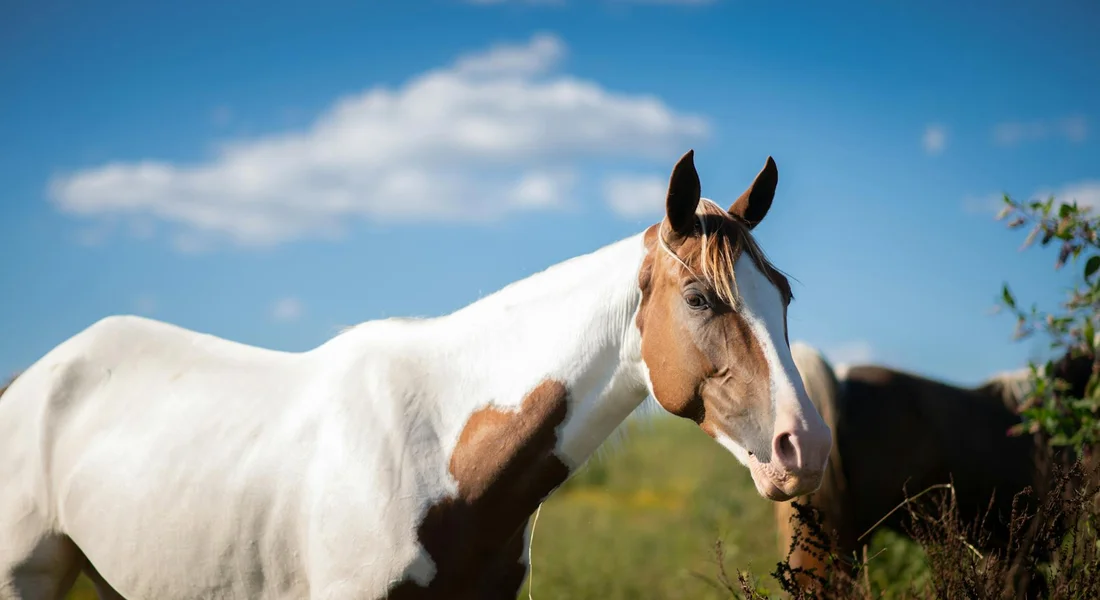
That classic Paint Horse demeanor-steady, willing, and downright sensible-comes straight from their strong Quarter Horse ancestry. You can generally expect a partner who stays cool when the trash bag flaps or a kid runs by, making them a favorite for family barns and new riders. For those wondering if American Paint Horses are good beginner riders, their steady temperaments often suit first-time riders. That said, successful beginner riding also depends on training and the individual horse. But bloodlines matter. A Paint with a heavier dose of Thoroughbred, like my friend’s mare who could be Luna’s cousin, often brings a sharper mind and more spring in their step. They require softer cues and clearer communication.
I remember one sensitive Paint gelding who would shut down completely if you used heavy hands. Working with him taught me that patience and quiet consistency build trust faster than any quick fix. His intelligence wasn’t a challenge; it was an invitation to be a better horseman. For any Paint, your approach sets the tone.
Handling these personalities smoothly comes down to a few key practices:
- Use clear, predictable cues and reward the smallest try. They aim to please.
- Build confidence through repetition in new environments. A calm trail walk works wonders.
- Keep your energy steady. They are excellent mirrors of your own emotions.
- Incorporate variety in their work to engage their smart, versatile brains.
Daily Care for Your Paint Horse: Practical Barn Management
Managing a Paint well means honoring their stock horse build and their need for movement. My non-negotiable rule is maximum turnout with buddies; a bored horse in a stall is a problem waiting to happen. Their care routine blends common sense with a few specifics for that gorgeous, patchy coat. Gentle, daily handling isn’t just nice-it’s essential for their welfare and your safety.
Feeding Fundamentals: Hay, Grain, and Pasture
Start with the foundation: high-quality grass or hay. Your Paint’s digestive system is designed for almost constant foraging, so hay should be in front of them for most of the day and night. Many Paints are easy keepers, packing on weight with just a glance at rich pasture. I’ve seen more than a few round-bellied companions who needed a grazing muzzle to stay healthy.
Grain or concentrates are not a default. Only add them if your horse’s work level demands extra calories that forage alone can’t meet, like frequent heavy riding or competition. The question “do horses need grain” is at the heart of the great equine diet myth debunked. For many horses, forage-based feeding, balanced to condition, suffices. Always weigh your feed and tailor it to your individual horse’s condition. The thud of hooves at feeding time should signal a balanced meal, not an overload.
Exercise and Enrichment: Keeping Mind and Body Healthy
That sturdy body needs regular movement to prevent stiffness and keep minds content. Daily turnout in a safe paddock or pasture is the single best thing you can do for their physical and mental health. Beyond that, leverage their natural versatility. A slow hack on the trails builds stamina without pounding joints. Twenty minutes of focused groundwork in the arena sharpens their attention.
These activities directly support their common roles in Western disciplines. Mixing up their routine prevents sourness and keeps that willing attitude bright and engaged. A happy Paint is a busy Paint, even if “busy” just means dozing in the sun with a friend.
Grooming Your Paint: Special Attention to White Patches
Grooming a Paint is a lesson in contrast. Those stunning white areas stain easily and sunburn quickly. Start with a rubber curry in circular motions to lift dirt and stimulate the skin, paying extra attention where dark meets white. For stubborn stains on white hair, a gentle, whitening shampoo works, but always do a patch test first. I learned that the hard way with a pink-tinged pony.
Sun protection is mandatory. Apply a non-toxic, equine-safe sunscreen or a lightweight fly sheet with UV protection to prevent painful burns on pink skin. The smell of clean horse and fresh hay is the reward for this careful work. Keep these tools on hand:
- A stiff dandy brush and a soft body brush for layered cleaning.
- A fine-toothed mane and tail comb to prevent breakage.
- Mild, moisturizing horse shampoo for regular baths.
- A sweat scraper and clean, absorbent towels.
- Fly spray or cream with UV protection for vulnerable areas.
Health Watch: Common Considerations for Paint Horses
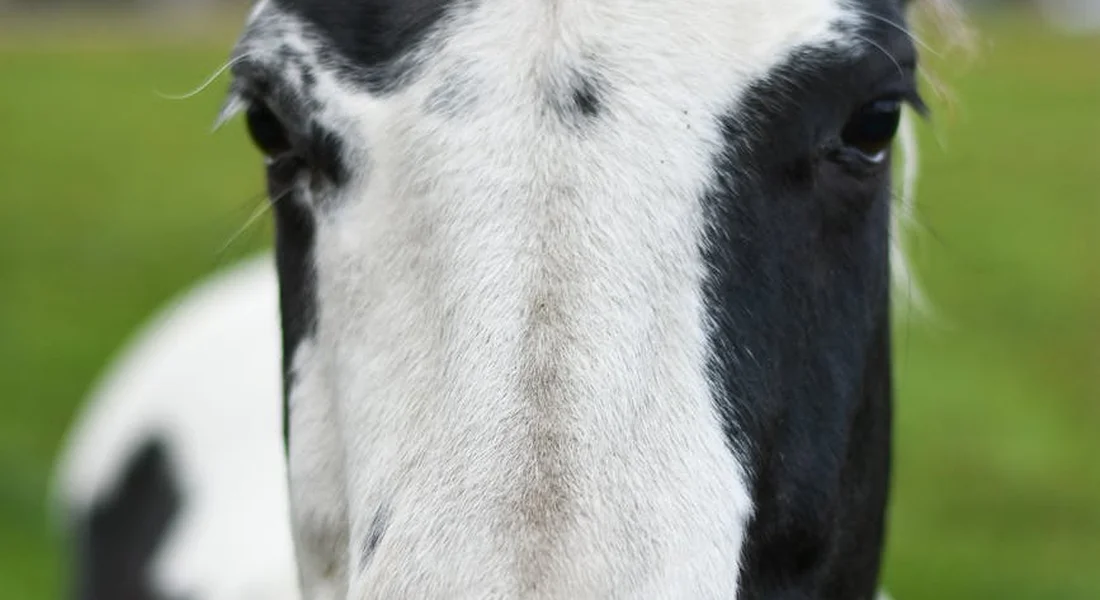
Their stunning coats are a hallmark, but that flashy pink skin underneath needs a watchful eye. Sunburn isn’t just a human problem. Horses with large patches of pink skin, especially on muzzles and around the eyes, are highly susceptible to photosensitivity. I keep a tube of zinc-free, equine-safe sunscreen by the tack trunk all summer, applying it to Luna’s pink nose before every turnout. A well-fitted fly mask with UV protection is a non-negotiable summer staple for any Paint with white on its face.
Beyond sun care, their health is built on the same robust foundation as any horse. The daily rituals matter most. The sound of a hoof pick scraping clean a sole never gets old, and it’s your first defense against thrush and stones. I do this during my evening check, when the barn is quiet and I can feel each leg for any heat or swelling.
Building a Preventive Care Routine
A proactive schedule keeps small issues from becoming big ones. This isn’t complicated, it’s just consistent.
- Hoof Care: Schedule trims or shoes every 5-8 weeks with a farrier who understands your horse’s job. Daily picking is your responsibility.
- Dental Health: An annual float by an equine dentist prevents sharp points, ensuring your horse chews comfortably and gets full nutrition from every bite of hay.
- Parasite Control: Work with your vet on a targeted deworming program based on fecal egg counts, not just the calendar.
- Vaccinations: Keep core vaccines (Eastern/Western Encephalomyelitis, Tetanus, West Nile Virus, Rabies) current, and discuss risk-based vaccines with your vet.
- Diet & Weight: Monitor body condition monthly. A Paint’s colorful rump can hide weight loss or gain; your hands are better tools than your eyes. Feel for ribs.
Is a Paint Horse Right for You? Adoption and Ownership Insights
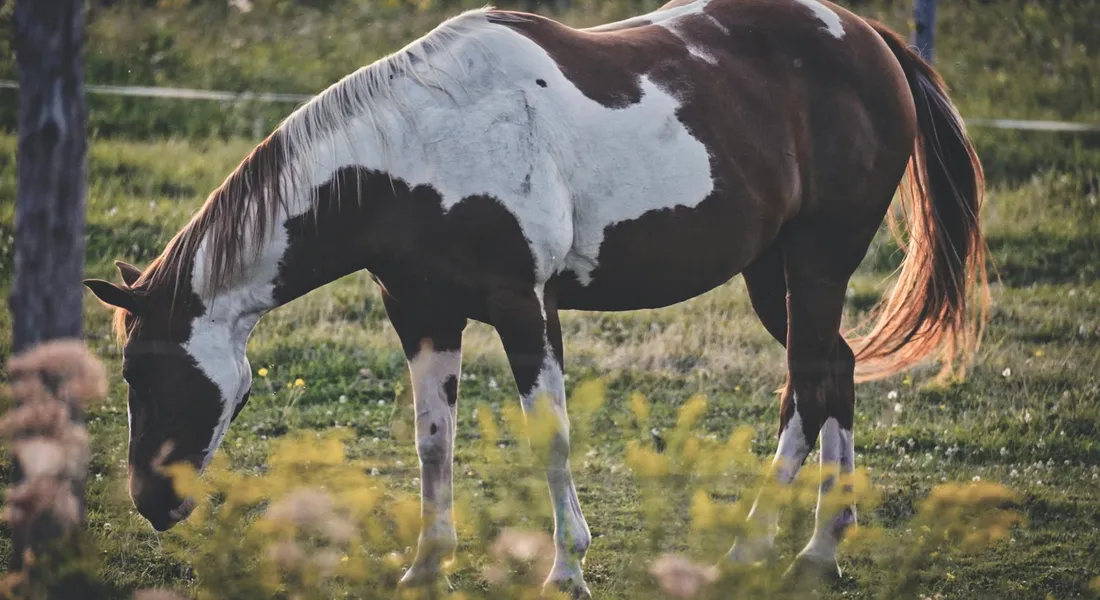
Whether you’re drawn to the show ring or the quiet trail, a Paint can fill that role beautifully. I’ve seen them excel in reining arenas with explosive stops and lope casually down wooded paths like my old pal Rusty. Your first decision is source: buying from a reputable breeder or adopting from a rescue. Rescues often have wonderful horses needing a second chance, but require patience for potential retraining. Breeders can offer predictable bloodlines for specific disciplines.
No matter the source, look beyond the paint job. Run your hands down strong, straight legs. Look for a balanced shoulder and a back that can comfortably carry a saddle. A kind, curious eye often tells you more than any registration paper. Always, without exception, insist on a pre-purchase veterinary exam. It’s the best money you’ll ever spend.
Your Paint Horse Prospect Checklist
Bring this list with you when you go look at a potential new partner.
- Verified registration papers (if applicable) and a clear bill of sale.
- A recent negative Coggins test.
- Vaccination and deworming records.
- Arrangements for a pre-purchase exam by your chosen vet.
- Questions about the horse’s daily routine: feed, turnout, current training.
- Goals that match the horse’s known experience and temperament.
- A budget that includes not just purchase price, but ongoing care: board, farrier, vet, insurance, and tack.
Owning a Paint is about partnership. It’s the trust you build grooming that unique coat and the confidence you gain from a horse bred for a willing attitude. Knowing its grooming needs and coat type helps you tailor care routines. The right brushing and conditioning plan supports a healthy coat and a stronger partnership. If you value a versatile partner with a dash of personality and are committed to caring for that distinctive skin, a Paint might just be your perfect match.
Frequently Asked Questions About Paint Horses
What exactly defines a Paint Horse?
A Paint Horse is a specific breed recognized by the American Paint Horse Association, requiring documented Quarter Horse or Thoroughbred ancestry and a qualified coat pattern. It is defined by both its distinct conformation and its temperament, not just its colorful markings. This breed is built for versatility and reliability in various equestrian activities. People often wonder: are Paint Horses a breed or a color? In reality, Paint Horses are a breed defined by lineage and pattern, not a single color.
Is a “paint house” another name for a Paint Horse?
“Paint house” is not a correct equine term and likely a common misspelling of “Paint Horse,” which refers solely to the breed. In horse care, accurate terminology matters to avoid confusion about breed-specific needs and registration. Always use “Paint Horse” to ensure clear communication regarding this American icon.
What is the difference between a Paint Horse and a pinto?
“Pinto” describes a coat color pattern with patchy white and dark areas, seen in many horse breeds, while Paint Horse is a breed that often exhibits pinto patterns. A Paint must meet strict breed standards for pedigree and conformation beyond just color. Therefore, all Paint Horses are pintos, but not all pintos are Paint Horses. Pinto is not a breed of horse.
Stepping Back from the Splashy Coat
Your Paint Horse’s care hinges on the same principles as any other: prioritize excellent nutrition, proactive hoof care, and understanding their exercise needs. Regardless of those beautiful markings, your most important job is to provide daily, unstructured turnout with equine company-it’s the cornerstone of their physical soundness and a calm mind.
Remember, progress with any horse, Paint or otherwise, is rarely a straight line. Your horse communicates constantly; your success depends on patiently observing those signals and making their comfort and safety the bedrock of every choice you make together—not only through consistent handling but also by understanding their body language.
Further Reading & Sources
- American Paint Horse – Wikipedia
- Understanding Breed Characteristics of American Paint Horses – APHA: American Paint Horse Association
- The Paint Horse – Royal Horse
- AMERICAN PAINT HORSE Definition & Meaning – Merriam-Webster
At Horse and Hay, we are passionate about providing expert guidance on all aspects of horse care, from nutrition to wellness. Our team of equine specialists and veterinarians offer trusted advice on the best foods, supplements, and practices to keep your horse healthy and thriving. Whether you're a seasoned rider or new to equine care, we provide valuable insights into feeding, grooming, and overall well-being to ensure your horse lives its happiest, healthiest life.
Choosing the Right Breed