Horse Reproduction Explained: A Practical Guide to Breeding, Pregnancy, and Foaling
Hello fellow horse owners. The idea of breeding your mare or stallion often comes with a swirl of concerns-soaring vet bills, the safety of both animals, and the daunting responsibility of a new life.
That worry is a sign you care deeply, and after years in the barn, I know that feeling well, from the anxious wait for a vet call to the quiet hope watching a pregnant mare in the pasture.
This article will guide you through the entire journey, step-by-step. We will cover these key areas to give you clarity and confidence:
- Recognizing the signs of heat and understanding the mare’s estrus cycle for perfect timing.
- Evaluating breeding methods, from natural cover to artificial insemination, with safety as the priority.
- Managing a pregnancy, including essential vet checks, tailored nutrition, and the importance of turnout.
- Preparing for foaling day, from setting up the stall to knowing the signs of labor.
- Navigating the critical first hours after birth for the mare and foal’s health and bonding.
I’ve managed breeding programs and trained young horses for over a decade, prioritizing equine welfare and gentle hands through every stage of this incredible process. I make sure to model responsible breeding practices.
The Foundation: Understanding Equine Reproduction
Knowing the ins and outs of horse reproduction is about more than just making babies; it’s about stewardship. I’ve spent years in the barn watching mares and stallions, and this knowledge directly impacts their comfort, health, and your peace of mind. A solid grounding in horse breeding fundamentals helps you make informed, compassionate choices. Grasping this process allows you to advocate for your horse’s wellbeing, whether you’re planning a carefully considered breeding or simply managing your mare’s seasonal moods with more empathy.
Let’s start with the players. The mare provides the egg and the environment for gestation, while the stallion provides the sperm. The mare’s system is a complex, delicate pathway of ovaries, oviducts, and uterus. The stallion’s role is often misunderstood-his enthusiasm isn’t a fertility guarantee. A closer look at the anatomy and physiology of the equine reproductive tract reveals how these parts work in concert. That knowledge helps explain why timing and environment matter in breeding. I’ve handled proud stallions who were poor breeders and quiet geldings who taught me more about patience, proving that anatomy is just one piece of the horsemanship puzzle.
Nature holds the reins here, as horses are seasonal breeders. Mares typically enter regular estrous cycles during longer daylight hours, from spring into fall. I always prioritize ample turnout time during these months, as natural light and movement do more to regulate a cycle than any stall-bound routine ever could. Understanding when mares go into heat and how the estrous cycle unfolds helps plan care around peak breeding season. This naturally ties into timing turnout and monitoring.
Decoding the Mare’s Estrous Cycle
The mare’s cycle, averaging 21 days, is a precise hormonal dance. It has three main phases: the follicular phase (heat), ovulation, and the luteal phase (between heats). Recognizing the signs of each phase is your most practical tool. Missing these cues can lead to frustrated breeding attempts or misinterpreting a mare’s behavior as disobedience rather than discomfort. Understanding how long mating typically lasts can help breeders plan sessions and monitor welfare. Mating duration can vary between pairs, so tracking patterns over time supports better management.
The key hormones are follicle-stimulating hormone (FSH), estrogen, luteinizing hormone (LH), and progesterone. Think of FSH as the starter pistol for follicle growth, estrogen as the signal for heat behavior, LH as the trigger for ovulation, and progesterone as the body’s “pregnancy possible” regulator. Keeping a simple barn chart of your mare’s behavior changes is a stable hack I use to track this dance without getting lost in the science.
Follicular Phase and Heat Signs
This phase begins when the ovaries start nurturing follicles-fluid-filled sacs each containing an egg. On an ultrasound, they look like dark, round bubbles growing on the ovarian surface. Watching a follicle mature on the screen is like seeing a time-lapse of a flower bud, a quiet reminder of the precise biology happening inside your horse.
As estrogen rises, the mare shows clear behavioral signs. Classic tells include:
- “Winking” or everting the vulva repeatedly.
- Frequent urination, often with a squatting stance.
- Seeming overly friendly to stablemates, and being distractible or less cooperative under saddle.
- A raised tail and a generally “clammy” demeanor towards geldings or other mares.
With Pipin, our cheeky Shetland, her heat signs were dramatic-she’d become a escape artist extraordinaire, seeking out the neighbor’s pony with hilarious determination.
Ovulation and the Breeding Window
Ovulation is the main event, where the mature follicle ruptures to release the egg. It’s triggered by a surge of Luteinizing Hormone (LH). The egg is only viable for fertilization for about 12 hours, which is why timing is everything in breeding.
For the best chance, breeding or artificial insemination should occur in the 24-48 hours before ovulation. In practice, this means breeding when a mare is in strong heat and a large follicle is present. I’ve found that palpating or using ultrasound takes the guesswork out, a gentle practice that respects the mare’s comfort while giving you critical data.
The Luteal Phase and Corpus Luteum
After the egg is released, the emptied follicle transforms into a temporary structure called the corpus luteum (CL). Its job is to produce progesterone. Progesterone is the hormone of maintenance; it prepares the uterus for a potential pregnancy and quiets the behavioral signs of heat.
If the egg is not fertilized, the CL will naturally regress after about 14 days. The drop in progesterone signals the body to start the cycle all over again. This reliable rhythm means that if you don’t see heat signs return when expected, it’s a clear flag to check in with your vet.
Breeding Methods: Natural and Artificial
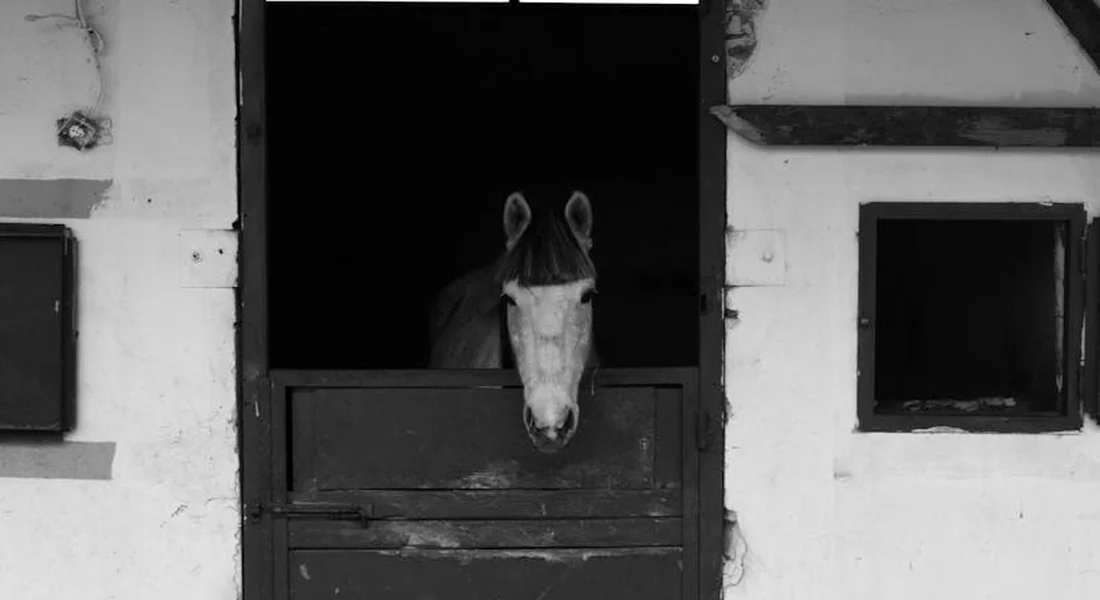
Choosing how to introduce sperm to egg is your first major decision. You have two main paths: live cover (natural breeding) or artificial insemination (AI). Your choice will profoundly impact the daily welfare and stress levels of both your mare and the stallion involved. I’ve managed both on the farm, and each method has its own rhythm, demands, and considerations for the animals’ well-being. For prospective owners who aren’t breeding, a gelding is often the more practical companion due to steadier behavior. A well-trained stallion can be rewarding but typically requires more secure management.
Let’s break them down. Natural breeding is the straightforward, historical method where the stallion directly covers the mare. Artificial insemination involves collecting semen from the stallion and manually depositing it into the mare’s uterus using specialized equipment. Many breeders wonder: does equine artificial insemination work, and how do its success rates compare with natural breeding? We’ll explore its effectiveness and the factors that influence outcomes in the next sections.
- Natural Breeding (Live Cover):
- Pros: It’s nature’s own process. There’s no need for complex equipment or semen transport. For some breed registries, it’s the only accepted method.
- Cons: It carries a higher risk of injury to both horses and handlers. It requires the mare and stallion to be in the same location, which can be stressful. There’s also a slightly higher risk of transmitting certain venereal diseases.
- Artificial Insemination (AI):
- Pros: It’s vastly safer for all parties involved. It allows you to use semen from stallions anywhere in the world via chilled or frozen shipment. It reduces the risk of disease transmission and lets you breed mares who might be physically difficult or dangerous to hand-breed.
- Cons: It requires more technical skill, veterinary involvement, and precise timing. There can be added costs for collection, shipping, and supplies. Not all registries accept all forms of AI, so you must check the rules.
A stallion’s willingness and ability to breed, his libido, and the quality of his semen are not guarantees. These factors hinge on his overall health, his mental state, and even the season. I’ve seen the most confident show horse become hesitant in the breeding shed. Age plays a role, as does fitness-a stallion carrying too much weight can struggle. Nutrition is critical; deficiencies in selenium and vitamin E, for instance, can cripple semen quality. Most of all, stress is the silent killer of libido. A stallion deprived of regular turnout and social contact, or one handled with harshness, is often a poor breeder. Hormonal imbalances, often misunderstood by owners, can also impact breeding performance, which is why debunking myths about keeping an intact male is essential.
Semen collection is a delicate dance of timing and hygiene. The process typically uses a phantom or a teaser mare, and an artificial vagina (AV) designed to mimic the natural environment. The goal is to collect a clean, concentrated sample without contamination from dirt, hair, or urine. Immediately after collection, the semen is evaluated under a microscope for motility (movement) and concentration. It’s then mixed with a sterile extender-a nutrient-rich fluid that keeps the sperm alive during cooling or freezing. From collection to processing, speed and a clean, warm environment are everything. A cold countertop or a dirty slide can ruin an otherwise perfect sample.
Managing Natural Breeding
If you proceed with live cover, safety is your only scripture. This is not a casual introduction. The energy in the breeding area should be calm, deliberate, and controlled, with every participant focused on the task at hand. I learned this lesson early, managing a young, enthusiastic stallion; one moment of distraction could lead to a dangerous situation.
- Both mare and stallion should be thoroughly “teased” to confirm receptiveness before they ever meet.
- All handlers must wear helmets and sturdy boots. The stallion handler must be strong, experienced, and able to maintain control.
- The breeding area must have non-slip footing, like deep sand or rubber mats, and be fully enclosed with solid fencing.
- The mare is often fitted with protective boots and wraps on her hind legs to prevent injury. A breeding roll may be used to protect the stallion.
- The introduction is controlled and brief. The mare is held steady by an experienced handler, and the stallion is guided for a clean, efficient cover before being led away.
Never attempt this without at least one, preferably two, handlers who have done it successfully many times before. The raw power and instinct involved are not for amateurs.
The Artificial Insemination Process
AI turns breeding from a physical event into a precise laboratory procedure. Here’s how it unfolds, step-by-step, from the stallion’s farm to your mare.
- Collection & Evaluation: The stallion is collected into an AV. The semen is quickly taken to a clean, warm lab area for evaluation. We look at volume, concentration, and how many sperm are swimming vigorously forward.
- Extension & Packaging: The raw semen is diluted with a measured amount of extender. For chilled semen, it’s drawn into a sterile syringe or sealed bottle, then slowly cooled in a specialized transport container. For frozen semen, it’s processed into straws and frozen in liquid nitrogen.
- Mare Preparation: Back at your barn, your vet will palpate and ultrasound your mare to pinpoint the exact moment of ovulation. Timing is everything-insemination must occur within a tight window before or just after the egg is released.
- Insemination: The mare’s tail is wrapped, and her perineal area is meticulously scrubbed. Using a sterile catheter and speculum, the veterinarian gently passes the catheter through the mare’s cervix. The prepared semen is then deposited directly into her uterus.
- Post-Breeding Care: The mare is often walked gently to help the semen distribute. Your vet may administer a dose of oxytocin to help the uterus clear any fluid or inflammatory cells, creating a better environment for the sperm.
Using chilled semen buys you a 24-48 hour window for shipping, while frozen semen can be stored indefinitely but often has slightly lower pregnancy rates per cycle. The cold chain cannot be broken; a thawed frozen straw or warmed chilled sample is useless. This process prioritizes the mare’s comfort and safety above all, transforming a potentially risky act into a controlled clinical procedure.
From Conception to Pregnancy Diagnosis
Once that magical fertilization happens, the real journey begins. The single-celled zygote starts dividing as it travels down the oviduct, reaching the uterus about five to six days later. It’s now a tiny, fluid-filled sphere called a blastocyst. For the next week or two, it floats freely within the uterine horns, a critical period where it must signal its presence to the mare’s body.
Around day 16, the embryo “fixes” itself in place, usually near the base of one uterine horn. This fixation is why timing that first pregnancy check is so important; we need to confirm the embryo has safely anchored and begun to form the vital placental connections. I always mark this window on the barn calendar with a big, hopeful star.
Confirming the News: Palpation and Ultrasound
You can’t trust a wish or a hunch when it comes to equine pregnancy. We rely on two primary methods for an accurate diagnosis, usually performed by your veterinarian around 14-16 days post-breeding.
- Rectal Palpation: The vet gently feels the reproductive tract through the rectal wall. At this early stage, they’re identifying the distinctive, firm balloon-like feel of the embryonic vesicle. It’s a skill built on experience, feeling for that specific, marble-like bounce in the uterus.
- Ultrasound: This is the window into the womb. Using a rectal probe, the vet can visualize the black, circular embryo on a screen. An ultrasound doesn’t just confirm pregnancy; it allows the vet to check the embryo’s viability, location, and even detect twins-a high-risk situation that requires immediate intervention. Seeing that first flicker of a heartbeat, which starts around day 22, is a moment that never gets old.
Early Subtle Signs You Might Spot
Before the vet ever arrives, a watchful caretaker might notice small clues. These are never substitutes for a professional diagnosis, but they can hint that something is changing.
- A Change in Heat Cycles: The most obvious sign is that the mare does not return to estrus. If she was being teased regularly with a stallion and suddenly shows zero interest, it’s a good prompt to call the vet.
- Behavioral Shifts: Some mares become unusually quiet or content shortly after conceiving. Our Thoroughbred, Luna, once a firecracker on the cross-ties, became remarkably serene for a few weeks early on. Conversely, some may seem more irritable.
- Physical Tweaks: You might notice a very slight thickening or firming of the mare’s abdomen just in front of the udder, though this is often later. The most telling early physical sign is a lack of the usual seasonal cycle behaviors.
Trust but verify: even with these signs, always get a veterinary confirmation, as mares can experience false pregnancies or early embryonic loss, which is heartbreaking but a natural part of the process. My rule is to hope quietly, observe closely, and let the science have the final say.
Gestation: Caring for the Pregnant Mare
That positive pregnancy test sparks a mix of joy and responsibility for the next 340 days, give or take a week. I learned with Luna that each mare carries differently-some show early, some hide it for months. The first trimester is all about subtle changes and secure implantation. By mid-gestation, you’ll notice a fuller barrel, and those final months bring a distinct, low-slung belly and increased appetite. Your primary job is to provide unwavering consistency in her routine, because stress is a silent thief of equine well-being.
- Gestation Timeline: Expect roughly 11 months, with the foal’s skeleton ossifying around day 100, hair coat developing by month seven, and the most critical weight gain happening in the last 90 days.
- Focused Care Plan: This triad never fails: superior nutrition adjusted by trimester, deliberate light exercise like hand-walking or pasture time, and proactive veterinary partnerships for screenings and shots.
Never underestimate the power of turnout during pregnancy. The slow roam of a safe pasture aids digestion, maintains muscle tone, and satisfies that deep-rooted herd instinct. I’ve watched Rusty, our gentleman quarter horse, gently herd pregnant mares away from fence-line squabbles, his calm demeanor setting the tone for a peaceful environment as they advanced through the stages of pregnancy.
Nutrition and Diet Adjustments
Feeding the pregnant mare is a ballet of precision-too little and you risk deficiencies, too much and you invite metabolic disorders. Forget just pouring more grain into the bucket. Her diet must evolve as quietly as the foal grows inside her, with no sudden jumps that could upset her delicate digestive balance. That’s where the essential nutrition guide for pregnant mares comes in as a concise reference. It highlights key minerals, energy balance, and feeding timing to support both mare and foal.
- Maintain quality roughage as the calorie foundation. Your best tool is long-stem hay that makes up 1.5-2% of her body weight daily. This isn’t just filler; it’s the fiber that keeps her gut moving and provides steady energy, like the reliable thud of hooves on a soft trail.
- Gradually increase concentrates in the final trimester. Around month eight, slowly introduce a broodmare-specific feed over 10-14 days. The foal packs on nearly 70% of its birth weight now, demanding extra protein and minerals that hay alone can’t supply.
- Ensure constant access to clean water and mineral supplements. A pregnant mare’s water intake can double, especially in summer. Always offer a plain white salt block and consider a balanced vitamin-mineral supplement to build strong bone in the foal and protect the mare’s own reserves.
Body scoring is your best gauge. Run your hands over her ribs weekly; they should be easily felt but not seen, like a well-padded blanket. Our pony Pipin is a master at turning extra calories into fat, reminding me that careful monitoring trumps any fixed feeding chart.
Health Monitoring and Veterinary Schedule
Your vet is your co-pilot here. Establish a schedule and stick to it, using each visit as a chance to ask questions and listen to the foal’s heartbeat-a sound that never gets old. Preventive care is the cornerstone of a healthy pregnancy, catching small issues before they become emergencies.
- Essential Vaccines: Core vaccines like tetanus and Eastern/Western Encephalomyelitis should be current before breeding. During pregnancy, only administer killed-virus vaccines, typically given in the 5th, 7th, and 9th months to boost the mare’s antibodies for the foal.
- Deworming Schedule: Follow a pregnancy-safe protocol using products like fenbendazole or pyrantel pamoate. A common schedule is to deworm at 60-day intervals, but always confirm with your vet based on fecal egg counts.
- Immediate Vet Calls: Contact your vet without delay for any abnormal vaginal discharge, sudden cessation of fetal movement you can feel, colic signs, or a dramatic drop in appetite. Trust your gut-you know her normal.
Keep a simple logbook of her daily behavior, feed intake, and vet notes. That time Luna turned her nose up at dinner, her log helped the vet pinpoint a minor issue quickly. Your attentive observation is the first and most important line of defense for both mare and foal.
Further Reading & Sources
- Horse breeding – Wikipedia
- Management of Reproduction in Horses – Horse Owners – Merck Veterinary Manual
- Horse Breeding Behavior | Extension Horses
- Expert Guide to Horse Breeding Methods for Better Performance
At Horse and Hay, we are passionate about providing expert guidance on all aspects of horse care, from nutrition to wellness. Our team of equine specialists and veterinarians offer trusted advice on the best foods, supplements, and practices to keep your horse healthy and thriving. Whether you're a seasoned rider or new to equine care, we provide valuable insights into feeding, grooming, and overall well-being to ensure your horse lives its happiest, healthiest life.
Health