
Horse Breeding Fundamentals: Your Blueprint for a Safe and Sound Program
Published on: December 26, 2025 | Last Updated: December 8, 2025
Written By: Henry Wellington
Hello fellow equestrians! That dream of a foal frolicking in your pasture is powerful, but the weight of vet bills, breeding risks, and genetic what-ifs can quickly ground it. Your anxiety is not just normal-it’s responsible, and ignoring those nerves is where costly mistakes are made.
Let’s replace worry with a clear plan. This guide breaks the process into core pillars you can manage. We will focus on:
- Choosing a breeding pair for more than just pretty looks
- Decoding basic genetics to sidestep inherited troubles
- Adjusting daily care for the pregnant mare’s changing needs
- Setting up a foaling kit and environment that prioritizes safety
You’re getting advice forged from years in the barn aisles, managing mares and training their offspring through every stage.
Before You Begin: Assessing Readiness and Ethics
Breeding a horse is not a casual decision-it’s a commitment that echoes for decades. I’ve stood in stalls at 2 a.m. with a colicky mare, and I’ve cheered on youngsters as they found their perfect homes. People breed for several reasons, from preserving bloodlines to improving traits or meeting sport demands. Understanding these motives helps you decide if breeding is the right path for you and your mare. You must honestly ask if your mare’s conformation, temperament, and health justify passing on her genes, and if you have the resources to care for a foal for its entire life.
Think beyond the cute foal pictures. Consider the reality: vet bills, foal training, and the responsibility of placing it in a safe, lifelong home. From my time managing the barn, I’ve seen the fallout when this isn’t planned. Ethical breeding means prioritizing the horse’s welfare over any sentimental or financial motive, which starts with a brutal honesty check and adhering to the core ethical principles of horse welfare and ownership.
Use this quick list to gauge your readiness:
- Mare Quality: Does she have sound conformation, a proven performance record, or a temperament worth preserving? Avoid breeding just because she’s “nice.”
- Your Resources: Do you have the space, time, and savings for prenatal care, potential complications, and years of training?
- Market Realities: Are you prepared to keep the foal indefinitely if you can’t find a suitable, knowledgeable home?
Gentle horsemanship extends to breeding; it’s about stewardship. Every foal born deserves a purpose and a secure future, not just a stall in an already crowded world.
Understanding the Mare: Cycles, Health, and Timing
If you’ve passed the readiness test, your journey begins with the mare. Her body is the foundation. I learned more from watching Luna’s subtle mood swings and Rusty’s steady calm than any textbook. Success hinges on syncing with her natural rhythms, not forcing a schedule.
The Mare Reproductive Cycle and Estrus Detection
A mare’s cycle is governed by longer days and warmer temperatures, typically running from spring into fall. She’s seasonally polyestrous, which is a fancy way of saying she comes into heat, or estrus, regularly during the breeding season. The cycle lasts about 21 days, with estrus itself-when she’s receptive to a stallion-averaging 5 to 7 days.
Detecting estrus is an art of observation. You’re looking for behavioral tells, not just physical ones. Watch for these signs:
- Behavior: Frequent urination, winking of the vulva, seeking other horses, and a generally “flirty” attitude. A mare might be unusually quiet or surprisingly irritable.
- Physical Clues: A slight drop in performance or engagement under saddle can be a clue. You might notice a clear, stringy discharge.
I recall a sensitive Thoroughbred mare who would barely touch her grain when in heat, a stark change from her usual enthusiastic chomping. Consistent daily handling is your best tool for spotting these nuances; the change in the stall’s atmosphere is often your first clue.
Pre-Breeding Health Assessment for Your Mare
Before a single sperm is considered, your mare needs a thorough vet exam. This isn’t optional. Think of it as a prepurchase inspection for pregnancy. A proactive health assessment can prevent heartbreak and identify silent issues that could compromise the pregnancy or the mare.
Your veterinarian will likely recommend this checklist:
- Reproductive Soundness Exam: Palpation and ultrasound to check uterine health, ovarian function, and rule out cysts or infections.
- Full Body Health: Dental float, updated vaccinations, and a strategic deworming plan based on fecal counts.
- Nutritional Evaluation: Body condition score should be a moderate 5 to 6 on the 9-point scale. Too thin, and she lacks reserves; too fat, and it can hinder fertility.
- Vaccination Review: Ensure she’s protected against diseases like Rhinopneumonitis (EHV-1) and equine viral arteritis that can cause abortion.
Advocate for turnout throughout this process. A mare with ample movement and herd social time is less stressed, and a calm body is more receptive to conception. The thud of hooves on pasture is a better prelude to breeding than the tense silence of a stall.
Choosing the Right Match: Genetics and Stallion Selection
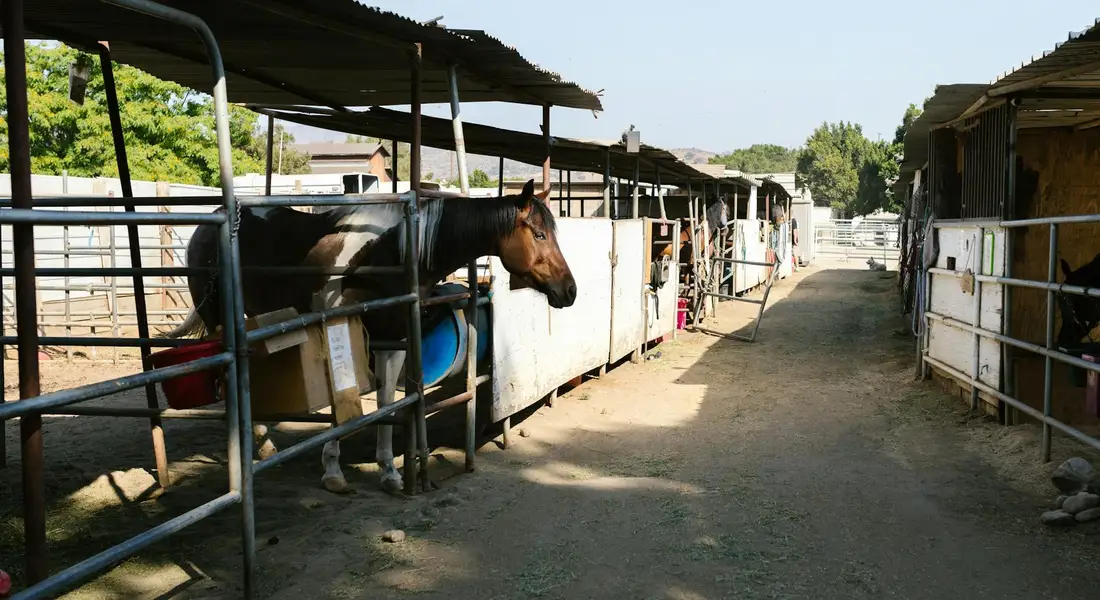
Breeding isn’t about creating a carbon copy of your mare or chasing the trendiest bloodlines. It’s about making a thoughtful improvement. You’re blending two genetic blueprints, hoping to highlight the best of both while minimizing the weaknesses. I’ve seen both breathtaking successes and heartbreaking disappointments, and the difference often starts right here, in the planning. In that planning, genetic factors in horse breeding often play a critical role. These genetic considerations can steer decisions about matings, foal prospects, and long-term performance.
Pedigree Evaluation and Equine Genetics Made Simple
Think of a pedigree not as a list of famous names, but as a family recipe passed down through generations. You’re checking for consistent ingredients. I don’t just look for champions; I look for consistent patterns of soundness, temperament, and athletic performance that repeat under the third and fourth lines of that pedigree.
Your first job is to be brutally honest about your mare. Write down her three best qualities and her three biggest flaws. Your goal is to find a stallion whose strengths directly counter her weaknesses.
- Is she a bit hot-headed? Seek a stallion line known for steady, sensible minds.
- Does she have weaker hocks or hooves? Prioritize sires with proven structural soundness.
- Is she a brilliant jumper but lacks careful form? Look for a pedigree dripping with technique and scope.
Avoid the “trendy sire” trap. That flashy young stallion winning in the ring might carry hidden genetic liabilities that won’t show up for years. Dig deeper than the show record. I spent weeks studying old progeny reports and talking to breeders of older offspring before choosing a match for my sensitive mare, Luna. I wanted proven sanity, not just potential.
Evaluating a Stallion: Beyond the Pretty Picture
A stunning website photo tells you nothing about the horse you’re inviting into your breeding program. You must evaluate the living, breathing animal. Schedule a visit. Breathe the air of his barn. Listen to the quiet way he’s handled.
Watch him move on hard ground in a straight line. You’re looking for pure, efficient mechanics, not just fancy knee action. A pretty head doesn’t pull a cart; a strong, correct engine does.
Demand to see his complete veterinary history and any available health testing results. This is non-negotiable.
- Temperament is King: A nervous, difficult stallion often passes that stress to his offspring. You want one who is manageable, respectful, and sane in his daily routine.
- Conformation is a Blueprint: Critically assess his structure. Do his legs stack up correctly? Is his back strong? Does he have enough bone for the intended job? A flaw you can see will likely be amplified in the foal.
- Proven Performance or Progeny: The best predictor of what he’ll throw is what he’s already produced. If he has older offspring, go see them. Are they sound? Do they have good minds? This is the most valuable research you can do.
Remember, you are not just renting semen; you are purchasing a lifetime of genetic influence for your future foal. Choose a partner that offers the whole package: mind, body, and proven genetic track record. Your mare deserves nothing less.
The Breeding Process: Methods and Immediate Care
Whether you’re planning a natural cover or using assisted reproduction, the immediate hours after breeding set the tone for the entire pregnancy. I’ve found that a calm, routine-focused approach right after breeding does wonders for both mare and stallion. Your first priority is to allow the mare to stand quietly for 15-20 minutes post-breeding, as this encourages semen retention and reduces stress on her reproductive tract. Think of it like letting a cake settle in the pan before moving it-you want everything to stay where it needs to be.
I learned this the hard way with a sensitive Thoroughbred mare much like our Luna; rushing her back to her stall after a natural cover led to agitation and a missed conception. Now, I always have a quiet stall bedded deeply with fresh straw ready for post-breeding rest. Monitor the mare closely for any signs of discomfort, kicking at her belly, or excessive tail-swishing, which could indicate irritation and warrant a vet call.
Immediate care isn’t just for the mare. The stallion deserves a quiet cool-down, a chance to drink, and a peaceful return to his own space. Here’s a simple post-breeding checklist I follow with every pair:
- Walk both mare and stallion gently for five minutes to prevent stiffness.
- Offer both animals a small sip of tepid water to rehydrate.
- Check the mare’s vulva for any minor trauma or discharge, cleaning if necessary with a vet-approved saline wipe.
- Provide a low-dust flake of hay in a ground net to simulate natural grazing and keep the mare relaxed.
- Record the date, time, method, and any behavioral notes in your breeding log-this data is gold later on.
Breeding Shed Management and Safety
The breeding shed is where preparation meets action. It’s not just a space; it’s a controlled environment designed for safety and success. I manage ours with the same philosophy I use for daily turnout: reduce stress, prevent injury, and allow for natural behavior as much as possible. Every inch of your breeding area must be cleared of debris, with non-slip flooring like deeply packed sand or rubber mats being non-negotiable for secure footing. The last thing you need is the heart-stopping sound of a hoof slipping during a mount.
Good lighting is crucial, not just for visibility, but for reading animal body language. A shadowy corner can hide a pinned ear or a worried eye. Always have two experienced handlers present-one for the mare, one for the stallion-and ensure everyone wears sturdy gloves and helmets. I’ll never forget the time Pipin, our cheeky Shetland, figured out how to nudge a gate latch; in a breeding context, that cleverness means every latch, door, and barrier must be double-checked.
Your safety protocol should be as routine as feeding time. Advocate for the horses by ensuring they’ve had ample turnout prior to breeding to take the edge off any pent-up energy. Here are the core elements of a safe breeding shed setup:
- Barriers and Controls: Use solid, padded teasing walls and a secure breeding phantom for AI to protect handlers.
- Cleanliness: Disinfect all surfaces between sessions. The smell of bleach might not be pastoral, but it beats the risk of infection.
- Tool Kit: Keep a kit within arm’s reach: lead ropes with quick-release snaps, a twitch (to be used sparingly and with vet guidance), antiseptic, and a phone for emergency calls.
- Quiet Atmosphere: Limit traffic and loud noises. Play soft radio music if it helps mask strange sounds; it works for our jumpy mare Luna.
A Practical Look at Artificial Insemination
Artificial insemination (AI) is a game-changer for mare welfare, allowing breeding without the stallion present and reducing injury risk. It’s more than just technique; it’s a lesson in patience and precision. Fresh, cooled, or frozen semen each has its own handling playbook, and misreading the label can cost you a viable breeding cycle. I treat every semen container like a fragile gift, transporting it in a pre-warmed cooler for cooled semen to maintain that critical temperature curve. It’s no easy task to master the nuances.
The actual insemination process feels like a blend of science and art. You’ll need a clean, well-lit stocks area for the mare. Gentle horsemanship is paramount here-talk softly, move slowly, and use positive reinforcement like a carrot piece for a mare that stands well, much like rewarding Rusty after a good trail ride. The mare’s comfort directly influences uterine contractility, which helps draw the semen in. For a complete view of horse reproduction, this includes prep, insemination, and early pregnancy care.
Let’s break down the key steps for a routine fresh or cooled AI procedure:
- Mare Preparation: The mare’s tail is wrapped, and her perineal area is meticulously scrubbed with mild soap and rinsed to prevent introducing bacteria.
- Semen Evaluation: Using a microscope, check motility and concentration. This isn’t optional-it’s your quality control.
- Insemination: Using a sterile pipette, the semen is deposited deep into the uterus. The mare should be as relaxed as possible during this.
- Post-Insemination Care: Similar to natural breeding, allow the mare to stand quietly. Some vets recommend light exercise like hand-walking later in the day.
One of my favorite stable hacks is to warm the insemination pipette sleeve by holding it inside my jacket for a minute before use-it’s a small gesture that prevents a cold shock. Remember, AI requires excellent timing based on follicle ultrasound, so building a strong partnership with your equine veterinarian is the most practical tool in your kit.
From Conception to Birth: Gestation and Preparation
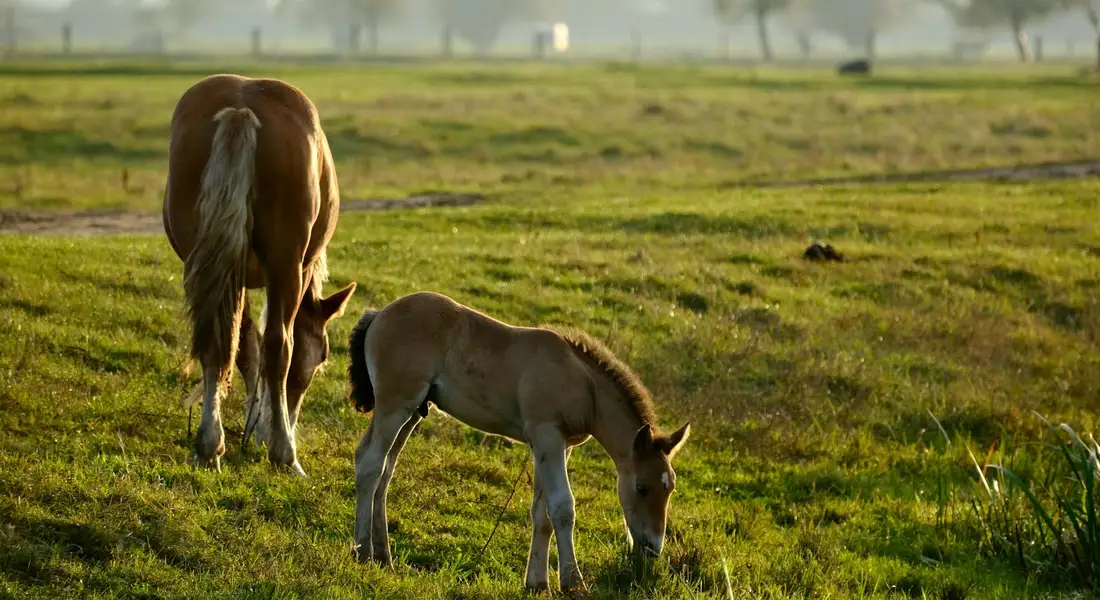
Watching a mare progress through pregnancy is a lesson in quiet vigilance. The entire gestation, roughly 340 days, requires a shift from routine maintenance to purposeful, anticipatory care. I’ve spent seasons observing the subtle changes in expecting mares, and the consistent thread is that their comfort directly influences a healthy foal.
Pregnancy Monitoring and Mare Care
Confirming pregnancy is just the first step. Your vet becomes your co-pilot, using ultrasound not just for a yes-or-no answer, but to track fetal development and pinpoint a reliable due date. I remember the precise image of Luna’s first ultrasound, a tiny flicker on the screen that dictated our care plan for the next eleven months.
Adjust her diet with a light touch. Most mares do well on ample, excellent-quality hay, increasing their intake gradually as the fetus grows, with only minimal grain supplementation if needed. Their digestive systems are designed for forage, and overloading with concentrates can cause more problems than it solves. Proper nutrition is especially crucial during pregnancy.
Never underestimate the power of gentle, daily movement. Safe turnout in a peaceful pasture is the best therapy for a pregnant mare’s body and mind, promoting circulation and preventing edema. We always gave our broodmares the same spacious paddock time as our trail horses, because a content mare is a healthier mare.
- Partner with your vet for scheduled checks at 30, 60, and 90 days, then monthly.
- Base the diet on free-choice hay or pasture; add a balanced vitamin-mineral pellet before considering grain.
- Maintain a consistent deworming and vaccination schedule as your veterinarian advises.
- Observe daily for subtle signs like changes in udder development or abdominal shape.
Create a low-stress environment. Isolate pregnant mares from herd drama or boisterous horses to avoid kicks or stress that could compromise the pregnancy. The calm demeanor of a steady horse like Rusty made him a perfect, quiet neighbor for expecting mares in our barn setup.
Foaling Preparation: Creating a Safe Space
The final month is about crafting a nursery. Choose a large, familiar stall, strip it clean, and lay down a thick bed of fresh, dust-free straw at least two weeks before the due date. The deep bedding provides secure footing and absorbs moisture, making that first critical stand-up easier for the foal. From foal to yearling, proper care and environment are crucial for healthy development.
Your foaling kit should be assembled, checked, and waiting. Include items like clean terry cloth towels, 7% iodine solution for the navel, blunt-tipped scissors, and a working flashlight with red film over the lens. When our clever Pipin was due, we learned to have everything anchored down-her food-motivated curiosity knew no bounds.
Learn the physical signs of first-stage labor. The mare’s muscles will relax, creating a hollow look near her tailhead, and her teats will often develop waxy beads of colostrum 24-48 hours before foaling. I’ve spent countless still nights in the barn office, the only sound the quiet munching of hay, waiting for that tell-tale restlessness to begin.
- Deep-clean the chosen stall with a mild disinfectant and ensure it is well-ventilated but draft-free.
- Install a dim red light or use a flashlight with red cellophane to observe without disrupting the mare’s natural rhythms.
- Place all necessary supplies in a clearly marked bucket just outside the stall for quick, quiet access.
- Practice a hands-off observation policy; intervene only if the mare is in obvious distress or labor stops progressing.
Trust the process but be prepared. Have your veterinarian’s emergency number posted visibly and know the quickest route to an equine hospital. The most reassuring births I’ve witnessed were those where we provided the safety net but allowed the mare the space and peace to do her ancient work.
The Big Event: Foaling Vigilance and Neonatal Care
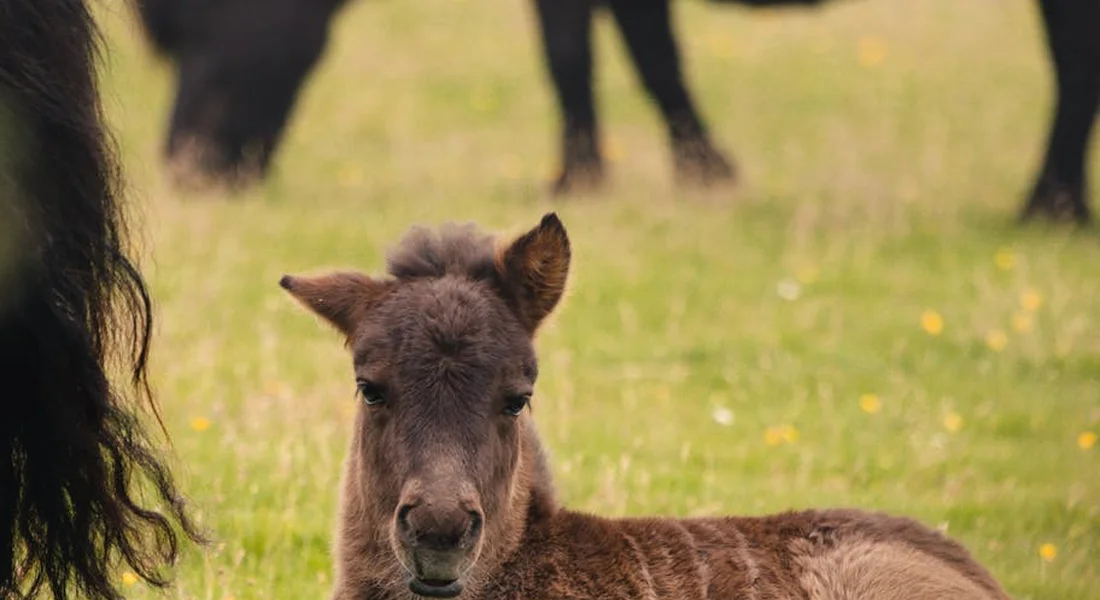
The smell of fresh straw, the soft nicker, the palpable anticipation-foaling season is a time of held breath and quiet hope. Having sat through more midnight vigils than I can count, from smooth textbook deliveries to heart-stopping surprises, I can tell you nothing replaces calm, prepared observation. Your primary job is to be a quiet, informed witness, not an active participant, unless something clearly goes wrong.
What to Do (and Not Do) During Foaling
When your mare enters active labor-lying down, straining, breaking her water-find a place to watch without intrusion. I’ve spent hours perched on an upturned bucket in the corner, letting the mare feel completely alone.
What You Should Do:
- Watch the sequence. Normal presentation is two front feet with hooves down, followed by a nose resting on the shins.
- Time the stages. Strong, productive straining should see progress within 20-30 minutes. Note the clock.
- Keep the environment dark, quiet, and safe. A single, dim bulb provides enough light to see.
- Have your vet’s number ready and a tail wrap & clean bucket of warm water nearby for after delivery.
What You Must NOT Do:
- Do not rush in. Your anxiety is contagious. Most mares prefer to foal alone.
- Do not pull on the foal. Let the mare’s contractions do the work. Gentle, steady traction is only for clear emergencies.
- Do not break the amniotic sac (the shiny, blue-white bubble) if it appears. It cushions the foal’s passage.
- Do not create a crowd. One or two knowledgeable people are plenty.
I remember Rusty’s dam, years ago, delivering a breech foal. Because we were watching quietly, we saw the tell-tale sign-just a tail presented-and called the vet immediately. That vigilance saved them both. Knowing when to call for professional help is the most critical skill you possess that night.
Critical First Hours: Colostrum and the Newborn Foal
The foal is on the ground, wet and wobbly. Now the real clock starts ticking. The first 24 hours are a marathon of vital checks, with one non-negotiable priority: colostrum.
Colostrum is the mare’s first milk, thick with antibodies. A foal is born with zero immunity; this sticky, golden liquid is its first vaccine. The foal must ingest high-quality colostrum within the first 6 hours, as its ability to absorb those large antibody molecules slams shut by 18-24 hours of age.
Your Immediate Neonatal Checklist:
- The Umbilical Cord: Let it break naturally. Dip the stump 2-3 times in the first day with a dilute chlorhexidine solution to prevent infection.
- The First Stand: Foals should stand within 1-2 hours. Provide traction (clean, dry straw over rubber mats is ideal).
- The First Nurse: They should nurse within 2-3 hours. Watch closely to ensure they find the teat and get a good swallow. Check the mare’s udder to see if milk is being drawn.
- The First Pass: The foal should pass the meconium (first, sticky manure) within 12 hours. Constipation is common and serious.
- Limb Check: Gently straighten all four legs. Run your hands down them to feel for any obvious curving or tendon laxity that seems extreme.
I learned the hard way with Luna’s first foal, a spirited colt who seemed to nurse but wasn’t actually swallowing. By hour four, he was weak. We had to tube him with supplemental colostrum. Do not assume; verify actual milk transfer by seeing udder softening and a satisfied, sleepy foal. Those first hours are about fuel, warmth, and bond-let the mare and foal learn each other’s scent and sounds with minimal disruption.
Horse Breeding Fundamentals: Frequently Asked Questions
What routine checks are needed after the mare has been bred?
Schedule a veterinary ultrasound approximately 14-16 days post-breeding to confirm a viable pregnancy. You should also monitor the mare for any signs of returning to estrus, which would indicate the breeding was unsuccessful. Maintain her normal, low-stress routine with quality nutrition and gentle exercise to support early gestation.
What are the primary cost factors in a basic breeding program?
Major upfront costs include the stud fee and veterinary expenses for pre-breeding exams, insemination, and pregnancy checks. You must budget for the mare’s increased nutritional needs throughout an 11-month gestation and specialized foaling supplies. Always have a financial reserve for potential complications during pregnancy, delivery, or with the newborn foal.
How is pregnancy confirmed, and what is the earliest you can check?
Pregnancy is confirmed through a veterinary ultrasound, which can detect a fetal heartbeat as early as 14-16 days after ovulation. This early check is crucial to identify twin pregnancies, which are high-risk and require immediate veterinary management. Your vet will recommend a series of follow-up ultrasounds to monitor fetal development and ensure the pregnancy remains viable.
The Foundation of a Good Start
Successful breeding hinges on meticulous pre-breeding health checks and providing a calm, natural environment for the mare and foal. Your single most important job is to ensure the mare is in optimal health and body condition long before the breeding date arrives. As foaling approaches, prepare a dedicated birthing area that is quiet, clean, and well lit. Ensure ample clean bedding, good ventilation, and easy access for monitoring and care.
This process teaches profound patience; it is a slow partnership, not a transaction. Your greatest tool will always be quiet observation, learning to read the subtle signals your horses give you every single day.
Further Reading & Sources
- Horse Breeding Basics | Extension Horses
- Horse breeding – Wikipedia
- Expert Guide to Horse Breeding Methods for Better Performance
- 8 Steps for Breeding Your Mare – The Horse
At Horse and Hay, we are passionate about providing expert guidance on all aspects of horse care, from nutrition to wellness. Our team of equine specialists and veterinarians offer trusted advice on the best foods, supplements, and practices to keep your horse healthy and thriving. Whether you're a seasoned rider or new to equine care, we provide valuable insights into feeding, grooming, and overall well-being to ensure your horse lives its happiest, healthiest life.
Choosing the Right Breed