
Building an Unbreakable Bond: Your Guide to Horse Trust
Published on: November 25, 2025 | Last Updated: November 25, 2025
Written By: Henry Wellington
Hello from the barn aisle. If you’re feeling that frustrating gap between you and your horse-a spook at a leaf, resistance to saddling, or just a general sense of disconnection-you’re not alone.
That longing for a seamless partnership is why we all keep coming back, despite the mud, the expenses, and the occasional bruised ego.
True trust isn’t bought with treats or forced through dominance; it’s built daily through consistent, mindful interactions that respect your horse’s nature. In this guide, we’ll walk through the practical steps I’ve used for years with everything from cheeky ponies to sensitive Thoroughbreds.
We’ll cover how your daily care routine builds a foundation, why intentional groundwork is non-negotiable, and how to read the subtle language of your horse’s body to become a partner they seek out, not avoid.
This is the quiet, rewarding work I’ve built my barn management and training philosophy around for over a decade.
The Foundation: Understanding Your Horse’s Mind
Why Horse Psychology Matters for Bonding
To connect with your horse, you must first see the world through their eyes. Horses are prey animals, meaning their brains are wired for constant vigilance, like a sophisticated security system that never powers down. This instinct shapes everything from how they interpret a sudden noise to why they might bolt at a flapping tarp.
Building trust means learning their native language. For horses, communication is almost entirely non-verbal, revolving around body language, leadership, and calm energy. A flick of an ear, the set of a jaw, or the swish of a tail are all complete sentences in their world.
Let’s break down those key terms. Calmness from you signals safety, while confident leadership provides the direction their herd-minded brains seek. Watch for these common cues:
- Ears: Forward for curiosity, pinned flat for anger or fear, and softly to the side for relaxation.
- Eyes: A soft, droopy eyelid shows comfort; the white rim flashing means alarm.
- Tail: A loose, low swing is peaceful; a clamped or rapidly swishing tail signals stress.
Ignoring this dialogue has consequences. I once misread my Thoroughbred, Luna, before a summer storm, pushing her through grooming when her posture was screaming anxiety. Her tense muscles and fixed gaze at the horizon were clear warnings I chose to overlook, leading to a scary moment in the crossties when thunder cracked. Trust eroded in an instant because I didn’t listen.
Decoding the Signs: Is Your Horse Starting to Trust You?
Trust builds slowly in quiet increments. Look for the subtle yeses: soft eyes that blink slowly, a relaxed lower lip that wobbles, or a deep sigh when you scratch their favorite spot. These are the golden moments.
Positive signs often show up when you aren’t asking for anything. Your horse might choose to follow you in the pasture, greet you with a low nicker, or rest a hind leg contentedly in your presence. Contrast this with the hard no’s of fear: pinned ears, a raised head with a tense neck, or fleeing to the far side of the paddock.
The deepest trust is silent. My cheeky Shetland, Pipin, used to be a wiggle-worm during hoof picking. Now, after consistent, gentle handling, he often dozes off, completely balanced on three legs. That unconscious rest is the ultimate sign he feels safe.
Your Daily Blueprint: Consistency and Quiet Time
Building Trust Through Predictable Routine
Imagine your daily schedule changing randomly every day. For a horse, inconsistency feels just as chaotic, like living with unpredictable roommates who rearrange the furniture while you sleep. It undermines their sense of security.
Trust grows from predictability. A solid routine in feeding, turnout, and handling tells your horse the world is a reliable place. They learn what to expect from you, which lowers their innate anxiety and builds a foundation for bonding.
Start with a simple daily checklist. Keep it straightforward so both of you can succeed:
- Use the same calm greeting each time you visit.
- Groom in a consistent order: maybe always start with the curry comb on the left shoulder.
- Provide turnout at regular hours, prioritizing their need for movement and grazing.
The Power of Doing Nothing Together
Some of the most powerful bonding happens when you take the agenda off the table. I regularly just sit on a bucket in old Rusty’s stall, soaking in the rhythm of his chewing and the smell of fresh hay. It’s shared quiet time that says, “Your company is enough.”
This unstructured time is a gift. Try hand-grazing on a patch of good grass, or simply walking together without a halter, letting your horse sniff and explore. These pressure-free activities build a rapport that no forced lesson ever could. If you’re wondering what are the best bonding activities for your horse, these simple moments can guide you. These experiences help you determine what resonates most with your horse, and where to focus future time.
Always advocate for turnout. A horse with ample time to be a horse—to graze, roll, and socialize—comes to you with a quieter mind and a more open heart. Their welfare is the cornerstone of true trust.
Hands-On Connection: Grooming and Groundwork
Grooming as a Conversation, Not a Chore
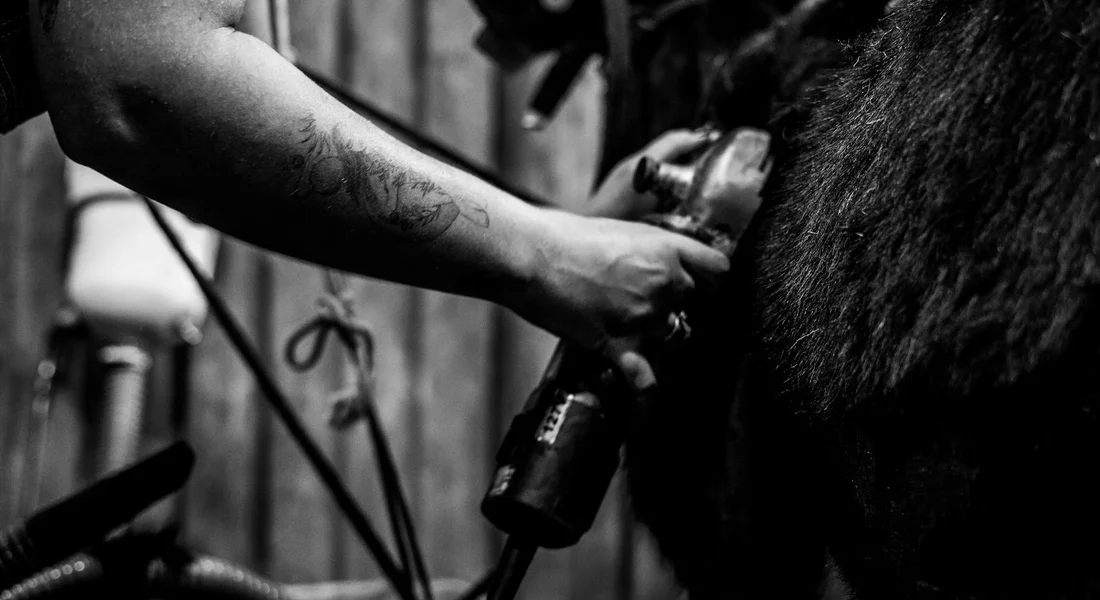
Forget the idea of grooming as just a pre-ride checklist. This daily ritual is your primary language of touch, speaking directly to your horse’s nervous system in a way words never can. When I run the curry comb in slow circles over Rusty’s barrel, the steady rhythm and firm pressure tell him he’s safe. My hands are searching, too-feeling for the subtle heat of a brewing sore spot or the tightness in a muscle that says he worked a little hard yesterday. It’s preventative healthcare disguised as bonding.
- Begin with Slow, Firm Strokes: Use a rubber curry to make broad, deliberate circles. This mimics mutual grooming and stimulates circulation, putting the horse at ease from the start.
- Watch for Itchy Spots and Reactions: A dropped head, a quivering lip, or a leg lifted in invitation are all signs you’ve found a good spot. Pipin will practically fold in half for a good scratch at the base of his tail, which always makes me laugh.
- Always Be Gentle Around Sensitive Areas: Switch to a soft brush or your hand for the face, belly, and legs. Your patience here builds immense trust, teaching the horse that your presence near these vulnerable zones means comfort, not annoyance.
Essential Groundwork Exercises for Mutual Respect
Leading with Confidence
Leading well means walking as a partnered pair, not a prisoner and escort. Your position at the horse’s shoulder, about an arm’s length away, establishes you as a guide, not an anchor. To ask for a halt, I stop my own feet and exhale a deep breath; Luna has learned to read this shift in my energy long before she feels any cue on the lead rope.
Teaching a horse to respect your personal space is foundational. Use the natural language of pressure and release, where the release of pressure is the reward for the correct response. Here’s how I start with every new horse in the barn: These fundamentals are the building blocks for teaching your horse basic ground manners. Mastering them makes groundwork and handling safer and more respectful.
- Ask for a Step Back: Stand facing your horse’s shoulder, then lean your torso slightly toward them. The moment they shift their weight back or take a step, immediately relax your posture and soften your eyes.
- Walk with Intentional Energy: Move off with a purposeful walk, expecting the horse to match your tempo. If they forge ahead, simply turn a small circle to regain the correct position.
- Practice Halts Without Pulling: As you walk, prepare to halt by squaring your own shoulders and settling your weight. Stop moving and wait. The horse should stop beside you, not ahead or behind.
Desensitization with Patience
Desensitization isn’t about making a horse brave; it’s about proving to them they can be curious. Start with a benign object like a plastic bag, allowing the horse to observe it from a distance where they feel no threat. Slowly bring it closer, letting them sniff and look, and reward any calmness with a verbal praise and a moment of stillness. The crinkle of the plastic becomes a sound of curiosity, not fear. That same approach also helps when desensitizing a spooky horse to new objects and sounds. Introduce unfamiliar items and noises slowly, rewarding calm responses to keep fear at bay.
I must warn you against flooding-the costly mistake of overwhelming the horse until they shut down. I rushed introducing a new blanket to Luna, draping it over her too quickly, and spent the next week rebuilding the trust we lost in that one impatient moment. We backtracked, introducing the blanket folded, then unfolded on the ground, then lightly on her back, over multiple sessions.
- Introduce Novel Items in Stages: Let the horse see, smell, and touch the object on their terms. Rub it gently on their neck or shoulder before progressing.
- Reward the Slightest Calm Response: A relaxed ear, a soft eye, or a deep breath is a win. Immediately remove the pressure by taking the object away.
- Never Force the Issue: If the horse becomes tense or frightened, create more distance and try again later. Pushing through fear destroys confidence.
The Language of Rewards: Positive Reinforcement
How Treats and Praise Build Trust
Positive reinforcement is simple: you reward the behavior you want to see again. It’s not bribery. It’s a conversation where “yes” is a delicious carrot chunk or a scratch on the withers. Punishment, by contrast, tells a horse what not to do, often creating anxiety. Think of Luna, my sensitive Thoroughbred. A harsh correction for spooking just makes her more nervous. A reward for standing calmly teaches her where safety is.
The magic is in the timing. The reward must happen the instant the good behavior occurs. A treat three seconds after your horse stood still for the hoof pick is meaningless; they’ve already moved on. Immediate feedback builds a clear mental connection for your horse, making training faster and less frustrating for you both.
- Use a marker signal. A click from a clicker or a specific word like “good!” pinpoints the exact moment they got it right. It buys you a second to deliver the treat.
- Pair treats with praise. Your voice is a powerful tool. A warm “good boy” with a pat reinforces that human interaction is pleasant.
- Start small. Reward a single step in the right direction, not just the finished product. Did Rusty even think about turning toward me when I called? That’s worth a nibble.
Setting Clear and Kind Boundaries
Trust isn’t permissiveness. It’s knowing your person will keep you safe and be fair. Clear boundaries create that safety. A horse that learns it can push you over for treats becomes dangerous, not bonded. My pony Pipin is a master negotiator. If I’m vague, he turns into a furry vacuum cleaner aimed at my pockets.
Correcting behavior like mugging isn’t about anger. It’s about quiet consistency. If Pipin nudges my hand, I simply become a boring statue. I turn my body away, tuck the treat away, and ignore him. When he takes a polite step back, then he gets the reward. You teach respect not through force, but through controlling access to what the horse wants.
Fairness is everything. The rule for Pipin today is the rule for Luna tomorrow. Horses are brilliant at detecting inconsistency. If sometimes nudging works and sometimes it doesn’t, you create confusion and frustration. A predictable environment, where “good” actions have good outcomes and pushy actions get them nothing, is a secure one. It tells your horse they can relax and just follow the clear, kind rules you’ve set together.
From the Ground Up: Building Trust for Riding
Pre-Ride Rituals that Foster Calmness
Think of groundwork as the first conversation of your ride. With a horse like my Thoroughbred, Luna, who often has energy crackling in the air like static, a mindful longeing session is my go-to. I don’t just send her in mindless circles; I ask for walk-trot-canter transitions and changes in direction, her hooves thudding a steady rhythm on the earth. This mental engagement helps her settle her feet and focus her mind, making her a willing participant instead of a captive athlete. It turns pre-ride jitters into productive dialogue.
Before the saddle even comes out of the tack room, I run through a quick mental and physical checklist. A rushed routine is a recipe for mistakes, so I breathe deep, smell the hay, and move with purpose. This calmness transfers directly to my horse.
- Tack Fit: Run your hand under the cinch and girth. Check for pinched skin or hair. The bridle should sit without wrinkling the corners of the mouth, and the bit should lie quietly with a slight wrinkle.
- Mental Presence: Is your horse’s eye soft and aware of you, or glassy and distant? A gentle scratch on the withers can bring them back. If they’re spooking at shadows, more ground time is needed.
- Your Vibe: Check your own shoulders and breathing. Are you tense from your day? Horses mirror our nervous systems. A few deep breaths can reset you both.
Reading Your Horse Under Saddle
Trust in the saddle feels like a quiet thought translated into movement. It’s not about force, but suggestion. You think “turn,” apply light leg pressure, and feel their ribcage soften as they arc around your leg. That soft, fluid response is the cornerstone of mounted trust-it means your horse is listening, not just reacting. A steady, rhythmic gait where you can post or sit without chasing them forward is another golden sign of good communication.
I learned with Rusty that marathon sessions erode trust. Now, I aim for brief, positive rides. If Luna gives me five minutes of lovely, connected trot, we walk on a loose rein and call it a win. Ending on a good note, even a small one, ensures both of you want to do it again tomorrow. It’s about stacking small successes, not battling for perfection.
Navigating the Bumps: Patience with Setbacks
Common Bonding Mistakes to Avoid
-
Steer clear of these frequent missteps that can undermine your progress.
- Moving too fast floods a horse’s nervous system and teaches them to tolerate you, not trust you. I pushed Luna through a clipping session once; the resulting tension took months of slow re-introductions to erase.
- Being inconsistent with your rules or routine makes you an unpredictable leader. Horses crave clear, gentle communication they can count on every single day.
- Using force or anger simply proves you are a threat. A harsh pull on the halter or a raised voice can undo weeks of patient work in a heartbeat.
- Neglecting their comfort signals you don’t value their well-being. Asking for work when the saddle pinches or turnout is overdue breaks a fundamental promise of partnership.
-
Progress in trust is never a straight line. You will have glorious leaps forward and frustrating plateaus, much like Rusty’s ever-changing opinion on what constitutes a terrifying puddle. Embracing this non-linear journey is the cornerstone of true partnership.
Repairing Trust After a Spook or Misstep
-
When confidence falters, this step-by-step reset works wonders.
- Return to the simplest, most positive interaction you share. This often means hand-grazing or rhythmic grooming, where the only goal is peaceful coexistence.
- Keep your next several sessions incredibly short and end on a high note. A single, calm circle on the lunge or a polite backing step is a full victory.
- Avoid blaming the horse for reacting like a horse. Your steady breath and quiet hands are the antidote to their fear, not their punishment.
-
A broken moment does not mean a broken bond. After a trailer loading incident left a young horse I was training trembling, we rebuilt by making the trailer a picnic spot, not a pressure cooker. We ate lunches there, brushed there, and let curiosity slowly replace panic. The trust we rebuilt was deeper than before.
The Lifelong Bond: Trust as a Journey
Integrating Bonding into Every Interaction
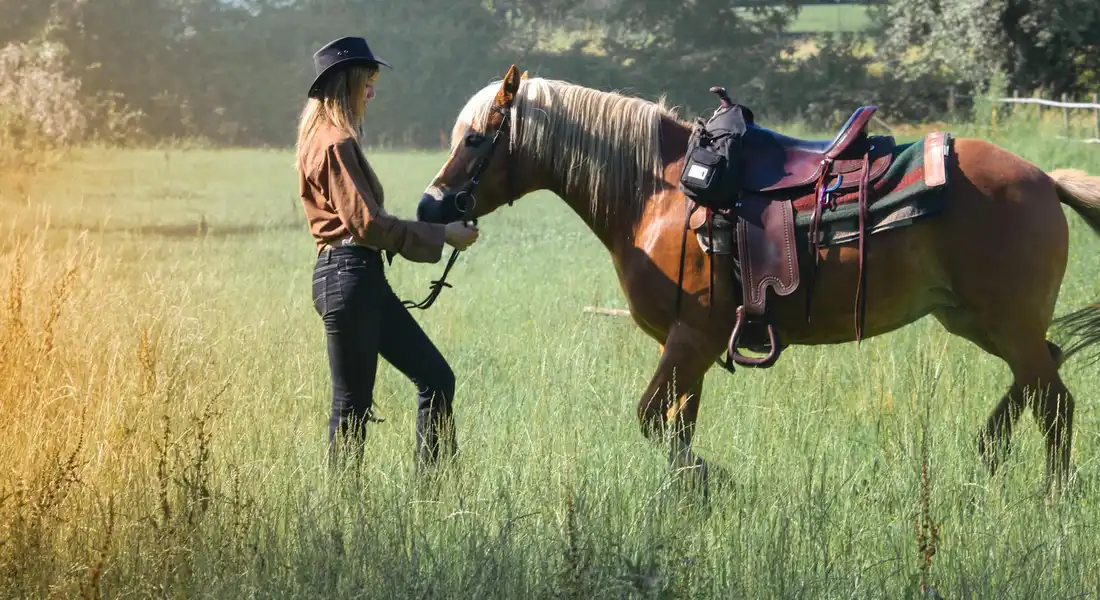
- Trust is built in daily choices: gentle hands, clear communication, and prioritizing the horse’s welfare. I saw this with Luna, who would tense at a rough touch. My approach became all about quiet consistency-the slow fastening of a buckle, the patient wait when she spooked at a leaf. Prioritizing turnout time isn’t just good management; it’s a clear message that you respect their need to move and be a horse. Each calm grooming session or withheld treat from Pipin’s sneaky muzzle reinforces that you are a source of safety, not stress.
- Shift your mindset from director to partner, and you’ll hear the difference in that welcoming nicker at the barn gate. This partnership means listening as much as leading. With Rusty, I learned to read his ear flicks and sighs, adjusting our trail route to avoid his dreaded puddles. The bond deepens when you share experiences, whether it’s a quiet graze or solving the puzzle of a new obstacle together. That mutual respect turns routine care into a conversation, and riding into a true dialogue.
Frequently Asked Questions: How Can You Build a Strong Bond and Trust with Your Horse?
How do you approach a horse for the first time to build trust?
Approach slowly and calmly from the side, avoiding direct eye contact to prevent seeming threatening. Allow the horse to sniff you and initiate contact, respecting their personal space to show you are not a danger. Use a soft, reassuring voice to create a positive first impression and lay the groundwork for future interactions. Talking to horses and understanding them lays the groundwork for better communication. With patience, you’ll learn to read their cues and respond in kind, strengthening trust.
What are the key signs that a horse trusts you?
Look for relaxed body language like soft, blinking eyes, a lowered head, and a loose, swaying tail. The horse may voluntarily follow you, greet you with a quiet nicker, or rest a hind leg in your presence. Trust is also shown through calm acceptance of handling and a willingness to engage with you without signs of stress or fear. By understanding your horse’s body language, you can tell if they’re happy. This awareness helps you read signs of contentment and guides your next steps.
How important is consistency in your routine with a horse?
Consistency is vital because it creates a predictable environment that reduces a horse’s natural anxiety. Maintaining regular schedules for feeding, turnout, and handling helps the horse feel secure and understand what to expect from you. This reliability builds a foundation of trust, making your horse more responsive and connected during training and daily care.
A Partnership Forged in Trust
Building a true bond hinges on consistent, mindful interaction in the barn and field, not just when you have a saddle in hand. The most critical piece of advice is to make every interaction, from grooming to feeding, a calm and predictable conversation that your horse can understand and rely on.
This process cannot be rushed; trust is earned in quiet minutes over many days, not forced in a single session. Your horse’s feedback, in the soft sigh of relaxation or the tense flick of an ear, is the most important guide you have.
Further Reading & Sources
- How to Get a Horse to Trust You | Tips from Julie Goodnight
- How to Get Your Horse to Trust You: 10 Steps (with Pictures)
- A Beginner’s Guide to Building Trust in a Horse – Heather Wallace
- r/Horses on Reddit: How do I bond and get my girl to trust me?
At Horse and Hay, we are passionate about providing expert guidance on all aspects of horse care, from nutrition to wellness. Our team of equine specialists and veterinarians offer trusted advice on the best foods, supplements, and practices to keep your horse healthy and thriving. Whether you're a seasoned rider or new to equine care, we provide valuable insights into feeding, grooming, and overall well-being to ensure your horse lives its happiest, healthiest life.
Behavior