
How to Groom Your Horse for a Stronger Bond: A Step-by-Step Guide
Published on: February 6, 2026 | Last Updated: February 6, 2026
Written By: Henry Wellington
Hello fellow equestrians. That faint sigh of frustration when your horse shifts away from the brush isn’t just about dirt-it’s a missed chance to connect. I’ve felt that sting, watching a simple task feel like a chore instead of the quiet partnership we all want.
This guide turns grooming into your secret weapon for trust. We will walk through:
- Building your toolkit with the right brushes for your horse’s unique coat and mood
- A detailed, hands-on sequence that promotes circulation and spots early health warnings
- Reading your horse’s body language to transform resistance into relaxation
- Practical ways to make this daily care a cornerstone of your bond, beyond the arena
My years of barn management and training horses like the sensitive Luna have taught me that the best connections are often built in the quiet, dust-filled moments of routine care.
Why Your Grooming Routine is a Trust-Building Session
Think about how horses interact in a herd. They stand head-to-tail, gently grooming each other’s withers and backs with their teeth. This mutual grooming releases endorphins, the “feel-good” hormones, lowering stress and strengthening social bonds. When you run a curry comb over your horse’s coat, you are speaking their native language of touch and care. Grooming needs vary by breed and coat type. Tailoring your brushing routine to your horse’s coat—whether thick and double-coated or short and sleek—helps keep skin healthy and coats gleaming.
The physical benefits are impossible to ignore. Your hands become the best diagnostic tool you own. You will feel the new bump of a bug bite, the subtle heat of a brewing inflammation, or the tiny scab from a fence scratch long before it becomes a serious issue. The act of brushing stimulates circulation and distributes natural oils, leading to a healthier, more weather-resistant coat.
For a horse, the world is often unpredictable. Your consistent, gentle grooming ritual creates a predictable pocket of peace. This is especially powerful for sensitive souls. I remember days with Luna, my Thoroughbred, where the slightest leaf blowing would tense her every muscle. Instead of pushing her, I’d just start softly currying her neck. The repetitive, rhythmic motion would ground her. Her head would lower, her eyes would soften, and her breathing would slow. We weren’t training; we were connecting.
Daily grooming isn’t just cleaning; it’s your primary conversation with your horse.
Assembling Your Bonding Toolkit: More Than Just Brushes
Your grooming kit is a first aid box, a massage set, and a communication device. Each tool has a specific job, and using it correctly prevents discomfort. The satisfying *scritch-scratch* of a rubber curry and the soft *swish* of a body brush through a clean coat are some of the barn’s best sounds. Invest in a few quality tools you’ll maintain, rather than a bucket full of cheap, harsh brushes.
Choose tools that feel good in your hand and on your horse’s skin to avoid creating tension.
| Tool | Best Material | Primary Use |
|---|---|---|
| Curry Comb | Flexible Rubber or Plastic | Loosening dirt & mud; massaging large muscle areas. |
| Body Brush (Dandy Brush) | Stiff Natural or Synthetic Bristles | Flicking away loosened dirt and debris from the coat. |
| Finishing Brush | Soft Natural Bristles | Removing dust and polishing the coat; sensitive areas. |
| Hoof Pick | Metal with a Stiff Brush | Cleaning debris from hoof sole and clefts; checking for thrush. |
| Mane & Tail Comb | Wide-Toothed Plastic or Wood | Detangling hair gently, starting from the tips. |
Curry Combs: The Massage That Starts the Conversation
Always start with the curry. Use firm, gentle circles over the big muscle groups-the neck, shoulders, barrel, and hindquarters. This mimics the feeling of another horse’s teeth and brings dirt to the surface. Apply enough pressure to stimulate the skin, but listen to your horse. If they lean into it, you’ve found a good spot. Avoid bony areas like the legs, spine, and face entirely.
Body Brushes & Hoof Picks: The Details That Show You Care
Follow the curry with your body brush. Use short, flicking strokes to lift the dirt you’ve loosened. Brush in the direction of the hair growth for a polished look. For the hooves, pick from heel to toe, clearing the triangular frog and the grooves around it. This is a critical health check. Feel for any foul odor (thrush), look for cracks, and listen for the *clink* of a trapped stone.
Setting the Stage for a Successful Grooming Session

The foundation of a good grooming session is laid before you even pick up a brush. Think of it as preparing a quiet room for a conversation.
Start by choosing a familiar, safe spot. A flat, well-lit area of the aisle or their own stall works well. Ensure your horse is securely tied with a quick-release knot or safely cross-tied. I always double-check the area for stray wheelbarrows, barking dogs, or anything that might spook a horse like Luna, whose focus can shatter like glass.
Your own energy sets the tone. Take a deep breath and leave your hurry at the gate. Horses are emotional mirrors. A rushed grooming session in a chaotic aisle teaches your horse to dread your approach. Patience is your most important tool, especially with clever souls like Pipin, who will use any impatient tug as an invitation to play his favorite game: “untie the human.”
Run through this quick mental checklist before you begin:
- Is my horse calm and aware of my presence?
- Is the tying area secure and free of trip hazards?
- Are all my grooming tools within easy reach?
- Have I removed loud distractions where possible?
The Step-by-Step Bonding Grooming Protocol
This sequence is a framework, not a rigid rulebook. Follow your horse’s comfort, but this order works for most.
-
Approach and Connect
Walk up calmly, speaking in a low, steady voice. Before any brushing, offer a greeting they understand: a gentle scratch on the withers or the base of the neck. This is horse for “hello.” Feel if their muscles are tense or soft. This moment of connection changes everything.
-
Start with the Curry Comb
Begin on the neck, a generally less-sensitive area. Use a rubber curry in slow, firm circles to loosen dirt and stimulate the skin. Listen to the contented sighs. Watch their head lower. You are gauging their comfort level with pressure. This is a massage, not a scrubbing.
-
Pick the Hooves
Safely run your hand down the leg, applying gentle pressure on the tendon to ask for the hoof. Pick clean from heel to toe, checking the frog and sole for rocks or tenderness. This act of care builds immense trust. It says, “I will handle your foundation with respect.”
-
Brush with Purpose
Now use your stiff dandy brush or soft body brush. Follow the hair’s direction with long, sweeping strokes that whisk away the loosened grime. The rhythmic motion is deeply calming. I’ve watched Rusty’s eyes get heavy and soft during this part, almost like he’s meditating.
-
Gently Address Mane and Tail
Use a wide-tooth comb or your fingers. Start from the very bottom of the tail hair, working up slowly to prevent painful tugging. Spraying a detangler is a kindness. Never rush or rip. This routine isn’t about speed; it’s about predictable, pleasant touch that your horse can relax into.
-
Finish with the Face and Sensitive Areas
Use a soft, damp cloth or your bare hand. Move slowly, let them see and sniff the cloth. Gently wipe around the eyes, nostrils, and muzzle. If they pull away, pause and try again. This final step requires the most trust, so end here on a good note, with a rub they love.
With a flighty Thoroughbred like Luna, I might pick hooves first while she’s alert, then do the calming body brush. For Pipin, I keep the session short and sweet. Adapt the order to the individual. The goal is always a shared sense of peace.
Reading Horse Psychology: When to Push and When to Pause
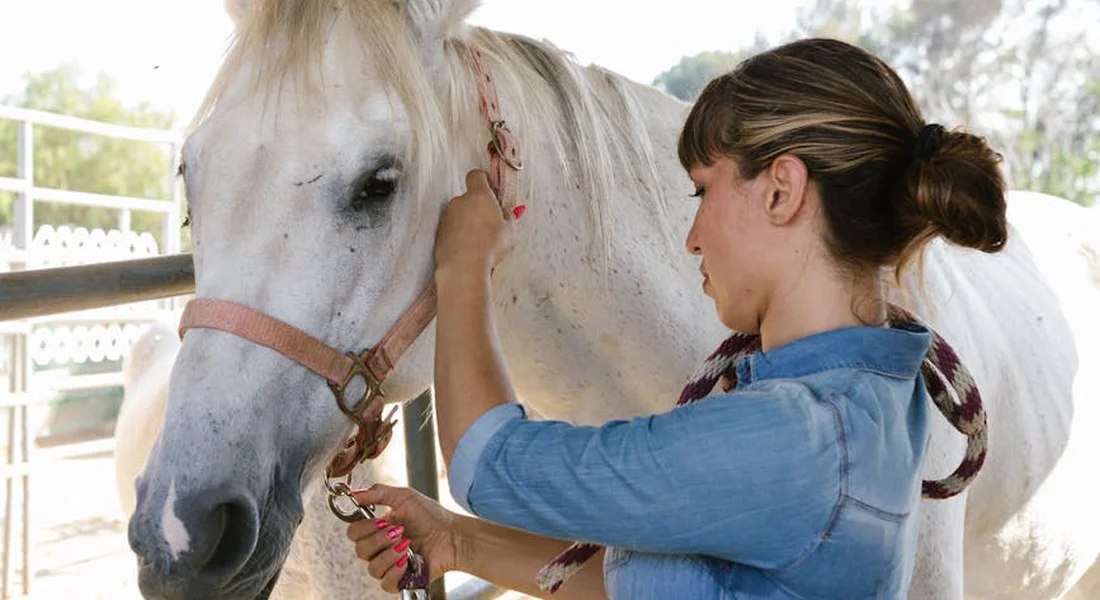
Grooming time is your best window into your horse’s mind. I spend hours in the barn observing the subtle shifts in Rusty’s stance or the flicker in Luna’s eye. Your horse is talking with their whole body, and learning this language is the first step to a deeper connection. With practice, you’ll be able to tell when your horse is happy by reading the cues in the body—ears, posture, and tail. In the next steps, we’ll provide quick, linked tips to help you spot these signs at a glance.
Recognize the signs of a relaxed partner. A lowered head, soft eyes that seem to droop, and gentle lip-licking or chewing are all good indicators. Pipin, my Shetland, will often rest a hind leg and let his lower lip wobble when he’s truly at ease.
- Lowered head and neck
- Soft, blinking eyes
- Loose lips or quiet chewing
- A slow, swinging tail
Contrast that with signals of tension or discomfort. These are pleas for you to adjust your approach. A tail swishing with purpose (not at flies), ears pinned back tightly, or sudden skin twitches over the flanks are clear messages.
- Tail swishing in sharp arcs
- Ears pinned flat against the skull
- Skin quivering over ribs or shoulders
- Stiff, bracey posture
When you see tension, your response matters most. With Luna, a single too-quick stroke with the curry comb would make her whole body tense. I learned to slow my hand to a crawl, using firm, predictable pressure. If your horse reacts, immediately soften your touch, switch tools, or just stop and let them process.
Some behaviors are non-negotiable red flags. If you see these, stop grooming and reassess your safety and their stress level.
- Biting or aggressive head swinging toward you
- Lifting a hind leg threateningly
- Repeatedly crowding you or trying to leave
- Showing the whites of the eyes constantly
I once pushed a tired Rusty through a grooming session, ignoring his pinned ears. The next day, he was head-shy. Bonding happens when your horse realizes you listen to and respect their “no.” That repaired trust took far longer than the five-minute break he needed.
Common Grooming Pitfalls That Break Trust
Even with good intentions, simple mistakes during grooming can erode trust. I’ve seen horses become head-shy from a stiff brush or wary of tail care from a few painful yanks. Gentle horsemanship is in the details, and the wrong technique screams disregard.
Here are specific errors to avoid, drawn from cold mornings and muddy afternoons at my barn.
- Using a stiff dandy brush on the face or delicate belly
- Yanking on tail or mane tangles instead of patiently separating them
- Brushing crusted, dry mud into the coat instead of soaking it loose first
- Ignoring dirty, matted grooming tools that scratch more than clean
Contrast those with kinder, more effective methods. For a muddy leg, let water do the work first. For a tangled tail, spray a leave-in conditioner and finger-comb from the bottom up. Always start with a rubber curry to lift dirt, and follow with softer brushes to remove it.
Clean your tools regularly. A bucket of warm, soapy water once a week keeps bristles soft and effective. A clogged brush is just a dirt-spreader.
Let’s debunk a big myth: everyday grooming isn’t about a perfect, show-ring polish. It’s about the process-the rhythmic circling of the curry, the methodical strokes of the brush. Being mindful of common grooming mistakes helps keep the process calm and effective. Taking time to avoid these slips makes the shine come from care, not rush. Rushing through grooming to tack up quickly tells your horse they are merely a vehicle, not a partner. The shine comes from health and care, not elbow grease alone.
Extending the Bond: Grooming as a Gateway to Deeper Care
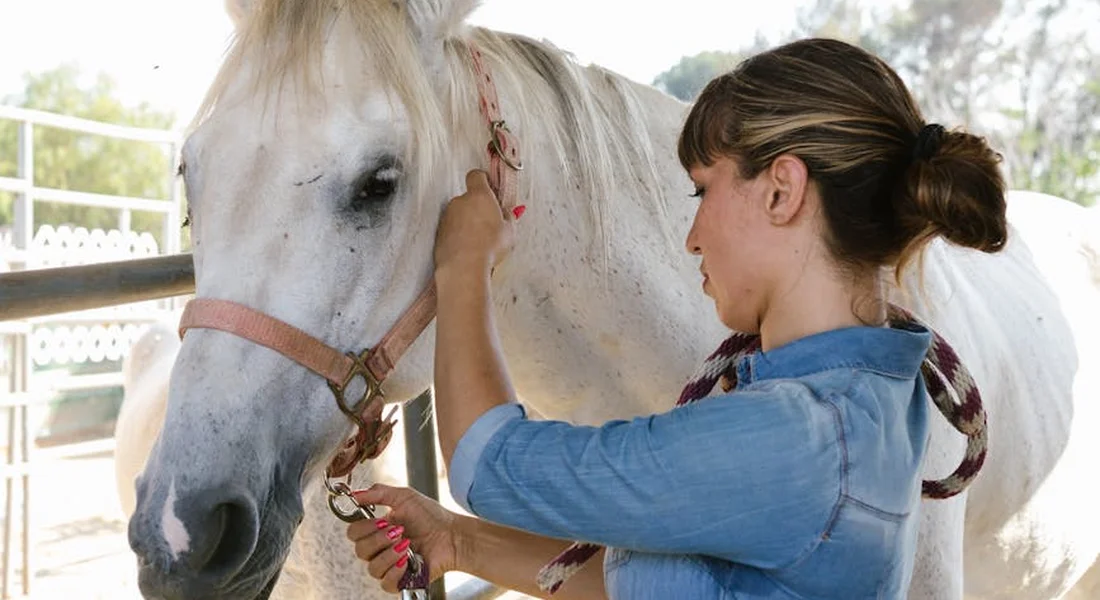
Your grooming session doesn’t have to end at the cross-ties. Think of it as the perfect launchpad for other low-pressure, positive experiences. I often finish brushing Luna and then lead her to a patch of fresh grass for a few minutes of hand-grazing. The rhythm of her chewing, the smell of the damp earth, it’s pure relaxation for both of us. For Pipin, a quick groom is his ticket to a short, exploratory hand-walk around the barnyard. You’re pairing the predictable pleasure of grooming with a new, enjoyable activity, and that builds incredible positive associations. That same approach translates nicely to groom horse show competition, where a calm, well-groomed horse makes a stronger impression in the ring. It’s the quiet, consistent prep behind a polished show-day presentation.
Those quiet minutes spent brushing teach a horse more than just how to be clean. They learn to stand quietly, accept handling all over their body, and respect your personal space. This is foundational etiquette. A horse who has learned to stand still for you to pick up their back feet is already prepped for the farrier. The patience you cultivate during a thorough currying session directly translates to a calmer experience when the vet needs to administer a shot or listen to gut sounds. You’ve already done the training; the professional just reaps the benefits.
All the grooming in the world cannot replace a horse’s fundamental need for movement and social freedom. I am a fierce advocate for maximum turnout. My crew is out as much as possible, rain or shine. This is where grooming becomes your critical health-monitoring tool. That daily once-over is how you find the tiny scrape from a playful romp, the slight puffiness in a tendon before it becomes a problem, or the tell-tale signs of a brewing rainrot patch. Grooming is your hands-on wellness check, ensuring that the freedom of turnout is also safe. It’s a vital part of the essential daily grooming routine for a healthy horse.
This consistent, gentle handling creates a feedback loop of trust. Your horse learns that your presence means care and comfort, not just work. The trust you build at the grooming rack makes every other aspect of horsemanship safer and more joyful. From tacking up to trailering out, that foundational bond turns potential conflicts into seamless cooperation. It turns management into partnership, one soft brushstroke at a time, exemplifying the signs of a strong bond between horse and owner.
Frequently Asked Questions About Grooming Your Horse for a Stronger Bond
How does grooming specifically enhance the bond between me and my horse?
Grooming fosters bonding by providing consistent, calming touch that mirrors natural herd behavior. This routine builds trust as your horse learns to associate you with positive, stress-relieving interactions. Over time, this shared quiet time deepens mutual respect and emotional connection. Grooming and touch help deepen the connection between you and your horse.
What are the key features to look for in a quality body brush for horse grooming?
Choose a body brush with bristles that balance effectiveness for dirt removal with gentleness on the coat. Opt for ergonomic handles that ensure a secure grip during long sessions. Prioritize brushes made from durable materials that are easy to clean and maintain for hygiene.
Is it advisable to purchase a horse grooming body brush from online marketplaces like Amazon?
Online platforms can be convenient, but carefully review product descriptions and customer feedback for quality assurance. Ensure the brush is suitable for your horse’s coat type and any specific sensitivities. Comparing prices and seller ratings helps in finding a reliable tool that supports your bonding routine.
Grooming for a Deeper Bond
Your grooming routine is a daily chance to connect, offering both a health check and a quiet moment of trust. Focus on the quality of your touch and attention, not just the removal of dirt, to transform a chore into a meaningful ritual. Creating a routine maintenance schedule for your grooming kit keeps the flow consistent. This simple step supports your mindful practice.
Progress may be slow with a sensitive soul like Luna, or quickly earned with a treat-lover like Rusty-always let your horse set the pace. The strongest bonds are built by listening more than you speak, with your hands and your heart.
Further Reading & Sources
- Deepen Your Horse Bond Through Effective Grooming Techniques – Equine Balanced Support
- Build a bond with your horse – Vetster
- The importance of bonding with your horse | YuMOVE
- USEA | 25 Ways to Make Your Horse Happy
At Horse and Hay, we are passionate about providing expert guidance on all aspects of horse care, from nutrition to wellness. Our team of equine specialists and veterinarians offer trusted advice on the best foods, supplements, and practices to keep your horse healthy and thriving. Whether you're a seasoned rider or new to equine care, we provide valuable insights into feeding, grooming, and overall well-being to ensure your horse lives its happiest, healthiest life.
Basic Grooming Techniques