
Safe Flowers and Herbs for Horses: Your Practical Guide to Edible Plants
Published on: November 27, 2025 | Last Updated: November 27, 2025
Written By: Henry Wellington
Hello fellow equestrians, have you ever felt your stomach drop watching your horse mouth a mysterious plant in the pasture? That instant fear of toxicity is a shared burden for anyone who cares for these curious eaters, where one wrong nibble can lead to a scary emergency.
In this article, I’ll help you turn that worry into confidence by mapping out the safe, edible landscape. You’ll get clear guidance on identifying common safe flowers and herbs you can offer today, practical steps to introduce new plants without upsetting delicate stomachs, and how these natural options can support everything from hoof health to calm behavior.
My years in the barn managing everything from sensitive thoroughbreds to cheeky ponies have taught me that the best equine care is built on this kind of grounded, everyday knowledge.
Understanding Safe Forage: Flowers and Herbs in Equine Diets
Standing in the paddock at dawn, I watch my horses selectively nibble at more than just grass. Edible flowers and herbs are nature’s original supplement pile, offering vitamins and minerals that plain hay might lack. It’s a great way to introduce natural foraging enrichment for horses into their diet.
Variety isn’t just the spice of life for us. A diverse diet supports a healthy equine gut microbiome and provides mental enrichment, curbing boredom and its associated stable vices. I’ve seen Luna’s focus improve after she spent an afternoon browsing a weedy section of pasture.
Here is the one rule I barn-manage by: never feed an unknown plant. Accurate identification is your absolute first step, as the difference between safe and toxic can be a matter of a few leaf characteristics. I keep a laminated guide hanging in the feed room for a quick double-check.
A Guide to Non-Toxic Flowers for Your Horse
You don’t need a fancy garden. Many horse-safe flowers are common “weeds” that pop up voluntarily in pastures, along trails, and in hedgerows.
Look for dandelions in sunny, compacted soil, find calendula where old gardens once were, and spot lavender escaping from landscape plantings. Turnout time in a diverse pasture allows horses to self-select these plants, which is a cornerstone of gentle, natural horsemanship.
Engage your senses to learn them. Note the dandelion’s cheerful yellow hue and its hollow, milky stem, or crush a lavender bud between your fingers to release its distinctive, soothing fragrance. These details make field identification much safer.
Popular Safe Flowers: From Dandelion to Calendula
- Dandelion (Taraxacum officinale): Every part is edible-flower, leaf, and root. It’s a potent source of potassium and acts as a gentle diuretic. I regularly toss a handful of freshly picked leaves into the feed of older horses like Rusty to support kidney function.
- Calendula (Calendula officinalis): Recognizable by its bright orange or yellow petals. It has natural anti-inflammatory and antifungal properties. I’ve used infused calendula oil on minor scrapes, and adding petals to feed seems to promote healthy skin from the inside.
- Lavender (Lavandula spp.): Identified by its purple spikes and gray-green, needle-like leaves. The aroma is famously calming. I’ll rub a few dried sprigs on my hands before handling a nervous horse to help settle their nerves.
- Rose Hips (Rosa canina): The small, red-orange fruit left after the rose flower dies back. They are exceptionally high in vitamin C. I forage for these in fall, dry them, and add them to winter meals for an immune system boost.
- Chamomile (Matricaria recutita): Tiny, daisy-like flowers with a sweet, herbaceous scent. It’s a classic digestive aid and mild sedative. Steeping a tablespoon of dried flowers in warm water to cool and add to a feed bucket can ease mild colic symptoms.
- Hibiscus (Hibiscus sabdariffa): The deep red, tart-flavored flower petals are rich in antioxidants. Offering a few dried petals can be a refreshing, palatable treat on a hot day, and my horses love the unique flavor.
Herbs Your Horse Can Safely Enjoy
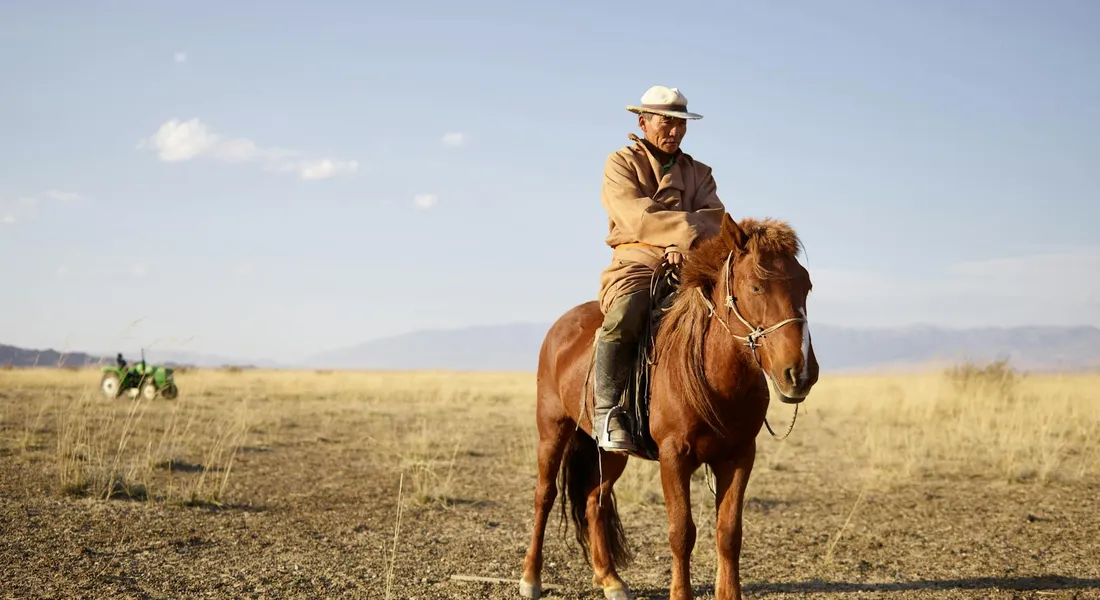
Sharing herbs with your horse is one of the simple joys of barn life. Offering a sprig of mint is a ritual in my barn, a small thank-you for a job well done that connects us to the natural world. It turns a treat into a moment of connection.
- Mint: Peppermint or spearmint is a digestive aid and a universal equine favorite. Rusty, my Quarter Horse, will vacuum up dried mint leaves from my palm with a soft snuffle that always makes me laugh.
- Thyme: This pungent culinary herb packs antimicrobial properties. I’ve tucked fresh thyme into hay nets during show season when stress and travel can challenge a horse’s system.
- Rosemary: Known for supporting circulation and mental alertness. Its strong piney scent is stimulating, so I use it sparingly as an occasional curiosity for the horses.
- Parsley: A nutrient-dense leafy green, rich in vitamins. My sensitive Thoroughbred, Luna, finds the act of slowly chewing fresh parsley very grounding after a tense training session.
It helps to think of herbs in two camps. Culinary herbs like thyme and basil primarily add flavor and nutrients to the diet, while herbs like chamomile (flowers) and lemon balm are sought for their gentle, calming influence on a worried mind.
You can offer herbs fresh or dried. Fresh-picked herbs have a higher moisture content and are perfect for hand-feeding as a cool, crunchy reward on a hot day. Dried herbs are more concentrated in flavor and potency; use about one-third the amount of the fresh version. Always start with a pinch mixed into feed to ensure your individual horse enjoys it and has no sensitivity.
Everyday Herbs for Health and Flavor
You don’t need a pharmacy of supplements to support your horse’s well-being. Many common garden herbs offer targeted benefits that have been trusted in traditional equine care for generations. Oregano and thyme are among the staples. Here’s a quick guide to a few staples.
| Herb | Traditional Use in Equine Care | Practical Notes |
|---|---|---|
| Sage | Used for its antioxidant properties and to support respiratory health. Its astringent quality was traditionally valued for gum health. | The flavor is strong. I rub a dried leaf on my palms before handling a skittish horse; the familiar scent can be reassuring. |
| Basil | An anti-inflammatory herb rich in vitamins, often associated with promoting calmness and aiding digestion. | Sweet basil is usually the biggest hit. Our cheeky pony, Pipin, will perform his best tricks for a single fresh leaf. |
| Nettle | A nutritive tonic, loaded with minerals to support skin, coat, and joint health. It’s a true powerhouse for overall vitality. | You must dry or wilt nettles completely to neutralize their sting before feeding. I mix a handful of dried nettle into a hay net for a nutritious boost. |
Rotating these herbs mimics natural foraging. Letting your horse browse on safe, planted herbs during turnout is the ultimate form of gentle, species-appropriate enrichment. It engages their mind and body in the most fundamental way.
How to Safely Introduce Plants into Your Horse’s Diet
Adding new greens to your horse’s diet requires the same thoughtful pace as introducing a new rider to a spooky trail. I learned this the hard way years ago when an overeager Pipin managed to snatch and devour an entire pot of basil I’d foolishly left within reach. A horse’s digestive system is a finely tuned ecosystem, and sudden changes are the fastest route to a bellyache or worse. The goal is enrichment, not upset. Plan any feed change gradually to give the gut time to adjust. When you transition between feeds safely, start with small amounts of the new feed mixed into the old and increase gradually.
- Outline a step-by-step process for introducing new edible plants. This isn’t a race; it’s a careful tasting menu where patience prevents problems.
- Define safe consumption limits (e.g., as a treat, not bulk forage). Even safe plants can cause issues in large quantities, so think “garnish” not “grazing.”
- Clarify which plant parts-leaves, flowers, stems-are digestible. For instance, a dandelion’s yellow flower and leafy greens are fine, but the tough, mature stem might be better left behind.
Step-by-Step Introduction Process
Follow this method like you would checking girth before mounting. Knowing how to measure a horse’s girth is part of that prep. It’s quick and helps ensure a proper fit before you ride. I use it with every horse, from sensitive Luna to my vacuum-cleaner pony, Pipin.
- Start with a small, single-plant sample. Offer just a few leaves or one flower head in your flat palm. This gives you a clear picture of what, if any, reaction occurs.
- Monitor for any changes in manure or behavior for the next 24 hours. Watch for looseness in droppings, signs of gas, or unusual lethargy. A happy horse like Rusty will just look for more.
- Gradually increase variety and quantity over days. If all is well after a couple of introductions, you can offer a bit more or try a different plant, but always one at a time.
Rushing this process is like tightening a new saddle all at once-you’ll create a sore spot you didn’t intend. The smell of a new herb and the sound of a curious chew are part of the fun, so take your time.
Determining Safe Quantities and Parts
Think of edible plants as the occasional cookie in your diet, not the loaf of bread. Their primary role is mental stimulation and a tasty reward, not nutrition.
- Advise that edible plants should complement, not replace, hay and grass. The bulk of your horse’s diet must be quality forage to keep that gut moving and teeth worn properly.
- Specify that flowers and herbs are treats, not main forage. A good rule of thumb is a handful or two per day at most, sprinkled over their normal meal or offered by hand.
I never let any treat, plant-based or otherwise, exceed 10% of a horse’s daily caloric intake-their waistline and their digestion will thank you. Understanding the essential components of a healthy horse diet helps guide what to include and what to avoid. For plant parts, tender young leaves and petals are usually the most palatable and digestible; avoid woody stems, seeds from unknown sources, and any plant parts that look wilted or spoiled.
Health Benefits and Digestive Support from Edible Plants
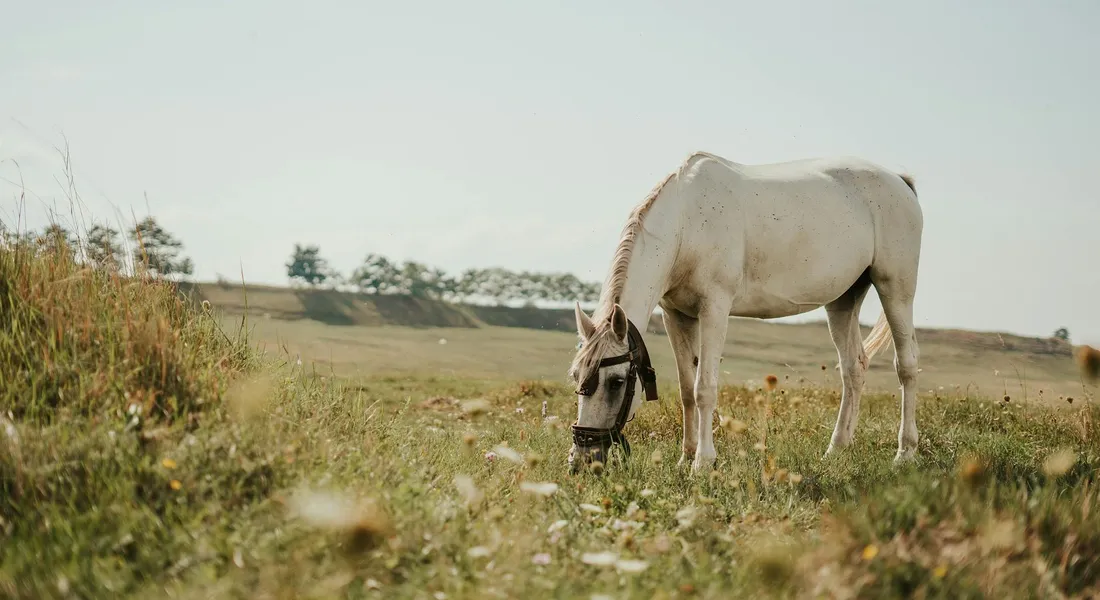
Beyond just being pretty greenery, many plants offer targeted support for your horse’s body and mind. I’ve spent years watching my herd selectively browse in the pasture, and adding these safe herbs to their diet can mirror that natural wisdom. When introducing plants, it’s crucial to distinguish between safe and toxic plants for horses to avoid any adverse effects.
- Chamomile Soothes Frayed Nerves: Those little daisy-like flowers are a barn staple for a reason. My Thoroughbred, Luna, has a engine that runs hot. On farrier days, I’ll steep a tablespoon of dried chamomile in her warm mash. Chamomile works as a gentle calming agent, taking the sharp edge off anxiety without causing drowsiness, much like a quiet moment in a sunlit stall.
- Mint Awakens a Sluggish Gut: The crisp aroma of peppermint isn’t just for us. When my Quarter Horse, Rusty, transitions onto richer forage, a handful of fresh mint leaves can prevent digestive hiccups. Mint stimulates saliva production and bile flow, which helps food move smoothly through the system, acting like a reset button for their stomach.
- Nettle Delivers Concentrated Nutrition: Handle it with gloves until it’s dried, but then this plant is a friend. For my pony Pipin in his senior years, dried nettle mixed into his feed provides a noticeable boost. Nettle truly is a vitamin pill from the pasture, loaded with bioavailable iron, silica, and other minerals that support hoof growth and coat health from within.
These plants are partners in care, not replacements for balanced feed or veterinary advice. Providing ample turnout time in a well-managed pasture is the best way to let your horse engage with these beneficial plants on their own terms, which is a cornerstone of equine welfare. Start with small amounts and observe; gentle horsemanship is always about reading the horse in front of you.
Avoiding Danger: Toxic Lookalikes and Poisoning Signs
Walking the pasture at dusk, I’ve learned to spot trouble before it starts. Knowing your safe plants is only half the battle; the real skill is recognizing the dangerous imposters hiding in plain sight. Luna’s curiosity and Pipin’s escape artistry mean I’m always double-checking the fence lines for leafy intruders.
Here are a few common toxic lookalikes every horse owner should commit to memory.
- Poison Hemlock vs. Wild Carrot (Queen Anne’s Lace): Both have lacy white flowers, but hemlock’s stems are hairless with distinctive purple blotches. Wild carrot stems are hairy and solid green. Hemlock smells musty and unpleasant when crushed.
- Ragwort vs. Tansy: Ragwort has bright yellow, daisy-like flowers and darker, more ragged leaves. Tansy flowers are button-like and its leaves are fern-like. Ragwort is more bitter, but horses may eat it when dried in hay.
- Foxglove vs. Comfrey: Foxglove produces tall spikes of bell-shaped flowers in pink or purple. Comfrey’s flowers are smaller, clustered, and usually blue or purple. Foxglove leaves are fuzzy and wrinkled; comfrey leaves are large, hairy, and spear-shaped.
When in doubt, don’t let them graze it out. I keep a laminated photo guide in the tack room-after Rusty had a suspicious sniff at a hemlock patch, I made it a rule for everyone on the property. Your eyes are the first line of defense.
The signs of plant poisoning can come on fast or creep in slowly. Immediate symptoms often include sudden behavioral shifts, like a normally calm horse becoming agitated or a lively one turning dull. You might notice unexplained stumbling or a head held low. Any abrupt change in your horse’s demeanor or coordination is a red flag that demands your full attention.
Key Signs of Plant Toxicity
If you suspect your horse has ingested a toxic plant, time is your most precious commodity. Watch for these specific symptoms and be ready to call your vet without delay. I’ve seen a mild case with Pipin that scared me straight into better pasture management.
- Digestive Distress: Colic signs like pawing, looking at the flank, or repeatedly lying down and getting up. Excessive drooling or difficulty swallowing.
- Neurological Warning Bells: Loss of coordination, staggering, muscle tremors, or sudden weakness. Luna once showed slight tremors after contact with a suspect plant-it was a long night.
- General Systemic Failure: Lethargy or depression, rapid or difficult breathing, irregular heartbeat, or discolored gums (often bright red or very pale).
Do not wait for multiple symptoms to appear; one clear sign is reason enough to seek emergency veterinary care. Be familiar with the emergency signs in horses that mean you should call the vet right away. If you notice any of these signs, contact your veterinarian immediately. Have your vet’s number saved and know the quickest route to the clinic. While waiting for help, move the horse to a safe, clean space with no access to more plants, and if possible, bring a sample of the suspected plant for identification. Your calm, swift action makes all the difference.
Growing Your Own Horse-Safe Edible Garden
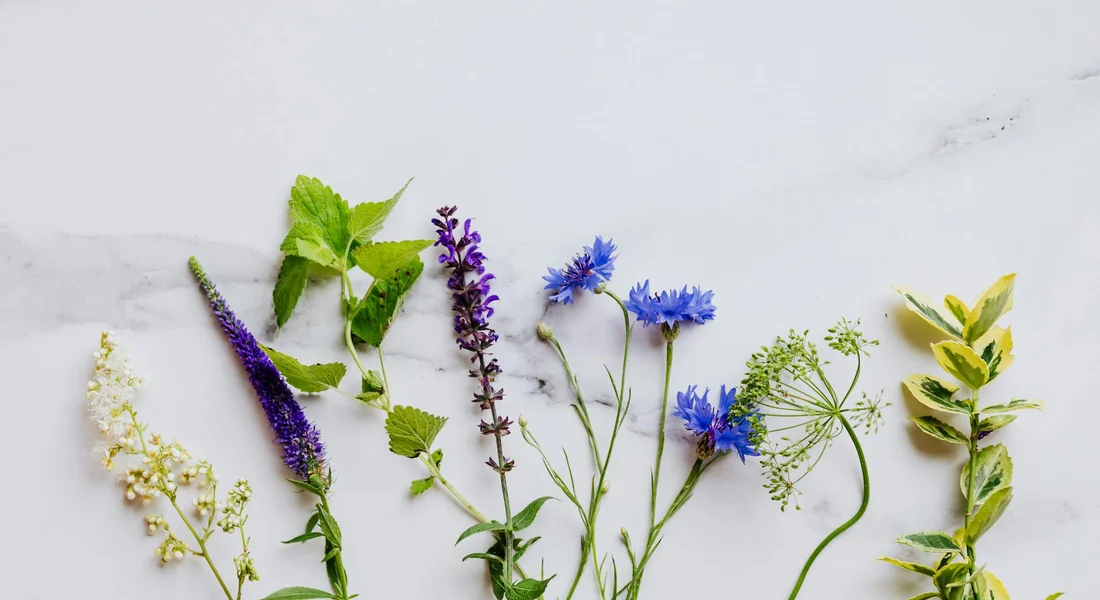
- Fence off a small plot right away, even if it’s just a few square feet. A simple barrier prevents enthusiastic hooves from crushing your seedlings; I learned this after Luna once decorated my carrot tops with a graceful, if devastating, pirouette.
- Opt for raised beds or large containers if your soil is poor or space is limited. They offer better drainage and make it easier to control the growing environment, plus you can move them if needed.
- Always start with quality potting mix or well-composted garden soil. Your plants’ health begins with their roots, just like your horse’s health starts with good forage.
- Factor in your local frost dates for planting and harvesting. Sow hardy herbs like parsley as soon as the ground is workable in spring, but wait until all frost danger has passed for tender mint.
- For a continuous harvest, practice succession planting every few weeks. This ensures you have fresh, not bolted, leaves throughout the growing season for your herd.
- Mint is a vigorous, almost bulletproof beginner plant. Plant it in a pot to contain its spread, and you’ll have plenty for peppermint tea for you and treats for Pipin, who will vigilantly monitor its progress.
- Parsley is another easy win, offering a vitamin-rich green for months. I often snip a handful for Rusty after a ride; he finds it much more interesting than his usual post-work snack.
Seasonal Foraging and Gardening Tips
- Early spring is for cool-weather lovers: think parsley, cilantro, and the first dandelion greens. These plants thrive in the crisp air and moist soil before the summer heat arrives.
- Summer’s long days are perfect for basil, chamomile, and lavender. Harvest these in the morning after the dew evaporates for the most potent aroma and flavor.
- Fall invites you to plant perennial roots and harvest seed heads. This is the time to establish echinacea or harvest calendula petals before the first hard freeze.
- Your safest bet is to only forage from areas you have controlled for years. That means your own property, a trusted friend’s field, or a known organic area well away from roads.
- Assume any public park, roadside, or unknown meadow has been sprayed with chemicals. The risk of herbicide contamination simply isn’t worth the handful of clover.
- When in doubt, grow it yourself. Nothing beats the peace of mind that comes from knowing exactly what your horse is eating, from seed to snack.
Frequently Asked Questions: Safe Flowers and Herbs for Horses
How much edible plant material can a horse safely consume?
Edible flowers and herbs should be considered treats, not a primary forage source. A safe limit is typically a small handful or two per day, mixed into their regular feed. Exceeding this can disrupt their digestive system, as the bulk of their diet must always be quality hay or grass.
What parts of the plant are safe for consumption?
The safest and most digestible parts are usually the tender leaves, petals, and flowers. You should generally avoid offering tough, woody stems, seeds from unknown sources, and any wilted or spoiled plant material. Always ensure the specific plant part is confirmed as safe, as with dandelion where the leaf and flower are edible.
Are there seasonal considerations for foraging for horses?
Yes, seasons dictate which plants are available and safe to forage. Early spring offers cool-weather greens like parsley, while summer is ideal for basil and chamomile. Crucially, you should only forage from trusted, chemical-free areas, as public spaces are often treated with harmful herbicides.
A Handful of Herbs: Closing Thoughts from the Barn
Introduce safe plants like mint or calendula by tucking a few sprigs into their hay net, and always offer a new herb or flower alone and in a small handful first, waiting a full day to check for any signs of digestive upset or disinterest. This simple step keeps their snack time both stimulating and secure.
I learned this patience with Luna, whose dainty nibble or flat refusal tells me more than any guide ever could. Let your horse’s own preferences and reactions shape your garden picks-that attentive dialogue is the heart of good keeping.
Further Reading & Sources
- Herbs and Medicinal Plants that Horses will Eat – Listen To Your Horse
- Toxic and Non-Toxic Plant List – Horses | ASPCA
- Hedgerow Haynets for Horses | Dengie Horse Feeds
- List of pasture capable flowers that are friendly to horse/cattle AND bees/birds… (horses, donkeys and mules forum at permies)
At Horse and Hay, we are passionate about providing expert guidance on all aspects of horse care, from nutrition to wellness. Our team of equine specialists and veterinarians offer trusted advice on the best foods, supplements, and practices to keep your horse healthy and thriving. Whether you're a seasoned rider or new to equine care, we provide valuable insights into feeding, grooming, and overall well-being to ensure your horse lives its happiest, healthiest life.
Nutrition