
Western vs. English Riding: Choosing the Right Discipline for Your Horse and Your Goals
Hello fellow equestrians. That moment of indecision in the tack aisle-Western or English?-often stems from a real fear of choosing wrong, leading to a resistant horse or a rider feeling insecure and out of place.
Let’s clear the air. This isn’t just about aesthetics; it’s about partnership. I’ll walk you through the core practicalities so you can make a confident choice, focusing on:
- How the saddle tree and weight distribution directly affect your horse’s back and stride.
- The fundamental differences in rider position and how that changes your communication.
- Matching your horse’s conformation and mind to the physical demands of each style.
- Your own lifestyle and ambitions, from casual trail rides to competitive circuits.
My years of barn management and training, from adjusting Pipin’s pony tack to building trust with thoroughbreds like Luna, are your guide here.
The Heart of the Matter: Core Differences in Tack and Technique
Tack and Equipment: A Side-by-Side Look
Think of tack as the physical interface between you and your horse, and the design philosophies couldn’t be more distinct. An English saddle is a close-contact tool, while a Western saddle is a working platform. The difference is right there in the creak of the leather when you mount up.
An English saddle is lightweight and designed to let the rider feel every shift of the horse’s muscle beneath them. The stirrup bars are set more forward, encouraging a deeper heel and a closer leg. The flatter seat asks for a more upright, three-point balance. The entire setup facilitates subtle, nuanced communication for precise movements and athletic jumps.
A Western saddle is a descendant of the all-day working rig. It’s heavier, with a substantial tree that distributes weight over a larger area of the horse’s back. The iconic horn isn’t just for looks; it’s a practical tool for dallying a rope. The stirrups hang straighter down, promoting a longer, more relaxed leg position and a deep, secure seat. This design prioritizes stability and comfort for horse and rider during long hours over variable terrain.
| Feature | Western Saddle | English Saddle |
|---|---|---|
| Average Weight | 25-40 lbs | 10-20 lbs |
| Tree Design | Wide, sturdy bars, often full-quarter horse bars for broad backs. | Narrower, varying tree widths (narrow, medium, wide) to fit higher withers. |
| Stirrup Placement | Hung directly under the rider, encouraging a long, relaxed leg. | Set slightly more forward, promoting a deeper heel and closer thigh contact. |
Bridles and bits follow suit. English bridles often use a cavesson noseband and thinner reins for direct, separate-handed signals. Western bridles are frequently simpler, paired with a curb bit and single, long rein to facilitate one-handed neck reining. The choice here fundamentally changes how your initial request travels from your fingers to your horse’s mouth.
Rider Position and Cues: Speaking Two Languages
If tack is the hardware, your position and aids are the software. English riding is like having a detailed conversation, while Western riding often uses shorthand.
The English seat is upright and balanced over the horse’s center of gravity. You steer primarily with direct reining-pulling left to go left, right to go right-supported by active leg aids at the girth. Your entire body works in precise concert to ask for collected gaits, lateral movements, or a precise take-off spot at a fence. The trot is a forward, posting motion meant to cover ground.
The Western seat is like settling into a comfortable chair, with a deep seat and a relaxed, slightly slouched posture. Steering is done largely through neck reining: laying the left rein against the neck to signal a right turn. Leg aids are used further back, behind the cinch, to ask for hindquarter engagement. This system frees one hand for work and prioritizes smooth, energy-efficient gaits like the slow, steady jog instead of a brisk trot. I’ve seen calm horses utterly blossom when switched from confusing direct reins to clear neck reining.
Your Horse’s Blueprint: Conformation and Temperament Guide
Assessing Build for Discipline Suitability
You can’t force a square peg into a round hole, and a horse’s physical build is the ultimate blueprint. That sturdy, low-withered back wasn’t built for a close-contact saddle, just as a refined, uphill build isn’t meant to hold a heavy roping saddle.
Horses with a conformation suited to Western disciplines often have:
- A short, strong back that can comfortably carry weight for miles.
- Low, rounded withers that allow a Western tree to sit without pressure points.
- Substantial bone in the legs and a sturdy shoulder for quick, powerful stops and turns.
Horses built for English pursuits typically show:
- Prominent withers that help secure a forward-cut English saddle.
- A longer, sloping shoulder for freedom of movement and elegant stride extension.
- A lighter leg structure and an overall uphill build that facilitates collection and athletic lift.
Fitting the saddle to the horse is the first and non-negotiable step in choosing a discipline-their comfort is the foundation of everything. From here, you’ll want to transition to the proper saddle-up routine. A concise, step-by-step guide on how to saddle a horse properly will walk you through each stage.
Reading Your Horse’s Personality
Conformation tells you what a horse can do, but temperament tells you what they’ll enjoy doing. This is where partnership is built. A nervous horse in a high-pressure show ring is a welfare issue, just as a bored, placid horse on a demanding cross-country course is.
- The Steady Eddy: Unflappable, patient, consistent. This mind thrives on the repetitive patterns of trail riding, ranch work, or pleasure classes. Think of my old reliable, Rusty. His steady sorrel demeanor makes him a Western pleasure natural, utterly unconcerned by chaos.
- The Sensitive Artist: Perceptive, energetic, reactive. This horse needs a job that engages their brain and body, like dressage, jumping, or eventing. My Luna is this type; she’d find a slow jog mind-numbing but lights up when asked for precise bend and engagement.
- The Clever Pragmatist: Intelligent, sometimes mischievous, highly food-motivated. These ponies and horses excel at games, trick training, or any discipline where mental problem-solving is rewarded. Pipin, our Shetland escape artist, would be a star at obstacle challenges where his cleverness is an asset, not a liability.
Matching your horse’s innate character to a discipline’s demands isn’t just about success-it’s about creating a willing and happy equine partner. Listen to what they tell you on the ground; it speaks volumes about what they’ll tell you under saddle. A temperament guide helps you read their personality and see how it lines up with your riding style. That alignment informs training and partnership every day.
Tack Fit is Horse Care: Ensuring Comfort and Soundness
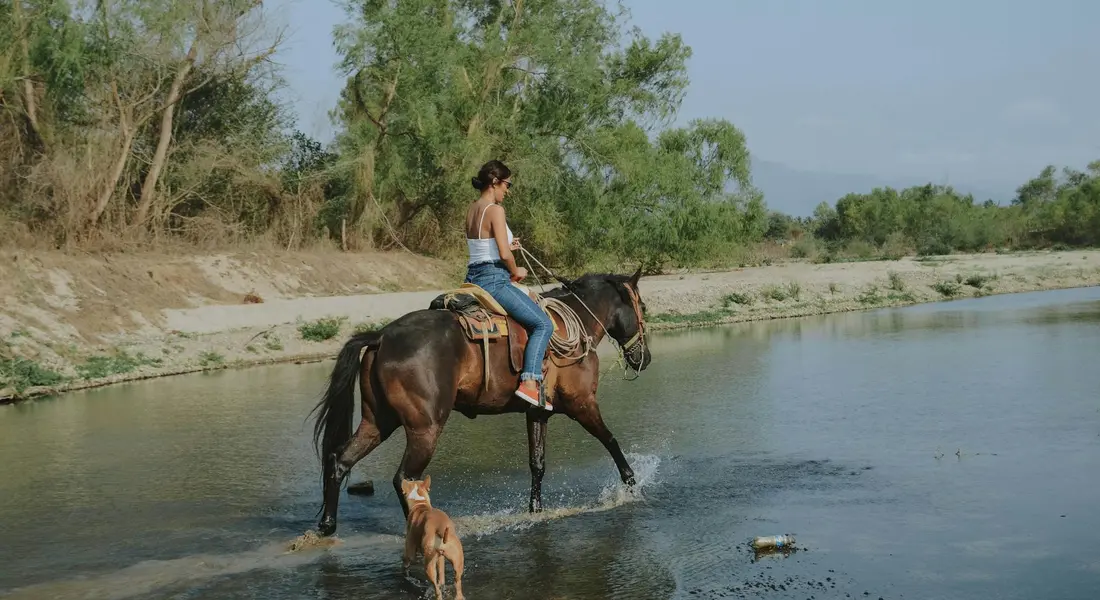
Think of your saddle as your horse’s shoes: if they pinch, every step is agony. A poorly fitted saddle doesn’t just cause a bad ride; it creates chronic pain, resistance, and can shorten a horse’s working life. I’ve seen too many good horses labeled “grouchy” when the real culprit was a pinching tree. Proper tack fit is not a luxury; it’s the foundation of ethical horsemanship and directly impacts your horse’s soundness.
Western Saddle Fitting Fundamentals
Western saddles are built for long hours, but their weight and structure mean a bad fit does major damage. Forget just looking for a pretty tooled skirt. You need to get hands-on. When I first checked my gelding Rusty’s fit, I learned a well-fitted saddle should feel like a balanced porch roof on his back, not a teetering seesaw.
- Tree Width: Slide your hand under the front of the saddle, right at the pommel. You should feel consistent, firm pressure without pinching. If there’s a big gap, the tree is too wide; if it’s tight like a vise, it’s too narrow. A qualified saddle fitter has gauges for this, but your hand is a good first test.
- Wither Clearance: With the saddle gently positioned, you must see clear daylight through the gullet channel over the withers. Run your fingers along the withers-they should never be touched by the saddle bars. Pressure here is a fast track to nerve damage.
- Balance: View your horse from the side. The seat should be level, not tipping forward or backward. A saddle that rocks back will drive the cantle into the loins; one that tips forward pounds the shoulders. Balance ensures weight is distributed evenly across the muscle, not concentrated on fragile points.
Investing in a professional fitter for a Western saddle is worth every penny, as they assess dynamic fit in motion, which is critical for preventing long-term back issues. I budget for a fitter’s visit with every new saddle, just like a farrier visit.
English Saddle Fitting Fundamentals
English saddles demand precision. Their close contact means every millimeter matters, especially for athletic disciplines. Fitting my sensitive Thoroughbred, Luna, taught me that a jump saddle that interferes with the shoulder will ruin a horse’s scope and confidence.
- Panel Contact: Place the saddle without a pad. Press down along the panels; they should make even contact from front to back without bridging (gaps in the middle). Bridging creates localized pressure points that bruise deep muscle.
- Gullet Clearance: Just like with Western, you need a clear channel over the spine. Check the width of the gullet-it should clear the spine and withers by about three fingers’ width all the way back. No part of the saddle should ever touch the spine.
- Saddle Length: The back of the saddle should not extend past the last rib. To find this, feel for the back edge of Luna’s rib cage. A saddle that’s too long presses on the lumbar region, which has no rib support and is easily injured.
A jump saddle with a forward-cut flap must allow full, unrestricted shoulder movement; if it pins the scapula, you’ll see short, choppy strides and eventual lameness. A fitter can adjust flocking or recommend a different tree shape to solve this.
Daily Tack Care for Longevity and Safety
Leather care is horse care. Dry, cracked leather can snap, and dirt grinds into stitching, causing hidden failures. My routine takes ten minutes post-ride and has saved me from mid-trail crises. You hear that satisfying creak of clean leather? That’s the sound of safety.
- Wipe Down: After every ride, use a damp cloth to remove sweat and dirt from all leather surfaces. Pay special attention to areas that touch the horse, like the girth billets. This prevents salt from drying and eating into the hide.
- Condition (Weekly): Once a week, apply a thin layer of quality leather conditioner. Buff it in with a soft cloth. Over-conditioning can soften leather too much, so less is more. Regular conditioning keeps leather supple and prevents the cracks that lead to catastrophic gear failure.
- Inspect for Wear: Before you tack up, run your fingers over all stress points: billet straps, stirrup leathers, and girth buckles. Look for stretched stitching, thin spots, or any signs of fraying. Catching a worn billet in the barn beats having it break on a cantor.
Store tack in a cool, dry place out of direct sunlight. A simple hook and a breathable cover will do. This routine isn’t just about tack lasting longer; it’s about preventing painful rubs and dangerous accidents for you and your horse. Just make sure to follow best practices for storing horse tack and blankets.
Riding and Care Routines: Discipline Demands on Horse and Handler
Your chosen discipline dictates your horse’s daily life. A pleasure horse’s week looks nothing like a reiner’s. The key is matching your management to the physical ask, and never sacrificing foundational welfare for training goals. The smell of fresh hay and the thud of hooves on pasture dirt are needs, not extras.
Training Intensity and Equine Wellness
Compare barrel racing and eventing. Both are intense, but in different ways. Barrel racing demands explosive, tight turns and sudden acceleration. Eventing asks for endurance, precision, and the grit to tackle solid fences. Their care must reflect that.
For a barrel horse, warm-up is about loosening the hindquarters and getting the mind focused. I start with long, slow circles, building to a few practice spins. The cool-down is critical: long walking until the breathing is normal and the muscles are soft. These basics fit into the essential warm-up and cool-down exercises your horse needs. Pairing them with a deliberate routine helps protect legs and sharpen performance. These horses need turnout to unwind mentally, but a rocky pasture is a risk for those precious legs; a flat, sandy pen is ideal.
An eventer needs a more gradual warm-up, incorporating stretching and suppling exercises before any jumping. The cool-down after cross-country is a long, mandatory walk, sometimes with a cool hosing on the legs. Their turnout needs are massive. They require ample, rolling pasture time to build the cardiovascular stamina and mental resilience for a three-day event. Confinement leads to stiffness and a wired brain.
Regardless of discipline, ample daily turnout on good pasture is non-negotiable for digestive health, joint circulation, and plain old horse happiness. Even my cheeky pony, Pipin, is a better citizen after a night out with his herd.
Discipline-Specific Health Considerations
Each sport stresses the equine body in predictable ways. Knowing this lets you prevent problems before they start.
- Jumpers (English): Constant concussion stresses tendons, ligaments, and soles. Preventive care includes regular hoof packing for support, structured flatwork to build balancing muscles, and frequent bodywork (like massage or chiropractic) to address asymmetrical soreness.
- Reiners & Cutters (Western): The intense stop places huge strain on the hocks, stifles, and back. Diet is key: keep them lean to reduce joint load. Incorporate hill work to build gluteal strength for support, and always follow a hard training session with a day of light hacking or turnout.
- Pleasure Horses: Don’t be fooled by the calm name. A poorly fitted saddle on a long trail ride creates back soreness and a sour attitude. Focus on a balanced diet primarily of forage to maintain a healthy weight, and schedule regular saddle fit checks even if the work seems easy. Their hoof care is just as vital-long miles on trails require a good farrier to manage wear and balance.
Listen to your horse. A slight change in stride, a new resistance, or a grumpy ear pin can be the first sign of a discipline-related ache. Your job is to connect the dots between their work and their wellness.
Changing Course: A Gentle Approach to Switching Disciplines
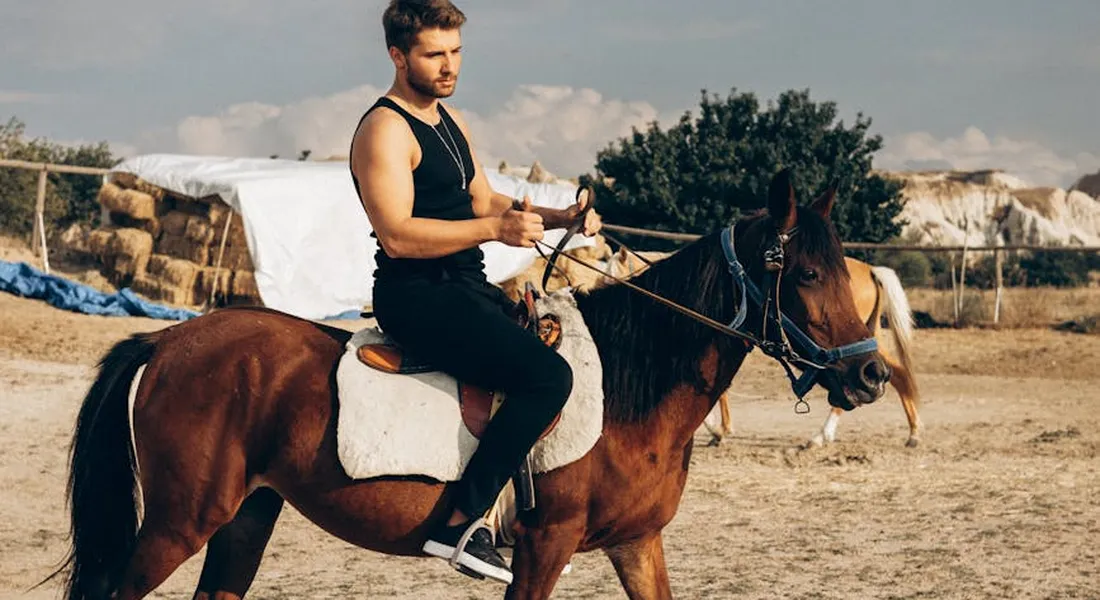
Step 1: Evaluate Your Horse’s Foundation Training
Guidance: Advise assessing basic skills like yielding to pressure and balanced gaits before introducing new equipment.
Before you even think about new tack, take a hard look at what your horse already knows. A solid foundation isn’t about fancy moves; it’s about clear communication and physical balance. I learned this with Luna, my sensitive Thoroughbred. When we considered a switch, her reaction to light leg pressure told me more than any trainer could. Your horse must respond reliably to basic aids before adding the complexity of a different saddle or bit. Start in a familiar setting, like your quiet arena or round pen.
Spend a session assessing these core skills. Keep it low-pressure and observational.
- Yielding to Pressure: Does your horse softly give to rein pressure at the walk and trot? Do they move their hindquarters away from your leg?
- Balanced Gaits: Can they maintain a steady, rhythmic trot without rushing or falling on their forehand? This balance is crucial for carrying a rider in any discipline.
- Mental Readiness: Is your horse generally calm and attentive, or easily distracted? A stressed horse needs more foundational work.
If Pipin, my clever pony, taught me anything, it’s that skipping this step leads to frustration. Address any gaps in these fundamentals first, and the transition will be smoother for both of you.
Step 2: Source and Fit New Tack Slowly
Guidance: Recommend borrowing or using a trial saddle first. List signs of discomfort to watch for during the initial introductions.
Never buy a new saddle on day one. The creak of strange leather and feel of a different tree can unsettle even a steady horse. I always borrow a friend’s saddle or use a shop’s trial program first. This lets you test the fit without the financial commitment. A poorly fitted saddle is a primary source of back pain and behavioral issues, so patience here is non-negotiable.
Introduce the new tack in stages. Let your horse sniff and investigate it in their stall. Place the pad and saddle gently on their back without cinching it tight. Watch their entire body language.
- Signs of Discomfort: Pinned ears, swishing tail tight against the body, hollowing the back, attempting to bite or look at the saddle.
- Signs of Acceptance: A soft eye, relaxed chewing, standing quietly with weight evenly on all four feet.
When you do cinch up, start with short, five-minute sessions. Run your hand under the saddle pad after removing it; hot spots or dry spots can indicate pressure points. Remember Rusty, my Quarter Horse? He’s stoic, so I have to be extra vigilant for subtle signs like a slight head toss when first moving off.
Step 3: Introduce New Cues with Patience
Guidance: Outline a short, positive reinforcement session to teach a Western horse to neck rein or an English horse to accept more contact.
This is where your gentle horsemanship shines. You’re asking your horse to learn a new language. Keep sessions to 15 minutes or less, and always end on a good note. For a horse learning to neck rein from English direct reining, start at a standstill and apply light pressure with the rein against their neck while simultaneously using your direct rein cue as a guide. The instant they step away from the pressure, release and reward with a voice praise or a treat.
For an English horse learning to accept more consistent contact from a Western curb bit, begin with a simple snaffle. Ask for a soft flexion at the poll while maintaining a walk. Later, you can follow a step-by-step guide on how to put the bridle on your horse. It will help connect this groundwork to proper tack application.
- Pick up the reins until you feel the lightest connection with the corners of the mouth.
- Hold for just two or three strides, then release the pressure completely.
- Repeat, gradually asking for a few more strides of soft holding.
The goal is to build understanding, not to force a headset. Luna, being so sensitive, benefited massively from this incremental “ask and release” approach. It built her trust instead of making her brace against the bit.
Step 4: Prioritize Consistency and Breaks
Guidance: Stress short, frequent training sessions and the necessity of long, relaxing trail rides to prevent mental burnout for horse and rider.
Discipline transition is a marathon, not a sprint. Your horse’s brain needs time to process new information. I aim for short, focused sessions four times a week rather than long, grueling ones. Consistency in your cues and expectations is far more valuable than the duration of your ride. This regularity helps cement the new skills without overwhelming them.
Just as crucial are the breaks. This is where I advocate fiercely for turnout and mental relaxation. Schedule at least one or two days a week for long, wandering trail rides with zero agenda. Let your horse stretch their neck, look at scenery, and just be a horse. The thud of hooves on a forest trail does more for a horse’s mindset than any arena drill.
I make sure every horse, from Pipin to Rusty, gets ample turnout time with buddies. Movement and social interaction are the best antidotes to training stress and physical stiffness. It keeps them happy, sound, and willing partners when you pick up the reins again. To deepen understanding of their minds, the understanding horse behavior psychology complete guide is a helpful companion. It ties signals to training choices, making your approach more intuitive.
FAQ: Western vs. English Riding
What are the key differences between a Western and English bridle?
Western bridles are often simpler and designed for one-handed riding, frequently used with a curb bit that applies leverage. English bridles typically have more pieces, like a cavesson noseband, and are used with direct-rein contact for two-handed, precise steering. The choice influences the clarity and type of pressure applied to the horse’s mouth and poll.
How do the reins differ between the two disciplines?
English reins are generally shorter, thinner, and used in a direct, separate-handed manner to guide the horse’s head and mouth. Western reins are longer, often a single continuous piece, and are used primarily for neck reining where the lay of the rein against the neck signals direction. This creates a fundamental difference in how steering cues are communicated from the rider’s hand to the horse.
What is the practical impact of different stirrup placement?
English stirrups are usually set slightly more forward, encouraging a rider’s heel to sink down and maintain close leg contact for precise aids. Western stirrups hang more directly beneath the rider, promoting a longer, more relaxed leg position and a deep, stable seat for long hours in the saddle. This placement directly affects rider balance, leg signal location, and overall comfort for both horse and rider.
Ride Your Own Trail
The best discipline is the one where your body fits the tack and your riding goals. Your horse’s comfort and conformation, however, are the non-negotiable starting point for any saddle and any style.
Take your time, prioritize safety for both of you, and let good horsemanship be your true north. The right choice is the one that keeps your horse sound and your partnership honest, whether you’re in a western saddle or an english one.
Further Reading & Sources
- r/Equestrian on Reddit: English VS Western Riding? Big Difference?
- English vs Western Riding: What’s the Difference? – BookHorseRidingHolidays.com
- Western vs. English Riding: How Are They Different?
- English vs. Western Horseback Riding: What’s the Difference?
At Horse and Hay, we are passionate about providing expert guidance on all aspects of horse care, from nutrition to wellness. Our team of equine specialists and veterinarians offer trusted advice on the best foods, supplements, and practices to keep your horse healthy and thriving. Whether you're a seasoned rider or new to equine care, we provide valuable insights into feeding, grooming, and overall well-being to ensure your horse lives its happiest, healthiest life.
Competing