
Gelding vs. Stallion as a Pet: A Realistic Guide for Non-Breeders
Hello fellow equestrians. Standing in the aisle, staring at a charming sale ad, and wondering if a stallion could ever be a safe pasture pet? That nagging fear about outbursts or a costly management mistake is your good sense talking, and I hear you.
Let’s clear the air. This guide cuts through the romance to compare the fundamental behavioral wiring of each, their specific daily care and facility demands, non-negotiable safety protocols, and the true lifetime cost of ownership.
My advice comes from a decade of barn management, where I’ve safely handled everything from reliable geldings like Rusty to sensitive stallions, always prioritizing gentle horsemanship and ample turnout.
The Basic Biology: What Exactly Are Geldings and Stallions?
Let’s strip this back to the barn basics. A stallion is an intact male horse, over the age of four. He has all the original equipment and the biological drive to use it. A gelding, on the other hand, is a male horse that has been castrated. The procedure removes the testicles, which are the primary source of testosterone. This fundamental difference in hormones is the single biggest factor influencing everything from behavior to management requirements. That’s also where the truth about stallions comes in—debunking eight myths about keeping intact males. Understanding these myths helps you make informed decisions about management and training.
The change is physical and chemical. Without those hormones, a gelding’s physique often becomes more straightforward-less cresty neck, smoother musculature. More importantly, the intense reproductive focus and many associated behaviors fade, allowing his personality to develop without that constant biological pressure.
Clearing Up Common Confusions: Colt, Mare, and Mustang
Horse terminology can feel like its own language. A “colt” is a young male horse, typically under four. He can become either a stallion (if left intact) or a gelding (if castrated). A “mare” is a female horse over four; a “filly” is a young female. These are terms of sex and age. To understand male and female terminology more clearly, note how the terms shift with age and breeding status. This groundwork helps when exploring related terms and nuances.
“Mustang” is not a sex term at all-it’s a type. It refers to a free-roaming horse of the American West, descended from domesticated horses. A Mustang can be a stallion, gelding, mare, or filly. Thinking “Mustang” means “wild stallion” is a common mix-up that lumps a whole breed’s reputation onto one gender. If you’re wondering, “Are mustangs good?” temperament varies by individual and history, not by label. With proper care and handling, many mustangs can be calm, trainable, and hardy.
Getting these terms straight matters because it shapes your expectations. When someone says they have a “spirited colt,” you’re dealing with youthful energy. A “spirited stallion” introduces a layer of hormonal instinct that requires a different skillset entirely.
Temperament Truths: Predicting Personality and Behavior
While every horse is an individual, general patterns exist. I’ve spent years working alongside both, and the daily reality in the barn is shaped profoundly by which you have in the cross-ties. Choosing the right horse for your experience level and lifestyle matters as much as temperament. We’ll cover how to match a horse to you in the next steps.
The Stallion Mind: Instincts You Must Manage
A stallion’s behavior is often a direct expression of three hardwired drives: herd, breeding, and dominance. He isn’t being “naughty”; he’s following a million-year-old program. His focus can be laser-like, which makes him brilliant for concentrated work but a potential hazard in a busy barnyard. It’s important to remember that this dominance doesn’t necessarily mean he’s an alpha in the human sense.
Working with a stallion means you are always managing his environment and his attention. The smell of a mare in season, the sight of another gelding being turned out, the distant whinny from another pasture-these aren’t background noise to him. They are front-page headlines. Handling a stallion safely demands a level of situational awareness that becomes second nature, where you constantly scan for potential triggers before he does.
From personal experience, even the sweetest stallion has a different presence. I’ve known ones who would gently lip your sleeve for treats, but their entire body thrummed with a contained energy that was absent in the geldings. Riding or training requires an unflappable calm and impeccable timing; your corrections and releases must be instant and clear, because he reads every shift in your weight and tone.
- Primary Drives: Reproduction, herd dominance, protection.
- Common Traits: High focus, intensity, territoriality, potential for aggression towards other males.
- Biggest Misconception: That they are always aggressive. Many are gentle with people but are inherently complex.
- Required Handler Skill: Confident, consistent, and experienced leadership. There is no room for hesitation.
The Gelding’s Outlook: Reliability and Compatibility
Geldings are, broadly, the diplomats of the horse world. With the reproductive imperative removed, their minds are freed up for other things: learning their job, forming bonds with humans and other horses, and simply enjoying a good roll in the pasture. They integrate into herd life with far less drama and are generally more predictable day-to-day. Understanding these subtleties can be crucial to working effectively with geldings, and for that, it’s essential to have a good grasp of horse behavior and psychology.
This doesn’t mean they are boring or lack personality. My old reliable Rusty, a gelding, has more quirks than a barn full of ghosts-his puddle phobia is legendary. But his reactions are based on past experience or momentary fear, not a surge of hormones. What you gain with a gelding is a more predictable and malleable personality, which is why they are the unequivocal recommendation for first-time owners, family pets, and most recreational riders.
Their compatibility shines in group settings. Turning a mixed herd out together is standard practice. You’ll see them groom, play, and bicker without the high-stakes tension that a stallion introduces. For the average owner seeking a partner for trails, shows, or quiet arena work, a gelding offers a significantly wider margin for error and a much shorter learning curve in basic management.
- Primary Drives: Social bonding, comfort, play, herd harmony.
- Common Traits: Generally calmer, more even-keeled, adaptable to different herds and situations.
- Biggest Misconception: That they are all placid. A gelding can still be hot, spooky, or lazy-it’s just his core personality, not hormones.
- Handler Benefit: Allows the owner to focus on riding and bonding, rather than constant instinct management.
Daily Reality: Management, Routine, and Care Differences
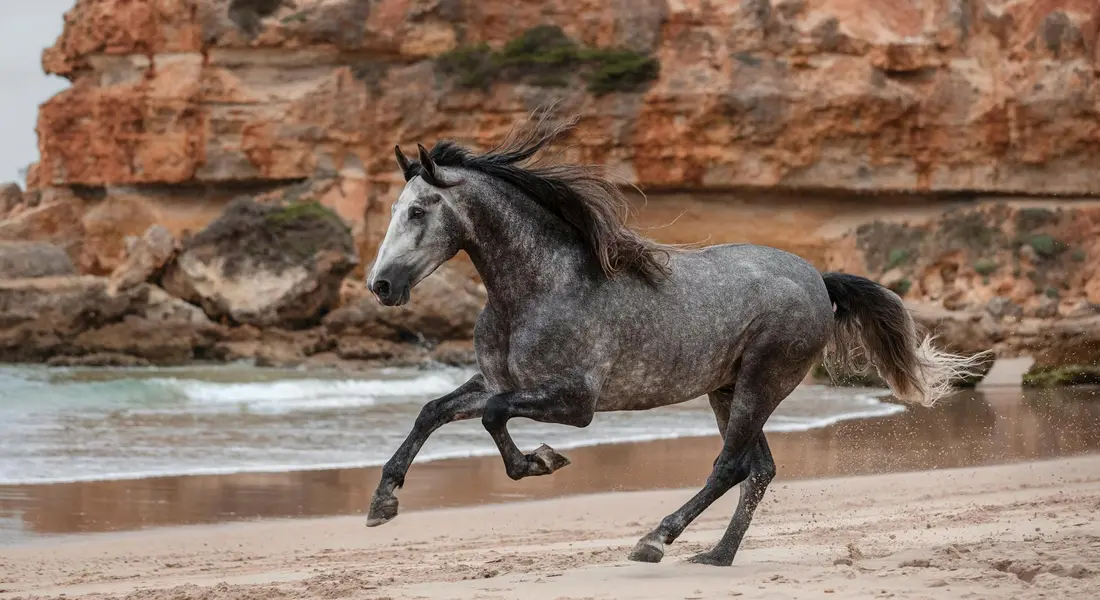
Housing and Enclosure Safety: Non-Negotiables for Stallions
I learned about enclosure integrity the day Pipin, our clever Shetland, nosed open a stall door meant for a much larger horse. With a stallion, that same intelligence mixes with hormonal drive, turning a simple escape into a serious liability. The thud of hooves on the wrong side of a fence is a sound you never want to hear. For a stallion, your fencing isn’t just a boundary; it’s your primary safety protocol.
You need walls and fences that can withstand deliberate testing. I insist on solid wood or heavy-duty mesh, never just wire or electric tape alone. Gates must have secure, double latches placed high enough that a clever mouth can’t fiddle them open. Stallion housing is built on the principle of no second chances.
- Barrier Strength: Use fences at least 5 feet high, with no weak spots or loose boards. Visual barriers between stalls or paddocks can prevent fence-fighting.
- Separation Protocol: Stallions must be housed well away from mares and geldings. A minimum of one empty paddock or solid-walled stall should act as a buffer zone.
- Daily Inspection: Run your hand along every post and rail. Listen for the creak of a loose hinge. This isn’t maintenance; it’s a daily security check.
Turnout is non-negotiable for mental health, but for a stallion, it often means individual time in a securely enclosed paddock. I’ve seen the difference it makes; a stallion with regular, safe turnout is far more manageable than one kept constantly confined.
The Daily Chore List: Feeding, Grooming, and Exercise
Your morning routine with a gelding like Rusty often involves a friendly nicker and a peaceful grooming session. With a stallion, that routine requires a different rhythm and heightened awareness. The order of operations matters for safety and sets the tone for the entire day.
Feeding is similar in principle, but context changes everything. A stallion near mares may be too distracted to eat calmly, risking colic. I always feed stallions first, in their secure stall, to establish a quiet pattern. Their diet should be based on workload, not hormones; excess energy from rich feed can fuel difficult behavior.
Grooming requires clear communication. Be deliberate around the flanks and sheath area. I use a soft voice and steady pressure, much like I do with sensitive Luna, but with even firmer boundaries.
- Grooming Order: Start with the neck and shoulder, areas most horses find comforting. Work your way back methodically, watching his body language.
- Exercise Imperative: Structured work is your best tool. This isn’t just about riding; it includes ground training, longing, or hand-walking. A tired stallion is a thinking stallion.
- Social Limits: Geldings can often enjoy buddy turnout. For stallions, socializing usually means visual contact over a safe fence or carefully supervised introductions, which is a job for experts.
The chore list is longer and more intentional. You’re not just completing tasks; you’re actively managing a mindset. Every interaction is training.
Health and Veterinary Care: Beyond the Basics
Stallion Health: Vigilance and Specialized Care
A stallion’s health chart has extra pages. Beyond the standard vaccines and float, you’re monitoring a system under constant hormonal influence. Reproductive soundness checks are just the start; you must also watch for injuries born from frustration or aggression.
I schedule vet visits every six months, not just annually. We check for subtle changes in behavior that might signal pain or discomfort. Their teeth wear differently if they’re cribbing or stall-walking. Their legs need extra scrutiny for swelling if their turnout is limited. Preventive care for a stallion is as much about observing behavior as it is about physical exams.
Common issues require a sharper eye:
- Sheath Care: Needs more frequent cleaning than a gelding’s to prevent painful buildup and infection.
- Skin and Scars: Monitor for bite marks or kick wounds from fence-line disputes, even through barriers.
- Digestive Health: Stress from isolation can increase ulcer risk. I advocate for maximum turnout, forage-first diets, and routine ulcer prevention strategies.
Your vet should be experienced with stallion behavior. A quiet, confident vet can make a stressful situation, like collecting a semen sample, far safer for everyone.
Gelding Health: The Procedure and Long-Term Wellness
Choosing to geld is a common decision for non-breeders, but it’s a major medical procedure. I’ve assisted with dozens, from sleek Thoroughbreds to sturdy ponies like Pipin. The surgery itself is routine, but your aftercare in the following weeks dictates the long-term outcome. Details on gelding procedure and aftercare will be covered in the next steps. This helps ensure a smooth, well-managed recovery.
Plan for the gelding to have a quiet, clean stall for recovery. The smell of fresh, dust-free shavings becomes crucial to prevent infection. You’ll be managing swelling and monitoring for complications like proud flesh. Gentle hand-walking begins within a day to reduce swelling, but expect at least two weeks of restricted movement.
Long-term, a gelding’s health is generally more straightforward. The risk of testicular cancer is eliminated, and they are less prone to certain hormone-driven behaviors. But don’t get complacent.
- Post-Op Monitoring: Check the incision site twice daily for heat, excessive swelling, or discharge. A slight bulge is normal; a large, hot swelling is not.
- Pain Management: Administer all prescribed anti-inflammatories. A comfortable horse heals faster and is less likely to injure himself.
- Weight Watch: Geldings can更容易 become overweight. Their calmer temperament often means fewer calories burned. Adjust hay and grain accordingly to maintain a healthy body score.
The payoff is immense. You’re investing in a future of easier management and a horse like Rusty, who can focus on the trail ahead instead of the mare in the next field. Their long-term wellness is built on that single, well-managed decision.
Safety and Handling: Protecting You, Your Horse, and Others
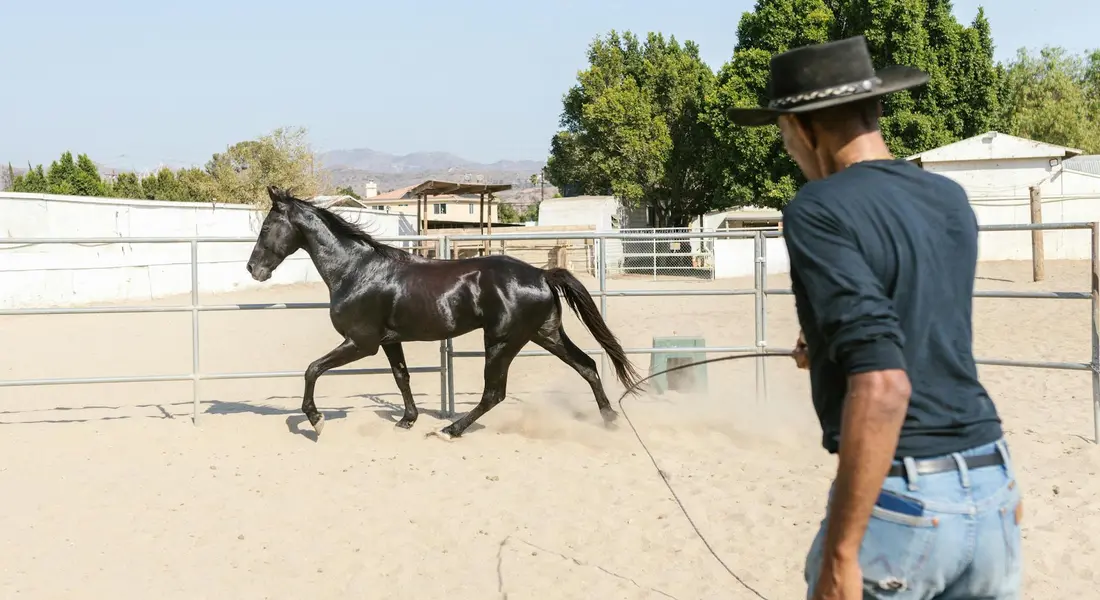
This isn’t about fear, it’s about foresight. The safety dynamic between a stallion and a gelding is fundamentally different, and your daily routine must reflect that. Your handling protocol sets the tone for every interaction, preventing accidents before they even have a chance to happen.
Handling a Stallion: A Step-by-Step Safety Mindset
Handling a stallion requires a conscious, unwavering mindset. It’s less about brute force and more about impeccable timing and clear communication. I’ve worked with a few over the years, and the ones with the best manners were managed by people who never, ever got lazy.
- Establish a Ritual: Begin every interaction the same way-a calm voice, a request to lower his head before haltering. This signals work mode, not play or breeding time.
- Command Your Space: Always move with purposeful energy. Ask him to back up, yield his hindquarters, and stand quietly before you open the stall door. A stallion that respects your personal space is a safer partner from the get-go.
- Anticipate Triggers: Know what stimulates him. Is it a mare calling? Another horse galloping past? Change your routine. Do chores when the barn is quiet, or walk him on a different path.
- Use the Right Tools: A sturdy, well-fitted halter and a long lead are non-negotiable. I always wear gloves for a better grip. This isn’t a punishment; it’s a practical safety net for both of you.
- Never Let Your Guard Down: This is the cardinal rule. You can have a soft heart, but you must have a focused mind. Complacency is the real danger here.
Handling a Gelding: Generally Safer but Still Respectful
Geldings are not harmless teddy bears-they are half-ton animals with opinions. The safety advantage is that their opinions are rarely hormonally charged. The biggest risk with a gelding is often handler complacency, leading to sloppy ground manners that anyone can get hurt by.
With my old reliable Rusty, I still practice the basics every single day. He must stand quietly for grooming and tacking, back off when I say “over,” and not drag me to the patch of clover. I treat him with the same clear boundaries I would a stallion, just without the same level of underlying tension. Respectful handling, regardless of gender, creates a predictable and safe horse for you, your vet, and your farrier. A pushy gelding stepping on your foot hurts just as much as a stallion doing it.
Cost Breakdown: The Real Price of Ownership
Let’s talk dollars and sense. Beyond the purchase price, the ongoing budget tells the true story. You need to plan for the predictable and pad for the unexpected.
Stallion Costs: The Premium for Specialized Management
Everything for a stallion often comes with a “risk” or “special handling” surcharge. Their management demands directly impact your wallet.
- Housing: Stronger stall walls, higher, reinforced fencing, and often individual turnout. Boarding fees at facilities that accept stallions are significantly higher, if they accept them at all.
- Feed & Supplements: Higher-protein diets to maintain muscle and condition can be costlier. You may also spend more on calming supplements to manage temperament.
- Farrier & Vet: Standard care costs the same, but the behavioral risk is factored in. Some vets and farriers charge more for stallions due to the need for extra handlers or sedation.
- Liability Insurance: This is critical. Your general liability policy may not be enough, or may exclude intact animals. A separate equine liability policy is a must.
- The “Oops” Factor: The financial and legal liability of an accidental breeding is astronomical. This constant risk is a hidden cost that weighs on every management decision.
Gelding Costs: Predictable and Often Lower
The gelding’s budget is the baseline for horse ownership-it’s what most standard costs are calculated on. The removal of hormonal drive removes a major variable from the equation.
- Housing: Can be turned out with compatible herds, utilizing standard paddocks and stalls. Boarding is at the standard rate, with vastly more options available.
- Feed & Supplements: Diet is based on work level, age, and metabolism, not hormonal status. You’re feeding for health and energy, not managing behavior through nutrition.
- Farrier & Vet: You pay for routine care. The initial gelding surgery is a one-time cost that pays for itself in saved management expenses over the years.
- Insurance: Mortality and major medical insurance are generally straightforward. Liability premiums are typically lower for geldings.
- Predictability: This is the ultimate cost-saver. You can plan your budget without a large line item for “behavioral management” or “specialized housing.” The financial peace of mind that comes with a gelding allows you to spend your funds on training, tack, and trails instead of damage control.
Making Your Decision: Matching a Horse to Your Life
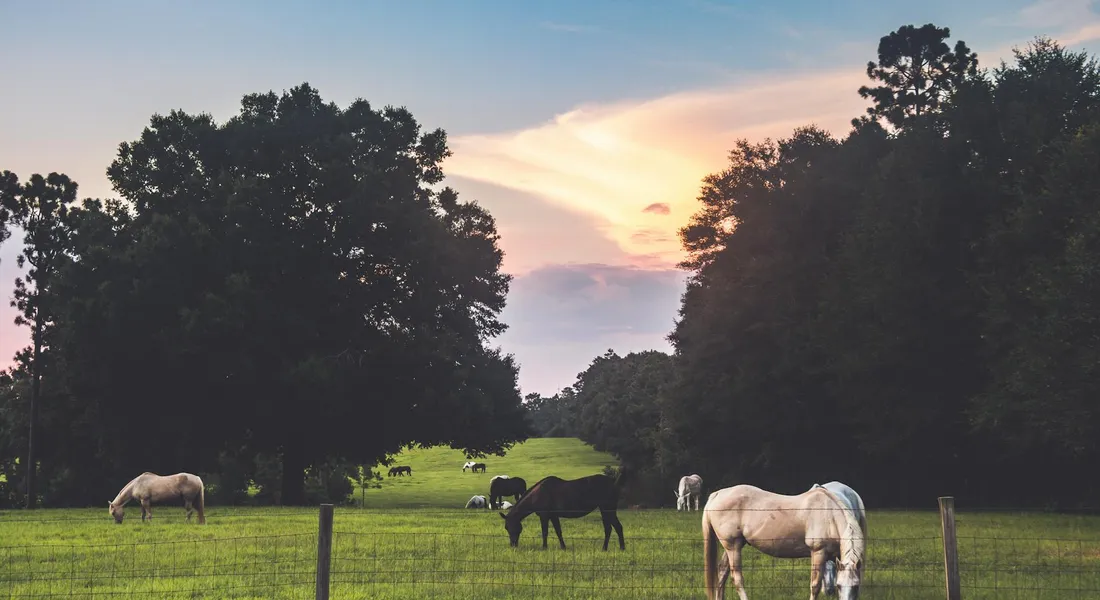
Choosing between a gelding and a stallion isn’t just about the horse’s anatomy; it’s about honestly fitting a thousand-pound animal into the rhythm of your daily existence. Your boarding situation, riding goals, and even your own patience level will dictate which choice leads to a harmonious partnership versus a daily management headache. I’ve seen blissful matches and stressful mismatches, all decided at this crucial stage.
Assessing Your Readiness: A Checklist for Non-Breeders
Before you fall for a pretty face, run through this barn-tested checklist. Your answers will steer you clearly.
- Facility & Turnout: Can your barn provide a stallion-safe paddock with double fences? Is there a schedule for solo turnout, and are staff trained to handle studs? If the answer is no, your decision is practically made for you.
- Your Experience: Be brutally honest. Have you primarily ridden schoolmasters, or have you helped bring along a sensitive project? A stallion will test your confidence and skill every single day.
- Your “Why”: Are you looking for a reliable trail partner for weekend wanderings, or are you aiming for high-level competitive success in a discipline where stallions are common? Your purpose matters.
- Daily Time Commitment: Beyond riding, are you prepared for the extra minutes of vigilant handling during every feed, vet, and farrier visit? A gelding can be more forgiving of a rushed day.
- Herd Dynamics: Do you dream of a peaceful group pasture? Geldings typically integrate. A stallion means permanent separation, which can impact your horse’s social life and mental well-being if not managed creatively.
I remember a boarder who adored a talented young stallion but boarded at a busy family-friendly facility; the constant anxiety of “what if” during turnout times eventually overshadowed the joy of riding him. The choice should bring peace, not perpetual worry.
Training Philosophy: Gentle Horsemanship for Either Choice
Whether you choose a gelding or a stallion, your training approach must be rooted in consistency, fairness, and clear communication. The hormones may differ, but the need for respect and trust does not.
With my sensitive mare Luna, a heavy hand or raised voice shuts her down completely. That same principle applies tenfold to a stallion, where frustration can quickly escalate to danger. Every interaction, from haltering to grooming, is a training session that reinforces either calm submission or agitated resistance. The thud of a stomping hoof is often a last warning sign you missed the quieter ones.
Your groundwork needs to be impeccable. Here’s a non-negotiable daily practice for any horse, but a critical safety routine with a stallion: teaching basic ground manners.
- Respectful Space: Teach and expect your horse to maintain a polite bubble around you unless invited in. I practice this with cheeky Pipin constantly, using body language to move his shoulders and hindquarters.
- Instant Yield to Pressure: A gentle tap on the shoulder should mean “step over,” and a touch on the chest means “back up.” This is your language for safe maneuvering in tight spaces.
- Standing Quietly: Reward calm behavior while tied, during grooming, and for vet care. This builds patience and discipline from the ground up.
The goal is a thinking partner, not a reactive animal. A well-trained gelding is a joy, but a well-trained stallion is a testament to meticulous, gentle horsemanship. The creak of your saddle should be the loudest thing in your partnership.
FAQ: Gelding vs. Stallion as a Pet
What is the practical difference between a gelding, stallion, and colt for a pet owner?
A colt is a young male under four, full of youthful energy but whose future temperament is still forming. A stallion is an intact adult male whose behavior is strongly influenced by reproductive hormones, requiring expert management. A gelding is a castrated male, typically offering the most predictable and manageable temperament, making him the default recommendation for a pet.
How does a gelding’s temperament realistically compare to a stallion’s for daily life?
A gelding’s temperament is generally more even-keeled and focused on social bonding, making daily handling and herd integration far simpler. A stallion’s temperament is inherently driven by breeding and dominance instincts, requiring constant situational awareness from the handler. For a non-breeder, a gelding provides a much wider safety margin and allows you to focus on bonding rather than constant instinct management.
Is there a noticeable size or weight difference between a gelding and a stallion?
There is no inherent difference in height based solely on whether a male horse is a gelding or stallion, as height is determined by breed and genetics. However, stallions often develop a more muscular, “cresty” physique due to testosterone, potentially making them heavier-bodied. Geldings tend to have a smoother muscle profile, but their weight is primarily managed through diet and exercise, not their status.
A Clear Choice for Companionship
When searching for a partner for pleasure, focus on temperament, training, and your own management capabilities over gender. For the vast majority of horse owners who are not professional breeders, a well-mannered gelding is almost always the safest and most rewarding choice.
No matter which horse you choose, your commitment to patient, consistent handling builds the trust that defines a true partnership. Your horse’s behavior is his language; learning to listen is the foundation of everything we do together.
Further Reading & Sources
- What’s Best for a Beginner? Stallion, Gelding or Mare?
- Gelding vs Stallion: What’s the Difference? – A-Z Animals
- Behaviour of donkey stallions, mares and geldings | The Donkey Sanctuary
- Gelding Vs Stallion: What’s The Difference? | Strathorn Farm Stables
At Horse and Hay, we are passionate about providing expert guidance on all aspects of horse care, from nutrition to wellness. Our team of equine specialists and veterinarians offer trusted advice on the best foods, supplements, and practices to keep your horse healthy and thriving. Whether you're a seasoned rider or new to equine care, we provide valuable insights into feeding, grooming, and overall well-being to ensure your horse lives its happiest, healthiest life.
Behavior