
Matching Horse Personality to Your Riding Style: Your Guide to a Safer, Happier Partnership
Hello fellow equestrians. That feeling of disconnect in the saddle-the horse that spooks at shadows when you want a quiet trail, or the placid mount that feels dull to your ambitious cues-is more than just annoyance. It’s a recipe for safety risks, behavioral fixes, and stalled progress that can dampen your joy.
Getting this match right changes everything. In this guide, I’ll walk you through:
- Decoding common equine personalities, using the real horses in my barn as examples.
- Taking an honest look at your own riding goals and daily reality.
- Practical steps for trialing a partnership before making a long-term commitment.
- Key signs of harmony-and red flags- to watch for in your daily rides and care routine.
This advice comes from my years as a barn manager and trainer, where matching temperaments is a daily dance of observation, patience, and listening to the thud of hooves on clay.
What Is Horse Temperament and Why Does It Matter?
Think of horse temperament as their built-in operating system. It is that unique blend of curiosity, patience, spookiness, and grit that dictates how they handle a flapping tarp or a new rider. This is not about judging a horse as “good” or “bad”. It is about fit. A proper match means less frustration for you and less stress for the horse, turning chores and rides into joyful partnership instead of a daily battle.
The Core of a Safe Partnership
Safety is the foundation of every good ride, and temperament is its cornerstone. A nervous rider on a highly reactive horse is a recipe for a bolt. A confident, bored rider on a sluggish mount might push for dangerous excitement. I learned this watching a novice friend try to school Luna, my sensitive Thoroughbred. Her tense energy amplified his nervous cues, creating a spiral of anxiety. Finding a horse whose natural reactions align with your own confidence creates a feedback loop of trust, not tension. That trust grows from building a strong bond with your horse. Consistent, calm groundwork turns moments of training into teamwork. A reliable horse like my quarter horse, Rusty, offers a safe space to learn; his steady nature forgives clumsy aids and builds rider confidence from the ground up.
Nature vs. Nurture in the Pasture
Is a horse born bold or made that way? The answer is both. Genetics set the baseline, but upbringing writes the rest of the story. A horse with a naturally anxious disposition can become much steadier with patient, consistent handling and plenty of turnout with buddies. Conversely, a naturally calm soul can become sour if cooped up in a stall. Daily turnout is non-negotiable for mental well-being; it allows horses to just be horses, working out herd dynamics and burning off nervous energy at a gallop. Take Pipin, our Shetland pony. His clever escape artistry is pure born personality, but through gentle guidance and positive reinforcement, we channel that intelligence into puzzle toys instead of broken latches.
Assessing Your Own Riding Profile First
Choosing a horse is not just about their personality. It is a mirror. You must look at your own reflection-your skills, your dreams, your real-life schedule-with brutal honesty. This self-assessment is the most responsible step you can take for your future equine partner, ensuring you choose the right horse for your experience level and lifestyle.
Your Riding Experience and Confidence Level
Be real with yourself. How do you feel when a horse shies? If your heart jumps into your throat, you need a teacher on four feet, not a project. List your recent riding history:
- Less than 2 years of consistent lessons? Seek a “been there, done that” schoolmaster.
- Comfortable at all three gaits but easily frustrated? A willing, forgiving temperament is key.
- Confident in correcting bad behavior? You might handle a greener or more spirited horse.
Your confidence level dictates the amount of “bravery” you need your horse to supply for the team. I always advise new boarders to ride a horse like Rusty first; his steady mind lets you focus on your seat, not survival. Just be careful not to make common mistakes that undermine your horse’s confidence.
Your Riding Discipline and Goals
Your ambitions shape the temperament you need. A horse built for quiet trail rides has a different mindset than one bred for the show ring. Consider these matches:
- Trail Riding: You need a curious, bombproof horse. Rusty ignores deer but still hates puddles-knowing his one quirk is manageable.
- Dressage: Look for a horse that is sensitive to aids but patient with repetition. Luna has the sensitivity but requires a rider with soft, precise hands.
- Low-Level Jumping: A brave, honest horse that loves to go forward is ideal. Avoid overly cautious or hot types initially.
- Companion/ Light Pleasure: A cheerful, easy-going personality like many older geldings provides joy without competitive pressure.
Your goal should not force a square-peg temperament into a round-hole discipline; it is about finding harmony between innate desire and your ask.
Your Weekly Time and Energy Commitment
Horses read your energy the moment you walk into the barn. If you are rushed and stressed after a long work day, a high-maintenance horse will feed off that. Ask yourself:
- How many days per week can I truly commit to hands-on care and riding?
- Do I have the energy for lengthy grooming, careful groundwork, and patient cool-downs?
- Can I ensure my horse gets daily turnout, even if I cannot ride?
A horse like Luna thrives on routine and detailed work; skip days and she becomes a tense bundle of nerves. A lower-energy horse or a laid-back pony like Pipin can be more forgiving of an inconsistent schedule, as long as their basic welfare needs are always met. Gentle horsemanship is not a sometimes practice; it is a time commitment that pays back in trust and calmness.
Common Horse Personality Types Decoded
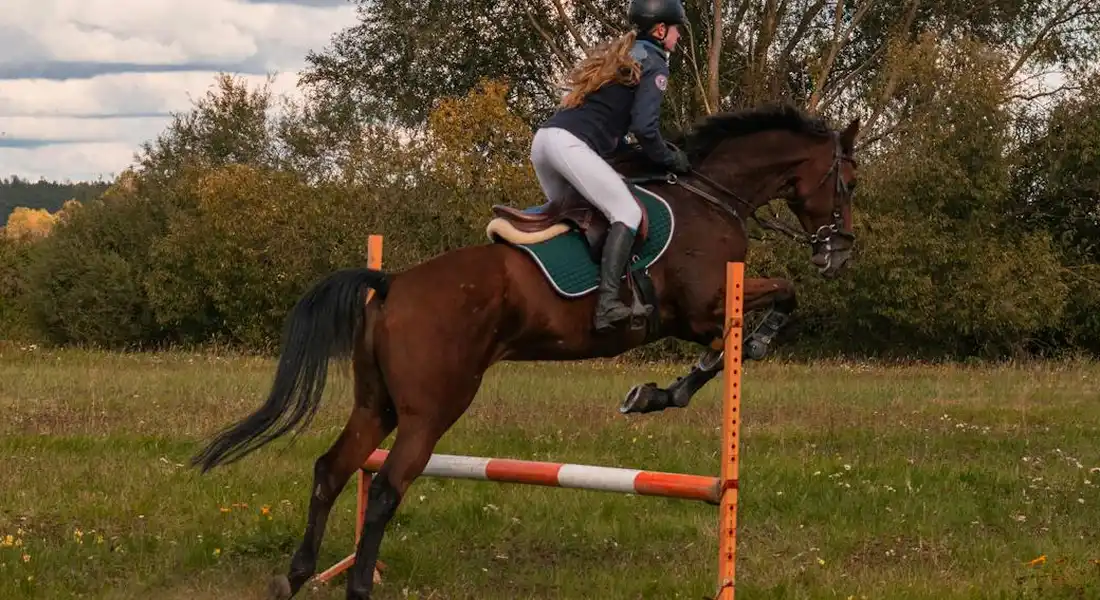
After years of mucking stalls and listening to the quiet chomp of hay at dusk, I’ve learned horses speak volumes without a word. Their personality isn’t just about being “good” or “bad”; it’s a blueprint for partnership. Recognizing these core types is your first step toward a happier, safer ride for both of you. For a deeper dive, the understanding horse behavior psychology complete guide can illuminate why these signals arise and how to respond. It helps turn observation into practical strategies you can apply on every ride.
The Steady and Reliable Horse
Think of your favorite, broken-in leather boot-comfortable, predictable, and always there. This horse is your rock. They might not win a race, but they’ll calmly walk past a flapping tarp. My old gelding, Rusty, is the poster horse for this. He’s a sorrel Quarter Horse who would rather take a long way around a puddle than fuss about it. For new riders or those seeking stress-free miles, this temperament is pure gold.
Their key traits often include:
- A calm, “been there, done that” attitude in new situations.
- Forgiveness for occasional clumsy cues or unbalanced riding.
- A strong preference for routine and quiet consistency.
I always advocate for ample turnout for these souls; it keeps their steady mind from becoming dull. A bored, reliable horse can still develop stall vices.
The Sensitive and Reactive Horse
This horse feels everything tenfold-the shift of your weight, a new smell on the wind, a too-tight girth. My mare Luna, a dapple grey Thoroughbred, taught me to breathe softly and think before I act. They are not being “naughty”; they are wired to respond instantly, a trait that can be brilliant or overwhelming.
Working with them requires a toolkit of patience:
- Use light, consistent aids-heavy hands create panic.
- Build trust through routine and positive reinforcement.
- Provide plenty of free movement turnout to let them process energy and stimuli safely.
Their sensitivity makes them incredible athletes for a rider with soft, confident hands. They mirror your emotions perfectly, so if you’re tense, they will be too.
The Strong-Willed and Independent Horse
Meet the clever problem-solver. This horse, like our Shetland pony Pipin, would rather figure out how to open the gate latch than wait for you to do it. They are intelligent, often food-motivated, and can test boundaries. This independence isn’t defiance, but a confident mind seeking engagement.
They thrive on clear, fair leadership and mental challenges. Without it, they’ll invent their own games, often involving escapes. Gentle horsemanship is key here-force creates resentment. Instead, make the right thing easy and the wrong thing difficult. Turnout in a secure, interesting paddock is non-negotiable to satisfy their curious nature.
The Willing and Athletic Partner
This horse loves to work and please. They are the ones watching you from the pasture, eager for the saddle. They possess a natural balance and drive that makes advanced maneuvers feel possible. They are a true partner, offering their athleticism in exchange for thoughtful guidance.
Their eagerness means they can become sour if overworked or confused. They need:
- Varied workouts to keep their mind fresh.
- Precise, fair riding to channel their energy correctly.
- Ample rest and turnout to prevent stiffness and maintain mental zest.
I’ve found these horses often excel when their physical job is matched with a rider who provides clear, consistent communication. This also ties to whether horses enjoy being ridden and how they respond to cues. A responsive horse makes riding a two-way conversation, not a one-sided task.
Matching Temperament Traits to Your Riding Style
Now, let’s pair those personalities with purpose. The right match feels like dancing; the wrong one feels like a wrestling match. Your safety and the horse’s welfare hinge on this compatibility more than any breed or color.
Best Matches for Trail and Pleasure Riding
You want a horse that finds joy in a slow walk and doesn’t spook at every squirrel. The Steady and Reliable type is your ideal companion here. Think of Rusty, who values a calm trail over excitement. A horse with a quiet mind lets you enjoy the scenery, not just manage the ride.
Look for these traits:
- Low reactivity to common trail obstacles like bikes or dogs.
- Comfort walking out alone or in a group.
- Good stamina and a steady, comfortable gait.
These horses often thrive with lots of turnout, which keeps them physically and mentally prepared for varied terrain.
Best Matches for English Disciplines (Dressage, Jumping)
Precision and subtle communication are the heart of English riding. The Willing and Athletic Partner is often a dream here, blending power with a desire to cooperate. The Sensitive and Reactive horse can also shine in these disciplines with a rider who treats pressure as a whisper, not a shout.
For dressage, sensitivity to aids is crucial. For jumping, a mix of boldness and carefulness is key. I’ve seen sensitive types like Luna become beautiful dressage horses when given time and trust. The athletic partner needs a rider who can provide the technical structure to match their engine.
Best Matches for Western Disciplines
Western riding often values a cool head, cow sense, and durability. The Steady and Reliable horse excels at trail classes or ranch work. The Strong-Willed and Independent type can be phenomenal at cutting or reining, where initiative and quick thinking are assets. A horse that thinks for itself is valuable in the arena, but only if you’ve built a dialogue of mutual respect.
Consider these points:
- Steady horses are ideal for long hours and beginner western pleasure.
- Independent, intelligent horses need jobs that channel their mental energy, like working cattle.
- Regardless of discipline, ensure your tack fits perfectly to avoid creating sourness in any horse.
The Critical Role of Rider-Horse Confidence
This is the secret sauce. Your confidence level directly feeds your horse’s. A nervous rider on a sensitive horse is a recipe for anxiety. A timid rider on a strong-willed horse may get bullied. Be brutally honest with yourself about your own skills and fears; it’s the kindest thing you can do for your equine partner.
A confident rider can help a sensitive horse find bravery. A confident, patient rider can earn the trust of an independent soul. Sometimes, the best match is a horse that is slightly less challenging than you think you want, because that’s how confidence grows. Remember, a horse spending most of its day turned out in a herd is generally more mentally balanced and ready to partner up, no matter the discipline.
Breed Tendencies and the Individual Horse
General Breed Temperament Guides
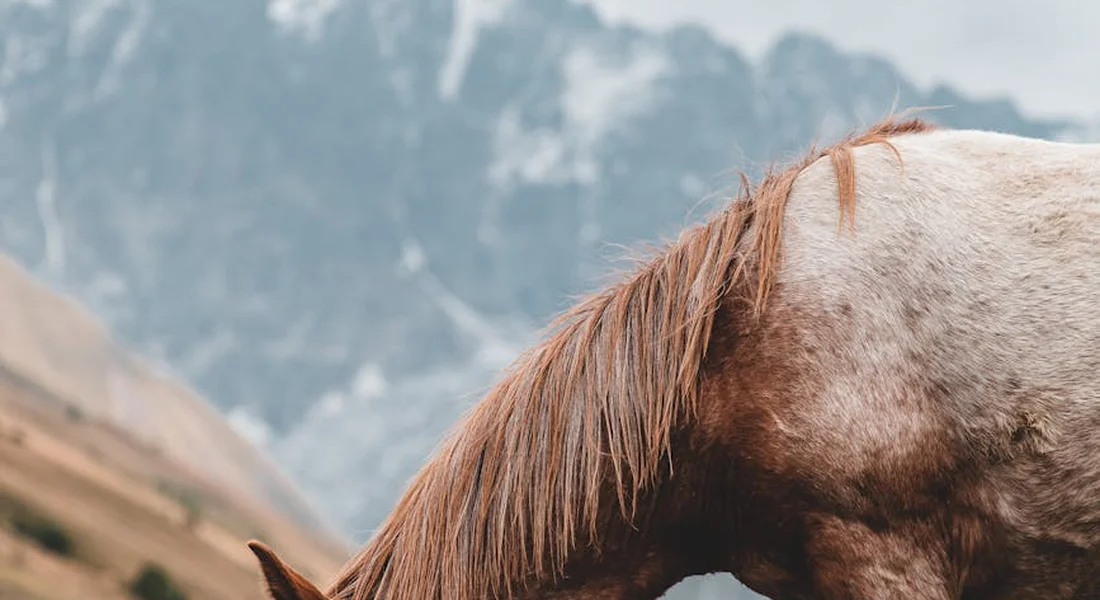
Think of breed descriptions like a weather forecast: generally helpful, but you always pack an extra layer just in case. Quarter Horses, like my old buddy Rusty, often earn their “steady Eddy” reputation from centuries of ranch work. They can be your unflappable trail partner, though some will still side-eye a suspicious puddle. If you have breed-specific questions, keep them in mind as you read. In the next steps, we’ll supply breed-focused links that answer those questions. Thoroughbreds, bred for speed and heart, can be as finely tuned as Luna, feeling a fly land three pastures over. Shetland Ponies? Their intelligence is legendary. Pipin once undid three stall latches before breakfast to raid the grain room. Breed tendencies give you a starting point, a hint of what might be in the horse’s wiring, but they are never a guaranteed personality profile.
These patterns exist for a reason. A draft cross often brings a calm strength to a lesson program, while many Arabians offer fiery endurance. I’ve seen this play out in my own barn management. Yet, I’ve also fed grain to a Thoroughbred who’d rather nap than run and groomed a Quarter Horse with the nerves of a soap bubble. Your riding style needs a living, breathing partner, not a textbook stereotype.
Looking Beyond the Breed Label
I once passed on a flashy Appendix horse because his breed mix suggested “hot,” only to watch a teenager win ribbons on him months later. His secret? A patient start on a quiet farm with endless turnout. That taught me to look deeper. The horse’s personal history-its “job,” its friends, its daily routine-shapes it more than any pedigree line. Focus on the horse in front of you, not the label on its papers.
Here is what truly defines a horse’s temperament:
- Upbringing: Was it handled gently from day one, or did it learn to brace against pressure?
- Current environment: Does it live out in a herd or spend 23 hours in a stall?
- Training methods: Was it asked with patience or forced with fear?
- Health status: A sore back or bad teeth can make any saint grumpy.
Listen to the horse’s story. The way it sighs when you scratch its withers or how it watches the herd from the gate tells you more than any breed registry. A happy horse, one with ample turnout and kind treatment, will always show you its best self. By reading its body language, you can tell when the horse is happy and at ease. Look for relaxed ears, soft eyes, and a loose, free movement as telltale signs.
Practical Steps for Testing Compatibility
Observing the Horse in Its Environment
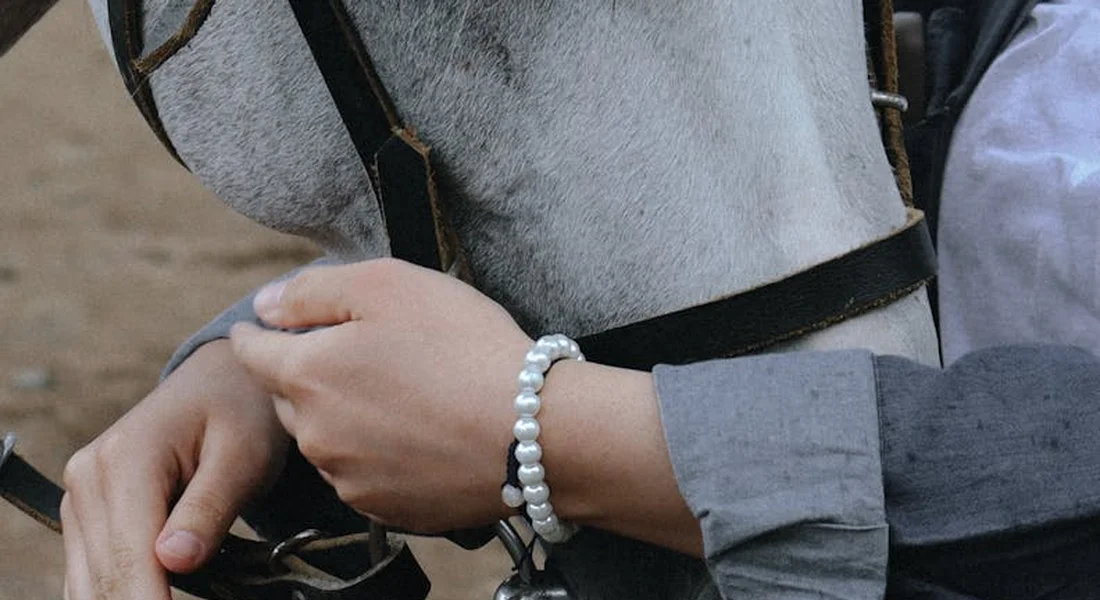
Skip the formal showing at first. Ask to watch the horse when it doesn’t know it’s being auditioned. Pull up a bucket and just observe. Notice the rhythm of its life. Does it doze in the sun with a lowered lip, or is it pacing the fence line? How does it interact when the herd is turned out? The boss mare might be too confident for a first-time owner, while the easygoing gelding on the fringe could be perfect. You learn more in twenty minutes of silent observation than in an hour of staged demonstrations.
Pay attention to these key moments:
- The catch: Does it walk up to you or turn tail? This speaks volumes about its human associations.
- Hoof handling: A horse that picks up its feet easily for the farrier has learned trust.
- Grooming response: Does it lean into the curry comb or tense up? This reveals comfort with touch.
- Feeding time: Is it polite or pushy? Manners at dinner translate to manners under saddle.
Smell the hay, listen to the thud of hooves on dirt. A calm, predictable environment often produces a calm, predictable horse. If the barn feels chaotic, the horse likely will be too.
The All-Important Trial Ride
Now, for the ride. This isn’t about testing flying lead changes; it’s about feeling the conversation. Start on the ground. Note how it accepts the saddle pad-a flinch could mean saddle fit issues. Watch for the calm blink as the girth is snugged. When you mount, does it stand like a rock or dance away? That initial reaction sets the tone. Your trial ride should mimic your most common, boring day, not your dream scenario.
Follow these steps for a safe, informative test:
- Warm up on a long rein. Let the horse move out and show you its natural rhythm.
- Ask for basic transitions: walk to trot, trot to walk. Look for willingness, not perfection.
- Test steering with light direct rein and then softer neck reining. Does it understand your seat?
- Introduce a small distraction, like a flapping tarp or a bucket. Gauge the reaction-is it curious or fearful?
- End with a long, relaxed walk. Does it settle quickly, or is it still wired?
Feel the quality of the walk. A swinging, ground-covering walk often indicates a sound mind and body. You are looking for a partner who listens, not just one who performs.
Building the Bond After You Buy or Lease
Congratulations, you found your match! Now the real work-and joy-begins. The first week is not for training; it’s for decompression. Let them be a horse first. I always give new arrivals at least three days of just turnout, grooming, and hand-grazing before any serious riding. This builds trust without pressure. Relationship building happens at the hitch rail, in the pasture, and during quiet moments, not just in the arena.
Invest time in these bonding activities:
- Hand-walk them on new trails. Explore together without the riding agenda.
- Spend time in their stall or pasture just brushing. Find that sweet spot that makes their lip quiver.
- Feed treats by hand, but insist on manners. Teach them to be gentle, not greedy.
- Observe their herd dynamics during turnout. Understanding their social needs reduces stress.
Remember Rusty, who hates puddles? We built confidence by walking past puddles daily, stopping to graze near them, until one day he just marched through. Patience rewires expectations. Gentle horsemanship means building a yes, not demanding obedience. Your riding will improve because your horse is willing, not just obedient.
FAQ: Temperament Guide – Matching Horse Personality to Your Riding Style
How important is a horse’s willingness to learn/trainability to you?
Trainability is crucial as it directly impacts your progress and safety. A highly trainable, willing horse can accelerate learning for a novice and execute complex tasks for an advanced rider. For any partnership, a horse’s desire to understand and cooperate makes daily interactions more rewarding and less frustrating.
What is your ideal horse’s energy level?
Matching energy levels prevents frustration; a high-energy rider can bore a calm horse, while a relaxed rider may feel overwhelmed by a spirited one. Your realistic schedule is key, as a very energetic horse often requires consistent work to stay balanced. The goal is harmony, where the horse’s natural drive complements, rather than conflicts with, your riding rhythm and available time.
How do you handle a horse that is occasionally nervous or spooky?
First, ensure the horse’s environment includes ample turnout with companions, which is fundamental for mental balance. When spooking occurs, stay calm, breathe deeply, and redirect focus with a simple task like a circle or gentle leg-yield. Building confidence through repeated, positive exposure to low-level stressors in a controlled setting is more effective than punishment.
Finding Your Barn Mate
Your riding goals and honest skill level should guide your search for the right equine partner. The best matches happen when a rider’s experience aligns with a horse’s energy and confidence, not just their breed or color. A quick horse breed selection quiz can help you see which breeds fit your style. It can steer you toward your perfect match.
Give any new partnership time to develop, and always prioritize your horse’s comfort and communication. The most rewarding rides are built on mutual trust, which starts by listening to what your horse tells you every single day.
Further Reading & Sources
- Understanding Horse Personalities, Part 1: The 4 Basic Personality Types
- r/Horses on Reddit: Tell me something about your equine’s individual and unique personality that makes him/her special.
- Horse Personality Types | Strathorn Farm Stables
- What kind of a personality should you have to horse back ride? – Quora
At Horse and Hay, we are passionate about providing expert guidance on all aspects of horse care, from nutrition to wellness. Our team of equine specialists and veterinarians offer trusted advice on the best foods, supplements, and practices to keep your horse healthy and thriving. Whether you're a seasoned rider or new to equine care, we provide valuable insights into feeding, grooming, and overall well-being to ensure your horse lives its happiest, healthiest life.
Behavior