
What is a Healthy Exercise and Turnout Schedule for Your Horse?
Published on: December 14, 2025 | Last Updated: December 14, 2025
Written By: Henry Wellington
Hello fellow equestrians, are you watching your horse pace the fence line or chew on their stall with that restless look in their eye? That stir-crazy behavior and the worry over costly lameness or colic bills are signals we can’t ignore.
Getting the balance of movement and rest wrong chips away at their health and your peace of mind. I’ve spent many mornings listening to the rhythmic thud of hooves on stall walls, knowing it was time to rethink a schedule.
Let’s build a routine that works. In this guide, I’ll show you how to craft a plan that honors your horse’s nature. We will cover:
- the absolute minimum daily turnout for a sane mind and sound body
- how to blend different exercise types like hacking, schooling, and liberty work
- reading your horse’s unique signals for more rest or more movement
- practical barn hacks to maximize turnout, even with limited space
This advice comes from my years in the barn aisles and training rings, tailoring life for clever ponies like Pipin and sensitive souls like Luna.
Why Your Horse’s Health Hinges on Movement and Freedom
I’ve seen too many bright horses grow dull staring at the same four walls. Their health isn’t just about clean water and hay; it’s about miles grazed under the sky and the freedom to choose a sunny spot. Confinement is the silent thief of equine well-being. Creating a safe, enriching environment for your horse is part of daily care, not a one-off luxury. A well-designed space invites movement, exploration, and confidence. Daily turnout isn’t a luxury or a reward-it’s as fundamental to your horse as oxygen.
The Physical Payoff: Joints, Digestion, and Hooves
Think of your horse’s body as a complex, fluid-driven machine meant to be in motion. Standing still lets everything settle and stiffen. When my old gelding, Rusty, gets his daily wander, I can literally see the difference in his step.
- Joints: Movement pumps synovial fluid, the joint’s natural lubricant, through cartilage. It’s like oiling a hinge. A stiff, stalled horse is a creaky gate; a moving horse is a swinging door.
- Digestion: The equine gut is designed for near-constant forage intake while ambling. Movement stimulates intestinal motility. A horse with limited turnout is at a higher risk for colic and digestive stagnation.
- Hooves: The hoof mechanism-the expansion and contraction of the heel with each step-acts as a secondary heart, pumping blood back up the leg. Dry lot or pasture time strengthens digital cushions and promotes healthier, drier hooves than constant standing in a stall.
Regular movement circulates their very life force, from their joints to their gut to the tips of their hooves.
The Mental Magic: Reducing Stress and Boredom
A bored horse is an inventor of trouble. I learned this early with Pipin, our Shetland, whose Houdini acts were directly proportional to his stall time. Mental well-being is physical well-being.
Turnout provides choice: to roll, to run, to socialize, or just to stand and doze in a new spot. This agency reduces cortisol, the stress hormone. You can’t train or ride away the deep-seated stress caused by 23-hour confinement; that anxiety leaks out in other, often dangerous, ways. Wood chewing, weaving, and stall walking are distress signals, not bad habits. A tired mind from a day in the field is a calm, willing partner in the arena.
The Building Blocks of Equine Fitness: Exercise Essentials
Fitness is built like a house: you need a solid foundation before you add fancy gables. Whether you’re aiming for trail rides or dressage tests, the principles are the same. It’s about consistency, not heroics.
Frequency, Duration, Intensity: The Golden Triangle
You must balance these three elements. Increase only one at a time to avoid injury.
- Frequency: For most pleasure horses, 4-5 days of purposeful exercise per week is a sustainable goal. This is more effective than one marathon session on Saturday.
- Duration: Start with just 20 minutes of focused work. Build the time slowly before you ask for more speed or harder maneuvers.
- Intensity: This is the “how hard.” A long, slow trail ride is low intensity. A series of collected canters is high intensity. Luna, my Thoroughbred, needs more intense mental focus to tire her brain, while Rusty needs longer duration at a lower pace.
Always err on the side of shorter, more frequent, and less intense sessions to build a durable athlete.
The Non-Negotiables: Warmup and Cooldown
Skipping these is like revving a cold engine and then slamming it into park. The warmup is your horse’s time to physically and mentally connect.
- Begin with 5-10 minutes of active walking on a loose rein. Let them stretch their neck down and forward.
- Progress to large, sweeping circles and gentle bends at the trot, encouraging them to step under with their hind end.
- Listen for the soft snort and feel for a swinging back-these are signs they’re ready for more.
The cooldown is equally critical. Walking until their breathing is normal and their neck is no longer sweaty is the single best thing you can do to prevent muscle cramping and speed recovery. It’s not optional downtime; it’s part of the work. I always plan my ride time to include a full 10-minute walk back to the barn.
Turnout Unveiled: It’s Not Just a Field Trip
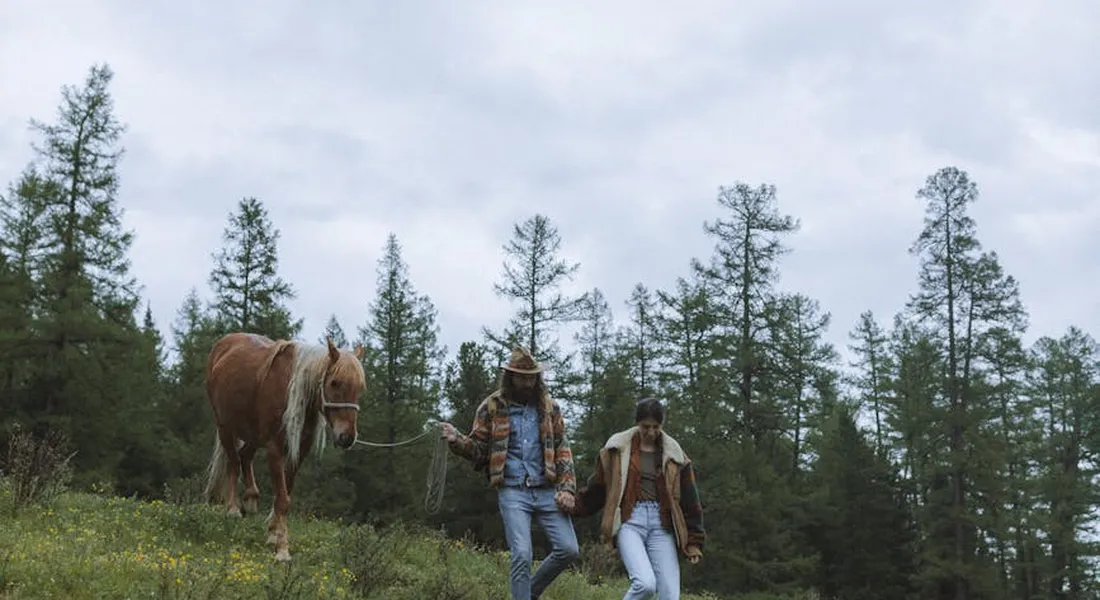
From my gate-watching hours, I can tell you turnout is a core physiological need, not a luxury. It’s the difference between a horse who copes and a horse who thrives. A stalled horse is a contained force of nature; turnout lets that energy dissipate naturally through movement and social negotiation. That mindset aligns with the ‘good horse, tired horse’ approach, where we debunk five common turnout myths about exercise. It’s the kind of nuance I unpack there, with practical takeaways you can apply today.
Think of daily turnout as your horse’s non-negotiable mental health reset, a time to just be a horse. Enrichment—such as varied environments, forage opportunities, and safe social interaction—bolsters your horse’s mental health. The benefits are physical, too: unrestricted movement lubricates joints, promotes healthy hoof mechanism, and supports a robust digestive system by allowing for nearly constant, trickle-feeding.
Pasture vs. Paddock: Access and Grazing Time
The choice between pasture and a dirt paddock isn’t just about space-it’s about managing your horse’s diet and movement. I manage both with my crew, and each serves a distinct purpose. Understanding the benefits of different turnout environments helps you decide what’s best for your horse.
A lush pasture is a full buffet. It provides nutrition, mental stimulation, and the most natural movement pattern. You must monitor grazing time to prevent laminitis, especially for easy keepers like Rusty or metabolic types. Using a grazing muzzle on Pipin allows him hours of movement with controlled intake, a fair compromise for his rotund pony physique.
A dry lot or paddock is a movement arena. It’s for the horse who needs restricted sugars, like a thoroughbred like Luna on a diet. Here, the focus is purely on socializing and walking. You must provide all forage in a slow-feeder net to mimic grazing and prevent ulcers, turning a potential problem area into a therapeutic space.
- Pasture Prime: Best for horses needing weight gain, offering varied terrain, and promoting natural foraging behavior. Requires careful rotation and monitoring for overgrazing.
- Paddock Protocol: Essential for weight management, controlling insulin-resistant horses, and providing safe turnout when ground conditions are overly wet or muddy.
- The Hybrid Approach: Many successful barns use both. Horses might spend mornings on pasture and afternoons on a dry lot with hay, balancing nutrition with calorie control.
Beyond Grazing: Water, Shelter, and Herd Dynamics
A safe field is more than grass and fences. It’s an entire ecosystem that must meet all basic needs. I’ve seen a water tank run dry on a hot day; the panic is immediate and collective.
Clean, abundant water accessible far from manure areas is the single most critical element, more important than the quality of the grass. Check tanks twice daily, not just for level but for cleanliness-a bird dropping or a slime layer can put a horse off drinking.
Shelter is about choice, not just storms. A three-sided run-in provides escape from biting insects under a hot sun or a cold, driving rain. Horses need the option to get out of the weather; forcing them to stand in a squall is a welfare issue. Watch your herd: the low mare might claim the shelter, so ensure there’s enough space for the more timid members.
Herd dynamics dictate safety. Introduce new members slowly over a safe fence line first. Quarantine is non-negotiable for newcomers. Pairs or small, compatible groups reduce injury risk; a solitary horse is often a stressed horse, but a large, unstable herd is a kicking hazard. Observe who moves who, and ensure your fencing is highly visible and maintained without protruding nails or loose wires.
Crafting the Perfect Week: A Practical Schedule Builder
Building a schedule isn’t about filling boxes on a calendar. It’s about creating a predictable, horse-centric rhythm that builds fitness and peace of mind. The best schedule is the one you can consistently maintain, because consistency is the bedrock of a horse’s mental and physical security. Let’s break it down.
Step 1: Assess Your Horse’s Current Condition and Role
You wouldn’t ask a weekend hiker to run a marathon tomorrow. Start by taking an honest look at your equine partner. Is your horse a lightly-trailed pleasure mount like Rusty, an athletic project like Luna, or a hardy companion like Pipin? Their job dictates their fitness needs. Run your hands over their body weekly, feeling for new muscle, lingering soreness, or weight changes; this tactile feedback is more valuable than any planner.
Consider these common profiles:
- The Weekend Warrior (e.g., Rusty): Maintains soundness with steady, moderate work. Focus is on consistency over intensity.
- The Athlete in Training (e.g., Luna): Requires progressive, structured workouts with meticulous attention to warm-up and cool-down.
- The Happy Keeper (e.g., Pipin): Needs daily movement and mental enrichment to prevent obesity and boredom, often more about play than formal work.
Step 2: Balance Work Days with Active Recovery
Every hard day needs an easy friend. I structure my week around a simple rule: for every day of focused, sweat-inducing work, the next day is for active recovery. True recovery isn’t a day in the stall; it’s movement that increases circulation without stressing the mind or body. This is how you build durability.
A sample mid-week block for a pleasure horse might look like this:
- Day 1 (Work): 45-minute riding session with 15 minutes of focused trot work, practicing transitions and circles.
- Day 2 (Active Recovery): 30 minutes of hand-walking or grazing on a hillside, followed by a long, relaxed turnout with buddies.
- Day 3 (Light Work): 30-minute trail walk or 20 minutes of in-hand pole work to engage the brain differently.
For an athlete, your “work” days are more intense, but the principle remains. A slow, deliberate hack on a loose rein is not a wasted day; it’s the therapy that allows muscles to repair and the mind to reset.
Step 3: Integrate Turnout into the Daily Rhythm
Turnout is non-negotiable, not an add-on if you have time. It is the foundation of everything else. I plan riding and chores around turnout, not the other way. Your horse’s digestive system and mental health are designed for near-constant, slow movement, which only quality turnout can provide. That’s why stall vs pasture boarding is an honest comparison for your horse’s well-being. The right turnout setup can hugely affect health, mood, and daily movement.
Here’s how to weave it into your daily template:
- Ideal: 12+ hours of daily turnout in a safe, spacious area with compatible friends.
- Practical Minimum: If full-day turnout isn’t possible, split it. Aim for a 4-6 hour block in the morning, then another in the evening after riding or cooling down.
- The Stable Hack: Feed hay in multiple, slow-feed nets placed far apart in the paddock. This forces movement and mimics natural grazing, turning idle standing into constructive activity.
Remember, a horse standing in a paddock alone is only half-fulfilling the need. Social interaction is a core component of turnout; a quiet horse grazing with a friend is a horse not developing stall vices or anxiety. The thud of hooves as they move off together is the sound of a schedule working.
Tailoring the Plan: From Pasture Puff to Performance Partner
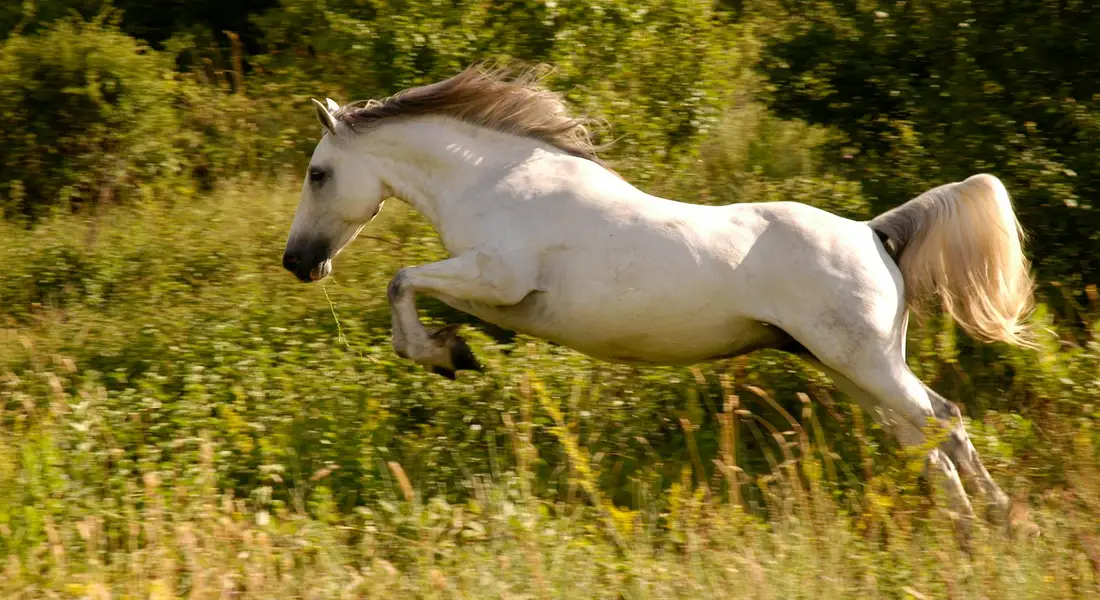
No two horses have the same job description. The schedule for a weekend trail horse shouldn’t mirror that of an eventer. Your horse’s fitness program must match his purpose, starting from where he is now, not where you wish he was. I’ve learned this the hard way, pushing a “pasture puff” a little too fast and spending a week nursing a sore muscle.
The Leisure Horse: Maintaining Baseline Fitness
This is your reliable Rusty. His job is to be sound, willing, and comfortable for an hour’s ride a few times a week. The goal isn’t peak cardio, but maintaining muscle tone, joint health, and a calm mind.
Daily turnout is non-negotiable. It’s his main source of movement and mental decompression. Under saddle, focus on consistency over intensity.
- Frequency: Aim for 3-4 ridden days per week.
- Duration: 30-60 minutes of active work is ample.
- Content: Long, slow warm-ups on a loose rein. Incorporate lots of walking hills, large circles, and gentle trot work. Think “steady and forward,” not “fast and flashy.”
- Key Focus: A good, swinging walk is the foundation. It builds topline without strain. If your horse is breathing hard, you’re going too fast for too long.
A leisurely hack with friends, where the conversation flows as easily as the gait, does more for a pleasure horse’s soul and soundness than any drill in the arena.
The Athlete in Training: Conditioning for Strength
Enter my Luna, the sensitive Thoroughbred. For horses in regular training for jumping, dressage, or endurance, turnout remains crucial for mental health, but work becomes more structured. The principle is progressive overload: slowly asking for more.
You must build a base. Just like a human runner, you cannot sprint before you can jog. I start any athletic horse with a solid month of long, slow distance work-walking and trotting-before introducing serious canter or discipline-specific drills.
- Foundation Phase (4-6 weeks): 5 days a week. 20-minute walk warm-up, 40 minutes of trot work with walk breaks, 10-minute cool-down. Focus is on cardiovascular fitness and tendon strength.
- Building Phase: Introduce canter sets. Example: After warm-up, two 3-minute canters on a long rein with 5 minutes of walking in between. Gradually increase the number and duration of canters over weeks.
- Sharpening Phase: Add sport-specific training like gymnastic jumping or collection. This phase is layered on top of the maintained cardiovascular base. Always follow a hard day with an easy one.
Listen to the thud of hooves on the rail; a tired horse will start to drag his feet. That’s your signal to wrap up and hose off. Monitoring recovery-how quickly breathing and heart rate return to normal-is your best gauge of fitness.
Special Cases: The Senior, The Injured, The Stall-Rest Patient
This is where gentle horsemanship shines. Our old friend Pipin the Shetland and many others need a custom approach. Movement is still medicine, but the dosage is critical.
For seniors, stiffness is the enemy. The rule is “motion is lotion.”
- Turnout must be daily, preferably with a calm companion to encourage gentle wandering.
- Ridden or hand-walked exercise should be short and sweet. 20 minutes of careful walking, maybe with a few steps of soft trot, does wonders for arthritis.
- Focus on comfort. A good warm-up takes longer. I often use a quarter sheet on chilly mornings for my older boarders.
For injured horses or those on stall rest, creativity saves sanity. Complete immobilization is often more damaging than controlled, minimal movement. With vet approval, I implement “hand-grazing as physical therapy.”
- Hand-walk for 10 minutes, just in a straight line out and back, to promote blood flow.
- Allow 20 minutes of grazing on a slight slope if possible. This encourages gentle stretching of the neck and back, and the walking to find the best grass patches is organic, low-stress movement.
- Use this time for bonding. Scratch their withers, breathe with them. A calm mind promotes healing.
The schedule here is not about fitness, but about maintaining circulation and preventing additional problems like stocking up or digestive stasis. Even five minutes of purposeful walking is better than none.
Keeping Tabs: How to Know Your Schedule is Spot-On
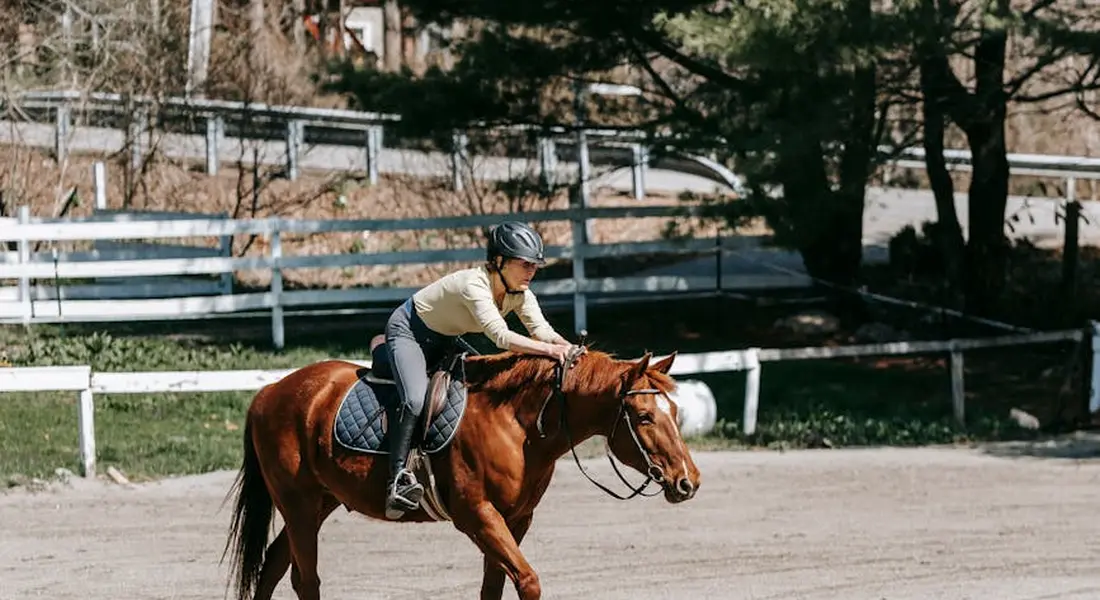
Think of your horse’s schedule like a good pair of jeans; when it fits right, everything just works. You’re not just following a clock, you’re reading a living, breathing animal. The best gauge isn’t on your phone, it’s in your horse’s eyes, body, and behavior during your daily interactions. I spend my days in the aisle listening to the rhythm of the barn, and that’s where you learn the real story.
Positive Signs: A Content and Sound Horse
When your balance of work and play is correct, your horse will tell you in a dozen quiet ways. It’s in the little things you notice during grooming or turnout.
A healthy mind shows itself clearly. Look for a horse that meets you at the gate with relaxed ears, not one hanging back or looking tense. You want a partner who is alert and interested in their surroundings, not dull or overly anxious. My Thoroughbred, Luna, used to be a tense washer when her work was too sporadic; a consistent schedule brought out a softer, more curious mare.
The physical signs are just as telling. Check for these markers of a good routine:
- Consistent Weight: A well-muscled topline and ribs you can feel but not see mean the calories in match the energy out.
- Steady Energy: They have pep for work but settle easily afterwards, without residual jitters or exhaustion.
- Sound Movement: No stiffness warming up, a fluid stride, and a willingness to move forward without resistance.
- Healthy Hooves & Coat: Strong hoof growth and a shiny coat signal good internal health from steady movement and digestion.
Watch how they use their turnout time. A content horse will spend most of it grazing, rolling, and walking peacefully. I judge a day’s success by the sound of Rusty’s deep, contented sigh as he digs into his evening hay net after a good trail ride.
Red Flags: Overtraining and Undertraining Symptoms
Horses are stoic, but they always communicate. Missing these signals is like ignoring a check engine light. Problems usually stem from too much pressure or not enough movement.
Overtraining wears a horse down, body and soul. Watch for these warnings:
- Behavioral Shifts: New resistance under saddle, grouchiness during tacking, or a generally “sour” attitude. This isn’t disobedience; it’s burnout.
- Physical Stagnation: Lack of progress or backsliding in fitness, frequent minor injuries, or muscle soreness that doesn’t resolve with rest.
- Loss of Condition: Weight loss despite good feed, or a “stressed” look with a dull coat and tense muscles.
Undertraining, often from too little turnout or inconsistent work, has its own set of issues. The horse isn’t tired; they’re bursting with unused energy. Pipin the pony is my yardstick for this; without a job and daily wander time, he turns his clever mind to dismantling stall latches.
Signs your horse needs more movement or mental engagement include:
- Excessive Stall Antics: Wood chewing, weaving, or pacing. This is boredom screaming at you.
- Explosive Behavior: “Fresh” spookiness or silliness that isn’t just play, but pent-up energy with no outlet.
- Poor Muscle Tone: A sagging topline or creaky stiffness when they do start moving, like an engine that’s been sitting too long.
Adjusting your schedule is a constant dialogue. If you see red flags, the fix isn’t always more work; sometimes it’s an extra hour of grazing with a buddy that resets the whole system.
FAQ: What is a Healthy Exercise and Turnout Schedule for Your Horse?
How much structured exercise does my horse need alongside daily turnout?
Daily turnout provides essential movement for mental health and basic digestion, but it primarily supports low-intensity activity. Structured exercise, such as riding or groundwork, is necessary to build cardiovascular endurance, muscle strength, and specific skills for your horse’s role. Aim for 4-5 days of purposeful exercise weekly, tailored to your horse’s fitness level and job, to complement turnout and ensure overall fitness.
What does a balanced weekly exercise schedule look like for an average pleasure horse?
A sample week could include three days of ridden work, like 30-45 minutes of trail riding or arena exercises focusing on walk and trot. Schedule two days for active recovery, such as hand-grazing or light hacking, to maintain movement without stress. Ensure at least one full day of complete rest or voluntary turnout to allow for physical repair and mental relaxation.
How can I safely increase my horse’s exercise intensity over time?
Begin by establishing a consistent base of moderate exercise for several weeks to develop tendon and cardiovascular strength. As you plan, consider which exercises best build strength versus endurance for horses, so you can tailor drills to your goals. Increase intensity gradually by adding elements like canter sets or hill work, but only adjust one variable-frequency, duration, or intensity-at a time to avoid injury. This awareness helps you choose workouts that optimize power without sacrificing stamina. Always observe your horse for positive responses, such as steady energy and soundness, and reduce intensity if signs of fatigue or resistance appear.
Building a Sustainable Routine
Craft a weekly plan that weaves together daily pasture time with purposeful riding or groundwork. The cornerstone of health is consistent, voluntary movement, so protect that turnout time as non-negotiable for your horse’s body and spirit, especially when it follows a well-managed pasture rotation schedule.
Your most important tool is your own observation-adjust the schedule based on the horse in front of you. A willing partner is built through patience, not pressure, by always putting their honest feedback first.
Further Reading & Sources
- Guide to Turnout for Horses: Benefits, Safety & Schedules | Mad Barn
- The Guide to Horse Turnout Schedules – fairwaystables.com
- How Much Turnout Should a Horse Have? – My New Horse
- Horse Turnout Exercise & Equine Training Tips | Equine Balanced Support
At Horse and Hay, we are passionate about providing expert guidance on all aspects of horse care, from nutrition to wellness. Our team of equine specialists and veterinarians offer trusted advice on the best foods, supplements, and practices to keep your horse healthy and thriving. Whether you're a seasoned rider or new to equine care, we provide valuable insights into feeding, grooming, and overall well-being to ensure your horse lives its happiest, healthiest life.
Exercise