
The Senior Horse Transition: Your Practical, Year-by-Year Guide to Golden Years Care
Hello fellow equestrians. Noticing your horse’s slower steps or new stiffness can turn pride into worry, especially with vet visits and feed bills piling up.
This guide will help you build a proactive care plan. We’ll walk through the key annual shifts in diet and digestion for aging metabolisms, hoof and dental maintenance for comfort, managing arthritis with gentle movement, and adapting their living space for safety and ease.
I’ve spent over a decade as a barn manager and trainer, guiding horses like my own steady Quarter Horse, Rusty, through their senior years with a focus on turnout and gentle horsemanship.
Spotting the Shift: When Your Horse Becomes a Senior
You’ll feel the change in the barn rhythm before you see it-the extra groan when your old friend lies down, the slower chew at hay time, the new carefulness on uneven ground. Spotting the transition to senior status is about tuning into these daily nuances, not just waiting for a birthday. My pony Pipin hit 15 and became a master of the slow, deliberate escape, his cleverness undimmed but his sprints a thing of the past.
Common signs of aging are your horse’s way of communicating needs:
- Weight loss or a shifting topline, where muscle dips over the withers and back.
- Dental changes like quidding, where half-chewed hay falls from the mouth.
- Stiff movement, especially that first stiff walk out of the stall in the morning.
- A dull, coarse coat that sheds out late or stays patchy.
- New lumps or bumps, particularly around the eyes and belly.
- A drop in energy or a newfound grumpiness about being groomed.
The title ‘senior’ isn’t stamped by age alone. A hard-keeping Thoroughbred like Luna might need careful watching earlier, while a solid citizen like Rusty could cruise past 20 with vigor. Breed, conformation, and lifetime of work paint the real picture, with most horses entering this phase between 15 and 20 years old. Many folks ask, ‘when is a horse truly senior?’ The simple answer isn’t age, but health and life history, which we’ll explore in the next section.
Keep this quick-reference table handy to distinguish between early whispers and later conversations:
| Early Senior Years (15-18) | Late Senior Years (19+) |
|---|---|
| Mild stiffness that improves with movement and warmth | Consistent arthritis pain requiring daily management |
| Minor weight loss managed with diet tweaks | Pronounced rib or hip visibility despite high-calorie feed |
| Increased dental floats needed every 6 months | Significant tooth wear or loss, risking choke or colic |
| Normal water consumption and sweat patterns | Excessive drinking or unusual sweating, hinting at metabolic issues |
The Annual Health Blueprint: Veterinary Care and Checkups
Transitioning your horse’s care from annual to annual-plus means building a partnership with your vet. Think of these checkups as preventive maintenance sessions, designed to catch small issues before they become big, painful problems. The goal is to support more good days in the pasture, listening to the contented thud of hooves on grass.
Your routine vet visit for a senior must include three core actions:
- A full physical exam: palpating joints, listening to heart and lungs, and assessing body condition score.
- Diagnostic blood work: checking organ function, red cell count, and metabolic hormones.
- Targeted parasite control: using a fecal egg count to deworm smartly, not on a rigid schedule.
Two critical boxes to check every year are a test for PPID (Cushing’s disease) and a laminitis risk assessment. That simple blood draw can screen for PPID, a common pituitary disorder that manifests in a long, wavy coat and a heightened risk of founder. Make running your hands down the legs for heat part of your daily grooming ritual.
Years 15-17: Establishing a Baseline
This phase is about gathering information. I insist on dental checks every six months for all my seniors, as old teeth wear like uneven gravel. Request a baseline blood panel and urine check now-it becomes your golden standard for comparing future results. Discuss with your vet if your horse’s lifestyle, like full turnout, allows for a simplified vaccination protocol.
Years 18-20: Increasing Vigilance
Monitoring intensifies here. Annual bloodwork is mandatory to watch for insulin dysregulation, a precursor to laminitis. Schedule farrier visits every 4-5 weeks, as hoof growth slows and balance becomes crucial for comfort. This is when I started adding a joint supplement to Rusty’s dinner, after noticing his hesitation on steep trails.
Years 21 and Beyond: Adaptive Monitoring
Care becomes beautifully custom. Plan for vet assessments every six months to track subtle trends in weight and hydration. Tailor every vaccine and dewormer to your horse’s exact exposure risk-a retired pasture pet likely doesn’t need the same protocol as a barn with constant traffic. Understanding common vaccination and deworming schedules helps you interpret that risk-based plan and discuss options with your vet. Prioritize unrestricted turnout, soft footing, and feeds so palatable even a picky elder will clean his bucket.
Fueling the Aging Body: Nutrition and Weight Management
Watching Rusty, my 12-year-old Quarter Horse, nibble his hay last winter taught me a quiet lesson. He seemed interested but dropped more chewed stems than he ate, a sure sign his teeth weren’t what they used to be. The cornerstone of senior care is recognizing that their fuel requirements and ability to process it change, sometimes subtly, year by year. Your goal shifts from maintenance to proactive support, ensuring every bite counts.
Start by evaluating your forage. Coarse, stemmy hay becomes a challenge for worn teeth. Transitioning to a softer, leafier second-cut hay or even orchard grass can make a world of difference in what they actually swallow. For horses who struggle, ditching long-stem hay entirely for soaked hay pellets or a complete senior feed is a kind alternative. I made this switch for a friend’s ancient pony, and the sound of his contented chewing replaced the frustrated nose pushes at his hay net.
You must become a detective with your horse’s weight. Relying on your eye isn’t enough; you need a system.
- Pick a consistent day each month, perhaps after a light grooming when the coat is flat.
- Stand your horse squarely on level ground. Run your hands firmly over the ribs, spine, hips, and tailhead.
- For the ribs, you should feel them with light pressure but not see them. A slight cover is ideal.
- Check the spine: it should be rounded, not sharp like a ridge. The hips should be smooth, not angular.
- Score from 1 (emaciated) to 9 (obese). Your target for a senior is a steady 5 or 6. A drop of one full point month-to-month is your signal to act.
Supplements are your targeted support crew. Think of them as filling the gaps that even the best feed can’t cover as the body ages. Here’s a simple year-by-year framework:
| Age Range | Primary Focus | Key Supplement Types |
| 15-18 years | Joint maintenance & digestive aid | Glucosamine/Chondroitin, a quality probiotic |
| 19-22 years | Enhanced digestion & muscle support | Added digestive enzymes, vitamin E for topline, continued joint support | 23+ years | Comfort & calorie absorption | Anti-inflammatory support (like omega-3s), prebiotics, and consider a senior-specific multi-vitamin |
Adjusting Calories and Fiber
The old gut needs help. Fiber is still king, but its form must change. Swap out indigestible fiber for sources that are easier to break down, like beet pulp or soaked hay cubes, which provide calories without the starch spike of grain. Weight loss in seniors is often about calories going out exceeding calories absorbed, not just eaten. If your horse is a hard keeper like many thin-skinned Thoroughbreds, adding a tablespoon of vegetable oil to meals is a neat trick for dense calories. I’ve seen it put a lovely bloom on a lean mare.
Hydration and Meal Management
Water is the silent partner in digestion. Older horses are prone to dehydration, which can quickly lead to impaction colic. Always offer warm water in winter and consider adding a splash of apple juice to buckets to tempt a fussy drinker. Watch for that steady stream of urine in the paddock-it’s a great daily check. Instead of two large meals, split their daily ration into four or even five smaller ones. This mimics natural grazing, keeps the digestive tract moving smoothly, and prevents overwhelming their system. The steady crunch of small meals throughout the day is a rhythm their body understands.
Keeping Them Sound: Joint Care and Gentle Exercise
Watching a senior horse move from their stall in the morning tells you everything. I see it with Rusty; that first stiff step out the door, followed by a satisfying stretch and a soft nicker. Keeping that body moving is the single best thing we can do for them. The goal isn’t athletic prowess, but consistent, comfortable mobility that preserves their quality of life. A sedentary senior will decline much faster than one kept in gentle work. A daily senior horse wellness checklist—about 10 things to monitor for healthy old age—can keep this routine steady and proactive. It helps catch subtle changes early and tailor care to each horse’s pace.
Your exercise routine needs a major mindset shift. Forget long trot sets and jumping. Think of movement as medicine. A solid 20-30 minutes of purposeful walking, five or six days a week, does wonders for joint lubrication and circulation. Weave in gentle hill work if the footing is safe-walking up a slight incline is fantastic for building hind-end strength without concussion.
Recognizing the Whisper of Arthritis
Arthritis doesn’t always scream; it often whispers. It’s in the subtle details before the obvious head-bob. Look for these signs:
- A reluctance to pick up a specific lead or maintain a steady rhythm on a circle.
- Taking a step or two backward before walking out of the stall.
- Standing “parked out” with front legs stretched forward, trying to relieve pressure.
- A general grumpiness during grooming or girthing that wasn’t there before.
- That tell-tale creak of a stiff joint when they first get up from resting.
Managing this is a three-pronged approach: internal support, environmental tweaks, and smart movement. I start with a reputable joint supplement containing glucosamine, chondroitin, and MSM; consistency is more important than a mega-dose. Always discuss adding any new supplement with your vet, especially if your horse is on other medications like phenylbutazone. For environment, we move to softer, more supportive footing wherever possible.
Turnout as Therapy
Turnout is non-negotiable, but for a senior, it must be safe turnout. A flat, dry pasture with a reliable herdmate is the ideal physical therapy clinic. The freedom to wander at their own pace, choose to roll, and engage in low-stakes social interaction keeps their mind and body engaged. I’ve seen Luna, normally high-strung, become profoundly calm and loose when turned out with her older pasture buddy for the day.
This self-regulated movement throughout the day is irreplaceable; it maintains muscle tone and digestive health in ways a single daily ride simply cannot. If your horse is stiff, consider a light hand-walk or some gentle stretching before turning them out to help them get loosened up first.
Stable and Grooming Adaptations
Their living space needs to evolve with them. Start from the ground up: thick, interlocking rubber mats on top of a well-drained base provide critical cushioning for tired joints and bones. I prefer a “step-down” stall design or a very low threshold so they don’t have to hoist themselves up and over.
Grooming becomes both care and a bonding ritual. Your techniques must adapt:
- Use a soft, flexible rubber curry in a circular motion to stimulate circulation without abrasion.
- Invest in a long-handled hoof pick to save your back and allow you to gently support their leg without over-flexing a stiff joint.
- Pay special attention to the back, loins, and hindquarters, feeling for any heat, swelling, or muscle tension that signals soreness.
- Tailor your blanketing strategy meticulously; keeping muscles warm is key to preventing stiffness, but overheating a less active horse is a real risk.
A slow, thorough grooming session is your daily hands-on assessment, allowing you to find the little changes before they become big problems. It’s in these quiet moments, listening to Pipin’s content sighs as I work over his withers, that I feel most connected to the privilege of caring for them in their golden years.
Foundation of Comfort: Dental and Hoof Care Over Time
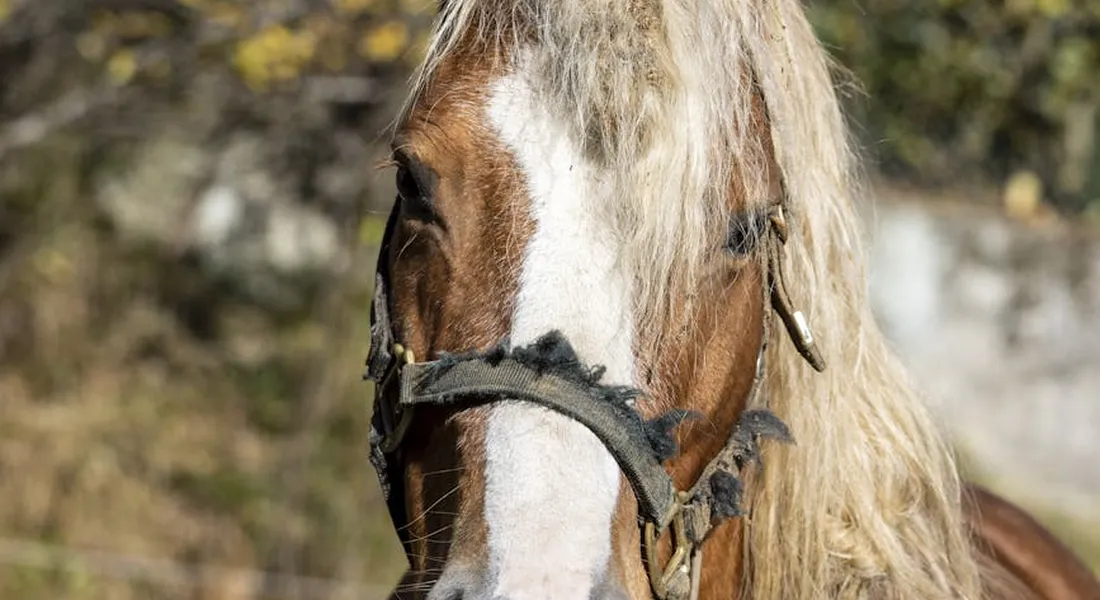
Think of your senior horse’s comfort as a house built on two pillars: their mouth and their feet. If one weakens, the whole structure groans. Their golden years are defined by the comfort we provide, and it starts with a commitment to vigilant, proactive care. My old guy Rusty taught me that a simple dental float could transform a grumpy eater back into his cheerful, treat-begging self.
Dental Evolution and Care
A horse’s teeth erupt and wear down their entire life. By their late teens, they can start to run out of tooth. This natural process creates unique challenges. Common problems I’ve seen include sharp hooks on the first or last molars and a “wave mouth,” where some teeth wear faster than others, creating an uneven surface. Both make chewing painful and inefficient. Regular dental care can help prevent many of these problems. Early intervention keeps chewing comfortable and efficient throughout a horse’s life.
This is why a check-up every six months is non-negotiable for seniors. A young horse might skate by with an annual float, but an older mouth changes faster. Scheduling bi-annual exams is the single best way to catch sharp points and malocclusions before they cause nutritional havoc.
You become your horse’s first line of defense. Watch for these warning signs of dental distress:
I remember one winter when Luna, my sensitive Thoroughbred, started refusing her beet pulp. She’d take a mouthful and then stand there, looking miserable. The dentist found a developing hook. After the float, the sound of her happily chomping was the best noise in the barn.
Hoof Health in the Senior Years
Hoof horn quality and growth rate often slow with age. Circulation isn’t what it was, and those soles can become thinner and more sensitive. The farrier’s role shifts from just a trim to a key partner in managing comfort and soundness.
Your trimming schedule might need to tighten up. Where a younger horse could go seven weeks, a senior might need attention every five to six weeks to maintain optimal balance and prevent overgrowth that stresses tendons. Consistent, shorter intervals are far kinder than letting problems build up for a long cycle.
Talk to your farrier about padding and support. For a horse with thin soles, a good pour-in pad can provide shock absorption and protect from bruising. For those with arthritic changes, a rolled or rockered toe can make breaking over the toe easier, saving precious energy with each step. Listen to the thud of their hooves on the ground; a hesitant, short stride often starts in the feet.
Your job is observation. Pick hooves daily and feel for warmth, check for unusual pulses, and note any changes in the shape of the foot or wear patterns on the shoe. Bring these observations to your farrier-your boots-on-the-ground reports are invaluable for tailoring their approach. I keep a hoof pick in every jacket pocket; checking Pipin’s clever little feet is how I start and end every barn visit.
Building a Senior-Safe Haven: Stable and Pasture Setup
Your old friend’s world gets smaller as the years add up, but with a few thoughtful tweaks, you can make every square foot safe and comfortable. I learned this watching Rusty, my reliable quarter horse, start to hesitate at his stall door. A simple modification changed his whole demeanor. Creating a senior-safe environment isn’t about luxury; it’s about removing everyday obstacles that wear on stiff joints and dimming senses.
Essential Stable Modifications
Think of your barn as their apartment. We need to make it accessible. Wider doors are a game-changer for a horse with arthritis or vision changes. After Luna bumped her hip, we widened her doorway just a few inches, and the relief in her body was immediate. Deep, supportive bedding is non-negotiable. I use a thick layer of shavings or peat moss for a forgiving surface that cushions bones during rest. Constant water access means multiple, clean sources kept at a comfortable height to encourage drinking without awkward stretching. Here are the key upgrades:
- Widen stall doors and runways to at least 4.5 feet for easy, unbruised passage.
- Provide deep, dust-free bedding that’s mucked out daily but never stripped completely to maintain a cushioned base.
- Install automatic waterers or large, rubber buckets that are checked and scrubbed twice daily to ensure fresh intake.
- Use rubber mats under bedding for extra joint support and insulation from cold ground.
- Ensure all feeders are at chest height to eliminate stressful neck bending.
Pasture Management for Safer Turnout
Turnout is life for an old soul, but the pasture must be a sanctuary, not an obstacle course. Gentle horsemanship means setting them up for success before they even step outside. Minimize steep slopes and muddy gateways that challenge balance. Pipin, our clever Shetland, taught me that a quiet, sheltered corner with good grass is worth more than a vast, exposed field. Always provide a three-sided, dry shelter where they can escape weather without feeling trapped. Designing a safe, effective horse pasture matters, guiding drainage, footing, and shade. A thoughtful layout keeps turnout calm and risk low. Manage your land with their limitations in mind:
- Choose level or gently rolling turnout areas to prevent strain on tendons and ligaments.
- Maintain secure, visible fencing like thick board or smooth electric tape, free of sharp protrusions.
- Create a dry, firm footing area around hay feeders and water troughs to prevent slippery mud holes.
- Rotate pastures to ensure consistent, clean grass and reduce parasite load without long, taxing walks.
- Keep herdmates calm and compatible; a senior horse shouldn’t spend their day moving away from bullies.
Daily Environment Checks Checklist
This five-minute walkaround each morning prevents most troubles. It’s the ritual of listening to the barn’s quiet sounds and looking for what’s out of place. I do this with my coffee, noting the smell of fresh hay and the soft thud of a contented hoof. A consistent daily check is your best defense against preventable injury and ensures your senior’s haven stays intact. Run through this list:
- Scan all stall walls, doors, and feeders for new splinters, sharp edges, or loose hardware.
- Feel the bedding for damp spots and check its depth, adding more if needed for a uniform cushion.
- Inspect water sources for proper function, cleanliness, and temperature (no ice in winter, no hot water in summer).
- Walk the fence line in your turnout area, looking for broken boards, loose wire, or dug-out holes.
- Check the ground surface for new rocks, branches, or uneven spots that could cause a trip or fall.
Navigating the Journey: Quality of Life and Caregiver Support
Let’s be honest: watching our horses age can stir up a mix of love and worry. The key is to swap that anxiety for a structured, observant plan. Your daily, quiet observation is the most powerful tool you have for gauging your senior horse’s true well-being. Understanding common horse fears and skittish behavior helps you anticipate challenges before they escalate. This awareness guides your approach to managing anxiety with calm, consistent handling. I keep a worn notebook on a clipboard by the feed room, scribbling notes amid the smell of alfalfa and the sound of contented chewing.
Your Daily Log: Turning Glances into Guidance
Don’t rely on memory. A daily log tracks the small shifts that define a good day versus a hard one. Watch for patterns, not just single bad moments, to get an honest picture of their quality of life. With Pipin, our clever Shetland, logging his escapades showed us his “Houdini” acts dropped off when his arthritis flared, a sign we’d have missed otherwise.
Log these five core areas every day:
- Appetite & Hydration: Note hay consumption, water bucket levels, and enthusiasm for meals.
- Movement & Comfort: Record stiffness rising, reluctance to turn, or the sound of their gait on hard ground.
- Behavior & Spirit: Are they first to the gate or hanging back? Interactive or withdrawn?
- Digestive Health: Monitor manure consistency, quantity, and frequency-it’s a vital health indicator.
- Body Condition: Use a weight tape weekly and feel for fat cover over ribs and hips.
Planning with Your Vet Team: A Map for the Hard Roads
Proactive conversations with your veterinarian are a gift to your horse and yourself. Define what “a good day” looks like for your horse now, and use that as your guiding star for all future decisions. When Rusty started hesitating at puddles he once charged through, our vet helped us see it as a pain signal, not stubbornness, and we adjusted his care plan.
Work through these steps with your vet well before a crisis:
- Schedule a dedicated “quality of life” consultation to discuss pain management and prognosis.
- Review and update your care plan seasonally, accounting for winter stiffness or summer heat.
- Discuss clear, compassionate euthanasia criteria and preferred methods to avoid panic later.
- Research and contact aftercare services beforehand, keeping their info in your barn log.
Supporting the Supporter: You Are the Foundation
Caring for a senior horse is deeply rewarding but can be physically and emotionally draining. Your ability to provide steady care depends entirely on your own knowledge and your support network’s strength. I learned to ask for help after long nights with a colicky senior taught me that burnout helps no one, least of all the horse. Senior horse care brings special health considerations that shape daily routines. Recognizing subtle changes early helps you support comfort and longevity.
Build your care network with these pillars:
- Educate Continuously: Attend workshops on senior nutrition and lameness. Understand the “why” behind each supplement or medication.
- Cultivate Your Barn Family: Swap turnout checks with a stablemate, or have a friend handle feeding when you need a break.
- Trust Your Professionals: A good farrier and vet are technical experts and emotional allies. Lean on them.
- Practice Your Own Care: Schedule time off. The sound of your own relaxed voice is soothing medicine for your horse, too.
FAQ: The Senior Horse Transition – A Year-by-Year Guide to Care
What are some subtle signs my senior horse’s quality of life might be declining?
Beyond obvious lameness or weight loss, watch for a loss of interest in their herd or a change in their usual personality, like a social horse becoming withdrawn. Notice if they spend significantly more time lying down or seem disinterested in treats and gentle grooming they once enjoyed. These behavioral shifts often signal discomfort or fatigue that needs addressing.
Should I have a specific emergency kit prepared for my senior horse?
Yes, a senior-specific kit is crucial and should include items like a digital thermometer and stethoscope for daily monitoring, as well as easy-to-administer electrolytes for hydration support. It should also contain your veterinarian’s after-hours contact information and a current medication list, as seniors can decompensate more quickly. Having a pre-packed kit saves critical time during a colic or injury event.
How can I keep my senior horse mentally stimulated if their exercise is limited?
Mental engagement is key for their well-being, so try simple clicker training for low-impact tricks or provide a variety of slow-feed hay nets in different locations to encourage gentle movement and foraging. You can also introduce safe, novel items in their paddock for investigation or arrange for regular, calm grooming sessions, which provide social interaction and sensory stimulation.
Honoring Their Golden Years
Caring for a senior horse is a proactive, year-by-year partnership that focuses on adjusting their diet, managing comfort, and increasing veterinary oversight. Committing to biannual vet exams is your best tool for catching subtle changes in weight, dental health, and soundness before they become crises.
Move at your horse’s pace, celebrate the quiet days, and let their needs guide your decisions. The deep bond you’ve built is the foundation for navigating this chapter with grace and respect.
Further Reading & Sources
- Caring for your senior horse
- A Complete Guide On Taking Care Of Senior Horse – The Plaid Horse Magazine
- Caring for Older Horse – 10 Tips – Cleveland Equine Clinic
- Caring for an Older Horse: Health and Nutrition Tips | PetMD
At Horse and Hay, we are passionate about providing expert guidance on all aspects of horse care, from nutrition to wellness. Our team of equine specialists and veterinarians offer trusted advice on the best foods, supplements, and practices to keep your horse healthy and thriving. Whether you're a seasoned rider or new to equine care, we provide valuable insights into feeding, grooming, and overall well-being to ensure your horse lives its happiest, healthiest life.
Health