
Stop Dental Discomfort: A Practical Guide to Common Horse Dental Problems and Prevention
Hello fellow equestrians. That head tilt you saw at feeding time or the bit of hay falling from your horse’s mouth isn’t just a quirk-it’s often a cry for help from sore teeth. Ignoring these signs can lead to weight loss, dangerous behavioral issues, and vet bills that make your wallet shudder.
Let’s get ahead of the pain. In this guide, I’ll share exactly how to protect your horse’s smile, covering:
- How to spot the subtle signs of dental trouble during your daily routines.
- The anatomy behind common issues like sharp hooks and painful ulcers.
- Why regular floating is non-negotiable for equine welfare.
- Simple barn-side habits to keep teeth healthier between vet visits.
My advice comes from a decade in the barn aisle, watching closely as a manager and trainer to catch problems before they steal a horse’s comfort.
Why Horse Teeth Need Constant Attention
Think of your horse’s teeth like a pack of crayons that constantly push up from the bottom as the tips wear down. They erupt their entire lives, about 2-3 millimeters a year. This design works perfectly on the open range.
Natural grazing on abrasive grasses and varied terrain acts like a perfect filing system, wearing those teeth evenly. But compare that to a modern life with limited turnout and processed feeds. The wear becomes lopsided. Sharp points, hooks, and ramps form on the enamel.
This is why I’m a zealot for maximum turnout-it’s not just for happiness; it’s for dental health. More hours chewing grass means more natural filing. Stalled horses with quick meals miss this essential grind. Their teeth don’t wear right.
Let neglect slide, and three consequences hit fast:
- Weight Loss: Painful chewing leads to avoided meals. Even with a full hay net, your horse can’t get the calories.
- Behavioral Issues: Head tossing, bit evasion, or general irritability often trace back to a stabbing pain in the mouth.
- Silent Pain: Chronic discomfort from ulcers on cheeks or a sore tongue affects everything from riding performance to their overall spark.
Spotting Trouble: Signs Your Horse Has a Dental Problem
Early signs are whispers, not shouts, and I’ve missed them myself. With our lesson horse Rusty, I wrote off his new habit of dunking hay in his water bucket as a quirk. It was quidding-a major red flag I’d overlooked.
Train your eye to look for this mix of subtle and obvious cues. Catching them early turns a major procedure into a simple float.
- Quidding: Dropping wads of half-chewed hay or grain. It looks like little soggy balls on the stall floor.
- Slow or Messy Eating: Taking longer to finish or spilling grain. You might see them tilt their head oddly to chew on one side.
- Head and Mouth Antics: New resistance to the bit, excessive tongue play, or head shaking while riding.
- Unexplained Weight Loss: The ribs show even with a robust feeding program.
- Odor or Discharge: Foul breath or one-sided nasal drip can signal infection from a trapped food packet.
- Swelling or Lumps: Any bump along the jawline or on the cheeks warrants a vet call.
- Behavior Changes: A usually calm horse like Rusty becoming grouchy about his face being touched.
Make a habit of watching your horse chew from a distance and feeling their jaw muscles for symmetry. The thud of steady, rhythmic chewing is a beautiful sound. Uneven crunching or long pauses are your clue to pick up the phone.
Common Equine Dental Problems Explained
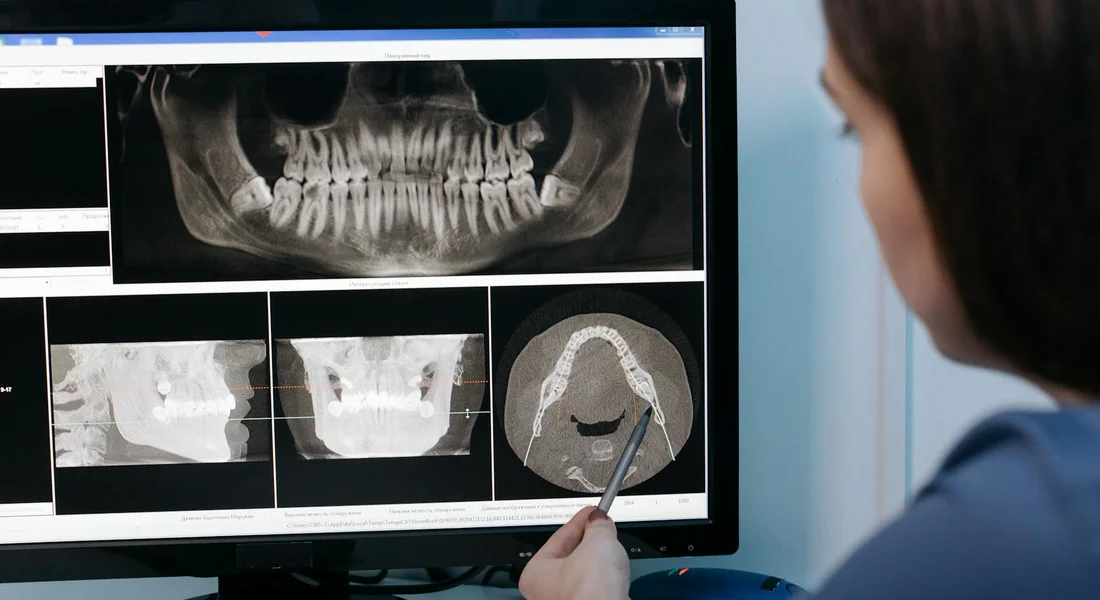
Think of a horse’s mouth like a complex, self-filing system. When everything aligns, it works beautifully. When it doesn’t, problems arise fast. I’ve seen quiet horses transform after a dental fix, their entire demeanor softening once the hidden pain is gone.
Malocclusions and Abnormal Wear: Hooks, Ramps, and Waves
Malocclusion simply means the teeth don’t meet correctly. Without perfect alignment, some teeth wear down too much while others overgrow, creating painful obstacles. These overgrowths physically block the jaw’s natural chewing motion, forcing your horse to eat in a strained, inefficient way. It’s like trying to chew with a wooden block stuck between your back teeth.
| Overgrowth | Common Location | Primary Cause |
|---|---|---|
| Hooks | Front (1st cheek tooth) or rear (last cheek tooth) of the row | Lack of opposing tooth contact; common in horses with over- or under-bites |
| Ramps | Rear of the last lower cheek teeth | Normal molar table angle, but can become severe and limit jaw slide |
| Wave | A series of high and low spots across multiple cheek teeth | Uneven wear from long-term misalignment or a missing tooth |
My old gelding, Rusty, developed a small hook on his first upper cheek tooth. I noticed he’d tilt his head slightly when starting to chew his grain, a tiny sign something was catching. A float fixed it before it became a major issue.
Sharp Enamel Points and Ulceration
A horse’s upper jaw is wider than its lower jaw. As they grind feed side-to-side, the outer edges of the upper teeth and inner edges of the lower teeth can form razor-sharp points. These points grate against the soft flesh of the cheeks and tongue, causing painful ulcers you often can’t see. You might notice your horse dropping wads of half-chewed hay, called “quidding.” This shows how anatomy relates to common horse health issues. Understanding this link helps with prevention and care.
The fix is straightforward: floating, or rasping. The metallic *scrape-scrape* of the float is a good sound. It means relief. Luna, my sensitive Thoroughbred, used to toss her head when the bit touched a certain spot. After her dental, that resistance vanished. It wasn’t a training issue; it was a pain issue.
Periodontal Disease and Diastema
This is gum disease, and it’s a silent thief. It often starts with a diastema-a gap between teeth where hay and feed become impacted. That packed food rots, breeds bacteria, and inflames the gums. Persistent, foul breath from a horse’s mouth is a major red flag, not just stable gossip. Left unchecked, the infection eats at the ligaments holding the tooth in, leading to loose teeth and eventual loss.
Older horses are especially prone. Symptoms can include facial swelling, head-shyness, and difficulty chewing. Regular dental exams can catch these pockets early, allowing your vet or dentist to clean them out before the damage becomes permanent. These symptoms are among the early signs of illness or injury in your horse.
Tooth Root Abscesses and Fractures
When infection or a crack travels down the tooth into the root and jawbone, you get an abscess. The pressure has to go somewhere. You might see a sudden, unexplained swelling on the jaw or even a draining tract on the face or into the sinus. A horse with a root abscess may act colicky because they can’t eat comfortably.
Diagnosis often requires dental x-rays to see below the gumline. Causes range from a severe crack from biting on a rock to an untreated periodontal pocket. I recall a pony at our barn with a swollen jaw that turned out to be a fractured tooth; the quick x-ray saved weeks of guesswork and pain for the little guy.
The Prevention Playbook: Your Routine for Healthy Teeth
Keeping those molars in top shape isn’t about grand gestures; it’s about a consistent, smart routine. Think of it like brushing your own teeth-skip it, and problems creep in silently. Here is the three-step system I follow for every horse in my care, from seasoned Rusty to spirited Luna.
Step 1: Schedule Annual Dental Exams
I’ve heard every excuse: “He eats fine,” or “She’s never had an issue.” Let me tell you, the quiet ones are often the best at hiding pain. A yearly check is non-negotiable, like changing your truck’s oil. Horses are stoic by nature, and a dental problem is often a slow-building emergency they can’t tell you about until it’s too late. I mark it on the barn calendar for every horse, every fall, without fail.
A proper exam is more than a quick peek. Your equine dentist or vet should:
- Perform a visual check of the lips, gums, and front teeth for symmetry and injury.
- Use a speculum to safely hold the mouth open for a full view of the cheek teeth.
- Palpate the jaw joints and masseter muscles for tension or swelling.
- Use a bright light and mirror or even a scope to check the far-back molars and the hidden tongue area.
Finding a sharp point early means a simpler, cheaper fix. Finding it late can mean weight loss, sinus infections, or behavioral quirks under saddle.
Step 2: Understand the Floating Procedure
The word “floating” sounds gentle, and it is. It simply means filing down those sharp enamel points that form on the outside of the upper molars and the inside of the lowers. Imagine your horse’s jaw is narrower than their upper palate-as they chew side-to-side, the teeth don’t meet perfectly, leaving ridges. Filing these down restores a flat, efficient grinding surface, letting your horse chew in peace. It’s crucial to keep up with regular floating to maintain this comfort and health.
Your practitioner has two main tools: the hand float and the power float. I’ve seen both in action countless times. The hand rasp is quiet, methodical, and offers incredible tactile feedback-great for young, nervous horses like Luna was, or for precise work on minor overgrowths. The power float is a rotary tool that gets the job done faster on significant hooks or waves, but it requires a very steady, experienced hand and a sedated, relaxed horse. A good professional knows which tool-or combination-is right for your horse’s specific mouth.
Step 3: Implement Supportive Daily Care
This is where you, the owner, make the biggest difference between check-ups. Your daily choices either support that freshly floated mouth or work against it. My golden rule is to maximize chewing time and mimic natural foraging behavior as much as possible. Here are my barn-proven hacks:
- Use a slow-feed hay net. This isn’t just for fat ponies like Pipin! It forces all horses to take smaller bites, chew more thoroughly, and produce more saliva-nature’s best acid buffer for the gut and mouth.
- Provide a plain white salt block. Licking stimulates saliva flow and provides essential electrolytes without extra sugars.
- Limit soupy grain mashes. While sometimes necessary for seniors, making meals too soft reduces crucial chewing action. If you must soak, leave some texture.
- Encourage turnout on fibrous pasture. The constant movement of head-down grazing is the ultimate jaw and tooth workout. It’s free dentistry.
- Be suspicious of sudden fussiness. If your good eater starts tilting their head, dropping wads of hay (quidding), or resisting the bit, your first call should be to the dentist, not the trainer.
The sound of a horse chewing hay with steady, even rhythm is one of the most satisfying sounds in the barn. It’s the sound of health, and with this routine, you can protect it for years to come.
Age Matters: Dental Care Through the Years
A horse’s mouth tells the story of its life. The care it needs changes dramatically from its first haltering to its golden years. I’ve spent countless hours holding lead ropes for the vet, feeling the vibration of the float, and learning to read the subtle signs in my herd’s eating habits. Your approach must evolve with your horse, because a five-year-old and a twenty-five-year-old have completely different dental dramas unfolding. Age shows up in the mouth and body—teeth wear, eruption, and bite changes are key indicators. Reading these dental and physical cues helps you tell a horse’s age with more confidence.
The Young Horse: Eruption Caps and Wolf Teeth
Watching a young horse’s mouth is like tracking a construction site-things are always moving. Between ages two and five, they shed 24 deciduous (baby) teeth as the permanent ones erupt. Those baby teeth sometimes leave behind remnants called “caps” that can irritate the gums or get lodged in place. Understanding how these changes fit into the broader stages of horse tooth anatomy development helps caretakers anticipate growth and potential problems. A closer look at the development stages reveals when to expect eruption and shedding.
Then there are wolf teeth. These tiny, often pointed vestigial teeth sit just in front of the upper molars. Not all horses get them, but when they do, they can be a real nuisance. I remember when Rusty was a youngster; he’d toss his head with the bit until our vet found a sneaky wolf tooth causing pressure. Removal is a simple, common procedure that prevents pain and allows the bit to lie comfortably against the bars of the mouth.
Stay alert for these signs of eruption trouble in your youngster:
- Sudden head-shyness or resistance to the bit.
- Dropping grain or wadding hay into messy balls (quidding).
- Swelling on the jaw or face, or a foul odor from the mouth.
- General crankiness that seems out of character.
The Senior Horse: Tooth Loss and Quidding
Time smooths the sharp enamel points, but it also grinds down the entire tooth. Older horses often experience tooth loss, leading to gaps where food packs and decays. Their chewing surfaces become smooth, like old cobblestones, making it hard to grind fiber. This leads to quidding-that heart-wrenching sight of half-chewed hay balls falling from their lips.
My sensitive Luna started quidding last winter. The sound of her frustrated chewing, followed by the soft thud of wasted hay on the stall floor, was my urgent cue to change her diet. A senior horse’s dental health is directly tied to their ability to maintain weight and digest nutrients, making routine checks non-negotiable.
When the grinders wear down, you modify the menu. Here are my go-to adjustments for golden oldies:
- Replace long-stem hay with soaked hay cubes or a complete senior feed.
- Soak beet pulp to create a soft, digestible mash full of calories.
- Choose a textured senior feed over hard pellets for easier prehension.
- Provide constant access to fresh water, as soaked diets require less drinking.
- Consider a probiotic to support hindgut health when fiber digestion is compromised.
Diet and Forage: Your First Line of Defense
Your horse’s daily meals do more than fill their belly; they directly shape the health of every tooth in their head. I view forage as preventive dentistry. Years of watching horses chew have taught me that a good diet stops problems before a float is even needed. What your horse eats each day is the most consistent factor in wearing their teeth evenly and preventing painful sharp points. Understanding the essential components of a healthy horse diet—quality forage, balanced minerals, and clean water—clarifies how daily feeding ties to dental and overall health. These components support steady chewing and reduce the risk of dental issues over time.
Fight for maximum turnout time. Horses are built to graze, and that slow, rhythmic chewing is perfect for dental wear. When Luna spends her days out on grass, the natural lateral motion of her jaw files down her molars smoothly. Stall life often leads to vices like cribbing that can twist teeth alignment. Turnout isn’t a luxury; it’s a non-negotiable part of keeping their mouth mechanics sound.
Let’s break down how different forages work on those teeth.
- Pasture is the gold standard. The horse’s head is lowered, saliva flows freely, and the silica in grass blades provides gentle abrasion. It’s a full-day, slow-motion dental workout.
- Long-stem hay is your best backup. Coarse, stemmy hay like timothy or orchard grass makes your horse chew thoroughly, scrubbing the tooth surfaces. Softer hay, like a leafy second-cut, is easier to chew but offers less abrasive action.
Forage selection is a powerful tool for horses with existing issues. My old guy, Rusty, started needing kinder fare as he aged. I swapped his coarse mix for a softer grass hay to reduce chewing effort, but added a handful of oat hay for crunch. For a pony like Pipin, who’s prone to obesity, I use a slow-feeder net with fibrous hay to make him work for his meal, which extends chewing time and benefits his teeth. Matching the forage to the horse’s current dental condition is a simple, effective form of care.
Remember, the goal is constant, gentle chewing. If hay is too dusty or stemmy for a sensitive horse, soaking it can soften it without losing the long-stem benefit. I’ve done this for Luna when her teeth were freshly floated and her mouth was tender. Your eye and your horse’s chewing sounds are reliable guides-a steady, rhythmic crunch means you’ve got it right.
FAQ: Common Horse Dental Problems and How to Prevent Them
My horse gets an annual dental float. Is that always enough?
While an annual exam is the standard for most adult horses, some individuals may need more frequent care. Younger horses (2-5 years old) shedding caps or seniors with significant wear often require check-ups every six months. Always follow the specific recommendation of your veterinarian or equine dentist based on your horse’s unique mouth.
What are the most important daily habits to prevent dental issues?
Maximize your horse’s turnout time to encourage natural, head-down grazing which promotes even tooth wear. Utilize slow-feed hay nets to extend chewing time and increase healthy saliva production. Make a daily habit of observing your horse eat and noting any changes in chewing rhythm, head tilt, or dropped feed.
What type of forage is best for preventing dental problems?
Long-stem, fibrous hay like timothy or orchard grass encourages thorough chewing and provides beneficial abrasive action on the teeth. Pasture grazing remains the ideal, as the constant chewing motion and silica in grass blades naturally file the teeth. Avoid relying solely on very soft, processed feeds that require minimal chewing, as this reduces essential dental wear.
Straight From the Feed Tub
Watch for subtle clues like quidding or resistance to the bit, and address them promptly with a professional. Regular dental care, including floating supports overall oral health and can prevent performance-limiting issues. Scheduling a thorough dental exam and float every year is the irreplaceable cornerstone of preventing pain and ensuring your horse can properly utilize their feed.
Always pair this routine care with a heavy dose of patience and a commitment to gentle handling during any procedure. Your horse’s comfort and willingness are your best guides; listening to them is the heart of good horsemanship.
Further Reading & Sources
- Dental Disorders of Horses – Horse Owners – Merck Veterinary Manual
- 20+ Common Dental Issues in Horses – [Signs of Problems & Treatment] | Mad Barn
- Horse Dental Care | Blue Cross
- Common Signs of Dental Problems in Horses: How an Equine Dentist Can Help You
At Horse and Hay, we are passionate about providing expert guidance on all aspects of horse care, from nutrition to wellness. Our team of equine specialists and veterinarians offer trusted advice on the best foods, supplements, and practices to keep your horse healthy and thriving. Whether you're a seasoned rider or new to equine care, we provide valuable insights into feeding, grooming, and overall well-being to ensure your horse lives its happiest, healthiest life.
Health