
How to Keep Your Horse Hydrated: Barn-Tested Tips to Encourage Water Intake
Hello fellow equestrians, does your horse sometimes ignore their water bucket, making you fret about their health? That concern is valid-inadequate hydration is a fast track to issues like lethargy, poor performance, and costly colic episodes.
In this guide, I’ll cover my most reliable solutions, from accurately monitoring daily water consumption and using electrolytes without creating picky drinkers to keeping water clean and inviting year-round and simple management hacks that encourage more sips.
Having managed barns and trained horses for years, I’ve learned how to coax water into everything from a stubborn pony to a high-strung thoroughbred.
The Non-Negotiable Need for Equine Hydration
Why Water is the Foundation of Health
Think of water in your horse’s body like oil in a car engine. Without it, everything grinds to a halt. Water dissolves nutrients for digestion, keeps joints cushioned, and moves waste out. It is the primary coolant system when muscles heat up during a ride. When water levels dip, the entire machine risks a breakdown, starting with the gut.
Dehydration thickens the digestive soup in their intestines, making it a prime culprit for impaction colic. It also starves muscles and organs, leading to a noticeable drag in performance. I’ve seen this firsthand with Luna, my sensitive Thoroughbred. On a hot day when she was fussy about her water bucket, her usual sparkle vanished under saddle; she felt flat and heavy, a classic sign of mild dehydration catching up.
How Thirst Works in a Horse
A horse’s thirst mechanism is not a relentless alarm bell. In the wild, they drink when they find water, often while grazing. In our barns, that natural cue can get muffled. Stale water, unfamiliar tanks, or even boredom can make them ignore their own need to drink. Horses are often stoic about thirst, which is why we must be proactive managers, not passive observers.
Pipin, our clever Shetland, will play in his water long before he drinks it thoroughly, reminding me that behavior isn’t always a reliable guide. Their drive to drink isn’t as strong as their drive to eat, so we set the stage for them.
Reading Your Horse: Signs of Dehydration and Thirst Cues
Physical Checks You Can Do Daily
-
The Skin Tent Test: Pinch a fold of skin on your horse’s neck or shoulder, release it, and watch. Hydrated skin snaps back instantly. If it tents up for more than two seconds, it’s a red flag for dehydration. Do this during your daily grooming when the coat is relaxed. Beyond dehydration, regular skin checks during grooming can help you identify common skin conditions in horses early. Early detection allows timely care and reduces discomfort.
-
Gum Check and Capillary Refill: Lift your horse’s lip and press a finger on their gum above a tooth. The gum should feel slick, not sticky. Now, press firmly to blanch the spot white and release. Count how long for the pink color to return. Anything over two seconds signals that their circulatory system is struggling to move thickened fluids.
-
Urine Patrol: Keep an eye on the stall bedding or pasture patches. Urine should be a pale straw color, not dark yellow or orange. Note how often you see wet spots. A sharp decrease in output is a quiet but critical warning sign.
Behavioral Red Flags
- Lethargy or a sudden disinterest in the gate when you arrive.
- Dull, sunken eyes that lack their usual bright curiosity.
- Picking at hay or leaving grain unfinished, especially in a usually good eater like Rusty.
- Dry flanks or minimal sweating during work on a day when they should be damp.
These signs creep in slowly. Knowing your horse’s normal energy, appetite, and sweat patterns is your most powerful tool, because dehydration whispers before it shouts. Luna’s subtle dip in enthusiasm is my cue to check her water, while Pipin’s uncharacteristic quiet in his stall always makes me investigate.
Common Hydration Hurdles and How to Clear Them
Problem Water: Taste, Temperature, and Cleanliness
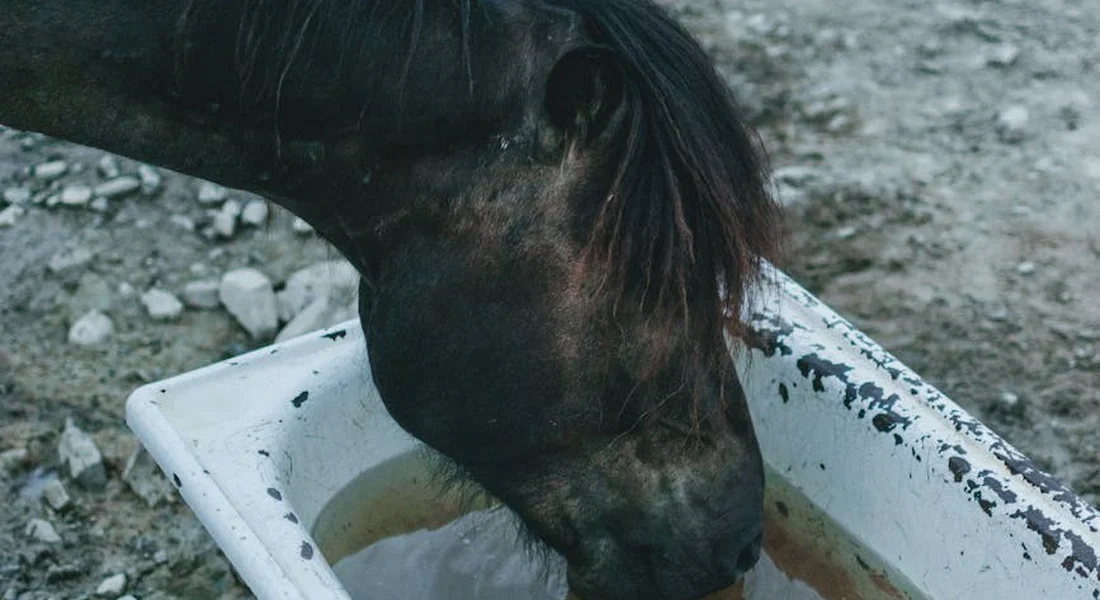
A horse will politely decline a drink for reasons we might overlook. Algae creates a swampy, off-putting taste, while stale water sitting in a rubber bucket can develop a plastic-like tang. Metallic-tasting well water or heavily chlorinated city water can also turn a sensitive nose away. I’ve watched Luna, my Thoroughbred, take one delicate sip from a fresh bucket and walk off, only to drain it later after the chlorine had evaporated.
Temperature is a major player. An ice-cold bucket in winter can be as unappealing as a warm, bathtub-temperature drink in July. Horses generally prefer cool water, around 45-65°F, and studies show they’ll drink more of it when it’s offered at that ideal temperature. Just like in riding conditions, there’s an optimal temperature for their hydration needs.
- Scrub buckets and troughs at least twice a week to prevent slimy biofilms.
- In summer, empty and refresh water sources daily to keep them cool and mosquito-free.
- Consider a trough heater in winter to prevent ice formation without making the water hot.
- For persistent refusals, let tap water sit out overnight before offering, or try filtered water.
Environmental and Routine Disruptions
Travel and competition are huge hydration disruptors. The unfamiliar smells and sights of a new place can make a horse suspicious of the water. A sudden cold snap or a blistering heatwave can also throw off their normal drinking rhythm. I always pack water from home when I take Rusty to a trailhead. It’s one of those hydration mistakes you want to avoid when you’re away from home.
Social dynamics matter, too. In a herd, a timid or low-ranking horse might be bullied away from the main trough. Always provide multiple, spaced-out water sources in a shared paddock to ensure every horse, not just the boss, can drink in peace. It’s also crucial to manage aggression and bullying in a horse herd to maintain harmony.
Health and Dietary Factors
What you feed directly impacts how much they need to drink. A diet heavy in dry grain or hay requires significantly more water for digestion compared to moisture-rich pasture. Senior horses like Pipin, or any horse with dental pain, may drink less because the act of lowering their head to the bucket is uncomfortable. Understanding this link helps you establish safe daily water intake limits. It ties feed choices directly to daily water requirements, informing how you monitor hydration.
They may also “play” in the water, dunking hay to create a soupy mash, which is a sign of mouth pain. Any sudden decrease in water intake warrants a check for dental issues, as pain is a powerful deterrent to drinking.
Your Daily Hydration Strategy: Practical Tips and Hacks
Ensuring Fresh, Palatable Water
- Make bucket cleaning a non-negotiable part of your stall routine. A quick scrub with a dedicated brush and vinegar eliminates hidden scum.
- Refresh water at minimum twice a day-at morning feed and evening feed. In peak heat, check and refresh midday. The sound of fresh water pouring often triggers a horse to drink.
- If your tap water is consistently refused, try collecting rainwater in a clean barrel or using a simple carbon filter. The difference in uptake can be remarkable.
Strategic Feeding for Moisture Intake
- Soaking hay is a powerhouse move. It adds gallons of water intake, suppresses dust, and softens stems for older teeth. Aim for 15-30 minutes for dust, several hours for more water content.
- Create a sloppy mash by adding warm water to your horse’s grain or pellets. This is my go-to for my seniors and for encouraging hydration after a hard workout.
- Never underestimate the value of good pasture. The grass itself is 60-80% water, providing a significant portion of their daily needs through grazing.
Encouraging Drinking with Additives and Placement
A tiny sprinkle of plain salt or a splash of apple juice can entice a reluctant drinker. I’ve used a few drops of peppermint oil with success. The key is to use the absolute minimum amount needed-you want to encourage drinking, not create a horse that will only accept flavored water.
My Shetland, Pipin, once went on a water strike. He’d take a mouthful and walk away. Adding just one ounce of apple juice to his five-gallon bucket did the trick. He’d drink the whole thing, and after a week, we phased it out and he was back to normal.
- Place water buckets away from manure piles and feeding areas to keep it cleaner longer.
- In stalls, consider a second bucket in a different corner to give them options.
- In paddocks, have at least two water sources far apart to reduce guarding behavior.
Hydration During Stress, Exercise, and Heat
Pre- and Post-Work Routine
-
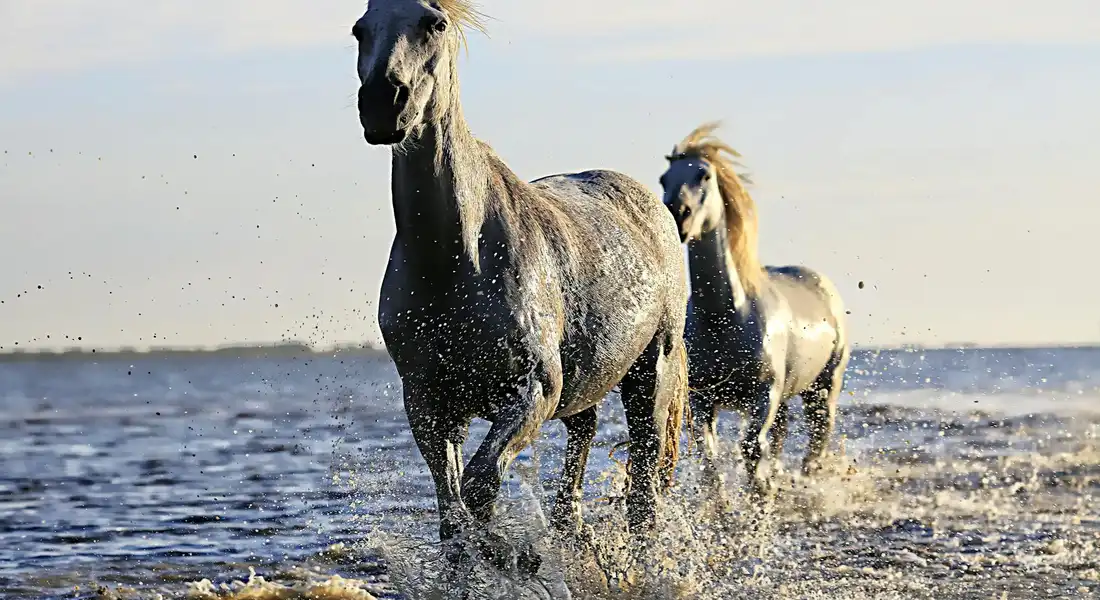
I never let my horses charge straight to the water trough after a hard ride. Cool them down with a long, quiet walk first. Offer small, frequent drinks during the cool-down process to prevent them from gulping a large volume all at once, which can shock their system. Before exercise, allow access to water up until tacking up, but avoid letting them drink a huge amount immediately before work.
-
Watch the sweat pattern on your horse’s neck and flanks. That moisture is loaded with salts. Significant sweating means you must replace both the fluid and the electrolytes lost, not just one or the other. A horse that works hard in the heat can lose several gallons of sweat, drastically increasing their need for both water and mineral replenishment. Be alert for dehydration signs like dry gums or sunken eyes. Learn the best solutions to restore fluids and electrolytes.
Smart Use of Electrolytes
-
Reach for electrolytes after a demanding training session, on a sweltering day, or when traveling. Skip them for a horse resting in a paddock with free-choice salt. Electrolytes are a tool for specific situations, not a daily garnish for every meal.
-
Loose electrolytes you mix into feed are for active replenishment; salt blocks are for maintenance. I dampen a handful of grain or a scoop of beet pulp for Luna and stir the powder in thoroughly. Mixing electrolytes into a palatable mash guarantees consumption and avoids the risk of them refusing treated water.
- Always provide plain water alongside electrolyte-treated water to let the horse choose. I use two buckets side-by-side so they never feel forced to drink something that tastes odd to them.
Travel and Competition Hydration
-
Haul water from home whenever you can. The familiar taste and smell prevent refusal. If you can’t bring enough, a universal trick is to add a splash of something like unsweetened apple cider vinegar to both the new water and your home water a few days before the trip to equalize the taste.
-
Schedule stops on long trailer rides. I pull over every few hours to offer water and let them relax. That break in routine and chance to drink can mean the difference between a horse arriving bright or dehydrated. Listen for the steady gulping sounds that mean they’re taking in what they need.
Monitoring and Maintaining a Hydration Schedule
Tracking Intake and Output
-
Make a habit of glancing at water buckets at the same times each day. I note if Rusty’s bucket is emptier than usual overnight. In the turnout, look for multiple, large wet spots-a sure sign of good hydration. Sunken eyes or dry gums are late-stage warnings you want to catch long before.
-
Keep a simple rhythm. Feed, water, and turn out on a consistent schedule. A predictable routine reduces anxiety and encourages regular drinking behavior because your horse knows what to expect. The creak of the hay loft door at 7 AM should mean breakfast and fresh water are coming.
Adjusting for Seasons and Life Stages
-
Winter demands heated buckets or tank de-icers. Horses drink more warm water, which keeps their gut moving. Frozen water sources are a leading cause of impaction colic in cold months, so checking twice daily is non-negotiable. Winter hydration is key for a healthy horse. In summer, clean troughs weekly to prevent algae and keep water in the shade to encourage drinking.
-
Senior horses often need help. Soaking Pipin’s senior feed into a soup adds vital fluid. For the performance horse, hydration is part of their fitness plan, not an afterthought. Broodmares have increased requirements for fetal health and milk production, so their water intake needs extra attention.
Water Source Setup for Maximum Accessibility
Getting water to your horse is one thing; getting them to drink it reliably is another. The setup of your water sources is your first, best defense against dehydration. I’ve spent many afternoons watching which horses drink first after a workout and which troughs they prefer, and those observations shape everything here, especially when it comes to enriching water sources for keeping horses hydrated and engaged.
Choosing and Positioning Troughs and Buckets
The great debate: automatic waterers versus classic buckets. I’ve used both extensively. Automatic waterers are fantastic for ensuring a constant supply and reducing labor. The quiet hum of a refilling tank is a stable soundtrack. The critical downside is you cannot easily monitor how much each horse drinks, which is vital data when you suspect a problem. For this reason, I lean toward large, open-top troughs for groups and rubber buckets for stalls-you can see the water line at a glance.
Placement is a safety and sanitation game. Always position water away from where you dump hay or grain. You don’t want stray chaff, molasses from feed, or worse, manure contaminating it. Yet, it must be in a spot every horse can access without being bullied by a herd mate; a dead-end corner is a recipe for a thirsty, low-ranking animal. For stall buckets, I use wall-mounted holders high enough to avoid bedding kick-in but low enough for a comfortable drink.
Never underestimate the footing. That area gets perpetually wet. I learned this after Luna skidded on slick concrete approaching her stall bucket. A layer of textured rubber mats or coarse stone dust around troughs and outside buckets provides crucial traction and prevents hesitant, slippery approaches. Your horse shouldn’t have to perform a balancing act for a basic need.
Winterization and Summer Cooling Tactics
Winter turns water into a scary, cold block. A horse’s reluctance to drink icy water is a major colic risk. My non-negotiables are heated buckets for stalls and a quality immersion heater for the main trough. The gentle bubbling of a tank heater keeps the whole surface ice-free. If you rely on manual breaking, you must commit to doing it several times a day; a single hole in a frozen sheet of ice is not sufficient access. Check heaters daily for chewed cords or malfunction.
Summer presents the opposite problem: warm, unappealing water that algae loves. Always place troughs in the deepest shade available. The difference in temperature between a sun-baked bucket and a shaded one is dramatic. Adding a clean, large block of salt to the trough can slowly mineralize the water and seems to encourage more sipping throughout the day, much like a flavored electrolyte. Just remember to scrub that trough weekly to prevent slime.
I once found Pipin, our Shetland, happily bathing in his water bucket on a scorching day. It was clever, but it left him with dirty water. For the clever ones, consider a separate, small “play” bucket for splashing and keep the drinking source cleaner and more appealing. Observation is your best tool for outsmarting the heat.
FAQ: How to Keep Your Horse Hydrated and Encourage Water Intake
How can I make water more appealing to a fussy horse?
Ensure water sources are cleaned daily to remove any off-putting tastes or algae buildup. Experiment with safe flavorings like a dash of unsweetened electrolyte powder or a few drops of molasses in their bucket. Providing multiple water locations in the stall or pasture can also reduce boredom and encourage exploration and drinking.
What is the safest way to use electrolytes without causing overconsumption?
Administer electrolytes primarily after intense exercise, in hot weather, or during travel, rather than as a daily supplement. Always mix powdered electrolytes into a damp feed or mash to ensure precise intake and prevent rejection. Offer plain, fresh water alongside any electrolyte-treated water to allow your horse to balance their own needs and avoid forced consumption.
Are there specific times of day when horses are more likely to drink?
Horses often drink naturally after meals, so refreshing water buckets during feeding times can capitalize on this habit. They may also drink more during cooler parts of the day, such as early morning or evening, especially in summer. Establishing a consistent routine with scheduled water checks encourages regular drinking behavior by creating a predictable environment.
A Final Nuzzle on Hydration
Keep water clean and accessible, use electrolytes strategically, and soak hay to boost intake. The single most reliable tool you have is your own eyes and hands, checking those water levels and tank heaters daily.
Your horse’s thirst is a quiet conversation, not a loud demand. Trust that by providing the right conditions, you are doing the deepest form of care, one bucket at a time.
Further Reading & Sources
- The Secret to Keeping Horses Hydrated, Horse Hydration Tips
- Get Your Horse Drinking Water with 10 Hydration Hacks
- Recognizing and Preventing Horse Dehydration: Essential Tips and First Aid
- How to Hydrate a Horse | Tips from Julie Goodnight
At Horse and Hay, we are passionate about providing expert guidance on all aspects of horse care, from nutrition to wellness. Our team of equine specialists and veterinarians offer trusted advice on the best foods, supplements, and practices to keep your horse healthy and thriving. Whether you're a seasoned rider or new to equine care, we provide valuable insights into feeding, grooming, and overall well-being to ensure your horse lives its happiest, healthiest life.
Health