
Can Horses Eat Bananas and Banana Peels? A Complete Safety Guide
Published on: September 17, 2026 | Last Updated: September 17, 2026
Written By: Henry Wellington
Hello fellow equestrians! That moment of doubt when your horse eyes your banana snack is real-you want to offer a fun treat without risking colic or a costly vet call. I’ve felt that same hesitation while Rusty nudged my pocket, hoping for a bite, and it’s wise to question what’s safe.
This guide will give you clear, barn-tested answers, covering the absolute safety of ripe banana fruit for horses, the honest truth about feeding banana peels, step-by-step preparation to avoid choking hazards, and how to spot individual tolerance or allergy signs.
My advice comes from a decade of barn management and training, filled with trial, error, and happy horses like Luna and Pipin, so you’re learning from lived experience, not just theory.
Can Horses Eat Bananas? The Straight Answer
Yes, horses can absolutely eat bananas, and many will mug you shamelessly for them. I’ve used slices as a high-value reward for nervous loaders and as a post-ride treat for my old reliable, Rusty. The soft, sweet flesh is easy for them to chew and digest. The key is always moderation—think of a banana as a cookie, not a meal. A few slices once or twice a week is a perfectly safe and enjoyable treat for most horses, similar to berries used for horse treats.
The potassium in bananas is often mentioned, but the amount in a few slices is negligible compared to their overall balanced diet. The real benefit is in the “soft” factor. For older horses like Pipin, who’s missing a tooth or two, or for disguising a powdered supplement, a mushy banana works wonders. Always peel the banana first, and break it into chunks to minimize any choking risk, especially for greedy gobblers.
Watch your horse’s reaction. My sensitive Thoroughbred, Luna, will delicately lip a piece from my palm, while Pipin the pony would inhale the whole thing, peel and all, if given the chance. Start with a small piece to ensure no unusual reactions. If your horse has metabolic issues like insulin resistance, skip the banana and opt for a lower-sugar treat like a carrot stub.
What About Banana Peels? Safety and Risks
This is where the barnyard debates start. I’ve seen horses crunch peels with gusto and others spit them out in comic disgust. The peel itself isn’t toxic, but it introduces variables you must control for.
Why Peels Can Be Tricky
The primary concern isn’t the peel’s composition, but what’s on it. Conventional bananas are often sprayed with pesticides or fungicides that linger on the thick skin. Feeding an unwashed supermarket peel is like serving your horse a side of chemicals you’d never put in their grain.
Texture is another factor. The peel is fibrous, leathery, and can be a bit bitter. While a horse’s digestive system can handle it, a large piece could potentially cause a blockage or become a choking hazard if swallowed too hastily. I once saw a lesson horse try to bolt a whole peel, only to spend a minute making exaggerated chewing faces-it was a clear sign the texture was a surprise.
If You Choose to Feed Peels
If your horse is curious and you want to try, a strict preparation protocol is non-negotiable. This isn’t a lazy, toss-it-over-the-fence treat.
- Source Organic: Use only peels from bananas certified organic to minimize pesticide risk.
- Wash Thoroughly: Scrub the peel under running water with a veggie brush, even if it’s organic, to remove any dirt or residues.
- Cut Into Strips: Never feed a whole peel. Slice it into thin, long strips to make it easier to chew and digest.
- Offer a Tiny Amount First: Give one small strip and observe. Does your horse eat it readily or play with it? This tells you if it’s a treat or trash in their opinion.
For 99% of horse owners, the simplest and safest rule is to enjoy the banana yourself and share only the soft, peeled interior with your equine friend. It eliminates all risk and the extra washing work. The peel’s nutritional benefit is minimal, so you’re not depriving them of anything crucial. The goal is a happy, safe treat, not a gastrointestinal adventure—something that’s crucial regardless of the fruit, whether it’s mango or banana.
Nutritional Benefits and Drawbacks for Equine Health

Benefits: Potassium, Fiber, and Hydration
Peel back the benefits, and you’ll find bananas are more than just a sweet snack. That soft, creamy flesh packs a punch of potassium, a key electrolyte for nerve and muscle function. I often slice a banana into Luna’s mash after a spirited training session; it’s a natural way to help replace what she sweats out on a hot day. The fiber in bananas, while different from the long-stem forage in hay, can offer a gentle digestive nudge.
Think of it as a supplement to their roughage, not a replacement. Bananas have a high water content, which can be a sneaky source of hydration for a picky drinker or during a dry spell in the pasture. I’ve seen Rusty happily munch a banana on a sultry afternoon, getting a bit of moisture with his treat.
Drawbacks: Sugar Content and Overfeeding Risks
Now, let’s talk about the sticky part-sugar. Bananas are sweet for a reason. That natural fructose can quickly add up. For horses like Pipin, who’s always scheming for his next snack, too much sugar is a fast track to unwanted weight gain and restless energy. For any horse, overloading on sugary treats can disrupt the delicate balance of their hindgut, leading to gas, discomfort, or more serious issues like colic.
Founder is a real risk for ponies and horses with metabolic conditions. Always weigh the joy of a treat against the responsibility of maintaining your horse’s steady, balanced diet, which should be ninety-nine percent hay, grass, and appropriate grain. Following founder hay feeding guidelines helps keep hay the main focus while managing starch and sugar intake. This is especially important for ponies and horses with metabolic concerns. I keep treat sessions short and sweet, literally, to avoid turning a nice gesture into a nutritional misstep.
How to Safely Feed Bananas: A Step-by-Step Guide
Step 1: Choosing and Preparing Bananas
Start with a banana that’s ripe but not overripe. You want a firm yellow peel, maybe with a few speckles, but avoid anything with large brown spots or signs of mold. Wash the skin thoroughly to remove any pesticide residue, especially if you’re considering the peel. Now, the big question: to peel or not to peel?
For most horses, I peel it. The flesh is easier to digest and universally accepted. If you want to try the peel, ensure it’s organic and cut it into thin, manageable strips to prevent any choking hazard-horses don’t chew their treats as thoroughly as we’d like. I once gave Pipin a whole peel; he played soccer with it for ten minutes before deigning to eat it, the little rascal.
- Choose ripe, yellow bananas.
- Wash the exterior well.
- Peel for easiest digestion, or slice organic peels thinly.
- Cut the fruit into coin-sized pieces or long strips.
Step 2: Feeding and Portion Control
Never just hand over a whole banana. Introduce it slowly. Offer a small piece from your flat palm to see if your horse likes it-some turn up their noses at the texture. Mixing a few pieces into a bran mash or grain meal can help a skeptical horse like Luna accept the new flavor without fuss. Always feed in a calm environment to avoid greedy, rushed eating.
This isn’t a substitute for their regular feed. The best practice is to offer bananas as a occasional reward after groundwork or a good ride, reinforcing positive behavior without disrupting their feeding schedule. I keep treat time brief and always follow it with a return to calmness or turnout.
Recommended Serving Sizes
Moderation is your best friend here. A little goes a very long way. For a full-sized horse like Rusty, one medium banana (peeled) two or three times a week is a safe maximum. For a sensitive thoroughbred like Luna or a sturdy pony like Pipin, scale it way back.
- Large Horses (1,000+ lbs): 1/2 to 1 banana, 2-3 times weekly.
- Ponies & Small Horses: 2-3 small pieces, once a week.
- Horses with Metabolic Issues: Avoid or consult your vet. A single tiny piece on rare occasions might be okay, but never assume.
Watch your horse after feeding. If you notice any change in manure consistency or energy levels, cut the bananas out immediately and stick to their core diet. Their health always comes before the novelty of a human snack.
Comparing Bananas to Other Common Horse Treats
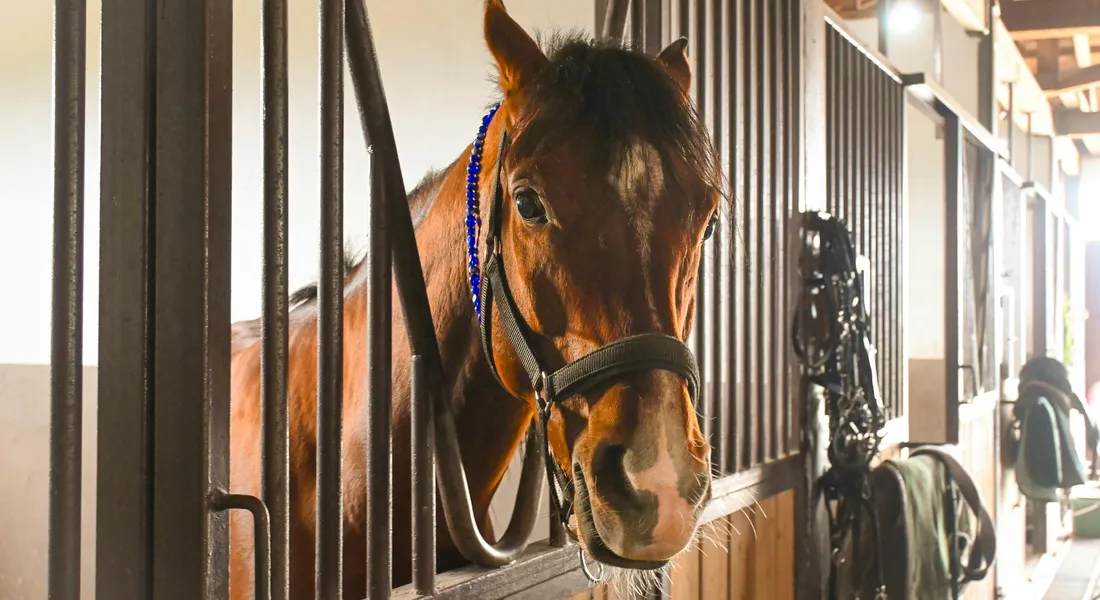
Let’s stack bananas against the classic treats in your tack room feed bin. Every horse person has a go-to, but variety keeps things interesting for your equine partner.
Understanding treat profiles helps you make smarter, safer choices for your horse’s snack time.
Apples and Carrots: How They Stack Up
I’ve fed enough apples and carrots to my crew to fill a pickup truck. Rusty will do anything for a carrot coin, while Luna prefers the crisp, juicy snap of an apple slice. Bananas offer a completely different experience-mushy, fragrant, and ultra-sweet.
Think of it this way: carrots are your reliable work boots, apples are your favorite broken-in jeans, and bananas are the cozy sweater you reach for on a quiet day.
Here’s a clear breakdown of how these common treats compare:
| Treat | Key Nutrient | Sugar Level | Texture & Best Use | My Barn-Tested Tip |
|---|---|---|---|---|
| Banana (peeled) | Potassium, Vitamin B6 | High | Soft, mashable. Good for post-workout or senior horses. | Peel and break into chunks. No need to slice. |
| Apple (cored & sliced) | Vitamin C, Fiber | Moderate | Crunchy, juicy. Excellent for enrichment and encouraging chewing. | Always remove the core and seeds-they contain trace amounts of cyanide. |
| Carrot (chopped lengthwise) | Beta-Carotene, Fiber | Low | Firm, crunchy. The perfect low-sugar, daily training reward. | Cut long strips, not rounds, to drastically reduce choking risk. |
Carrots win for everyday use due to their low sugar content. Apples provide a fun crunch. Bananas are a special-occasion treat, best used sparingly due to their high sugar and sticky texture that can cling to teeth.
I use banana slices as a “bridge” for nervous horses like Luna; the strong smell helps distract her during vet visits. For Pipin, the food-motivated pony, a tiny piece is a high-value reward for catching him in the pasture.
When to Avoid Feeding Bananas: Red Flags and Warnings
Just because a horse can eat something doesn’t mean they always should. Gentle horsemanship means reading the individual animal in front of you.
Your horse’s primary health comes from quality forage, clean water, and ample turnout—treats are merely the cherry on top. Understanding what counts as essential components of a healthy horse diet helps you evaluate and tailor their feeding plan. When these components are balanced, your horse can maintain daily energy, digestion, and long-term well-being.
Signs of a Bad Reaction
Introduce any new treat, including banana, slowly and in a tiny amount. Watch for these warnings over the next 24 hours.
Trust your gut; if something feels off, it probably is.
- Digestive Distress: Look for loose manure, reduced appetite, or early colic signs like frequent lying down and getting up.
- Behavioral Shift: A sudden sugar high can make a calm horse jittery. Conversely, a bellyache can cause uncharacteristic grumpiness or depression.
- Physical Symptoms: Swelling around the lips or muzzle, hives on the coat, or watery eyes. These indicate a possible allergic reaction.
- Oral Discomfort: Excessive drooling or rubbing the mouth on fences. The sticky fruit pulp might irritate some gums or get stuck.
I once gave Pipin a whole banana peel as an experiment. The result was a messy stall and a mildly gassy pony. Now I know even the peels must be given in moderation, and only to horses with robust digestive systems.
Horses with metabolic conditions like PPID or insulin resistance should avoid bananas altogether due to the sugar content. When in doubt, skip the treat and offer a gentle scratch on the withers instead-it’s often what they wanted all along.
Practical Tips from the Barn: Making Treat Time Safe and Fun
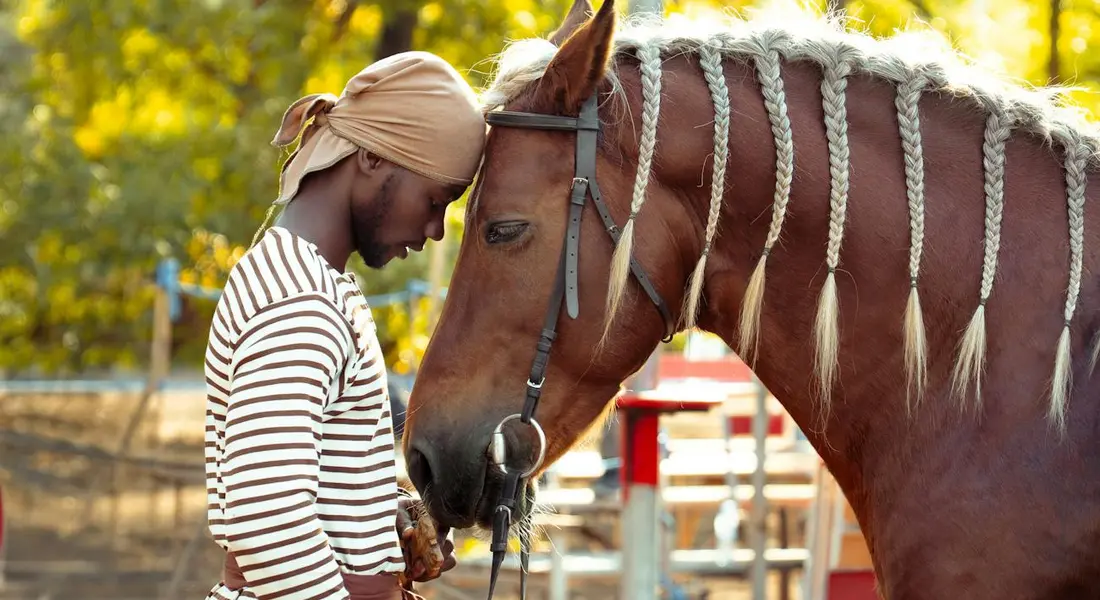
I learned about bananas and ponies the day Pipin snuck into the feed room. He nosed open a lunchbox and trotted off with a whole banana, peel and all, crunching it with smug delight. After the initial panic, watching him happily munch taught me a lot. Treat time should build trust, not create bad manners or health scares. Let’s translate that barn lesson into safe practices for your horse.
Always start with a clean, ripe banana. Green bananas are harder to digest, and overripe ones can be a messy, fermented sugar bomb. I peel it for my seniors like Rusty, whose teeth aren’t what they used to be. For a vigorous eater like Luna, I might offer a thick slice of peel to see if she likes the texture. Your first job is to remove any plastic stickers or ties, as these are a serious choking and intestinal hazard. The quiet of the barn is perfect for this focused prep.
Your Step-by-Step Guide to the First Banana
- Offer a Small Piece: Start with a coin-sized slice of the fruit. Hold it flat on your palm to avoid nipped fingers.
- Observe the Reaction: Some horses, especially sensitive Thoroughbreds, might sniff it suspiciously. Let them explore without pressure.
- Check for Chewing: Listen for the steady, rhythmic crunch. If they try to swallow a big piece whole, you’ll need to cut smaller next time.
- Monitor Afterward: Watch for any changes in manure or demeanor over the next few hours, though issues are rare.
For banana peels, the rules shift slightly. They are fibrous and can be tough. I always rinse the peel thoroughly to remove any pesticide residue or road grime before offering a piece. Chop it into short, thin strips to prevent long, stringy bits that could cause choke. My cheeky Shetland, Pipin, prefers them this way, but your horse might turn up their nose. That’s okay.
Building a Positive Routine
- Use Treats as a Reward, Not a Bribe: Give the banana slice after a good hoof pick or a calm grooming session, not while pushing them into a trailer.
- Keep it Special: One or two small pieces per week is ample. This prevents sugar overload and keeps bananas a novel joy.
- Incorporate Enrichment: Mash a slice into a handful of their normal grain, or hide a piece in a slow-feed hay net. The snuffling and searching is great mental stimulation.
Remember the core of gentle horsemanship: respect the individual. Luna might find a new food thrilling, while old Rusty just wants his familiar apple. Turning treat time into a mindful moment of connection strengthens your bond far more than any sugary snack. Listen to the contented chewing, smell the sweet fruit mixing with hay, and enjoy the simple gift of their trust.
FAQ: Can Horses Eat Bananas and Banana Peels? A Complete Safety Guide
Can horses eat bananas everyday?
No, horses should not eat bananas or other sugary fruits every day due to their high sugar content. This can lead to weight gain and may disrupt hindgut health or exacerbate metabolic conditions. An occasional treat of a few slices, once or twice a week, is a much safer practice.
Can horses eat bananas and apples together?
Yes, horses can enjoy bananas and apples together as an occasional mixed treat. It is crucial to core the apple and cut both fruits into manageable pieces to prevent choking. Always feed such sugary combinations in very small amounts to avoid overloading their system with simple sugars. You can find more information on the fruits that are safe for horses.
Can horses eat bananas whole?
It is not safe to feed a horse a whole, unpeeled banana. The banana should always be peeled to remove the potentially pesticide-laden skin, and the fruit itself must be broken into chunks. This prevents a serious choking hazard, especially for horses that tend to bolt their food without proper chewing. Similar cautions apply to tropical fruits like pineapple, which should be offered only in small amounts as part of a balanced equine diet. Monitor how your horse handles any new fruit to avoid upset digestion.
What I’ve Learned Feeding Bananas in the Barn
Bananas are a fine occasional treat, but they should never replace a balanced diet. Always remove the peel and cut the fruit into small chunks to prevent choking and make digestion easier on your horse. Many horse owners also give carrots and carrot greens as a crunchy, fiber-rich option. Like bananas, these should be fed in moderation and never replace a balanced diet.
Go slow with any new food and watch your horse’s response closely. Trusting their cues over any trendy advice is the foundation of responsible horsemanship. Equally important is keeping unsafe items out of reach and teaching them not to chew on inappropriate objects. Consistent boundaries and supervision help stop horses from eating items they shouldn’t.
Further Reading & Sources
- r/Equestrian on Reddit: Can horses eat bananas? Any other fruit recommendations?
- Can Horses Eat Bananas? | PetMD
- Can horses eat bananas? Everything you need to know…
- What Can Horses Eat? The Top 20 Foods You Didn’t Know Horses Could Eat – Prime Stables
At Horse and Hay, we are passionate about providing expert guidance on all aspects of horse care, from nutrition to wellness. Our team of equine specialists and veterinarians offer trusted advice on the best foods, supplements, and practices to keep your horse healthy and thriving. Whether you're a seasoned rider or new to equine care, we provide valuable insights into feeding, grooming, and overall well-being to ensure your horse lives its happiest, healthiest life.
Nutrition