
Essential Horse Medications and Health Products for Your Tack Room
Hello fellow equestrians. That sinking feeling when you find a hot swelling on your horse’s leg or hear the first cough of the season is all too real. I have spent many evenings with a thermometer in hand, worrying over vet costs and whether I have the right supplies to help.
Let’s fix that. In this guide, we will cover the practical solutions I rely on after years in the barn. You will learn about:
- Building a wound care kit that actually works for messy field injuries.
- Selecting core medications for colic, fever, and minor aches.
- Choosing digestive supplements and dewormers based on your horse’s real life.
My advice comes from a tack room wall plastered with vet notes and a career spent managing the health of everything from sensitive Thoroughbreds to hardy Quarter Horses.
The Core First Aid Kit: Be Ready for Anything
Your tack room needs a first aid kit that you can grab without thinking. I keep mine in a clear plastic tub with a lid, right by the door. After Rusty decided a fence post was a scratching post and came in bleeding, I learned that organization saves panic. Store your kit where everyone knows its location, and check supplies every season.
Here are the absolute must-haves for every kit:
- Antiseptic solution (like chlorhexidine or povidone-iodine)
- Sterile gauze pads (4×4 inches is a versatile size)
- Non-stick wound dressings (Telfa pads are a barn favorite)
- Self-adhesive bandaging tape (vet wrap)
- A triple antibiotic ointment
- Blunt-tipped scissors and tweezers
- A digital thermometer and lubricant
- Saline solution for eye rinsing
Assembling your kit is straightforward. Follow these steps for safety:
- Choose a sturdy, waterproof container that seals tightly to keep dust and mice out.
- Place all items in clear zip-top bags inside the tub so you can see what’s running low.
- Attach your veterinarian’s emergency number and your address to the lid with clear tape.
- Keep a separate, smaller kit in your trailer or tack trunk for away trips.
Wound Cleaning Fundamentals
Cleaning a wound starts with calm hands. For sensitive souls like Luna, a quiet voice matters as much as the solution. Always wear gloves if you have them; it protects both you and the horse from introducing new bacteria. Additionally, make sure to clean the area thoroughly, similar to how you clean a horse’s hooves to ensure no dirt or debris remains.
Different solutions have different jobs. Chlorhexidine is my go-to for general cleaning-it’s gentle and effective. Povidine-iodine (Betadine) is stronger, good for initial disinfection but can dry skin. Plain sterile saline is perfect for flushing eyes or delicate tissues.
Here’s my step-by-step for initial care:
- Control any major bleeding with direct pressure using a clean gauze pad.
- Flush the wound generously with your antiseptic, diluted as the bottle directs. I use a clean spray bottle or a syringe without a needle.
- Gently pat the area dry with sterile gauze. Do not rub.
- Apply your chosen dressing or ointment based on the wound type.
Bandaging Basics
Bandages are for protection, not decoration. A poorly applied bandage can cause more harm than the wound itself. The golden rule is to apply even pressure-you should be able to slip a finger under the finished wrap.
Each bandage type has a purpose:
- Gauze rolls provide soft padding directly over a wound. They soak up drainage and cushion the area.
- Self-adhesive wraps (vet wrap) hold everything in place. They stick to themselves, not hair or skin.
- Cotton leg wraps or standing bandages offer support for stocked-up legs or after hard work.
Use gauze and vet wrap for lower leg wounds. Use cotton wraps for support after turnout or when cooling out a hot leg. For a body wrap, like after a chest cut, I’ll use a non-stick pad secured with a stretchy netting bandage.
Choosing the Right Dressing
Picking a dressing is like choosing a blanket-it depends on the weather of the wound. A dry scrape needs different care than a oozing cut. Non-stick pads are your best friend for wounds with discharge; they won’t glue themselves to the healing tissue.
Standard gauze squares work fine for dry, superficial abrasions. Here’s a quick guide:
| Wound Type | Recommended Dressing | Why It Works |
|---|---|---|
| Clean, dry scrape | Sterile gauze pad | Allows air flow, protects from dirt. |
| Oozing or moist cut | Non-stick pad (Telfa) | Won’t adhere, reduces painful dressing changes. |
| Minor blister or abrasion | Petroleum jelly or a thin layer of ointment | Creates a protective barrier against elements. |
Topical Treatments: From Scrapes to Serious Cuts
The smell of antiseptic spray is a staple in my barn. Topical treatments bridge the gap between a clean wound and healed skin. Your goal is to keep the area clean, slightly moist, and protected from flies and dirt.
Wound sprays with blue or crimson coatings are useful for keeping flies off minor scrapes. Healing ointments that contain zinc can promote skin repair. Watch for signs of infection: increased heat, swelling, yellow pus, or a foul odor. If you see these, skip the home care and call your vet.
Antibiotic Ointments and Their Role
That little tube of triple antibiotic ointment has its place, but it’s not for every boo-boo. I use it sparingly on clean, superficial wounds after a thorough flushing. Overusing antibiotic creams can lead to resistant bacteria, making future infections harder to treat.
Apply a thin layer directly to the wound or onto a non-stick pad before bandaging. For simple barrier protection on a muzzle scratch or knee scrape, plain petroleum jelly often does the trick without the antibiotic component. It’s my go-to for Pipin’s frequent gate-rub adventures.
Soothing Sprays and Gels
Not every skin issue is a cut. Sometimes it’s a hot spot, a bug bite, or summer itch. A cooling spray with aloe or witch hazel can take the sting out. These products offer comfort, not cure, and are perfect for after a bath or a long ride.
Aloe-based gels are fantastic for sun-kissed noses or minor irritations. For a natural option, a dab of medical-grade manuka honey on a small, clean abrasion can soothe and provide a protective layer. I keep a small jar in my kit for those times when Luna gets a minor rub from her fly mask.
Oral Medications: Managing Pain and Inflammation
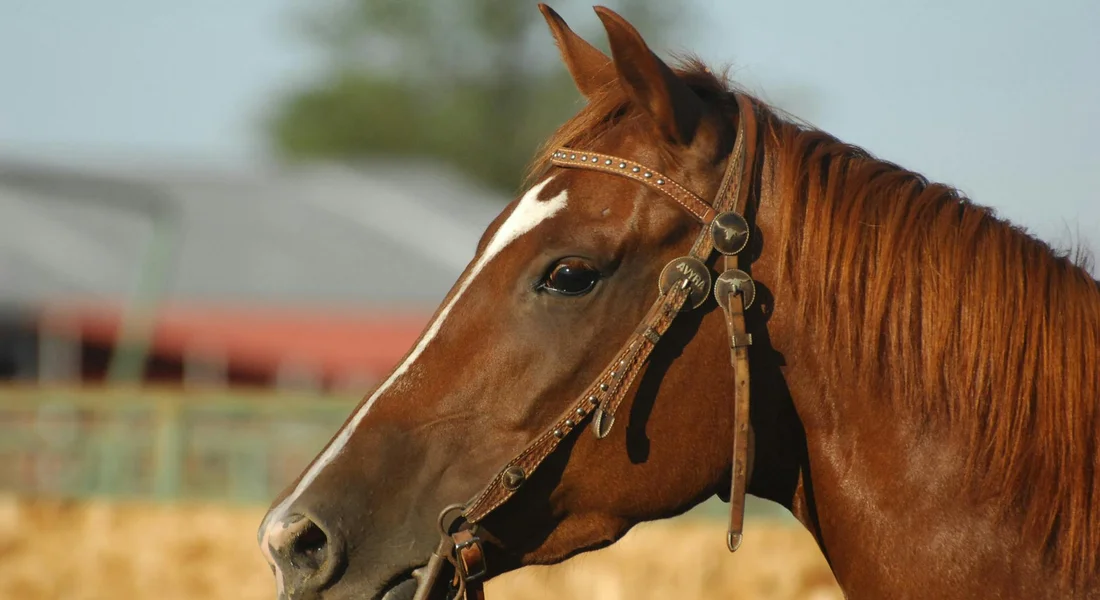
Keeping a few key oral medications on hand lets you act quickly when a horse is sore or off. Non-steroidal anti-inflammatory drugs, or NSAIDs, are your first line of defense for managing pain and reducing swelling from injuries or arthritis. I always have phenylbutazone (bute) and flunixin meglumine (Banamine) in my tack room, but I treat them with immense respect. These are powerful tools, not everyday treats. Their dosage is not a guessing game-it’s a precise calculation based on your horse’s weight and condition, which only your vet can provide accurately. Getting this wrong can lead to ulcers or kidney damage.
Understanding Common NSAIDs
Not all NSAIDs are used for the same ache. Knowing the difference prevents misuse. Phenylbutazone is my go-to for chronic soreness, like when Rusty gets that stiff hindquarter after a long trail ride in the cold. Bute is excellent for musculoskeletal pain and lameness, but it can be harsh on the stomach lining if used long-term without protection. Flunixin meglumine, often under the brand name Banamine, is my first grab for visceral pain, like the signs of colic. It’s potent for reducing inflammation and fever. Watch for side effects like loss of appetite, diarrhea, or changes in drinking habits-these are red flags to stop and call the vet immediately.
Safe Administration Tools
The right tool makes medication time less stressful for everyone. For liquids and paste dewormers, oral dosing syringes are essential. I prefer the clear, graduated ones so I can double-check the measurement against the vet’s instructions. Always draw the medication up slowly to avoid air bubbles, which can throw off the dose and startle your horse when administered. For administration, stand to the side of your horse’s head, insert the syringe into the corner of the mouth, and depress the plunger steadily. Offer a favorite treat afterwards to create a positive association. The quiet click of the syringe cap should signal care, not a battle.
Supporting Internal Health: Dewormers and Supplements
A healthy horse starts from the inside out, and what you keep on your shelf should support that. Modern parasite control isn’t about dumping a dewormer in every horse every eight weeks; it’s a targeted strategy based on fecal egg counts. Alongside dewormers, I reserve space for electrolytes and probiotics. These aren’t magic powders, but they are crucial for restoring balance after hard work, travel, or stress. Always chat with your vet before starting any new supplement regimen-what works for Luna’s sensitive gut might be overkill for sturdy Pipin.
Strategic Deworming
Blind rotation builds parasite resistance. Today, we use specific drugs for specific worms. Common active ingredients include ivermectin (for bots and roundworms) and fenbendazole (for tapeworms and small strongyles). I run fecal counts twice a year to see which horses are high shedders and only treat those that need it, a practice that has drastically reduced our parasite load on the whole farm. For administration, ensure the full dose is delivered: place the paste gun over the tongue, depress firmly, and watch your horse swallow. Keeping a record of what you gave and when is just as important as the act itself.
Nutritional Boosters
These products fill in the gaps when nature needs a nudge. Electrolytes are for rehydration-I mix them into a wet mash after a sweaty summer lesson or a long haul. Look for a balanced formula containing sodium, potassium, and chloride, and always provide plenty of fresh water alongside them. Probiotics, with their earthy smell, are my secret weapon for digestive balance. I use them after a course of antibiotics, during a sudden feed change, or when a horse like Luna gets anxious about a show. They help repopulate the good gut bacteria that keep everything moving smoothly.
Hoof and Integument Care: Prevention is Key
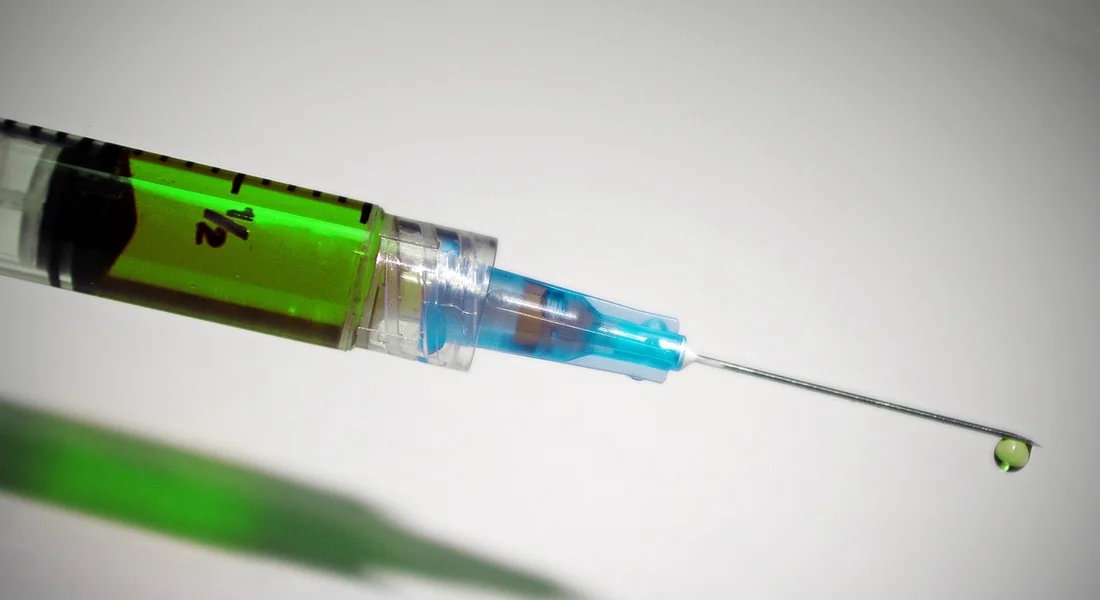
A healthy horse is built from the ground up, and the integument-that fancy word for skin, hoof, and coat-is your first line of defense. Your daily grooming session is more than bonding; it’s a vital inspection tour. Run your hands down every leg, feeling for heat, swelling, or cuts. Pick out those feet and really look into the clefts and grooves.
Your hoof care kit should be as routine as your brush box, stocked with a reliable antiseptic for thrush, a sterile packing material for abscesses, and a quality hoof moisturizer for dry climates. Never underestimate a good fly repellent; it’s a critical skin health product that prevents the maddening itching and painful bites that lead to broken skin and infection.
Fighting Thrush and Abscesses
Thrush smells like a forgotten gym bag and looks like black, tacky gunk in the collateral grooves of the frog. At the first whiff, you need a hoof antiseptic. Common active ingredients include gentian violet, copper naphthenate, or diluted bleach solutions. I keep a small, labeled squeeze bottle with a nozzle in my kit.
To treat thrush, pick the hoof meticulously, apply the antiseptic directly to the affected grooves, and repeat daily until the frog is clean and dry. For a suspected abscess, your goal is to draw out the infection. After your vet has located and drained it, you’ll need to pack the hoof. Soak the foot in warm Epsom salt water, then fill the hole with a sterile poultice pad or iodine-soaked gauze, securing it with a diaper and duct tape to keep it clean.
Skin and Coat Support
Flies aren’t just annoying; they’re vectors for disease and misery. I use a two-pronged approach: a long-lasting spray for the body and sensitive-area wipes for faces and ears. For a horse like Luna, who can be touchy, I apply spray to a mitt first and wipe her down rather than spraying directly. It’s especially important to clean those sensitive areas gently but thoroughly.
After a sweaty summer ride, a cooling gel with aloe or menthol on the legs and belly does wonders. These gels soothe the skin, reduce inflammation from bug bites, and help your horse feel comfortable faster, which is always the goal. Just avoid open wounds or freshly clipped skin. Pair this with the proper way to cool down your horse after exercise to support safe recovery. A calm, gradual cooldown helps heart rate settle and joints loosen.
Essential Tools and Smart Storage
A chaotic tack room leads to frantic, wasted minutes in an emergency. I use a clearly labeled, waterproof plastic tool case for all health supplies. This isn’t a junk drawer. Everything has a spot, and everything goes back in its spot. Store this case in a cool, dry place-heat degrades medications and melts syringes.
A dedicated, organized kit means you can find the digital thermometer or eye wash in the dark, with one hand, while your other hand is on a nervous horse. Your future self will thank you during a midnight colic watch or a sudden eye injury.
Monitoring Vital Signs
Knowing your horse’s normal baseline is power. A digital thermometer with a string and clip is non-negotiable. Lubricate the tip, insert it gently into the rectum, and wait for the beep. Normal temperature ranges from 99 to 101.5°F. Temperature is just one vital sign. Pair it with checking your horse’s normal temperature heart rate and other vital signs for a fuller picture of health.
For pulse, feel the artery under the jaw or inside the front leg. Count the beats for 15 seconds and multiply by four. Resting rate is typically 28-44 beats per minute. Watch the flank rise and fall for respiration; 8-16 breaths per minute is normal. These basics are the foundation for understanding heart rate and respiration monitoring in horse fitness. They help you gauge training intensity and recovery. Practice these skills on a calm day with a healthy horse, so you’re not learning during a crisis.
Application and Dosing Equipment
Syringes are not one-size-fits-all. You need three types: large catheter-tip syringes for flushing wounds with saline, small oral dosing syringes for paste dewormers or supplements, and fine-tip syringes for administering eye drops or ointments.
I clean reusable syringes with warm, soapy water immediately after use. Always label any syringe containing medication with the drug name, dose, and date to prevent tragic mix-ups. Store them in a sealed bag within your main kit to keep them dust-free and ready.
Seasonal and Situational Staples
Your tack room needs to change with the calendar. Rotating your inventory seasonally isn’t just about convenience; it’s a proactive move that keeps your horse comfortable and prevents small issues from becoming big ones. Summer demands a war on insects, while winter calls for a battle against dryness and stiffness. And always, always have a travel-ready kit for those unexpected moments away from home.
Effective Fly and Insect Control
Fly season turns the peaceful barn into a buzzing nightmare. I’ve spent summers experimenting with every potion and lotion to give Rusty, Pipin, and Luna some peace. A good defense uses multiple layers: you manage the environment, protect the horse, and reapply as needed. Standing water is a breeding ground, so empty those buckets and troughs often.
For the horse, you have options. Sprays cover large areas quickly—that familiar hiss is the sound of summer. Wipes are perfect for sensitive faces, ears, and muzzles, letting you control application. Roll-ons offer pinpoint accuracy for around the eyes. Never spray directly onto the face; instead, spray onto a cloth and wipe it on, keeping all products well away from those precious eyes. A physical barrier, like a well-fitting fly mask, is non-negotiable for sun and bug protection.
Soothing Muscle and Joint Products
After a long ride or a chilly night in the paddock, your horse might appreciate a little extra care. I keep two categories of products on hand: coolers and warmers. Knowing the difference is critical, as using the wrong one can increase inflammation or strain. Always follow the label to the letter, especially when it comes to understanding how much cold horses can tolerate.
Cooling liniments and gels are for after work. I use them on Luna’s legs when she’s had a spirited training session. They often contain menthol or witch hazel and create a cooling sensation that helps dissipate heat. A poultice, like a clay-based one, draws out heat and fluid after intense exertion. For routine cool-downs, a simple cold hosing is often just as effective as any bottled product.
Supportive warming products, often called “braces,” are for before work on stiff muscles or old joints. They stimulate blood flow with ingredients like capsaicin. These are for mature horses like Rusty on a crisp morning when he feels a bit creaky. You must never apply a warming product under a wrap, as it can cause severe burns. For travel, a tube of anti-inflammatory gel and a reliable standing wrap can be a lifesaver for managing unexpected stiffness on the road.
FAQ: Essential Horse Medications and Health Products for Your Tack Room
What are the most critical oral medications to keep stocked?
Every tack room should have a vet-prescribed supply of flunixin meglumine (Banamine) for signs of colic and fever. Phenylbutazone (bute) is essential for managing acute musculoskeletal pain and lameness. You must always consult your veterinarian for precise dosing instructions and a diagnosis before administering any medication.
How should I handle a potential colic episode before the vet arrives?
Safely walk your horse if they are quiet and not rolling violently to prevent injury. Withhold all feed, including hay and grain, but ensure fresh water is available. Continuously monitor and record their vital signs-pulse, respiration, and temperature-to provide your vet with critical information upon arrival.
What is the proper way to store these essential medications?
Store all medications in a cool, dry, and locked location, away from direct sunlight and temperature extremes. Keep all products in their original containers with labels intact to avoid dangerous mix-ups. Regularly check expiration dates and safely dispose of any outdated or compromised medications.
Your Horse Health Toolkit
Organize your medications by purpose and expiry date, and always know the correct dosage for your specific horse before you need it. The most important tool you have is a consistent routine of observation and a well-maintained inventory, checked long before an emergency strikes.
These products are merely aids to support the vibrant health built by good feed, ample turnout, and gentle handling. Your horse’s behavior and vital signs will always tell you more than any label ever could, so make listening your first priority.
Further Reading & Sources
- Comprehensive Horse Pharmacy A-Z
- Equine Health: Horse Medicine | Boehringer Ingelheim US
- Horse Pharmacy Equine Rx Prescription Medications – Jeffers
- Horse Pharmacy | Equine Pharmacy – NexGenVetRx.com
At Horse and Hay, we are passionate about providing expert guidance on all aspects of horse care, from nutrition to wellness. Our team of equine specialists and veterinarians offer trusted advice on the best foods, supplements, and practices to keep your horse healthy and thriving. Whether you're a seasoned rider or new to equine care, we provide valuable insights into feeding, grooming, and overall well-being to ensure your horse lives its happiest, healthiest life.
Health