
Peanut Hay for Horses: Safety Facts and Forage Alternatives
Published on: September 22, 2026 | Last Updated: September 22, 2026
Written By: Henry Wellington
Hello from the barn aisle. If you’re staring at a bale of peanut hay, wondering if it’s a wise choice for your horse, that caution is smart. Feeding the wrong forage can upset sensitive digestion and lead to steep vet bills.
Let’s clear the air. I’ll break down the key points you need to know:
- The truth about peanut hay’s nutritional value and common risks like aflatoxins.
- How to inspect hay for mold and poor quality before you buy a single bale.
- Step-by-step guidance for safely introducing any new forage to your horse’s diet.
- Practical, palatable alternative forages to keep your horse healthy and chewing.
My advice is rooted in years of barn management and training, balancing diets for everything from high-strung thoroughbreds to easygoing ponies.
What Exactly Is Peanut Hay?
Peanut hay isn’t your typical meadow grass bale. It’s the dried vines, leaves, and residual pods left in the field after the peanut crop is harvested. Think of it as the “leftovers” from a peanut farm, baled for livestock. You won’t find it at most feed stores, as it’s a regional byproduct more common in the southern U.S. where peanuts grow. In my years of barn management, I’ve only encountered it a handful of times, and its distinct character always sparks curiosity.
Compared to the familiar scent of timothy or orchard grass, peanut hay has a unique, sweet-earth aroma, almost like dried legumes and fresh soil. The texture is a mix of coarse, twining vines and broader, softer leaves. It’s generally leafier than stemmy grass hays, but those vines can be surprisingly tough.
- Nutritionally, it’s a legume hay, akin to alfalfa. It often boasts high crude protein, sometimes 15% or more.
- The calcium-to-phosphorus ratio can be favorable, but it’s not consistent-testing is key.
- Its fiber is digestible, but the quality hinges entirely on how it was cured and baled.
- Moisture content at baling is everything; too damp, and you’re inviting a mold festival that ruins the entire nutritional profile.
From Peanut Plant to Horse Hay
Turning peanut vines into safe forage is a delicate dance with weather and timing. I helped a farmer neighbor once, and it taught me that rushing this process is where most risks begin.
Harvesting, Curing, and Baling Process
After the peanuts are dug up, the vines are left to wilt in the sun. This field-curing must be thorough to reduce moisture but not so slow that the plant material weathers or molds. Proper curing is a race against time and humidity to lock in nutrients and lock out spoilage. The baled hay should feel dry and crisp, not leathery or damp to the touch, with a uniform greenish-tan color. That perfect bale has a faint, sweet smell, not a musty or sour odor.
Nutritional Snapshot of Peanut Hay
Let’s break down what’s inside those leafy bales. It’s a forage of extremes-potentially high in good stuff, but equally prone to harboring the bad if handled poorly.
Protein, Minerals, and Digestibility Factors
For a hard-keeper like Luna, my Thoroughbred, the high protein content can be tempting. However, this protein boost comes with a caveat: the mineral balance is rarely ideal straight from the field. The calcium level is usually decent, but phosphorus can vary wildly. The fiber, while present, is less consistent than in grass hays, which can affect hindgut function if it’s the sole roughage source. Digestibility depends on the leaf-to-stem ratio and the absence of mold; a well-cured, leafy batch is easier on the system than a stemmy, weathered one.
The Safety Debate: Can Horses Eat Peanut Hay?
So, can you feed it? The answer isn’t a simple yes or no. It’s a cautious “maybe, but only after thorough vetting.” I’ve seen barns use it without issue, and I’ve seen a single contaminated bale cause colic. The safety of peanut hay is almost entirely in the hands of the farmer who baled it and the eye of the horse owner inspecting it.
- The primary risks are toxic contaminants: aflatoxin from mold, prussic acid from improper wilting, and nitrate accumulation.
- A potential benefit is its palatability; picky eaters like Rusty might dive in, but that doesn’t make it safe.
- Any consideration must be preceded by professional hay testing for toxins and a meticulous, hands-on inspection.
Red Flags: Toxins and Contaminants
Feeding untested peanut hay is a gamble with your horse’s health. The risks are invisible to the naked eye until it’s often too late. Moldy hay can lurk in feed and harm horses, often with no early signs. Understanding moldy hay risks and alternatives can help you protect your horse’s health.
Aflatoxin: The Mold-Related Danger
Aflatoxin is a nasty byproduct of specific molds that can grow on peanuts and their vines, especially in humid conditions. This toxin attacks the liver and is cumulative, meaning small amounts over time can lead to slow, devastating damage. There’s no smell or visible sign you can reliably detect yourself; only a lab test can confirm its absence.
Prussic Acid and Nitrates: Understanding Plant-Based Risks
When peanut plants wilt too slowly or are stressed by frost, they can produce prussic acid, which converts to cyanide in the gut. Nitrates, often from over-fertilized soil, accumulate in the stems and can cause oxygen deprivation in the blood. Both scenarios lead to acute, potentially fatal poisoning, with symptoms like labored breathing, staggering, and collapse. Proper, rapid curing minimizes these risks, but you can’t see if it was done correctly just by looking at the bale.
When Might Peanut Hay Be Considered?
In very specific, controlled circumstances, it could be an option. But it should never be your go-to or sole forage.
Assessing Individual Horse Needs and Hay Quality
If you have a metabolically healthy, non-pregnant horse needing extra protein-like a performance horse in heavy work-and you have access to certified, tested peanut hay from a trusted source, you might mix a few flakes into their regular grass hay. For easy keepers like Pipin, the pony, the high protein is unnecessary and could fuel obesity. Always introduce it slowly, mixed with other forage, and monitor manure and behavior closely. Your first priority is always the horse’s long-term welfare, not short-term convenience or cost savings.
How Peanut Hay Compares to Common Horse Forages
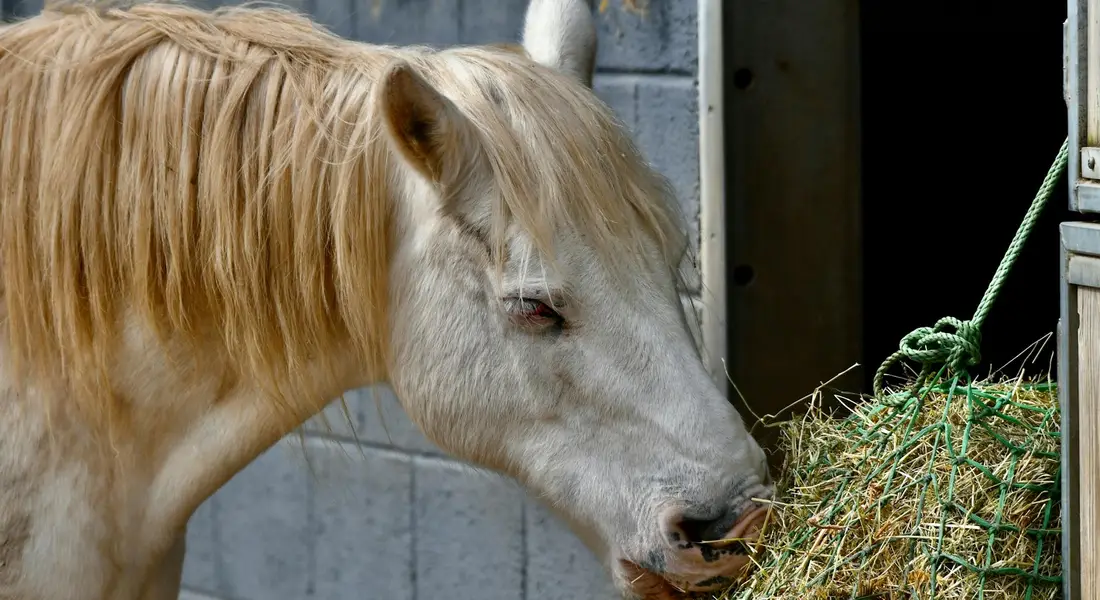
Choosing hay is like picking a meal plan for your horse. Each type brings a different balance of nutrients and energy to the feed tub. Your horse’s age, workload, and metabolism will dictate which forage acts as the main course and which is best as a side dish. In a complete comparison, we’ll explore which types of hay are best for different horses. This helps you pick the right forage at a glance. Let’s stack peanut hay up against the usual suspects you’ll find in the barn.
| Forage Type | Protein | Calcium | Phosphorus | Laminitis Risk |
|---|---|---|---|---|
| Peanut Hay (Legume) | High (12-16%) | High | Low | Low (if clean, low-mold) |
| Timothy Hay (Grass) | Moderate (7-11%) | Low | Moderate | Low |
| Alfalfa Hay (Legume) | Very High (15-22%) | Very High | Moderate | Moderate (for sensitive horses) |
| Orchardgrass (Grass) | Moderate (8-12%) | Low-Moderate | Moderate | Low |
| Bermuda Grass (Grass) | Moderate (7-12%) | Low | Low | Higher (in sugary conditions) |
| Mixed Meadow Hay (Grass) | Variable (6-12%) | Variable | Variable | Variable |
Palatability is a big deal. I’ve watched Luna, my sensitive Thoroughbred, turn her nose up at a flake of dusty hay but dive into a fragrant, leafy batch. Digestion varies too. Legumes like peanut hay and alfalfa are dense packets of nutrients, while grass hays are generally easier on the digestive tract for idle horses. A steady diet of rich legume hay can be like feeding a couch potato steak dinners every night—too much of a good thing – especially when compared to their traditional grain or feed-based diets.
Peanut Hay vs. Timothy Hay: The Grass Standard
Think of timothy hay as your reliable, comfortable pair of barn boots. It’s a cool-season grass hay with solid fiber, moderate protein, and a solid track record for most horses. It’s the foundation. Peanut hay, as a legume, packs more protein and calcium punch. For my easy keeper Rusty, timothy is perfect maintenance fuel. Peanut hay would be a protein boost he doesn’t need. Use timothy for steady calories; use peanut hay as a targeted supplement for horses needing extra condition.
Peanut Hay vs. Alfalfa Hay: Legume Lessons
Both are legumes, but alfalfa is the bodybuilder of the hay world. Its protein and calcium levels are notably higher. This makes alfalfa fantastic for growing youngsters, lactating mares, or high-performance athletes. Peanut hay is often slightly lower in these, making it a useful “middle-ground” legume. The caution for both is the high calcium-to-phosphorus ratio. Feeding a legume-only diet can seriously imbalance mineral absorption, so I always blend legumes with a grass hay for nutritional harmony.
Other Grass Hays: Orchardgrass and Bermuda Grass
Orchardgrass is timothy’s softer cousin. It’s leafy, palatable, and a favorite for picky eaters and horses with dental issues. Bermuda grass is a warm-season hay, often lower in sugar when harvested late, but it can be stemmy. I’ve found Bermuda good for metabolic horses when tested, but its quality varies wildly. Neither typically matches the protein level of peanut hay, reinforcing that peanut hay’s role is for supplemental boosting, not pure roughage.
Top Alternative Forage Options for Horse Health
Your hay loft doesn’t need to be a monoculture. Rotating or mixing forages creates a balanced diet and keeps horses interested. Here are the primary alternatives I’ve relied on for years, including alfalfa hay.
Timothy Hay: The Reliable Foundation
- Pros: Excellent fiber, promotes healthy digestion, low sugar and starch when harvested at the right time, ideal for easy keepers and senior horses.
- Cons: Can be pricey in some regions, quality depends heavily on cutting (first cut is stemmier).
This is my go-for for most of the herd. It’s Pipin the pony’s main forage, keeping him happily munching without the energy spikes that turn him into a furry Houdini.
Alfalfa Hay: High-Octane Fuel with Caveats
- Pros: Superior protein and calcium, great for building topline, supports bone growth in young stock, dust-free chops are good for respiratory health.
- Cons: Too rich for many adult horses, can cause excess energy or urinary issues, must be balanced with phosphorus.
I treat alfalfa like a concentrate, not a bulk forage. Luna gets a flake to support her athletic metabolism, but it’s always paired with grass hay to slow her intake and balance nutrients.
Orchardgrass and Mixed Meadow Hays: Gentle and Versatile
- Pros: Very palatable, softer texture, often good for horses with heaves or dental problems, mixed hays offer natural variety.
- Cons: Nutrient content can be inconsistent, especially in mixed bags. You must know your supplier.
The smell of a good, green mixed meadow hay is summer in a bale. It’s a fantastic choice for pleasure horses, offering a blend of grasses that mimics diverse pasture.
Pasture Grazing: The Ideal Natural Forage
Nothing beats a horse with a lowered head, tearing fresh grass with that satisfying rip. Pasture provides movement, mental stimulation, and forage in its most natural form. But manage it like you manage your hay: test your soil, rotate paddocks, and use a grazing muzzle for horses prone to laminitis or founder. It’s not just food; it’s therapy.
For supplemental options, remember hay cubes, pellets, and chopped forage. They’re brilliant for seniors, travel, or adding to mashes. Just ensure they’re soaked adequately to prevent choke and are just another form of the same good hay you’d feed in long-stem form.
Choosing Quality Hay and Introducing It Safely
Buying hay feels like a treasure hunt to me. You’re searching for that golden bale that will keep your horse healthy and happy. Trust your senses over a sales pitch every time; your eyes, nose, and hands are the best tools you have. Knowing how much hay your horse should eat each day is a key piece of a complete feeding guide. It helps you balance forage with your horse’s energy and workload. I learned this after a dusty batch made my reliable guy, Rusty, turn up his nose for days.
Hay Quality 101: Your Sensory Checklist
Forget complex jargon. Evaluating hay is a hands-on skill anyone can learn. Good forage should look, smell, and feel like something you’d want to eat yourself, if you were a horse.
Step 1: Visual Inspection for Color and Cleanliness
Open a bale and spread some hay out in the sunlight. You want to see a bright, greenish-tan color, not a dusty brown or gray. Watch for weeds, unknown plants, or excessive dirt, as these can indicate poor cutting practices or soil contamination. I once found a bale with what looked like plastic twine mixed in-Pipin would have made a hilarious but dangerous snack out of that.
Step 2: The Smell Test for Freshness vs. Mold
Take a deep whiff. Quality hay has a sweet, clean aroma of grass or alfalfa. A musty, damp, or sour smell is a hard pass, signaling mold growth that can lead to serious respiratory or digestive issues. That sharp, acrid odor? It often means the hay was baled too wet and fermented, creating heat and potential toxins.
Step 3: Feel for Dryness and Leafiness
Reach into the center of the bale. It should feel dry and warm from the sun, not damp or clammy. Crush a stem; it should snap, not bend. The hay should be leafy and soft to the touch, not all stiff stalks, as the leaves hold most of the nutrition. If it feels like grabbing a handful of twigs, your horse is missing out on vital protein and energy.
When dealing with alternative hays like peanut hay, testing is your safety net. Send a core sample to a forage lab to check for nitrates and molds, especially if the hay was grown under stress or stored improperly. It’s a small cost that prevents big vet bills.
Introducing New Hay: A Gradual Transition Protocol
A sudden hay switch is like you going from a salad diet to eating only cheeseburgers overnight-your gut wouldn’t be happy. Your horse’s microbial gut population needs time, about 7 to 10 days, to adjust to new forage. I rushed this with Luna once and spent a long night walking her around the barn aisle.
Step-by-Step Mixing and Monitoring Plan
- Days 1-3: Feed 75% old hay mixed with 25% new hay. Watch manure consistency closely.
- Days 4-6: Shift to a 50/50 blend of old and new hay. Observe energy levels and appetite.
- Days 7-10: Offer 25% old hay with 75% new hay. Check for any subtle behavioral changes.
- Day 11 Onward: If all is well, you can feed 100% of the new hay. Keep a few bales of the old stuff as backup just in case.
Always make the change during a period of low stress, not right before a show or a major trail ride. This slow-mix method is the single best way to avoid colic and digestive hiccups when changing forages.
Signs Your Horse Isn’t Tolerating Their Hay
Horses communicate discomfort through their bodies, not words. Learning to read these signals early can mean the difference between a simple diet adjustment and a veterinary emergency. Your daily grooming and observation time is your best early-warning system. Spotting early signs of illness or injury in your horse lets you act fast. Keep up with this routine to catch those indicators before they become emergencies.
Digestive Distress: From Subtle Changes to Colic
Digestive upset doesn’t always start with obvious pain. The first clue is often a change in manure, like overly dry balls, cow-pie consistency, or visible undigested hay strands. Weight loss or unexplained weight gain can signal that the hay isn’t being utilized properly. Lethargy, a dull look in the eye, or repeated lying down and getting up are red flags that demand immediate attention.
True colic-pawing, looking at the flank, sweating, rolling-is a clear sign something is very wrong. If you suspect colic, stop all feed, call your vet immediately, and keep your horse walking calmly if it’s safe to do so. It’s crucial to recognize and respond to a horse colic emergency properly.
Behavioral and Physical Warning Signs
Look beyond the gut. A forage intolerance often shows up in other systems. A once-glossy coat turning dull and rough, or hooves becoming brittle and cracked, can be linked to poor nutrient absorption from low-quality hay.
- Behavioral: Pickiness at meal time, digging in the feed tub, or increased stall-walking. Pipin’s clever escapes often spiked when his hay wasn’t to his liking.
- Respiratory: New or increased coughing, nasal discharge, or flared nostrils during rest can indicate mold or dust irritation.
- Performance: A noticeable drop in energy or willingness to work. Luna would become tight and resistant instead of her forward, sensitive self.
When you see a cluster of these signs, it’s time to consult your veterinarian and seriously reconsider your forage choice. They can help rule out other issues and guide you toward safer alternative options, like tested grass hay, soaked hay cubes, or even a forage-based complete feed.
FAQ: Is Peanut Hay Safe for Horses?
Is peanut hay safe for horses?
Peanut hay can be safe only under strict conditions, as its safety hinges entirely on perfect harvesting and handling. It must be professionally tested for deadly toxins like aflatoxin and nitrates, which are invisible to the naked eye. Ultimately, it is a high-risk forage that should never be a primary feed and is best avoided by most owners in favor of safer, more consistent options.
Can peanut hay cause any health issues in horses?
Yes, contaminated peanut hay can cause severe health issues, including acute poisoning from prussic acid (cyanide) or nitrates. Chronic, low-level exposure to aflatoxin from mold can lead to cumulative and devastating liver damage. These risks make feeding untested peanut hay a dangerous gamble with a horse’s health.
Are there any nutritional benefits of peanut hay for horses?
As a legume, peanut hay can offer high crude protein and a favorable calcium content, similar to alfalfa. This can be beneficial for hard-keepers or performance horses needing extra condition. However, these potential benefits are far outweighed by the risks of contamination and inconsistent mineral balance, making other legume hays like alfalfa a more reliable choice. Unlike actual nuts which can be unsafe for horses, peanut hay introduces additional risks.
From the Hayloft to the Hoof
Peanut hay is not a one-size-fits-all feed and should only be considered after verifying it is free from mold and aflatoxins. The most reliable practice is to introduce any new forage, including peanut hay, incrementally over at least a week while closely observing your horse’s manure and demeanor.
Trust the daily feedback your horse gives you more than any bag label or popular trend. Consistent, observant care is the bedrock of safe feeding and true partnership. Build a strong bond and trust your horse, and their daily cues become a reliable guide.
Further Reading & Sources
- Perennial Peanut Hay for Horses
- Growing peanut hay. | Hay & Forage Forum
- Types of Hay for Horses | Equine Nutrition – EverythingEQ
- Peanut hay for horses: pros, cons, and recommendations
At Horse and Hay, we are passionate about providing expert guidance on all aspects of horse care, from nutrition to wellness. Our team of equine specialists and veterinarians offer trusted advice on the best foods, supplements, and practices to keep your horse healthy and thriving. Whether you're a seasoned rider or new to equine care, we provide valuable insights into feeding, grooming, and overall well-being to ensure your horse lives its happiest, healthiest life.
Nutrition