
Horse Insurance Requirements: Your Guide to Smart Coverage for Owners and Breeders
Hello fellow equestrians. That sudden colic scare or the worry about a visitor getting hurt on your property is more than just stress-it’s a real financial threat that can unravel years of careful work and investment.
Let’s saddle up and sort this out. I’m going to walk you through the key protections you need, so you can focus on what you love. Here’s what we’ll cover:
- The essential insurance policies that act as your financial safety net, from mortality to liability.
- How legal requirements change dramatically for breeders, trainers, and boarding stables.
- Practical steps to accurately value your horse, ensuring you’re neither under-insured nor overpaying.
- Straightforward advice for comparing policies and understanding the fine print that really matters.
Having managed barns for years, I’ve handled everything from emergency surgeries to liability waivers, and I know a solid insurance plan is as fundamental as daily turnout.
The Core Policies: Insurance Every Horse Person Should Consider
Let’s talk about the paperwork that can save your bacon. Insurance for your horse life isn’t just about protecting your investment; it’s about sleeping at night knowing a freak accident won’t cost you your farm, your savings, or your sanity. From my years managing a busy barn, I’ve seen how the right policy turns a catastrophic event from a life-ruiner into a manageable hassle. It’s also smart to budget for insurance emergency fund costs so you know what out-of-pocket expenses to expect. That way you won’t be caught off guard by deductibles, co-pays, or coverage gaps when a claim hits. Not every policy here is a legal must-have, but each one plugs a critical hole in your risk management plan.
Here are the five policies you’ll encounter most often at the stable gate.
| Policy Type | What It Covers | Is It Required? | Typical Cost Range |
|---|---|---|---|
| Equine Liability | If your horse injures a person or damages someone else’s property. This is your “slip-and-sue” protection. | Often required for businesses (boarding, lessons). Highly advised for all owners. | $200 – $600+ annually |
| Mortality (Life) | Pays the agreed value of your horse if it dies from accident, illness, or sometimes theft. | No, but often required by lenders if the horse is financed. | 2.5% – 4% of horse’s insured value per year |
| Major Medical & Surgical | Vet bills for accidents, injuries, and illnesses, like colic surgery or a fractured limb. | No, but it’s the single best way to afford advanced care. | $300 – $800+ annually, plus a deductible per claim |
| Care, Custody & Control (CCC) | If a horse in your professional care (a client’s horse you’re training, boarding, or transporting) gets injured or dies. | Vital for professionals. Standard liability often excludes this. | Bundled with liability or $400 – $900+ separately |
| Property / Equipment | Your barn, tack, trailers, and equipment against fire, theft, or storm damage. | No, but if you have a mortgage, your lender will require property coverage. | Varies widely with property value |
Think of mortality insurance as the foundation, major medical as the daily workhorse, and liability as the essential fence between you and financial ruin. Your horse trailer is a rolling target for theft, and a custom saddle can cost more than your first car-property coverage is a non-negotiable for me after a barn fire scare years ago. CCC is the silent guardian for anyone who earns a living with horses; a client’s prized show jumper colicking under your watch is a professional nightmare without it.
Equine Liability Insurance: Is It Mandatory and What Does It Cover?
This is the big one. Equine liability insurance is, at its core, premises liability. It protects you if someone gets hurt on your property or by your animal, and they decide to sue. Imagine a delivery driver slipping on wet concrete in your barn aisle, a loose horse bumping a visitor, or a well-meaning friend getting nipped while handing out treats. Our world is full of inherent risks, and this policy is your main shield. You may be wondering: does horse liability insurance protect me in these situations? In short, yes—it typically covers bodily injury and property damage arising from your horse or on your property, helping you avoid personal liability.
Coverage limits usually start at $500,000 per occurrence, with $1 million being a common and prudent standard. Deductibles typically apply per claim. I carry a $2 million umbrella policy on top of my standard liability because lawsuits today ask for astronomical sums. You must view your liability limit not as the value of your assets, but as the price tag of the potential accident you’re insuring against.
Let me tell you about a close call. A boarder’s elderly mother was visiting, tripped over a perfectly visible ground pole in the viewing area, and broke her wrist. The family was lovely about it, but their health insurance company later subrogated-meaning they came after our farm’s policy to recover the medical costs they paid out. Our liability coverage handled it seamlessly. Without it, that would have been a brutal out-of-pocket fight.
Legality gets sticky. Most states have Equine Activity Liability Acts (EALAs) that provide some protection for inherent risks, like a rider falling off. But these laws are not a blanket immunity. If you are negligent—like failing to repair a known broken stall latch that leads to a loose horse—the EALA likely won’t protect you. Furthermore, if you run any commercial operation like paid lessons, training, or boarding, many states and nearly all show grounds or rental facilities will require proof of liability insurance. For the private owner with horses at home, it’s not always a legal mandate, but skipping it is a gargantuan gamble with your future. Understanding equine liability is crucial for any horse owner.
Protecting Your Investment: Mortality and Theft Coverage

Think of equine mortality insurance as a life insurance policy for your horse. It provides a payout if your horse dies from an illness, accident, or, crucially, if it is stolen and not recovered. This is the foundational policy for any horse you have a significant financial or emotional investment in. The peace of mind it offers, especially when a vet utters the word “colic,” is something I’ve learned to never take for granted.
You’ll choose between two main valuation methods. “Agreed Value” means you and the insurer set the horse’s worth upfront when the policy is written; that’s the amount paid in a claim. “Actual Cash Value” is often lower and is based on the horse’s market value at the time of death, which can lead to dispute. For a performance horse or beloved companion, Agreed Value is almost always the way to go.
Determining your horse’s insured value isn’t just about purchase price. Follow these steps to build a defensible value:
- Start with the purchase price or current market appraisal.
- Add proven training costs from reputable professionals.
- Factor in competitive earnings or breeding fees.
- Consider bloodline and registration papers for purebreds.
- Adjust for age, soundness, and any permanent limitations.
Read the fine print on exclusions. Common exclusions include death from pre-existing conditions not disclosed, intentional injury by the owner, or complications from breeding or foaling unless specifically added. I once had a client’s claim delayed because a latent genetic issue wasn’t documented; full transparency with your insurer from day one is non-negotiable.
Major Medical and Surgical: Handling Veterinary Expenses
This is separate from mortality insurance. Think of Major Medical as a catastrophic health plan that covers the staggering cost of treating a major injury or illness. Your horse could survive but the vet bills could still bankrupt you. A typical policy might have an annual limit of $5,000, $7,500, or even $10,000, with a deductible you choose per incident. Owners frequently compare Major Medical to Surgical-Only policies to see which option best balances protection with cost. A side-by-side view helps you understand which limits, deductibles, and exclusions matter most in practice.
It covers diagnostics, surgeries, hospitalization, and medications for new accidents and illnesses. A colic surgery can easily surpass $10,000. A complex fracture repair? Even more. This coverage is vital for:
- High-value competition or breeding animals.
- Horses in intense training where injury risk is higher.
- Breeds or individuals prone to specific issues like metabolic disorders.
- Any horse where an unexpected $8,000 bill would be a financial crisis.
It’s not for routine care like vaccines, floating teeth, or minor lameness exams. You’re insuring against the financial tsunami, not the rainy day. For my sensitive Thoroughbred, Luna, whose legs seem to find every hidden hazard, this policy lets me make medical decisions based on her needs, not just my bank account.
Special Insurance Needs for Breeding Operations
Breeding adds layers of risk that a standard horse owner policy simply ignores. Your insurance portfolio must evolve with your breeding stock. Fertility insurance protects your investment if a proven mare or stallion becomes permanently incapable of breeding. Stallion mortality coverage is critical, as a high-value sire represents a huge concentrated financial asset.
The most unique risk is breeding liability for “live cover” (natural breeding). If your stallion injures or kills a mare during breeding, or vice versa, you could be liable for the full value of the other horse. This liability is often excluded from general farm policies and requires a specific endorsement or separate coverage.
Compared to a standard owner, a breeder’s policy checklist looks different:
- Mortality & Theft on all breeding stock (mares, stallions).
- Fertility or “Loss of Use” insurance for key animals.
- Specific breeding liability coverage.
- Foal mortality coverage (from 24-48 hours old until sale).
- Coverage for complications of pregnancy and foaling.
Foal Coverage From Birth to Sale
That wobbly-legged foal is a vulnerable asset. Foal mortality insurance can typically be secured 24 to 48 hours after a live, viable birth, provided a vet exam confirms the foal is normal and healthy. That initial vet exam is your gateway to coverage-don’t skip it, no matter how perfect the foal looks. I’ve watched too many anxious nights waiting for that 48-hour mark to pass with Pipin’s mischievous offspring.
Coverage evolves as the foal grows. Initially, it’s a mortality-only policy based on an insured value you set (often a percentage of the dam’s value or the expected sale price). As you prepare the foal for sale, you may add a “Sales Protection” rider. This covers death during transport to or from a sale, or even for a short period after the sale if the buyer’s insurance isn’t yet in effect. Every step from pasture to auction ring introduces new risks that a thoughtful insurance strategy can mitigate.
How Your Horse’s Living Situation Affects Insurance Needs
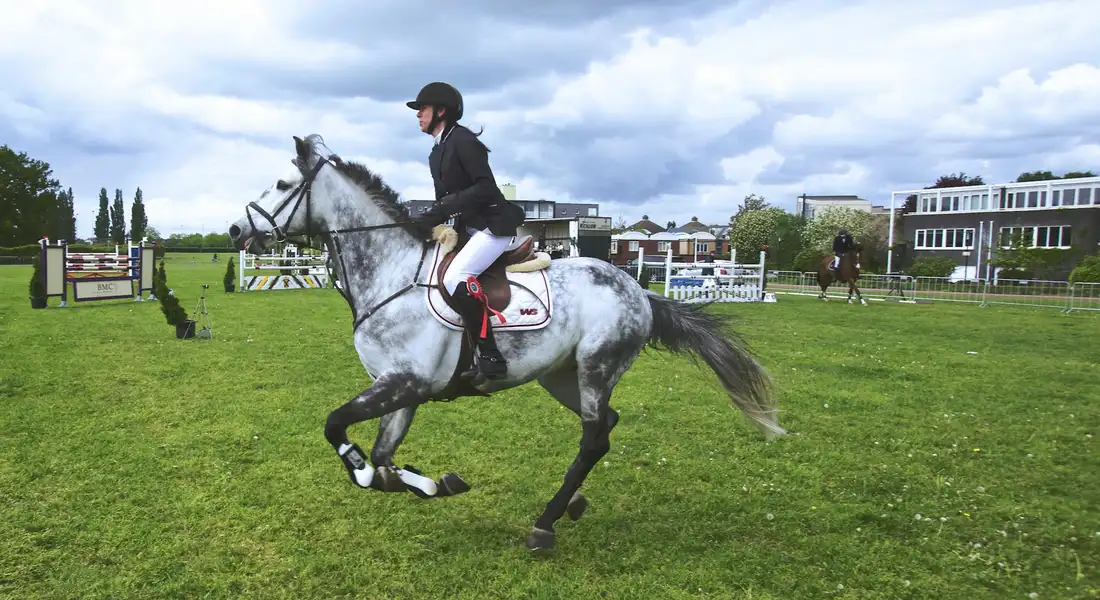
Where your horse hangs his hat changes everything about your insurance. In my years running a barn, I’ve seen policies tangled over a muddy pasture or a loose stall door. Your coverage must fit your horse’s actual day, from dawn patrol to evening grain.
Full boarding shifts a big slice of risk to the facility. The barn owner should carry “Care, Custody, and Control” liability. This covers them if your horse is injured in their care or injures another horse. You still need your own mortality and major medical policy because the barn’s insurance protects their business, not your specific investment in your animal. I recall a boarder’s gelding getting a nasty kick in turnout; her personal insurance covered his surgery, while the barn’s liability handled the other horse’s bills.
Partial board or self-care leases create a shared responsibility zone. If you lease Luna for weekly lessons, clarify who covers an injury she sustains while you’re riding. A solid lease agreement must spell out insurance duties, and you should secure your own equine liability policy as the rider in control. Most homeowner’s policies bolt like a spooky horse at the first sign of commercial equine activity.
Keeping horses on your own property feels simpler but has hidden traps. Your standard homeowner’s policy likely excludes livestock liability. You will need a separate farm or equine liability policy that specifically lists your horses as covered animals. Advocating for ample turnout here isn’t just philosophy; insurers see well-exercised, pasture-kept horses as better risks than stalled ones.
Never forget transit. Hauling Rusty to a new trail? Your truck insurance probably doesn’t extend to the living being in your trailer. Secure a transit endorsement or separate equine transportation coverage for any move, especially with a high-value or anxious traveler. I’ve never regretted the extra line item on my policy after a long, rainy haul home from a clinic.
What Determines Your Insurance Premiums? Understanding Costs
Your premium isn’t pulled from thin air. It’s a calculated guess of risk, based on your horse’s life and your management. Think of it like pricing feed-quality, quantity, and special needs all change the bill. Many factors influence the cost of horse insurance premiums: age, breed, health history, and use. Knowing these helps you compare quotes.
The horse’s insured value is your biggest cost factor. Insuring a promising young prospect like Luna costs more than covering steady Rusty. Base this value on realistic metrics like purchase price, training expenses, and breeding status, not sentimental value. An appraisal helps for expensive animals.
Age and primary use directly sway the rate. A horse in heavy competition faces different odds than a weekend trail buddy. Companies charge more for horses in high-impact sports because the likelihood of a tendon injury or fracture claim is simply higher. Pipin the pony might be cheap to insure for light riding, but his mischievous nature could affect liability premiums.
- Breed: Some breeds have statistical health trends. Thoroughbreds may have different premium adjustments than Quarter Horses.
- Geographic Location: Barns in regions prone to wildfires, hurricanes, or high theft see steeper costs. My old barn in tornado alley required specific windstorm coverage.
- Your Claims History: A clean record with no past claims is your best friend for securing lower rates.
You control some levers. Choosing a higher deductible lowers your annual premium. Select a deductible amount that matches your emergency fund comfort level, so a colic surgery doesn’t break your budget twice. Policy endorsements, like loss of use for a show horse, add cost but provide targeted safety nets.
Proactive risk management can persuade an insurer to offer better rates. Documented practices like annual vet checks, regular farrier work, and maintaining safe fencing and arena footing show you’re mitigating dangers. I keep meticulous logs for every horse, which has helped argue for lower premiums at renewal. Turnout schedules matter here, too-insurers see a horse moving freely as a healthier, less claim-prone animal.
Finally, bundle and compare. Insuring all your horses with one company or combining your liability with property coverage often brings discounts. Review your policy each year as your horse ages or changes jobs-a retired pleasure horse shouldn’t be insured like an active eventer.
Navigating State and Local Insurance Regulations
Let’s get one thing straight out of the gate: the federal government generally isn’t knocking on your stall door to demand proof of insurance. For most horse owners, insurance is a personal choice driven by risk management, not a federal mandate. This means you’re primarily answering to state and local statutes, which can vary as widely as opinions on bitless bridles. Even so, many owners wonder whether mortality insurance is necessary for their horse to safeguard a valuable investment. After all, a policy can offer peace of mind when the unexpected happens.
Your first stop should be understanding your state’s Equine Activity Liability Act (EALA). Nearly every state has one. These laws are designed to protect providers like you from lawsuits for inherent risks of equine activities-think a spook or a buck. However, these acts aren’t a magic shield; they often require you to post warning signs and use written liability releases to be valid. I learned this the hard way early on when a boarder’s guest took a tumble, and our weathered sign by the gate was our best defense. If your horse injures someone, you could be sued, so a horse injury liability guide is worth reviewing. It helps explain how EALA defenses fit with a real-world claim and what documentation you should keep.
Beyond liability, local ordinances might sneak up on you. Some counties or townships have rules about property liability insurance if you offer lessons, or even specific requirements for breeding operations considered “agricultural businesses.”
- Contact your county’s agricultural extension office. Their agents are fantastic, practical resources who speak “horse” and “law.”
- Find an insurance agent who specializes in equine or farm policies. A generalist might miss nuances, like coverage for a foal on the ground.
- Review your lease or boarding agreement. If you’re on someone else’s land, their policy may dictate minimum coverage you must carry.
Think of it like checking your girth before mounting: a little localized, practical verification prevents a much bigger problem down the trail. Your peace of mind is worth that phone call to a professional who knows your terrain.
Frequently Asked Questions: Horse Insurance Requirements for Owners and Breeders
What is major medical and surgical insurance for horses, and when is it needed?
Major medical and surgical insurance is a catastrophic health plan covering high-cost treatments for serious injuries or sudden illnesses, like colic surgery or fracture repair. It is essential for horses with a high financial value, those in intense training or competition, and for any owner where an unexpected vet bill of several thousand dollars would cause financial strain. This coverage is not for routine care but acts as a critical safety net for emergency veterinary expenses. Many owners ask, “do I need major medical insurance for my horse?” This coverage can be a prudent safeguard when a high-cost emergency could threaten your finances.
Are there specific insurance requirements for breeding operations, such as fertility or foal coverage?
Breeding operations have unique risks requiring specialized policies beyond standard mortality insurance. Key coverages include fertility or loss-of-use insurance for valuable breeding stock and specific breeding liability for injuries during live cover. Additionally, securing foal mortality insurance shortly after a live birth and considering sales protection riders are crucial steps to protect this vulnerable asset from birth through sale.
Are there state or local regulations mandating certain types of horse insurance?
There is generally no federal mandate, so insurance is primarily a risk-management choice. However, state Equine Activity Liability Acts (EALAs) provide a legal framework but often require posted warnings and liability releases to be effective. Local ordinances or specific situations, such as running a commercial boarding or lesson business, may legally require you to carry certain liability coverages.
Secure Your Partnership
The right insurance is a stable management essential, requiring you to research mortality, liability, and medical policies to fit your specific equine activities. Always verify the exact terms for mortality coverage and ensure your liability protection reflects the true level of risk in your daily operations.
This process is an act of care, safeguarding the animal you’re responsible for and the lifestyle you’ve built. Your policy provides a crucial safety net, but the truest protection comes from the daily practice of attentive, thoughtful horsemanship.
Further Reading & Sources
- Commercial General Liability Horse Insurance: Who Needs It and Why? | US Equestrian
- Insurance Guidelines | Total Equine Veterinary Associates
- Horse Mortality Insurance | Markel
- Equidae Insurance | Equine Insurance
At Horse and Hay, we are passionate about providing expert guidance on all aspects of horse care, from nutrition to wellness. Our team of equine specialists and veterinarians offer trusted advice on the best foods, supplements, and practices to keep your horse healthy and thriving. Whether you're a seasoned rider or new to equine care, we provide valuable insights into feeding, grooming, and overall well-being to ensure your horse lives its happiest, healthiest life.
Health