
Equine Body Condition Scoring: Your Hands-On Guide to a Healthier Horse
Hello fellow equestrians. That uneasy feeling when you run your hand over your horse’s ribs or notice a change in their silhouette? It’s a common worry that ties directly to their comfort, performance, and the risk of expensive metabolic or lameness issues.
Let’s turn that worry into knowledge. I will walk you through a straightforward, tactile system used by pros. You will learn how to:
- Master the 1-to-9 body condition scoring scale beyond just “too fat” or “too thin”
- Correctly feel for fat deposits at six key areas on your horse’s body
- Translate your horse’s score into smart changes to their diet, grain, and turnout time
This is the same daily practice I rely on after years in the barn, keeping everything from my easy-keeper pony Pipin to my lean thoroughbred Luna in balanced condition.
Why Skipping Body Condition Scoring is a Risk You Can’t Take
Judging your horse’s weight by eye is like guessing the rain by staring at clouds-you’ll often be wrong. A fluffy winter coat or a sleek summer shine can trick you into missing crucial fat deposits. Visual guesswork fails because it ignores the hidden fat around the neck, ribs, and tailhead that directly impacts health.
Excess body fat isn’t just a cosmetic issue; it’s a metabolic alarm bell. That fat tissue actively produces hormones that can lead to insulin resistance, setting the stage for laminitis. Think of body condition scoring as your horse’s fuel gauge, telling you if you’re running on empty, optimally topped up, or dangerously overfilled.
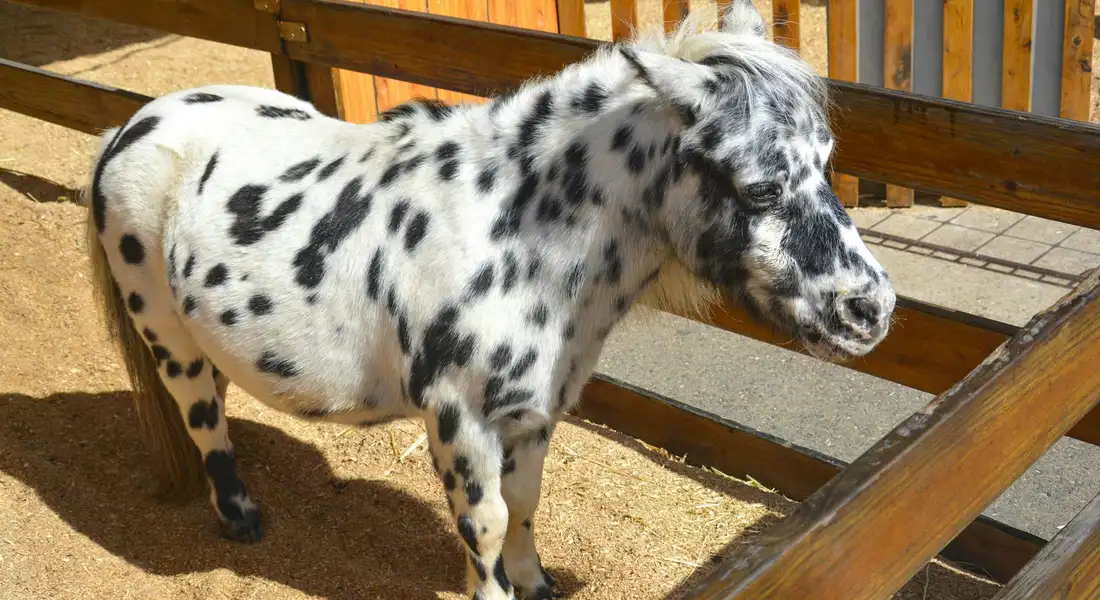
I learned this the hard way with our Shetland, Pipin. Everyone called him “chunky” and “adorably round,” but a hands-on score revealed a cresty neck and fat pads over his ribs he shouldn’t have had. That “happy” pony was a score of 8, quietly carrying a high risk for metabolic trouble, all masked by a cute, fuzzy appearance.
Understanding the Henneke Scale: Your 1 to 9 Fat-Finding Map
This scale is your tactile guide to what’s beneath the hair. You must use your hands-palms flat, fingers together-to feel for fat coverage over six key areas: the neck, withers, shoulder, ribs, loin, and tailhead.
The Low End: Scores 1 to 3 (Poor to Thin)
Run your hand along a score 1 spine and you’ll feel every sharp, bony process like a row of dominos. The ribs are starkly visible, and the space behind the shoulder is deeply hollow. A score 3 horse will show ribs easily seen, with a spine that still has a prominent ridge, a clear sign that nutritional intervention is needed immediately.
I’ve felt this on older rescues where the hip bones jutted out and the haircoat was dull. The hollow look behind the shoulder is a silent cry for help. Horses at this end have no energy reserves, making them vulnerable to illness and slow to recover from work. Many common horse health issues are linked to anatomy—bone structure, muscle balance, and fat distribution. Understanding these connections helps you spot trouble early.
The Sweet Spot: Scores 4 to 6 (Moderate to Moderately Fleshy)
This is where most healthy, working horses should live. For a ideal score 5, you can feel the ribs with light pressure, but they’re not visible-just a smooth, even layer over them. It feels like pressing your hand into a well-padded blanket: supportive but not soft.
My Quarter Horse, Rusty, is a steady 5. His withers are rounded, his back is level, and you can just trace his ribs with your fingertips. Many pleasure and trail horses thrive here, with enough cover for energy but not so much to strain their joints.
Score 6 means you need to press firmly to feel the ribs, and fat begins to build along the neck and tailhead. It’s a watchful zone.
The High End: Scores 7 to 9 (Fleshy to Extremely Fat)
Here, fat pads become pronounced. A score 7 horse has a crested neck where fat feels spongy, ribs are buried under a thick layer, and the tailhead is soft. By score 9, the tailhead feels like a soft, squishy sponge, and bulging fat covers the ribs, shoulders, and even along the inner buttocks.
This isn’t “healthy weight”; it’s a disease risk. We often excuse it with the “good doer” myth, but no breed is immune to the dangers of obesity. That easy keeper label can mask a ticking time bomb for laminitis, heat stress, and undue skeletal strain.
Your Scoring Toolkit: Posters, Charts, and Quick References
Don’t rely on memory. Tape a laminated Henneke chart right in your tack room, next to the bridle hooks. A good poster provides a quick visual reference for the whole barn team, making consistent checks easier.
You might find online calculators that ask for weight and measurements. Use them only as a starting point. No algorithm can replace the hands-on assessment of running your palms over your horse’s body, feeling for the truth of their condition.
Keep this kit simple:
- A printed condition score chart.
- Your own two hands and a consistent monthly check routine.
- A notebook to log scores and track changes over time.
Your Hands-On Guide to the Physical Exam
Put the chart aside for a moment. The real truth is found under your fingertips. This is where you move from observer to detective, feeling for the story beneath the hair and hide. I make this a weekly ritual, just like picking feet.
Step 1: The Visual Once-Over from All Angles
Lead your horse to level ground and stand back. Look at them like a sculptor assessing a block of marble. From the side, does the back appear level, or is there a slight peak in the middle? From directly behind, can you see a subtle inward curve behind the ribs-a waist-or are the sides straight up and down? A pronounced “apple bottom” or bulging hips often signal excess fat, not muscle.
Beware the great deceiver: the winter coat. A fluffy coat can make a skinny horse look healthy and a fat horse look obese. I learned this with Rusty one December; he looked positively rotund until I buried my fingers in his fur and felt ribs with too much ease. Winter grooming tips don’t always reveal the true condition beneath.
Step 2: The Palpation Tour: Where to Feel for Fat
Now, get your hands dirty. Use a firm, steady pressure with your fingers and palms.
The Neck and Crest
Run your hand from the poll down to the withers. A healthy neck blends smoothly into the shoulders. On a cresty neck, fat forms a visible, firm ridge on top. Feel that crest; it should have some give, like a half-full pillow, not feel hard or immovable like a rolled-up towel. A rock-hard crest is a major red flag for metabolic issues.
The Withers, Shoulder, and Ribs
Slide your hand over the withers. Are they sharp and bony, softly padded, or buried under a layer of fat? Now, press your fingers firmly along the rib cage, about halfway down the barrel. You should be able to feel each individual rib with light pressure, like feeling the ridges of a washboard. If you have to push to feel them, that’s a smooth layer of fat; if you can’t feel them at all, it’s time for a dietary intervention.
The Loin, Back, and Tailhead
Place your hand on either side of the spine over the loin, just behind the saddle area. Does it feel like a firm, flat table or a soft, squishy groove? Finally, press around the base of the tailhead. In a fit horse, this area feels like connected bone and ligament. When fat piles up here, it creates a soft, jiggly mound that’s a clear indicator of a high body condition score. Pipin, our Shetland, is my benchmark here-his tailhead is always suspiciously well-padded if I’m not vigilant.
Step 3: Assigning the Score and Starting a Log
Now, compile your detective work. You might feel ribs easily (suggesting a 4 or 5) but also find a fatty tailhead (suggesting a 7). Average these out. Don’t stress over a perfect number; focus on the trend. Is your horse a consistent 5, or are they creeping toward a 6?
This is why you start a log-a simple note on your phone or a page in the feed room binder. Write the date, the score, and a quick note like “ribs felt easier, crest softer.” Weight changes in horses happen over weeks and months, not days. Tracking this over time reveals the true picture, taking the panic out of a single observation and letting you manage proactively. It complements other methods, like measuring your horse’s fitness and recovery.
What Your Horse’s Score is Telling You
Ideal Condition Isn’t One Size Fits All
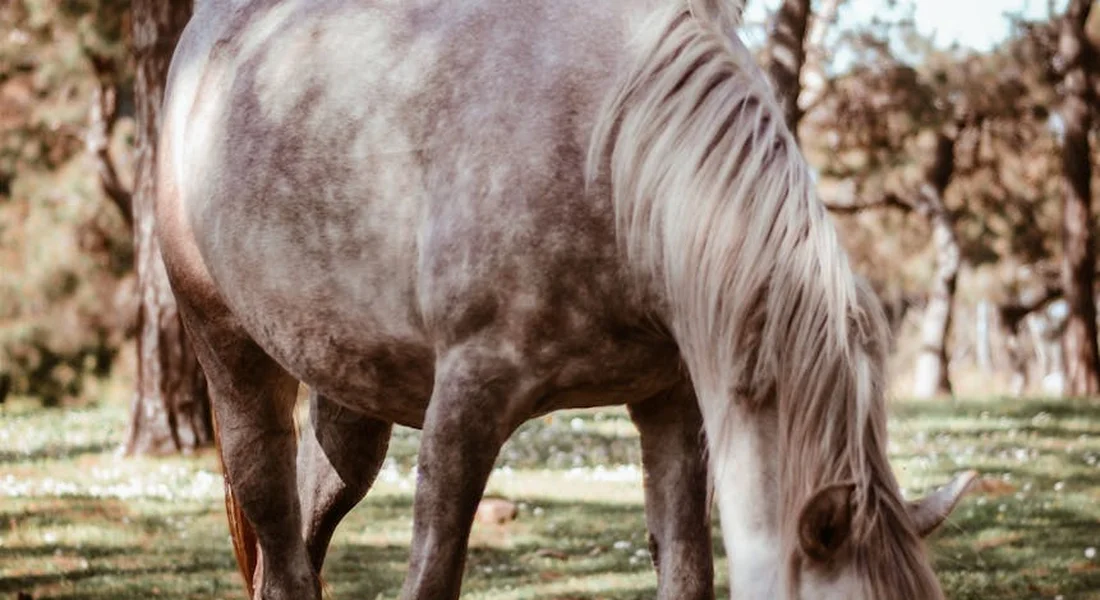
Running your hands over Luna’s sleek dapple grey coat, you’ll feel her ribs easily with light pressure-a sign she’s sitting at a perfect 5 on the body condition scale. Rusty, my sorrel Quarter Horse, feels different; his ribs have a softer cover, landing him comfortably at a 6. Both scores are ideal for these individuals, proving that “perfect” weight depends entirely on the horse in front of you. A rangy Thoroughbred bred for speed and a stocky Quarter Horse built for cow work are not meant to carry weight the same way.
Consider these factors that shift the ideal target:
- Breed and Build: Athletic types like Luna often thrive at a leaner 4 or 5, while sturdier breeds like Rusty look and feel their best at a 5 or 6.
- Age: Senior citizens like Pipin often need a bit more padding. A score of 6 can be safer for them, as aging teeth and slower metabolisms make it harder to hold weight.
- Workload: A horse in heavy training may show more muscle definition, which is different from fat cover. Learn to distinguish the two by feel.
I’ve found that ample turnout time is the great equalizer, letting each horse move and graze according to their own needs. Chasing a single number on the chart misses the point-you’re assessing a living, breathing animal whose well-being is shown in their energy, coat shine, and overall demeanor.
When the Score is a Red Flag for Your Vet
A sudden, unexplained shift in body condition is one of the clearest signals your horse sends that something is wrong. If Rusty, who normally maintains his weight like a champ, suddenly drops to a bony 3 over a few weeks, don’t just order more grain. That rapid loss is a flashing neon sign to pick up the phone and call your veterinarian immediately. The same urgency applies to a horse ballooning to an 8 without a change in diet.
Here are common culprits behind these alarming changes:
- Dental Pain: Sharp points or missing teeth make chewing painful, so food gets dropped or avoided.
- Parasite Overload: A heavy worm burden steals nutrients straight from the gut, leading to weight loss and a dull coat.
- Metabolic Issues: Conditions like PPID (Cushing’s disease) can cause abnormal fat deposits, like a cresty neck, while the horse loses muscle elsewhere.
I remember a boarder’s gelding who grew a shaggy coat and started shedding weight in odd patches; it was PPID. Your regular hands-on checks are your first line of defense, catching these changes before they become crises. Trust your gut-if the numbers don’t add up, your vet needs to be part of the conversation.
What Throws Your Horse’s Condition Out of Balance
Nutrition and Feeding Management is Key
Think of your horse’s diet like a bank account: what you put in directly determines the balance you see on their ribs and rump. The quality of your hay is the foundation of this entire system, more impactful than any supplement or grain bucket. I’ve fed everything from dusty, stemmy first-cut to rich, leafy third-cut alfalfa mixes, and the difference in my crew’s waistlines is stark. Good hay smells sweet, like a summer meadow, and has more leaves than stalks. To explore which types of hay are best for horses, a complete comparison of options—alfalfa, timothy, orchardgrass, and blends—can be invaluable. It helps you weigh protein, calcium, and digestibility for your horse’s age, workload, and health goals.
Grain is a concentrated calorie deposit, not a daily requirement for every horse. Many pleasure horses, like my steady Rusty, maintain perfect condition on measured hay and a ration balancer alone—it’s a common misconception that all horses need grain daily. Adding grain without adjusting for work level or hay quality is like pouring money into a full account—it just spills over as extra pounds. Monitor portions with a scale, not a scoop.
- Hay Quality Drivers: Leaf-to-stem ratio, color (green is good), absence of mold or dust.
- Pasture Potency: Lush spring grass is sugar-rich and can pile on pounds fast, while winter paddocks offer little more than fibrous roughage.
- Grain Guidance: Reserve for hard keepers, lactating mares, or horses in intense work. Always weigh it.
Seasonal shifts are a prime example. That same pasture that keeps Luna round in May might barely sustain her through a frozen January, requiring a calculated hay increase. You must be the manager, adjusting for the greenness underfoot and the chill in the air. I’ve learned to feel the difference in their coats and ribs long before the scale shows a change.
Exercise, Age, and Hidden Health Hurdles
Movement is non-negotiable for metabolic health. Reduced turnout time is a fast track to weight gain, as a stalled horse burns far fewer calories than one wandering and grazing. I advocate for as much turnout as possible, even if it’s just a dry lot with slow-feed hay nets. The gentle, constant movement of turnout aids digestion and keeps muscles engaged.
Age introduces silent saboteurs. A senior horse with worn or missing teeth can stand knee-deep in gorgeous hay and still starve, because they simply can’t chew it effectively. I check Pipin’s mouth regularly, feeling for wads of half-chewed hay (called “quids”) that signal dental distress. Their feed must change before their body score drops.
- Schedule annual dental floats with your vet.
- Soak senior pellets or cubed hay to create a mushy, palatable meal.
- Consider complete feeds designed for older equines.
Hidden worm burdens or metabolic issues like PPID (Cushing’s) can drain condition despite your best feeding efforts. A hidden health hurdle like a subclinical parasite load acts like a thief, stealing nutrients before your horse can use them. Regular fecal egg counts and observant care-not just biannual deworming-are your best defense. Notice if a horse looks dull or has a rough coat despite good feed.
Connect the dots between daily routine and physical form. If your horse is losing weight but eating well, look past the feed tub to their teeth, their parasite load, and their pain levels. Luna’s high-strung nature means stress can burn calories, while clever Pipin will hoard energy if he’s not mentally stimulated. Your eye and your hands tell the real story.
Making Smart Changes Based on the Score

For the Underweight Horse: Building Weight Safely
Finding your horse scored a 4 or lower can be a gut punch, but don’t panic-slow and steady wins this race. I learned this with Luna, who arrived as a skinny thoroughbred with a nervous energy that burned calories faster than I could dish them out. The first and most critical step is always to rule out underlying health issues before you simply pour more feed into the bucket. Start with a veterinary check focused on teeth and parasites, as sharp points or a heavy worm burden can sabotage the best diet. Once you’ve ruled out health concerns, it’s crucial to adjust your feed plan according to the horse’s body condition score to ensure you’re providing the right nutrition.
- Schedule a Vet Check: Your vet will float any sharp teeth and recommend a fecal egg count to tailor a deworming plan. This ensures your horse can actually chew and absorb the nutrients you’re providing.
- Upgrade the Forage Foundation: Never skip straight to more grain. Instead, source the best quality hay you can find-look for leafy, green, and fragrant alfalfa or a rich grass mix. If hay alone isn’t cutting it, add a fat source like stabilized rice bran or flaxseed oil to bump calories without the starch frenzy of grain.
- Increase Meals Gradually: Split their daily ration into three or four smaller meals to keep the digestive tract humming without overwhelm. A sudden large increase in feed can lead to colic or founder, which is the last thing your thin horse needs.
Remember, hay is the bedrock of any weight-gain plan. I keep hay in front of my guys around the clock, mimicking that natural, slow grazing rhythm that keeps their gut healthy and their minds calm.
For the Overweight Horse: Encouraging Gradual Loss
A chunky horse isn’t a happy horse-excess weight strains joints, increases laminitis risk, and makes summer heat a misery. My pony Pipin is a master at transforming air into adipose tissue, so I’ve become an expert in gentle reduction. Crash diets are dangerous for horses and can cause hyperlipemia, a serious metabolic crisis. The goal is slow, consistent loss through smarter management, not starvation.
- Implement a Slow-Feed Hay Net: This simple tool stretches hay consumption, providing constant foraging time without the calorie dump. It turns a two-hour meal into a six-hour puzzle, satisfying their need to chew without overdoing it.
- Manage Pasture Access: Replace unlimited green buffet time with controlled grazing on a dry lot or use a grazing muzzle. This allows for movement and social interaction without the sugar overload, especially in spring and fall.
- Incorporate Consistent Exercise: Increase daily movement with leisurely walks, hill work, or longer turnout in a paddock. Even 30 minutes of purposeful walking a day can significantly boost metabolism. Always consult your vet before starting an exercise regimen with a very overweight horse to ensure their soundness.
Cutting grain drastically might seem logical, but do it carefully under guidance. Many pleasure horses do fine on a vitamin-mineral balancer pellet alone, eliminating grain-based calories entirely while ensuring nutrient needs are met. For many owners, the grain-free vs traditional feed—what’s best for your horse’s digestion—drives diet decisions. Understanding how each option affects gut health can help you choose what to feed.
Crafting a Sustainable Long-Term Management Plan
Body condition scoring isn’t a one-time test; it’s the ongoing story of your horse’s health. I score my three every two weeks, scribbling notes in a barn journal. Tracking scores over months reveals trends, helping you adjust before a small change becomes a big problem. That same vigilance helps you spot early signs of illness or injury in your horse. Used alongside condition trends, it prompts timely action. This trend line is more valuable than any single number.
Seasons dictate appetite and energy needs. Plan to reduce concentrated feed in the lazy winter months and adjust hay quality when spring grass explodes with sugars. Pair your visual and hands-on BCS assessments with a weight tape around the heart girth every time. The number on the tape and the feel under your fingers together give you the full, honest picture, allowing for proactive, gentle management that lasts a lifetime.
Frequently Asked Questions About Equine Body Condition Scoring
Is the 1-5 body condition score different from the 1-9 Henneke scale?
Yes, they are different scoring systems. The 1-5 scale is a simpler, more generalized method sometimes used for quick reference. The 1-9 Henneke scale is the industry standard, providing a more precise and detailed assessment across six specific anatomical areas. For accurate, hands-on management, the detailed Henneke scale is recommended.
What is the difference between a body condition score chart, a poster, and a calculator?
A chart or a poster is a visual reference guide, typically depicting the physical characteristics for each score on the 1-9 scale to aid in identification. A calculator is usually a digital tool that estimates a score based on inputted measurements, but it cannot replace a manual assessment. The most reliable method is using a printed chart as a guide while performing the hands-on palpation technique described in the article.
Should I use an online calculator instead of scoring my horse manually?
No, an online calculator should not be your primary tool. These calculators use algorithms based on measurements and cannot physically feel fat deposits over the ribs, neck, and tailhead. The true value of body condition scoring comes from the tactile feedback you get by running your hands over your horse. Use manual scoring as your main method, with calculators as a supplementary data point at best.
Your Horse’s Health, In Your Hands
Making body condition scoring a regular part of your grooming routine builds a powerful, hands-on understanding of your horse’s wellness. Consistency is your greatest tool-a monthly check is far more valuable than a perfect score once a year. Maintaining an essential daily grooming routine for a healthy horse helps you spot subtle changes early. It also reinforces overall care and keeps you in tune with your horse’s needs.
This practice is the heart of good stewardship, a quiet conversation between your eyes, your hands, and your horse. Trust what you feel, note the changes, and let that knowledge guide your care every single day.
Further Reading & Sources
- The Body Condition Score | Iowa State University Extension and Outreach Equine Science
- Equine Body Condition Scoring* Poor: Horse extremely ema
- Horse Body Condition Scoring | Purina Animal Nutrition
- Evaluating Body Composition of Horses | Ohioline
At Horse and Hay, we are passionate about providing expert guidance on all aspects of horse care, from nutrition to wellness. Our team of equine specialists and veterinarians offer trusted advice on the best foods, supplements, and practices to keep your horse healthy and thriving. Whether you're a seasoned rider or new to equine care, we provide valuable insights into feeding, grooming, and overall well-being to ensure your horse lives its happiest, healthiest life.
Health