
Common Horse Health Issues Linked to Their Unique Anatomy & How to Spot Them
Hello from the barn aisle. If you’ve ever watched your horse take an awkward step or heard a mysterious gut gurgle, you know that worry that knots your stomach. Our horses are incredible athletes built on a framework that can be surprisingly fragile.
Their entire well-being hinges on an anatomy designed for flight, not for modern stalls and rich feeds. This mismatch is where many common health problems begin, from sudden lameness to digestive distress. Knowing what to look for can save you a vet call or, more importantly, catch a small issue before it becomes a crisis.
We’ll walk through the specific weak points, starting with hoof and leg structure issues like laminitis and arthritis, moving to digestive system vulnerabilities that lead to colic, and finally respiratory and dental problems that often fly under the radar. My advice comes from years of mucking stalls, fitting saddles, and learning from the best teachers: horses like the stoic Rusty and the sensitive Luna.
Hoof Health: From the Coffin Bone Out
Every step your horse takes is a miracle of engineering, but that intricate anatomy inside the hoof is also a vulnerability. The coffin bone is suspended within the hoof capsule by thousands of tiny, interlocking leaves of tissue called laminae. Think of it like Velcro holding a bone inside a leather box. When that system fails, the problems are severe and painful. Catching issues early in the hoof is non-negotiable, as a small crack or subtle limp today can become a catastrophic injury tomorrow. Understanding the structure and function of these components can help in early detection and care.
Laminitis and Founder
This is every horse owner’s nightmare, and I’ve faced it firsthand when Pipin, our clever Shetland, once broke into the grain bin. Laminitis is the inflammation and weakening of those sensitive laminae. If it progresses, the coffin bone can rotate or sink within the hoof-that’s founder. The primary causes are metabolic overload from too much rich grass or grain, severe systemic illness, or excessive weight-bearing on one leg due to injury elsewhere.
Emergency signs include the classic “sawhorse” stance, a strong digital pulse at the fetlock, heat in the hooves, and reluctance to walk. If you see this, it’s a vet-now situation. Immediate care involves moving the horse to soft, deep bedding (like sand or shavings), pulling all grain and lush grass, and following your vet’s pain management and anti-inflammatory protocol to the letter.
Navicular Disease
This isn’t just a bone problem; it involves the navicular bone, the bursa sac that cushions it, and the deep digital flexor tendon that runs behind it. It’s a chronic heel pain that often hits reliable, sturdy horses in their prime working years. You’ll see a short, choppy stride, especially on hard ground or in circles. Horses with navicular pain will often try to land toe-first to avoid heel pressure, which quickly changes the shape and wear of their hoof.
Management is lifelong and requires a team: your vet for diagnosis and medication, and a skilled farrier for corrective trimming and shoeing. A rolled-toe egg bar or heart bar shoe can provide crucial support and encourage a proper heel-first landing.
Abscesses, Bruises, and White Line Disease
These are all breaches in the hoof wall’s integrity. A bruise is blunt trauma, an abscess is a bacterial infection that gets trapped inside, and white line disease is a fungal invasion that eats away the inner hoof wall. They all start with a weak spot. I check for stones, heat, and unusual tenderness daily, as a simple bruise from a rocky trail can turn into a brewing abscess within hours.
Prevention is straightforward but requires consistency:
- Pick hooves out thoroughly every single day, clearing the clefts around the frog.
- Provide clean, dry standing areas to prevent thrush and soft hooves.
- Maintain a regular 5-7 week trimming schedule with your farrier to prevent cracks and imbalances.
- Avoid working on extremely hard or rocky ground when possible.
Your Daily Hoof Check & Action Plan
- Pick: Clean out all debris, feeling for any lodged stones or unusual soft spots.
- Look: Check for new cracks, rings, or a widened white line. Smell for the sour odor of thrush.
- Feel: Place your hand on the hoof wall and heel. Is one hotter than the others?
- Palpate: Run your fingers down the back of the fetlock to find the digital pulse. A strong throbbing is a red flag.
Call your farrier for: routine trims, minor cracks, slight changes in hoof shape, or shoe replacement. Call your vet immediately for: acute lameness, a strong digital pulse with heat, a visible wound into the hoof, or any suspicion of laminitis.
Dental Health: More Than Just Chewing
A horse’s teeth erupt continuously throughout its life, wearing down as they grind fibrous forage. This elegant system breaks down when the wear isn’t even. Regular dental checks prevent common dental problems like sharp points, hooks, and uneven wear. Early treatment keeps chewing comfortable and supports overall health. Ignoring dental health doesn’t just cause bad chewing; it creates pain that radiates through the skull, affects bit acceptance, and can lead to dangerous weight loss and colic. The rhythmic crunch of a horse eating hay should sound even, not like they’re dropping half of it.
Sharp Enamel Points and Cheek Ulcers
Because a horse’s jaw is narrower than its upper jaw, sharp points naturally form on the outside of the upper molars and the inside of the lower molars. These points act like little razor blades, cutting into the cheeks and tongue. I’ve seen horses with ulcers so bad from sharp points that they’d rather not eat, a problem solved in one floating session. Behavioral signs are your first clue: head tossing, reluctance to take a bit, dropping grain or wads of half-chewed hay (called “quidding”), and even unexplained behavioral issues under saddle. Signs your horse needs dental care often go unnoticed until the problem becomes severe.
Malocclusions and Periodontal Disease
Abnormal wear patterns are common. “Hooks” can form at the front or back of the rows, “wave mouth” creates an undulating surface, and “step mouth” leaves one tooth tragically longer than others. These misalignments trap food particles against the gums. That trapped food ferments, leading to painful gum infections, loose teeth, and sinus problems as the roots of the upper teeth are intimately linked with the sinus cavities. Once a tooth is lost, the opposing tooth has nothing to wear against and can overgrow, causing a cascade of new issues.
Your annual dental float by a certified equine dentist or vet is not a luxury. It is the most important preventative care you can provide after hoof care and vaccines. They will sedate your horse, safely smooth the sharp points, correct minor malocclusions, and flush out packed food, giving your horse a clean, pain-free mouth for another year of comfortable chewing. This is why regular dental floats for horses matter, supporting ongoing comfort and long-term oral health.
Respiratory Health: Breathing Easy
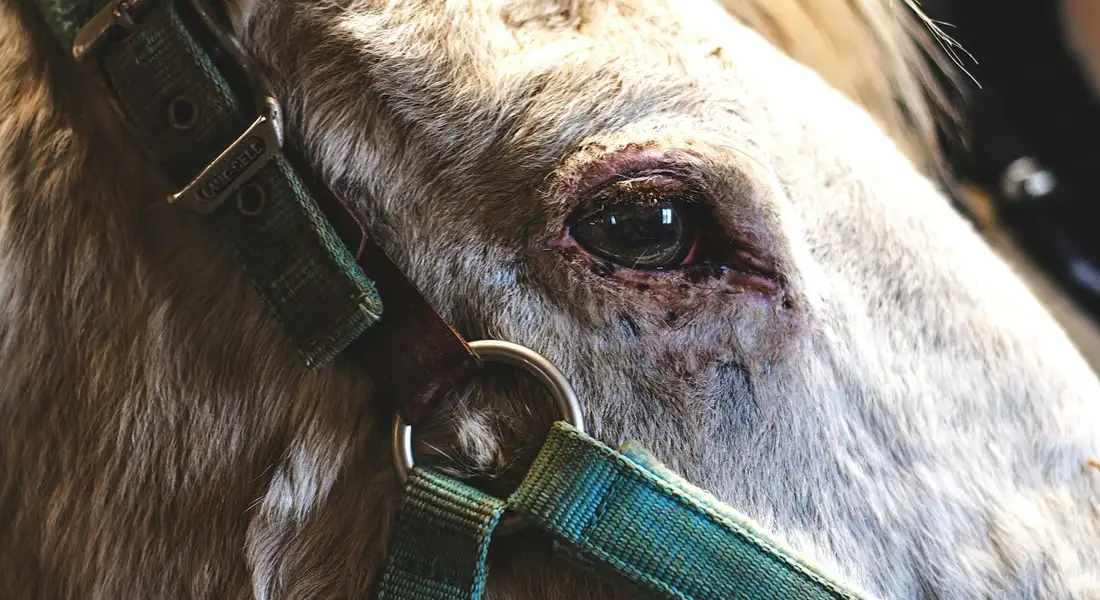
Your horse’s airway is a long, twisting tube that ends in fragile lung tissue, perfect for oxygen but a trap for dust. I listen to the quiet rhythm of Luna breathing in her stall, knowing her sensitive lungs are a barometer for the barn’s air quality.
That lengthy anatomy means every inhaled irritant has a deep, direct path to cause trouble.
Three big worries are heaves, a chronic allergic cough, pneumonia from infections, and exercise-induced pulmonary hemorrhage where intense effort strains blood vessels. Watching for a lifted head or flared nostrils during rest tells you more than any gadget.
- Soak hay thoroughly to lock dust away; I use a old trough for Rusty’s meals.
- Choose low-dust bedding like steamed shavings or peat moss.
- Keep stable doors and windows open to chase out stale air, even in cold weather.
- Maximize turnout time; fresh pasture air is nature’s best bronchial rinse.
- Dampen aisleways before sweeping to stop clouds of debris from forming.
Clean air management isn’t just for sick horses-it’s daily prevention for every animal in your care.
Heaves (Recurrent Airway Obstruction)
Heaves is like asthma, where the small airways swell and narrow from allergic inflammation. Imagine breathing through a pinched garden hose; that’s your horse’s struggle.
A persistent, dry cough that lingers for weeks is your first red flag, often paired with a visible heave line from abdominal muscles working overtime.
Triggers lurk in everyday places: moldy hay, dusty alfalfa, or pollen from the back field. I managed Rusty’s episode by switching to soaked orchard grass and moving his stall to a breezier corner.
Treatment starts not with medication, but with eliminating the dusty offenders in your horse’s environment.
Pneumonia and Pleuropneumonia
These severe infections hit the lungs or their lining, and the horse’s long airway lets germs travel deep before defenses rally. It turns a simple cold into a crisis.
Anatomy makes their lower respiratory tract a vulnerable target for runaway infections.
Monitor like a hawk if you see yellow nasal discharge, a fever over 101.5°F, or sudden dullness. With Luna, I keep a digital thermometer in the tack room and check at the first sign of lethargy.
Steps for monitoring: isolate the horse, track temperature twice daily, ensure hydration, and call your vet at the first hint of labored breathing.
Musculoskeletal Health: Bones, Joints, and Support
A horse’s frame is a masterpiece of leverage and motion, but those long legs and curved spine create stress points. Issues often arise where force concentrates, like ligaments and joints. In horse anatomy biology terms, the arrangement of bones, muscles, and connective tissues shows how leverage is built into the frame. Exploring these systems explains where stress concentrates and how ligaments and joints respond.
Preventing breakdowns is less about luck and more about mindful, gradual conditioning of the entire athlete.
I build Pipin’s trail fitness slowly, adding just five minutes of trot each week to let his tendons adapt. Consistent, low-impact work forges resilient tissues.
Sudden spikes in intensity are the fastest route to a veterinary bill and a stalled training schedule.
Suspensory Ligament Injuries
This ligament is a vital support beam running down the back of the cannon bone, propping up the fetlock. Overload it with deep sand or a sudden jump, and fibers strain.
Look for a subtle lameness that worsens with work, or swelling that feels warm along the back of the pastern.
Rehab is a marathon: start with strict stall rest, then introduce hand-walking on firm, level ground. I’ve used controlled paddock time after the initial healing phase, always watching for that tell-tale head bob.
Healing ligament tissue demands rest measured in months, not weeks-patience here saves the horse’s career.
Arthritis in Hocks and Stifles
These high-motion joints are hinge points that wear down over time, leading to degenerative joint disease. You’ll see stiffness when leaving the stall or reluctance to pick up a lead.
Arthritis is a management puzzle, not a death sentence, for performance horses and happy retirees alike.
My management mix for Rusty includes daily turnout on gently sloping pasture to keep joints mobile, a reputable glucosamine supplement in his feed, and yearly vet consultations for potential injections.
Regular, gentle movement is the single best way to keep joint fluid flowing and cartilage nourished.
Back Pain and Sore Withers
The spine and prominent withers bear your saddle’s weight, and poor fit presses on bone and muscle. This pain often shows as pinned ears, tail swishing, or hollowing under saddle.
An ill-fitting saddle doesn’t just cause discomfort-it can create lasting muscle atrophy and behavioral resistance.
Use this quick checklist every time you tack up: two fingers of clearance over the withers, even pressure along the back without bridging, and no pinching behind the shoulder blades. After riding Luna, I always feel for heat or tight knots along her topline.
Incorporate muscle care like gentle curry-combing or post-ride stretches to release tension and strengthen your partnership.
Digestive Health: The Long Gut
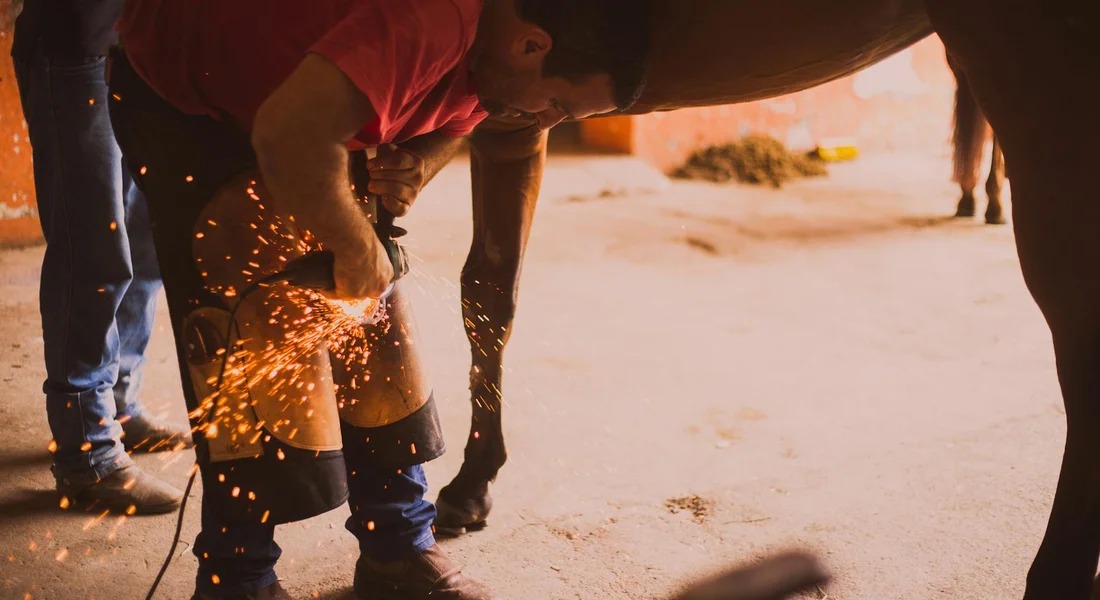
Your horse’s digestive system is a grazing machine stretched over 100 feet, but that length comes with vulnerabilities. A small stomach dumps food quickly into a vast hindgut where fermentation happens. This design, meant for trickle-feeding on grasses, is why sudden feed changes or long empty stalls spell trouble. I learned this watching Rusty, my steady Quarter Horse, after a well-meaning but hasty switch to a new hay batch led to a tense afternoon.
Prevention hinges on mimicking nature. Always prioritize forage and maximize turnout to keep that gut contentedly humming along. Your dietary game plan should include:
- Providing free-choice hay or pasture access for at least 18 hours a day.
- Feeding grain or concentrates in three or more small meals, never one large one.
- Ensuring a constant, clean water source to prevent dehydrating impactions.
- Making any dietary change over 7-10 days to let microbial populations adjust.
Colic: Types and Emergency Signs
Anatomy dictates the colic type. Gas colic bubbles up from rapid fermentation in the cecum. Impaction colic jams the narrow small colon with dry matter. Displacement colic involves a loop of intestine slipping out of place. Each one ties directly to how feed moves-or doesn’t-through that lengthy tube.
When colic strikes, your calm response is crucial. Your first call is always to the vet, and your first job is to prevent injury while you wait. Memorize these emergency signs:
- Repeated pawing, flank-watching, or attempting to lie down and roll.
- Absence of gut sounds or lack of manure for several hours.
- Curling the upper lip, sweating profusely, or showing anxious whites of the eyes.
- Rapid pulse over 50 beats per minute or brick-red gum color.
Walk the horse slowly if they are calm, but stop if they resist or try to go down. Remove all food and monitor closely.
Equine Gastric Ulcer Syndrome
A horse’s stomach secretes acid around the clock, but the squamous upper region has little protection. Without a steady forage buffer, acid splashes and erodes the lining. This is why stalled horses, even calm ones, are prime candidates for painful ulcers. Understanding the causes helps prevent ulcers by prioritizing steady forage, regular turnout, and stress reduction. Luna, my Thoroughbred, showed me the subtle signs: a slight cinchiness and dull coat during a heavy training month. Small, consistent changes can make a big difference in a horse’s gut health.
Treatment involves vet-prescribed omeprazole, but management is the real cure. To lower acid exposure, feed a flake of alfalfa hay before riding, as its calcium-rich leaves neutralize stomach pH. Build a safer routine:
- Allow turnout with friends before and after any concentrated work.
- Never let the horse’s stomach sit completely empty for more than four hours.
- Use slow-feed hay nets to stretch foraging time in the stall.
- Keep daily routines predictable to reduce stress-induced acid spikes.
Skin and Coat Health: The First Defense
That gleaming coat is a complex shield of hair follicles, oils, and sensitive dermis. When wet or dirty, the skin’s pH changes, letting pathogens in. Regular grooming is your frontline patrol, catching invaders before they settle. I found Pipin’s first patch of rain rot by feel, a gritty bump hidden under his thick winter fur.
A thorough groom uncovers secrets. Use your palms to detect heat, swelling, or hidden scabs, especially along the spine, girth area, and lower legs. Follow this step-by-step guide for a health-focused clean:
- Circle a rubber curry over major muscle groups to lift dirt and stimulate oils.
- Flick debris away with a stiff dandy brush, always following the hair’s direction.
- Go over with a soft body brush to distribute protective skin oils.
- Inspect and clean the sheath, udder, and armpits where sweat gathers.
- Pick hooves clean, checking the frogs for thrush and the heels for cracks.
Rain Rot and Mud Fever
Both are caused by Dermatophilus bacteria, which thrive when the skin is macerated by moisture. Rain rot creates paintbrush scabs on the back and rump. Mud fever targets the heel bulbs and pasterns with crusty, painful lesions. The infection waits in wet fields or under soaked blankets, attacking compromised skin.
Healing requires meticulous drying. After consulting your vet, wash affected areas with a gentle antiseptic like dilute betadine, rinse fully, and dab-don’t rub-until bone-dry. Effective care steps:
- Clip long hair around sores to expose them to air and light.
- Apply a thin layer of zinc oxide or prescribed antibiotic cream.
- Use a moisture-wicking bedding like shavings and avoid turnout in deep mud.
- Rotate blankets often and ensure they are breathable and properly fitted.
Pastern Dermatitis
This inflammation strikes the pastern’s skin folds, where debris and dampness get trapped. Feathering on draft crosses or ponies like Pipin holds moisture close, but even clean-legged horses get it from abrasive sand or allergic reactions. Left unchecked, scratches can lead to cellulitis or lameness from swollen, cracked skin.
Treatment starts with identifying the irritant. Is it constant mud, a fungal component, or Chorioptic mange mites? Your vet can do a skin scrape to confirm. Manage an active case with care:
- Clip away all feathering and long hair from the pastern area for visibility.
- Clean daily with a drying antiseptic wash, and pat thoroughly dry with paper towels.
- Apply a barrier cream or prescribed medicated ointment as directed.
- Keep the horse on dry footing and consider using clean, breathable leg wraps during turnout in damp conditions.
Eye Health: Windows to Health
A horse’s eyes are large, expressive, and vital for their safety, but their prominent placement makes them vulnerable. They can catch every stray branch, dust cloud, or flying insect in the pasture. I’ve spent countless hours at the fence, watching for the subtle squint that tells me something is wrong. Regular, gentle observation of your horse’s eyes is your first and best defense against serious problems.
Urgent signs of eye pain that demand an immediate vet call:
- Persistent squinting or tightly closing the eyelid.
- Sudden, profuse tearing or a thick, yellow discharge.
- Noticeable cloudiness or a blue film over the cornea.
- Intense sensitivity to light, making the horse turn its head away.
- Visible swelling or redness of the eyelids or surrounding tissue.
Corneal Ulcers
Think of a corneal ulcer as a painful scratch on the eye’s clear surface. It happens in a flash-a kick, a scrape on a stall latch, or a seed head poking from hay. I recall Rusty developing one after a dusty roll; his eye watered and he blinked constantly. Without prompt antibiotic treatment, a simple ulcer can deepen and threaten the eye’s structure.
If you suspect an ulcer, follow these steps:
- Move the horse to a dark, quiet stall to minimize stress and light.
- Avoid applying any ointments or washes unless your vet instructs you.
- Contact your veterinarian without delay for a fluorescent dye test.
- Apply prescribed antibiotic drops or ointment on a strict, timed schedule.
- Keep a fly mask on to shield the eye from further irritation.
Equine Recurrent Uveitis
Often called moon blindness, this is a painful, internal inflammation that can wax and wane. It’s an autoimmune condition where the body attacks its own eye tissues. Managing it is a long game, requiring patience and a sharp eye for flare-ups. Consistent management of equine recurrent uveitis is critical to slow its progression and preserve vision.
Long-term care strategies include:
- Administering anti-inflammatory drugs as prescribed during episodes.
- Providing ample turnout in shaded areas to reduce ultraviolet light exposure.
- Discussing immune-supporting supplements, like omega-3s, with your vet.
- Monitoring for behavioral signs of pain, such as head-shaking or lethargy.
Cataracts
Cataracts cause a gradual clouding of the eye’s lens, often seen in older horses or as a consequence of uveitis. They creep in slowly, dimming your horse’s world like a fogged-up window. Early detection of cataracts through routine exams allows for proactive management before vision loss impacts safety.
Reproductive Health: Mare and Stallion Concerns
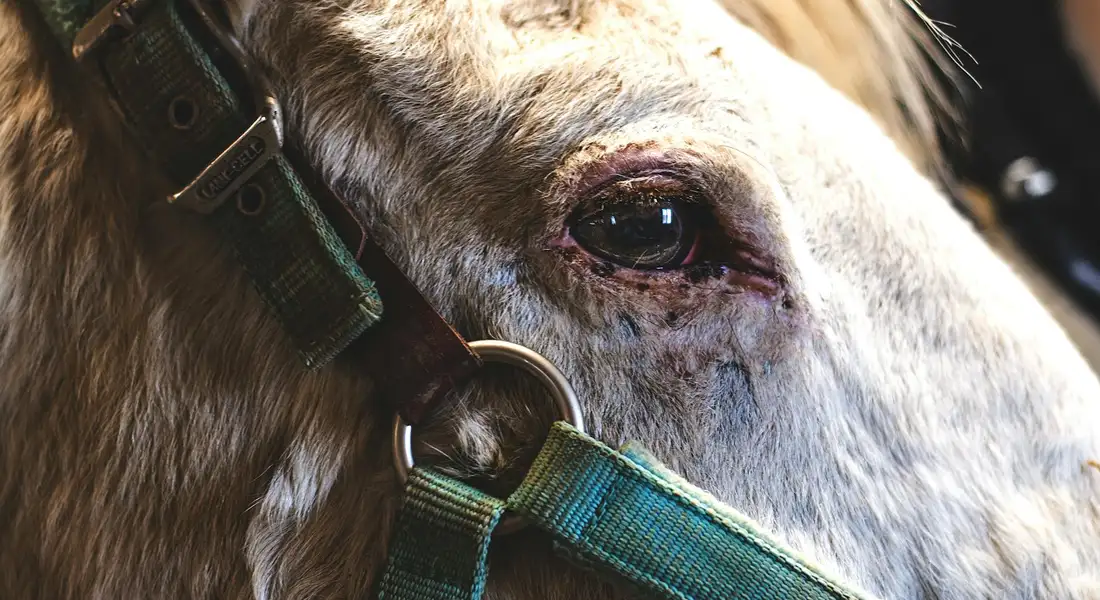
The anatomy of breeding horses presents unique challenges that demand vigilant care. Whether you have a broodmare or a stallion, understanding these issues is key. I’ve helped with late-night foalings and seen how swiftly a routine birth can become complex. Additionally, preparing a dedicated foaling environment—clean, quiet, well-bedded, and with easy access to help—helps ensure a smoother birth. A well-set birthing area reduces stress for mare and foal. Proactive veterinary oversight during breeding and foaling is non-negotiable for equine welfare.
Retained Placenta in Mares
After foaling, a mare should pass her placenta within three to six hours. If it remains, it becomes a toxic reservoir for bacteria, risking life-threatening metritis or laminitis. The smell of a retained placenta is unmistakably foul-a sign infection is brewing. A retained placenta is a ticking clock; veterinary intervention for manual removal must happen quickly to prevent systemic infection.
The veterinary procedure typically involves:
- Giving the mare oxytocin to stimulate uterine contractions.
- Gently separating and removing the placental membranes by hand.
- Thoroughly flushing the uterus with warm, sterile saline solution.
- Administering broad-spectrum antibiotics and pain relief.
Endometritis and Uterine Infections
The mare’s uterus has natural folds that can trap fluid and bacteria post-breeding or foaling, leading to infection. This inflammation, called endometritis, can compromise fertility and overall health. Effective treatment for uterine infections often combines uterine lavage to physically remove debris with targeted antibiotic therapy.
Common treatment and management options:
- Uterine lavage: Repeated flushing with sterile fluid until the return is clear.
- Intrauterine antibiotic infusions based on culture and sensitivity tests.
- Encouraging movement and turnout to help the uterus drain naturally.
- For chronic cases, hormonal treatments like Regumate may improve uterine health.
Breeding Injuries
Stallions risk physical trauma during mating, from penile abrasions to muscle strains. A quiet, well-designed breeding area with solid footing is essential. Using experienced handlers and proper safety equipment minimizes the risk of injury to both stallion and mare.
FAQ: Common Horse Health Issues Related to Their Anatomy
What digestive system issues are related to horse anatomy?
The horse’s lengthy digestive tract and small stomach are designed for near-constant forage intake. This anatomy makes them highly susceptible to colic from abrupt feed changes and to gastric ulcers when the stomach is empty for long periods. Managing these risks requires mimicking natural grazing with frequent, forage-based meals.
What skin and coat problems are linked to anatomical features?
A horse’s skin forms a critical barrier, but areas like the pastern with its folds or the back under a saddle are vulnerable to trapping moisture and debris. This can lead to conditions like pastern dermatitis (“scratches”) or rain rot, where bacteria invade compromised skin. Consistent grooming and keeping key areas clean and dry are essential for prevention.
What eye and vision problems occur in horses?
Horses have large, laterally placed eyes which provide a wide field of view but also make them prone to injury from dust, flies, and trauma. Their prominent eye position contributes to common issues like corneal ulcers from scratches and Equine Recurrent Uveitis (moon blindness). Regular observation for squinting or cloudiness is vital for early detection and treatment, and it’s one reason horses wear masks and fly veils.
Your Horse’s Health in Your Hands
Address anatomy-based risks by making daily hoof checks, providing ample turnout, and feeding for digestive health your non-negotiable priorities. Preventing issues through management that respects their physical design is always more effective than treating problems after they arise.
Embrace the slow, steady rhythm of observant care and always put safety first. True partnership is built by quietly listening to what your horse’s body and behavior tell you every single day.
Further Reading & Sources
- Essential Anatomy for Understanding Horse Musculoskeletal Health
- Anatomy of a Horse – Skeleton, Muscles, Organs and Their Functions – ClipMyHorse.TV Magazine
- Equine Anatomy 101: A Deep Dive into Horse Bone Structure – Gladiator Equine
- Equine anatomy – Wikipedia
At Horse and Hay, we are passionate about providing expert guidance on all aspects of horse care, from nutrition to wellness. Our team of equine specialists and veterinarians offer trusted advice on the best foods, supplements, and practices to keep your horse healthy and thriving. Whether you're a seasoned rider or new to equine care, we provide valuable insights into feeding, grooming, and overall well-being to ensure your horse lives its happiest, healthiest life.
Health