
The Essential Daily Grooming Routine: Your Horse’s Foundation for Health and Trust
Published on: January 13, 2026 | Last Updated: January 13, 2026
Written By: Henry Wellington
Hello from the grooming bay. That daily layer of dirt is more than a cleaning chore-it’s a missed chance to catch a hidden sore, a brewing skin issue, or a change in mood that could spell trouble down the trail.
Neglecting the brush can lead to preventable vet calls and a horse that’s stiff or sour under saddle. A mindful daily routine is the simplest, most powerful wellness check you can do.
This guide will give you a practical, horse-first approach. We’ll cover building a basic toolkit without breaking the bank, a logical sequence that keeps your horse calm and cooperative, how to read your horse’s body and coat for early warning signs, and adapting your technique for the sensitive thoroughbred or the sturdy trail pony.
I’ve learned this through years of barn management and training, where the quiet rhythm of grooming horses like Luna and Rusty taught me that clean hooves and a shiny coat are just the visible benefits of a much deeper practice.
Why Grooming is More Than Just a Pretty Coat
Running a curry comb over your horse’s side does more than remove dirt. That rhythmic motion stimulates blood flow just under the skin. Promoting circulation this way brings fresh oxygen to tissues and can ease the stiffness from overnight stall rest.
Your horse’s skin produces natural oils that need help traveling along the hair shaft. Regular brushing acts like a conveyor belt, spreading these oils from neck to rump. A evenly distributed oil coat creates a healthy shine and a better barrier against weather and bugs, especially in horses with thicker fur.
Think of your daily brush-down as a hands-on health inspection. You get to know every bump, scar, and normal swell on your horse. I remember a chilly morning with Rusty; while brushing his sorrel flank, my hand felt a slight damp patch I hadn’t noticed visually. It was a small, hidden scrape from a fence rub. Catching issues like this early during routine care stops minor annoyances from turning into major vet calls.
This consistent handling is where trust is built. For a high-strung horse like Luna, the predictable pattern of currying then brushing lowers her heart rate. For a clever pony like Pipin, it’s a focused time for positive interaction. Gentle, daily grooming teaches your horse that your presence means safety and care, strengthening your bond without a single cue.
Assembling Your Grooming Kit: Tools You Actually Need
Forget the fancy, gimmicky tools. A simple, durable kit you can clean easily gets the job done every time. Invest in quality basics that last seasons, not fragile gadgets that clutter your tack box.
- Curry Comb: Start with a rubber one. The flexible nubs create a deep, satisfying crunch as they loosen mud and dead skin. Use it in firm circles on the muscular body, avoiding the legs and face.
- Body Brush: This firm-bristled brush follows the curry. It sweeps the lifted debris away with a flick, sending a small cloud of dust into the sunbeam. It brings up the coat’s natural luster after the deep clean.
- Mane Comb: A wide-toothed plastic comb is gentler than a brush. I start at the bottom of Pipin’s mane and work upward, hearing the gentle pop of tangles releasing without breaking hairs.
- Tail Brush or Your Fingers: I often use my hands on Luna’s tail to carefully separate strands from the bottom up. If you use a brush, pick one with long, forgiving bristles to prevent hair loss.
- Hoof Pick: The most important tool. The curved metal hook cleans the sole and grooves of the frog. That solid thud of a dislodged pebble hitting the ground means you’ve just prevented a stone bruise.
A couple of optional items solve specific problems. A rubber sweat scraper efficiently pulls water off a wet coat after a ride. Keep a soft, damp cloth for wiping away sleepy dust from gentle eyes and cleaning a muddy muzzle. Your kit should be practical, making the routine efficient so you both enjoy the process.
The Daily Ritual: A Step-by-Step Grooming Sequence
Step 1: Safety First and Hoof Care
-
Secure your horse with a quick-release knot or in cross-ties equipped with panic snaps. I always cross-tie my Thoroughbred, Luna, because she can startle; those snaps give me peace of mind. A safe tie is non-negotiable, as it prevents injury and lets you focus on the task at hand. Begin with the hooves so any dislodged mud falls to the ground, not onto clean legs.
-
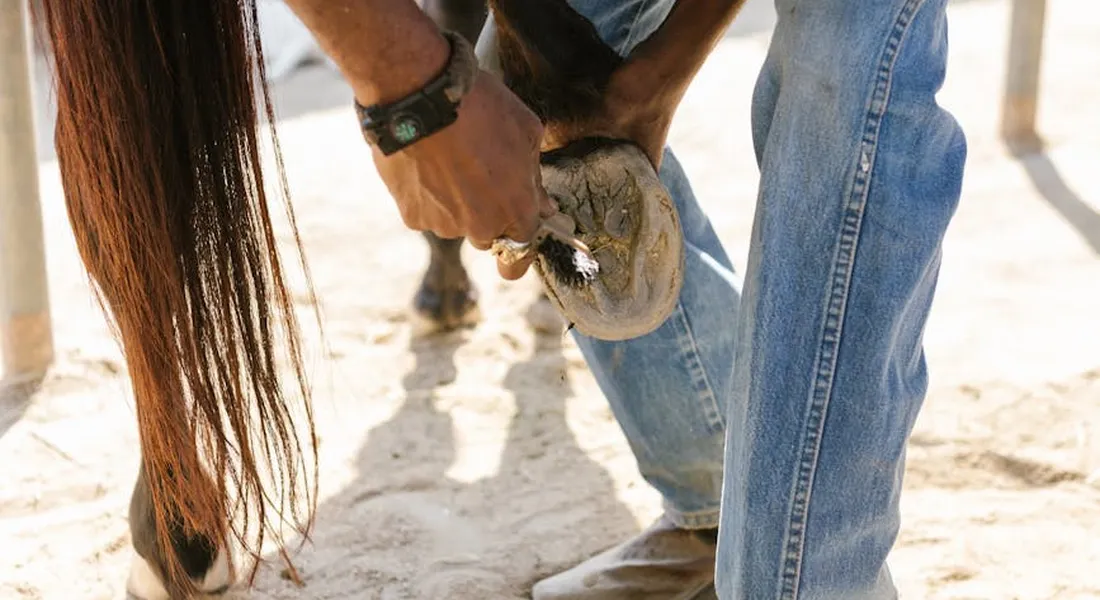
Pick each hoof from heel to toe, applying firm pressure to scoop out packed dirt. Inspect the frog and collateral grooves for pebbles or the black, smelly signs of thrush. This daily check is your first line of defense against abscesses and lameness. My Quarter Horse, Rusty, is steady for this, but I still talk to him through the process-it keeps us both calm.
Step 2: Loosening Dirt and Mud
-
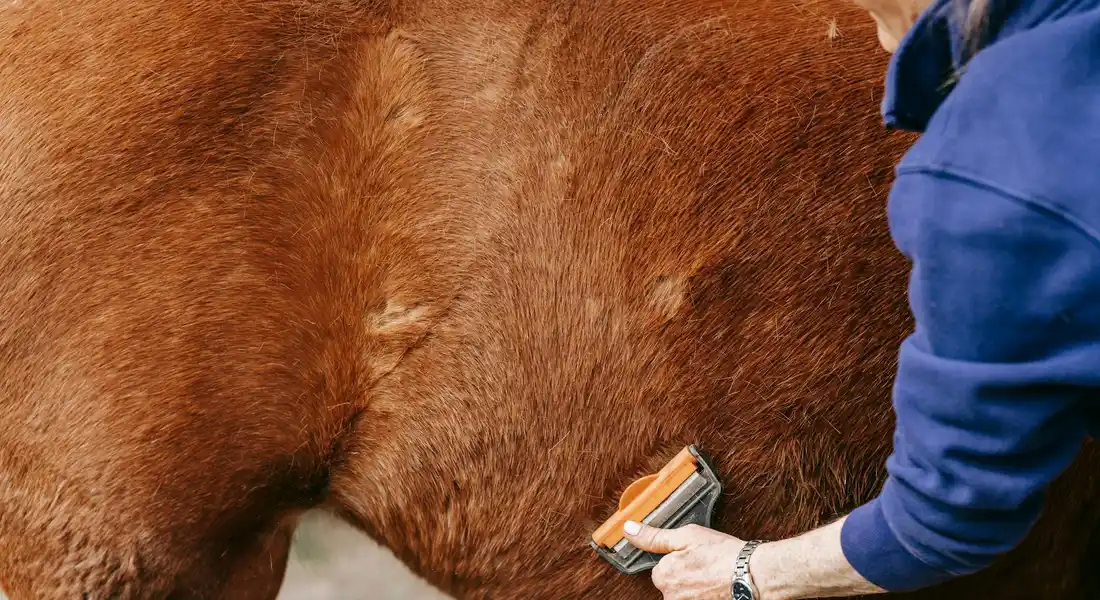
Grab a rubber curry comb and work in vigorous circles, following the natural flow of the muscles. This action brings deep-down dirt and dead hair to the surface. Currying is like a great scratch for your horse, boosting circulation and loosening up tight spots. You’ll hear a satisfying thud as you work over large muscle groups.
-
Lighten your pressure over bony areas like the withers, spine, and hips. Be whisper-soft on the belly and flank. Horses like my Shetland, Pipin, often have ticklish bellies, and respecting that sensitivity makes grooming a pleasure, not a battle. If your horse swings their head or pins their ears, slow down. Learning to read their body language tells you when your horse is happy and comfortable. That awareness guides how you respond and keeps grooming calm and trusting.
Step 3: Brushing for a Clean, Shiny Coat
-
Follow with a stiff body brush, using long, assertive strokes to sweep away the curry-loosened debris. This brush is the secret to a gleaming coat; it polishes each hair by distributing natural skin oils. On a dusty horse like Rusty, you’ll see a cloud of dirt lift with every pass.
-
Brush in the direction of hair growth to avoid irritating the skin. For fine-coated horses like Luna, I use a softer brush and less force. Consistent brushing does more than clean-it strengthens your bond and gives you a chance to check for new cuts or bumps. The rhythm of it is downright meditative.
Step 4: Mane, Tail, and Finishing Touches
-
Detangle the mane and tail by starting at the very bottom, working upward with your fingers or a wide-tooth comb. Always work from the ends to the roots to prevent painful pulling and breakage. Pipin, our escape artist, gets his tail full of burrs; patience and a spray bottle of water are my best tools here.
-
Dampen a soft cloth with clean water and gently wipe around the eyes, nostrils, and muzzle. Clearing away sleep sand and mucus helps prevent infections and lets your horse see the world clearly. Be slow and quiet around the face—this area is packed with nerves.
-
Give the entire body a final once-over with a soft finishing brush or grooming mitt. This last sweep catches any leftover dust and leaves the coat incredibly smooth to the touch. It’s the perfect, polished end to our daily connection.
Navigating the Tricky Spots: How to Groom Sensitive Areas
Your horse’s face, legs, and undercarriage are packed with nerve endings. A rough hand here can turn trust into tension in a heartbeat. Grooming these zones isn’t about power; it’s about communication and respect for your horse’s personal space. I learned this the hard way with Luna, who would fling her head sky-high at the sight of a stiff brush. Now, my rule is simple: slow and soft wins the race. Avoiding common grooming mistakes is the next step I focus on to keep grooming calm and respectful.
Grooming the Face and Ears
Approach the head from the side, not straight on, so your horse can see you easily. Let them sniff the brush or cloth in your hand-it’s a polite hello. For daily cleaning, a soft face brush or even a damp microfiber cloth is your best friend, using gentle, sweeping motions from the poll down toward the muzzle. I keep a dedicated soft cloth just for Rusty’s handsome blaze. Understanding which are the essential grooming tools for a horse helps you plan a complete routine. This topic ties into a broader guide on horse grooming essentials.
- Always move slowly and follow the lay of the hair. If your horse pulls away, pause and try again with less pressure.
- For ears, cup your hand and gently fold the ear open to inspect. Wipe out any visible dirt or wax with a dry, soft cloth. Never, ever insert a finger, cloth, or Q-tip into the ear canal.
Grooming the Legs and Belly
This is where your grooming session doubles as a health check. Run your bare hand down each leg before brushing to feel for heat, swelling, or nicks. Checking legs daily is your first line of defense against catching injuries or the early signs of cellulitis. Use a lighter touch with the brush over tendons and joints.
The belly can be a ticklish minefield. For horses like Pipin, who twitches at the mere suggestion of a belly brush, I skip the tool entirely. Using the flat of your hand in firm, slow strokes is often better tolerated than bristles and builds positive association.
- Be extra cautious around the back of the pasterns and heels, where mud and debris love to hide and cause scratches.
- If you must use a brush on the belly, choose a ultra-soft body brush and always brush toward the head, not against the grain.
Special Consideration for Geldings and Mares
This is a periodic hygiene task, not part of the daily brush-down. For geldings, a sheath cleaning every few months may be needed to prevent uncomfortable “bean” formation. Only use warm water and a specialized, pH-balanced equine cleanser-never harsh soaps or human products that can strip natural oils and cause irritation. For mares, a simple external rinse of the udder area with clear water during a bath is usually sufficient unless directed by your vet. If you’re unsure how to proceed safely, ask your veterinarian or an experienced groom for a demonstration. Additionally, a concise step-by-step guide to proper horse hoof cleaning is provided for your reference.
Smart Grooming: Tips for Efficiency and Horse Happiness
Turn grooming from a chore into a ritual. A smart routine builds trust and saves you time.
Keep your tools in a dedicated bucket or caddy. A five-gallon bucket works perfectly. This single habit keeps your kit portable, organized, and prevents your good brushes from getting trampled in the aisle or used as a stall-cleaning tool.
Groom in a consistent order every time. I start on the left side, always: curry, stiff brush, soft brush, then hoof pick. Horses are creatures of habit, and knowing what comes next helps the anxious ones settle and stops the mischievous ones from inventing new games.
Your hands are your best diagnostic tools. As you curry and brush, let your fingers scan for bumps, heat, or tenderness. Running your hand down a cannon bone is the fastest way to find a new wind puff or a nick from the fence that you haven’t seen yet.
Adapt your energy to your horse. For my sensitive Thoroughbred, Luna, I use a whisper-light touch with the curry and let her sniff each tool. With Pipin, the Shetland pony, I’m cheerfully firm-no nonsense, but plenty of praise when he stands square. For steady Rusty, it’s our quiet time together.
Always end on a good note. A carrot, a mint, or a long scratch at the base of the withers tells them the session is over and they did well. This positive reinforcement makes them look forward to your visits, halter or not.
Grooming as a Health Check: What to Look For Every Day
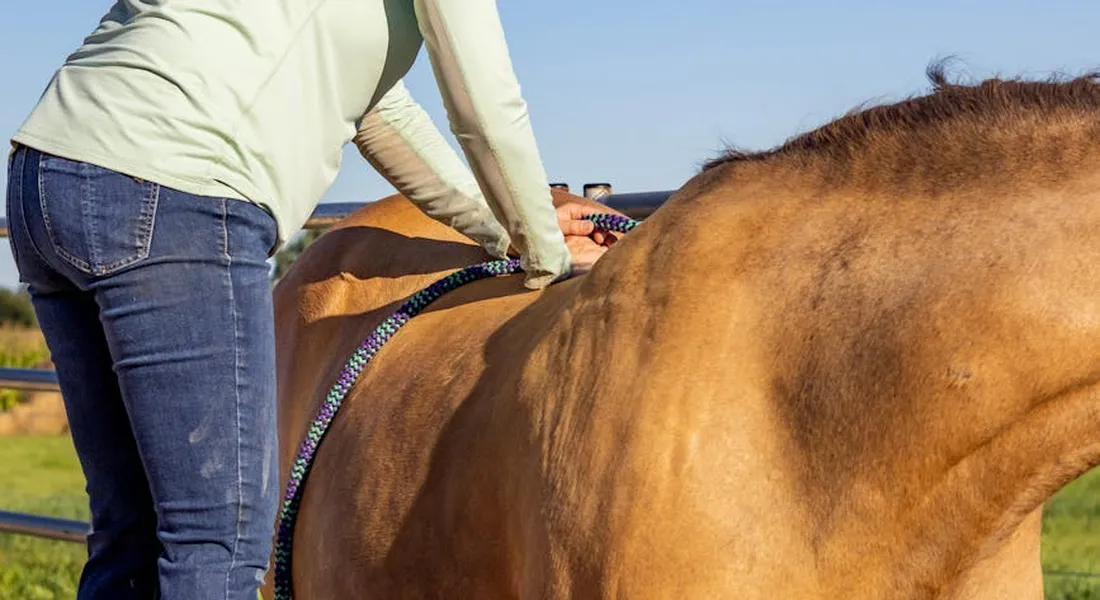
Your daily brush-down is more than a beauty session. It is your first line of defense for your horse’s health. Running your hands over your horse’s body lets you catch small issues before they become big, expensive problems. I remember finding a hidden cut on Rusty’s flank while currying, a reminder that a hands-on check beats a quick visual scan every time.
Turn that grooming into a systematic health inspection. Focus on these key areas.
- Legs and joints: Slide your palms down each leg, feeling for heat or swelling. A warm tendon or a puffy knee needs rest, not work. Gentle pressure can reveal tenderness. Pipin once taught me that a flinch at a soft touch on his fetlock meant a stone bruise was brewing. Daily turnout promotes circulation and reduces stiffness, but you must still check.
- Skin and coat: Look and feel for unusual lumps, fresh cuts, or scabs. Skin flakes or patches of hair loss can signal fungi or allergies. I always part the hair behind Luna’s ears and under her belly, favorite hiding spots for ticks and dirt.
Your hoof pick is a diagnostic tool, not just a cleaner. Make picking all four feet a non-negotiable daily ritual. As you clear out mud and pebbles, inspect for cracks in the hoof wall, a shifted or loose shoe, and that sour, foul odor of thrush in the sulci. A healthy hoof has a mild, earthy smell. A stench means trouble. Pipin’s clever escapes into the wet pasture make me check his hooves twice daily. Regular hoof cleaning isn’t just tidy—it’s preventative care that helps you spot problems early before they escalate. Consistent picking reduces the risk of abscesses, cracks, and lameness, keeping your horse comfortable and sound.
What you see during grooming and stall cleaning ties directly to internal health. A coat that turns dull or feels rough often points to poor nutrition or dehydration. When Luna’s gleaming dapple grey coat lost its luster, it was a flag to review her feed and water. Similarly, note manure consistency during cleanup. Dry, hard balls or loose, watery piles are early warnings for dietary imbalance or digestive upset. It is all connected.
FAQ: Essential Daily Grooming Routine for a Healthy Horse
How do I groom a horse that is particularly ticklish or sensitive?
Focus on using your hands for gentle, firm strokes instead of brushes on sensitive areas like the belly or flanks. Gradually introduce tools with light pressure, always moving slowly to avoid startling your horse. Observe their reactions closely and pause if they show discomfort, reinforcing positive behavior with calm reassurance.
Can grooming help improve my horse’s performance under saddle?
Yes, grooming stimulates circulation, which can reduce muscle tension and improve range of motion for better movement. It helps you identify areas of soreness or stiffness early, allowing for targeted care before riding. A well-groomed coat also ensures proper saddle contact and prevents chafing, contributing to overall comfort and performance. Gentle grooming touch deepens the bond between you and your horse, building trust and calmness. That closer connection often enhances communication and responsiveness during rides.
What should I do if I find a new lump or bump while grooming?
First, note the lump’s location, size, and any heat or tenderness, and avoid brushing directly over it to prevent irritation. Keep the area clean and monitor it daily for changes, such as growth or increased sensitivity. If the lump doesn’t resolve within a few days or if your horse seems painful, contact your veterinarian for a professional evaluation.
Grooming as a Gentle Ritual
Your daily grooming routine is your first line of health defense, bonding you to your horse while checking for issues. The most important tool isn’t your brush-it’s your eyes; watch your horse’s face and posture for clues on what feels good or hurts. To deepen that bond, follow a step-by-step grooming routine. With each careful stroke, you groom your horse and strengthen the connection, step by step.
Stay patient, keep your sessions calm, and remember that a quiet conversation with your curry comb often reveals more than a rushed checklist ever could. This daily connection builds the trust that makes every other part of horsemanship possible.
Further Reading & Sources
- Horse grooming 101: A guide for beginners
- How to Groom a Horse: Step-By-Step Guide | Mad Barn
- Horse Grooming Basics – AQHA
- Grooming Secrets to Show Like the Pros – Horse and Rider
At Horse and Hay, we are passionate about providing expert guidance on all aspects of horse care, from nutrition to wellness. Our team of equine specialists and veterinarians offer trusted advice on the best foods, supplements, and practices to keep your horse healthy and thriving. Whether you're a seasoned rider or new to equine care, we provide valuable insights into feeding, grooming, and overall well-being to ensure your horse lives its happiest, healthiest life.
Basic Grooming Techniques