
Horse Insurance Explained: What’s Covered and How Much It Costs
Hello fellow equestrians. That knot in your stomach when the vet mentions surgery or a month of stall rest is real. You’re not just worrying about your horse’s health-you’re staring down a financial cliff.
Let’s turn that anxiety into action. This article will give you the barn-floor facts on insurance, so you can make a clear-eyed decision. We’ll walk through:
- The standard coverage types you’ll see in most policies, from major medical to liability.
- The real-world cost factors that set your premium, using plain numbers.
- Practical steps to evaluate a policy for your horse’s specific needs and your budget.
I’ve sorted through these details for my own herd and clients over a decade of barn management, where protecting their well-being always comes first.
Understanding the Basics of Equine Insurance
Think of horse insurance as a financial safety net for the barn. It’s the equivalent of car insurance for your truck and trailer, but for your living, breathing equine partner. Are different types of horse insurance available? From mortality and medical coverage to liability and loss-of-use, there are options to fit your horse and routine.
This type of policy isn’t about expecting the worst; it’s about securing peace of mind so you can focus on the joy of pasture time and partnership instead of sleepless nights over potential vet bills. It transforms a catastrophic financial decision into a manageable administrative one.
The primary policy types are tools designed for different risks. You can mix and match based on what your horse does and what keeps you up at night.
- Mortality/Theft Insurance: This is the foundational layer, covering the horse’s insured value in case of death or theft.
- Medical/Surgical Insurance: This acts like major medical coverage, handling vet bills for accidents, illnesses, and surgeries.
- Liability Insurance: This protects you if your horse causes injury to a person or damage to someone else’s property.
- Loss of Use Insurance: A specific policy for performance horses who become permanently unable to do their job.
Breaking Down Standard Horse Insurance Coverage
Let’s untangle the main coverage areas. It helps to see them side-by-side, like different tools on your grooming cart.
| Coverage Type | What It Typically Includes | Real Barn Example |
|---|---|---|
| Mortality | Pays the insured value of the horse if it dies from an accident, illness, or is stolen. | Covering Rusty’s insured value in the tragic event of a severe, untreatable colic. |
| Medical/Surgical | Reimburses vet costs for treating accidents and illnesses, including surgery, medications, and diagnostics. | Paying for Luna’s emergency surgery after she sustains a deep laceration from a fence. |
| Liability | Covers your legal responsibility if your horse injures someone or damages property. | If Pipin cleverly unlatches his stall, escapes, and damages a neighbor’s prized garden. |
| Loss of Use | Pays a percentage of the horse’s value if it becomes permanently unable to perform its insured use (e.g., showing, jumping). | A retired show jumper developing a career-ending degenerative joint disease. |
Beyond these core areas, you can often add optional riders, like a supplement to your feed program. These can include specific theft protection, tack and equipment coverage, or even routine care wellness plans that help budget for vaccines and dental work.
Mortality Coverage: Protecting Your Horse’s Value
Mortality coverage is strictly tied to an agreed-upon market value or a professional appraisal, not the immense sentimental worth in your heart.
You’ll need a recent vet check and proof of value, which reinforces why keeping meticulous health and show records is a critical part of responsible ownership. Common exclusions are usually pre-existing conditions, certain high-risk activities, or death resulting from neglect.
I remember a barn neighbor who lost a young, promising horse to a sudden and bizarre neurological event. The mortality benefit didn’t ease their heartache, but it did allow them to settle the remaining board bill and, when they were ready, responsibly pursue another horse without financial ruin. It was a hard lesson in the cold, practical math that underpins our warm, fuzzy world.
Medical and Surgical Coverage: Handling Vet Bills
This is the coverage that tackles the eye-watering invoices from the equine hospital. It typically covers accidents and illnesses, from a mysterious lameness to a life-threatening colic twist.
Just like human health insurance, you’ll choose a deductible and an annual or per-incident policy limit, which directly affects your premium. A higher deductible usually means a lower monthly cost.
Always, always keep detailed vet records and understand your policy’s pre-authorization rules. For a major procedure like colic surgery, you or your vet often must call the insurance company for approval before proceeding. I treat my policy folder with the same reverence as my horse’s Coggins papers-it stays in the tack room, right where I can find it in a panic.
Liability Insurance: Shielding You from Third-Party Claims
This coverage is vital for the unpredictable “oops” moments. If your horse spooks on a trail ride and kicks a car, or if a well-meaning visitor gets nipped in your barn, liability insurance handles the claims.
For those who give lessons or board horses, a robust equine liability policy should sit alongside your general farm liability. A good rule of thumb is to carry at least $1 million in coverage if your horse interacts with the public. However, it’s essential to understand the insurance requirements for horse owners and breeders in your area to ensure you’re adequately protected.
Don’t assume your homeowner’s policy has you covered. Many exclude commercial equine activities or horses over a certain value. It’s like assuming your rain slicker will keep you dry in a monsoon-best to have the right tool for the specific storm.
Loss of Use and Other Rider Options
Loss of Use is a specialized policy for horses with a defined job, like a dressage prospect or a roping horse. If an injury permanently prevents them from that work, it pays a percentage of their value.
Other riders, like breeding insurance for your mare or stallion, or inland marine coverage for your custom saddle, should be evaluated with a strict cost-versus-need analysis.
For my steady-eddy trail horse Rusty, a loss of use policy makes no sense-his job is to be a sound companion. But for a high-level therapy horse or a busy lesson mount, the calculus changes entirely. You’re insuring their economic function, not just their life.
What Factors Determine the Cost of Horse Insurance?

- Your horse’s age is a primary driver of cost. Insuring a young, high-strung Thoroughbred like Luna will typically cost more than a steady senior like Rusty, as youth often correlates with higher risk.
- Breed and intended use directly impact your quote. A breed prone to specific health issues, or a horse used for intense competition, signals greater risk to insurers compared to a quiet trail horse.
- Where you live matters more than you might think. Veterinary care in urban areas often commands higher prices, which insurers factor into your medical coverage premium.
- A detailed health history is non-negotiable. Any past colic, lameness, or injury will be scrutinized and can increase costs, which is why I always keep meticulous vet records.
- The scope of coverage you choose is the biggest lever you control. Opting for just mortality versus a full package with surgical coverage creates a wide range in potential cost.
- Premiums are usually calculated as an annual rate, but you can often pay monthly. I find setting aside a monthly amount makes this predictable expense easier to manage alongside hay and farrier bills.
How Your Horse’s Profile Affects Premiums
- Age isn’t just a number; it’s a risk category. A horse in their prime may have a balanced cost, while a veteran like Rusty might see higher medical premiums but a lower insured value for mortality.
- Discipline dictates danger in the eyes of an insurer. Insuring Luna for eventing would be far costlier than insuring her for light dressage, due to the inherent risk of jumping.
- Pre-existing conditions are the ghost in the room during underwriting. That mysterious lameness Pipin had two years ago? It will likely be excluded, reminding us that proactive, gentle care pays off long-term.
- Absolute honesty on your application is the only policy. I’ve seen claims denied because of an undisclosed past injury; saving a few dollars now isn’t worth financial ruin later.
The Impact of Geography and Coverage Levels
- Your zip code can be as important as your horse’s pedigree. If you board near a city with expensive veterinary clinics, your medical premium will reflect those potential bills.
- Choosing a lower deductible means higher premiums, and vice versa. I often advise finding a deductible you can comfortably cover from savings, which keeps the annual cost reasonable.
- Electing for higher coverage limits naturally increases your cost. It’s a trade-off: more financial protection for a major incident versus a lower monthly outlay.
- Read the exclusions section carefully, as it can hide risk. A cheaper policy that excludes common injuries is no bargain when your horse needs a tendon scan.
Estimating Your Horse Insurance Premiums
- Costs can vary wildly, but ballpark figures help set expectations. For a basic mortality-only policy, you might pay significantly less per year than for a full medical and surgical plan.
- Scenario planning is useful. A pleasure horse valued at a modest amount will have a different premium footprint than a six-figure show jumper.
- Senior horses often have premiums focused on medical care rather than high mortality value. For a beloved older partner, this shift in coverage focus is a practical reality.
- Always get multiple quotes. I shop around at renewal time just like I compare hay prices; different companies assess risk differently, which can save you money.
Typical Costs for Mortality and Medical Coverage
- Mortality coverage often runs between 2% and 4% of the horse’s insured value annually. For a $10,000 trail horse, that could mean roughly $200 to $400 per year.
- Major medical/surgical coverage can add a separate, significant cost on top of mortality. This is where those regional vet fees really hit your premium.
- Budget for insurance as a core care expense, right after feed and hoof care. Viewing it this way makes the cost feel like responsible stewardship rather than an optional fee.
When to Consider Additional Coverage Riders
- Assess your real-world risk before adding riders. A loss-of-use rider might make sense for a high-level competition horse, but likely not for old Rusty who’s happily retired on trail duty.
- For many pleasure horses, solid mortality and medical coverage is perfectly sufficient. The money saved on fancy riders can be better spent on improving their daily life with more turnout time.
- A wellness or routine care rider can simplify budgeting for vaccines and dental work. Run the numbers to see if the added premium cost is less than what you pay out-of-pocket each year.
- My best advice is to talk to a specialist. An equine insurance broker can look at your horse’s unique profile-whether it’s Luna’s sensitivity or Pipin’s escapades-and tailor a plan that makes sense.
Navigating the Insurance Purchase and Claim Process
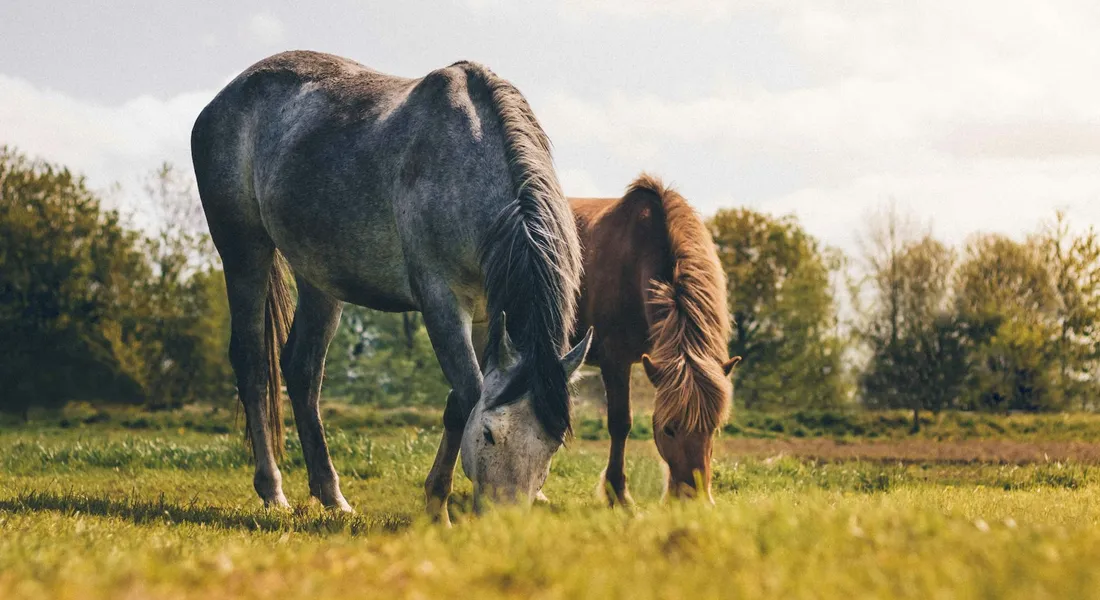
Buying insurance feels like reading a foreign language, and filing a claim can spike your blood pressure. I’ve been there. Let’s break it into manageable steps, so you can secure coverage with confidence and know exactly what to do when the unforeseen happens.
- Get at least three quotes. Premiums can vary wildly for the same horse, so shopping around is non-negotiable.
- The fine print is your bible. Read every exclusion-common ones are pre-existing conditions, certain high-risk activities, or specific illnesses like West Nile if the horse isn’t vaccinated.
- Choose your deductible like you’re budgeting for a new saddle. A higher deductible means a lower premium, but you’ll pay more out-of-pocket if you have a claim. Pick an amount that wouldn’t financially cripple you if you had to pay it tomorrow.
A personal story: My mare Luna, the dapple grey Thoroughbred, decided a peaceful trail ride was the perfect time to test her vertical jump over a fallen log. She over-rotated and came down lame. I had just renewed her policy. The vet diagnosed a significant suspensory strain. Because I’d notified the insurer within 24 hours and saved every single receipt, from the initial farm call to the follow-up ultrasounds, the claim process was surprisingly smooth. The lesson? Panic is natural, but methodical documentation is what gets you to a payout. Filing the claim correctly was crucial to the process.
Steps to Get Insured: From Appraisal to Policy
- Schedule a vet exam for a health certificate. This creates a formal baseline of your horse’s condition. Any issues found here become documented pre-existing conditions, which is honest and protects you later.
- Establish your horse’s value. For most pleasure horses, the purchase price or a comparable market value is fine. For high-value animals, a formal appraisal may be required. Be realistic; insurers will push back on inflated values.
- Compare quotes line by line. Look at the mortality benefit amount, surgical coverage limits, and the exact wording of the medical colic coverage. The cheapest policy is often the one that covers the least when you need it most.
- Review all limits and exclusions before signing. Call the agent and ask them to explain anything you don’t understand. If it’s not in writing, it doesn’t exist.
Making a Claim: A Practical Guide
- Contact your insurer at the first sign of a major issue. You don’t need a full diagnosis, but you must report the incident. This initial call is critical and often time-sensitive per your policy terms.
- Become a paperwork packrat. Get itemized invoices from your vet, take dated photos of the injury, and keep a log of treatments. If there were witnesses, note their contact information.
- Submit the complete claim package. Fill out the insurer’s forms precisely, attach all your gathered evidence, and send it via a trackable method. Keep an identical copy for yourself.
- Maintain polite, persistent communication. Follow up weekly for status updates. A calm, organized approach does more to speed up a claim than a dozen frantic phone calls.
FAQ: What Does Horse Insurance Typically Cover and How Much Does It Cost?
How much does horse insurance cost per month?
Horse insurance premiums are often paid annually but can be broken into monthly installments for budgeting. Monthly costs typically range from $20 to $100 or more, depending on your horse’s value, age, and coverage levels. Other factors—such as breed, discipline, location, and medical history—also influence premiums. Keeping these in mind helps when comparing quotes. Always request detailed quotes to see how monthly payments align with your chosen deductible and policy limits.
What is the average annual cost for horse insurance?
Annual costs are commonly calculated as a percentage of the horse’s insured value, usually between 2% and 6% for basic mortality coverage. For example, insuring a $15,000 horse might cost $300 to $900 per year, with added expenses for medical or surgical riders. Factors like geography and intended use significantly influence these yearly premiums. Besides insurance, owners should also budget for emergency funds for unexpected veterinary expenses.
How does horse insurance cost in the UK compare globally?
In the UK, horse insurance costs are shaped by local veterinary rates and a competitive insurance market, often making premiums comparable to other developed countries. Regional variations exist, with urban areas possibly seeing higher rates due to increased care costs. As elsewhere, your premium will reflect your horse’s profile and the comprehensiveness of your policy, including liability and coverage.
Stable Wisdom on Insurance
Horse insurance is a practical shield against surprise vet bills and liability claims. Your most important step is to meticulously read the policy details, comparing exclusions and claim processes, not just the premium. If you’re asking, ‘do I choose the right horse insurance policy?’, the next steps will help you compare options beyond the price. They’ll guide you toward coverage that truly fits your horse’s needs.
Let a good policy grant you peace of mind so you can focus on the daily partnership. The best risk management still starts with watching your horse and listening to what they tell you.
Further Reading & Sources
- Horse Insurance 101 – Cost, Coverage & When it’s Worth it
- Equidae Insurance | Equine Insurance
- How Much Does Equine Insurance Cost? | Travelers Insurance
- Horse Insurance Packages
At Horse and Hay, we are passionate about providing expert guidance on all aspects of horse care, from nutrition to wellness. Our team of equine specialists and veterinarians offer trusted advice on the best foods, supplements, and practices to keep your horse healthy and thriving. Whether you're a seasoned rider or new to equine care, we provide valuable insights into feeding, grooming, and overall well-being to ensure your horse lives its happiest, healthiest life.
Health